
The Legacy of Indus Valley Art: Influence on Modern Indian Design

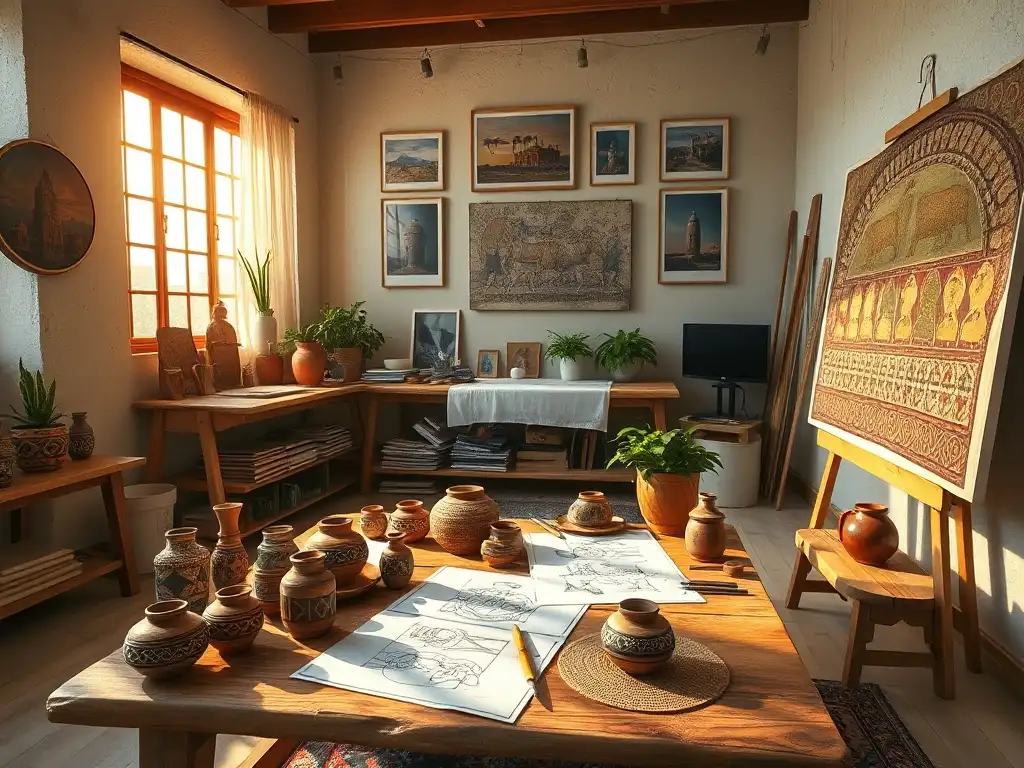
Welcome to Ancient India History, where we invite you to embark on a journey through the rich tapestry of ancient Indian civilizations. Delve into the captivating world of the Indus Valley art influence, a topic that unravels the profound impact of this remarkable culture on modern Indian design. As we explore the intricate patterns and aesthetic philosophies that have shaped artistic expressions for centuries, you'll discover how the echoes of the past continue to resonate today. Join us as we uncover the legacy that bridges ancient creativity with contemporary innovation—your adventure into the depths of history begins here!
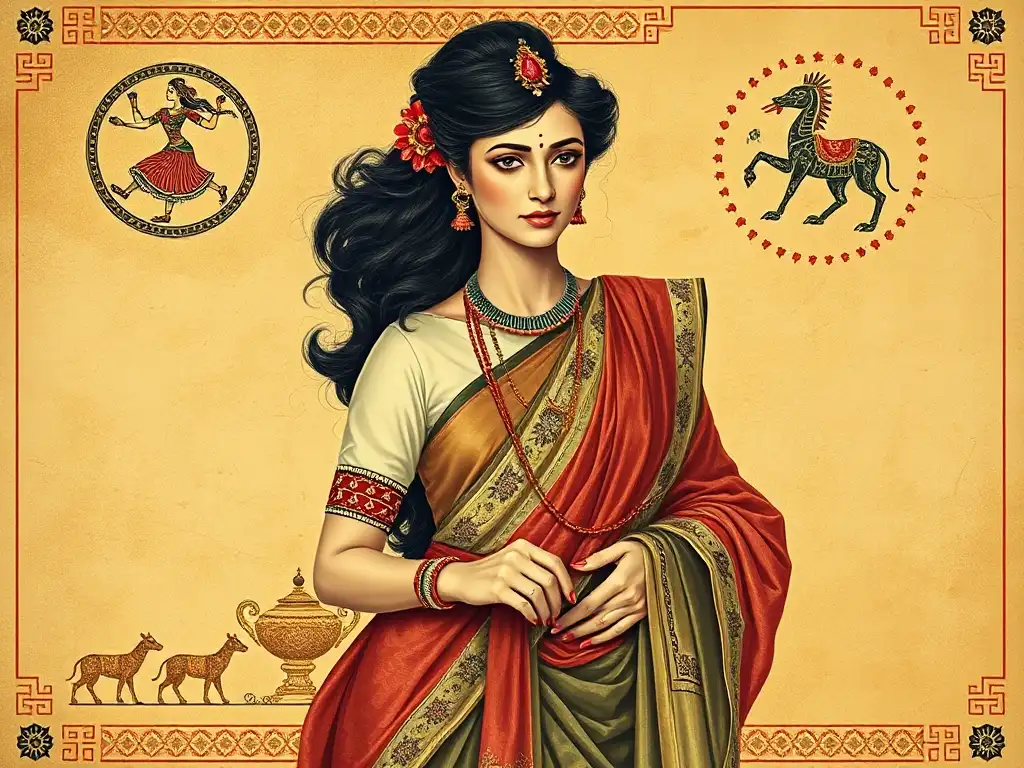
Introduction to Indus Valley Art Influence
The Indus Valley Civilization, one of the world's earliest urban cultures, flourished around 2500 BCE in what is now modern-day Pakistan and northwest India. Known for its advanced city planning, sophisticated drainage systems, and impressive architecture, the civilization also produced a remarkable array of art that continues to resonate in contemporary Indian design.
The influence of Indus Valley art is not merely a relic of the past; it serves as a foundational element that has shaped modern aesthetics and cultural expressions in India. This article explores how the artistic legacy of the Indus Valley is interwoven with today’s design principles, revealing a continuum of creativity that spans millennia.
Overview of the Indus Valley Civilization
The Indus Valley Civilization was a complex society that thrived between approximately 3300 BCE and 1300 BCE. It encompassed major urban centers such as Harappa and Mohenjo-Daro, characterized by their grid-like layouts and advanced infrastructure. The civilization's economy was primarily agrarian, supplemented by trade with neighboring regions.
- Key Features:
- Urban Planning: Streets laid out in a grid pattern, sophisticated drainage systems.
- Economy: Agriculture, livestock rearing, and trade.
- Social Structure: Evidence suggests a stratified society with distinct roles.
The art produced during this period reflects a deep connection to the daily lives, religious beliefs, and environmental surroundings of its people. From intricate seals and terracotta figurines to elaborate pottery, the artistic expressions of the Indus Valley Civilization provide crucial insights into its cultural ethos.
Significance of Art in Ancient Indian Culture
Art in ancient India served as a vital conduit for cultural expression, religious devotion, and social identity. In the context of the Indus Valley, art was not merely decorative; it embodied the values and beliefs of a society that revered craftsmanship and symbolism.
- Cultural Reflection: Artworks often depicted animals, humans, and deities, highlighting the importance of nature and spirituality.
- Social Identity: Artistic styles varied across regions, indicating local customs and preferences.
- Trade and Exchange: Artifacts found in various archaeological sites suggest active trade networks, allowing for cultural exchanges that enriched artistic practices.
As such, the art of the Indus Valley Civilization laid the groundwork for subsequent artistic movements in India, influencing styles, techniques, and themes that persist to this day.
Characteristics of Indus Valley Art
Understanding the characteristics of Indus Valley art requires an exploration of the techniques, materials, and themes that defined its creations.
Unique Techniques and Materials Used
Indus Valley artisans displayed remarkable skill in utilizing various materials and techniques that contributed to their distinctive art forms.
- Materials:
- Terracotta: Widely used for figurines and pottery.
- Stone: Hard stones like steatite were carved for seals and decorative items.
- Metals: Copper and bronze were employed for tools and ornaments.
- Techniques:
- Carving: Intricate designs on seals and sculptures.
- Pottery: Painted pottery with geometric patterns, often using a potter's wheel.
- Molding: Use of molds for creating uniform shapes in terracotta items.
These elements combined to form a unique artistic language that conveyed the sophistication of the Indus Valley people.
Symbolism and Themes in Indus Valley Art
The art of the Indus Valley Civilization is rich in symbolism and thematic representation, reflecting both the spiritual and practical aspects of life.
- Common Themes:
- Nature: Animals (such as the unicorn and elephants) frequently featured in art, symbolizing strength and fertility.
- Deities: Possible representations of religious figures, suggesting a complex belief system.
- Geometric Patterns: Emphasizing mathematical precision and aesthetic appeal.
This symbolic depth not only reveals the worldview of the Indus Valley inhabitants but also serves as a source of inspiration for modern Indian design, where motifs and themes continue to echo the ancient aesthetic sensibilities.
The exploration of Indus Valley art influence on modern Indian design is an ongoing journey, revealing how the echoes of the past continue to shape today’s creative expressions. By understanding this legacy, we can appreciate the profound connections between ancient artistry and contemporary design practices.
Historical Context of Indus Valley Art
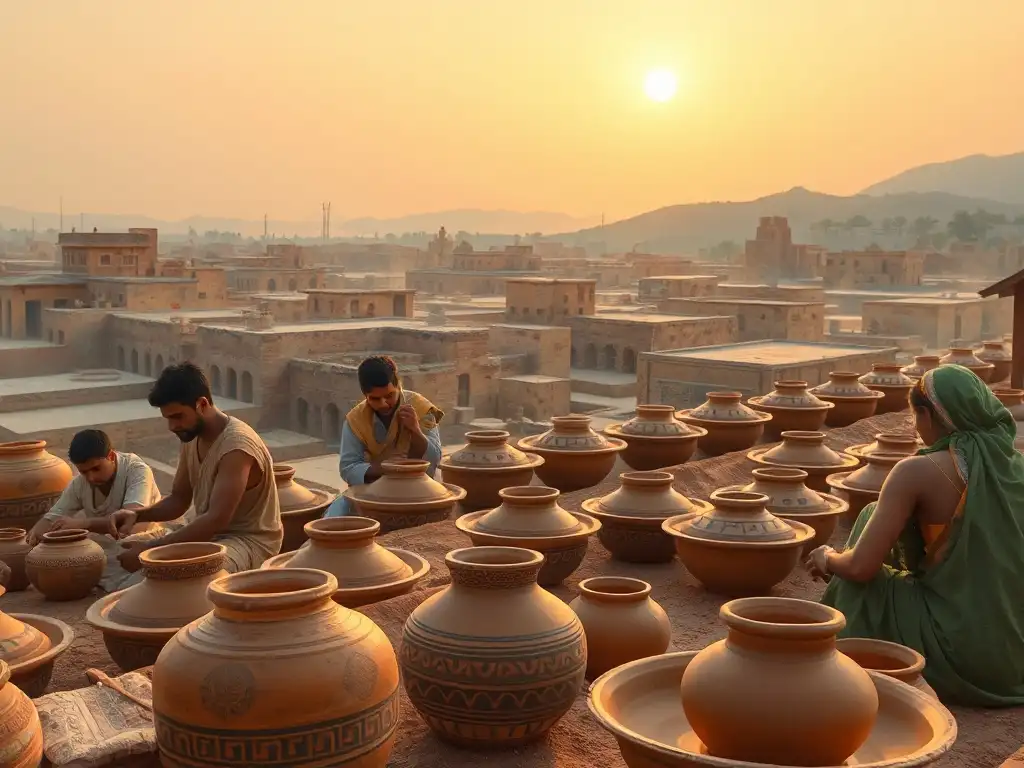
The Indus Valley Civilization (IVC), flourishing between approximately 3300 BCE and 1300 BCE, is renowned for its sophisticated urban planning, advanced drainage systems, and remarkable artistic expressions. The art of this civilization reflects a deep connection to daily life, spirituality, and the natural environment. Unlike their contemporaries, the Egyptians and Mesopotamians, the artisans of the Indus Valley focused on creating functional art that was both aesthetically pleasing and practical.
Artifacts such as pottery, terracotta figurines, and seals reveal a profound understanding of materials and techniques. The art often features intricate designs, geometric patterns, and motifs inspired by flora and fauna, reflecting the people’s reverence for nature. The cultural context of the IVC, characterized by trade, agriculture, and urbanization, greatly influenced its artistic expressions. Additionally, the lack of written records limits our understanding of the IVC's societal structures and beliefs, yet the surviving artworks offer a glimpse into the values and aesthetics of this ancient civilization.
Timeline of Artistic Development in the Indus Valley
- 3300-2600 BCE: Early Harappan phase, characterized by simple pottery and rudimentary artistic forms.
- 2600-1900 BCE: Mature Harappan period sees the emergence of sophisticated pottery, intricate seals, and terracotta sculptures. This era marks the zenith of artistic innovation with the production of detailed motifs and figures.
- 1900-1300 BCE: Post-Harappan phase, where artistic quality begins to decline, but still showcases elements of traditional designs and motifs.
This timeline illustrates the evolution of art in the Indus Valley, with significant advancements peaking during the Mature Harappan period, where the quality and complexity of artistic creations reached unprecedented levels.
Key Sites and Discoveries Related to Art
Several archaeological sites have unearthed significant artifacts illustrating the artistic prowess of the Indus Valley Civilization:
- Harappa: Known for its seals, terracotta figurines, and remarkable pottery, Harappa has provided crucial insights into the artistic traditions of the IVC.
- Mohenjo-Daro: This site features the famous "Dancing Girl" bronze statue and numerous pottery pieces adorned with intricate designs, showcasing the sophistication of IVC artisans.
- Chanhudaro: Notable for its workshops, this site revealed evidence of bead-making, indicating the importance of adornments and personal expression in IVC culture.
These sites and their discoveries highlight the technological skills and artistic creativity of the Indus Valley people, laying the foundation for future artistic traditions in India.
The Transition from Ancient to Modern Design
The artistic traditions of the Indus Valley have had a lasting impact on modern Indian design, serving as a bridge connecting ancient aesthetics with contemporary expressions. This transition has been marked by a gradual evolution of styles, motifs, and techniques that can be traced back to the art of the Indus Valley.
Evolution of Indian Design Post-Indus Valley Civilization
Following the decline of the Indus Valley Civilization, Indian art and design underwent transformations influenced by various cultures, including the Aryans, Mauryas, and later dynasties. The introduction of new materials and techniques, along with regional variations, contributed to the diversification of artistic expressions. However, the fundamental elements derived from Indus Valley art—such as geometric patterns, nature-inspired motifs, and the emphasis on craftsmanship—continued to resonate throughout Indian art history.
The Gupta period, often referred to as the "Golden Age" of India, saw a flourishing of the arts where many design principles rooted in the Indus Valley were further refined and developed into classical forms. Traditional crafts, textiles, and architecture from this period often echoed the aesthetic sensibilities of their ancient predecessors.
Key Influences on Modern Indian Art and Design
Modern Indian art and design draw extensively from the rich legacy of the Indus Valley. Several key influences include:
- Motifs and Patterns: Geometric designs and natural motifs prevalent in Indus Valley art have been revived in contemporary textiles, ceramics, and graphic design.
- Craftsmanship: Traditional techniques such as pottery and weaving continue to thrive, often incorporating ancient designs with modern twists, fostering a dialogue between past and present.
- Cultural Symbolism: The themes of spirituality and nature seen in Indus Valley art still resonate in modern Indian art, where artists often explore similar themes through various mediums.
The Indus Valley art influence is evident in the contemporary artistic landscape of India, where artists and designers celebrate and reinterpret their ancient heritage, ensuring that the legacy of this remarkable civilization continues to inspire future generations.
Indus Valley Art Influence on Contemporary Indian Design
The Indus Valley Civilization, which flourished from approximately 3300 to 1300 BCE, is renowned for its sophisticated urban planning, advanced art, and intricate craftsmanship. The artistic expressions from this period have left an indelible mark on contemporary Indian design, influencing various domains such as architecture, textiles, and pottery. The emphasis on symmetry, geometric patterns, and natural motifs in Indus Valley art continues to resonate in modern interpretations, showcasing a seamless blend of ancient aesthetics with contemporary sensibilities.
In contemporary design, the influence of Indus Valley art is evident in the revival of traditional techniques and materials. Designers and architects often draw inspiration from the motifs and patterns that characterized ancient artifacts, creating pieces that not only honor the past but also cater to modern tastes. This fusion of styles has led to a richer, more diverse design landscape in India, highlighting the enduring legacy of the Indus Valley Civilization.
Architectural Influences in Modern India
The architectural influence of the Indus Valley is particularly noticeable in urban development and modern architectural practices across India. The principles of urban planning established by the Indus Valley Civilization, including grid layouts and drainage systems, have inspired contemporary architects in their designs of cities and public spaces. For instance, the integration of open spaces and water management systems in modern urban planning reflects the ancient civilization's advanced understanding of environmental design.
Furthermore, the aesthetic elements of Indus Valley architecture, characterized by the use of baked bricks, terracotta, and intricate carvings, can be seen in modern buildings that aim to evoke a sense of heritage and connection to the past. Many architects incorporate elements such as courtyards, jali work (lattice screens), and geometric patterns reminiscent of ancient structures, creating a dialogue between history and modernity.
Textiles and Craftsmanship Inspired by Indus Valley Art
The textile industry in India has long been influenced by the rich artistic heritage of the Indus Valley. The intricate motifs found on ancient textiles, such as animal figures, floral patterns, and geometric designs, continue to inspire contemporary textile designers and artisans. The revival of block printing and weaving techniques that date back to the Indus Valley has led to a resurgence of traditional craftsmanship, ensuring that these skills are passed down through generations.
Moreover, the use of natural dyes and sustainable practices in textile production reflects the eco-consciousness evident in ancient practices. Many modern designers are reinterpreting Indus Valley motifs in their collections, creating garments that celebrate the richness of Indian heritage while appealing to contemporary aesthetics. The result is a vibrant textile landscape that honors its roots while embracing innovation.
Case Studies of Modern Designs Inspired by Indus Valley Art
Example 1: Contemporary Architecture in Chandigarh
Chandigarh, designed by the renowned architect Le Corbusier in the mid-20th century, showcases a unique blend of modern architectural principles and elements inspired by Indian heritage, including the Indus Valley Civilization. The use of open spaces, parks, and a grid layout reflects the urban planning that originated in ancient times.
Additionally, the incorporation of local materials and traditional motifs in various buildings demonstrates how contemporary architecture pays homage to the artistic legacy of the Indus Valley. Structures such as the Capitol Complex exhibit geometric patterns and forms that echo the aesthetic sensibilities of ancient artisans, creating a harmonious connection between past and present.
Example 2: Textile Designer Anita Dongre
Anita Dongre, a prominent textile designer, draws significant inspiration from the Indus Valley Civilization in her collections. Her designs often feature intricate embroidery, natural dyes, and motifs reminiscent of ancient art, such as peacocks and floral patterns. Dongre's commitment to sustainable practices also reflects the eco-friendly approach of the Indus Valley artisans. By integrating traditional craftsmanship with modern fashion, she creates garments that tell a story of heritage and culture, bridging the gap between ancient influences and contemporary design. Her work is a testament to the timelessness of Indus Valley art and its relevance in today's fashion landscape.
The Cultural Significance of Indus Valley Art in Modern India
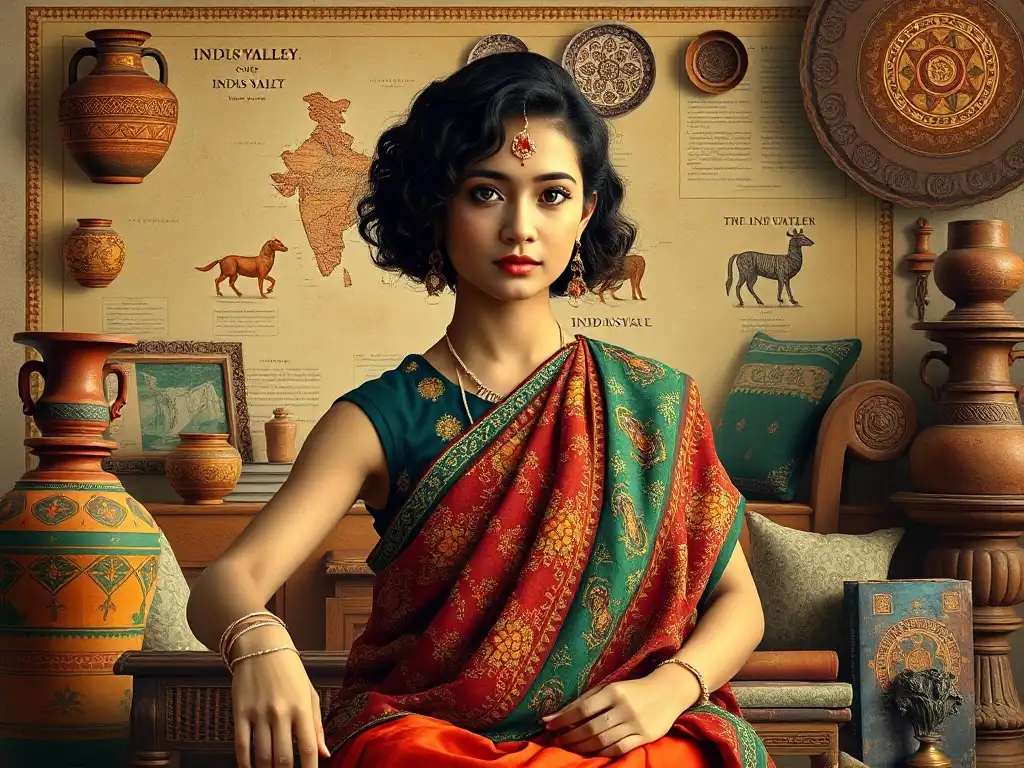
Indus Valley art holds a unique place in the cultural tapestry of modern India, reflecting a continuity of aesthetic values and artistic traditions that span millennia. This ancient civilization, known for its sophisticated urban planning and craftsmanship, laid a foundation for artistic expression that resonates in contemporary Indian culture. The intricate seals, pottery, and sculptures from the Indus Valley not only showcase the technical prowess of its artisans but also embody the spiritual and social narratives of the time.
The motifs and designs found in Indus Valley artifacts have inspired various modern artistic movements in India, emphasizing nature, geometry, and symbolism. This cultural significance is evident in numerous aspects of Indian life today, from textiles to architecture, demonstrating how ancient art continues to inform and inspire contemporary practices.
Preservation of Artistic Heritage
Preserving the artistic heritage of the Indus Valley is crucial for maintaining a connection to India's historical roots. Efforts to protect and promote this heritage include:
- Archaeological Research: Ongoing excavations and studies aim to uncover and understand the artistic practices of the Indus Valley people, ensuring that their contributions are recognized and celebrated.
- Museums and Exhibitions: Institutions across India curate exhibits featuring Indus Valley artifacts, educating the public about their significance and fostering appreciation for ancient art.
- Traditional Craft Revival: Many artisans today draw inspiration from Indus Valley motifs, creating contemporary pieces that echo ancient designs. This revival not only sustains traditional craftsmanship but also keeps the artistic legacy alive.
The commitment to preserving this heritage is a testament to its importance in shaping modern Indian identity and aesthetics.
Role of Indus Valley Art in Contemporary Indian Identity
Indus Valley art plays a pivotal role in shaping contemporary Indian identity by linking modern citizens to their ancient past. This connection manifests in various ways:
- Cultural Symbolism: Elements of Indus Valley art, such as seals and figurines, have become symbols of national pride and cultural heritage, representing India's rich history on global platforms.
- Inspiration for Modern Artists: Many contemporary Indian artists incorporate themes and techniques derived from Indus Valley art into their work, bridging the gap between the past and present. This practice not only honors the legacy of ancient artisans but also enriches the cultural dialogue within modern contexts.
- Educational Initiatives: Schools and cultural organizations increasingly include the study of Indus Valley art in their curricula, fostering a sense of belonging and continuity among younger generations.
Through these avenues, Indus Valley art continues to influence and shape the narrative of what it means to be Indian today.
Conclusion: The Enduring Influence of Indus Valley Art
The legacy of Indus Valley art is profound and multifaceted, influencing various aspects of modern design and cultural expression. Its enduring presence in contemporary Indian society serves as a reminder of the artistic ingenuity of ancient civilizations and their relevance in today's world.
Summary of Key Influences on Modern Design
The influences of Indus Valley art on modern design can be summarized as follows:
- Design Aesthetics: The use of geometric patterns and natural motifs in textiles, ceramics, and architecture reflects the aesthetics established by the Indus Valley artisans.
- Sustainable Practices: The focus on natural materials and eco-friendly techniques in contemporary craftsmanship echoes the sustainable practices of ancient artisans.
- Cultural Integration: Modern designers often integrate traditional symbols and narratives inspired by Indus Valley art, fostering a sense of continuity and cultural pride.
These influences underscore the significance of ancient artistic practices in shaping contemporary design trends.
Reflection on the Future of Indus Valley Art Influence
Looking ahead, the influence of Indus Valley art is likely to evolve while remaining a vital part of India's cultural landscape. Possible future trends include:
- Technological Integration: The use of digital technologies in art and design may allow for innovative reinterpretations of Indus Valley motifs, making them accessible to a broader audience.
- Global Collaborations: As Indian arts gain international recognition, collaborations between traditional artisans and modern designers could lead to new interpretations that resonate on a global scale.
- Continued Education: Increased emphasis on the significance of Indus Valley art in educational settings can ensure that future generations appreciate and carry forward this rich heritage.
The legacy of Indus Valley art is not merely a relic of the past but a living influence that continues to shape the aesthetic and cultural identity of modern India.
References and Further Reading
The exploration of Indus Valley art and its influence on modern Indian design is a fascinating journey that marries ancient creativity with contemporary aesthetics. Scholars and enthusiasts alike can deepen their understanding of this topic through various resources. Below are some suggested books and online platforms that provide comprehensive insights into the art of the Indus Valley Civilization and its lasting impact on modern design in India.
Suggested Books on Indus Valley Art and Modern Design
-
"The Indus Civilization: A Contemporary Perspective" by Gregory L. Possehl
This book offers an in-depth look at the Indus Valley Civilization, delving into its art, culture, and urban planning. Possehl’s analysis helps readers understand how ancient practices have influenced modern artistic expressions.
-
"Indus Valley Civilization and the Harappan Culture" by A. K. Sharma
Sharma presents a detailed account of the art forms from the Indus Valley, including pottery, seals, and figurines. This book serves as a foundational resource for studying the artistic legacy that informs contemporary Indian design.
-
"Crafting the Future: The Influence of Ancient Indian Art on Modern Design" by K. N. Mishra
This work explores how traditional Indian crafts and artistic principles from ancient civilizations, particularly the Indus Valley, continue to shape modern design philosophies and practices in India.
-
"Lost Cities of the Indus Valley: An Exploration of Ancient Art and Architecture" by R. S. Sharma
This book takes a closer look at the architectural marvels of the Indus Valley and their artistic components. It draws connections between ancient structures and modern architectural trends in India.
-
"Designing with the Past: The Indus Valley and Contemporary Indian Aesthetics" by Priya Kumar
Kumar’s book examines the aesthetic principles that originated in the Indus Valley and how these have been reinterpreted in modern design, making it an essential read for designers and historians alike.
Online Resources for Exploring Indus Valley Art Influence
-
The Archaeological Survey of India (ASI)
The ASI website provides extensive resources and articles about the Indus Valley Civilization's archaeological findings, including art and artifacts that have shaped Indian culture.
-
Indus Valley Civilization Digital Archive
This online archive features a collection of images, articles, and research papers related to the art and history of the Indus Valley. It serves as a valuable resource for both scholars and casual readers interested in the visual aspects of the civilization.
-
YouTube Channels: "Ancient India" and "History with Ranjit"
These channels feature documentaries and discussions about the Indus Valley Civilization and its artistic contributions. They provide visual and engaging content that helps viewers grasp the influence of ancient art on modern designs.
-
Online Courses on Ancient Indian Art
Platforms like Coursera and edX offer courses on ancient art history, including modules focused on the Indus Valley Civilization. These courses are designed for those looking to gain a more structured understanding of the subject.
-
Museum Websites
Institutions like the National Museum, New Delhi, and the British Museum feature online exhibitions and databases that showcase artifacts from the Indus Valley, providing insights into their artistic significance and contemporary relevance.
By exploring these resources, readers can gain a richer appreciation of the legacy of Indus Valley art and its enduring influence on modern Indian design.
- Introduction to Indus Valley Art Influence
- Overview of the Indus Valley Civilization
- Significance of Art in Ancient Indian Culture
- Characteristics of Indus Valley Art
- Historical Context of Indus Valley Art
- The Transition from Ancient to Modern Design
- Indus Valley Art Influence on Contemporary Indian Design
- Case Studies of Modern Designs Inspired by Indus Valley Art
- The Cultural Significance of Indus Valley Art in Modern India
- Conclusion: The Enduring Influence of Indus Valley Art
- References and Further Reading
Frequently Asked Questions
What is the Indus Valley art influence on modern design?
The Indus Valley art influence is evident in contemporary Indian design through its unique motifs, patterns, and themes that have been adapted in various forms of art and architecture today.
How did the Indus Valley civilization contribute to art?
The Indus Valley civilization is known for its advanced craftsmanship, including pottery, jewelry, and sculpture. These artistic achievements laid the foundation for subsequent artistic traditions in India.
What are some key features of Indus Valley art?
Key features of Indus Valley art include intricate seals, terracotta figurines, and geometric patterns. These elements showcase the civilization's aesthetic sensibility and cultural richness.
How does the Gupta Empire relate to the development of art?
The Gupta Empire marked a significant period of cultural flourishing, where Indus Valley influences merged with new ideas, leading to advancements in sculpture, painting, and architecture that defined classical Indian art.
Why is it important to study the legacy of Indus Valley art?
Studying the legacy of Indus Valley art helps us understand the cultural continuity in India and its impact on modern design, providing insights into how ancient traditions shape contemporary aesthetics.
Final Reflection: Embracing the Timeless Influence of Indus Valley Art
The legacy of Indus Valley art continues to resonate powerfully in contemporary design, reminding us that the past is not merely a distant memory but a living influence that shapes our present. As we navigate through modern aesthetics, the intricate motifs, harmonious forms, and profound symbolism of this ancient civilization serve as a wellspring of inspiration, urging us to reconnect with our cultural roots and appreciate the artistry that has stood the test of time.
The enduring impact of Indus Valley art is a testament to the creativity and ingenuity of our ancestors, highlighting the importance of preserving and celebrating our heritage.
Cultural and social landscapes are continually molded by the art and design that precede us, and the influence of Indus Valley art is no exception. Its motifs and philosophies have seeped into various aspects of modern Indian design, from textiles to architecture, fostering a sense of identity and continuity. As we embrace these influences, we are reminded of the words of renowned designer Charles Eames: Design is a plan for arranging elements in such a way as to best accomplish a particular purpose.
This perspective encourages us to honor the past while innovating for the future, ensuring that the essence of Indus Valley art remains alive in our creations.
As you reflect on the themes presented in this article, consider how the principles of Indus Valley art can inspire your own creative journey. Let the elegance and depth of this ancient art form guide you in your endeavors, encouraging you to integrate its timeless beauty into your life and work.
By doing so, you not only pay homage to a rich cultural heritage but also contribute to a legacy that transcends time, fostering a deeper appreciation for the artistry that surrounds us. Embrace this opportunity to connect with the past and shape a future that honors the brilliance of Indus Valley art.
Unveil the Timeless Influence of Indus Valley Art on Modern Design!
Thank you for exploring the captivating legacy of Indus Valley art with us! Your interest in this remarkable topic unveils the intricate connections between ancient creativity and contemporary design. Now, it’s time to take what you've learned and bring it to life!
Here’s how you can continue your journey:
- Dive deeper into your local art scene: Visit galleries or exhibitions showcasing works inspired by ancient Indian art to experience the influence firsthand.
- Share your insights: Discuss your learnings about the Indus Valley with friends or in online communities—your voice can inspire others!
- Start your own creative project: Incorporate elements of Indus Valley aesthetics into a design, craft, or digital artwork of your choice for a modern twist on ancient wisdom.
What unique design elements from the Indus Valley would you like to see revived in today’s art and fashion? Let's discuss in the comments!