
The Cultural Tapestry of the Maurya Empire: Influential Figures in Diversity

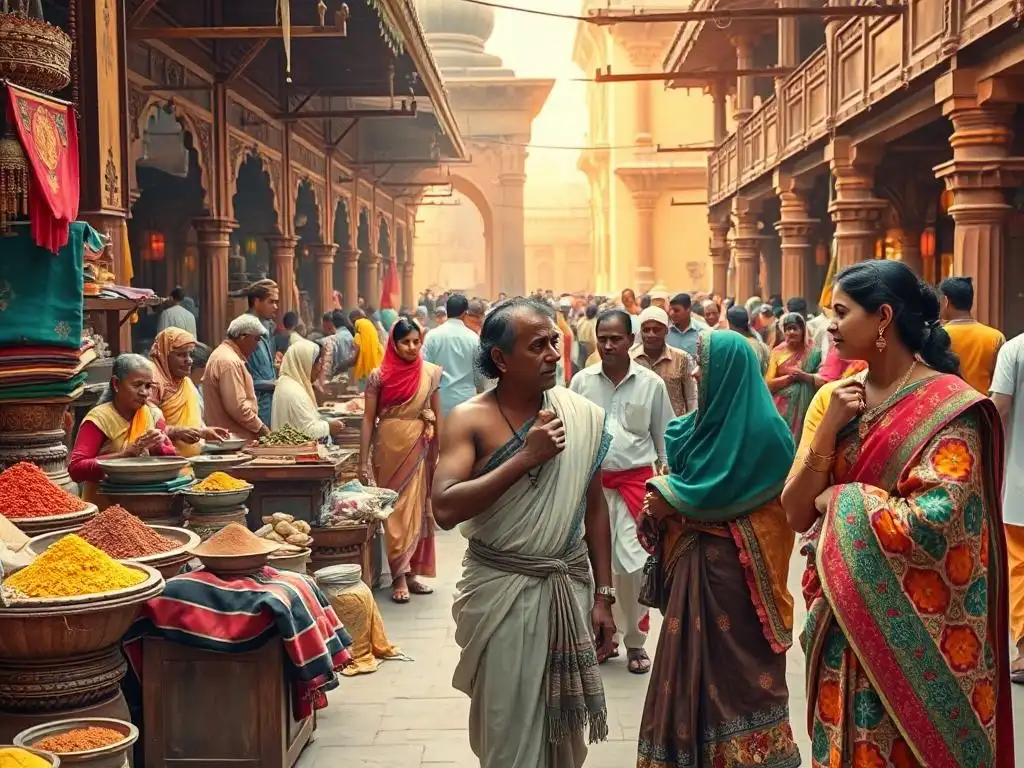
Welcome to Ancient India History, where we embark on a fascinating journey through the rich tapestry of ancient Indian civilizations! Dive into the captivating world of the Maurya Empire as we explore its cultural diversity and the influential figures who shaped this remarkable era. What secrets lie within the intricate connections of art, philosophy, and governance that flourished during this time? Join us as we unravel the threads of history and discover how the Maurya Empire's vibrant culture continues to resonate today. Prepare to be intrigued and inspired as you delve deeper into our exploration of Ancient Indian Civilizations!
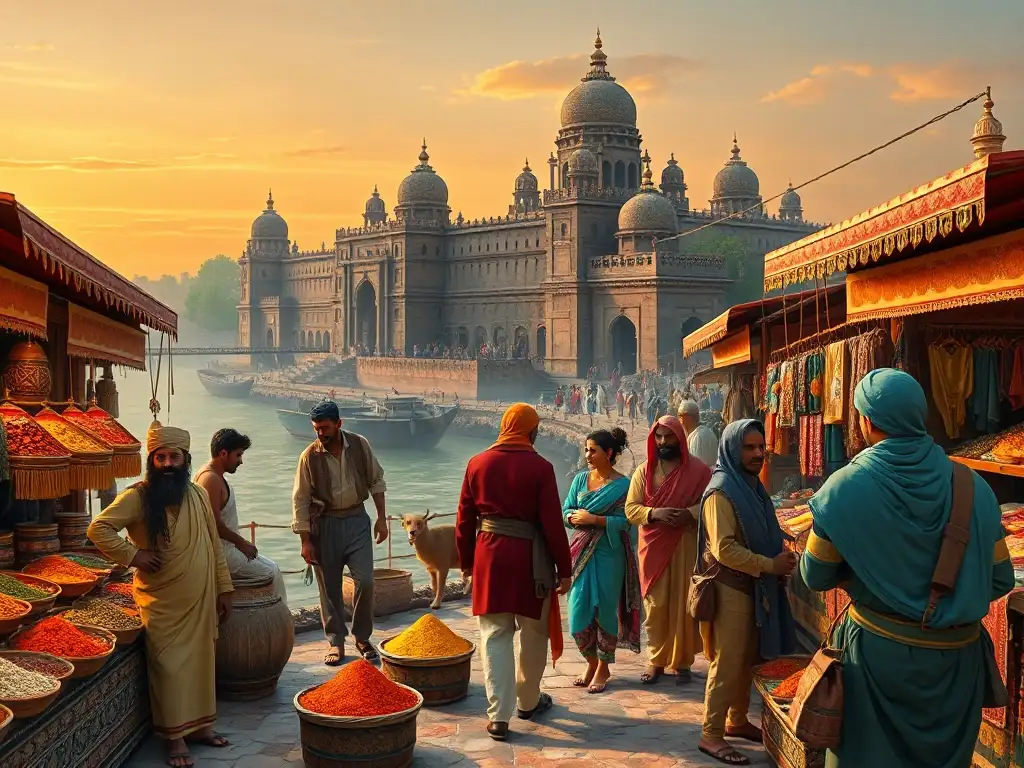
Introduction to the Maurya Empire Cultural Diversity
The Maurya Empire, which flourished from approximately 322 to 185 BCE, stands as one of the most significant and influential periods in ancient Indian history. Characterized by a remarkable cultural diversity, the empire united vast regions of the Indian subcontinent under a centralized administration.
The Maurya Empire's legacy is not merely defined by its military conquests but also by its rich tapestry of cultures, religions, and philosophies that thrived during its reign. This article delves into the influential figures who shaped the empire's cultural landscape, examining how their contributions fostered an environment of diversity and inclusivity that resonated throughout ancient India.
Overview of the Maurya Empire
The Maurya Empire emerged in the wake of the decline of the Nanda Dynasty, led by its founder, Chandragupta Maurya. This empire expanded rapidly, controlling a vast territory that stretched from the eastern banks of the Indus River to the central Indian regions, and even reaching parts of modern-day Afghanistan. The administrative prowess of the Mauryan rulers ensured stability and facilitated trade, diplomacy, and cultural exchange across diverse populations.
Key to the empire's success was its ability to integrate various cultural groups, including local tribes, urban merchants, and diverse religious communities. This integration was not merely a matter of conquest; it involved fostering mutual respect and understanding among the different cultures, leading to a vibrant cultural milieu.
Importance of Cultural Diversity in Ancient India
Cultural diversity in ancient India was a hallmark of its civilization, serving as a catalyst for innovation and development. The Maurya Empire exemplified this diversity through its support of various religions, including Hinduism, Buddhism, and Jainism, each contributing uniquely to the societal fabric. The Mauryan rulers encouraged dialogue and exchange among these belief systems, which not only promoted social cohesion but also enriched the intellectual and artistic achievements of the time.
The empire's commitment to cultural diversity is particularly evident in the Edicts of Ashoka, which promoted moral values and tolerance towards other religions. This approach laid the foundation for a pluralistic society that valued different perspectives, ultimately influencing future generations in the Indian subcontinent.
Key Influential Figures in the Maurya Empire
This section will highlight several key figures whose influence was pivotal in shaping the cultural identity of the Maurya Empire. These individuals, through their actions and philosophies, contributed to the rich cultural tapestry that characterized this remarkable period.
Chandragupta Maurya: The Founder of the Empire
Chandragupta Maurya is often celebrated as the architect of the Maurya Empire, having established a powerful and unified state. His vision extended beyond mere political consolidation; he recognized the importance of cultural integration. By forging alliances with various local rulers and embracing diverse customs, Chandragupta laid the groundwork for a society that valued its multifaceted heritage.
Ashoka the Great: The Patron of Peace and Buddhism
Perhaps the most renowned Mauryan ruler, Ashoka the Great, championed the principles of peace and non-violence following his conversion to Buddhism. His reign marked a significant shift towards cultural pluralism, as he promoted Buddhist teachings while respecting other religions. Ashoka's efforts to disseminate Buddhist philosophy through rock edicts and missions led to the establishment of a culturally rich and harmonious society.
Kautilya (Chanakya): The Strategist and Philosopher
Kautilya, also known as Chanakya, was a pivotal figure in the Maurya Empire, serving as a mentor to Chandragupta Maurya. Renowned for his political acumen and strategic brilliance, Kautilya's writings, particularly the Arthashastra, provided insights into governance and statecraft. His emphasis on pragmatism and ethics influenced the cultural and political landscape of the empire, highlighting the importance of diverse perspectives in leadership.
Other Notable Figures in Maurya Cultural Diversity
In addition to Chandragupta, Ashoka, and Kautilya, several other notable figures contributed to the cultural diversity of the Maurya Empire. These include Brahmins, who played a crucial role in religious and educational spheres, as well as various artisans and merchants who enriched the economy and cultural exchanges. The collective contributions of these individuals reflect the dynamic interplay of diverse cultures that defined the Maurya Empire.
As we explore these influential figures further, we will uncover how their legacies continue to resonate in the cultural fabric of modern India.
The Interplay of Cultures within the Maurya Empire
The Maurya Empire, which flourished from 322 to 185 BCE, is a poignant example of cultural diversity and integration in ancient India. At its height, the empire encompassed a vast territory stretching from the northern plains to the southern regions, bringing together a multitude of ethnicities, languages, and traditions.
This cultural interplay not only enriched the empire's social fabric but also fostered a dynamic environment where various influences could coexist and thrive. The Mauryan rulers, particularly Chandragupta Maurya and his grandson Ashoka, played crucial roles in promoting policies that encouraged the blending of diverse cultural elements, laying the groundwork for a unique Mauryan identity.
The Maurya Empire was characterized by its acceptance and incorporation of various cultural practices. This could be seen in the governance, where local customs and traditions were acknowledged and respected. The empire's administrative framework allowed for a degree of autonomy among different regions, promoting a sense of unity amidst diversity. Moreover, the Mauryan embrace of trade and commerce facilitated the exchange of ideas, goods, and cultural practices, further enriching the tapestry of the civilization.
Integration of Various Ethnic Groups
One of the defining features of the Maurya Empire was its ability to integrate numerous ethnic groups into its societal structure. Different communities, including Aryans, Dravidians, and various tribal groups, coexisted within the empire, contributing to a rich cultural mosaic. The Mauryan rulers implemented policies that recognized and celebrated this diversity, allowing for local customs to flourish under the broader umbrella of the empire.
For instance, the establishment of a centralized administration did not erase the distinct identities of various groups but instead aimed to harmonize them. The use of Aramaic and Brahmi scripts for communication and administration was a strategic choice that facilitated interaction across diverse linguistic backgrounds. Additionally, intermarriage between ruling families of different regions helped to forge alliances and promote cultural exchange, blending traditions and practices from various ethnic origins.
Art, Architecture, and Literature: A Reflection of Cultural Diversity
The artistic and literary achievements of the Maurya Empire are a testament to its cultural diversity. The period saw the emergence of distinctive art forms that synthesized local styles with influences from other cultures, particularly through trade routes that connected India with regions such as Persia and Greece.
Mauryan art is epitomized by the magnificent Ashoka Pillars and stupas, which reflect not only the Buddhist influence but also integrate elements from various artistic traditions. The intricate carvings and inscriptions on these structures echo the empire's commitment to promoting religious tolerance and cultural dialogue.
Literature during this period also thrived, with texts like the Arthashastra by Kautilya showcasing pragmatic governance while intertwining moral and ethical discourse. The use of Sanskrit and Prakrit languages allowed for a broad range of literary expression, accommodating the diverse voices that emerged from different cultural backgrounds.
The Legacy of the Maurya Empire’s Cultural Diversity
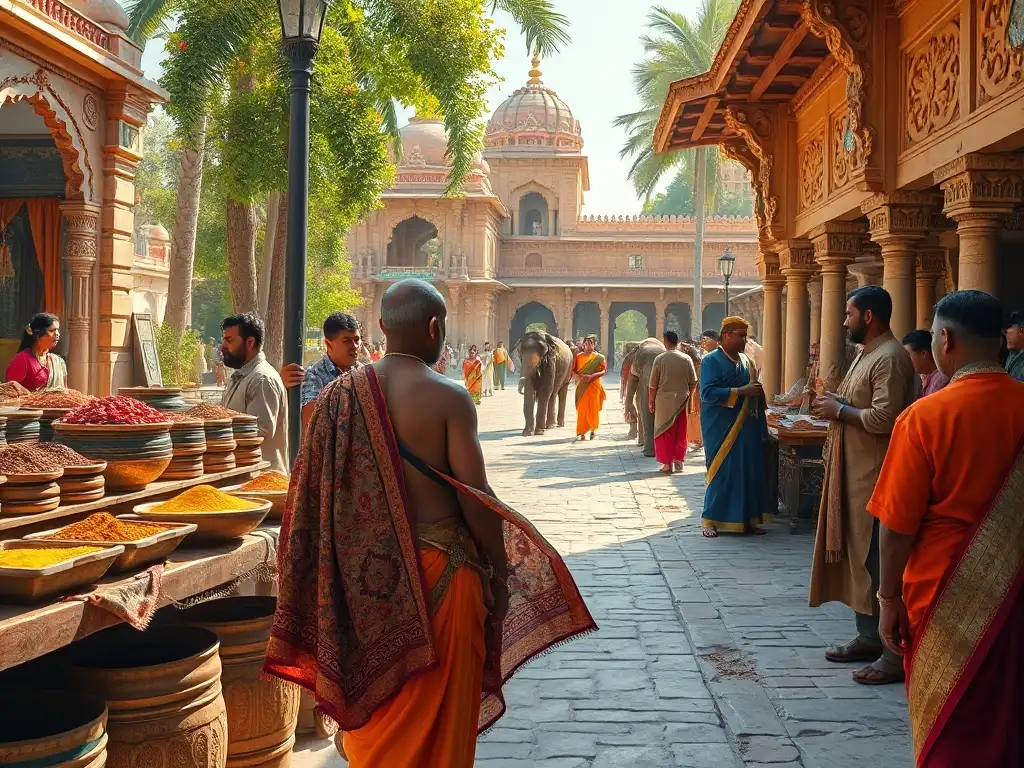
The cultural diversity of the Maurya Empire left an indelible mark on subsequent Indian civilizations, influencing various aspects of social, political, and artistic life. The empire’s legacy can be seen in the way it laid the groundwork for future dynasties to embrace pluralism in governance and culture.
Influence on Subsequent Indian Civilizations
Following the decline of the Maurya Empire, the principles of cultural integration and acceptance continued to resonate in later Indian kingdoms. The Gupta Empire, often viewed as a golden age of Indian culture, inherited the Mauryan legacy of fostering a diverse cultural milieu.
The emphasis on religious tolerance, as championed by Ashoka, set a precedent for future rulers who recognized the importance of accommodating various faiths and traditions. This led to a flourishing of arts and sciences, as scholars and artists from different backgrounds collaborated and exchanged ideas, creating a rich intellectual environment that would influence Indian civilization for centuries to come.
Lessons from the Maurya Empire for Modern Society
The Maurya Empire offers valuable lessons on the importance of cultural diversity and integration in contemporary society. Its example underscores the power of inclusivity and the benefits of recognizing and celebrating different ethnic and cultural identities.
In today's globalized world, where cultural interactions are more frequent than ever, the Mauryan approach serves as a reminder of the strength that diversity can bring to a society. Embracing various perspectives can foster innovation, creativity, and social cohesion, ultimately leading to a more harmonious coexistence. The Maurya Empire's legacy encourages modern societies to cultivate an environment where differences are not merely tolerated but celebrated, creating a vibrant tapestry that reflects the richness of human experience.
Conclusion: Celebrating the Cultural Tapestry of the Maurya Empire
The Maurya Empire, with its vast expanse and varied demographics, stands as a testament to the remarkable cultural diversity that flourished during its reign. This empire not only unified a significant portion of the Indian subcontinent but also embraced a multitude of traditions, languages, and beliefs, allowing a rich tapestry of cultural expressions to emerge. The key figures of this period played pivotal roles in shaping the socio-political and cultural landscapes, leaving behind legacies that resonate through the ages.
By recognizing the contributions of influential leaders like Chandragupta Maurya, Ashoka the Great, and Kautilya, we can appreciate the multifaceted influences that characterized this empire. Each figure brought their unique perspectives and ideologies, fostering an environment that encouraged the amalgamation of various cultural elements. The Maurya Empire's ability to integrate diverse traditions and practices not only strengthened its governance but also enriched its cultural heritage, paving the way for future civilizations.
Reflection on Key Figures and Their Contributions
In examining the Maurya Empire, we find that its key figures exemplified a commitment to cultural diversity and unity. Chandragupta Maurya, the founder of the empire, established a centralized governance system that respected local customs and traditions. His strategies for administration allowed for a blend of various cultural practices, ensuring a sense of belonging among the diverse populace.
Ashoka the Great, perhaps the most celebrated Mauryan ruler, further championed the ideals of tolerance and understanding among different faiths. His edicts, which promoted the principles of Dharma, underscored the importance of ethical governance and respect for all communities, irrespective of their backgrounds. By supporting Buddhism while also honoring other religions, Ashoka created a framework that celebrated diversity and fostered peace across the empire.
Kautilya, the mastermind behind the Arthashastra, provided insights into the political and economic strategies that facilitated the empire's stability. His work emphasized the importance of adapting to various cultural contexts, thus ensuring that the governance model was consistent yet flexible enough to accommodate different societal norms.
The Continuing Relevance of Maurya Empire Cultural Diversity
The cultural diversity of the Maurya Empire holds significant relevance in today’s context. As modern societies grapple with issues of multiculturalism and integration, the Mauryan model offers valuable lessons in coexistence and respect for differences. The empire's approach to governance, which acknowledged and celebrated the variety of cultures, can inspire contemporary leaders in their pursuit of inclusive policies.
Moreover, the legacy of the Maurya Empire is evident in the ongoing influence of its art, architecture, and philosophical ideas. The synthesis of diverse cultural elements from this era can still be observed in modern Indian culture, where various traditions coexist and enrich the national identity. Festivals, languages, and art forms that emerged during the Mauryan period continue to be celebrated, reflecting the enduring impact of its cultural diversity.
The Maurya Empire serves as a historical example of how cultural diversity can be a source of strength and unity. By honoring the contributions of its key figures and recognizing the importance of inclusive practices, we can appreciate the empire's role in shaping not just ancient India but also the broader narrative of human civilization.
- Introduction to the Maurya Empire Cultural Diversity
- Key Influential Figures in the Maurya Empire
- The Interplay of Cultures within the Maurya Empire
- The Legacy of the Maurya Empire’s Cultural Diversity
- Conclusion: Celebrating the Cultural Tapestry of the Maurya Empire
- What was the Maurya Empire known for in terms of cultural diversity?
- Who were some influential figures in the Maurya Empire?
- How did the Maurya Empire facilitate cultural exchanges?
- What role did religion play in the cultural diversity of the Maurya Empire?
- How is the legacy of the Maurya Empire reflected in modern India?
Frequently Asked Questions
What was the Maurya Empire known for in terms of cultural diversity?
The Maurya Empire is renowned for its cultural diversity, which encompassed various languages, religions, and artistic expressions, reflecting the rich tapestry of its population.
Who were some influential figures in the Maurya Empire?
Prominent figures like Chandragupta Maurya and Ashoka the Great played crucial roles in shaping the empire's policies and promoting tolerance and cultural integration.
How did the Maurya Empire facilitate cultural exchanges?
The empire's extensive trade routes and administrative structures enabled significant cultural exchanges between different regions, enhancing its cultural diversity.
What role did religion play in the cultural diversity of the Maurya Empire?
Religion, particularly Buddhism and Jainism, flourished during this period, promoting peace, tolerance, and a fusion of various cultural elements across society.
How is the legacy of the Maurya Empire reflected in modern India?
The cultural diversity established during the Maurya Empire is evident in modern India’s multilingual society, religious practices, and artistic traditions, showcasing a continuous historical legacy.
Final Reflection: Embracing the Threads of Cultural Diversity
The exploration of the Maurya Empire's cultural diversity reveals not only the richness of its historical tapestry but also its profound relevance in today's globalized world. As we navigate an era marked by increasing cultural exchanges and interactions, understanding the intricate dynamics of the Maurya Empire serves as a reminder of how diversity can foster unity and innovation. The legacy of influential figures from this era continues to resonate, illustrating that embracing cultural differences can lead to a more harmonious society.
Cultural diversity is not merely a relic of the past; it is a living, breathing entity that shapes our present and future. The Maurya Empire stands as a testament to the power of inclusivity, where various traditions and beliefs coexisted and thrived. This historical narrative encourages us to reflect on our own societal structures and the importance of nurturing diverse voices. As Mahatma Gandhi once said, “Our ability to reach unity in diversity will be the beauty and the test of our civilization.” This sentiment underscores the ongoing journey toward understanding and celebrating our differences.
As we conclude this exploration of the Maurya Empire's cultural diversity, I invite you to reflect on your own role in this ongoing narrative. Consider how you can weave the lessons of the past into your daily life, fostering an environment of acceptance and appreciation for the rich tapestry of cultures that surround you. By embracing diversity, we not only honor the legacy of the Maurya Empire but also contribute to a more inclusive and vibrant future for all.
Unveil the Richness of Cultural Diversity!
Thank you for exploring the vibrant cultural tapestry of the Maurya Empire with us! Your journey through the influential figures and diverse traditions has unveiled the essence of this fascinating era. Now, let’s take the next steps to deepen your understanding and appreciation of ancient Indian history.
- Dive deeper by exploring the biographies of significant leaders from the Maurya Empire; consider starting with a well-regarded book or documentary that highlights their contributions.
- Join our community! Share your thoughts on social media using #AncientIndiaHistory and connect with others who are eager to discuss and learn more.
- Host a discussion with friends or family about how cultural diversity shaped the Maurya Empire and its legacy—consider different viewpoints!
What aspect of the Maurya Empire's cultural diversity intrigues you the most, and how do you think it influences contemporary society?