
How Ancient Indian Scripts Represented Prakrit and Pali Languages

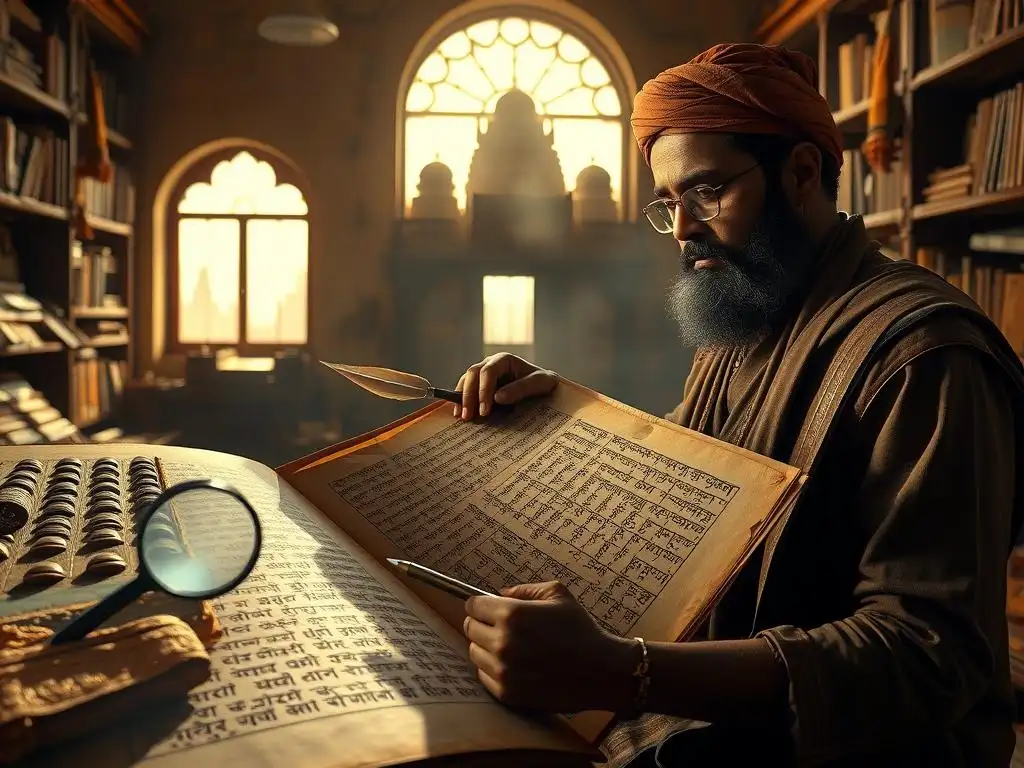
Welcome to Ancient India History, where we embark on a fascinating journey through time to uncover the rich tapestry of ancient Indian civilizations. In this exploration, we delve into the intriguing world of ancient Indian scripts history, a vital aspect that reveals how the languages of Prakrit and Pali have been inscribed and preserved throughout the ages. What secrets do these scripts hold about the cultures that flourished long ago? Join us as we unravel the mysteries behind these ancient writings and their profound impact on our understanding of history. Keep reading to discover the stories etched in time!
- Introduction to Ancient Indian Scripts and Languages
- The Origins of Prakrit and Pali
- Key Ancient Indian Scripts Representing Prakrit and Pali
- The Role of Ancient Indian Scripts in Literature
- The Evolution of Scripts and Their Impact on Prakrit and Pali
- Conclusion: The Significance of Ancient Indian Scripts History
- Frequently Asked Questions
- Final Reflection: The Enduring Legacy of Ancient Indian Scripts
- Discover the Rich Tapestry of Ancient Languages!
Introduction to Ancient Indian Scripts and Languages
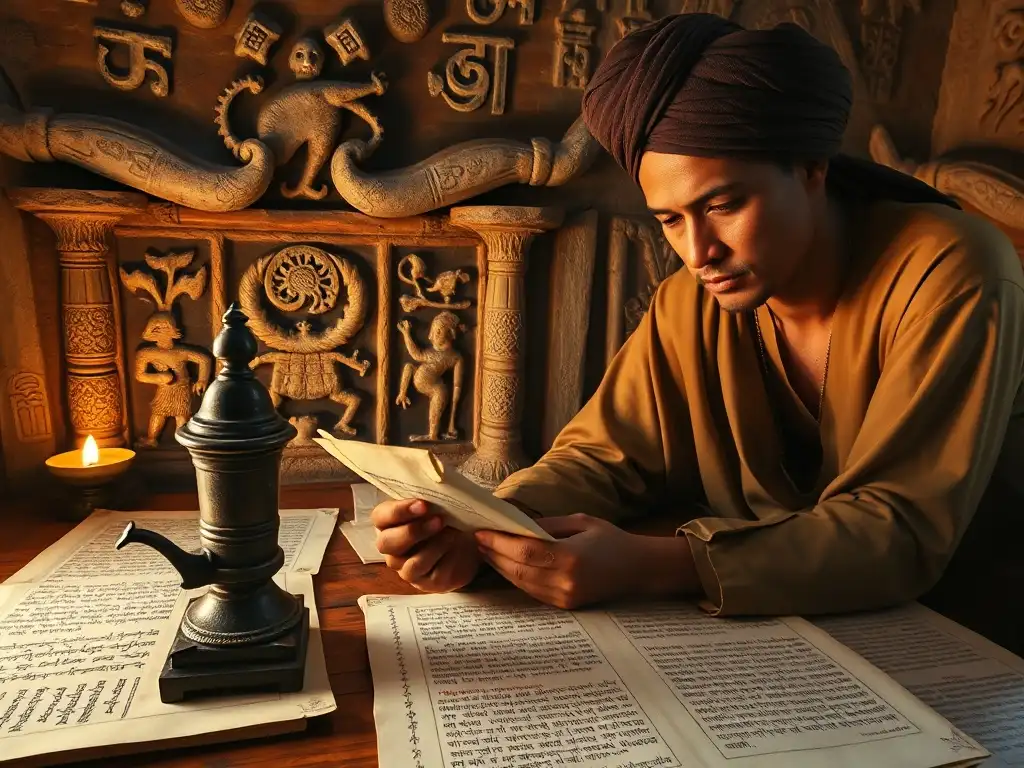
The history of ancient Indian scripts is a fascinating tapestry woven through time, reflecting the diverse languages and cultures that flourished on the Indian subcontinent. From the early inscriptions of the Indus Valley Civilization to the sophisticated manuscripts of the Gupta Empire, these scripts not only served as vehicles for communication but also played a pivotal role in the preservation of knowledge, religion, and administration.
This article delves into the intricate relationship between ancient Indian scripts and the languages they represented, particularly focusing on the Prakrit and Pali languages. By exploring their historical context, development, and significance, we can gain a deeper understanding of how these languages shaped ancient Indian society and contributed to its rich cultural heritage.
Overview of Ancient Indian Scripts History
Ancient Indian scripts have a storied past that dates back thousands of years. The earliest known script, the Indus script, emerged around 2500 BCE in the Indus Valley Civilization, though its exact nature and language remain largely undeciphered. Following this, the Brahmi and Kharosthi scripts, which appeared around the 3rd century BCE, marked significant advancements in written communication in ancient India.
| Script | Period | Language Represented |
|---|---|---|
| Indus Script | 2500-1900 BCE | Undeciphered |
| Brahmi | 3rd century BCE | Sanskrit, Prakrit |
| Kharosthi | 3rd century BCE | Gandhari, Sanskrit |
| Gupta Script | 4th-6th century CE | Sanskrit, Pali |
The Brahmi script is particularly noteworthy as it is the progenitor of many modern Indian scripts. It facilitated the transcription of languages like Sanskrit and Prakrit, enabling the spread of literature, philosophy, and religious texts across the subcontinent. Kharosthi, on the other hand, was used mainly in the northwest regions and is significant for its role in recording the Gandhari language, an ancient form of Prakrit.
Importance of Prakrit and Pali Languages in Ancient India
Prakrit and Pali are essential to understanding the linguistic landscape of ancient India. While Sanskrit was often the language of the elite, Prakrit served as the vernacular for the common people. This linguistic duality allowed for a rich cultural exchange that influenced art, literature, and religion.
- Prakrit: Derived from Sanskrit, Prakrit languages were spoken in various regions and are crucial for the study of ancient Indian drama and poetry. Notable playwrights like Kalidasa and Bhasa wrote in Prakrit, enriching the literary tradition of the time.
- Pali: Known primarily as the language of Theravada Buddhism, Pali was used to write important texts such as the Tripitaka. Its significance extends beyond religion, as it provides valuable insights into the socio-political structures of ancient India.
The interplay between these languages and the ancient scripts that represented them illustrates a dynamic historical narrative, showcasing the evolution of thought and expression in one of the world's oldest civilizations. Understanding this relationship not only enriches our knowledge of ancient Indian history but also underscores the legacy of these languages in contemporary Indian culture.
The Origins of Prakrit and Pali
Historical Context of Prakrit and Pali Languages
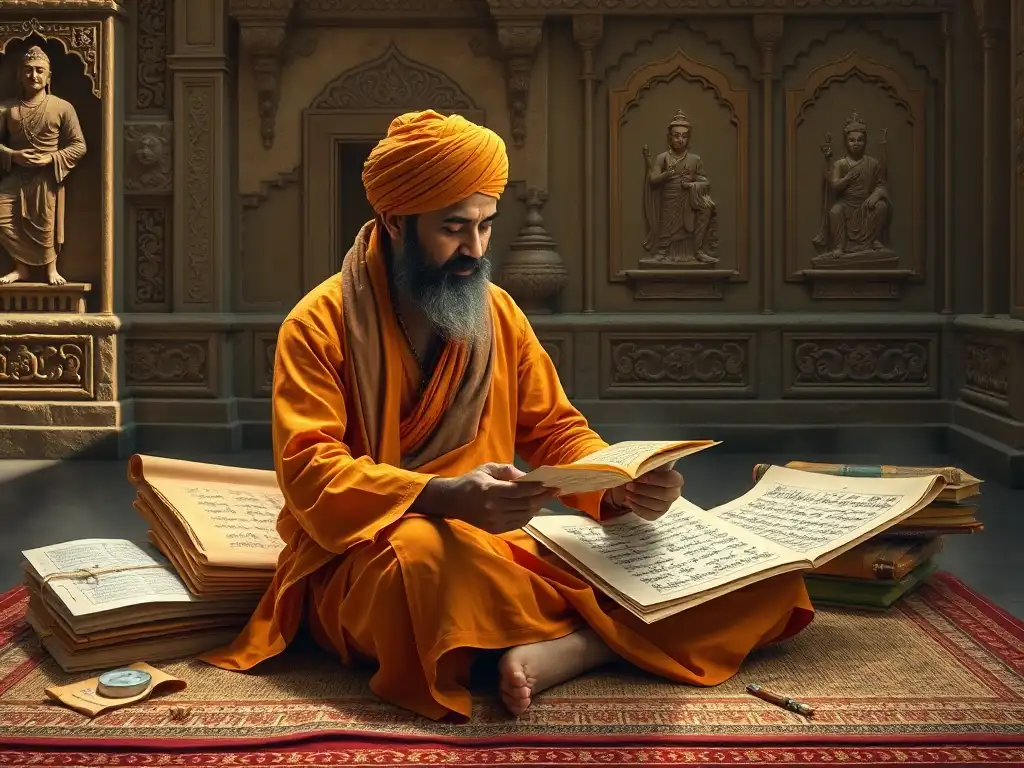
The Prakrit and Pali languages emerged in ancient India during a time of significant sociocultural evolution, primarily around the 6th century BCE. Rooted in the Indo-Aryan language family, these languages served as vernacular forms that contrasted with the more formal Sanskrit. While Sanskrit was primarily used in religious texts, philosophical discourse, and elite communication, Prakrit and Pali became the languages of the common people.
- Prakrit Languages: Prakrit, a term that encompasses a range of dialects, reflects the linguistic diversity of ancient Indian society. Various regional dialects of Prakrit were spoken across India, influenced by local languages and cultures.
- Pali: Pali, on the other hand, is often associated with the Theravada Buddhist tradition. It became the liturgical language of Buddhism and was used to transcribe the Tipitaka, the sacred scriptures of Buddhism.
The importance of these languages can be seen in their role in the dissemination of religious and philosophical ideas. For example, the teachings of the Buddha were primarily communicated in Pali, which allowed them to reach a broader audience beyond the educated elite who were well-versed in Sanskrit.
Development of Ancient Indian Scripts for Prakrit and Pali
The development of ancient Indian scripts for Prakrit and Pali languages is a fascinating aspect of ancient Indian scripts history. As these languages gained prominence, the need for a writing system became evident. Several scripts evolved to cater to the needs of these languages, each reflecting the sociopolitical and cultural dynamics of the time.
- Brahmi Script:
- The Brahmi script is one of the earliest writing systems in India, believed to date back to the 3rd century BCE. It served as the foundational script from which many other scripts derived.
- Usage: Brahmi was used to write various Prakrit dialects, especially in inscriptions and edicts, such as those from the Mauryan emperor Ashoka.
- Kharosthi Script:
- Originating in the northwest regions of ancient India, Kharosthi was primarily used in the Gandhara region. It is thought to have been influenced by Aramaic scripts.
- Characteristics: Unlike Brahmi, which is an abugida, Kharosthi is an alphabet. It was used to write both Prakrit and Pali texts, especially in the context of Buddhist literature.
- Other Regional Scripts:
- As Prakrit and Pali spread across different regions, local scripts began to emerge. For instance, the Sharada script in Kashmir and the Tamil script in the southern regions adapted to accommodate these languages.
- Each of these scripts reflects the unique cultural and linguistic identity of its region, showcasing the diversity within ancient Indian scripts history.
The transition from oral to written forms marked a significant milestone in the preservation and propagation of cultural narratives and religious teachings. The scripts not only facilitated communication but also played a crucial role in the documentation of history, philosophy, and literature, ensuring that the rich heritage of Prakrit and Pali languages would endure through centuries.
The development of scripts for Prakrit and Pali is a testament to the linguistic sophistication of ancient Indian civilizations, revealing their ability to adapt and innovate in the realms of language and communication.
Key Ancient Indian Scripts Representing Prakrit and Pali

Brahmi Script: The Foundation of Ancient Indian Writing
Brahmi script stands as a cornerstone in the history of ancient Indian scripts, tracing its origins back to the 3rd century BCE. Often regarded as the progenitor of many modern scripts in India and beyond, Brahmi was instrumental in documenting the languages of ancient Indian civilizations, particularly Prakrit and Pali. This script is characterized by its unique structure, consisting of 41 consonants and an array of vowels, which allowed for a versatile representation of phonetic sounds.
The significance of Brahmi extends beyond its utility as a writing system; it played a crucial role in the dissemination of literature, religious texts, and administrative documents throughout the Indian subcontinent. The adaptability of Brahmi facilitated the recording of various dialects, making it an essential tool for preserving the linguistic diversity of ancient India.
Features of Brahmi Script in Representing Prakrit
Brahmi script exhibits several key features that enable it to effectively represent the phonetic intricacies of Prakrit:
- Phonetic Nature: Brahmi is an abugida, where each character represents a consonant with an inherent vowel sound that can be modified with diacritics to indicate different vowels. This feature is particularly advantageous for capturing the varied sounds of Prakrit.
- Syllabic Representation: The script's structure allows for the representation of syllables rather than individual sounds, aligning well with the syllabic nature of Prakrit languages.
- Adaptability: Brahmi was not a static script; it evolved and adapted to local languages and dialects, which enabled it to represent the diverse forms of Prakrit spoken across different regions.
- Cursive Forms: Archaeological evidence reveals that Brahmi was often inscribed in cursive forms, enhancing its utility for both inscriptions and manuscripts, thereby ensuring broader accessibility and use.
The adaptability and phonetic nature of Brahmi script made it a vital medium for the literary and cultural expressions of Prakrit-speaking communities.
Impact of Brahmi on the Development of Pali
The influence of Brahmi script on the Pali language is significant, particularly in the context of Buddhist literature. Pali, as the liturgical language of Theravada Buddhism, found its early expressions predominantly in Brahmi script. This relationship can be observed in several key aspects:
- Preservation of Texts: Brahmi enabled the transcription of critical Buddhist texts, such as the Tripitaka, ensuring their preservation and dissemination across regions.
- Standardization: The use of Brahmi script contributed to the standardization of Pali, allowing for a consistent representation of the language that transcended regional dialects.
- Cultural Exchange: As Brahmi script spread through trade routes and conquests, Pali texts began to reach diverse audiences, facilitating cultural exchanges that enriched both the language and the script.
The interplay between Brahmi and Pali illustrates the profound impact of ancient Indian scripts on language development, particularly in the context of religious and philosophical ideas.
Kharosthi Script: An Alternative Representation
Kharosthi script, contemporary to Brahmi, served as another significant script for writing Prakrit and Pali. Originating in the northwest regions of ancient India, Kharosthi presents a distinct writing system that shares some similarities with Brahmi, yet possesses unique characteristics that set it apart.
This script is primarily associated with the ancient Gandhara region and has been found inscribed on various artifacts, including coins and manuscripts. Its use in recording Prakrit texts underscores its importance in the linguistic landscape of ancient India.
Characteristics of Kharosthi in Ancient Indian Scripts
Kharosthi exhibits several defining characteristics that distinguish it from Brahmi:
- Directionality: Unlike Brahmi, which is written from left to right, Kharosthi is written from right to left. This unique directionality adds to its visual distinction and historical intrigue.
- Consonant-Vowel Structure: Similar to Brahmi, Kharosthi is also an abugida. However, it often employs a different set of characters for vowel representation, providing an alternative phonetic framework for the languages it recorded.
- Fewer Characters: Kharosthi contains a smaller set of characters than Brahmi, which presents both advantages and challenges in representing the intricate sounds of Prakrit and Pali.
- Less Adaptability: While Kharosthi was used for some Prakrit texts, it did not achieve the same level of adaptability across various dialects as Brahmi, limiting its broader application.
These characteristics highlight the role of Kharosthi as an alternative yet complementary script within the landscape of ancient Indian writing systems.
Use of Kharosthi for Prakrit Texts
Kharosthi's utilization in recording Prakrit texts reveals its functional significance in ancient Indian script history:
- Buddhist Literature: Many early Buddhist texts were inscribed in Kharosthi, particularly in the Gandhara region, where this script flourished. These inscriptions provide critical insights into the spread of Buddhism and the role of Prakrit in religious discourse.
- Historical Records: Kharosthi was also employed for administrative purposes, documenting royal edicts and trade transactions within the regions where it was prevalent. This use underscores its importance in maintaining historical continuity.
- Archaeological Discoveries: Numerous inscriptions and manuscripts in Kharosthi have been uncovered, contributing to our understanding of the linguistic and cultural exchanges that occurred in ancient India.
The use of Kharosthi for Prakrit texts exemplifies the diversity of ancient Indian scripts and their capacity to capture the rich tapestry of languages and cultures that defined the era.
The Role of Ancient Indian Scripts in Literature
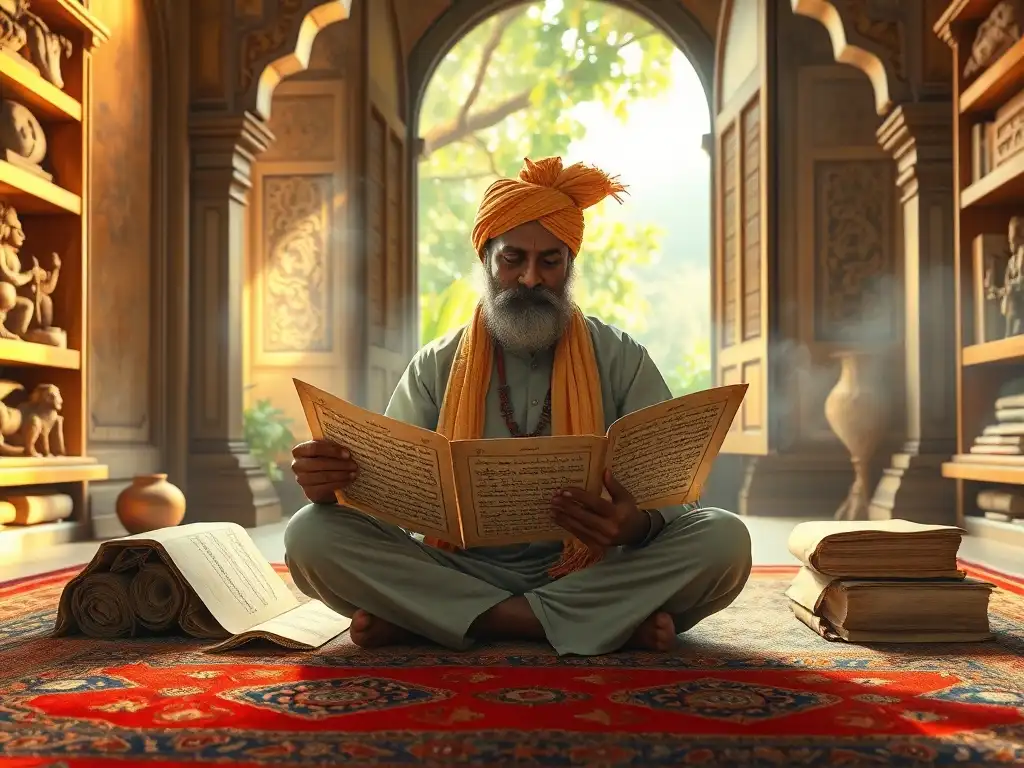
Ancient Indian scripts played a pivotal role in the documentation and dissemination of literary works in Prakrit and Pali languages. These scripts not only served as a medium for communication but also facilitated the preservation of cultural and philosophical ideologies that shaped ancient Indian society. The evolution of scripts such as Brahmi and Kharosthi was instrumental in the spread of literature across various regions, creating a rich tapestry of texts that reflect the diverse linguistic landscape of ancient India.
Literary Contributions of Prakrit and Pali
Prakrit and Pali languages are celebrated for their vast literary heritage, particularly in the realms of poetry, drama, and religious texts. The use of ancient Indian scripts in writing these languages allowed for the expression of local dialects and folk traditions.
- Dramatic Works: One of the most significant contributions of Prakrit literature is found in the plays of notable playwrights like Bhasa and Kalidasa. These dramas, often written in a mix of Sanskrit and Prakrit, showcased the everyday life and emotions of ordinary people, making them accessible to a wider audience.
- Religious Texts: Pali, as the liturgical language of Theravada Buddhism, has a profound influence on religious literature. The Pali Canon, or Tipitaka, is a monumental collection of scriptures that was meticulously transcribed using the Brahmi script, preserving the teachings of the Buddha for posterity.
- Poetry: The poetic forms in Prakrit, particularly in the Gaha Satta and Sattasai, reflect the aesthetic and emotional nuances of ancient Indian life. These poetic traditions were pivotal in shaping the narrative styles and thematic explorations of later Indian literature.
The literary contributions of these languages demonstrate the diversity and richness of thought that ancient Indian scripts helped to articulate, ensuring that the voices of different communities were heard and recorded.
Influence of Scripts on Ancient Indian Literature
The influence of ancient Indian scripts on literature cannot be overstated. These scripts not only shaped the way languages were written but also impacted the thematic and stylistic elements of literary works.
- Script and Style: The adoption of the Brahmi and Kharosthi scripts allowed for the representation of phonetic nuances in Prakrit and Pali, leading to a more diverse and expressive literary style. This phonetic representation enabled poets to experiment with meter and rhyme, enhancing the aesthetic experience of their works.
- Cultural Exchange: As ancient Indian scripts spread across different regions, they facilitated cultural exchanges between various linguistic and ethnic groups. This exchange enriched the literary traditions of Prakrit and Pali, resulting in hybrid forms that incorporated elements from neighboring languages and cultures.
- Preservation of Knowledge: The use of scripts in writing philosophical treatises, medical texts, and other scholarly works ensured that knowledge was preserved for future generations. Texts such as the Ayurveda and various Darshanas were documented in Pali and Prakrit, contributing to a broader understanding of ancient Indian thought and practices.
The interplay between ancient Indian scripts and literature underscores the dynamic relationship between language and culture, illustrating how scripts served as vessels for the transmission of ideas, beliefs, and artistic expressions. Through their contributions, Prakrit and Pali languages, supported by their respective scripts, have left an indelible mark on the landscape of ancient Indian literature.
The Evolution of Scripts and Their Impact on Prakrit and Pali
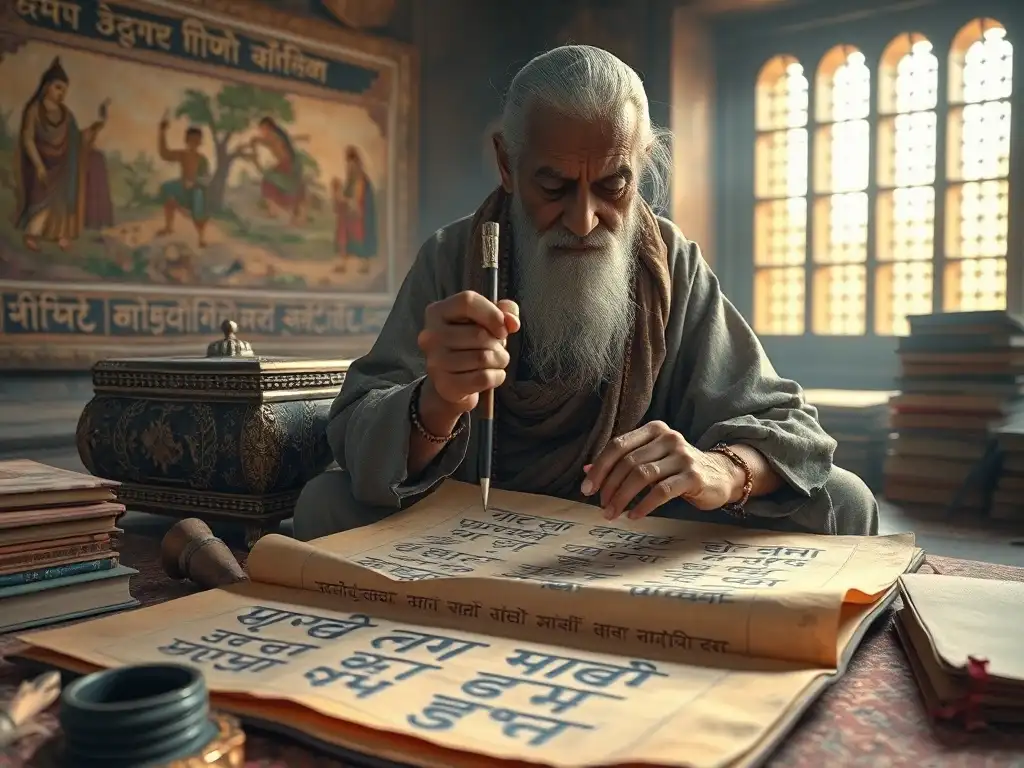
The evolution of ancient Indian scripts played a crucial role in the representation and development of the Prakrit and Pali languages. These languages, which emerged as significant forms of communication in ancient India, were influenced by various scripts, including Brahmi and Kharosthi. The intricate relationship between these scripts and the languages they encoded is a fascinating aspect of ancient Indian history.
Transition from Ancient Scripts to Modern Representations
The transition from ancient scripts to modern representations of Prakrit and Pali languages can be traced back to the development of the Brahmi script around the 3rd century BCE. Brahmi is considered the oldest script used for writing various languages in ancient India, including Sanskrit, Prakrit, and Pali. This script laid the foundation for many later scripts in the region.
- Brahmi Script:
- Used extensively during the Mauryan Empire, Brahmi inscriptions can be found on edicts and pillars, notably those of Emperor Ashoka.
- The script consists of a series of characters that represent both consonants and vowels, making it a syllabic script.
- Kharosthi Script:
- Predominantly used in the northwest regions of India, Kharosthi is another ancient script that complemented Brahmi.
- While Brahmi influenced the representation of Pali texts, Kharosthi was used for writing Prakrit in regions where Buddhism spread, such as Gandhara.
As these scripts evolved, they facilitated the transcription of various Buddhist texts, which were originally composed in Pali and Prakrit. The use of these languages in sacred texts allowed for a broader dissemination of Buddhist philosophy and teachings across India and beyond.
Table: Comparison of Ancient Scripts
| Feature | Brahmi | Kharosthi |
|---|---|---|
| Origin | 3rd century BCE | 3rd century BCE |
| Geographical Use | Pan-Indian | Northwest India |
| Language Representation | Pali, Prakrit, Sanskrit | Primarily Prakrit |
| Script Type | Abugida | Abugida |
| Influence on Modern Scripts | Devanagari, Tamil, etc. | Urdu, Persian |
The transition from these ancient scripts to modern representations is evident in contemporary languages. For instance, the Devanagari script, which is widely used in India today, traces its roots back to Brahmi. This continuity illustrates how ancient Indian scripts have shaped the linguistic landscape of the region and allowed languages like Prakrit and Pali to influence subsequent generations.
The Enduring Legacy of Ancient Indian Scripts in Language
The legacy of ancient Indian scripts continues to resonate in modern languages. The impact of Brahmi and Kharosthi extends beyond their time, influencing various other scripts throughout Asia, including Tibetan and Southeast Asian scripts. The evolution of these scripts reflects the adaptability and innovation of ancient Indian cultures.
- Preservation of Cultural Heritage:
- Manuscripts written in ancient scripts have preserved the rich literary traditions of Prakrit and Pali. Texts such as the Pali Canon and Prakrit dramas provide invaluable insights into the social, philosophical, and religious life of ancient India.
- Linguistic Studies:
- The study of ancient Indian scripts is essential for understanding the historical development of languages in the region. Scholars analyze inscriptions and manuscripts to trace linguistic shifts, phonetic changes, and grammatical structures.
- Modern Applications:
- The influence of ancient scripts is evident in the development of modern Indian languages. For example, many languages in India utilize variations of the Devanagari script, which owes its origins to Brahmi. The principles of phonetics and structure established in these ancient scripts continue to inform contemporary linguistic practices.
The history of ancient Indian scripts is pivotal in understanding the evolution of Prakrit and Pali languages. Their transition to modern representations showcases the enduring legacy of these scripts, which not only shaped ancient communication but also continue to influence languages and cultures today.
Conclusion: The Significance of Ancient Indian Scripts History
Summary of the Importance of Prakrit and Pali Representation
The representation of Prakrit and Pali languages in ancient Indian scripts is not just a linguistic curiosity; it serves as a crucial gateway to understanding the socio-cultural dynamics of ancient Indian civilizations. Prakrit, a vernacular language prevalent during the time of the Mauryan Empire, reflects a linguistic shift from Sanskrit, making it more accessible to the common populace. Similarly, Pali, which became the liturgical language of Theravada Buddhism, is vital for understanding the spread of Buddhist teachings across Asia.
The scripts used to document these languages, such as Brahmi and Kharosthi, are significant for several reasons:
- Cultural Preservation: Ancient Indian scripts played a pivotal role in preserving cultural narratives, literature, and philosophies that define Indian heritage.
- Linguistic Evolution: The transition from Sanskrit to Prakrit and Pali illustrates the evolution of language in response to social needs and cultural exchanges.
- Historical Insights: The study of inscriptions and manuscripts in these scripts provides valuable insights into trade, governance, and daily life in ancient India.
- Religious Influence: The adoption of Pali in Buddhist texts facilitated the dissemination of Buddhist principles, influencing not only Indian culture but also extending to Southeast Asia.
The historical significance of these languages and their scripts is underscored by the wealth of texts available, ranging from poetry to philosophical treatises, which continue to be a subject of study and admiration.
Future Research Directions in Ancient Indian Scripts and Languages
As scholars delve deeper into the history of ancient Indian scripts, several promising avenues for future research emerge:
- Interdisciplinary Approaches: Collaborations between linguists, historians, and archaeologists can provide a holistic understanding of how ancient Indian scripts evolved and their impact on regional languages.
- Digital Humanities: The use of technology in digitizing ancient manuscripts can aid in preserving these texts and making them accessible for broader research and educational purposes.
- Comparative Studies: Analyzing ancient Indian scripts in relation to other contemporary scripts across the world can illuminate patterns of linguistic development and cultural exchange.
- Deciphering Undecoded Texts: Ongoing efforts to decode inscriptions that remain illegible or partially understood could yield new insights into ancient Indian society and its languages.
The study of ancient Indian scripts history, particularly in relation to Prakrit and Pali, remains a vibrant field ripe for exploration. As researchers continue to uncover the layers of meaning embedded in these scripts, they contribute to a richer understanding of ancient Indian civilization and its enduring legacy.
Frequently Asked Questions
What are ancient Indian scripts?
Ancient Indian scripts are writing systems that evolved in India over time, primarily used to represent languages such as Prakrit and Pali. They include scripts like Brahmi and Kharosthi.
How did ancient Indian scripts develop?
The development of ancient Indian scripts was influenced by various factors including cultural exchanges, trade, and the need for administrative documentation, leading to the evolution of diverse scripts.
What languages were primarily represented by these scripts?
The primary languages represented by ancient Indian scripts include Prakrit and Pali, which were widely used in literature, philosophy, and religious texts, particularly in Buddhism and Jainism.
What is the significance of studying ancient Indian scripts?
Studying ancient Indian scripts helps us understand the linguistic diversity, cultural practices, and historical context of ancient Indian civilizations, enriching our knowledge of their contributions to world heritage.
How do ancient Indian scripts relate to modern languages?
Many modern Indian languages have roots in ancient scripts, and their study provides insights into the evolution of these languages, showcasing the continuity and change in linguistic practices over centuries.
Final Reflection: The Enduring Legacy of Ancient Indian Scripts
The exploration of ancient Indian scripts and their representation of Prakrit and Pali languages reveals a profound connection between language and culture that remains relevant today. As we navigate a world increasingly dominated by digital communication, the significance of these ancient scripts serves as a reminder of the rich tapestry of human expression and the historical narratives that shape our identities. Understanding this history is not just an academic pursuit; it is a vital key to appreciating the complexities of our modern linguistic landscape.
The influence of ancient Indian scripts extends beyond mere historical interest; it continues to resonate within our cultural and social frameworks. These scripts were not only tools for communication but also vessels of philosophical thought, religious teachings, and artistic expression. The legacy of Prakrit and Pali languages, preserved through these scripts, invites us to reflect on the diverse voices that have contributed to our shared human experience.
As Mahatma Gandhi once said, “A language is something infinitely greater than grammar and philology. It is the poetic testament of the genius of a race and culture, and the living embodiment of the thoughts and fancies that have moulded them.” > This quote encapsulates the essence of how language, through its scripts, carries the weight of history and culture.
As we conclude this exploration, I invite you to reflect on the lessons embedded within the history of ancient Indian scripts. Consider how these narratives can inspire you to appreciate the languages and cultures that surround you today. Embrace the opportunity to learn from the past and recognize the power of language as a bridge that connects us across time and space. Let us honor the legacy of these ancient scripts by fostering a deeper understanding of our own linguistic heritage and the diverse cultures that enrich our lives.
Discover the Rich Tapestry of Ancient Languages!
Thank you for immersing yourself in the fascinating world of Ancient Indian scripts and their representation of the Prakrit and Pali languages. Your curiosity not only enriches your understanding but also connects you to a vibrant cultural heritage. Now, it’s time to take your newfound knowledge a step further!
Here are a few engaging actions you can take right now:
- Dive deeper! Explore additional resources or books that elaborate on the development of these languages and scripts—uncover stories and wisdom from the past.
- Join the conversation! Share this article with friends or on your social media platforms to spark discussions about ancient languages and their relevance today.
- Engage with our community! Comment below and share your thoughts on how the evolution of these scripts has influenced modern languages.
What insights have you gained about the preservation of ancient knowledge, and how do you see it shaping our understanding of today's linguistic landscape?