
The Life of Sakyamuni: The Man Behind the Legend

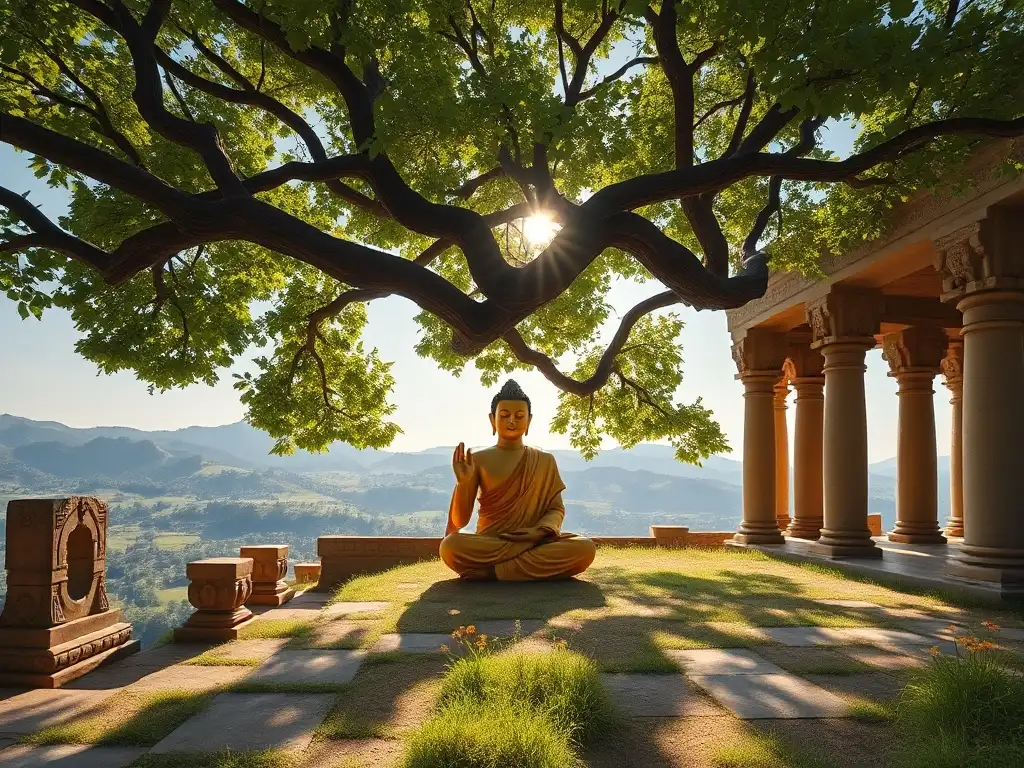
Welcome to Ancient India History, where we embark on a fascinating journey through time to uncover the rich tapestry of ancient Indian civilizations. In this article, we delve into the life of Sakyamuni, the revered figure who profoundly influenced not only spirituality but also the cultural landscape of ancient India. What secrets and lessons does his story hold for us today? Join us as we explore the intriguing intersections of his life and the vibrant civilization that flourished around him, igniting your curiosity and inviting you to discover more about the remarkable contributions of Sakyamuni and ancient Indian civilization.
Introduction to Sakyamuni and Ancient Indian Civilization
Sakyamuni, also known as Siddhartha Gautama, is a pivotal figure in the tapestry of ancient Indian civilization, renowned for his profound contributions to spirituality and philosophy. Born into a noble family in the 6th century BCE in the region that is now modern-day Nepal, Sakyamuni's life and teachings have left an indelible mark on the culture and religious landscape of India and beyond. His journey from princely luxury to enlightenment under the Bodhi tree encapsulates the essence of transformation and the quest for deeper understanding of existence.
In the context of ancient Indian civilization, Sakyamuni emerged during a time of significant philosophical and religious ferment. This era, marked by the rise of various schools of thought, including the early Vedic traditions, Jainism, and later developments that shaped Hinduism, provided a fertile ground for his teachings. Sakyamuni's insights on suffering, the nature of reality, and the path to liberation resonate deeply within the foundational texts of Buddhism, influencing millions over the centuries.
Understanding Sakyamuni's life is crucial not only for comprehending the origins of Buddhism but also for appreciating the broader cultural, social, and philosophical currents of ancient India. His teachings invite reflection on the human condition, ethical living, and the pursuit of wisdom, making him a timeless figure in the narrative of human thought.
Overview of Sakyamuni's Impact on Buddhism
Sakyamuni's impact on Buddhism is profound and multifaceted, shaping not only the religious practices and beliefs of his followers but also influencing various aspects of art, culture, and philosophy across Asia and beyond. His teachings form the core of Buddhist doctrine, encapsulated in the Four Noble Truths and the Eightfold Path, which provide a practical framework for understanding suffering and achieving enlightenment.
- The Four Noble Truths:
- The truth of suffering (Dukkha): Acknowledges that suffering is an inherent part of life.
- The truth of the cause of suffering (Samudaya): Identifies attachment and desire as the roots of suffering.
- The truth of the cessation of suffering (Nirodha): Proclaims that by letting go of attachments, one can attain Nirvana.
- The truth of the path leading to the cessation of suffering (Magga): Outlines the Eightfold Path as a means to achieve enlightenment.
- The Eightfold Path:
- Right Understanding
- Right Intent
- Right Speech
- Right Action
- Right Livelihood
- Right Effort
- Right Mindfulness
- Right Concentration
The simplicity and depth of Sakyamuni's teachings have allowed Buddhism to adapt and thrive in diverse cultural contexts, leading to various schools such as Theravada, Mahayana, and Vajrayana. His emphasis on personal experience and meditation has encouraged millions to seek their own paths to enlightenment, fostering a global community united by shared values of compassion and mindfulness.
The Historical Context of Sakyamuni's Life
To fully appreciate Sakyamuni's life and teachings, it is essential to situate him within the historical context of ancient India. The 6th century BCE was a transformative period characterized by considerable social and religious change. The decline of the Vedic ritualistic practices paved the way for new spiritual inquiries, leading to the emergence of various philosophical schools.
During this time, the region that is now India was home to a diverse tapestry of kingdoms and cultures. The Mahajanapadas, or great kingdoms, such as Magadha and Kosala, were flourishing, providing a rich backdrop for Sakyamuni's formative years. The interaction among different religious traditions, including the ascetic practices of Jainism and the philosophical inquiries of the Upanishads, greatly influenced his thoughts.
Moreover, the socio-political landscape of ancient India was marked by increasing urbanization and trade, which facilitated the exchange of ideas and beliefs. Sakyamuni's teachings emerged not only as a response to the spiritual needs of his time but also as a critique of the prevailing social norms, particularly the rigid caste system and ritualistic practices.
Sakyamuni's life is not just a personal journey; it is a reflection of the dynamic interplay between culture, philosophy, and spirituality in ancient Indian civilization. His legacy continues to inspire countless individuals seeking wisdom and understanding in the complexities of life.
- Introduction to Sakyamuni and Ancient Indian Civilization
- Overview of Sakyamuni's Impact on Buddhism
- The Historical Context of Sakyamuni's Life
- What is the significance of Sakyamuni in ancient Indian civilization?
- How did Sakyamuni's teachings influence Indian society?
- What was the historical context of Sakyamuni's life?
- How did Sakyamuni's legacy contribute to later Indian empires?
- In what ways can we explore Sakyamuni's impact on modern understanding of ancient Indian civilization?
Early Life of Sakyamuni

Birth and Family Background of Sakyamuni
Sakyamuni, also known as Siddhartha Gautama, was born into a royal family around 563 BCE in Lumbini, which is located in present-day Nepal. His father, King Śuddhodana, ruled the Shakya clan, a warrior tribe in the region. The royal lineage meant that Siddhartha was destined for a life of luxury and power, being the son of a monarch and the grandson of a king.
His mother, Queen Maya, died shortly after his birth, leaving a profound impact on Siddhartha's early life. He was raised by his aunt, Prajapati, who played a crucial role in his upbringing. The environment in which Siddhartha grew up was characterized by opulence and privilege, providing him with every material comfort. However, the sheltered life that his father provided was also marked by an intense desire to shield him from the harsh realities of the world, including sickness, aging, and death. This protective upbringing would later contribute significantly to Siddhartha's quest for understanding and enlightenment.
Sakyamuni's Early Influences and Education
From a young age, Sakyamuni was exposed to various influences that shaped his worldview. His education was comprehensive, featuring lessons in arts, sciences, and martial skills. He was trained in archery, horse riding, and various disciplines that were essential for a prince. Yet, despite the extensive training and knowledge he acquired, Siddhartha's early life was devoid of exposure to suffering.
Key figures in his life included his charioteer, Channa, who eventually played a vital role in Siddhartha's journey outside the palace walls. Siddhartha's early influences were not limited to physical training; he was also introduced to spiritual teachings and philosophical debates prevalent in ancient Indian society. These teachings often revolved around the concepts of dharma (duty) and karma (action and its consequences), which would later resonate deeply with his own quest for spiritual truth.
As he matured, Siddhartha began to question the meaning of life and the nature of suffering. At the age of 29, spurred by profound existential inquiries and a growing awareness of human suffering beyond the palace, he embarked on a transformative journey. This pivotal decision marked the beginning of his quest for enlightenment, ultimately leading him to become the Sakyamuni, the Buddha, known for his profound teachings on suffering, mindfulness, and the path to liberation.
The early life of Sakyamuni was a blend of privilege and isolation, education and introspection, ultimately setting the stage for his emergence as a key figure in ancient Indian civilization and a transformative force in the spiritual landscape of the world.
The Quest for Enlightenment
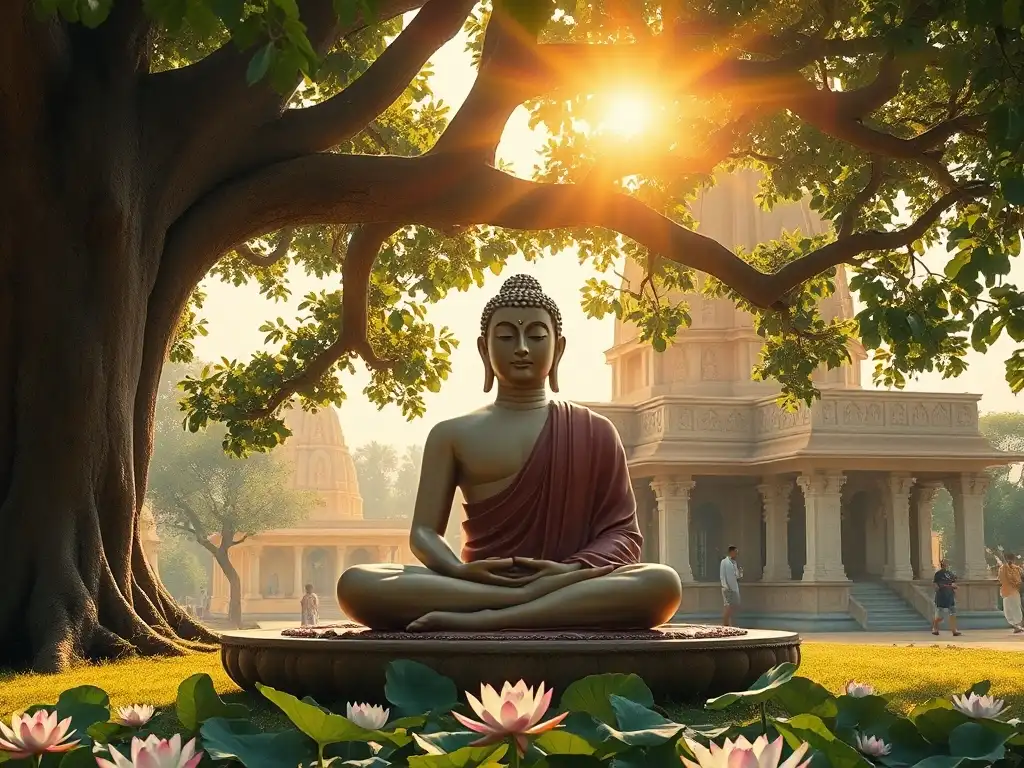
The Great Renunciation: Sakyamuni’s Departure from Royal Life
Sakyamuni, known as Siddhartha Gautama before his enlightenment, was born into a royal family in Lumbini, present-day Nepal. His life in the palace was marked by luxury and comfort, yet he was profoundly aware of the suffering that existed outside its walls. At the age of 29, Siddhartha encountered the "Four Sights": an old man, a sick man, a dead man, and a wandering ascetic. These experiences sparked a deep existential crisis within him, leading to the pivotal moment known as the Great Renunciation.
Determined to seek a solution to the suffering inherent in human existence, Siddhartha made a dramatic decision to leave his royal life behind. This act of renunciation was not merely a rejection of material wealth; it symbolized his quest for spiritual truth. He left behind his wife, Yasodhara, and their newborn son, Rahula, embracing a life of asceticism in pursuit of enlightenment. This departure fundamentally reshaped the trajectory of his life and the course of spiritual thought in ancient Indian civilization.
Sakyamuni's Ascetic Practices and Spiritual Journey
Following his renunciation, Sakyamuni immersed himself in the rigorous practices of asceticism, believing that extreme self-discipline would lead him to enlightenment. He joined a group of ascetics and adopted severe forms of fasting and meditation. For six years, he subjected himself to extreme deprivation, reducing his body to a state of emaciation. However, this relentless pursuit of asceticism ultimately led him to a crucial realization: self-mortification did not lead to enlightenment.
Recognizing the futility of his extreme practices, Sakyamuni abandoned the path of asceticism. This decision was pivotal, as it marked a shift towards a more balanced approach to spirituality. He began to explore the Middle Way, advocating for a life of moderation between indulgence and severe self-denial. His journey through various spiritual teachings and intense meditation sessions culminated in a deeper understanding of the nature of suffering, impermanence, and the self.
The Moment of Enlightenment Under the Bodhi Tree
The culmination of Sakyamuni's quest for enlightenment occurred under the sacred Bodhi Tree in Bodh Gaya, India. After abandoning his ascetic practices, he sat in deep meditation, vowing not to rise until he attained enlightenment. The night was fraught with challenges, as Mara, the embodiment of desire and distraction, attempted to thwart his progress. Mara unleashed a series of temptations, trying to divert him from his path.
However, Sakyamuni remained resolute, employing his deep meditative focus. As dawn approached, he achieved a profound state of understanding, realizing the Four Noble Truths and the Eightfold Path. This moment of enlightenment transformed him into the Buddha, or "the Awakened One." He understood the root of suffering and the means to transcend it, thereby laying the foundation for what would become one of the world's major religions.
This pivotal event not only marked the end of Sakyamuni's personal quest but also initiated a new epoch in ancient Indian civilization. It catalyzed the spread of Buddhism, influencing spiritual thought and practice across Asia and beyond. Through his teachings, Sakyamuni offered a transformative perspective on life, suffering, and liberation that continues to resonate with millions today.
Sakyamuni’s Teachings and Philosophy
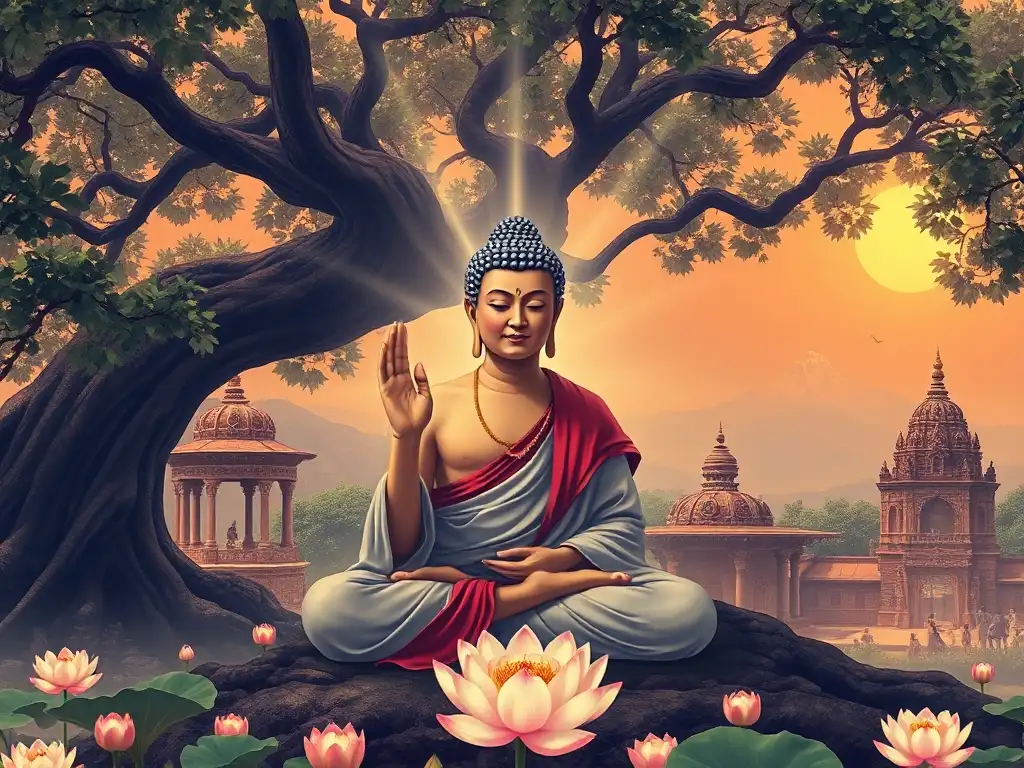
Sakyamuni, also known as Siddhartha Gautama, is revered as the founder of Buddhism and is a pivotal figure in ancient Indian civilization. His teachings emerged during a time of profound social and spiritual change in ancient India, offering a new perspective on suffering, existence, and ethical conduct. Sakyamuni’s philosophy is encapsulated in a framework that seeks to alleviate human suffering and promote enlightenment, making his insights relevant across generations.
Core Principles of Sakyamuni's Teachings
At the heart of Sakyamuni's teachings are several core principles that form the foundation of Buddhist thought. These principles include:
- Impermanence (Anicca): Sakyamuni taught that all things are transient and subject to change. Recognizing the impermanent nature of life helps individuals detach from material possessions and emotional attachments, leading to a more profound understanding of existence.
- Suffering (Dukkha): Central to Sakyamuni's philosophy is the acknowledgment of suffering as an inherent aspect of life. He asserted that understanding the nature of suffering is essential for achieving enlightenment.
- Non-Self (Anatta): Sakyamuni proposed the idea of non-self, which posits that there is no permanent, unchanging self. This teaching encourages individuals to abandon the illusion of a fixed identity and embrace the fluidity of existence.
- Dependent Origination (Pratītyasamutpāda): This principle explains that all phenomena arise in dependence upon multiple causes and conditions. By understanding this interconnectedness, one can cultivate compassion and empathy towards others.
These core principles provide a framework for ethical living and spiritual development, guiding practitioners on their journey toward enlightenment.
The Four Noble Truths in Ancient Indian Context
Sakyamuni's teachings are famously encapsulated in the Four Noble Truths, which serve as a diagnostic framework for understanding and overcoming suffering:
- The Truth of Suffering (Dukkha): Life is marked by suffering, which includes physical pain, emotional distress, and existential dissatisfaction. This truth reflects the realities faced by individuals in ancient Indian society, where social stratification and personal struggles were prevalent.
- The Truth of the Cause of Suffering (Samudaya): Suffering arises from desire and attachment. Sakyamuni's context in ancient India, where materialism and social competition thrived, highlights the importance of recognizing how cravings lead to suffering.
- The Truth of the End of Suffering (Nirodha): It is possible to end suffering by relinquishing desire. This teaching resonated with individuals seeking liberation from the cyclical nature of existence, known as samsara, prevalent in ancient Indian thought.
- The Truth of the Path to the End of Suffering (Magga): The path to overcoming suffering is through the Eightfold Path, which provides practical steps toward ethical and mental development.
By framing suffering within these truths, Sakyamuni offered a roadmap for individuals in ancient India to navigate their challenges and seek a more profound sense of peace.
The Eightfold Path: A Guide to Ethical Living
The Eightfold Path is a key aspect of Sakyamuni’s teachings and serves as a comprehensive guide to ethical living. It consists of the following components:
- Right Understanding (Sammā-ditthi): Comprehending the Four Noble Truths and the nature of reality.
- Right Intent (Sammā-sankappa): Cultivating thoughts of love, compassion, and renunciation.
- Right Speech (Sammā-vācā): Engaging in truthful, harmonious, and beneficial communication.
- Right Action (Sammā-kammanta): Acting ethically, refraining from harm to others, and adhering to moral precepts.
- Right Livelihood (Sammā-ājīva): Earning a living in a way that does not cause harm to others.
- Right Effort (Sammā-vāyāma): Developing a diligent and persistent attitude toward cultivating good qualities and eliminating unwholesome states.
- Right Mindfulness (Sammā-sati): Practicing awareness of the body, feelings, and mental states to foster insight and clarity.
- Right Concentration (Sammā-samādhi): Cultivating deep states of meditation to achieve a focused and tranquil mind.
Each element of the Eightfold Path is interdependent and collectively guides practitioners in their pursuit of enlightenment. By following this path, individuals in ancient India could transform their lives, reduce suffering, and ultimately achieve Nirvana.
Through Sakyamuni's teachings and philosophy, ancient Indian civilization was profoundly influenced, laying the groundwork for Buddhism as a major spiritual tradition that continues to resonate across cultures and time.
The Spread of Sakyamuni's Teachings

The teachings of Sakyamuni, also known as Siddhartha Gautama or the Buddha, spread rapidly across ancient India and beyond, forming a crucial part of the cultural and spiritual fabric of the region. His doctrine, which emphasizes the Four Noble Truths and the Eightfold Path, encouraged followers to seek enlightenment and liberation from suffering. This section delves into the formation of the Sangha, Sakyamuni's travels, and his profound influence on ancient Indian society.
Formation of the Sangha: The Community of Monks
The Sangha, which translates to "community," was pivotal in the dissemination of Sakyamuni's teachings. It comprised monks and nuns who dedicated their lives to practicing and propagating the Buddha's insights.
- Establishment of the Monastic Community: Sakyamuni encouraged individuals from all walks of life to join the Sangha, promoting inclusivity. This community provided a structured environment for spiritual development and collective practice, adhering to the Vinaya, a set of rules governing monastic discipline.
- Roles within the Sangha:
- Monks: Responsible for teaching the Dharma (the Buddha's teachings), monks traveled extensively to share their knowledge and guide lay followers.
- Nuns: Although initially fewer in number, nuns played an essential role in nurturing female practitioners and expanding the reach of Buddhism among women.
- Impact on Society: The formation of the Sangha created a support system for followers and established a network of monasteries that became centers for learning and meditation. These monasteries often attracted diverse populations, fostering a rich exchange of ideas and practices across different regions.
Sakyamuni's Travels and Key Discourses
Sakyamuni’s travels were instrumental in the spread of his teachings across ancient India. He journeyed through various regions, engaging in dialogues with a multitude of audiences.
- Major Pilgrimage Sites:
- Benares (Varanasi): Here, he delivered his first sermon, the Dhammacakkappavattana Sutta, outlining the core principles of Buddhism.
- Bodh Gaya: The site of his enlightenment, where he shared deep insights into the nature of suffering and the path to Nirvana.
- Rajgir and Nalanda: Sakyamuni often engaged with kings, scholars, and laypeople, discussing ethics, meditation, and the nature of reality.
- Key Discourses:
- The Four Noble Truths: Sakyamuni elucidated the reality of suffering, its origins, the possibility of cessation, and the path leading to liberation.
- The Eightfold Path: He provided a practical guide for ethical living, mental discipline, and wisdom, which became foundational to Buddhist practice.
- Legacy of His Teachings: The teachings delivered during these travels laid the groundwork for various schools of thought within Buddhism and inspired countless followers to adopt monastic or lay lifestyles aligned with the Dharma.
Influence of Sakyamuni on Ancient Indian Society
The impact of Sakyamuni's teachings on ancient Indian society was profound and multifaceted, shaping religious, cultural, and social dynamics.
- Religious Transformation: Sakyamuni's emphasis on personal experience and meditation contrasted with the ritualistic practices prevalent in Vedic traditions, leading to a shift in spiritual practices. Buddhism encouraged questioning and introspection rather than blind faith.
- Social Reforms: The egalitarian nature of Sakyamuni's community challenged the rigid caste system of ancient India. By welcoming individuals from all backgrounds into the Sangha, Buddhism promoted a sense of social equality and community.
- Cultural Flourishing: The spread of Buddhism led to the establishment of stupas, monastic complexes, and educational institutions, such as Nalanda, which became prominent centers of knowledge. The art and architecture of these sites often reflected Buddhist themes, contributing to India's rich cultural heritage.
- Political Engagement: Various rulers, including Emperor Ashoka, embraced Buddhism, which facilitated its spread across the Indian subcontinent and beyond. Ashoka’s support for Buddhism helped institutionalize its practices and teachings, leading to a lasting legacy.
The teachings and life of Sakyamuni significantly shaped ancient Indian civilization, promoting a spiritual and social revolution that resonates even today. His influence continues to inspire millions worldwide, making the study of Sakyamuni and ancient Indian civilization essential for understanding the development of Buddhist thought and practice.
Sakyamuni’s Legacy in Ancient Indian Civilization

Sakyamuni, known as Siddhartha Gautama or the Buddha, is a pivotal figure in the history of ancient Indian civilization, whose teachings have had a profound impact on various aspects of life in India and beyond. His legacy is not just confined to religious practices but extends into philosophy, ethics, and cultural developments that shaped the socio-religious landscape of ancient India.
The Role of Sakyamuni in Shaping Buddhist Practices
Sakyamuni's teachings laid the foundation for what would become one of the world's major religions—Buddhism. His approach to spirituality was revolutionary for its time, emphasizing personal experience and introspection over ritualistic practices commonplace in the Vedic traditions. Key elements of Buddhist practices that Sakyamuni advocated include:
- The Four Noble Truths: These truths address the nature of suffering and the path towards liberation, outlining a framework for understanding the human condition.
- The Eightfold Path: This practical guide to ethical conduct, mental discipline, and wisdom serves as the core of Buddhist practice, promoting a balanced lifestyle aimed at enlightenment.
- Meditation: Sakyamuni emphasized meditation as a means to cultivate mindfulness and insight, establishing it as a fundamental practice within Buddhism.
Over the centuries, these practices evolved and adapted to various cultures, but the core principles rooted in Sakyamuni's teachings remain integral to Buddhism today.
Contributions of Sakyamuni to Ancient Indian Philosophy
Sakyamuni’s influence extends deeply into the realm of philosophy. His ideas contributed significantly to the intellectual landscape of ancient India, often provoking dialogue and debate among contemporary and later philosophers. Key philosophical contributions include:
- Anatta (No-Self): Sakyamuni introduced the concept of Anatta, challenging the prevailing notions of a permanent self, thereby influencing philosophical discourse on identity and existence.
- Dependent Origination: This principle posits that all phenomena arise in dependence on conditions and are impermanent, which has profound implications for understanding causality and the nature of reality.
- Ethical Conduct: Sakyamuni’s teachings emphasized morality and ethical behavior, providing a framework that encouraged compassion and non-violence (Ahimsa), which resonated with various philosophical schools in ancient India.
These contributions not only shaped Buddhist philosophy but also inspired other philosophical traditions, leading to a richer intellectual milieu.
Sakyamuni’s Influence on Subsequent Religious Movements
The impact of Sakyamuni transcended Buddhism, influencing a multitude of subsequent religious movements both within and outside India. His teachings inspired:
- Jainism: Elements of Sakyamuni's philosophy, particularly the emphasis on non-violence and asceticism, found echoes in Jain thought, although Jainism predates Buddhism.
- Hinduism: While Buddhism and Hinduism have distinct identities, Sakyamuni's ideas on meditation and ethical living influenced Hindu practices, leading to syncretism in various regions.
- The Spread of Buddhism: As Buddhism expanded beyond India, Sakyamuni’s teachings adapted to various cultures, leading to diverse interpretations and practices, from Theravada in Southeast Asia to Mahayana in East Asia.
Sakyamuni’s legacy is a testament to the transformative power of his ideas, which continue to resonate across cultures and religions, reflecting the enduring relevance of his teachings in ancient Indian civilization and beyond.
Conclusion: The Enduring Legacy of Sakyamuni

Sakyamuni, also known as Siddhartha Gautama, holds a pivotal place in the history of ancient Indian civilization. His life and teachings have not only influenced the development of Buddhism but have also left an indelible mark on the spiritual and philosophical landscape of India and beyond. The legacy of Sakyamuni continues to resonate through various facets of modern society, as his insights into the nature of suffering, the pursuit of enlightenment, and the path to liberation remain relevant in contemporary discussions on spirituality and ethics.
Reflection on Sakyamuni’s Life and Its Relevance Today
Sakyamuni’s journey from a sheltered prince to an enlightened teacher is a profound narrative that illustrates the transformative power of self-discovery and awareness. His quest for understanding the nature of existence led him to renounce worldly pleasures and seek a path of asceticism. This journey culminated in his enlightenment under the Bodhi tree, where he attained profound insights that form the foundation of Buddhist thought.
In today’s fast-paced world, Sakyamuni’s teachings provide invaluable guidance. Concepts such as mindfulness, compassion, and the middle path offer practical tools for navigating the complexities of modern life. For instance, the practice of mindfulness, which encourages individuals to remain present and aware, has gained widespread popularity as a means to cope with stress and anxiety. Furthermore, Sakyamuni’s emphasis on compassion towards all living beings fosters a sense of interconnectedness that is crucial for addressing global challenges such as climate change and social inequality.
The universal themes present in Sakyamuni’s teachings transcend cultural and geographical boundaries, making them relevant to diverse audiences. As people seek solace and understanding in tumultuous times, the principles of Sakyamuni continue to inspire movements for peace, social justice, and personal transformation.
Final Thoughts on Sakyamuni and Ancient Indian Civilization
Sakyamuni’s life is a testament to the rich tapestry of ancient Indian civilization, which was marked by profound philosophical inquiry and cultural flourishing. His contributions to thought and practice have not only shaped the trajectory of Buddhism but have also influenced various aspects of Indian culture, including art, literature, and social structures.
The rise of Buddhism as a major religion in ancient India can be attributed to Sakyamuni’s ability to articulate a vision of life that resonated deeply with the spiritual aspirations of the time. His teachings prompted a reevaluation of existing beliefs and practices, paving the way for new forms of spiritual expression and communal living.
Sakyamuni’s enduring legacy is a reflection of the profound impact he has had on ancient Indian civilization and its contributions to global cultural heritage. As we explore the life and teachings of Sakyamuni, we gain insight into the values that continue to shape human experience, emphasizing the timeless nature of his wisdom. The exploration of Sakyamuni and ancient Indian civilization remains a vital area of study, revealing the interconnectedness of history, culture, and spirituality in our collective journey towards understanding and enlightenment.
Frequently Asked Questions
What is the significance of Sakyamuni in ancient Indian civilization?
Sakyamuni, also known as Buddha, played a crucial role in shaping philosophical and spiritual thought in ancient India, emphasizing the Middle Way and the Four Noble Truths.
How did Sakyamuni's teachings influence Indian society?
Sakyamuni's teachings promoted compassion, non-violence, and mindfulness, which significantly impacted the social and cultural fabric of ancient Indian civilization and beyond.
What was the historical context of Sakyamuni's life?
Sakyamuni lived during a period of political and social change in ancient India, around the 5th century BCE, marked by the rise of new philosophies and kingdoms.
How did Sakyamuni's legacy contribute to later Indian empires?
The teachings of Sakyamuni laid the groundwork for Buddhism, which flourished under various Indian empires, including the Maurya and Gupta, influencing art, architecture, and trade.
In what ways can we explore Sakyamuni's impact on modern understanding of ancient Indian civilization?
By studying Sakyamuni's life and teachings, we gain insights into the values and belief systems of ancient Indian civilization, which continue to resonate in contemporary cultures and philosophies.
Final Reflection: The Enduring Legacy of Sakyamuni in Ancient Indian Civilization
The life of Sakyamuni, the historical Buddha, is not just a tale of spiritual awakening; it is a profound narrative that resonates with the complexities of human existence. In today's world, where the quest for meaning often feels overshadowed by material pursuits, Sakyamuni's teachings offer a timeless compass guiding us toward inner peace and understanding. His journey from prince to enlightened being serves as a powerful reminder that true fulfillment lies not in external achievements but in the cultivation of wisdom and compassion.
Sakyamuni's influence extends far beyond the confines of ancient Indian civilization; it has shaped cultures, philosophies, and spiritual practices across the globe. The principles he espoused continue to inspire millions, fostering a sense of interconnectedness and mindfulness in an increasingly fragmented world. As the Dalai Lama once said, My religion is very simple. My religion is kindness.
This sentiment encapsulates the essence of Sakyamuni's legacy, urging us to embrace compassion as a guiding principle in our lives.
As we reflect on the teachings of Sakyamuni, let us take a moment to consider how we can integrate these lessons into our daily lives. Are we living with intention, kindness, and awareness? I invite you to explore the depths of your own journey, drawing inspiration from Sakyamuni's path. By embodying the values of mindfulness and compassion, we can contribute to a more harmonious world, honoring the profound impact of Sakyamuni and the rich tapestry of ancient Indian civilization.
Unveil the Wisdom of Sakyamuni and Transform Your Journey!
Thank you for exploring the fascinating life of Sakyamuni! We hope you found inspiration in the timeless teachings and remarkable journey of this legendary figure. Are you ready to deepen your connection with the wisdom of the Buddha? Here’s how you can take actionable steps to enrich your understanding and experience:
- Embrace Mindfulness: Begin a daily meditation practice today. Dedicate a few minutes each day to sit quietly and reflect, allowing the teachings of Sakyamuni to resonate in your life.
- Explore Further: Read a book or watch a documentary about Sakyamuni. Dive deeper into the philosophies that continue to inspire millions around the globe.
- Share the Enlightenment: Discuss what you've learned with friends or join online communities. Participate in a local group or start a conversation on social media to spread the teachings of compassion and wisdom.
Which aspect of Sakyamuni's life or teachings resonates most with you, and how will you incorporate it into your daily routine?