
The Legacy of Jainism: How Ancient Beliefs Continue to Influence Society

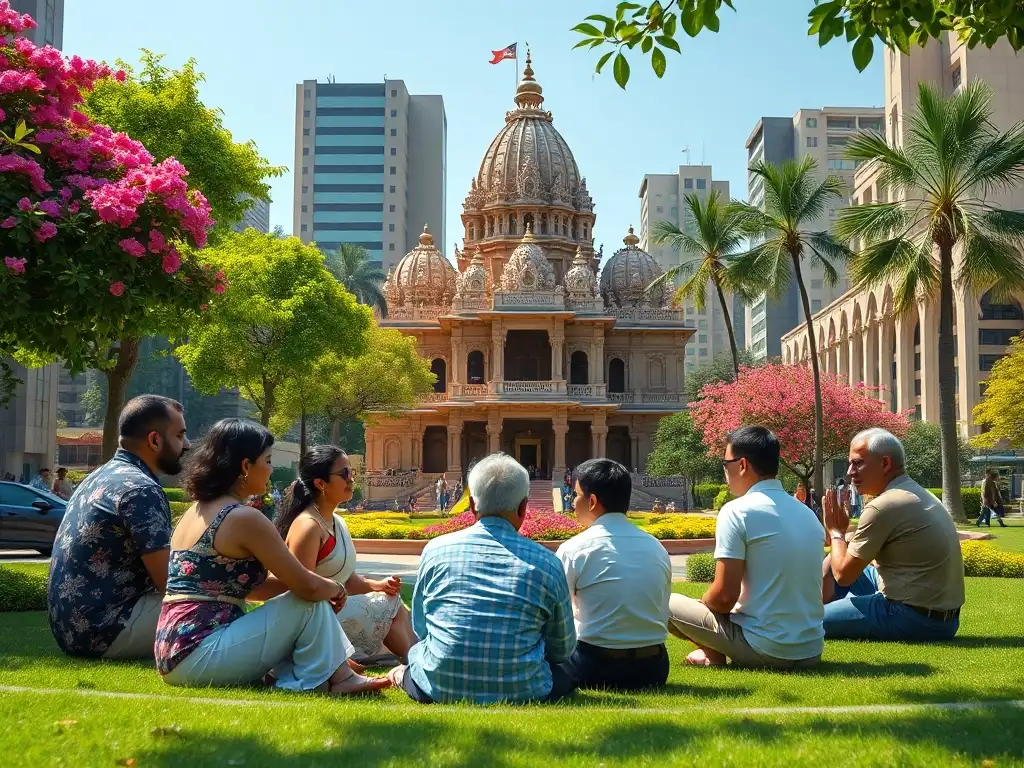
Welcome to Ancient India History, where we embark on a fascinating journey through time to unveil the rich tapestry of India's ancient civilizations. In our featured article, “The Legacy of Jainism: How Ancient Beliefs Continue to Influence Society,” we delve into the profound impact of Jainism on modern society, exploring its ethical teachings, environmental consciousness, and commitment to non-violence.
Join us as we uncover how these age-old beliefs resonate in today’s world, sparking curiosity about the enduring legacy left by ancient Indian religions. Are you ready to explore the echoes of a civilization that shaped the very fabric of contemporary life?

Introduction to Jainism's Influence on Modern Society
Jainism, one of the ancient religions of India, has a profound legacy that transcends time and geographical boundaries. Its core principles, deeply rooted in non-violence (ahimsa), truth (satya), and asceticism, have not only shaped the spiritual lives of millions but also continue to reverberate through various aspects of contemporary society.
As we explore Jainism's influence on modern society, we uncover its role in promoting ethical living, environmental conservation, and social harmony. The teachings of Jainism encourage individuals and communities to reflect on their actions and their impact on the world, making it a vital source of wisdom in today's fast-paced and often chaotic environment.
Overview of Jainism's Core Principles
At the heart of Jainism lies a set of core principles that guide its followers in their spiritual and everyday lives. Some of the fundamental beliefs include:
- Ahimsa (Non-violence): The principle of non-violence is the cornerstone of Jain philosophy. It extends beyond mere physical harm to include emotional and verbal violence, promoting compassion towards all living beings.
- Aparigraha (Non-possessiveness): This principle emphasizes the importance of detachment from material possessions and desires, fostering a sense of contentment and inner peace.
- Satya (Truthfulness): Truth is upheld as an essential virtue, guiding followers to live authentically and with integrity.
- Brahmacharya (Chastity): This principle encourages moderation and self-control in all aspects of life, including relationships and desires.
- Anekantavada (Many-sidedness): Jainism teaches that reality is multifaceted, encouraging open-mindedness and tolerance towards differing views and beliefs.
These principles not only shape the spiritual practices of Jains but also influence ethical frameworks in various fields such as business, politics, and environmental stewardship.
Significance of Jainism in Ancient Indian Civilization
Jainism played a pivotal role in shaping the cultural and philosophical landscape of ancient Indian civilization. Flourishing alongside Hinduism and Buddhism, Jainism contributed significantly to the development of Indian art, architecture, and literature. Notable aspects of its significance include:
- Cultural Integration: Jain communities fostered a rich cultural heritage that blended with local traditions, influencing art forms such as sculpture and painting.
- Philosophical Contributions: Jain thinkers engaged in intellectual discourse with other philosophical traditions, enriching the dialogues around ethics, metaphysics, and epistemology.
- Social Reform: Jainism advocated for social equality and justice, promoting the upliftment of marginalized communities and fostering a sense of community among its followers.
The legacy of Jainism continues to resonate in modern India, particularly in its emphasis on peace and non-violence, which have inspired various movements for social justice and environmental conservation.
Historical Context of Jainism
Origins of Jainism in Ancient India
Jainism traces its origins back to the 6th century BCE, emerging in the context of the socio-political landscape of ancient India. It arose as a response to the ritualistic practices of Vedic religion, advocating for a more personal and ethical approach to spirituality. The teachings of Mahavira, the 24th Tirthankara, were instrumental in formalizing Jain doctrines and practices, leading to the establishment of a distinct religious identity.
Key Figures in Jainism's Development
Several key figures have played a crucial role in the development and propagation of Jainism throughout history. Notable among them are:
- Mahavira (599-527 BCE): Often regarded as the founder of modern Jainism, Mahavira's teachings emphasized the importance of self-discipline, meditation, and non-violence.
- Rishabhanatha (Adinatha): The first Tirthankara, Rishabhanatha is credited with laying the foundational beliefs of Jainism, inspiring countless followers even before Mahavira's time.
These figures have not only shaped the tenets of Jainism but also provided a framework for its followers to navigate moral dilemmas in their lives.
Major Texts and Scriptures of Jainism
Jainism boasts a rich collection of texts that elucidate its philosophies and practices. Some of the major scriptures include:
- Agamas: The canonical texts of Jainism, which contain the teachings of Mahavira and the early Tirthankaras.
- Tattvartha Sutra: A comprehensive text that systematically outlines Jain beliefs, ethics, and cosmology, authored by Umaswati.
- Samayasara: Written by Acharya Kundakunda, this text focuses on the nature of the soul and the path to liberation.
These texts serve as vital resources for understanding the depth of Jain philosophy and its practical applications in everyday life. By studying these scriptures, scholars and practitioners alike can appreciate the enduring relevance of Jainism in shaping ethical and spiritual discourse in modern society.
Jainism's Ethical Teachings and Their Modern Relevance

Jainism is revered for its profound ethical teachings, which have shaped not only ancient Indian society but continue to resonate in modern culture. Central to Jain philosophy are the principles that guide adherents toward a life of compassion, truth, and restraint. These ethical teachings emphasize the importance of living harmoniously with all beings, fostering a sense of responsibility and mindfulness that is increasingly relevant in today's world. The impact of these teachings can be seen in various aspects of modern society, from ethics in business practices to the promotion of peace and non-violence in interpersonal relationships.
Ahimsa (Non-Violence) in Contemporary Society
Ahimsa, or non-violence, is one of the cornerstone principles of Jainism and has transcended religious boundaries to become a universal concept, especially in contemporary society. The teachings of Mahavira, the 24th Tirthankara of Jainism, advocate for a life free of harm to all living beings. In today's context, this principle is reflected in various movements advocating for animal rights, vegetarianism, and veganism.
Moreover, the global peace movements, inspired by figures such as Mahatma Gandhi, highlight the importance of non-violent resistance in social and political struggles. The practice of ahimsa encourages individuals to engage in non-violent communication, conflict resolution, and empathy, fostering a more peaceful coexistence in a world often marred by conflict.
Truthfulness and Its Impact on Modern Ethics
Truthfulness, or Satya, is another fundamental tenet of Jainism that holds significant relevance in modern ethics. The commitment to truth is not merely about honesty; it involves a deep respect for integrity and transparency. In an era where misinformation can spread rapidly, the Jain emphasis on truthfulness serves as a reminder of the ethical standards that individuals and organizations should uphold.
In professional environments, the principle of Satya is increasingly valued, guiding corporate social responsibility and ethical business practices. Companies that prioritize transparency and accountability reflect Jain values, which not only enhance their reputation but also build trust with consumers and stakeholders. This alignment with Jain ethical teachings can lead to more sustainable and socially responsible practices in various sectors.
The Principle of Aparigraha (Non-Possessiveness) in Consumer Culture
Aparigraha, or non-possessiveness, teaches the importance of detachment from material possessions and the excessive desire for wealth. In modern consumer culture, where materialism often prevails, this Jain principle offers a critical perspective. By advocating for moderation and minimalism, aparigraha encourages individuals to reflect on their consumption patterns and the implications of their choices on society and the environment.
The growing movement towards sustainable living and the reduction of consumerism echoes the teachings of Jainism. People are increasingly recognizing the value of living simply and consciously, focusing on experiences rather than possessions. This shift not only promotes personal well-being but also fosters a more equitable and sustainable society.
Jainism's Contributions to Environmental Awareness
Jainism's teachings extend beyond ethics and into environmental consciousness, emphasizing the interconnectedness of all life forms. The commitment to non-violence is not limited to human interactions but encompasses a broader respect for nature. This perspective is particularly relevant in today's context of environmental degradation and climate change.
Jainism and Eco-Friendly Practices
Jains have historically practiced eco-friendly habits, including water conservation, sustainable agriculture, and the protection of flora and fauna. The principle of ahimsa translates into a lifestyle that minimizes harm to the environment, promoting practices such as organic farming and biodiversity conservation.
In contemporary society, these practices have gained traction as people seek to adopt more sustainable lifestyles. The Jain emphasis on simplicity and respect for the environment encourages individuals to consider the ecological impact of their actions, such as reducing waste and embracing renewable resources.
Influence of Jain Principles on Modern Environmental Movements
Jain principles have significantly influenced modern environmental movements, providing a philosophical foundation for ecocentric ethics. The notion of respecting all life forms resonates deeply with contemporary environmental activists who advocate for the protection of ecosystems and biodiversity.
Organizations and initiatives inspired by Jainism often emphasize ethical consumption, conservation efforts, and climate action. The integration of Jain values into modern environmental discourse helps cultivate a deeper understanding of the moral obligations humans have towards the planet, promoting a collective effort to address environmental challenges. Through education and activism, the legacy of Jainism continues to inspire a more sustainable and compassionate approach to living on Earth.
The Role of Jainism in Promoting Peace and Tolerance
Jainism, one of the oldest religions in India, has always emphasized the principles of ahimsa (non-violence) and satya (truthfulness), shaping a philosophy that advocates for peace and tolerance. These core tenets have not only influenced the spiritual lives of Jains but have also extended their impact on broader societal interactions. The commitment to non-violence is manifested in the way Jains approach both personal relationships and larger community dynamics, often striving to promote harmony and understanding among different groups.
Historically, Jainism has advocated for peaceful coexistence, encouraging followers to respect all forms of life. This worldview fosters an attitude of compassion and empathy, which is essential in today's increasingly polarized society. Furthermore, the teachings of Jainism encourage individuals to resolve conflicts through peaceful dialogue rather than through aggression, setting an example of tolerance that is critical in contemporary social discourse.
Historical Examples of Jain Diplomacy
Throughout history, Jains have played pivotal roles in diplomatic efforts, particularly during periods of political upheaval. One notable example is the influence of Jain merchants and leaders during the reign of the Maurya Empire. Figures like Chandragupta Maurya and his advisor Chanakya, who were reportedly influenced by Jain principles, demonstrated the wisdom of peaceful negotiation and coexistence.
Another historical instance is the impact of Jain communities in the Deccan region during the medieval period. Jains often served as mediators between rival factions, utilizing their understanding of non-violence to foster alliances and peace treaties. Their ability to navigate complex social dynamics with diplomacy rather than conflict underscores the historical significance of Jainism in promoting peace across different cultures and societies.
Jainism's Influence on Interfaith Dialogue Today
In contemporary society, Jainism continues to inspire interfaith dialogue, emphasizing the importance of understanding and respecting diverse religious beliefs. Jain leaders often participate in interfaith forums, advocating for principles of non-violence and compassion as a foundation for dialogue. This engagement not only promotes tolerance but also encourages collaborative efforts to address global challenges such as climate change and social injustice.
Moreover, Jain teachings on non-attachment and humility resonate with individuals from various faiths, fostering a common ground for discussions. These principles encourage individuals to look beyond their differences and work together towards shared goals, making Jainism a vital contributor to the ongoing conversation about peaceful coexistence in a multicultural world.
Contemporary Jain Communities and Their Societal Impact

Contemporary Jain communities are active participants in various societal sectors, striving to uphold the legacy of their beliefs through meaningful contributions. These communities emphasize education, healthcare, and environmental sustainability, reflecting the core values of their faith in practical ways. By engaging with these issues, Jains not only enhance their own communities but also contribute positively to society at large.
Contributions of Jain Organizations to Social Causes
Numerous Jain organizations are dedicated to social causes, focusing on community service, education, and healthcare initiatives. For instance, the Jain International Trade Organisation (JITO) has launched programs aimed at empowering underprivileged groups through skill development and vocational training. Additionally, various Jain trusts fund educational institutions that provide quality education to economically disadvantaged students, ensuring that the principles of equality and service are upheld.
Moreover, Jains are increasingly involved in environmental conservation efforts, promoting sustainable practices that align with their belief in non-violence towards all living beings. Initiatives such as tree plantation drives and wildlife conservation projects highlight the community's commitment to preserving the planet for future generations, showcasing how Jain values translate into actionable social impact.
Jain Influence in Business and Entrepreneurship
The influence of Jainism on business practices is profound, particularly in fostering ethical entrepreneurship. Jains are known for their acumen in trade and commerce, with many successful business leaders attributing their principles of honesty and integrity to their Jain upbringing. The emphasis on ethical dealings and non-exploitative practices has made Jain entrepreneurs respected figures in various industries.
Furthermore, the Jain philosophy of frugality and resourcefulness has led to successful business models that prioritize sustainability and social responsibility. Many Jain-owned businesses are now adopting eco-friendly practices and engaging in corporate social responsibility initiatives, reflecting the core Jain belief in contributing positively to society while achieving economic success. As such, Jainism's principles continue to shape modern entrepreneurship, illustrating the lasting impact of ancient beliefs on contemporary society.
Myths and Realities: Misconceptions About Jainism's Influence
Misconceptions about Jainism often obscure its significant contributions to modern society. Many people view Jainism as a reclusive religion, centered solely on asceticism and ritualistic practices, which can lead to a misunderstanding of its broader impact. This section aims to clarify common myths and highlight the real influence Jainism has had on various aspects of contemporary life.
Common Myths Surrounding Jain Beliefs
-
Jainism is Exclusively Ascetic:
While asceticism is an important aspect of Jain practice, it is not the only focus of the religion. Many Jains lead active lives in business, politics, and community service, embodying their principles in everyday activities.
-
Jains Are Against All Forms of Life:
The belief that Jains avoid all forms of life is a simplification. Jains practice ahimsa (non-violence) and have a deep respect for life, but this does not mean they refrain from all interactions with the natural world. Many Jains engage in sustainable practices and promote environmental conservation.
-
Jainism is a Small, Insignificant Religion:
Although Jains constitute a small percentage of the Indian population, their influence extends beyond numbers. The principles of Jainism have significantly impacted Indian philosophy, ethics, and even economic practices.
-
Jainism Has No Relevance Today:
Many believe that Jain teachings are outdated. However, concepts such as non-violence, truthfulness, and environmental stewardship resonate strongly in today's global conversations about peace, ethics, and sustainability.
Clarifying the Real Impact of Jainism on Society
Jainism’s influence permeates various aspects of modern society, from ethical business practices to environmental movements. The emphasis on ahimsa has inspired many contemporary social movements, including animal rights advocacy and non-violent protests.
Moreover, Jain principles have contributed to the development of sustainable agricultural practices, emphasizing the importance of living harmoniously with nature. Jain entrepreneurs often integrate ethical considerations into their business models, promoting fair trade and eco-friendly products.
In academia and philosophy, Jainism’s intricate understanding of the nature of reality and non-absolutism has influenced various fields, including cosmology and ethics. This philosophical depth encourages critical thinking and dialogue in academic settings.
Conclusion: The Lasting Legacy of Jainism in Today's World
The enduring legacy of Jainism is evident in its continued relevance to contemporary issues. As society grapples with challenges such as climate change, social justice, and ethical governance, the principles rooted in Jainism offer valuable insights and solutions.
Reflection on Jainism's Influence on Modern Society
Jainism’s teachings of compassion and non-violence have inspired countless individuals and movements worldwide. Leaders like Mahatma Gandhi drew upon Jain principles to advocate for non-violent resistance during India's struggle for independence. This legacy of peaceful activism continues to inspire global figures who champion social justice and human rights.
Furthermore, Jainism's emphasis on asceticism and self-discipline resonates with modern movements focusing on minimalism and sustainable living. Many individuals are increasingly drawn to lifestyles that reflect Jain values of simplicity and mindfulness, recognizing the importance of conscious consumption.
Future Prospects for Jain Principles in Global Culture
As global awareness of environmental and ethical issues rises, the principles of Jainism are likely to gain further traction. The increasing interest in sustainable practices and compassionate living aligns closely with Jain teachings.
With the rise of interfaith dialogues and cross-cultural exchanges, there is a growing opportunity for Jainism to influence broader societal norms and values. By promoting awareness of its teachings, Jain communities can play a pivotal role in shaping a more compassionate and sustainable future.
Jainism’s influence on modern society is profound and multifaceted. Its principles of non-violence, truthfulness, and respect for all life continue to inspire individuals and movements, ensuring that the legacy of Jainism remains a vital part of the global cultural landscape.
- Introduction to Jainism's Influence on Modern Society
- Overview of Jainism's Core Principles
- Significance of Jainism in Ancient Indian Civilization
- Historical Context of Jainism
- Jainism's Ethical Teachings and Their Modern Relevance
- Jainism's Contributions to Environmental Awareness
- The Role of Jainism in Promoting Peace and Tolerance
- Contemporary Jain Communities and Their Societal Impact
- Myths and Realities: Misconceptions About Jainism's Influence
- Conclusion: The Lasting Legacy of Jainism in Today's World
Frequently Asked Questions
What is Jainism?
Jainism is an ancient Indian religion that emphasizes non-violence, truth, and asceticism. Its teachings encourage followers to live a life of compassion and self-discipline.
How has Jainism influenced modern society?
Jainism has influenced modern society through its principles of ahimsa (non-violence) and environmental ethics, promoting sustainable living and respect for all life forms.
What are the core beliefs of Jainism?
The core beliefs of Jainism include ahimsa, satya (truth), asteya (non-stealing), brahmacharya (chastity), and aparigraha (non-possessiveness), all of which guide followers towards spiritual liberation.
In what ways does Jainism promote environmental awareness?
Jainism teaches the importance of living in harmony with nature, advocating for minimalism and sustainable practices that protect the environment and ensure the well-being of all living beings.
How does Jainism's approach to non-violence impact contemporary ethical discussions?
Jainism's strict adherence to non-violence serves as a powerful framework in contemporary debates around animal rights, ethical consumption, and social justice, encouraging more compassionate choices in personal and societal contexts.
Final Reflection: The Enduring Influence of Jainism on Modern Society
The legacy of Jainism is not merely a relic of the past; it is a vibrant thread woven into the fabric of contemporary society. As we navigate the complexities of modern life, the principles of non-violence, truth, and respect for all living beings resonate more than ever. Jainism's influence on modern society serves as a guiding light, urging us to cultivate compassion and mindfulness in our daily interactions. In a world often marked by conflict and division, these ancient beliefs remind us of the power of peace and understanding.
Cultural and social landscapes are continuously shaped by the teachings of Jainism, which encourage us to reflect on our choices and their impact on the world around us. The emphasis on non-violence, or Ahimsa, has inspired numerous movements for social justice and environmental sustainability. As Mahatma Gandhi famously stated, Non-violence is the greatest force at the disposal of mankind.
This enduring principle not only fosters harmony among individuals but also promotes a deeper connection to our planet, urging us to live in a way that honors all forms of life.
As we move forward, I invite you to reflect on the teachings of Jainism and consider how they can be integrated into your own life. Embrace the call to action by practicing non-violence in your thoughts, words, and deeds. Let the wisdom of Jainism inspire you to make conscious choices that contribute to a more compassionate and sustainable world. Together, we can carry the torch of these ancient beliefs into the future, ensuring that their influence continues to illuminate the path for generations to come.
Embrace the Wisdom: Transform Your Perspective Today!
Thank you for diving into the fascinating legacy of Jainism with us! Your interest in these ancient beliefs highlights their profound influence on our society today. Now, it’s time to take that inspiration and transform it into action.
Here’s how you can deepen your understanding of Jainism and apply its timeless principles:
- Join a Local Jain Community: Connect with others who share a passion for Jain teachings. Attend discussions and engage in community events to enrich your perspective.
- Practice Ahimsa Daily: Incorporate the principle of non-violence into your everyday life by practicing kindness, reducing harm, and making mindful choices.
- Share Your Insights: Write a blog post or create a social media update about what you've learned from this experience. Inspire others by sparking conversations about the relevance of Jain values today.
What unique principle from Jainism resonates with you the most, and how will you implement it in your life? We’d love to hear your thoughts!