
The Significance of Ajanta and Ellora Caves in Western Indian History

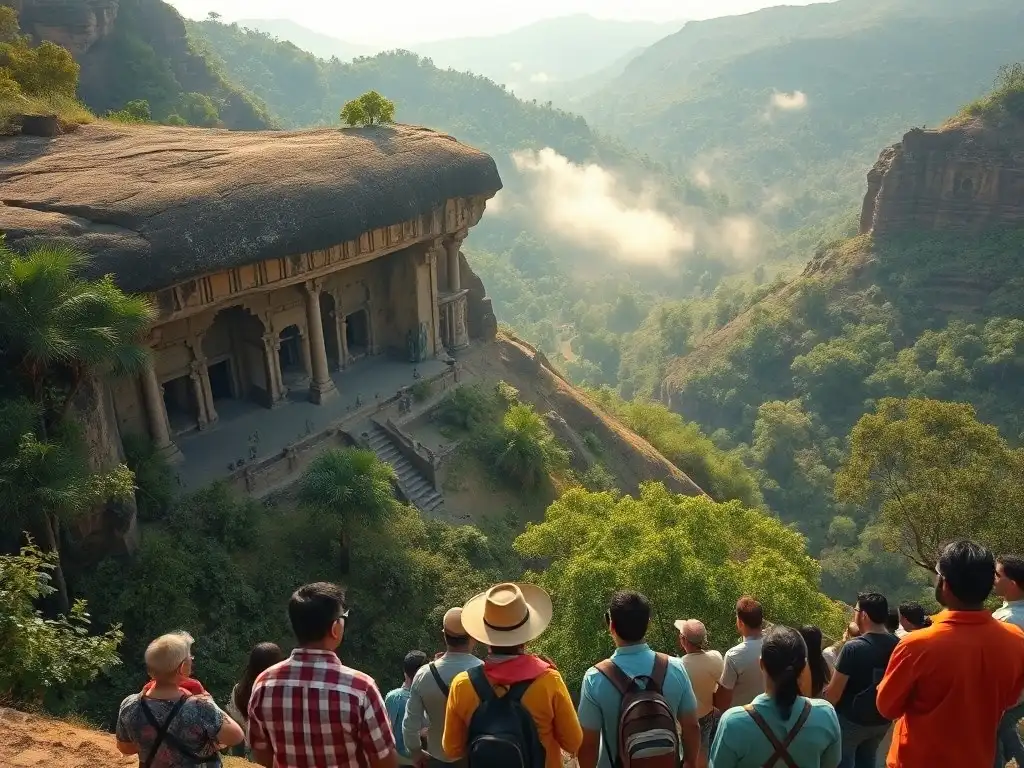
Welcome to Ancient India History, where we embark on a fascinating journey through the rich tapestry of India's past, exploring the profound cultures and remarkable achievements of ancient civilizations. Today, we invite you to delve into the captivating Ajanta Ellora caves history—an extraordinary testament to the artistic and architectural prowess of Western India. These majestic caves not only echo the spiritual devotion of their creators but also reveal the intricate narratives and innovations that shaped a significant era.
Prepare to unlock the mysteries surrounding these UNESCO World Heritage Sites and discover why they remain a vital piece of our historical puzzle. Join us as we delve deeper!
Introduction to Ajanta and Ellora Caves
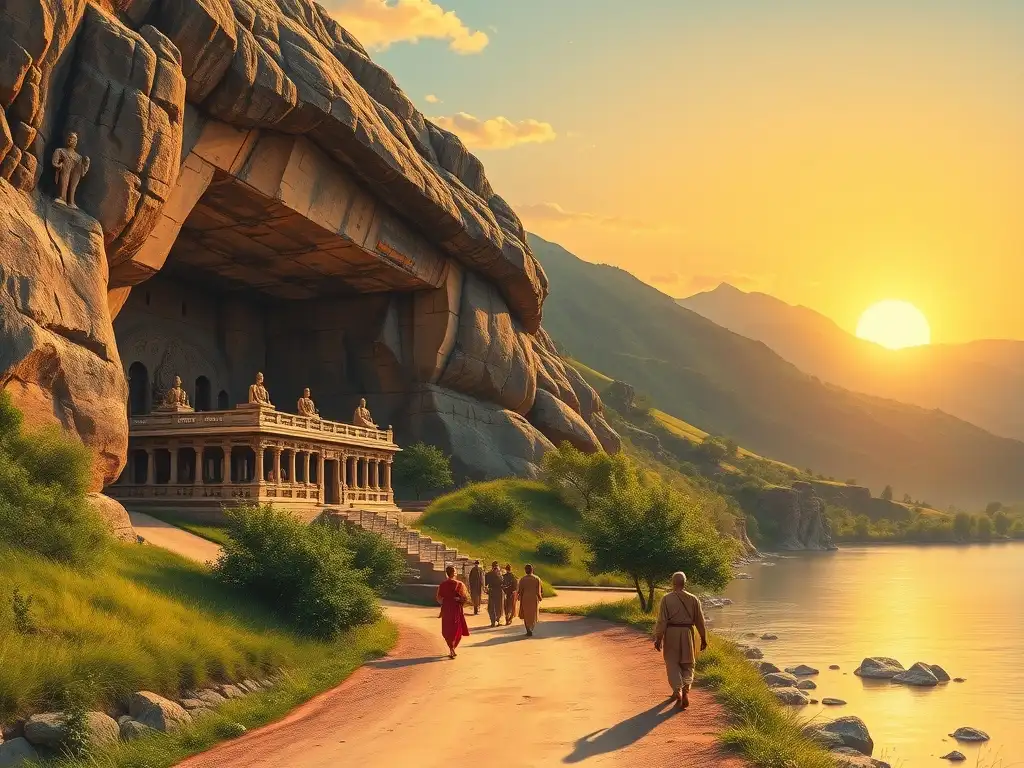
The Ajanta and Ellora Caves are not just remarkable feats of ancient engineering and artistry; they are also essential to understanding the rich tapestry of Indian history. Located in the state of Maharashtra, these UNESCO World Heritage Sites encapsulate the evolution of Buddhist, Hindu, and Jain traditions from the 2nd century BCE to the 6th century CE.
The intricate carvings, stunning frescoes, and monumental sculptures found within these caves serve as a testament to the cultural and religious diversity that flourished during this era. By exploring the Ajanta Ellora caves history, we can gain insights into the socio-political dynamics, artistic expression, and spiritual pursuits of ancient Indian civilizations.
Overview of Ajanta and Ellora Caves
The Ajanta Caves consist of 30 rock-cut Buddhist cave monuments, while the Ellora Caves encompass 34 caves representing three different religions: Buddhism, Hinduism, and Jainism. Both sites showcase a variety of architectural styles, ranging from simple monastic cells to grand chaityas (prayer halls) and viharas (monasteries).
- Ajanta Caves: Notable for their exquisite murals depicting the life of Buddha and Jataka tales.
- Ellora Caves: Famous for the Kailasa temple, a massive monolithic structure carved out of a single rock.
These caves not only served as places of worship but also as centers of learning and meditation, making them crucial to the spiritual landscape of ancient India.
Importance of Ajanta Ellora Caves in Indian History
The significance of the Ajanta and Ellora Caves extends beyond their stunning artistry. They provide valuable insights into:
- Religious Practices: The caves illustrate the coexistence and interchange of different religious beliefs in ancient India.
- Artistic Innovations: The intricate carvings and frescoes reveal advancements in artistic techniques and styles, influencing later Indian art.
- Trade and Cultural Exchange: Their location along ancient trade routes underscores the role of these caves in facilitating cultural exchange between various communities.
The Ajanta and Ellora Caves stand as enduring symbols of India's ancient heritage, reflecting the complexities of its history and the richness of its cultural contributions.
Historical Context of the Ajanta and Ellora Caves
Understanding the historical backdrop against which the Ajanta and Ellora Caves were created is essential to appreciate their significance.
Timeline of Ajanta Ellora Caves History
The construction of these caves spans several centuries, with key periods including:
- 2nd Century BCE: Initial excavation of the Ajanta Caves, primarily for Buddhist monastic use.
- 5th to 6th Century CE: Flourishing of the Ellora Caves, showcasing a synthesis of Hindu, Jain, and Buddhist artistry.
- Post-6th Century: Decline in the use of caves as monastic sites due to changing religious and political landscapes.
This timeline highlights the dynamic nature of these sites and their adaptability to the evolving cultural milieu of ancient India.
Cultural and Political Background During Their Construction
The period during which the Ajanta and Ellora Caves were constructed was marked by significant cultural and political developments:
- Patronage by Rulers: Kings and wealthy merchants played a crucial role in funding and supporting the construction of these caves, reflecting the intertwined nature of politics and religion.
- Cultural Flourishing: The Gupta period, often referred to as the "Golden Age" of India, saw extensive artistic and intellectual advancements, which are vividly portrayed in the cave art.
The Ajanta and Ellora Caves serve as a mirror to the societal values, artistic endeavors, and religious aspirations of their time, making them vital to understanding the broader historical narrative of Western India.
Architectural Features of Ajanta and Ellora Caves
The Ajanta and Ellora Caves are remarkable examples of ancient Indian rock-cut architecture that have stood the test of time. Carved into the slopes of the Western Ghats, these caves reflect the ingenuity and artistic prowess of their creators, showcasing a blend of functionality and aesthetic appeal.
The caves are primarily categorized into three distinct groups based on their religious significance: Buddhist, Hindu, and Jain. This diversity is evident in their architectural features, which range from simple monastic cells to grand temples adorned with intricate carvings. The caves at Ajanta are noted for their elaborate frescoes and sculptures depicting Buddhist themes, while those at Ellora boast monumental temples that illustrate Hindu deities and Jain Tirthankaras.
The structural techniques employed in both sites reveal advanced knowledge of engineering and artistry. The use of a chaitya hall in Ajanta, with its vaulted ceilings and stupa at the end, contrasts with the grand, open courtyards of the Ellora temples, which are designed for worship and congregation. The juxtaposition of these styles highlights the evolution of rock-cut architecture in ancient India.
Unique Characteristics of Ajanta Caves
The Ajanta Caves, carved between the 2nd century BCE and the 6th century CE, are primarily known for their stunning mural paintings and sculptures that vividly portray the life of Buddha and various Jataka tales. There are 30 caves in total, and their unique characteristics set them apart from other rock-cut sites.
One of the most defining features of Ajanta is the presence of beautifully painted walls, which illustrate not only religious narratives but also provide insight into the daily life and culture of the period. The use of natural pigments and sophisticated techniques like foreshortening and perspective demonstrates the advanced artistic skills of the time.
Moreover, the layout of the caves includes monastic cells (viharas) that served as living quarters for monks, alongside chaitya halls used for congregational worship. The caves are carved into a horseshoe-shaped cliff, creating a natural amphitheater that enhances the acoustic quality of the space, making it ideal for chanting and religious gatherings.
Distinctive Features of Ellora Caves
In contrast, the Ellora Caves, which date from the 5th to the 10th century CE, showcase a remarkable synthesis of Hindu, Buddhist, and Jain art and architecture. The most significant feature of Ellora is its monumental sculptures, particularly the Kailasa temple (Cave 16), which is an engineering marvel carved from a single rock. This temple complex features intricately detailed carvings of deities and mythological scenes.
The caves also exhibit a variety of architectural styles, reflecting the cultural and religious diversity of the time. The Buddhist caves, such as the viharas and chaityas, are characterized by large, open spaces and pillars, while the Hindu caves display ornate carvings and elaborate entranceways that lead into sanctums housing deities. Jain caves, on the other hand, are simpler but exhibit exquisite detail in their sculptures.
The presence of water cisterns and elaborate drainage systems indicates a high level of planning and sophistication in the construction process, further emphasizing the significance of the Ellora Caves in the context of ancient engineering.
Comparison of Architectural Styles in Ajanta and Ellora
When comparing the architectural styles of Ajanta and Ellora, several key differences and similarities emerge. While both sites are rock-cut caves, their artistic expressions and structural designs manifest distinct styles reflecting their respective religious affiliations.
At Ajanta, the emphasis is primarily on painting and sculpture, with intricate frescoes dominating the interiors. The architectural layout is compact, focusing on creating serene spaces conducive to meditation and monastic life. The use of natural light and shadow plays a vital role in enhancing the visual impact of the murals, guiding the viewer’s experience.
In contrast, Ellora’s architectural style is more monumental and grandiose, with a focus on creating massive temples and expansive public spaces. The interplay of light and space is a significant aspect of its design, aimed at accommodating large gatherings for worship. The diversity in cave types, from viharas to elaborate temples, showcases the architectural evolution and cultural intermingling over several centuries.
Religious Significance of the Ajanta and Ellora Caves
The Ajanta and Ellora Caves hold profound religious significance, serving as important centers for Buddhism, Hinduism, and Jainism. Their historical and spiritual roles extend beyond mere architectural marvels, as they encapsulate the cultural and philosophical ideologies of ancient Indian civilizations.
Buddhist Influence in Ajanta Caves
The Ajanta Caves are primarily renowned for their Buddhist heritage, serving as a crucial site for the propagation of Buddhist teachings. The murals and sculptures within these caves are rich with symbolism and narrative, illustrating the life of Buddha and the moral lessons from Jataka tales.
These caves were likely used as monastic retreats, where monks could meditate and study. The architectural design promotes a tranquil environment, conducive to spiritual practice. The presence of stupas within the chaitya halls signifies a space for worship and veneration, reinforcing the caves' role in the preservation and dissemination of Buddhist philosophy.
Hindu and Jain Representations in Ellora Caves
Ellora, on the other hand, exemplifies the confluence of Hindu and Jain traditions alongside Buddhism. The caves are a testament to the religious pluralism of ancient India, with various deities and mythological themes represented through intricate carvings. The Kailasa temple is a prime example of Hindu devotion, showcasing the artistic grandeur dedicated to Lord Shiva.
Jain caves at Ellora highlight the Tirthankaras and their teachings, emphasizing the significance of non-violence and spiritual liberation. The harmonious coexistence of these three religions within a single site illustrates the cultural and spiritual diversity that characterized ancient India, promoting an understanding of interreligious dialogue.
The Role of Ajanta and Ellora in Ancient Indian Spirituality
Both the Ajanta and Ellora Caves played pivotal roles in shaping the spiritual landscape of ancient India. They were not merely places of worship but also centers for learning, art, and community engagement.
The caves served as pilgrimage sites, attracting devotees and scholars alike, thereby fostering a rich cultural exchange. Their architectural and artistic innovations have left a lasting legacy, influencing subsequent generations and contributing to the broader narrative of Indian history.
Moreover, the spiritual teachings embodied in the caves resonate with contemporary values of harmony and coexistence, making them relevant even in today’s multicultural society. As such, the Ajanta and Ellora Caves remain vital symbols of India’s rich spiritual heritage, embodying the values and beliefs of a civilization that continues to inspire.
Artistic Contributions of Ajanta and Ellora Caves
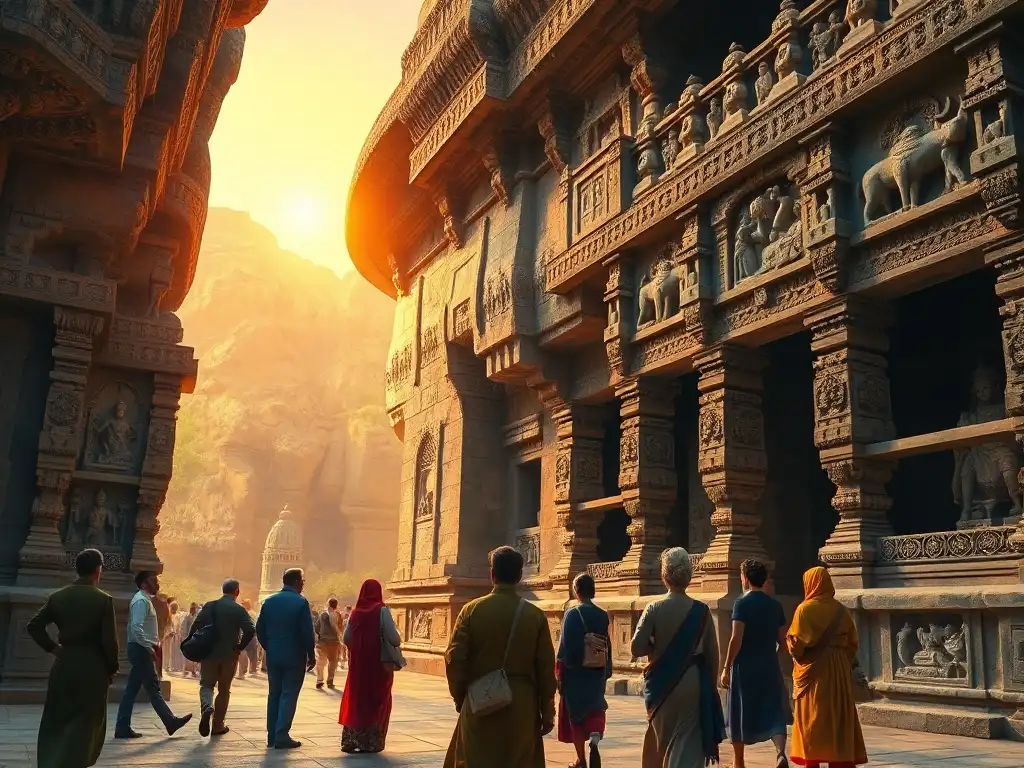
The Ajanta and Ellora Caves stand as monumental achievements in ancient Indian art and architecture, showcasing the profound creativity and skill of the artisans of their time. These caves, which date back to between the 2nd century BCE and the 6th century CE, are not only significant for their historical context but also for their artistic contributions that have influenced generations.
The caves are adorned with intricate carvings, stunning murals, and architectural innovations that reflect the cultural and religious ethos of ancient India. The meticulous attention to detail and the thematic diversity evident in these caves illustrate the high level of artistic expression achieved during this period.
Murals and Frescoes of Ajanta Caves
The murals and frescoes of the Ajanta Caves are celebrated for their vibrant colors and intricate narratives. Covering the walls of the caves, these artworks primarily depict scenes from the Jataka tales, which are stories about the previous lives of the Buddha, as well as various Buddhist themes and motifs. The use of natural pigments derived from minerals and plants has allowed these paintings to retain their brilliance over centuries.
The artistic techniques employed in Ajanta are remarkable, showcasing a deep understanding of anatomy and perspective. Figures are depicted with graceful postures and expressive faces, conveying a range of emotions that enhance the storytelling aspect of the murals. The frescoes also highlight the social life of the time, illustrating clothing, jewelry, and daily activities, providing valuable insights into the culture of ancient India.
Sculptural Masterpieces of Ellora Caves
In contrast to the Ajanta Caves' focus on painting, the Ellora Caves are renowned for their breathtaking sculptural works, particularly in the rock-cut temples dedicated to Hinduism, Buddhism, and Jainism. The most notable of these is the Kailasa Temple, which is a monumental structure carved from a single rock, showcasing the ingenuity of ancient architects and craftsmen.
The sculptures at Ellora depict a wide array of deities, mythological narratives, and intricate decorative motifs. The skillful chisel work is evident in the lifelike representations of figures, many of which exhibit elaborate hairstyles and intricate garments. These sculptures not only serve a religious purpose but also reflect the socio-political dynamics of the time, portraying the patronage of rulers and the artistic collaborations among various communities.
Ajanta and Ellora Caves as a Reflection of Ancient Indian Art
The Ajanta and Ellora Caves collectively represent a confluence of artistic styles and influences that evolved over several centuries. They serve as a microcosm of ancient Indian art, illustrating the transition from the early Buddhist simplicity in Ajanta to the more elaborate and diverse forms found in Ellora.
These caves encapsulate the rich tapestry of religious beliefs and artistic practices of the time. They highlight the patronage system that fueled artistic endeavors, showcasing the collaboration between artists, religious institutions, and rulers. The legacy of Ajanta and Ellora continues to inspire artists and historians, emphasizing their significance in the broader narrative of Indian art history.
Preservation and Conservation Efforts
The preservation and conservation of the Ajanta and Ellora Caves are critical not only for maintaining their historical integrity but also for ensuring they remain accessible to future generations. Various efforts have been undertaken to protect these UNESCO World Heritage Sites from the threats posed by natural erosion, pollution, and human activity.
Current State of Ajanta and Ellora Caves
Currently, the Ajanta and Ellora Caves are under the jurisdiction of the Archaeological Survey of India (ASI), which oversees their maintenance and conservation. While significant efforts have been made to preserve these sites, they still face challenges. Visitors and environmental factors contribute to wear and tear, necessitating ongoing monitoring and restoration work to maintain the structural integrity of the caves and the vibrancy of their art.
Challenges in Preserving Ajanta Ellora Caves History
Several challenges hinder the preservation of Ajanta and Ellora Caves. The natural elements, such as monsoon rains and humidity, pose a significant risk to the murals and sculptures. Additionally, increasing tourism leads to foot traffic that can damage the delicate surfaces of the caves.
Moreover, issues related to pollution from nearby urban areas can negatively impact the preservation efforts. The balance between promoting tourism and protecting the sites remains a contentious issue, requiring careful management to ensure that both objectives can be met without compromising the integrity of the caves.
Initiatives for Conservation and Restoration
To combat the challenges faced by the Ajanta and Ellora Caves, various initiatives have been implemented to promote their conservation and restoration. The ASI has introduced measures such as controlled access to sensitive areas, the use of innovative materials for restoration, and ongoing research into traditional conservation techniques.
Collaborations with international organizations and experts have also been established to enhance conservation strategies. Educational programs aimed at raising awareness about the importance of preservation among visitors and local communities are crucial in fostering a collective responsibility towards safeguarding these invaluable cultural heritage sites. Through these efforts, the hope is to ensure that the Ajanta and Ellora Caves continue to inspire awe and admiration for generations to come.
Conclusion
The Ajanta and Ellora Caves stand as monumental testaments to the artistic, cultural, and religious evolution of ancient India. These remarkable sites not only showcase extraordinary craftsmanship but also reflect the spiritual and philosophical depth of the time. The intricate carvings, murals, and sculptures serve as a window into the lives, beliefs, and societal structures of the people who inhabited this region.
As UNESCO World Heritage Sites, they continue to draw scholars, historians, and tourists alike, eager to explore their significance in the broader narrative of Indian history. The Ajanta and Ellora Caves are not merely historical artifacts; they are living legacies that continue to inspire and educate future generations about the rich tapestry of ancient Indian civilization.
The Lasting Legacy of Ajanta and Ellora Caves in Western Indian History
The legacy of the Ajanta and Ellora Caves is profound and multifaceted. As centers of Buddhist, Hindu, and Jain art, these caves highlight the syncretic nature of ancient Indian culture. Their elaborate frescoes and sculptures not only depict religious themes but also illustrate everyday life, providing invaluable insights into the socio-economic conditions of the time. The caves have influenced various art forms and architectural styles across India and beyond, serving as a source of inspiration for many artists and architects.
Moreover, the caves symbolize the religious tolerance and coexistence that characterized ancient India. The presence of multiple faiths within close proximity underscores the diverse spiritual landscape of the region. This rich tapestry of beliefs fosters a sense of cultural continuity that resonates even today. As such, the Ajanta and Ellora Caves are not just relics of the past; they are enduring symbols of India’s historical richness and cultural diversity.
Future Prospects for Research and Tourism at Ajanta and Ellora
The future of research and tourism at the Ajanta and Ellora Caves appears promising. Ongoing archaeological studies and conservation efforts aim to uncover new aspects of these caves’ history, including techniques used in their construction and the identities of the artisans who created them. Such research will continue to enrich our understanding of ancient Indian art and architecture.
From a tourism perspective, the appeal of the Ajanta and Ellora Caves is likely to grow as global interest in heritage tourism increases. Enhanced accessibility, improved visitor facilities, and the promotion of local culture can contribute to a more immersive experience. Sustainable tourism practices are essential to preserving the integrity of these sites while allowing future generations to appreciate their significance. Collaboration between government authorities, local communities, and academic institutions will be crucial in ensuring that the caves remain a vibrant part of India’s cultural landscape.
References
Key Texts and Resources on Ajanta Ellora Caves History
- "Ajanta Caves: A Historical and Cultural Study": by Dr. A. M. Awasthi - This comprehensive work delves into the history, art, and architecture of the Ajanta Caves, providing a scholarly perspective.
- "Ellora: Caves of the Gods": by Dr. R. N. Mehta - A detailed exploration of the Ellora Caves, examining their significance in the context of Indian religious and cultural history.
- "The Art of Ajanta and Ellora" by A. R. Rao - This text focuses on the artistic techniques and styles present in the caves, offering insights into the craftsmanship involved.
Suggested Further Reading on Ancient Indian Civilizations
- "Ancient India: A History": by Romila Thapar - An essential read for understanding the broader historical context of India, including the significance of various archaeological sites.
- "The Indus Civilization: A Contemporary Perspective": by Gregory Possehl - This book provides insights into one of the earliest civilizations in India, creating a backdrop for understanding later cultural developments.
- "The Gupta Empire" by R. C. Majumdar - A detailed study of one of India's most influential empires, highlighting its contributions to art, science, and culture.
- Introduction to Ajanta and Ellora Caves
- Historical Context of the Ajanta and Ellora Caves
- Architectural Features of Ajanta and Ellora Caves
- Religious Significance of the Ajanta and Ellora Caves
- Artistic Contributions of Ajanta and Ellora Caves
- Preservation and Conservation Efforts
- Conclusion
- References
- What are the Ajanta and Ellora Caves?
- What is the historical significance of the Ajanta Caves?
- How do the Ellora Caves differ from the Ajanta Caves?
- Why are these caves important for understanding ancient Indian architecture?
- What contributions did the Ajanta and Ellora Caves make to Indian culture?
Frequently Asked Questions
What are the Ajanta and Ellora Caves?
The Ajanta and Ellora Caves are a group of rock-cut caves located in Maharashtra, India, known for their stunning Buddhist, Hindu, and Jain sculptures and paintings.
What is the historical significance of the Ajanta Caves?
The Ajanta Caves, dating back to the 2nd century BCE, are significant for their remarkable frescoes and narratives depicting the life of Buddha, showcasing ancient Indian art and culture.
How do the Ellora Caves differ from the Ajanta Caves?
While the Ajanta Caves focus primarily on Buddhist themes, the Ellora Caves (dating from the 5th to 10th centuries CE) represent a diverse blend of religions including Hinduism, Buddhism, and Jainism.
Why are these caves important for understanding ancient Indian architecture?
The Ajanta and Ellora Caves are prime examples of rock-cut architecture, demonstrating advanced engineering skills and artistic expression in ancient India.
What contributions did the Ajanta and Ellora Caves make to Indian culture?
These caves have significantly influenced Indian art, literature, and spirituality, serving as a source of inspiration for generations and showcasing the rich cultural heritage of ancient India.
Final Reflection: The Enduring Legacy of Ajanta and Ellora Caves
The significance of the Ajanta and Ellora Caves in Western Indian history is not merely a relic of the past; it serves as a profound reminder of our shared cultural heritage and the artistic brilliance that transcends time. As we navigate a world increasingly defined by rapid change and technological advancement, the stories etched in the walls of these caves resonate with our quest for identity and understanding. They challenge us to reflect on our roots and the artistic expressions that have shaped civilizations.
Culturally, the Ajanta and Ellora Caves continue to influence our understanding of art, religion, and history. These magnificent sites are not just tourist attractions; they are a testament to the ingenuity and spiritual depth of ancient Indian society. The intricate carvings and vibrant frescoes invite us to engage with the past, reminding us that history is alive and relevant in our modern lives. As Mahatma Gandhi once said, “A nation's greatness is measured by how it treats its weakest members,” highlighting the importance of preserving and honoring our cultural landmarks for future generations. The caves are a mirror reflecting the soul of a civilization.
As we conclude our exploration of the Ajanta and Ellora Caves, I invite you to reflect on your own connection to history and culture. Consider how the lessons from these ancient sites can inspire you to appreciate the artistry and narratives that surround you today. Whether through visiting these caves, studying their history, or simply engaging with your local cultural heritage, let the significance of Ajanta and Ellora inspire you to become a steward of history, ensuring that its lessons and beauty endure for generations to come.
Unearth the Wonders of Ajanta and Ellora!
Thank you for delving into the captivating world of the Ajanta and Ellora caves with us! Your interest in these architectural marvels not only enriches your knowledge but also highlights the profound historical significance they hold for Western India.
Are you ready to take the next step in your journey of discovery? Here are some exciting actions you can take:
- Plan a Visit: Make the adventure come alive by planning a trip to explore these awe-inspiring caves firsthand! Discover their intricate art and spirituality that transcends time.
- Share the Knowledge: Spread the word! Share this article with friends or family who appreciate history, or start a discussion on social media to inspire others about the beauty of Indian heritage.
- Join a Community: Connect with fellow history enthusiasts by joining online forums or local history clubs to deepen your understanding and appreciation of ancient Indian culture.
Now, we’d love to hear from you! What aspect of the Ajanta and Ellora caves intrigues you the most, and how do you plan to explore their significance further?