
The Encounters of Western India with Persian and Arab Influences

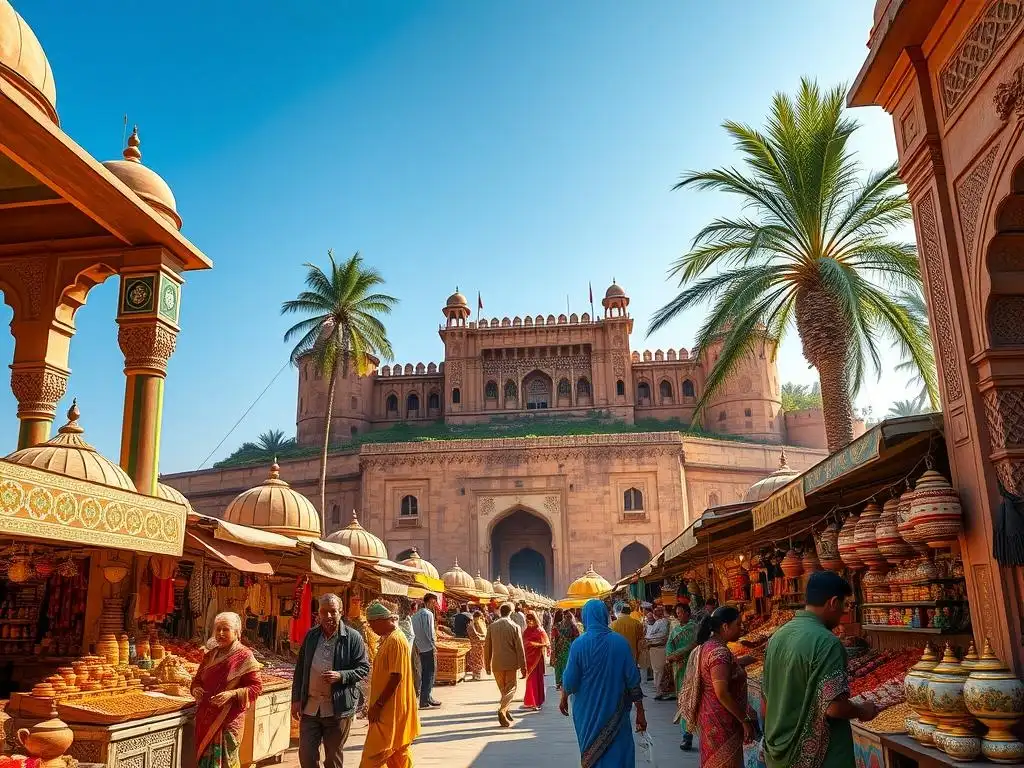
Welcome to Ancient India History, where we embark on a journey through the fascinating tapestry of India’s rich past. In our latest article, "The Encounters of Western India with Persian and Arab Influences," we delve into the intricate connections that shaped the cultural landscape of Western India. Discover how these interactions not only influenced regional dynamics but also left an indelible mark on art, architecture, and trade. Curious about how these ancient exchanges continue to resonate today? Dive in and uncover the layers of history that define this vibrant region!
Introduction to Western India’s Cultural Landscape
The region of Western India is a vibrant tapestry woven from a rich history of interactions with various cultures, including significant influences from Persian and Arab civilizations. This dynamic interplay has shaped not only the cultural and social fabric of Western India but also its political landscape.
The encounters with these external forces, particularly from the time of the Indus Valley Civilization through to the Gupta Empire, laid the groundwork for an enduring legacy that continues to resonate in contemporary Indian society. Understanding the nuances of these influences allows us to appreciate the complexity of Western India’s history and its position as a crossroads of diverse cultures and traditions.
Overview of Western India’s Historical Context
Western India, encompassing modern-day states such as Gujarat, Maharashtra, and Rajasthan, has long been a hub of trade and commerce. The region's strategic location along trade routes facilitated early interactions with various cultures, including the Persians and Arabs. The coastal cities of Western India, such as Surat and Bharuch, emerged as important trading ports, attracting merchants from far and wide. This vibrant exchange of goods, ideas, and traditions created a melting pot of cultural influences that significantly impacted the local populace.
Significance of Persian and Arab Influences in Western India
The Persian and Arab influences in Western India are noteworthy for their profound impact on various aspects of life, including architecture, language, art, and governance. The introduction of Persian administrative practices and the spread of Islam brought about significant changes in the socio-political landscape of the region. Furthermore, the fusion of indigenous and foreign elements led to the emergence of unique art forms and cultural practices, enriching the local heritage. These influences are not merely historical footnotes; they continue to shape the identity of Western India and its communities today.
Historical Timeline of Persian Influence in Western India
Early Interactions: Trade and Diplomacy
The early interactions between Western India and Persian civilizations can be traced back to ancient trade routes. Merchants from Persia sought valuable goods such as spices, textiles, and precious stones, establishing a network of commerce that would thrive for centuries. Diplomatic relationships were also forged, leading to cultural exchanges that included the transfer of knowledge in fields such as astronomy, mathematics, and architecture. These early interactions laid the foundation for deeper cultural ties that would develop over time.
The Role of the Persian Empire: Key Events and Figures
The Persian Empire played a pivotal role in shaping the historical narrative of Western India. Notable figures such as Darius I and Xerxes I engaged in both military and diplomatic endeavors that affected the region's stability and development. The establishment of the Achaemenid Empire connected Western India to a broader network of governance and trade, fostering an environment conducive to cultural exchange. Events such as the Persian invasions and subsequent integration of local rulers into their administrative framework highlight the complexity of these interactions.
Impact of Persian Culture on Western Indian Society
The influence of Persian culture on Western Indian society is evident in various domains, from language to architecture. The adoption of Persian as a language of administration and culture facilitated communication and governance, while Persian architectural styles inspired the construction of grand structures, such as palaces and mosques. Moreover, the blending of Persian and local traditions gave rise to unique art forms, including intricate textiles and calligraphy. This cultural fusion not only enriched Western Indian society but also played a crucial role in defining its identity within the larger Indian subcontinent.
Arab Influences in Western India: A Historical Overview
Arab influence in Western India can be traced back to the early medieval period when Arab traders began to navigate the Arabian Sea, establishing contacts with the coastal regions of India. This interaction fundamentally altered the socio-economic and cultural landscape of Western India, fostering a rich tapestry of cultural exchange.
The Arabs brought with them not only trade goods but also ideas, religion, and cultural practices that would leave a lasting impact on the region. As Islam spread across the Indian subcontinent, Western India became a significant center for Islamic learning and culture, integrating Arab customs and traditions into the local way of life.
The coastal cities of Gujarat, such as Surat and the ports of Kutch, became bustling centers for trade and commerce, facilitating the exchange of goods between the Middle East and India. This trade was instrumental in establishing Western India as a critical hub in the global trade network during the medieval period. The Arab influence also introduced new agricultural practices, culinary traditions, and architectural styles, enriching the local culture and economy.
The Arrival of Arab Traders and Their Impact on Trade Routes
The arrival of Arab traders in Western India marked a significant turning point in the region's economic history. By the 7th century, Arab merchants began to establish trade routes that connected the Arabian Peninsula with the bustling ports of Western India. These routes facilitated not only the exchange of spices, textiles, and precious stones but also the introduction of new technologies and ideas.
The influence of Arab traders was particularly pronounced in the port city of Surat, which became a focal point for trade with the Persian Gulf and beyond. The establishment of these trade routes enabled the flow of goods and cultural exchanges, leading to greater economic prosperity in Western India. The Arab merchants played a crucial role in the maritime trade network, linking Western India with regions such as Africa, the Middle East, and Southeast Asia.
Key Historical Events Leading to Arab Cultural Integration
Several key historical events significantly contributed to the integration of Arab culture into Western India. The early encounters between Arab traders and Indian rulers laid the foundation for mutual respect and cooperation, leading to the establishment of trade agreements and alliances. One pivotal moment was the arrival of Islam in India through trade and military conquests, particularly during the Umayyad and Abbasid caliphates.
The establishment of the Sultanate of Gujarat in the late 15th century further solidified Arab influence, as many local rulers adopted Islamic customs and incorporated Arabic into administration and culture. Events such as the establishment of the first mosques in coastal cities and the spread of Sufi orders also played a crucial role in the cultural integration of Arab influences in Western Indian society.
Prominent Arab Figures and Their Contributions to Western India
Several prominent Arab figures made significant contributions to Western India, shaping its cultural and intellectual landscape. One notable figure is Ibn Battuta, the Moroccan traveler whose accounts provide invaluable insights into 14th-century Indian society, including the vibrant trade routes and cultural exchanges he witnessed during his travels.
Another key figure is Malik Kafur, a general of Alauddin Khilji, who led military campaigns into South India, facilitating not only military conquests but also cultural exchanges between the regions. His legacy includes the promotion of trade and the establishment of Islamic governance in regions previously dominated by Hindu rulers. Additionally, Arab scholars and poets contributed to the rich literary heritage of Western India, influencing local languages and literary traditions.
Comparative Analysis: Persian vs. Arab Influences
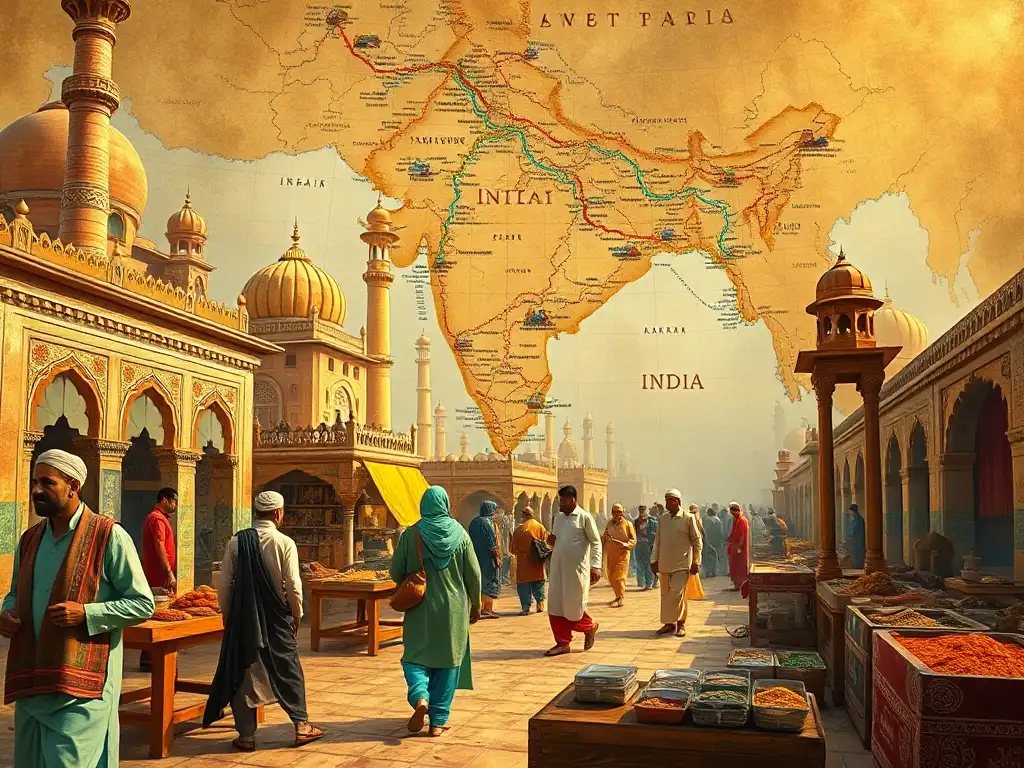
The influences of Persian and Arab cultures in Western India, while distinct, often intertwined, creating a complex cultural landscape. Both influences brought unique elements to the region, enriching its history and heritage. A comparative analysis helps to highlight the distinct contributions of each culture while recognizing their intersections.
Distinct Cultural Contributions of Persian Influence in Western India
Persian influence in Western India can be traced back to the early interactions between Indian rulers and Persian empires, particularly during the Sassanian period. The Persian language, art, and architecture left an indelible mark on the region. Notably, the introduction of Persian poetry and literature enriched the local artistic expressions, leading to the emergence of unique literary forms.
Persian architectural styles, characterized by intricate tile work and grand structures, can be seen in various monuments across Western India, including palaces and mosques. The integration of Persian gardens into local landscaping also contributed to the aesthetic appeal of the region, reflecting a blend of natural beauty and architectural elegance.
Unique Aspects of Arab Influence on Western Indian Society
Arab influence in Western India is distinguished by its emphasis on trade, religion, and social practices that shaped community life. The introduction of Islam as a major religion brought about significant changes in social structures, legal systems, and cultural practices. The establishment of mosques and madrasas became centers for education and religious instruction, fostering a sense of community among the Muslim population.
Arab cuisine, with its rich flavors and diverse ingredients, also transformed local culinary practices. Dishes such as biryani and kebabs became staples in Western Indian households, showcasing the blending of culinary traditions. The social customs brought by the Arabs, including marriage practices and festivals, further enriched the cultural landscape of Western India.
Intersections of Persian and Arab Cultures in Western India
The intersections of Persian and Arab cultures in Western India created a unique cultural synthesis that is evident in various aspects of society. The shared Islamic heritage fostered a sense of unity among different communities, leading to collaborative artistic and literary endeavors.
One prominent example is the development of Urdu, a language that emerged from the fusion of Persian, Arabic, and local dialects. This linguistic blend highlights the cultural intermingling that occurred as merchants, poets, and scholars from both traditions interacted closely in urban centers.
Furthermore, the architectural influences from both cultures can be seen in the region's monuments, where Persian and Arab styles coalesce to create stunning structures that reflect a shared history. The rich tapestry of cultural exchange continues to resonate in the traditions, languages, and practices of Western India today.
Architectural and Artistic Contributions
The architectural and artistic landscape of Western India has been significantly shaped by Persian and Arab influences throughout history. As a region that served as a cultural crossroads, Western India absorbed diverse styles and techniques from these civilizations, leading to a unique fusion that is evident in its monuments, palaces, and artistic expressions. This blending of influences not only enriched the architectural heritage of the region but also contributed to the broader narrative of Indian art and architecture.
Persian Architectural Influence in Western India
Persian architectural style made substantial inroads into Western India, particularly during the period of the Delhi Sultanate and later under the Mughal Empire. The introduction of features such as grand domes, intricate tile work, and expansive courtyards can be traced back to Persian roots. Notable examples include:
- The Tomb of Ghiyas-ud-din Tughlaq: Constructed in the 14th century, this tomb reflects the Persian influence with its use of red sandstone and the characteristic vaulted ceilings.
- Jama Masjid in Ahmedabad: Built in the 15th century, this mosque showcases a harmonious blend of Hindu and Persian architectural styles, emphasizing the broader cultural connections of the time.
These structures often incorporated elaborate ornamental designs and calligraphy, which were hallmarks of Persian architecture, further enhancing their aesthetic appeal and cultural significance.
Arab Architectural Styles and Innovations in Western India
Alongside Persian influences, Arab architectural styles also left a profound mark on Western India, especially through the introduction of new construction techniques and materials. The use of hypostyle halls, minarets, and courtyard layouts became prominent features of mosques and public buildings. Key examples include:
- The Great Mosque of Ahmedabad: This mosque, with its stunning arches and intricate carvings, reflects the Arab influence in its design and function.
- The Qutub Minar: Although primarily an example of Persian influence, its construction techniques and ornamentation were also inspired by earlier Arab structures.
The innovations brought by Arab architects emphasized functionality and aesthetics, prioritizing open spaces and intricate geometric patterns that are still celebrated in modern-day architecture.
Synthesis of Persian and Arab Artistic Traditions
The artistic traditions of Persian and Arab cultures merged seamlessly in Western India, resulting in a rich tapestry of expressions in painting, calligraphy, and decorative arts. This synthesis is particularly evident in the Mughal miniature paintings, which combined Persian techniques with local themes and styles.
- Calligraphy: The art of calligraphy flourished, with Persian scripts being integrated into Indian manuscripts, creating beautiful texts that showcased the artistic skill of the scribes.
- Decorative Arts: The use of intricate tile work, stucco, and frescoes in palaces and temples reflects a melding of Persian motifs with indigenous Indian designs, marking a significant evolution in Western Indian art.
This synthesis not only highlights the cross-cultural interactions but also represents the dynamic nature of art in a region where different traditions coexisted and influenced one another.
Language and Literature: A Fusion of Cultures
The linguistic and literary landscape of Western India experienced a profound transformation due to the intermingling of Persian and Arab influences. This fusion enriched local dialects, literary forms, and cultural expressions, creating a diverse linguistic heritage that reflects the region's historical interactions.
Persian Language and Its Impact on Western Indian Dialects
The Persian language significantly influenced the linguistic landscape of Western India, particularly from the late medieval period onwards. As Persian became the language of administration, poetry, and culture under various Sultanates and the Mughal Empire, it began to permeate local dialects. Key impacts include:
- Lexical Borrowings: Many Persian words related to administration, art, and culture were absorbed into regional languages such as Gujarati and Marathi.
- Literary Forms: The influence of Persian literary styles can be seen in the development of poetry in vernacular languages, where Persian meter and themes were adapted.
This linguistic blending fostered a unique cultural identity that combined indigenous expressions with Persian literary traditions.
Arab Literary Contributions and Their Influence on Western Indian Literature
Similarly, Arab literary contributions significantly shaped Western Indian literature, particularly through the introduction of narrative forms, poetry, and philosophical texts. Some notable influences include:
- Poetic Traditions: The ghazal, a poetic form originating from Arabic, found resonance in Western India, inspiring local poets to compose verses that combined Persian themes with Indian sensibilities.
- Philosophical Texts: Arabic texts on science, philosophy, and spirituality were translated and adapted, influencing local scholars and enriching the intellectual milieu.
This exchange led to a flourishing literary culture that embraced diverse themes and styles, reflecting the syncretic nature of Western Indian society.
The Evolution of Language: A Blend of Persian and Arabic Elements
The evolution of language in Western India is characterized by a remarkable blend of Persian and Arabic elements, resulting in a unique linguistic identity. This blending is particularly evident in the following aspects:
- Creole Languages: The emergence of languages such as Urdu, which incorporates a significant number of Persian and Arabic words, exemplifies the fusion of these linguistic traditions.
- Literary Hybridity: Western Indian literature often features a mix of Persian and Arabic vocabulary within local narratives, showcasing the seamless integration of various linguistic influences.
This evolution highlights the adaptability of language as a vessel for cultural exchange, illustrating how the interactions between Persian and Arab influences have shaped the linguistic heritage of Western India.
Religion and Philosophy: The Interplay of Beliefs
The encounters between Western India and Persian and Arab influences significantly shaped the region's religious and philosophical landscape. As trade routes flourished and political dynamics shifted, new ideologies and spiritual practices found their way into Western Indian society. The blending of these diverse beliefs created a unique tapestry of thought, enriching the local culture while also leading to profound transformations in religious practices and philosophical discourse.
Zoroastrianism and Its Influence in Western India
Zoroastrianism, the ancient religion of Persia, made its mark on Western India through various channels, particularly during the Achaemenid Empire and the subsequent migrations of Zoroastrians, known as Parsis, to India. This migration was mainly a result of the Islamic conquests in Persia during the 7th century, prompting many Zoroastrians to seek refuge in the Indian subcontinent.
In Western India, particularly in regions like Gujarat and Maharashtra, the Zoroastrian community established itself and began to influence local practices. Key aspects of Zoroastrian thought, such as the emphasis on good thoughts, good words, and good deeds, found resonance within the local spiritual milieu. The Parsis contributed to the economic and social fabric of Western India, introducing their customs, festivals, and culinary traditions, which are now integral to the region's cultural identity.
Moreover, the concept of dualism in Zoroastrianism, which posits a constant struggle between good and evil, influenced philosophical debates in Western India. The intricate discussions surrounding morality and ethics that emerged from this interaction enriched the intellectual landscape, leading to syncretic philosophies that combined elements of Hindu, Zoroastrian, and later Islamic thought.
The Role of Islam in Shaping Western Indian Spiritual Practices
The advent of Islam in Western India, especially following the establishment of the Arab Empire and the subsequent trade relations, introduced a new dimension to the region's spiritual practices. The arrival of Muslim traders and scholars facilitated cultural exchanges that were pivotal in shaping local spirituality.
Islamic teachings emphasized monotheism, social justice, and community welfare, which resonated with various local beliefs. The establishment of Sufi orders, in particular, played a crucial role in making Islam accessible to the masses. Sufism's emphasis on personal experience and divine love attracted many followers across Western India, leading to a blending of Islamic mysticism with existing spiritual practices.
The impact of Islamic architecture, art, and literature also left a lasting impression on Western India. The construction of mosques and the incorporation of Persian artistic styles into local art forms exemplify this cultural exchange. Additionally, the festivals and rituals of Islam became interwoven with local traditions, enriching the spiritual fabric of Western Indian society.
Synthesis of Philosophical Ideas: Persian and Arab Contributions
The philosophical ideas brought by Persian and Arab scholars during their interactions with Western India fostered a rich intellectual environment. The translation and dissemination of works from Arabic and Persian into local languages facilitated the exchange of knowledge across various fields, including science, medicine, and metaphysics.
Notable philosophers, such as Al-Farabi and Ibn Sina (Avicenna), whose works were introduced to Indian scholars, contributed significantly to the understanding of logic, ethics, and metaphysics. Their writings prompted Indian thinkers to engage in comparative philosophy, leading to dialogues that bridged the gap between Eastern and Western philosophical traditions.
Furthermore, this synthesis of ideas led to the development of unique philosophical schools in Western India. The integration of Persian and Arab thought with indigenous philosophies fostered a spirit of inquiry and debate that enriched the intellectual heritage of the region, paving the way for future philosophical exploration.
Conclusion: The Legacy of Persian and Arab Influences in Western India
The legacy of Persian and Arab influences in Western India is profound and multifaceted. The encounters between these cultures not only transformed religious practices but also reshaped the philosophical discourse of the region. This interplay of beliefs created a rich and diverse cultural heritage that continues to resonate in contemporary Western Indian society.
Lasting Cultural Effects on Modern Western Indian Society
Today, the influences of Persian and Arab cultures are evident in various aspects of life in Western India. From language and literature to cuisine and architecture, the remnants of these historical encounters are woven into the fabric of modern society. The culinary traditions, for instance, showcase the fusion of flavors and techniques that originated from Persian and Arab influences, creating unique dishes that are celebrated across the region.
Furthermore, festivals and rituals that blend Islamic and local traditions reflect the harmonious coexistence of diverse cultures. The architectural marvels, such as the intricate designs of mosques and palaces, serve as a testament to the artistic synthesis that emerged from these interactions.
Reflection on the Importance of Understanding Historical Influences
Understanding the historical influences of Persia and Arabia on Western India is essential for appreciating the region's cultural complexity. It allows us to recognize the interconnectedness of civilizations and the ways in which they shape each other over time. This historical perspective not only enriches our knowledge of the past but also fosters a greater appreciation for the diversity and richness of contemporary Western Indian society.
By delving into the intricate tapestry of beliefs, practices, and philosophies that emerged from these encounters, we can gain valuable insights into the enduring legacies that continue to inform the cultural identity of Western India today.
References
Key Texts and Resources on Persian and Arab Influences in Western India
-
"The Persian Influence on Indian Culture" by R. C. Dutt
This classic text explores the various dimensions of Persian influence on Indian culture, literature, and architecture. Dutt meticulously details how Persian art forms and administrative practices permeated different strata of Indian society, particularly in Western India.
-
"India and the Persianate World" by Richard M. Eaton
Eaton provides a comprehensive examination of the Persianate culture that developed in India, focusing on how Persian language and literature shaped the cultural landscape of Western India during the medieval period. The book also discusses the socio-political interactions between the Persian Empire and Indian kingdoms.
-
"Arab Contacts with India: Studies in the History of Indian Ocean Trade" by K. S. Mathew
This work highlights the historical trade connections between the Arabs and the Indian subcontinent, particularly through Western India. Mathew discusses how these contacts led to significant cultural exchanges and the introduction of Islamic influences in the region.
-
"The Indo-Persian World: Cultural Interactions" edited by Sunil Kumar
This edited volume features various essays that delve into the intermingling of Persian and Indian cultures, addressing topics from literature to architecture. The essays underscore the significance of Western India as a focal point for these influences.
Suggested Further Reading for In-Depth Exploration
-
"The Mughals and the Persianate World" by S. K. Gupta
A detailed account of the Mughal Empire's relationship with Persian culture, focusing on how Western India served as a melting pot for Persian and Indian traditions. Gupta’s analysis provides insights into the art, architecture, and administrative practices that emerged from this confluence.
-
"Cultural Encounters in the Indian Ocean World: The Persian Connection" by A. P. Sharma
This book explores the broader Indian Ocean trade network, emphasizing the role of Persian merchants and their cultural impact on Western India. The text offers a nuanced perspective on how trade facilitated cultural exchanges and the spread of ideas.
-
"Islamic Architecture in India: The Persian Influence" by F. H. A. Khan
Khan’s work investigates the architectural legacy left by Persian influences in India, particularly in the construction styles found in Western India. This text is essential for understanding the visual impact of Persian aesthetics on Indian architecture.
-
"Trade and Cultural Exchanges: The Arabian Sea and Western India" by G. R. Joshi
Joshi discusses the historical trade routes across the Arabian Sea and their influence on cultural exchanges between Arab and Indian civilizations. This book provides a rich narrative of the interactions that shaped Western India's cultural identity.
These resources collectively contribute to a deeper understanding of the intricate relationships and exchanges that occurred between Western India and Persian and Arab cultures, shedding light on the lasting impacts of these interactions on the region's history and development.
- Introduction to Western India’s Cultural Landscape
- Historical Timeline of Persian Influence in Western India
- Arab Influences in Western India: A Historical Overview
- Comparative Analysis: Persian vs. Arab Influences
- Architectural and Artistic Contributions
- Language and Literature: A Fusion of Cultures
- Religion and Philosophy: The Interplay of Beliefs
- Conclusion: The Legacy of Persian and Arab Influences in Western India
- References
- What were the main Persian influences on Western India?
- How did Arab traders impact Western India?
- What are some key contributions of the Persian and Arab cultures to Western India?
- How did the interactions with Persian and Arab cultures shape Western Indian society?
- What role did Western India play in the broader context of Persian and Arab interactions?
Frequently Asked Questions
What were the main Persian influences on Western India?
The Persian influence on Western India included art, architecture, and administrative practices. This was particularly evident during the Maurya and Gupta periods when Persian styles were integrated into local traditions.
How did Arab traders impact Western India?
Arab traders played a significant role in enhancing trade links and introducing Islam to Western India. Their presence led to the establishment of cultural exchanges that shaped the region's development.
What are some key contributions of the Persian and Arab cultures to Western India?
The Persian and Arab cultures contributed to the linguistic diversity in Western India, introducing languages like Urdu. They also influenced cuisine, music, and literature, enriching the cultural tapestry of the region.
How did the interactions with Persian and Arab cultures shape Western Indian society?
The interactions led to a fusion of cultures, creating a unique blend of traditions and customs. This included changes in social structures and the introduction of new ideologies that influenced local practices.
What role did Western India play in the broader context of Persian and Arab interactions?
Western India served as a gateway for Persian and Arab influence into the Indian subcontinent, facilitating trade, cultural exchanges, and the spread of religions, which significantly impacted the region's historical trajectory.
Final Reflection: Embracing the Tapestry of Cultures
The encounters of Western India with Persian and Arab influences are not just historical footnotes; they are vibrant threads woven into the fabric of our contemporary society. Today, as we navigate an increasingly globalized world, understanding these influences allows us to appreciate the rich cultural heritage that shapes our identities. The interplay of these cultures has left an indelible mark on art, architecture, language, and cuisine, reminding us that diversity is not merely a concept but a lived experience that enriches our lives.
The impact of Persian and Arab influences on Western India continues to resonate in our cultural landscape, fostering a sense of unity amid diversity. From the intricate designs of Mughal architecture to the melodious strains of classical music, these influences have created a unique cultural synthesis that is celebrated and cherished. As the poet Rumi once said, “The wound is the place where the Light enters you.” This sentiment reflects how the blending of cultures, even through challenges, can illuminate our understanding of one another and foster deeper connections.
As you reflect on the themes explored in this article, I invite you to consider how these historical encounters can inspire your own journey. Embrace the diversity around you and seek to understand the stories that shape your community. Let the lessons of the past guide you in fostering inclusivity and appreciation for different cultures. By doing so, you not only honor the legacy of Western India’s rich tapestry of influences but also contribute to a more harmonious and interconnected world.
Embrace the Fusion: Dive Deeper into Western India's Cultural Tapestry!
Thank you for taking the time to explore the rich encounters of Western India with Persian and Arab influences. By delving into this fascinating blend of cultures, you've gained a deeper understanding of the historical connections that shape our narratives today. Now, let’s take your journey a step further!
Here are some actionable steps you can take to enrich your exploration:
- Delve into the Art and Architecture: Visit local museums or online galleries to discover artworks that illustrate the Persian and Arab influences present in Western Indian art.
- Join a Discussion Group: Connect with enthusiasts and scholars in community forums or social media groups to share insights and perspectives about these cultural exchanges.
- Create Your Own Cultural Blend: Try your hand at a fusion recipe that combines the vibrant flavors of Western Indian and Middle Eastern cuisine—experimenting in the kitchen can lead to delicious discoveries!
What aspects of the Persian or Arab influences in Western India intrigue you the most? We invite you to share your thoughts or experiences in the comments!