
The Discovery of Indus Valley Artifacts: What They Reveal About Society

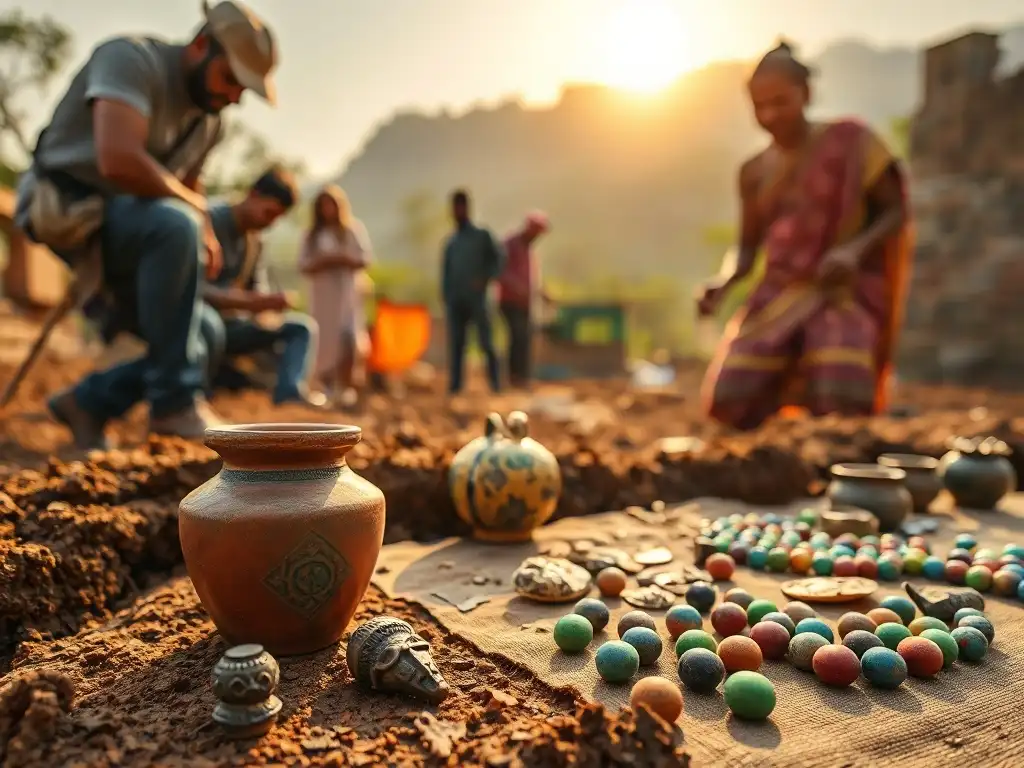
Welcome to Ancient India History, where we embark on an exciting journey through time to unveil the rich tapestry of ancient Indian civilizations. In this captivating exploration, we dive deep into the heart of the Indus Valley civilization artifacts, revealing the secrets they hold about the society that flourished thousands of years ago. What stories do these remarkable remnants tell us about the daily lives, beliefs, and innovations of our ancestors?
Join us as we unravel the mysteries and marvel at the contributions of a civilization that laid the foundation for many aspects of modern life. Ready to discover more? Let's begin!
The discovery of artifacts from the Indus Valley civilization has opened a fascinating window into the lives, culture, and societal structures of one of the world's earliest urban centers. Spanning from approximately 3300 BCE to 1300 BCE, the Indus Valley civilization, also known as the Harappan civilization, flourished in what is now modern-day Pakistan and northwest India. This advanced society is renowned for its remarkable urban planning, sophisticated drainage systems, and, notably, its rich artistic expressions.
The artifacts unearthed from archaeological sites such as Harappa and Mohenjo-Daro provide critical insights into the daily lives of its inhabitants, their trade practices, religious beliefs, and social organization. This article delves into the significance of these artifacts, exploring what they reveal about the society that thrived in the Indus Valley, and highlights their invaluable contributions to our understanding of ancient Indian history.
The Significance of Artifacts in Understanding Society
Artifacts are crucial to understanding the intricacies of any ancient civilization, and the Indus Valley is no exception. The variety and complexity of objects found, from pottery to seals, not only reflect the artistic skills of the people but also provide insights into their social structure, economy, and cultural practices.
- Types of Artifacts:
- Ceramics: Often adorned with intricate designs, ceramics reveal the aesthetic preferences and technological advancements of the time.
- Seals: These small, carved stones often depict animals and symbols, suggesting a form of writing and perhaps a system of trade or identity.
- Jewelry: The discovery of various ornaments indicates social stratification and the importance of adornment in their culture.
These artifacts tell a story of a civilization that was not only advanced in terms of urban planning but also rich in cultural expression.
The artifacts unearthed from the Indus Valley provide a glimpse into the daily lives of its people, showcasing their innovations and societal organization.
- Housing and Urban Planning: The well-planned cities indicate a high level of administrative control and knowledge of urban architecture.
- Trade and Economy: Items such as weights and measures found alongside seals suggest a complex economy based on trade, both local and long-distance.
- Religious Practices: Figurines and other religious artifacts hint at the spiritual life of the community, pointing to a belief system that may have involved ritualistic practices.
These elements collectively reveal a society that was organized and sophisticated, highlighting the interconnectedness of their daily life and cultural practices.
The Role of Art in Indus Valley Civilization
Art played a pivotal role in the Indus Valley civilization, serving both functional and aesthetic purposes. The various forms of artistic expression found in artifacts showcase the skills and creativity of the people.
- Sculpture and Figurines: Often depicting animals or human forms, these objects suggest a rich tradition of artistry and possibly religious significance.
- Textiles and Decorative Arts: Remnants of textiles indicate a thriving industry, while decorative elements on pottery and tools reveal a society that valued beauty and craftsmanship.
The presence of such diverse artistic endeavors underscores the importance of art in communicating cultural values and societal norms.
Conclusion
The discovery of Indus Valley civilization artifacts has significantly enriched our understanding of this ancient society. Through the analysis of these objects, researchers continue to uncover the layers of complexity within the Indus Valley civilization, revealing a culture that was advanced in various aspects of life—from urban planning to artistic expression. As we explore these artifacts, we not only gain insight into the past but also appreciate the legacy of one of history's earliest civilizations.
- The Significance of Artifacts in Understanding Society
- Insights into Daily Life and Social Structure
- The Role of Art in Indus Valley Civilization
- Conclusion
- What are the most significant Indus Valley civilization artifacts discovered?
- How do these artifacts help us understand Indus Valley society?
- Where were the most artifacts from the Indus Valley civilization found?
- What role did trade play in the Indus Valley civilization as suggested by artifacts?
- Are there any unique artistic styles evident in Indus Valley artifacts?
Introduction to Indus Valley Civilization Artifacts
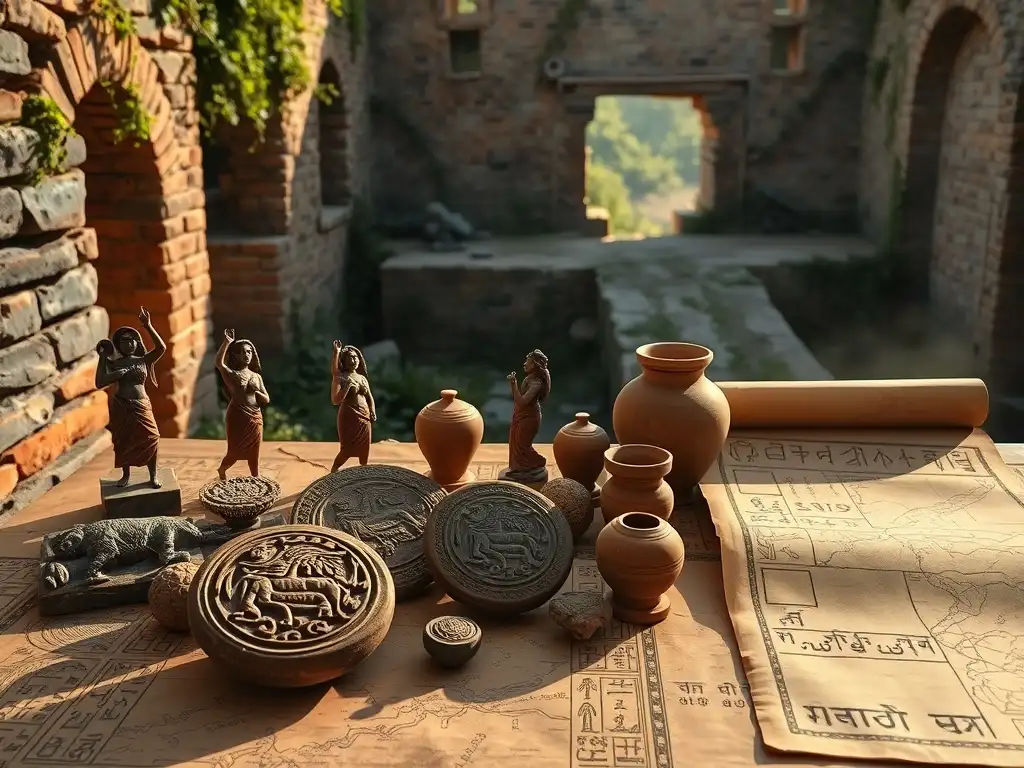
The Indus Valley Civilization, one of the world's earliest urban cultures, flourished between approximately 3300 BCE and 1300 BCE in what is now Pakistan and northwest India. This civilization is renowned for its sophisticated city planning, advanced drainage systems, and a wealth of artifacts that provide invaluable insights into its society. The artifacts unearthed from sites such as Harappa and Mohenjo-Daro are crucial for understanding the daily lives, beliefs, and trade practices of the people who lived during this remarkable period.
Overview of the Indus Valley Civilization
The Indus Valley Civilization (IVC) was characterized by its well-planned cities, which featured a grid layout, advanced drainage systems, and impressive public buildings. Key cities like Harappa and Mohenjo-Daro served as significant urban centers, showcasing the civilization's ability to manage resources effectively.
- Geography: The IVC was situated along the fertile plains of the Indus River, which provided ample water for agriculture, supporting a thriving agrarian society.
- Economy: The economy was largely based on agriculture, supplemented by trade with neighboring regions. Evidence of trade can be observed through the discovery of weights and measures, as well as seals that suggest commercial activity.
- Culture: The artifacts from the IVC reflect a rich cultural life. Items such as pottery, jewelry, and figurines reveal aesthetic sensibilities and social structures, indicating a society that valued craftsmanship and artistic expression.
Key Artifacts:
- Seals: Often made of steatite, these seals feature intricate carvings, including animals, deities, and scripts that remain undeciphered. They likely served as identifiers for trade or ownership.
- Terracotta Figurines: These small sculptures, often depicting women and animals, provide insights into the artistic styles and religious practices of the time.
- Pottery: The IVC is known for its painted pottery, which often features geometric designs and motifs, indicating a high level of artistic skill.
Significance of Artifacts in Understanding Ancient Societies
The artifacts from the Indus Valley Civilization are not merely remnants of the past; they are key to unlocking the complexities of ancient society. Their significance can be understood through several critical dimensions:
- Cultural Insights: Artifacts reveal the cultural practices, religious beliefs, and social hierarchies of the IVC. For example, the prevalence of mother goddess figurines suggests a possible matriarchal element within their society.
- Economic Structures: The discovery of standardized weights and measures indicates a sophisticated economic system that relied on trade. This supports the idea that the IVC was interconnected with other civilizations, such as Mesopotamia, highlighting its role in regional commerce.
- Technological Advancements: The engineering prowess evident in urban planning and drainage systems illustrates the advanced technological capabilities of the Indus Valley people. This knowledge reflects their understanding of urban infrastructure, public health, and community organization.
- Artistic Expression: The diversity and quality of artistic artifacts point to a society that valued creativity and aesthetics. The intricate designs found on pottery and seals suggest a rich tradition of storytelling and symbolic representation.
- Social Organization: The variety of artifacts, from utilitarian objects to ceremonial items, indicates a complex social structure. The differentiation in artifact styles and materials suggests the presence of various classes or roles within the society.
The Indus Valley civilization artifacts serve as vital keys to understanding the nuances of one of the world's earliest urban societies. Through these remnants, we gain insight into their daily lives, beliefs, and interactions, allowing us to appreciate the profound legacy of the Indus Valley Civilization in the broader context of ancient Indian history.
Major Discoveries of Indus Valley Artifacts
The discovery of Indus Valley civilization artifacts has significantly advanced our understanding of one of the world's earliest urban cultures. These artifacts, unearthed from various archaeological sites, provide invaluable insights into the daily lives, social structures, and cultural practices of the Indus Valley people. The key archaeological sites, including Harappa and Mohenjo-Daro, have yielded a diverse array of artifacts that showcase the sophistication of this ancient civilization.
Key Archaeological Sites of Indus Valley Civilization
Harappa: A Hub of Cultural Artifacts
Harappa, located in present-day Punjab, Pakistan, is one of the most prominent sites of the Indus Valley civilization. Excavations have revealed an extensive collection of artifacts that illustrate the complexity of Harappan society. Among the notable finds are:
- Terracotta Figurines: These small sculptures often depict animals and human figures, suggesting a rich cultural and religious life.
- Seals: Intricately carved with various motifs and scripts, these seals were likely used for trade and administrative purposes.
- Weights and Measures: Standardized weights found in Harappa indicate a sophisticated system of trade and commerce.
The artifacts from Harappa reflect a society that valued craftsmanship and had a well-established economic system.
Mohenjo-Daro: Insights into Urban Life
Mohenjo-Daro, another key site of the Indus Valley civilization, provides crucial insights into urban planning and daily life. The layout of the city, with its advanced drainage systems and organized streets, showcases the engineering prowess of the Indus people. Significant discoveries include:
- The Great Bath: This large public water tank suggests the importance of ritual bathing or communal gatherings in Harappan culture.
- Granaries: Remnants of large storage structures indicate agricultural surplus and the centralization of grain management.
- Household Artifacts: Items such as cooking pots, tools, and game pieces reveal aspects of daily life and leisure activities.
The findings at Mohenjo-Daro highlight the urban sophistication and social organization of the Indus Valley civilization.
Notable Artifacts and Their Historical Context
Terracotta Figurines: Symbolism and Function
Terracotta figurines are among the most common artifacts discovered in the Indus Valley. These figurines often depict deities, animals, and human figures, providing insights into the religious beliefs and artistic expressions of the civilization.
- Symbolism: Many figurines are believed to represent fertility deities, indicating the importance of agriculture and reproduction in their culture.
- Function: Some figurines may have served as toys or ritual objects, suggesting a multifaceted role in society.
The craftsmanship of these figurines reflects the artistic skills and cultural values of the Harappans.
Seals and Their Role in Trade and Administration
The seals of the Indus Valley civilization are perhaps the most iconic artifacts, consisting of engraved stone pieces that often feature animals and script.
- Trade: Seals were likely used to mark ownership and facilitate trade with neighboring regions, as evidenced by their widespread presence in archaeological sites across South Asia and beyond.
- Administration: The presence of seals in administrative contexts suggests a system of governance that required record-keeping and regulation of commerce.
These artifacts underscore the sophisticated trade networks and administrative practices of the Indus Valley civilization.
Pottery: Daily Life Reflected in Design
Pottery is another significant category of artifacts that has been extensively studied. The variety of pottery styles and decorations provides a glimpse into the daily life and aesthetic preferences of the Indus Valley people.
- Types: Common types of pottery include painted, plain, and utilitarian forms, each serving different purposes in domestic settings.
- Design: The intricate designs and motifs found on pottery suggest not only artistic expression but also social status and cultural identity.
The study of pottery offers valuable insights into the everyday experiences and social dynamics of the Indus Valley civilization.
The discoveries of Indus Valley civilization artifacts continue to reveal the intricacies of a society that was advanced in art, trade, and urban planning. Each artifact tells a story of the past, contributing to a deeper understanding of this fascinating civilization.
What Indus Valley Artifacts Reveal About Society
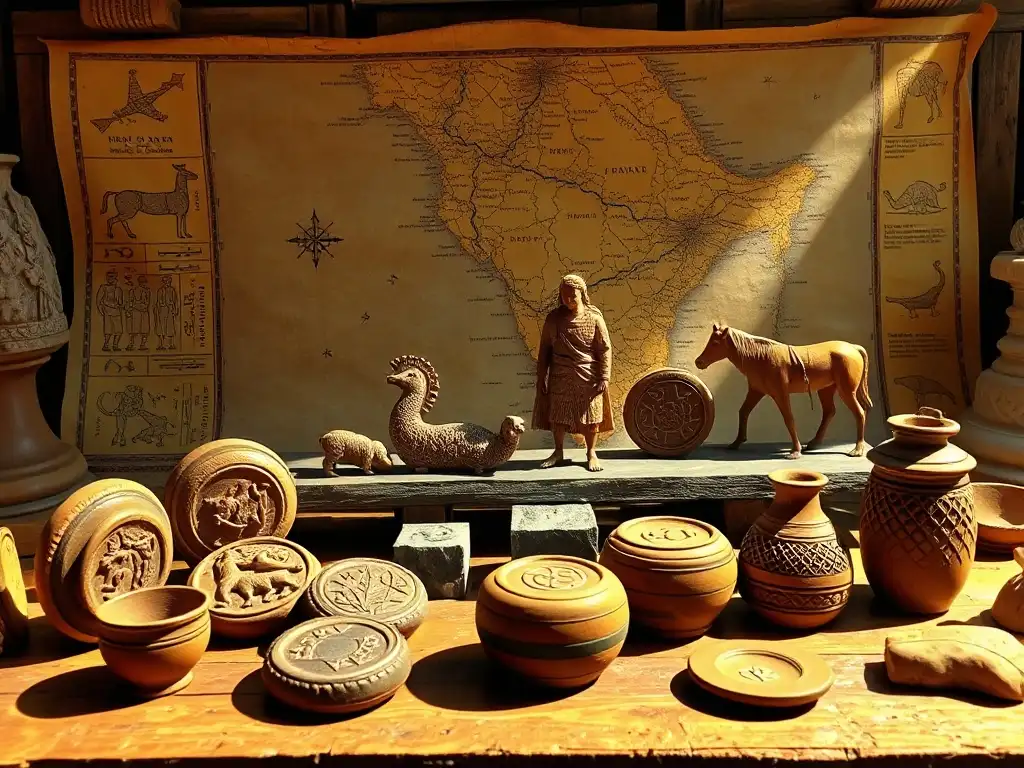
The artifacts unearthed from the Indus Valley civilization (IVC) provide a fascinating glimpse into the societal structure, economic practices, and cultural beliefs of one of the world's earliest urban societies. From intricate seals to elaborate pottery, each object tells a story that enriches our understanding of the IVC and its people.
The Evidence of Craft Specialization
Artifacts such as pottery, jewelry, and tools indicate a high degree of craft specialization within the Indus Valley civilization. Archaeological findings suggest that certain groups were responsible for specific crafts, which implies a division of labor that contributed to the complexity of their society.
- Pottery: The existence of finely painted pottery with distinct styles suggests that artisans dedicated themselves to this craft, indicating an organized approach to production.
- Bead Making: The discovery of specialized workshops for bead-making, featuring tools like drills and polishing stones, highlights the advanced techniques employed by craftsmen. This specialization not only showcases skill but also points to social roles within the community.
The presence of these specialized crafts hints at a structured society where individuals contributed to communal economic activities, suggesting the existence of social hierarchies based on craftsmanship and trade skills.
Insights into Trade Networks and Economic Practices
The artifacts also reveal insights into the trade networks and economic practices of the Indus Valley civilization. The discovery of standardized weights and measures, along with intricate trade seals, suggests a sophisticated economic system.
- Trade Seals: These seals, often inscribed with animal motifs and symbols, were likely used to mark goods for trade, indicating a complex system of commerce that extended beyond local boundaries.
- Materials Sourced: The presence of materials such as lapis lazuli, sourced from regions far away, demonstrates extensive trade connections. This not only signifies economic prosperity but also highlights the civilization’s ability to engage in long-distance trade.
The evidence of trade practices underscores the interconnectedness of the Indus Valley civilization with other contemporary cultures, pointing to a vibrant economy that played a vital role in societal development.
Religious and Cultural Insights
Symbolism in Artifacts: Spiritual Beliefs and Practices
The artifacts of the Indus Valley civilization are rich with symbolism, reflecting the spiritual beliefs and practices of its people. Numerous seals and figurines depict animals and deities, suggesting a belief system that revered nature and possibly polytheistic elements.
- Animal Motifs: Seals featuring animals like the unicorn and bull may represent totemic symbols or deities, indicating a deep connection between the people and their environment.
- Terracotta Figurines: The discovery of female figurines, often associated with fertility, points to the significance of motherhood and femininity in their spiritual practices.
These symbolic representations in artifacts suggest that religion was an integral part of daily life and community identity, influencing social norms and practices.
Evidence of Ritualistic Objects and Their Meanings
Ritualistic artifacts provide further insights into the cultural fabric of the Indus Valley civilization. Items such as pottery with elaborate designs and ceremonial tools reveal the significance of rituals and communal gatherings.
- Ceremonial Pottery: Decorated vessels used in rituals may have been integral to religious practices, indicating the importance of communal worship or celebrations.
- Ritual Implements: Findings of stone altars and other ceremonial objects suggest organized religious practices, possibly linked to agricultural cycles or seasonal changes.
These ritualistic artifacts not only highlight the cultural values and beliefs of the IVC but also suggest a society that placed great emphasis on community cohesion and shared spiritual experiences.
The artifacts of the Indus Valley civilization serve as a mirror reflecting the complexities of their society. From social hierarchies and economic practices to religious beliefs and cultural values, each artifact contributes to a richer understanding of this ancient civilization and its enduring legacy.
Daily Life and Technological Advancements
The artifacts uncovered from the Indus Valley civilization provide invaluable insights into the daily lives and technological advancements of its inhabitants. This ancient civilization, which thrived between 3300 BCE and 1300 BCE, is renowned for its sophisticated urban planning, advanced agricultural practices, and rich artistic expression. By examining various artifacts, we can glean a clearer picture of how people lived, worked, and interacted within their society.
The discovery of pottery, seals, tools, and other items not only showcases the artistic flair of the civilization but also highlights the practical aspects of their daily existence. Artifacts such as weights and measures indicate a system of trade and commerce, while the design of their settlements suggests a well-organized society with a focus on hygiene and public health. Overall, the Indus Valley artifacts reflect a highly developed civilization that made significant contributions to the history of human advancement.
Tools and Implements: An Overview of Daily Activities
The tools and implements discovered at various Indus Valley sites, such as Harappa and Mohenjo-Daro, reveal much about the daily activities and occupations of its people. Primarily made from stone, bronze, and terracotta, these tools were integral to tasks such as farming, weaving, and pottery-making.
- Agricultural Tools: The presence of sickles, plows, and grinding stones indicates that agriculture was a central aspect of life in the Indus Valley. These tools suggest that the people practiced advanced farming techniques, likely cultivating crops like wheat, barley, and cotton.
- Craftsmanship: Artifacts like spindle whorls highlight the significance of textile production in the economy. The design and quantity of these whorls suggest a thriving textile industry, indicating that weaving was a common occupation among the populace.
- Trade and Commerce: Weights made from stone, often with precise measurements, point to a structured trade system. These weights were likely used in markets, facilitating commerce both locally and with neighboring regions.
- Domestic Implements: Everyday items such as cooking pots, storage jars, and utensils made of clay and metal provide a glimpse into the culinary practices and domestic life of the Indus Valley people. The variety of pottery styles reflects not only functional needs but also aesthetic choices.
By analyzing these tools and implements, we can understand the socioeconomic structure of the Indus Valley civilization, revealing a community that was both industrious and innovative.
Architectural Features Reflected in Artifacts
The architectural features of the Indus Valley civilization, as evidenced by artifacts, illustrate its advanced urban planning and societal organization. Notable aspects include:
- Urban Layout: The grid-like patterns of cities such as Mohenjo-Daro reveal meticulous planning and foresight. Artifacts such as drainage systems and public baths indicate a sophisticated understanding of sanitation and public infrastructure, emphasizing the importance of hygiene in daily life.
- Public Buildings: Structures like the Great Bath and large granaries suggest that the Indus Valley civilization had communal spaces designed for social and economic activities. Artifacts found within these structures, including pottery and seals, imply that they served multiple purposes, from ritualistic to administrative.
- Residential Architecture: The discovery of terracotta figurines and household items within residential areas points to a well-defined domestic life. Homes were typically built from baked bricks and often included features such as courtyards and ventilation systems, showcasing an understanding of comfort and practicality.
- Artistic Expression: Decorative elements found in architecture, such as sculptures and intricate carvings, reflect the aesthetic values of the society. This artistry not only served decorative purposes but also conveyed social and religious meanings.
The architectural features and artifacts of the Indus Valley civilization reveal a culture that was not only advanced in technology and urban planning but also rich in artistic and social expressions. The discoveries help us appreciate the complexity and sophistication of one of ancient India's most significant civilizations.
The Impact of Indus Valley Artifacts on Modern Understanding
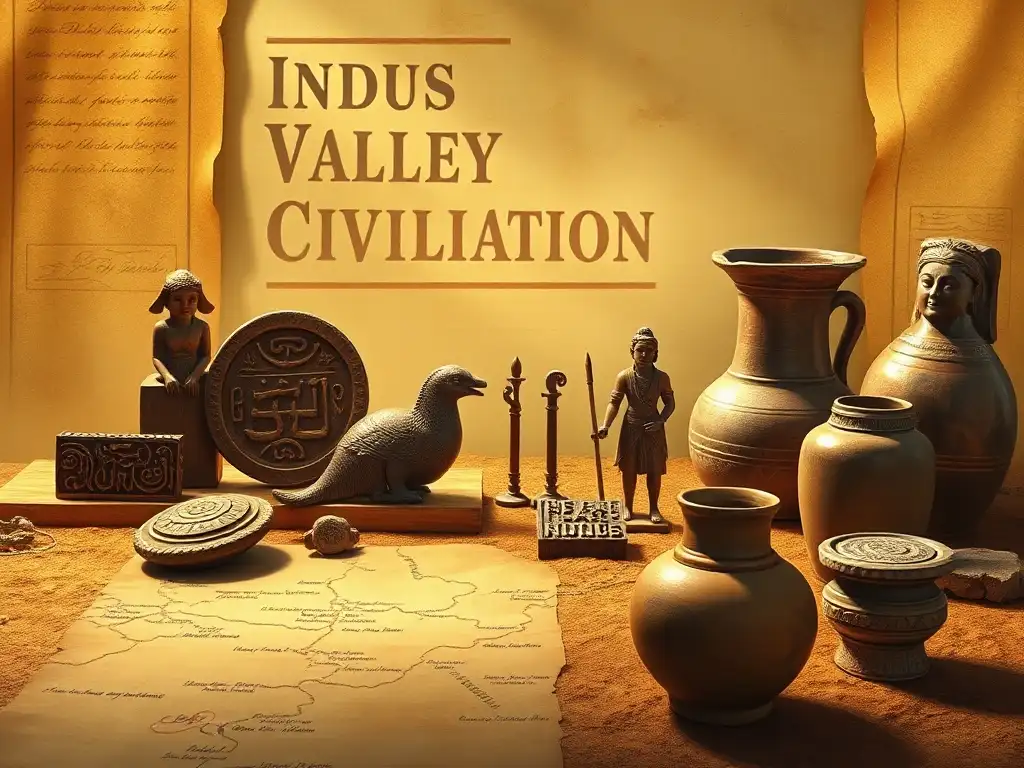
Contributions to the Study of Ancient Civilizations
The discovery of Indus Valley civilization artifacts has significantly enriched our comprehension of ancient societies, particularly in understanding their social structures, economic practices, and cultural expressions. The artifacts unearthed from sites such as Harappa and Mohenjo-Daro provide invaluable insights into the daily lives of the inhabitants of the Indus Valley civilization.
For instance, the intricate seals bearing animal motifs and script suggest a complex system of trade and communication. These seals likely served as identifiers for merchants, indicating that commerce was a crucial component of their society. Additionally, the presence of standardized weights and measures hints at sophisticated economic practices, underscoring the civilization's advanced understanding of trade logistics.
Moreover, the diverse array of pottery, jewelry, and figurines reflects the artistic capabilities and aesthetic values of the Indus people. Notably, the terracotta figurines, often depicting women, suggest an appreciation for beauty and possibly indicate the roles of women in their society. The artifacts also reveal the religious and ritualistic aspects of life, with certain items possibly related to fertility or worship, pointing to the spiritual beliefs of the civilization.
These artifacts not only enhance our knowledge of the Indus Valley civilization but also provide a comparative lens through which to view other ancient cultures, illustrating the interconnectedness of human societies.
Challenges in Interpreting Indus Valley Artifacts
While the artifacts from the Indus Valley civilization are invaluable, they also present several challenges for archaeologists and historians. The interpretation of these artifacts is often fraught with ambiguity due to various factors, including the limitations of the archaeological record and scholarly debates surrounding their significance.
Limitations of the Archaeological Record
One of the primary challenges in understanding Indus Valley civilization artifacts stems from the limitations of the archaeological record. Many sites have suffered from erosion, urban development, and looting, leading to incomplete data. Furthermore, the lack of extensive written records complicates the reconstruction of historical narratives.
The Indus script remains undeciphered, which poses a significant barrier to understanding the social and political structures of the civilization. Without written documentation, researchers must rely solely on material culture to draw conclusions. This reliance can lead to speculative interpretations, as the context of artifacts may not always be clear. For example, the function of certain seals or the meaning behind specific motifs can vary widely depending on the perspective of the interpreter, resulting in multiple, often conflicting, hypotheses.
The Ongoing Debate Among Scholars
The interpretation of Indus Valley civilization artifacts is also characterized by an ongoing debate among scholars. Different academic disciplines—such as archaeology, anthropology, and history—often approach the artifacts from unique angles, leading to varying conclusions about their significance.
For instance, while some scholars emphasize the egalitarian nature of Indus society based on the uniformity of housing and urban planning, others argue that the presence of luxury items and distinct public structures suggests a stratified social hierarchy. Additionally, the role of trade and external influences in shaping the civilization remains a contentious topic, with differing opinions on how much contact the Indus Valley people had with neighboring cultures.
This scholarly discourse highlights the richness of the field but also underscores the complexities involved in piecing together the narrative of the Indus Valley civilization. As new discoveries are made, and technologies improve, these debates will likely evolve, leading to a deeper and more nuanced understanding of this ancient civilization.
Conclusion: The Legacy of Indus Valley Civilization Artifacts
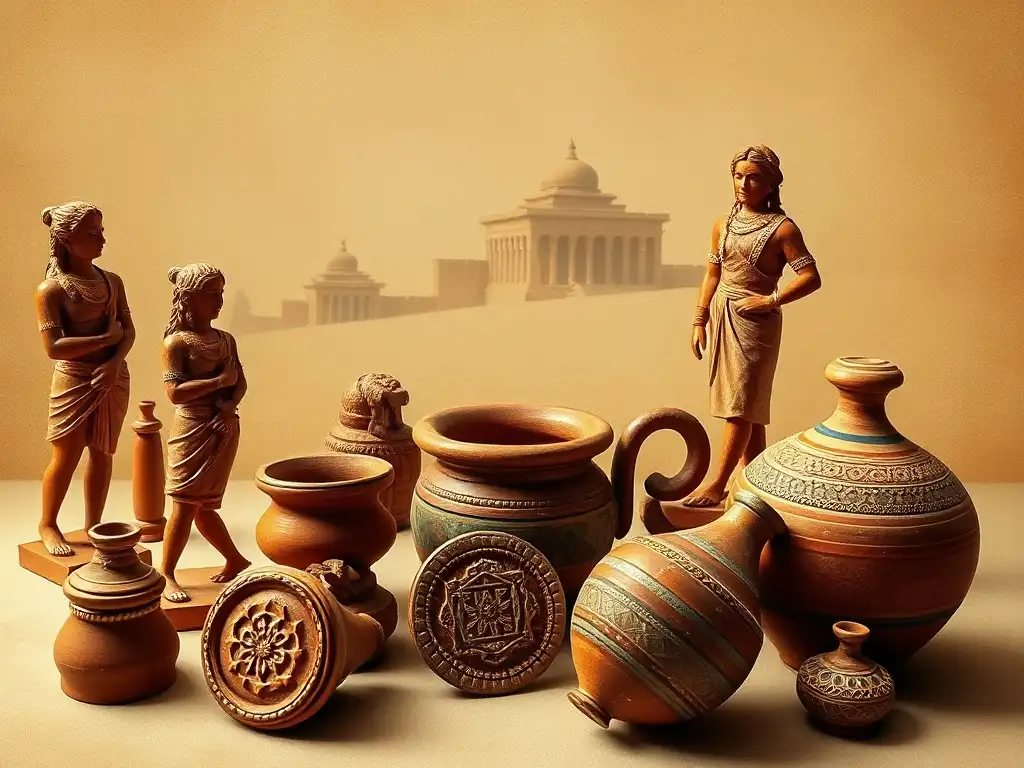
The legacy of the Indus Valley civilization artifacts goes far beyond their physical forms; they serve as vital keys unlocking the mysteries of one of the world's earliest urban societies. These artifacts, ranging from intricate pottery and seal carvings to sophisticated tools and jewelry, provide invaluable insights into the daily lives, trade practices, religious beliefs, and social structures of the people who inhabited this remarkable civilization around 2500 BCE to 1900 BCE.
Understanding the context in which these artifacts were used allows researchers to reconstruct the complex social networks and economic systems that existed. For instance, the discovery of uniform weights and measures suggests a well-organized trade system, while the artistic styles reflected in pottery and terracotta figurines indicate strong cultural and aesthetic values. The motifs and symbols found on seals, such as the famous unicorn seal, point to potential religious or cultural significances, hinting at the beliefs and practices that may have existed.
The artifacts are not merely remnants of the past; they are testimonies to the innovative spirit of the Indus Valley civilization. The meticulous craftsmanship exhibited in their creation highlights a society that valued artistry and utility, showcasing the dual importance of aesthetics and function.
Reflecting on the Importance of Artifacts in Historical Research
The significance of Indus Valley civilization artifacts in historical research cannot be overstated. They are primary sources that offer a tangible connection to the past, allowing historians and archaeologists to piece together the lifestyle, beliefs, and interactions of the civilization's inhabitants. The artifacts serve multiple research purposes:
- Cultural Context: Artifacts provide insights into the cultural practices of the Indus Valley civilization. For instance, the presence of terracotta figurines and toys suggests a society engaged in play and artistic expression, while the discovery of ritualistic objects points to a complex belief system.
- Trade and Economy: The variety of materials used in artifact production, including semi-precious stones and metals, reflects the trade networks established by the Indus Valley people. The presence of goods from distant regions indicates a thriving economy and interactions with neighboring cultures.
- Technological Advancements: The tools and pottery techniques reveal the technological prowess of the Indus Valley craftsmen. For example, the development of kiln-fired pottery illustrates advancements in production processes that were crucial for everyday life.
- Social Structure: The diversity of artifacts, from luxurious items to everyday tools, can indicate social stratification within the civilization. Analysis of burial goods, for example, can provide evidence of varying status among individuals.
In essence, these artifacts are crucial for reconstructing a more nuanced understanding of the Indus Valley civilization, helping scholars bridge the gap between ancient practices and modern interpretations.
Future Directions for Archaeological Exploration
As archaeological methods and technologies continue to evolve, the future of exploring Indus Valley civilization artifacts is promising. Here are some anticipated directions for further research:
- Advanced Technologies: The integration of technologies such as ground-penetrating radar (GPR) and 3D scanning is set to revolutionize how archaeologists discover and analyze artifacts. These tools can help uncover buried structures and artifacts without disturbing the site, preserving their integrity.
- Interdisciplinary Approaches: Collaborations between archaeologists, historians, and scientists can yield deeper insights into the social and environmental contexts of the artifacts. For instance, studies of ancient diets through residue analysis of pottery can provide valuable data about agricultural practices and trade.
- Global Connections: Future research may increasingly focus on understanding the Indus Valley civilization's connections with other ancient cultures. By analyzing artifacts and trade routes, scholars can uncover the extent of cultural exchanges and influences.
- Public Engagement: Increasing public interest in archaeology suggests that community involvement will play a significant role in future excavations. Citizen science initiatives can aid in data collection and promote awareness of the significance of Indus Valley artifacts.
The exploration of Indus Valley civilization artifacts remains a dynamic field, rich with potential for new discoveries and interpretations. As research methodologies advance, the depth of understanding regarding this ancient civilization will continue to grow, illuminating the profound legacy left by the Indus Valley people.
References
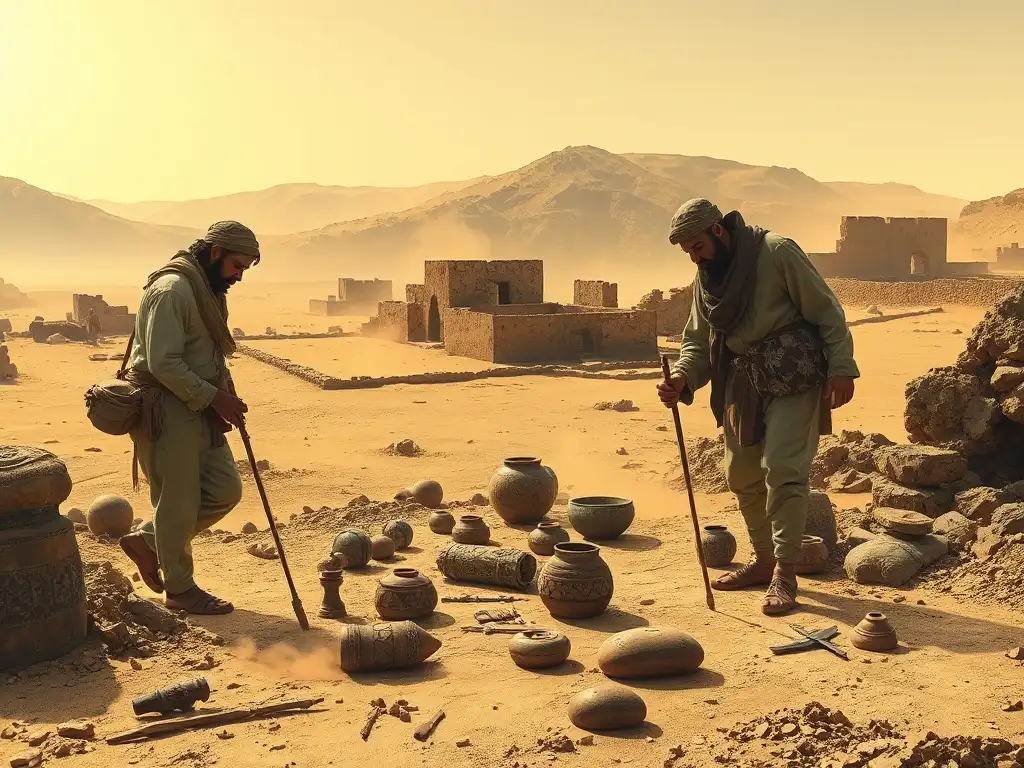
Key Texts and Studies on Indus Valley Civilization Artifacts
The study of Indus Valley civilization artifacts is extensive, with numerous key texts and scholarly studies contributing to our understanding of this ancient society. Below are some of the most significant works that delve into the artifacts of the Indus Valley and their implications for understanding social structures, trade, and daily life.
-
"The Indus Civilization: A Contemporary Perspective" by Gregory L. Possehl
This book offers a comprehensive overview of the Indus Valley civilization, focusing on the archaeological evidence and artifacts that highlight urban planning, trade, and societal organization. Possehl discusses how artifacts such as seals, pottery, and tools provide insights into the economic and cultural practices of the time.
-
"Indus Valley Civilization: An Analytical Study" by A. R. Sharma
Sharma’s work systematically analyzes various artifacts, presenting detailed interpretations of their functions and meanings. The study emphasizes the significance of terracotta figurines and seals, exploring what they reveal about religious practices and social hierarchies.
-
"The Art of the Indus Valley Civilization" by J. C. Harle
This text focuses on the artistic expressions found within the Indus Valley civilization, including sculpture, pottery, and jewelry. Harle provides a visual and contextual analysis of these artifacts, discussing their stylistic elements and cultural significance.
-
Research Articles in Journals like "Ancient India" and "Journal of Archaeological Science"
Various articles published in reputable journals cover specific artifacts, excavation reports, and theoretical frameworks regarding the Indus Valley civilization. These studies often include detailed analyses of specific sites, such as Mohenjo-Daro and Harappa, and their artifacts.
-
"Indus Valley Civilization: A Historical Perspective" by V. R. Rao
Rao’s book provides a historical contextualization of the artifacts, linking them to broader trends in ancient Indian history. It explores how these artifacts reflect the socioeconomic conditions and cultural practices of the time.
Recommended Resources for Further Learning
For those interested in diving deeper into the Indus Valley civilization artifacts, the following resources are highly recommended:
-
Online Courses and Lectures
Platforms like Coursera and edX offer courses on ancient civilizations that include modules specifically on the Indus Valley, often featuring expert lectures, readings, and discussions.
-
Documentaries and Educational Videos
Educational channels such as National Geographic and BBC have produced documentaries that explore the Indus Valley civilization, showcasing archaeological discoveries and insights into the artifacts.
-
Museums with Indus Valley Collections
Visiting museums that house collections of Indus Valley artifacts, such as the National Museum in Delhi or the British Museum, can provide firsthand experience with these historical items. Many museums also offer virtual tours and online exhibitions.
-
Webinars and Workshops
Institutions dedicated to archaeology and history often host webinars and workshops focusing on the Indus Valley civilization. These events feature scholars discussing their latest research and findings related to artifacts.
-
Academic Conferences
Attending academic conferences focused on archaeology and ancient history can provide access to cutting-edge research and networking opportunities with leading scholars in the field.
By exploring these texts and resources, individuals can gain a richer understanding of the Indus Valley civilization artifacts and their significance in unraveling the complexities of this ancient society.
Frequently Asked Questions
What are the most significant Indus Valley civilization artifacts discovered?
The most significant artifacts include seals, pottery, jewelry, and urban infrastructure remnants, which reveal much about their trade, culture, and daily life.
How do these artifacts help us understand Indus Valley society?
Artifacts provide insights into their social structure, economic activities, and artistic expression, showcasing a highly organized and advanced civilization.
Where were the most artifacts from the Indus Valley civilization found?
Most artifacts were discovered in key sites like Harappa and Mohenjo-Daro, which were major urban centers of the Indus Valley civilization.
What role did trade play in the Indus Valley civilization as suggested by artifacts?
Artifacts like weights and seals indicate a sophisticated trade system, highlighting their connections with other regions, including Mesopotamia.
Are there any unique artistic styles evident in Indus Valley artifacts?
Yes, the artistic styles seen in pottery and seals reflect a unique aesthetic tradition, characterized by intricate designs and motifs, emphasizing their cultural identity.
Final Reflection: Unveiling the Legacy of Indus Valley Civilization Artifacts
The exploration of Indus Valley civilization artifacts not only illuminates the sophisticated nature of an ancient society but also underscores the timeless relevance of cultural heritage in shaping our understanding of human history. As we delve into the remnants of this remarkable civilization, we are reminded that the artifacts we uncover are not mere objects; they are windows into the lives, beliefs, and innovations of a people who thrived thousands of years ago. The significance of these discoveries resonates deeply in our contemporary world, where the quest for identity and understanding of our past remains ever pertinent.
Cultural artifacts serve as a bridge connecting us to our ancestors, offering insights into their daily lives, social structures, and artistic expressions. The ongoing fascination with Indus Valley civilization artifacts reflects a broader societal yearning to comprehend our roots and the complexities of human development. As we study these remnants, we recognize that they are not static relics but dynamic narratives that continue to influence modern thought and creativity. Art is the most beautiful of all lies.
This quote resonates as we consider how the art and artifacts of the Indus Valley civilization challenge us to perceive beauty and meaning in the stories they tell.
As we conclude this exploration, I invite you to reflect on the lessons embedded within these ancient artifacts. Consider how the values and innovations of the Indus Valley civilization can inspire us today. Let us embrace the spirit of inquiry and appreciation for our shared heritage, allowing it to guide our actions and decisions in a world that often feels disconnected from its past. By honoring the legacy of the Indus Valley civilization, we not only celebrate their achievements but also empower ourselves to contribute to a more informed and connected future.
Unveil the Secrets of the Indus Valley!
Thank you for taking the time to explore the fascinating world of Indus Valley artifacts with us! By diving into their intricate details, you’ve gained valuable insights into the sophisticated society of ancient India. Now, let's take your curiosity a step further!
Here’s how you can continue your journey of discovery:
- Dive Deeper: Research specific artifacts that captured your interest and uncover their unique stories.
- Join the Conversation: Share this article with friends or fellow enthusiasts and discuss how these ancient findings shape our understanding of modern society.
- Visit a Museum: Plan a trip to a local museum featuring Indus Valley exhibits and connect with history up close!
What aspect of the Indus Valley artifacts intrigues you the most, and how do you think it influences contemporary culture?