
The Influence of Sanskrit on Modern Indian Languages


Welcome to Ancient India History, where we embark on a captivating journey through the rich tapestry of India's past. In this exploration, we delve into the profound impact of Sanskrit on modern Indian languages, revealing how this ancient tongue has shaped communication, culture, and identity across generations. Are you ready to uncover the fascinating connections between Sanskrit and the diverse linguistic landscape of India? Join us as we unravel the threads of history that bind us to our linguistic heritage!

Introduction to Sanskrit and Its Historical Significance
Sanskrit, often regarded as the mother of many modern Indian languages, has a profound influence that extends far beyond its ancient origins. This classical language of India not only serves as a key to understanding the rich tapestry of Indian literature, philosophy, and religion but also plays a crucial role in shaping the linguistic landscape of contemporary India.
The impact of Sanskrit on modern Indian languages is a testament to its enduring legacy, reflecting centuries of cultural, spiritual, and intellectual development. In this article, we will explore the intricate connections between Sanskrit and the modern languages of India, examining how this ancient language continues to resonate in everyday speech and literary expression.
Overview of Sanskrit as an Ancient Language
Sanskrit is a highly structured and systematic language, characterized by its intricate grammar and extensive vocabulary. As one of the oldest languages in the world, it dates back to at least 1500 BCE and is the liturgical language of Hinduism, as well as a scholarly language in Buddhism and Jainism. The language is known for its literary richness, with classical works such as the Mahabharata, Ramayana, and numerous philosophical texts, laying the foundation for much of Indian thought.
Key Features of Sanskrit:
- Phonetic Precision: Sanskrit's phonetic system allows for precise articulation, which is critical for its use in rituals and recitations.
- Grammatical Structure: With a complex system of inflections and derivations, Sanskrit can convey nuanced meanings that are often lost in translation.
- Literary Tradition: The extensive body of literature in Sanskrit includes poetry, drama, and scientific texts, showcasing its versatility and depth.
Historical Context of Sanskrit in Ancient India
The historical significance of Sanskrit can be traced back to its emergence within the Indo-Aryan cultural milieu. Initially, it was primarily an oral language, but over time it evolved into a sophisticated written language. The Vedic texts, composed in early forms of Sanskrit, mark the beginning of its literary tradition, which laid the groundwork for subsequent developments in philosophy, science, and arts.
Key Historical Developments:
- Vedic Period: The earliest texts, known as the Vedas, were composed during this period, establishing Sanskrit as a sacred language.
- Classical Sanskrit: By the time of Panini (circa 400 BCE), Sanskrit had reached a level of grammatical refinement, leading to its classification as Classical Sanskrit.
- Cultural Renaissance: The Gupta Empire (circa 320-550 CE) saw a resurgence in Sanskrit literature, making it a vital part of cultural and intellectual life in India.
The Evolution of Modern Indian Languages
The influence of Sanskrit on modern Indian languages is profound, with many languages in India deriving significant vocabulary, syntax, and phonetics from it. This section will delve into the evolution of these languages and their relationship with Sanskrit.
Overview of Major Modern Indian Languages
Modern Indian languages, such as Hindi, Bengali, Marathi, and Gujarati, exhibit a substantial Sanskrit influence. For instance:
- Hindi: Approximately 50% of its vocabulary is derived from Sanskrit, making it one of the most Sanskritized languages.
- Bengali: While primarily influenced by Prakrit, Bengali incorporates numerous Sanskrit words, especially in formal contexts.
- Marathi: This language retains a significant amount of Sanskrit terminology and grammatical structures, reflecting its historical roots.
The Role of Language Families in India
India is home to several language families, each contributing to the rich linguistic diversity of the nation. The two most prominent families are:
- Indo-Aryan Languages: This family includes languages like Hindi, Bengali, and Punjabi, which have evolved from Sanskrit and its dialects.
- Dravidian Languages: Languages such as Tamil and Telugu have their own unique structures but also exhibit Sanskrit loanwords, especially in literary and religious contexts.
The interplay between these language families highlights the adaptability and influence of Sanskrit across various linguistic landscapes in India. As we delve deeper into this topic, we will uncover more about the specific ways in which Sanskrit has shaped modern Indian languages and its continuing relevance in contemporary society.
Sanskrit's Impact on Vocabulary in Indian Languages
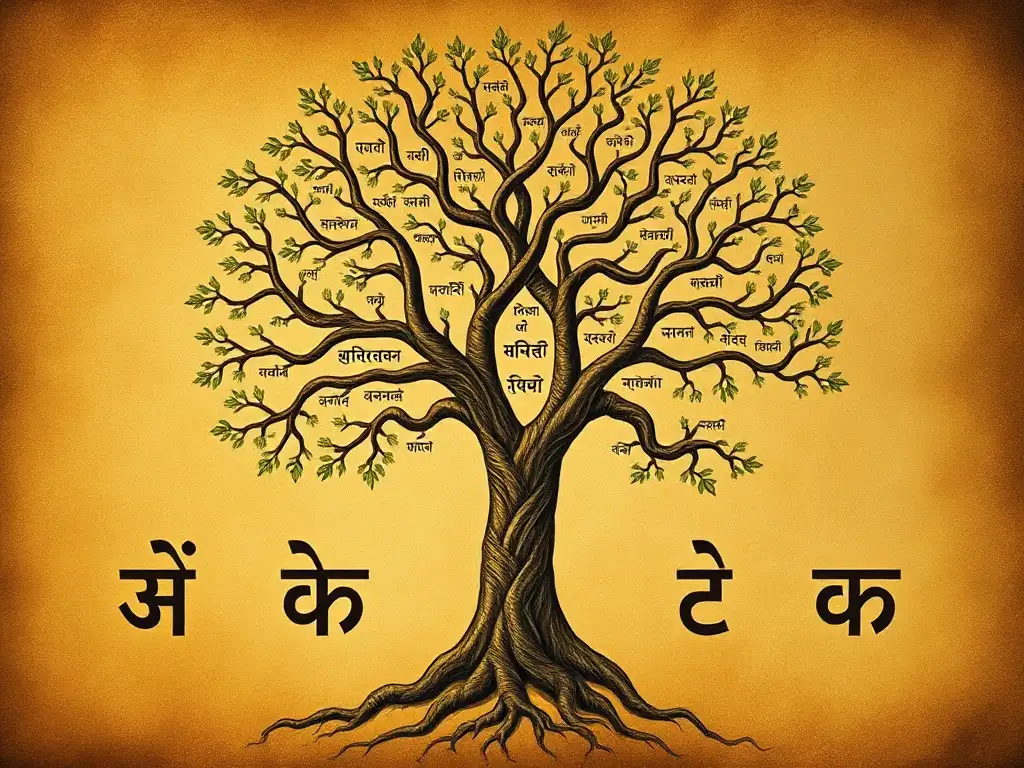
Sanskrit, known as the classical language of India, has had a profound influence on the vocabulary of many modern Indian languages. This impact can be traced back to ancient texts and scriptures, where Sanskrit served as the medium of intellectual discourse, religion, and philosophy.
As a result, numerous words and phrases have been adopted from Sanskrit into various regional languages, enriching their lexicons and contributing to the cultural heritage of India. The integration of Sanskrit vocabulary is particularly evident in languages like Hindi, Bengali, Marathi, and others, where a significant portion of their lexicon can be traced back to Sanskrit origins.
The influence of Sanskrit on modern languages extends beyond mere vocabulary. It also encompasses nuances in meaning, cultural connotations, and the evolution of language itself. Many words derived from Sanskrit carry with them historical and cultural significance, offering insights into the traditions and values of ancient Indian society. Thus, the impact of Sanskrit on the vocabulary of Indian languages is not just linguistic but also deeply intertwined with the cultural identity of the Indian subcontinent.
Loanwords and Borrowed Terms from Sanskrit
Loanwords from Sanskrit have become integral components of various Indian languages. This borrowing process began centuries ago and has continued into the present day. Notable examples include words like "guru" (teacher), "shakti" (power), and "karma" (action), which have transcended linguistic boundaries and are widely recognized even in global contexts.
Many regional languages have absorbed a plethora of Sanskrit-derived terms, particularly in fields such as literature, philosophy, science, and religion. For instance, in Hindi, words like "sanskriti" (culture) and "vidya" (knowledge) are directly borrowed from Sanskrit. In Bengali, terms such as "sanskrit" (referring to the language itself) and "pustak" (book) illustrate the deep-rooted influence of Sanskrit vocabulary.
This borrowing has not only enriched the vocabulary of these languages but has also facilitated a deeper understanding of cultural and philosophical concepts that originated in ancient India. The extensive use of Sanskrit loanwords highlights the interconnectedness of Indian languages and the shared heritage that binds them together.
Comparison of Vocabulary in Hindi, Bengali, and Other Languages
When comparing the vocabulary of Hindi, Bengali, and other modern Indian languages, the influence of Sanskrit becomes quite apparent. Hindi, as a direct descendant of Sanskrit, exhibits a significant proportion of its vocabulary derived from Sanskrit roots. Approximately 60% of Hindi vocabulary is estimated to have Sanskrit origins, making it a language deeply intertwined with its ancient predecessor.
Bengali, while having influences from other languages such as Persian and Arabic, also retains a substantial amount of Sanskrit vocabulary. Many common Bengali words, such as "bichitra" (strange) and "sundar" (beautiful), can be traced back to Sanskrit. This shared vocabulary not only enhances communication but also reflects cultural connections across the Indian subcontinent.
In contrast, languages like Punjabi and Gujarati also showcase Sanskrit influences, though to varying extents. Punjabi incorporates terms like "shanti" (peace) and "sukh" (happiness) from Sanskrit, while Gujarati uses words such as "saras" (beautiful) and "vidya" (knowledge). This comparative analysis illustrates how Sanskrit has shaped the linguistic landscape of modern Indian languages, fostering a sense of unity while preserving regional diversity.
Phonetic Influence of Sanskrit on Indian Languages
Sanskrit's phonetic structure has significantly influenced the sound systems and pronunciation patterns of many modern Indian languages. The phonemes and syllabic structures of Sanskrit have laid a foundation that many languages, including Hindi, Telugu, Tamil, and Bengali, have adopted and adapted over time. This influence manifests in both the articulation of sounds and the rhythmic patterns of speech, contributing to the melodic quality of Indian languages.
The phonetic richness of Sanskrit, characterized by its distinct vowel and consonant sounds, has been absorbed into these languages, allowing for a nuanced expression of ideas and emotions. Moreover, the systematic nature of Sanskrit phonetics, including its rules of sandhi (the combination of sounds), has informed the phonetic development of its descendant languages, enhancing their expressiveness and clarity.
Sound Systems and Pronunciation Patterns
The sound systems of many modern Indian languages reflect the phonetic influence of Sanskrit. For example, the use of aspirated consonants (like "bh," "dh," and "kh") is prevalent in Hindi and other languages, a feature that can be traced back to Sanskrit phonetics. This characteristic adds a unique tonal quality to the languages, making them distinct in their auditory presentation.
Moreover, the pronunciation patterns influenced by Sanskrit contribute to the rhythmic and melodic aspects of Indian languages. The use of long and short vowels, as well as the emphasis on specific syllables, creates a musicality in speech that is often associated with classical poetry and literature. This phonetic legacy enhances the aesthetic appeal of modern Indian languages and preserves the cultural essence of their Sanskrit roots.
Examples of Phonetic Adaptations Across Languages
Several examples of phonetic adaptations across languages illustrate the enduring influence of Sanskrit phonetics. In Hindi, words like "dharma" (duty) and "bhakti" (devotion) showcase the presence of aspirated sounds. Similarly, in Bengali, the word "adhikar" (right) demonstrates the retention of Sanskrit phonetic characteristics, highlighting the seamless integration of these elements into the language.
In Tamil, which has a different linguistic origin, there are still instances of Sanskrit phonetic influence, particularly in borrowed terms. Words like "kavi" (poet) and "vidya" (knowledge) exhibit Sanskrit phonetics, showcasing how even Dravidian languages have been impacted by the phonetic structures of Sanskrit.
Through these adaptations, modern Indian languages not only preserve the phonetic elements of Sanskrit but also contribute to the linguistic diversity of the subcontinent. The phonetic influence of Sanskrit serves as a testament to the interconnectedness of Indian languages, reflecting a shared cultural and historical legacy that continues to thrive in contemporary speech.
Grammatical Structures Derived from Sanskrit
Sanskrit has significantly shaped the grammatical foundations of many modern Indian languages, particularly in terms of syntax, morphology, and phonetics. The systematic grammatical framework established by Panini in his seminal work, the Ashtadhyayi, serves as a cornerstone for these languages. This ancient text outlined rules for word formation, sentence structure, and phonetic variations, influencing modern languages such as Hindi, Bengali, Marathi, and others.
One of the key aspects of Sanskrit's influence is its rich morphological structure, which allows for the formation of complex word forms through affixation and compounding. This morphological richness has been adapted in many regional languages, leading to a more nuanced expression of ideas and concepts. For example, the use of prefixes and suffixes to modify meanings remains prevalent in languages that have derived their grammar from Sanskrit.
Moreover, the syntactical arrangement of sentences in Sanskrit, characterized by its flexibility in word order, has inspired similar structures in modern languages, allowing for a variety of expressions while maintaining clarity and meaning. This adaptability is evident in how many languages have developed their own rules while still reflecting the foundational principles laid down by Sanskrit.
Syntax and Morphology Influences
The syntax of Sanskrit is particularly noted for its flexibility, allowing for various arrangements of subject, object, and verb without losing meaning. This feature has been adopted by several modern Indian languages, which often exhibit a similar syntactic fluidity. For instance, in Hindi, sentences can be constructed in multiple ways, allowing speakers to emphasize different parts of a sentence based on context, much like in Sanskrit.
Morphologically, Sanskrit's capacity for inflection has greatly impacted the formation of verbs and nouns in modern languages. For example, Hindi retains the concept of gendered nouns and the conjugation of verbs based on person and number, mirroring the complex rules found in Sanskrit. Such morphological aspects not only enhance the expressiveness of these languages but also maintain a historical connection to their Sanskrit roots.
Case Systems and Verb Conjugation Patterns
Sanskrit employs a sophisticated case system with eight cases that indicate the role of nouns in a sentence. This system has influenced many Indian languages that have adopted similar case structures, albeit with variations. For instance, languages like Marathi and Bengali exhibit cases that correspond to those in Sanskrit, allowing for a clear understanding of grammatical relationships.
In terms of verb conjugation, Sanskrit's elaborate system, which includes numerous tenses and moods, has also been a model for modern languages. Hindi, for example, features a verb conjugation system that reflects aspects of Sanskrit, including tense markers and mood variations, enabling speakers to convey precise meanings and intentions. This retention of case systems and verb conjugation patterns illustrates how deeply Sanskrit has permeated the grammatical frameworks of contemporary Indian languages.
The Influence of Sanskrit in Literary Traditions
Sanskrit's profound impact extends into the literary traditions of modern Indian languages, shaping not only the styles and themes but also the vocabulary used by contemporary authors. The wealth of Sanskrit literature, encompassing epics, philosophical texts, and poetry, has provided a rich reservoir of cultural and intellectual ideas that continue to inspire writers today.
Sanskrit Literature and Its Impact on Modern Indian Authors
Modern Indian authors have drawn heavily from Sanskrit literature, both in terms of stylistic elements and thematic depth. Works such as the Mahabharata and Ramayana not only serve as narrative foundations but also offer moral and ethical lessons that resonate through modern storytelling. Authors like Rabindranath Tagore and R. K. Narayan have incorporated Sanskrit motifs and narratives into their writings, enriching their works with historical and cultural significance.
Additionally, the revival of interest in ancient texts has led contemporary writers to explore classical themes and characters, reinterpreting them for modern audiences. This intertextuality creates a bridge between the ancient and the contemporary, allowing readers to engage with their cultural heritage while exploring new narratives.
The Role of Sanskrit in Poetry and Prose
In poetry, Sanskrit's metrical patterns and rhythmic structures have influenced the poetic forms of various regional languages. The use of specific meters, such as Anushtubh and Trishtubh, can be seen in modern poetic expressions, allowing poets to draw on traditional forms while innovating within them. This blend of tradition and modernity fosters a unique literary environment where ancient aesthetics meet contemporary themes.
In prose, the narrative techniques and philosophical inquiries found in Sanskrit texts have inspired a myriad of literary movements across India. The exploration of dharma (duty) and karma (action) in modern storytelling often reflects the complex moral dilemmas presented in classical Sanskrit literature. This enduring legacy ensures that Sanskrit continues to influence the evolution of literary traditions in India, enriching the tapestry of modern languages and their expressions.
Preservation and Promotion of Sanskrit in Modern Times
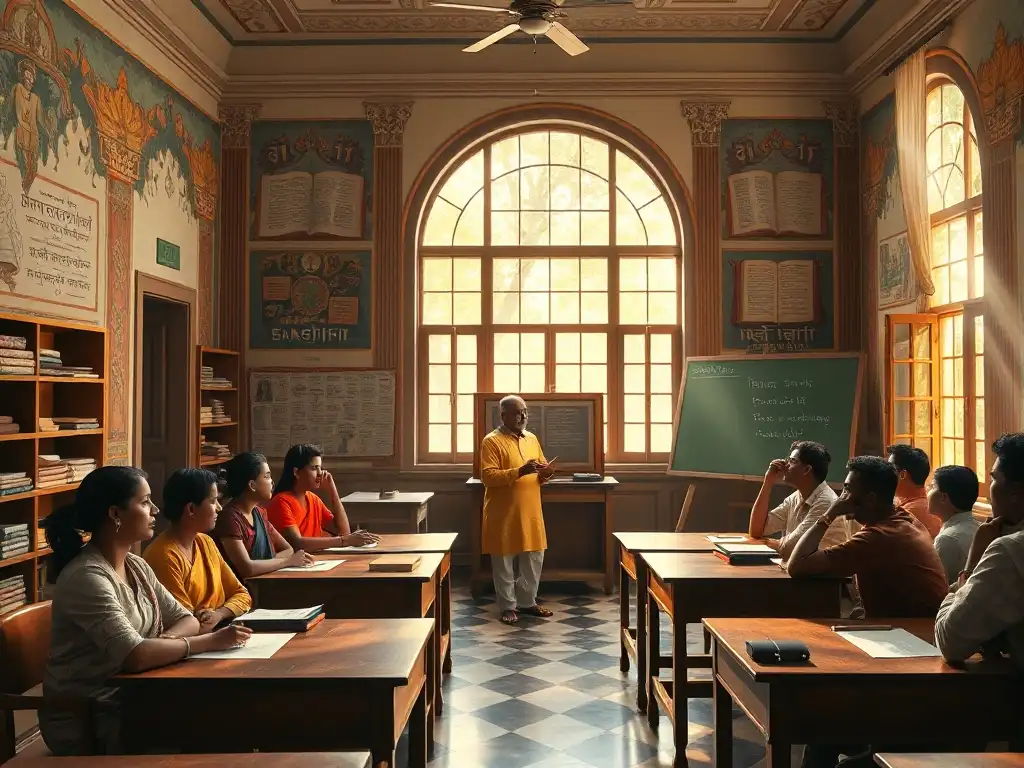
In modern India, the preservation and promotion of Sanskrit have become pivotal in maintaining the cultural heritage and linguistic diversity of the country. Various initiatives have been launched by both governmental and non-governmental organizations to revitalize interest in this ancient language. The movement has gained momentum due to a growing recognition of Sanskrit's significance not only as a classical language but also as a foundational aspect of Indian identity and philosophy.
Efforts to promote Sanskrit include its inclusion in educational curricula, the establishment of dedicated institutions for its study, and the organization of workshops and seminars aimed at enhancing proficiency in the language. Moreover, social media and digital platforms have played a crucial role in reaching a younger audience, making the language more accessible and appealing.
Educational Initiatives for Sanskrit Language
Educational initiatives are central to the revival of Sanskrit in contemporary India. Many universities and colleges offer degree programs in Sanskrit, ranging from undergraduate to doctoral levels. These institutions focus on a comprehensive understanding of the language, its grammar, literature, and historical significance.
Additionally, schools are increasingly incorporating Sanskrit into their curricula, often as an optional subject. This initiative not only enriches students' linguistic skills but also enhances their understanding of Indian philosophy, literature, and culture. Programs like the "Sanskrit Week" and various competitions encourage students to engage with the language creatively and academically.
Furthermore, online courses and digital resources have emerged, providing a flexible learning environment for those interested in studying Sanskrit. This accessibility has led to a resurgence of interest among diverse age groups, ensuring that the language is passed down through generations.
Cultural Programs and Their Impact on Language Usage
Cultural programs play a vital role in keeping Sanskrit alive and relevant. Various festivals, recitals, and theatrical performances showcase the richness of Sanskrit literature and its poetic forms, creating a vibrant cultural atmosphere that celebrates this ancient language. These events not only foster appreciation for Sanskrit but also actively involve community participation, encouraging individuals to learn and use the language in their daily lives.
Local organizations and cultural institutions often organize workshops that teach Sanskrit through music, dance, and drama, making the learning process engaging and enjoyable. By integrating Sanskrit into popular cultural expressions, these programs help demystify the language and promote its usage in contemporary contexts.
Moreover, through the celebration of classical texts and scriptures, such as the Vedas and Upanishads, cultural programs underline the philosophical and spiritual dimensions of Sanskrit, thereby reinforcing its relevance in modern society.
Conclusion: The Lasting Legacy of Sanskrit on Indian Languages
The influence of Sanskrit on modern Indian languages is profound and far-reaching. As a linguistic ancestor, Sanskrit has contributed significantly to the vocabulary, syntax, and literary traditions of many contemporary Indian languages. This legacy is evident in languages like Hindi, Bengali, Marathi, and others, which have absorbed a considerable number of Sanskrit words and phrases.
Summary of Key Influences of Sanskrit
- Lexical Contributions: Many modern Indian languages draw a substantial portion of their vocabulary from Sanskrit, enriching their expressiveness and depth.
- Grammatical Structures: Sanskrit has influenced the grammatical frameworks of several languages, leading to similarities in structure and syntax.
- Cultural and Literary Heritage: The literary traditions in various Indian languages are heavily inspired by Sanskrit literature, with many regional works borrowing themes and styles from ancient texts.
The Future of Sanskrit and Its Relevance in Contemporary Society
As we move forward, the relevance of Sanskrit in contemporary society remains significant. With a growing interest in traditional knowledge systems and holistic education, Sanskrit is increasingly viewed as a tool for understanding Indian philosophy, spirituality, and culture.
The future of Sanskrit will likely be shaped by its integration into modern education, technology, and cultural practices. Innovations such as language apps, online courses, and virtual communities are expected to further bridge the gap between ancient and modern, ensuring that Sanskrit continues to thrive as a living language in the hearts and minds of people today.
The impact of Sanskrit on Indian languages is not only a reflection of its historical significance but also a testament to its enduring legacy, which will continue to resonate in the fabric of Indian society for generations to come.
- Introduction to Sanskrit and Its Historical Significance
- Overview of Sanskrit as an Ancient Language
- Historical Context of Sanskrit in Ancient India
- The Evolution of Modern Indian Languages
- Sanskrit's Impact on Vocabulary in Indian Languages
- Phonetic Influence of Sanskrit on Indian Languages
- Grammatical Structures Derived from Sanskrit
- The Influence of Sanskrit in Literary Traditions
- Preservation and Promotion of Sanskrit in Modern Times
- Educational Initiatives for Sanskrit Language
- Cultural Programs and Their Impact on Language Usage
- Conclusion: The Lasting Legacy of Sanskrit on Indian Languages
- What is the significance of Sanskrit in the context of Indian languages?
- How has Sanskrit impacted the development of regional languages in India?
- Are there specific examples of languages that have been influenced by Sanskrit?
- What role did Sanskrit play in the preservation of Indian culture?
- Is the influence of Sanskrit still relevant in modern times?
Frequently Asked Questions
What is the significance of Sanskrit in the context of Indian languages?
Sanskrit is considered the root of many modern Indian languages, influencing vocabulary, grammar, and syntax significantly.
How has Sanskrit impacted the development of regional languages in India?
The impact of Sanskrit on regional languages is evident in their lexicon and literary traditions, enriching their expressiveness and depth.
Are there specific examples of languages that have been influenced by Sanskrit?
Yes, languages like Hindi, Bengali, and Marathi have borrowed extensively from Sanskrit, incorporating its words and grammatical structures.
What role did Sanskrit play in the preservation of Indian culture?
Sanskrit served as a medium for philosophical and literary expression, helping to preserve and transmit cultural and spiritual knowledge across generations.
Is the influence of Sanskrit still relevant in modern times?
Absolutely, the influence of Sanskrit persists, as many educational institutions promote its study, and it continues to shape the linguistic landscape of India today.
Final Reflection: The Enduring Legacy of Sanskrit's Influence on Indian Languages
The impact of Sanskrit on modern Indian languages is not just a historical footnote; it is a living testament to the profound interconnectedness of culture, identity, and communication. As we navigate a rapidly changing world, the relevance of Sanskrit's rich vocabulary and grammatical structures continues to resonate in contemporary linguistic practices. This ancient language serves as a bridge, linking the past with the present and reminding us of the deep roots from which our modern identities grow.
Sanskrit's influence extends beyond mere vocabulary; it shapes the very essence of our cultural and social interactions. The nuances embedded in the languages derived from Sanskrit reflect a shared heritage that fosters unity amidst diversity. As linguist and philosopher Noam Chomsky once said, "> Language is a window into human nature." This observation underscores the importance of understanding how Sanskrit has not only enriched our languages but also our collective consciousness, influencing literature, philosophy, and spirituality across generations.
As we reflect on the lessons from Sanskrit's enduring legacy, let us embrace the opportunity to explore and celebrate the linguistic diversity that surrounds us. I invite you to engage with your own language, to delve into its roots, and to appreciate the rich tapestry of influences that shape your communication. By doing so, we can honor the past while actively participating in the evolution of our languages, ensuring that the impact of Sanskrit continues to thrive in the modern world.
Unveil the Richness of Sanskrit Today!
Thank you for diving into the captivating world of Sanskrit and its influence on modern Indian languages! Your curiosity is the first step towards unlocking deeper connections with India’s linguistic heritage. Now, let’s take that newfound knowledge and turn it into action!
- Start learning a few basic Sanskrit phrases to appreciate the roots of your own language. Explore various online resources or mobile applications dedicated to learning Sanskrit!
- Engage with the community—share this article with friends and family who might be interested, and discuss the fascinating ways Sanskrit intertwines with their lives.
- Explore local or virtual workshops that delve into the beauty and relevance of Sanskrit in contemporary culture.
What surprises you the most about the connection between Sanskrit and modern languages? We would love to hear your thoughts in the comments below!