
The Artistic Influences of the Indus Valley on Neighboring Civilizations

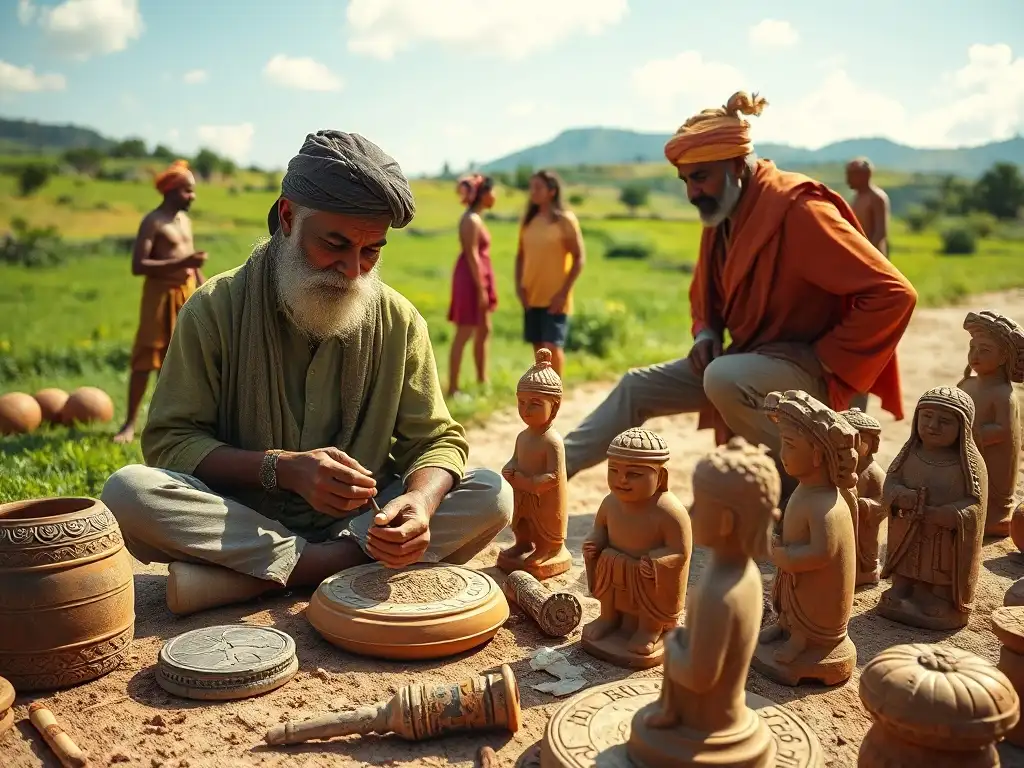
Welcome to Ancient India History, where we embark on an enthralling journey through the rich tapestry of ancient Indian civilizations. Today, we delve into the captivating world of Indus Valley artistic influences, revealing how this remarkable civilization shaped the cultural landscapes of its neighbors. From intricate pottery to awe-inspiring sculptures, the legacy of the Indus Valley resonates through time, leaving us with questions that beg to be explored.
Join us as we uncover the artistic connections that link the past to the present, and discover the profound impact of this ancient society on the civilizations that followed. Your adventure into history starts here—let's explore together!
Introduction to Indus Valley Artistic Influences
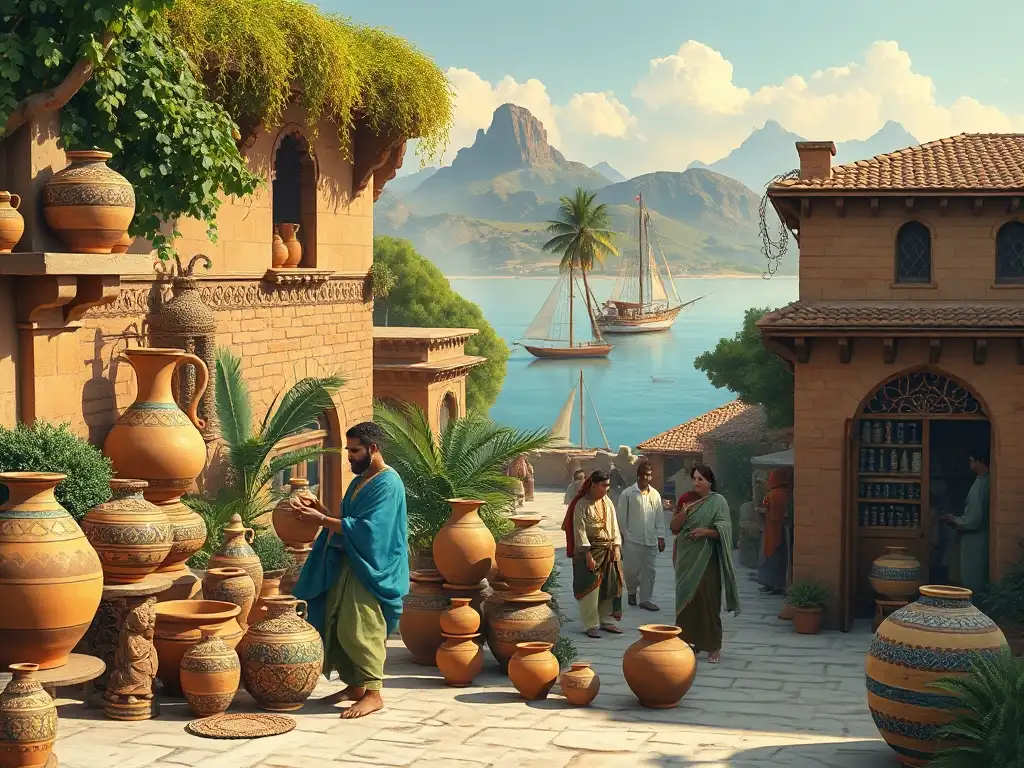
The Indus Valley Civilization (IVC), flourishing around 2500 BCE in what is now modern-day Pakistan and northwest India, represents one of the earliest urban cultures in history. This ancient civilization is renowned not only for its advanced urban planning and sophisticated drainage systems but also for its rich artistic legacy that has left an indelible mark on neighboring cultures.
The artistic influences of the Indus Valley extend far beyond its geographical boundaries, impacting regions like Mesopotamia, Persia, and even the later Indian cultures. This article delves into the various aspects of these artistic influences, exploring how the IVC's unique aesthetic sensibilities shaped the art and architecture of subsequent civilizations.
Overview of the Indus Valley Civilization
The Indus Valley Civilization, one of the three cradles of civilization alongside Mesopotamia and Ancient Egypt, thrived between approximately 3300 BCE and 1300 BCE. Key cities such as Harappa and Mohenjo-Daro showcased remarkable urban design, featuring grid patterns, standardized fired-brick buildings, and advanced water management systems.
Key Features of the Indus Valley Civilization:
- Urban Planning: Cities were meticulously planned, with streets laid out in a grid pattern.
- Architecture: Use of baked bricks and standardized measurements for building structures.
- Artistic Expression: Craftsmanship in pottery, beads, seals, and sculptures, often depicting animal motifs and human figures.
The artistic output of the Indus Valley was not only functional but also symbolic, reflecting the values and beliefs of its society. The intricate designs and motifs found in their artifacts suggest a culture that valued aesthetics and artistic expression.
Significance of Art and Architecture in Ancient India
Art and architecture serve as crucial indicators of a civilization's socio-economic and cultural dynamics. In ancient India, they played a vital role in:
- Cultural Identity: Artistic expressions often conveyed the unique identity of a civilization, showcasing its traditions, beliefs, and societal values.
- Religious and Spiritual Significance: Many artifacts and architectural elements were imbued with religious symbolism, influencing subsequent cultures in their own artistic endeavors.
- Technological Innovations: The advancements in materials and construction techniques emerged from artistic endeavors, reflecting the ingenuity of the civilization.
The legacy of the Indus Valley's artistic influences can be seen in the subsequent Indian cultures, particularly during the Mauryan and Gupta periods, where the integration of IVC aesthetics with local traditions created a rich tapestry of artistic expression that continues to inspire and resonate today.
Through this exploration, we aim to uncover the profound impact of the Indus Valley Civilization's artistic legacy on its neighbors and how it laid the groundwork for the rich artistic traditions in ancient India.
- Introduction to Indus Valley Artistic Influences
- Overview of the Indus Valley Civilization
- Significance of Art and Architecture in Ancient India
- What were the main artistic influences of the Indus Valley civilization?
- How did the Indus Valley's art differ from those of other ancient civilizations?
- In what ways did trade contribute to the spread of Indus Valley artistic influences?
- What role did religion play in the artistic expressions of the Indus Valley?
- How can we see the legacy of the Indus Valley in later civilizations?
Key Artistic Features of the Indus Valley Civilization
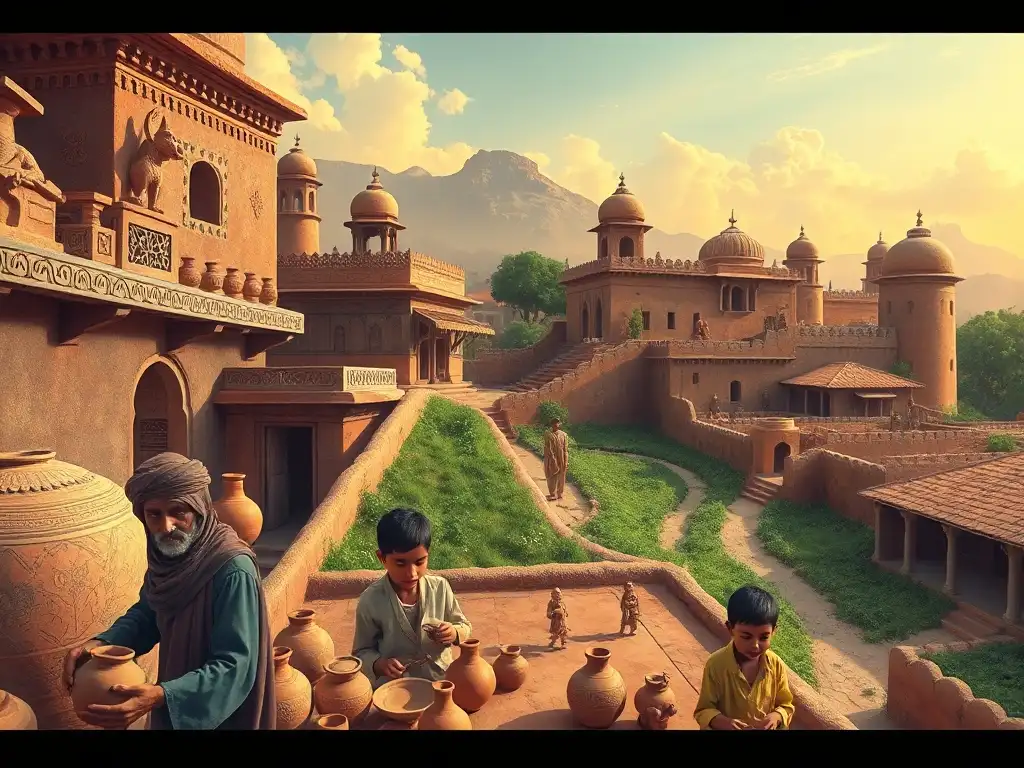
The Indus Valley Civilization (IVC), flourishing around 2500 BCE in present-day Pakistan and northwest India, is renowned for its advanced urban planning and remarkable artistic expressions. The artistic influences of the Indus Valley on neighboring civilizations reflect a sophisticated understanding of aesthetics and functionality. This section explores the key artistic features of the IVC, highlighting its pottery, sculpture, and seal carving.
Pottery and Ceramics: Styles and Techniques
Indus Valley pottery is distinguished by its high quality and intricate designs. The ceramics produced during this period are characterized by several notable features:
- Red and Black Ware: This style, prevalent in the IVC, involved a distinct firing technique that resulted in a red base adorned with black designs. The motifs often included geometric patterns, floral designs, and animals, showcasing the artisans' creativity.
- Painted Pottery: The use of slip (a liquid mixture of clay and water) allowed for vibrant painted decorations. The swirling lines and intricate patterns reflect both the artistic prowess and the cultural significance of these items in daily life and rituals.
- Functional Designs: Pottery was not merely decorative; it served practical purposes. Storage jars, cooking pots, and dishes were crafted to meet the needs of daily life, often with subtle artistic embellishments that enhanced their appeal.
The techniques employed in pottery-making were advanced for their time, including wheel-throwing and glazing, which allowed for a variety of shapes and sizes. This blend of utility and artistry is a hallmark of the IVC, influencing subsequent ceramic traditions in neighboring regions.
Sculpture and Figurines: Designs and Symbolism
Sculpture from the Indus Valley Civilization reveals a deep appreciation for form and detail. The figurines and statues created during this period serve as critical examples of the artistic influences of the Indus Valley:
- Terracotta Figurines: Small figurines, often representing animals and women, were crafted from terracotta and fired to create durable pieces. Many of these figures exhibit elaborate hairstyles and clothing details, suggesting that they may have held societal or religious significance.
- Bronze Sculptures: The famous "Dancing Girl" sculpture, discovered in Mohenjo-Daro, epitomizes the skill of Indus Valley artists. This bronze figure, approximately 10.5 cm tall, showcases a mastery of proportion and posture, indicating a sophisticated understanding of human anatomy.
- Symbolic Representation: Many sculptures feature symbolic elements, such as the use of animals (e.g., bulls and elephants) or anthropomorphic figures that may represent deities or spiritual beliefs. This reflects the cultural narratives and values of the civilization, providing insight into their worldview.
The artistry of these sculptures not only highlights the technical skill of the craftsmen but also underscores the rich cultural tapestry of the Indus Valley, influencing neighboring civilizations in their artistic expressions.
Seal Carving: Artistic Techniques and Cultural Meaning
Seal carving is one of the most distinctive artistic features of the Indus Valley Civilization. These small, engraved stones served various purposes, notably in trade and administration:
- Materials and Techniques: Seals were typically made from steatite, a soft stone that allowed for intricate carving. The artisans employed techniques such as incising and engraving, resulting in detailed designs that included animals, inscriptions, and geometric patterns.
- Iconography: Many seals feature motifs that are believed to have religious or cultural significance. Common symbols include animals (like the unicorn and elephants), which may have represented particular deities or spiritual beliefs, as well as abstract symbols that remain open to interpretation.
- Trade and Identity: Seals played a crucial role in trade, functioning as markers of identity for merchants and local authorities. The consistent use of specific designs across regions indicates a shared cultural language that facilitated commerce and communication among various civilizations.
The artistic techniques and cultural meanings embedded in seal carving reflect the sophistication of the Indus Valley Civilization, showcasing its influence on subsequent cultures in art, trade practices, and symbolic communication.
The Indus Valley artistic influences transcended mere aesthetics; they embodied the civilization's values, beliefs, and social structures. Through pottery, sculpture, and seal carving, the IVC left a lasting legacy that shaped artistic practices in neighboring regions, highlighting the interconnectedness of ancient cultures.
The Spread of Indus Valley Artistic Influences
Trade Networks and Cultural Exchange
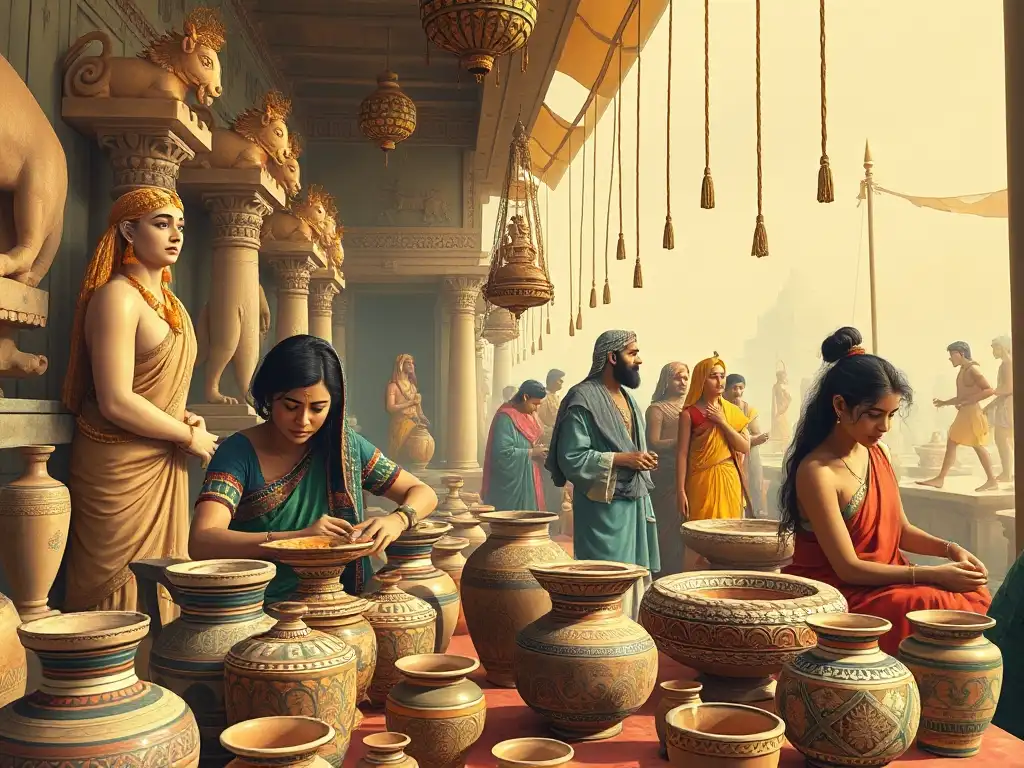
The Indus Valley Civilization, flourishing around 2500 BCE, was not only notable for its advanced urban planning and architecture but also for its extensive trade networks which facilitated the spread of Indus Valley artistic influences. These trade routes connected the Indus Valley with distant regions, including Mesopotamia, the Arabian Peninsula, and even parts of Central Asia.
Key Trade Routes
- Land Routes: The emergence of well-established caravan routes facilitated the movement of goods and ideas. Merchants often traveled overland to trade textiles, pottery, and terracotta figurines, which were adorned with intricate designs reflecting Indus artistry.
- Maritime Trade: The Harappans developed significant port cities like Lothal, which served as a hub for maritime trade. Ships navigated the Arabian Sea, exporting local crafts such as seals and jewelry, while also importing materials like lapis lazuli and copper, which influenced local artistic endeavors.
The exchange of goods in these trade networks allowed for a cross-pollination of artistic styles. For instance, seals from the Indus Valley, often depicting animals and human figures, were found in Mesopotamia, evidencing their influence on artistic motifs in neighboring cultures.
Cultural Impact
The interaction between traders led to a blend of artistic traditions. As merchants shared their artistry, elements such as motifs, materials, and techniques were adopted and adapted by both the Indus Valley and its trading partners. This cultural exchange is evident in the pottery styles that began to feature similar geometric patterns and the use of faience, a material that became popular across regions due to its vibrant colors and glossy finish.
Migration Patterns and Their Impact on Art
Migration patterns significantly contributed to the dissemination of Indus Valley artistic influences, shaping the artistic landscape of neighboring civilizations. As people moved across regions, they carried with them not only their culture but also their artistic traditions.
Key Migration Movements
- Population Movements: The decline of the Indus Valley Civilization around 1900 BCE led to notable migrations. Populations moved toward the Ganges and other regions, taking their artistic knowledge with them. This transition facilitated the integration of Indus aesthetics into the art of emerging cultures in northern India.
- Cultural Assimilation: As migrants settled in new areas, they adapted their artistic expressions to local contexts, resulting in a fusion of styles. For instance, the use of terracotta in the Indus Valley influenced subsequent cultures, with new forms emerging that incorporated local themes and aesthetics.
Artistic Legacy
The artistic legacy of the Indus Valley is evident in various forms, such as:
- Sculpture: The high level of craftsmanship in stone and metalwork from the Indus Valley laid the foundation for future artistic endeavors in the region. The production of statues and decorative items continued to evolve, incorporating elements from both Indus and local traditions.
- Pottery: The techniques used for pottery in the Indus Valley, notably the use of painted designs, persisted in later cultures, influencing their decorative styles. The transition from the simple geometric patterns of the Indus Valley to more complex designs in subsequent cultures illustrates this artistic evolution.
Both trade networks and migration patterns played crucial roles in the dissemination of Indus Valley artistic influences, fostering a rich tapestry of cultural exchange that shaped the art and architecture of neighboring civilizations.
Indus Valley Artistic Influences on Neighboring Civilizations
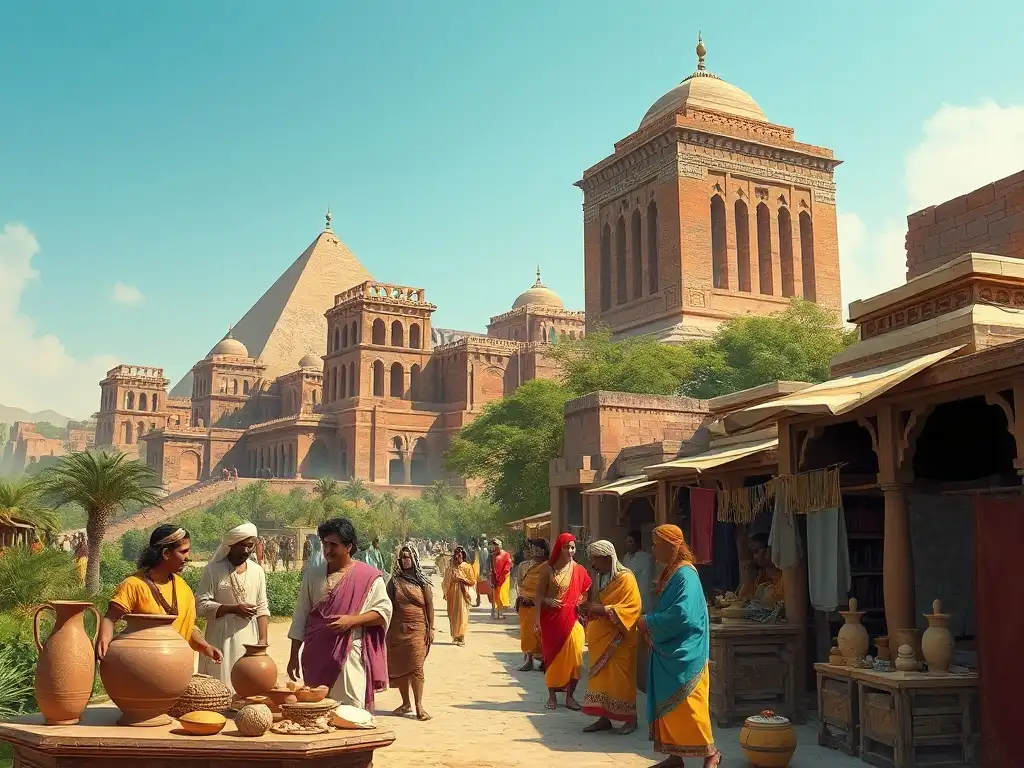
Artistic Influences on Mesopotamia
The artistic interactions between the Indus Valley Civilization and Mesopotamia reveal a fascinating exchange of ideas and techniques that shaped the artistic landscapes of both regions. The proximity of these ancient civilizations facilitated trade and cultural dialogue, leading to a blending of artistic motifs and practices.
Shared Motifs and Techniques
Both the Indus Valley and Mesopotamia shared certain artistic motifs, particularly in pottery and sculpture. For instance, seals from the Indus Valley often depict animals and mythological creatures, a practice that can be seen mirrored in Mesopotamian cylinder seals. These shared motifs suggest a common symbolic language used to convey religious and cultural narratives.
- Animal Representation: The frequent depiction of animals in both cultures served as a means of expressing societal values and beliefs. In the Indus Valley, the unicorn seal is particularly significant, while Mesopotamian art prominently features lions and bulls.
- Symbolic Patterns: Geometric patterns, such as spirals and zigzags, appear in both Indus Valley pottery and Mesopotamian artifacts. These designs not only showcase aesthetic preferences but also may have held symbolic significance related to fertility and nature.
The Role of Trade in Artistic Exchange
Trade routes between the Indus Valley and Mesopotamia were pivotal in facilitating artistic exchange. The movement of goods often included artistic artifacts that carried with them the cultural nuances of their origin.
- Trade Networks: Archaeological evidence indicates that goods such as lapis lazuli, a prized material in both civilizations, were traded extensively. This interaction likely influenced artistic techniques, especially in jewelry making and decorative arts.
- Cultural Adaptation: As artisans from both cultures encountered each other’s work, they adapted techniques and styles. For example, the use of kiln-fired bricks in both regions demonstrates how architectural practices evolved through shared knowledge.
Artistic Influences on Ancient Persia
The connections between the Indus Valley Civilization and ancient Persia also highlight significant artistic influences. The vast geographical expanse and the movement of peoples contributed to a rich tapestry of cultural exchange.
Architectural Styles and Innovations
The architectural innovations of the Indus Valley had a lasting impact on Persian architecture, particularly in urban planning and construction techniques.
- Urban Planning: The grid-like urban planning of Indus cities, characterized by well-structured streets and drainage systems, influenced the layout of Persian cities such as Persepolis. This emphasis on organized cityscapes reflects a shared understanding of civic responsibility and urban aesthetics.
- Material Use: The use of baked bricks and advanced drainage systems in Indus Valley architecture is evident in Persian constructions, showcasing how techniques were borrowed and adapted across regions.
Cultural Syncretism in Art Forms
The blending of artistic traditions between the Indus Valley and Persia resulted in a unique cultural syncretism that enriched both civilizations.
- Religious Iconography: The incorporation of Hindu symbols alongside Zoroastrian motifs in artifacts suggests a fusion of beliefs and artistic expressions. This syncretism is particularly visible in sculptures and reliefs that combine elements from both cultures.
- Textile and Decorative Arts: The influences of decorative motifs in textiles from the Indus Valley can be traced in Persian carpets, where intricate patterns reflect a shared aesthetic sensibility. The use of vibrant colors and complex designs illustrates the cross-cultural dialogue that shaped artistic practices.
The Indus Valley artistic influences on neighboring civilizations such as Mesopotamia and Ancient Persia are a testament to the interconnectedness of ancient cultures. Through trade, shared motifs, and architectural innovations, these civilizations not only enriched their own artistic practices but also laid the groundwork for future artistic developments in the region.
Artistic Influences on Ancient Egypt
The artistic influences of the Indus Valley Civilization (IVC) extended far beyond its geographical boundaries, notably impacting ancient Egypt. This connection is evident in various artistic forms, including sculpture, pottery, and iconography, reflecting a blend of cultural exchanges during the early historical periods. The trade routes that flourished between these two civilizations facilitated the movement of not just goods but also artistic ideas and practices, shaping the artistic expressions of the time.
Similarities in Sculpture and Iconography
The similarities in sculpture and iconography between the Indus Valley and ancient Egypt are striking. Both civilizations demonstrated a keen interest in representing human figures, animals, and deities in their art. For instance, the IVC is known for its terracotta figurines, which often depicted animals and human-like figures, such as the famous dancing girl statue. Similarly, ancient Egyptian sculptures frequently portrayed pharaohs and gods, meticulously crafted to convey power and divinity.
- Common Themes: Both cultures exhibited a fascination with animals, often using them symbolically in their representations. The Indus Valley showcased animals like bulls and elephants, while ancient Egyptian art prominently featured cats and birds, particularly the falcon associated with the god Horus.
- Stylization: The stylized approach of both civilizations is evident in their art. The IVC's use of geometric patterns and symmetry in their seals mirrors the strict adherence to proportion and form found in ancient Egyptian statues and reliefs.
These thematic and stylistic parallels suggest a shared aesthetic sensibility, potentially influenced by trade interactions and cultural exchanges.
The Transfer of Artistic Techniques
The transfer of artistic techniques between the Indus Valley and ancient Egypt can be attributed to their interconnectedness through trade and contact. The techniques employed in pottery, metallurgy, and sculpture in both civilizations reflect a level of sophistication that may have influenced one another.
- Pottery Techniques: Both civilizations utilized advanced pottery techniques, with the IVC known for its painted pottery adorned with intricate designs. Ancient Egyptians also developed a distinctive style of pottery, often featuring symbolic motifs. The emphasis on detailed decoration in both societies suggests a mutual appreciation for craftsmanship.
- Sculptural Techniques: The methods used in stone carving and sculpting in the IVC may have found echoes in Egyptian practices. The polished stone seals of the Indus Valley, often intricately carved, display a level of skill that parallels the fine craftsmanship seen in ancient Egyptian tomb sculptures and statuary.
The exchange of artistic techniques likely facilitated the evolution of styles and methods in both cultures, leading to a richer artistic heritage that still resonates today. This interaction underscores the importance of the Indus Valley Civilization not just as an isolated culture but as a significant contributor to the artistic development of neighboring civilizations, including ancient Egypt.
Legacy of Indus Valley Artistic Influences
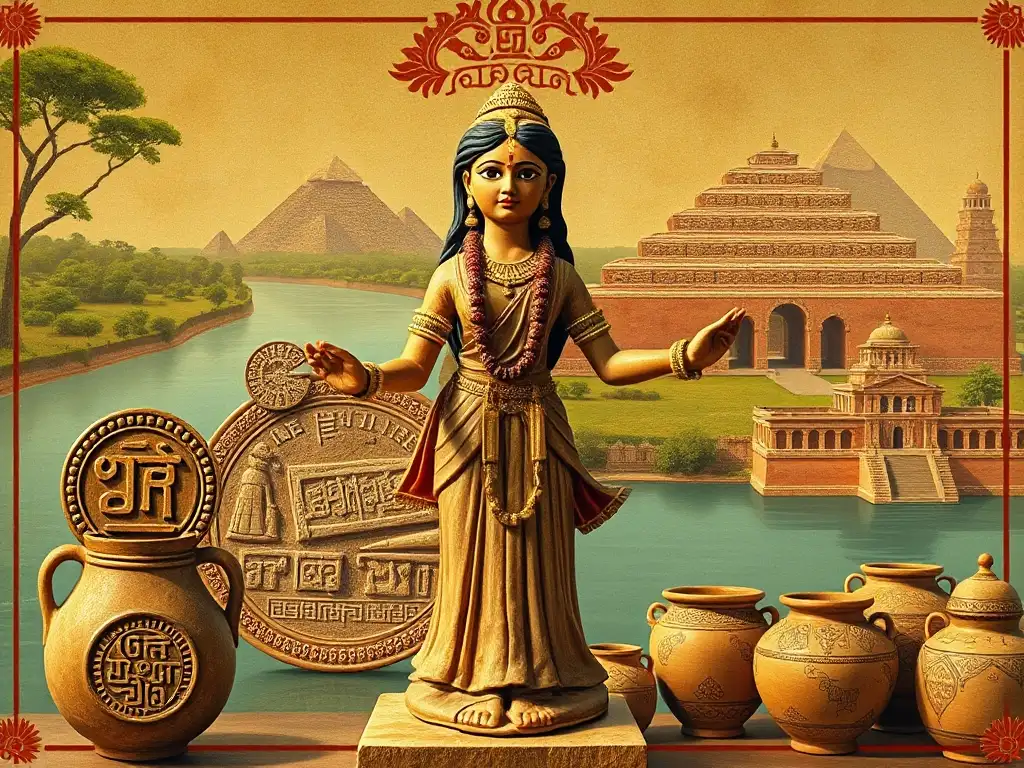
The artistic legacy of the Indus Valley Civilization (IVC) is a remarkable testament to the creativity and innovation of ancient societies. Its influences resonate far beyond its geographic confines, impacting not only neighboring cultures but also shaping the broader narrative of Indian art. The hallmark of Indus Valley artistic influences is evident in various forms, including pottery, sculpture, and urban planning, which laid the groundwork for subsequent artistic expressions in India.
The sophisticated craftsmanship displayed in the IVC's terracotta figurines, seals, and pottery reflects a high level of artistic skill. This artistic tradition incorporated naturalistic representation and symbolic motifs, which later permeated the art forms of neighboring civilizations. As trade networks expanded and cultural exchanges flourished, the aesthetic principles established by the Indus Valley artists began to evolve, leaving an indelible mark on Indian art history.
Lasting Impact on Subsequent Indian Art Forms
The artistic conventions originating from the Indus Valley have had a profound influence on subsequent Indian art forms, particularly during the Vedic period and the Maurya Empire. Key aspects of this influence include:
- Sculptural Techniques: The naturalism and attention to detail found in Indus Valley sculptures, such as the famous "Dancing Girl" figurine, set a precedent for later sculptural works. This attention to human anatomy and expression would re-emerge in the Gandhara and Mathura schools, where artists continued to explore the human form with similar finesse.
- Motifs and Patterns: Geometric patterns and animal motifs prevalent in IVC pottery reappeared in the decorative arts of later periods. For example, the lotus and peacock motifs, which have roots in the Indus Valley, became prominent in Buddhist and Hindu art, symbolizing purity and beauty.
- Urban Design and Architecture: The urban planning of the Indus Valley, characterized by grid layouts and advanced drainage systems, influenced the architectural practices of subsequent Indian civilizations. Cities like Pataliputra adopted similar planning principles, reflecting the organizational skills first demonstrated by IVC builders.
The enduring impact of these artistic influences is a testament to the IVC's role as a foundational pillar in the evolution of Indian art. The interweaving of IVC styles into later artistic movements showcases the dynamic continuity of cultural expression throughout history.
Influence on Modern Interpretations of Ancient Art
In contemporary times, the artistic influences of the Indus Valley continue to inspire scholars, artists, and designers alike. The interpretation of Indus Valley art has evolved, leading to a renewed appreciation for its complexity and sophistication:
- Artistic Revivals: Modern artists are increasingly drawing inspiration from the Indus Valley's motifs and techniques. Contemporary art forms, such as textiles and ceramic designs, frequently incorporate the intricate patterns and figures from ancient seals, bridging the gap between the past and present.
- Cultural Heritage and Preservation: The recognition of Indus Valley artistic influences has prompted efforts to preserve and promote this cultural heritage. Museums and educational institutions focus on showcasing IVC art, providing an avenue for the public to engage with and understand its significance in the broader narrative of Indian civilization.
- Scholarly Research: Ongoing archaeological discoveries and research continue to shed light on the artistic practices of the Indus Valley. Scholars are increasingly analyzing artifacts through modern technological methods, such as 3D scanning and digital reconstruction, allowing for deeper insights into their artistry and cultural context.
The legacy of the Indus Valley's artistic influences is not merely historical; it fosters a continuous dialogue between ancient traditions and contemporary artistic expressions. As we explore these connections, we can appreciate the richness of India's artistic heritage and the enduring impact of one of its earliest civilizations.
Conclusion: The Enduring Significance of Indus Valley Artistic Influences
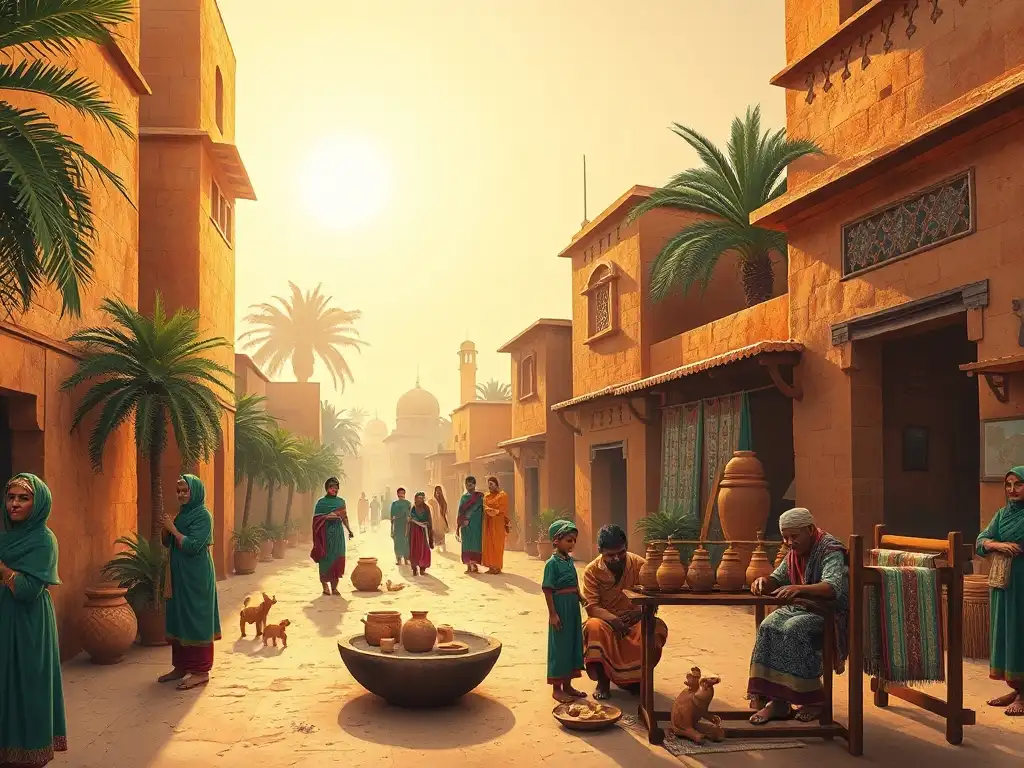
The artistic influences of the Indus Valley Civilization extend far beyond its geographical boundaries, leaving an indelible mark on neighboring cultures and civilizations. The intricate craftsmanship, unique motifs, and sophisticated artistic techniques developed during the Indus Valley period served as a foundation for the artistic expressions of subsequent cultures. Understanding these influences is crucial for comprehending the broader narrative of ancient art and its evolution across regions.
The legacy of Indus Valley art can be seen in various forms, from pottery to sculpture, and even in the architectural designs of later civilizations. The unearthing of artifacts such as seals, terracotta figurines, and painted pottery has provided insight into the aesthetic sensibilities of the Indus people, demonstrating a high level of sophistication and cultural richness. These artistic expressions not only served functional purposes but also conveyed spiritual and societal values, thus enriching the cultural tapestry of the ancient world.
Reflection on the Interconnectedness of Ancient Cultures
The interconnectedness of ancient cultures is vividly illustrated in the artistic exchanges that occurred between the Indus Valley and its neighboring civilizations. Artisans and craftsmen of the Indus Valley engaged in trade with cultures such as Mesopotamia, Persia, and even the early Chinese dynasties. This interaction facilitated the transfer of artistic skills, motifs, and materials, leading to a fusion of styles and techniques.
For instance, the use of intricate geometric patterns and animal motifs in Indus Valley seals can be traced in artifacts found in Mesopotamia. Similarly, the terracotta craftsmanship of the Indus Valley influenced the pottery styles seen in later South Asian cultures. Such exchanges highlight the dynamic nature of artistic development, where cultures borrow and adapt ideas to create unique expressions of their identity.
Moreover, the religious iconography and themes prevalent in Indus Valley art, such as the depiction of deities and fertility symbols, can be observed in the subsequent art of the Mauryan and Gupta empires. These connections underscore the significance of the Indus Valley as a cultural hub in the ancient world, where artistic influences were not confined to local boundaries but rather spread across vast regions.
Future Research Directions in Indus Valley Art Studies
As scholarship on the Indus Valley Civilization continues to evolve, several promising research directions can further illuminate the significance of its artistic influences. Future studies could focus on:
- Comparative Analysis: Investigating the similarities and differences in artistic styles across different civilizations can provide deeper insights into the nature of cultural exchange. Comparative studies between Indus Valley art and that of neighboring regions could yield valuable information about the transmission of artistic techniques.
- Technological Advances: Utilizing modern technology, such as 3D imaging and chemical analysis, can enhance our understanding of the materials and methods used by Indus Valley artisans. This could lead to discoveries about trade networks and the influence of external materials on local art forms.
- Cultural Context: Exploring the societal and cultural contexts in which Indus Valley art was produced can shed light on the motivations behind certain artistic choices. Understanding the religious, economic, and political dynamics of the time may reveal how these factors shaped artistic expression.
- Interdisciplinary Approaches: Collaborations between art historians, archaeologists, and anthropologists can enrich the study of Indus Valley art. By integrating various methodologies, researchers can develop a more holistic understanding of the artistic influences within the broader context of ancient civilizations.
The Indus Valley's artistic influences are not only a testament to its cultural richness but also a vital element in understanding the interconnectedness of ancient societies. As research progresses, we can expect to uncover even more layers of complexity and significance surrounding this fascinating aspect of ancient Indian history.
Frequently Asked Questions
What were the main artistic influences of the Indus Valley civilization?
The Indus Valley civilization significantly impacted neighboring cultures through its unique artistic styles, pottery, and sculptural techniques, which inspired later artistic expressions.
How did the Indus Valley's art differ from those of other ancient civilizations?
Indus Valley art is characterized by its intricate designs, use of natural materials, and emphasis on functional aesthetics, setting it apart from the more grandiose styles of other ancient cultures.
In what ways did trade contribute to the spread of Indus Valley artistic influences?
Through extensive trade networks, the artistic techniques and styles of the Indus Valley spread to regions such as Mesopotamia, fostering a cross-cultural exchange that enriched both societies.
What role did religion play in the artistic expressions of the Indus Valley?
Religious beliefs heavily influenced Indus Valley art, often depicted in their seals and sculptures, showcasing deities and rituals that later affected the spiritual art of neighboring cultures.
How can we see the legacy of the Indus Valley in later civilizations?
The artistic influences of the Indus Valley can be traced in the motifs, architectural styles, and craftsmanship of subsequent cultures, particularly during the Gupta Empire period, demonstrating a lasting legacy.
Final Reflection: The Enduring Legacy of Indus Valley Artistic Influences
The artistic influences of the Indus Valley civilization resonate profoundly in today's world, illustrating how creativity transcends time and geography. As we explore the intricate designs, motifs, and craftsmanship that emerged from this ancient society, we uncover a rich tapestry of cultural exchange that continues to shape artistic expression across neighboring civilizations. The legacy of the Indus Valley serves as a reminder that art is not merely a reflection of its time but a bridge connecting diverse cultures and ideas.
Cultural and social landscapes are continually molded by the artistic influences of the past, and the Indus Valley is no exception. Its impact can be seen in various forms, from pottery to textiles, inspiring generations of artists and craftsmen. The echoes of their creativity remind us that art has the power to foster unity and understanding among different peoples. Art is the most beautiful of all lies.
This quote encapsulates the essence of how art can convey deeper truths about our shared humanity, transcending the boundaries of time and space.
As we reflect on the artistic influences of the Indus Valley, I invite you to consider how these lessons can be applied in your own life. Embrace the creativity that surrounds you and recognize the interconnectedness of cultures through art. Let the legacy of the Indus Valley inspire you to explore your own artistic expression and to appreciate the diverse influences that shape our world today. In doing so, we honor the past while paving the way for a more inclusive and vibrant future.
Unveil the Rich Legacy of the Indus Valley!
Thank you for exploring the artistic influences of the Indus Valley with us! You’ve gained insight into how this ancient civilization shaped the art and culture of its neighbors, and now it’s time to take action. **Embrace your curiosity** and dive deeper into this fascinating topic to enrich your understanding and share it with others.
Here are some ways to continue your journey:
- Research a specific art form influenced by the Indus Valley and create a small presentation or infographic to share with friends or on social media.
- Visit your local library or museum to find resources or exhibits that showcase artifacts from the Indus Valley and their impacts.
- Join an online forum or community interested in ancient civilizations to discuss and exchange ideas about the enduring artistic legacy of the Indus Valley.
What is one surprising influence of the Indus Valley that you’ve discovered in your readings? Share your insights and let’s discuss!