
The Dravidian Heritage: Tracing the Roots of Southern Indian Civilization

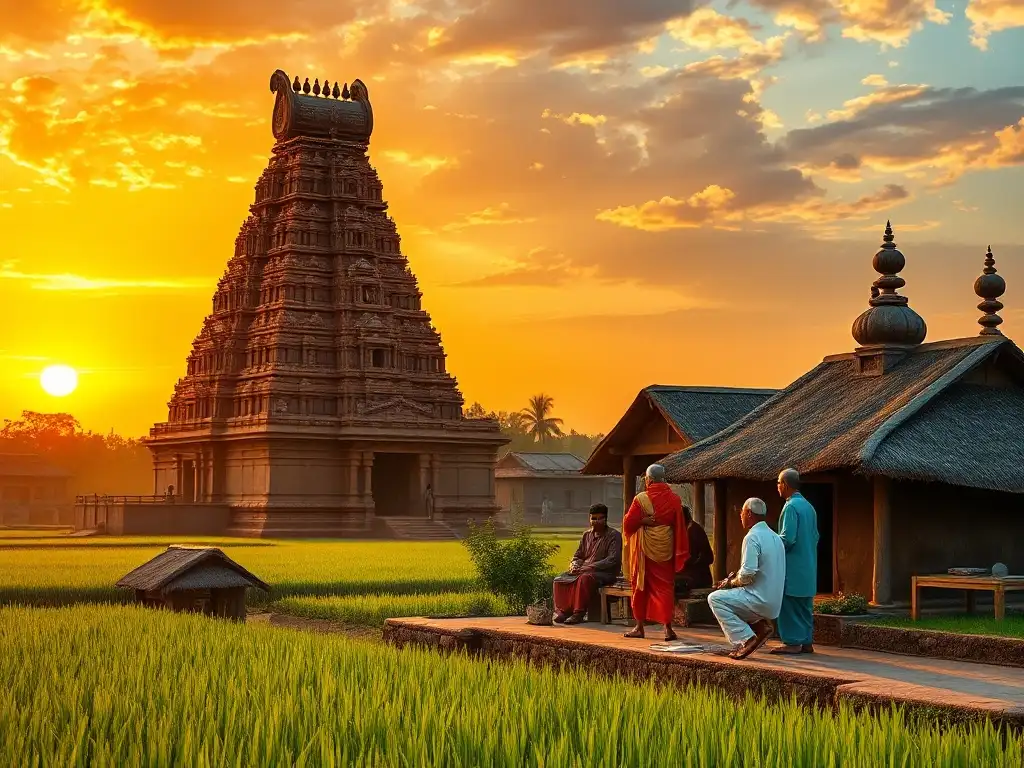
Welcome to Ancient India History, where we embark on a captivating journey through the rich tapestry of ancient Indian civilizations. Today, we delve into the Dravidian heritage of ancient India, a fascinating exploration of the roots that shaped Southern Indian civilization. From the enigmatic Indus Valley to the illustrious Gupta Empire, every corner of our history holds secrets waiting to be uncovered. Join us as we unlock the stories of resilience, culture, and innovation that define this remarkable heritage—your adventure into the depths of India's past starts here!
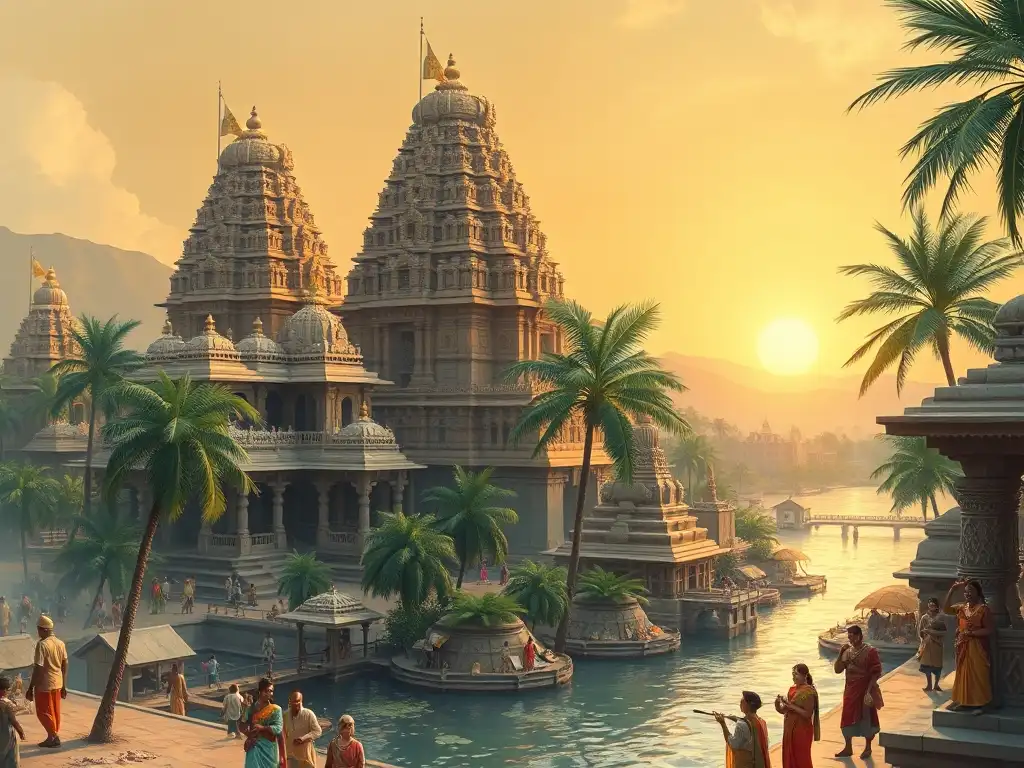
Introduction to Dravidian Heritage of Ancient India
The Dravidian heritage of ancient India represents a captivating chapter in the broader narrative of Indian civilization. This heritage, deeply rooted in the rich cultural and historical tapestry of Southern India, encompasses a myriad of languages, traditions, and artistic expressions that have shaped the region's identity over millennia. From the early settlements of the Indus Valley to the flourishing kingdoms during the Gupta Empire, the Dravidian contributions have significantly influenced the evolution of Indian society, politics, and economy.
As we delve into the Dravidian heritage, we will explore its profound significance in understanding not only Southern India but also the wider context of Indian history. This article aims to illuminate the intricate connections between Dravidian culture and the broader historical developments in the subcontinent, providing a comprehensive view of its legacy.
Understanding the Significance of Dravidian Culture
Dravidian culture is characterized by its unique linguistic, architectural, and artistic traditions, which distinguish it from other cultural groups in India. The languages of the Dravidian family, including Tamil, Telugu, Kannada, and Malayalam, are among the oldest in the world, with inscriptions dating back to over 2,000 years. The significance of Dravidian culture can be understood through several key aspects:
- Linguistic Diversity: Dravidian languages have rich literary traditions, with Tamil being recognized as a classical language. Many ancient texts, including the Sangam literature, highlight the depth of thought and expression in Dravidian languages.
- Architectural Marvels: Southern India is home to remarkable architectural achievements, notably the intricate temple designs of the Chola, Pandya, and Vijayanagara empires. These structures reflect a unique blend of religious fervor and artistic creativity.
- Cultural Practices: The Dravidian heritage boasts vibrant festivals, traditional music, and dance forms such as Bharatanatyam, which are integral to the cultural identity of Southern India.
Overview of Southern Indian Civilization
Southern Indian civilization emerged as a vital force in the historical landscape of India, characterized by advanced urban planning, agrarian societies, and significant trade networks. The region's strategic location facilitated cultural exchanges with other parts of India and beyond, fostering a diverse and dynamic society. Key features of Southern Indian civilization include:
- Urban Centers: Ancient cities like Madurai and Kanchipuram served as thriving centers of trade, learning, and governance, contributing to the region's economic prosperity.
- Agricultural Innovation: The Dravidians developed sophisticated irrigation systems and agricultural practices that supported the cultivation of staple crops, ensuring food security and economic stability.
- Trade Networks: Southern India was a hub of maritime trade, connecting it to Southeast Asia and the Middle East, which facilitated cultural and commercial exchanges.
Historical Context of the Dravidian Heritage
To fully appreciate the Dravidian heritage, it is essential to contextualize it within the historical timeline of Southern India. This section examines the ancient civilizations that laid the foundation for the Dravidian cultural identity and highlights their enduring impact on Indian history.
Ancient Civilizations in Southern India
The history of Southern India is marked by the rise and fall of several prominent civilizations, each contributing uniquely to the Dravidian heritage. Notable among these are:
- The Tamil Kingdoms: The early Tamil kingdoms, such as the Cheras, Cholas, and Pandyas, played a crucial role in establishing the linguistic and cultural foundations of Dravidian society.
- The Mauryan Influence: The Mauryan Empire, particularly under Ashoka, extended its influence into Southern India, promoting Buddhism and contributing to the cultural synthesis in the region.
- The Vijayanagara Empire: Known for its architectural grandeur and flourishing of arts, the Vijayanagara Empire significantly shaped the socio-political landscape of Southern India, reinforcing Dravidian cultural identity.
Contributions of the Dravidians to Indian History
The Dravidians have made significant contributions that have shaped the historical trajectory of India. These contributions encompass various domains:
- Literature and Philosophy: The Dravidian literary tradition, with its profound philosophical discourses and poetic expressions, has enriched Indian thought and culture.
- Art and Architecture: Dravidian architecture, characterized by its majestic temples and sculptures, has influenced architectural styles across India, leaving a lasting legacy.
- Political Systems: The administrative practices and governance models established by Dravidian dynasties have contributed to the evolution of political systems in India.
The Dravidian heritage of ancient India is a crucial element of the region's history, reflecting a complex interplay of culture, language, and contributions that have left an indelible mark on the Indian subcontinent. Through this exploration, we uncover the roots of Southern Indian civilization and its enduring influence on the broader historical narrative of India.
Key Features of the Dravidian Heritage
The Dravidian heritage of ancient India is rich and multifaceted, embodying unique cultural, linguistic, and social characteristics that distinguish it from other regional cultures. One of the most prominent features is the Dravidian languages, which comprise a family of languages primarily spoken in Southern India, including Tamil, Telugu, Kannada, and Malayalam. These languages not only serve as a means of communication but also carry with them a vast literary tradition that has evolved over millennia.
Another key aspect of Dravidian heritage is its profound connection to agriculture and land cultivation. Ancient Dravidian societies were primarily agrarian, relying on the fertile lands of the Deccan plateau and the coastal regions for their sustenance. This agricultural foundation played a crucial role in shaping their societal structures, economic systems, and cultural practices.
Additionally, the architectural styles prevalent in Dravidian culture, particularly temple architecture, reflect a deep spiritual connection and reverence for nature. The intricate designs and monumental structures serve as a testament to the engineering prowess and artistic sensibilities of ancient Dravidian civilizations.
Language and Literature of the Dravidians
The Dravidian languages are considered some of the oldest in the world, with Tamil often cited as one of the oldest living languages. The rich literary tradition of the Dravidians is exemplified by the Sangam literature, which dates back to between 300 BCE and 300 CE. This body of work includes poems, epics, and prose that explore themes such as love, valor, ethics, and the beauty of nature. Notable works from this period include the "Tirukkural" by Tiruvalluvar, which offers moral and philosophical insights that are relevant even today.
In addition to Tamil, other Dravidian languages have their own literary traditions. Telugu literature boasts a significant corpus, with poets like Nannaya and Tikkana who contributed to the epic "Mahabharata." Kannada literature has also flourished, particularly with the works of poets like Pampa and Ranna during the medieval period. These literary contributions not only preserve the linguistic heritage but also reflect the socio-cultural dynamics of ancient South Indian society.
Art and Architecture in Dravidian Culture
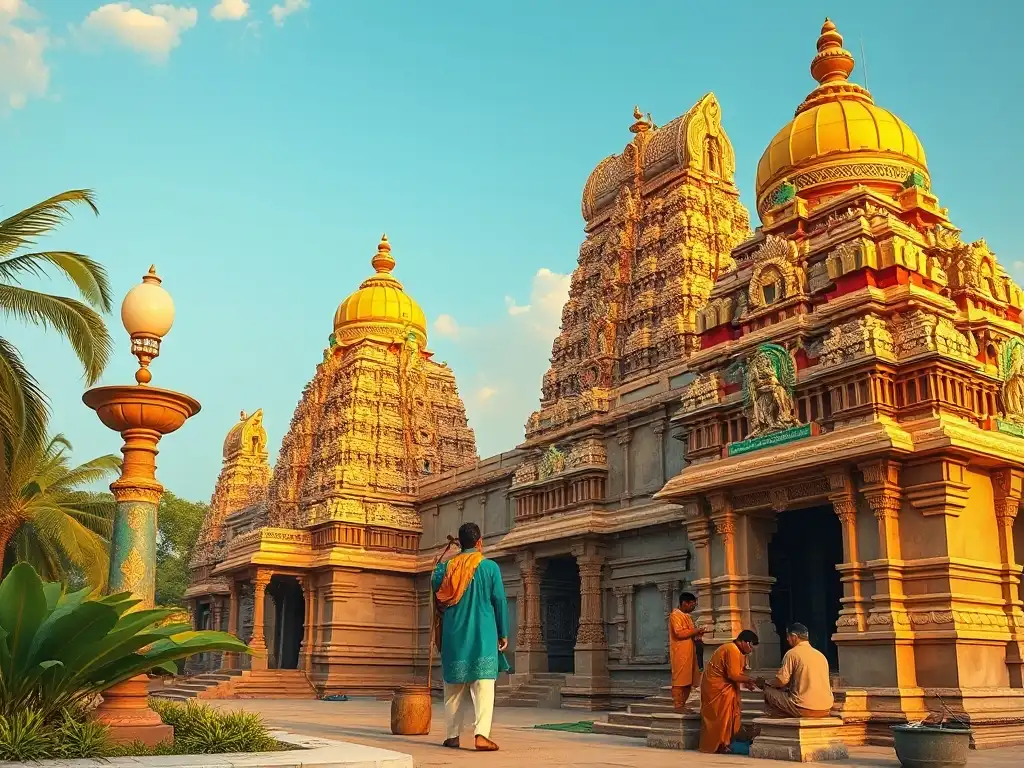
Dravidian art and architecture are characterized by their intricate craftsmanship and symbolic representations. The temple architecture of Southern India, especially during the Chola, Pandya, and Vijayanagara empires, showcases stunning examples of granite and stone structures adorned with elaborate carvings. Temples such as the Brihadeeswarar Temple in Thanjavur and the Meenakshi Temple in Madurai are iconic representations of Dravidian architectural style, featuring towering gopurams (gateway towers), detailed sculptures, and exquisite frescoes.
The art forms associated with Dravidian culture include classical dance forms like Bharatanatyam and Kuchipudi, which have their roots in temple rituals and storytelling. These dance forms emphasize rhythm, expression, and narrative, often depicting themes from Hindu mythology and folklore. Additionally, the visual arts, including painting and sculpture, reflect a deep connection to spirituality and the natural world, illustrating the reverence Dravidian culture holds for both.
Dravidian Religion and Philosophy
The Dravidian heritage is deeply intertwined with a variety of religious beliefs and philosophical traditions that emerged in Southern India. Over the centuries, this region has been a melting pot of diverse spiritual practices, ranging from indigenous animistic traditions to the influence of major religions such as Hinduism, Buddhism, and Jainism.
Major Religions in Southern India
Hinduism is the predominant religion in Southern India, characterized by a rich tapestry of rituals, festivals, and temple worship. The Dravidian interpretation of Hinduism is marked by unique practices and beliefs, including the veneration of local deities and the incorporation of folk traditions.
Buddhism and Jainism also played significant roles in shaping the religious landscape of Southern India, especially during the early centuries CE. The teachings of Buddha and Mahavira resonated with many, leading to the establishment of monastic communities and the construction of stupas and temples. While Buddhism declined, Jainism continued to thrive, contributing to the cultural fabric of the region.
Philosophical Contributions of Dravidian Thinkers
Dravidian thinkers have made substantial contributions to Indian philosophy, emphasizing ideas of ethics, morality, and the nature of existence. One of the most prominent figures is Adi Shankaracharya, a philosopher and theologian who consolidated the Advaita Vedanta school of thought. His works advocate for non-dualism, where the individual soul (Atman) is seen as one with the ultimate reality (Brahman).
Another significant philosophical contribution comes from the Tamil Siddhars, mystics and poets who explored the interplay between spirituality and physical health. Their writings often delve into the nature of the soul, the importance of meditation, and the pursuit of spiritual enlightenment. This rich philosophical heritage continues to inspire contemporary thought and practice in various fields, including yoga and holistic health.
The Role of Dravidian Dynasties
The Dravidian dynasties played a pivotal role in shaping the history and culture of Southern India. Emerging during a time when the region was known for its rich agricultural land and strategic trade routes, these dynasties contributed significantly to the socio-political landscape. They established powerful kingdoms that not only expanded their territories but also promoted trade, religion, and cultural exchange.
The Cholas, Pandyas, and Cheras are among the most notable Dravidian dynasties, each leaving a distinct mark on the region. Their governance models often included a mix of local customs and centralized administrative practices, which facilitated effective management of their realms. The dynasties were crucial in the spread of Dravidian languages and literature, as well as in the promotion of temple architecture and sculptural traditions that are emblematic of Southern Indian heritage.
Moreover, these dynasties were instrumental in fostering a sense of identity and unity among the diverse communities in Southern India. The patronage of arts and literature under their rule laid the groundwork for a rich cultural tapestry that continues to influence the region today.
Major Dravidian Kingdoms and Their Impact
- The Chola Dynasty: Renowned for its naval prowess, the Chola Empire extended its influence beyond India, reaching as far as Southeast Asia. The Cholas are celebrated for their contributions to architecture, particularly the Brihadeeswarar Temple in Thanjavur, which exemplifies the grandeur of Dravidian architecture. Their reign marked a golden age in Tamil literature and arts.
- The Pandya Dynasty: The Pandyas were instrumental in promoting trade with foreign nations, particularly through the port city of Korkai. They are known for their patronage of Tamil literature and the flourishing of the Tamil Sangams, which were academies of poets that played a crucial role in the evolution of the Tamil language and culture.
- The Chera Dynasty: The Cheras were prominent in the western coastal regions of Kerala and Tamil Nadu. They facilitated trade with the Roman Empire and were patrons of the arts and literature, contributing to the cultural exchange that enriched both regions. Their influence in the development of Malayalam language and culture is noteworthy.
These kingdoms not only fortified their territories but also laid the foundation for a vibrant economic and cultural milieu that characterized ancient Southern India.
Dravidian Kings and Their Cultural Patronage
Dravidian kings were notable patrons of culture, arts, and religion, significantly influencing the socio-cultural fabric of Southern India. They sponsored various forms of artistic expression, including temple architecture, literature, dance, and music. Their support for these cultural practices ensured the preservation and propagation of Dravidian heritage.
- Literature and Language: The kings often sponsored poets and scholars, resulting in a rich body of Tamil literature. The Sangam literature, which emerged during the early centuries of the Common Era, reflects the sophistication of Tamil culture and the patronage of kings like the Pandyas.
- Temple Architecture: The construction of grand temples served both religious and cultural purposes. Temples like the Meenakshi Amman Temple in Madurai and the Brihadeeswarar Temple in Thanjavur are testaments to the architectural innovations and artistic expressions that flourished under Dravidian kings.
- Performing Arts: The patronage extended to classical dance forms such as Bharatanatyam and Carnatic music, which gained prominence during the reigns of various Dravidian dynasties. These art forms not only entertained but also conveyed spiritual and cultural narratives, reinforcing community identity.
The cultural contributions of Dravidian kings have had a lasting impact, influencing contemporary practices and ensuring the continuity of their rich heritage.
Preservation of Dravidian Heritage
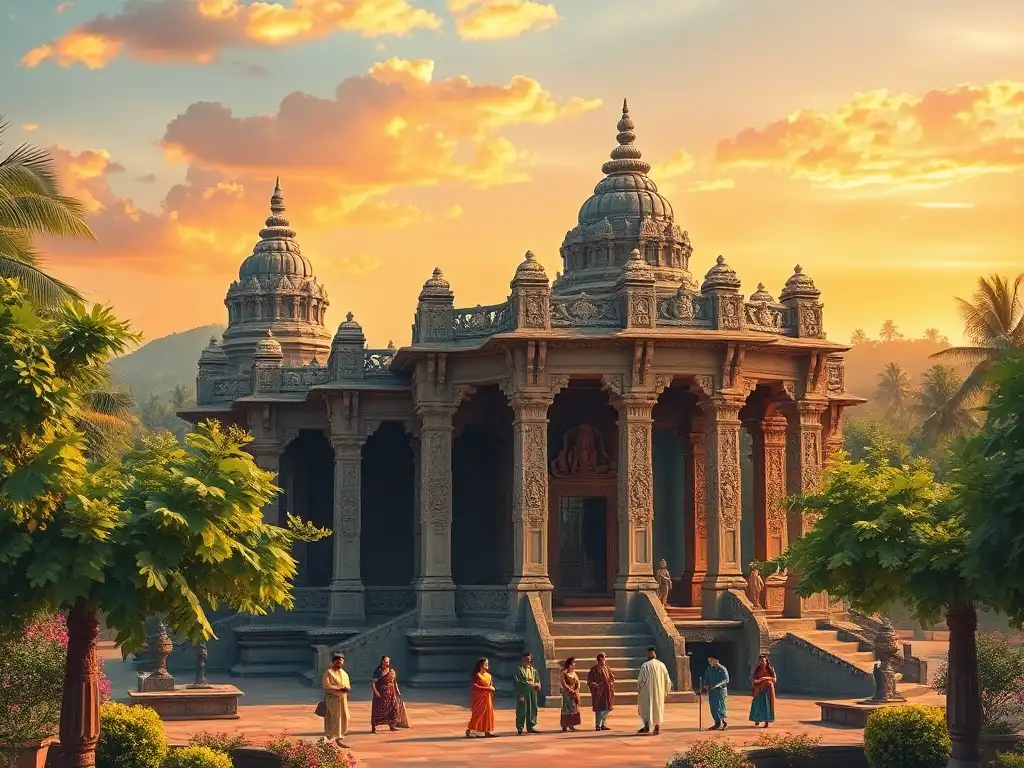
The preservation of Dravidian heritage is crucial for maintaining the cultural identity of Southern India. This heritage encompasses language, literature, art, and traditional practices that have been handed down through generations. The depth of this heritage reflects the history and evolution of the region, making its preservation essential not just for historical reasons, but also for fostering a sense of belonging among the people.
Challenges in Preserving Dravidian Culture
Despite the rich legacy of Dravidian culture, several challenges hinder its preservation.
- Urbanization and Modernization: Rapid urbanization has led to the erosion of traditional practices and languages. As communities migrate to urban areas for better opportunities, the cultural practices that define their identity often fade away.
- Cultural Homogenization: The increasing influence of globalized culture poses a threat to the distinctiveness of Dravidian heritage. The dominance of mainstream media and popular culture can overshadow local traditions, leading to a loss of cultural diversity.
- Neglect of Language: The declining use of Dravidian languages in favor of more dominant languages like Hindi and English has resulted in a diminishing linguistic heritage. This neglect affects not only communication but also the transmission of cultural values embedded in the language.
These challenges necessitate concerted efforts to revitalize and sustain the Dravidian heritage.
Modern Efforts to Revive Dravidian Traditions
In response to the challenges facing Dravidian heritage, various modern initiatives aim to revive and promote traditional practices.
- Cultural Festivals: Annual festivals celebrating Dravidian arts, literature, and cuisine have gained popularity. Events like the Tamil Heritage Month encourage communities to engage with their cultural roots through performances, workshops, and exhibitions.
- Educational Programs: Institutions and organizations are increasingly offering courses in Dravidian languages, arts, and history. These programs aim to educate younger generations about their cultural heritage and inspire pride in their identity.
- Digital Archiving: The use of technology to document and archive Dravidian cultural expressions is on the rise. Online platforms are dedicated to showcasing traditional music, dance, and literature, making them accessible to a global audience.
- Community Engagement: Grassroots initiatives involving local communities in cultural preservation efforts have emerged. These programs empower individuals to take ownership of their heritage, ensuring its continuation for future generations.
Through these modern efforts, there is hope for the revitalization and preservation of the Dravidian heritage, ensuring that it remains a vibrant part of Southern India's cultural landscape.
Conclusion: The Legacy of Dravidian Heritage in Ancient India
The Dravidian heritage of ancient India stands as a testament to the rich and diverse tapestry of Southern Indian civilization. Emerging from the early settlements of the Indus Valley, Dravidian culture evolved through various phases, contributing significantly to the social, political, and religious landscape of the region. From the architectural grandeur of temples to the intricate art forms and literature, the Dravidian legacy has shaped the identity of Southern India, leaving an indelible mark on its history and culture.
As we reflect on this heritage, it is essential to recognize the resilience and adaptability of Dravidian traditions amidst changing political and social climates. The continuity of these cultural practices throughout centuries not only highlights their significance but also emphasizes the need for their preservation and study in contemporary contexts.
Lasting Influence on Contemporary Southern Indian Culture
The influence of Dravidian heritage is profoundly evident in contemporary Southern Indian culture. Elements such as language, art, cuisine, and religious practices continue to reflect the rich traditions of the Dravidian peoples.
- Language: Dravidian languages, including Tamil, Telugu, Kannada, and Malayalam, serve as vital links to the past. Tamil, in particular, boasts a literary tradition that dates back over two millennia and is recognized as one of the oldest living languages in the world.
- Art and Architecture: The intricate carvings and designs found in Dravidian temples, such as those seen in Thanjavur and Kanchipuram, are not only architectural marvels but also repositories of mythological narratives and cultural practices. These structures continue to inspire modern architecture and attract tourists and scholars alike.
- Cuisine: Dravidian culinary traditions, characterized by their diversity and richness, have significantly influenced the food culture in Southern India. Dishes like dosa, idli, and sambar showcase the use of local ingredients and traditional cooking methods that have been passed down through generations.
- Religious Practices: The Dravidian heritage also plays a crucial role in the religious practices of Southern India. Temples remain central to community life, and festivals rooted in ancient traditions are celebrated with fervor, reinforcing a sense of identity and belonging.
Future Perspectives on the Dravidian Heritage of Ancient India
Looking ahead, the Dravidian heritage of ancient India holds significant potential for further exploration and appreciation. As globalization continues to impact cultures worldwide, there is a growing interest in understanding and preserving regional identities.
- Cultural Revitalization: Initiatives aimed at revitalizing and promoting Dravidian languages and arts can foster a deeper connection to heritage among younger generations. Educational programs and cultural festivals may serve as platforms for this revival, ensuring the transmission of traditions.
- Interdisciplinary Research: Future scholarly endeavors that bridge history, archaeology, linguistics, and anthropology will enrich our understanding of Dravidian heritage. Collaborative projects between institutions can lead to new discoveries and interpretations of ancient texts, artifacts, and customs.
- Global Recognition: As interest in ancient civilizations grows, the Dravidian heritage has the potential to gain greater recognition on the global stage. By highlighting its contributions to world culture, historians and cultural advocates can foster appreciation and support for the preservation of this unique heritage.
References
Recommended Reading on Dravidian Heritage
- "The Dravidian Languages" by Bh. Krishnamurti: This work delves into the structure and history of Dravidian languages, providing insights into their evolution and significance.
- "Tamil Civilization" by K. A. Nilakanta Sastri: A comprehensive examination of Tamil culture and its historical development, tracing its roots and influence.
- "Temples of South India" by David S. H. Abrahams: This book explores the architectural and artistic features of South Indian temples, highlighting their cultural significance.
Notable Scholars and Works on Southern Indian Civilization
- Dr. R. Nagaswamy: An eminent archaeologist and historian known for his extensive research on South Indian temples and their architectural styles.
- Dr. K. A. Nilakanta Sastri: A pioneering historian whose works on South Indian history have laid the foundation for understanding the region's past.
- "The History of South India" by K. A. Nilakanta Sastri: This seminal work offers a detailed account of the political, cultural, and economic history of South India, emphasizing Dravidian contributions.
These readings and scholars provide a robust framework for further exploration of the Dravidian heritage and its impact on the broader tapestry of ancient Indian civilization.
- Introduction to Dravidian Heritage of Ancient India
- Historical Context of the Dravidian Heritage
- Key Features of the Dravidian Heritage
- Language and Literature of the Dravidians
- Art and Architecture in Dravidian Culture
- Dravidian Religion and Philosophy
- The Role of Dravidian Dynasties
- Preservation of Dravidian Heritage
- Conclusion: The Legacy of Dravidian Heritage in Ancient India
- References
- What is the Dravidian heritage of ancient India?
- How did the Dravidian civilizations influence Indian culture?
- What are the key features of Dravidian architecture?
- How does the Dravidian language family differ from other languages in India?
- What contributions did the Dravidian civilizations make to Indian society?
Frequently Asked Questions
What is the Dravidian heritage of ancient India?
The Dravidian heritage refers to the cultural, linguistic, and historical contributions of the Dravidian people, primarily in Southern India, encompassing civilizations like the Chola, Pandya, and Cheras.
How did the Dravidian civilizations influence Indian culture?
Dravidian civilizations played a pivotal role in shaping Indian culture through their art, architecture, and literature, contributing significantly to temple design and classical dance forms like Bharatanatyam.
What are the key features of Dravidian architecture?
Dravidian architecture is characterized by towering gopurams (temple towers), intricate stone carvings, and a distinctive layout that emphasizes the temple's spiritual significance, often found in ancient temples across Southern India.
How does the Dravidian language family differ from other languages in India?
The Dravidian language family includes languages such as Tamil, Telugu, Kannada, and Malayalam, which have a unique grammatical structure and vocabulary, distinct from the Indo-Aryan languages prevalent in Northern India.
What contributions did the Dravidian civilizations make to Indian society?
The Dravidian civilizations contributed to advances in trade, agriculture, and governance, fostering a rich tapestry of social organization and economic prosperity that laid the groundwork for future Indian societies.
Final Reflection: Embracing the Dravidian Heritage of Ancient India
The exploration of the Dravidian heritage of ancient India is not merely an academic pursuit; it is a vital connection to our roots that resonates profoundly in today's multicultural society. As we navigate a world increasingly defined by globalization, understanding the rich tapestry of our historical narratives becomes essential. The Dravidian legacy, with its profound contributions to art, language, and philosophy, serves as a reminder of the diverse foundations upon which modern Indian identity stands.
The Dravidian heritage continues to shape the cultural and social landscape of Southern India, influencing everything from contemporary art forms to linguistic evolution. The stories of resilience, innovation, and unity within this heritage inspire a sense of pride and belonging among millions. As noted by historian K. A. Nilakanta Sastri, The Dravidian culture is not just a relic of the past; it is a living tradition that informs our present and shapes our future.
This ongoing influence underscores the importance of recognizing and celebrating the Dravidian contributions to our collective identity.
As we reflect on the significance of the Dravidian heritage, I invite you to consider how these ancient roots can inform your own journey. What aspects of this rich history resonate with you, and how can you incorporate the lessons of resilience and creativity into your life? By embracing and sharing the stories of the Dravidian civilization, we not only honor our ancestors but also empower ourselves to build a more inclusive and enriched future. Let us carry forward this legacy, ensuring that the vibrant spirit of the Dravidian heritage continues to thrive in our hearts and communities.
Unveil the Richness of Dravidian Heritage!
Thank you for taking the time to explore the fascinating world of Dravidian heritage with us! You've gained valuable insights into the deep roots of Southern Indian civilization. Now, it's time to transform that knowledge into action and appreciation.
- Dive Deeper: Read more about the diverse cultures and traditions that have emerged from the Dravidian legacy. Explore our recommended articles to broaden your understanding further.
- Share Your Thoughts: Engage with fellow history enthusiasts! Share this article on social media or comment below about which aspect of Dravidian heritage excites you the most.
- Join the Conversation: Participate in our online forum to discuss how Dravidian culture has influenced contemporary society and its significance for future generations.
Which aspect of Dravidian heritage do you find most compelling, and how do you believe it shapes our understanding of identity today?