
The Impact of Indian Cuisine on the Development of Chinese Gastronomy

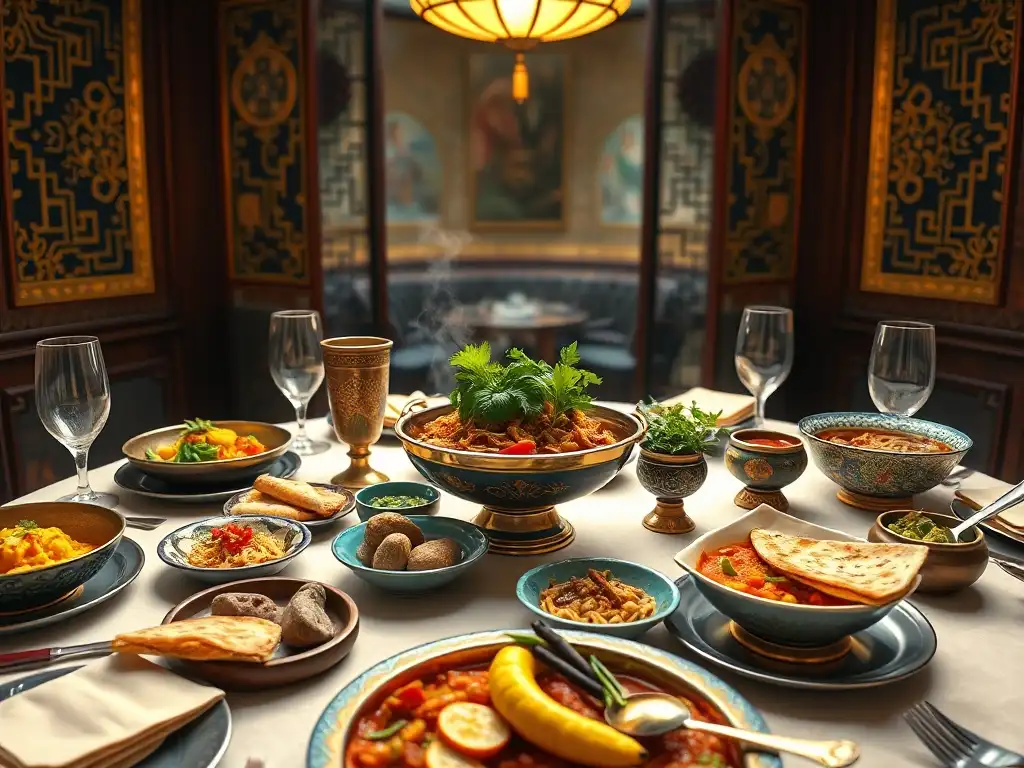
Welcome to Ancient India History, where we embark on a fascinating journey through the rich tapestry of ancient Indian civilizations. Here, we delve into the profound interactions with other cultures that shaped both India and the world. In our featured article, "The Impact of Indian Cuisine on the Development of Chinese Gastronomy," we uncover the intricate threads of culinary exchange that have influenced Chinese cuisine through the ages.
Prepare to be intrigued as we explore how flavors traversed borders and transformed palates, inviting you to discover the delicious connections between these two ancient cultures. Dive deeper into this captivating topic and let your curiosity guide you!
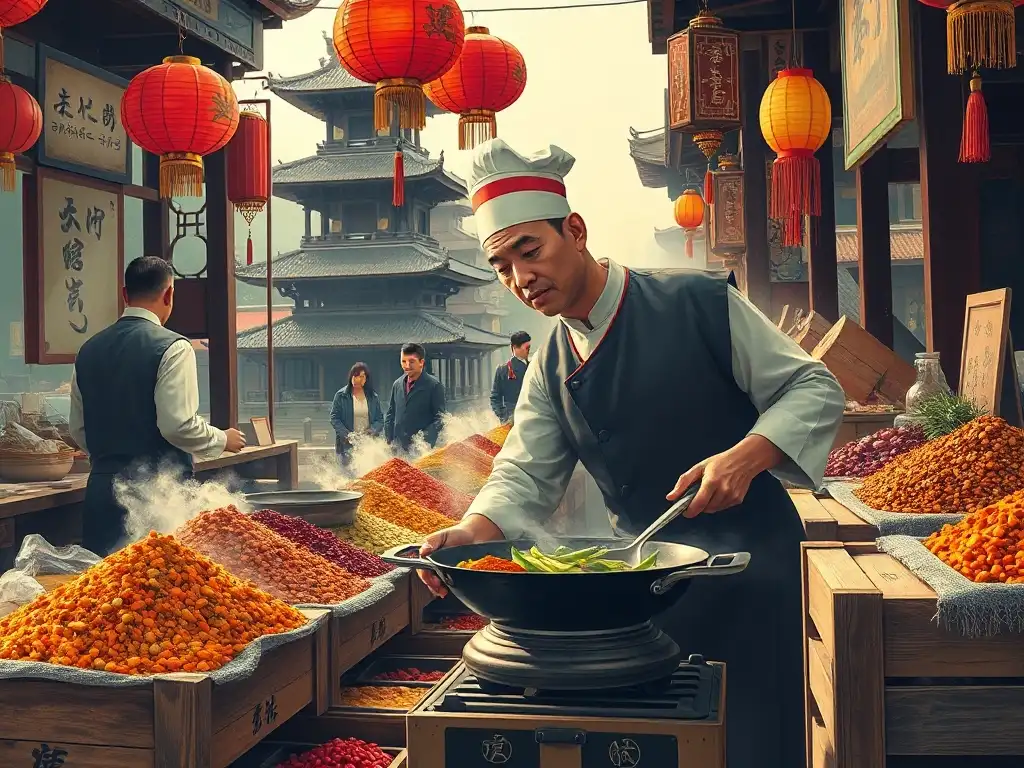
Introduction to Indian Cuisine Influence on China
The intricate tapestry of ancient civilizations is woven with threads of cultural exchanges that have shaped the world as we know it today. One of the most fascinating aspects of these interactions is the influence of Indian cuisine on Chinese gastronomy.
This article delves into the rich history of culinary exchanges between India and China, highlighting how flavors, techniques, and ingredients have traversed borders, creating a unique blend of culinary traditions. Understanding this exchange not only illuminates the historical ties between these two great civilizations but also showcases the profound impact that food can have on cultural identity and social interactions.
Overview of Indian and Chinese Gastronomy
Indian and Chinese cuisines are two of the most celebrated gastronomies globally, each with its own distinct characteristics:
- Indian Cuisine:
- Known for its vibrant flavors and diverse regional dishes.
- Utilizes a variety of spices, herbs, and cooking techniques.
- Dishes such as curry, biryani, and dosa showcase the complexity of flavors.
- Chinese Cuisine:
- Emphasizes balance and harmony in flavors, with a focus on freshness.
- Incorporates techniques such as stir-frying, steaming, and braising.
- Famous dishes include dumplings, Peking duck, and stir-fried vegetables.
The interplay of these two culinary worlds has led to innovation and adaptation, creating a rich dialogue that continues to evolve.
Importance of Culinary Exchanges in History
Culinary exchanges are not merely about food; they reflect deeper connections between cultures. The sharing of culinary practices has historically facilitated:
- Cultural Understanding: Food serves as a vehicle for sharing traditions and values, fostering mutual respect and appreciation.
- Economic Ties: Trade in spices and ingredients has bolstered economies and encouraged exploration and interaction.
- Social Integration: Culinary practices contribute to identity formation and community bonding, often bridging gaps between diverse groups.
These exchanges are crucial for understanding how civilizations grow and adapt, showcasing the significance of cuisine in historical contexts.
Historical Context of Culinary Exchange
Early Interactions Between India and China
The early interactions between India and China date back thousands of years, with significant encounters occurring during the Han Dynasty (206 BCE – 220 CE) and the establishment of the Silk Road. This ancient trade route not only facilitated the exchange of goods but also allowed for the sharing of culinary knowledge.
- Key Points of Interaction:
- Silk Road: A network of trade routes connecting Asia, where spices and food items were exchanged.
- Buddhism's Spread: As Buddhism traveled from India to China, it brought with it various culinary practices, particularly vegetarianism.
The mingling of these cultures laid the groundwork for a rich exchange of culinary ideas and practices.
Trade Routes Facilitating Indian Cuisine Influence
Several trade routes played pivotal roles in the diffusion of Indian cuisine into China:
- Maritime Routes: These routes allowed for the transport of spices and specialty ingredients from India to coastal regions of China.
- Overland Trails: Caravans traversed through mountain passes and deserts, carrying not only goods but culinary techniques that would influence local cooking styles.
The movement of people along these routes also contributed to the sharing of recipes and cooking methods, further intertwining the two gastronomies.
This exploration of the influence of Indian cuisine on Chinese gastronomy reveals how interconnected our histories are and underscores the importance of culinary exchanges in shaping cultural identities. As we delve deeper into this topic, we will uncover specific examples and case studies that highlight these connections.
Key Ingredients and Their Journey
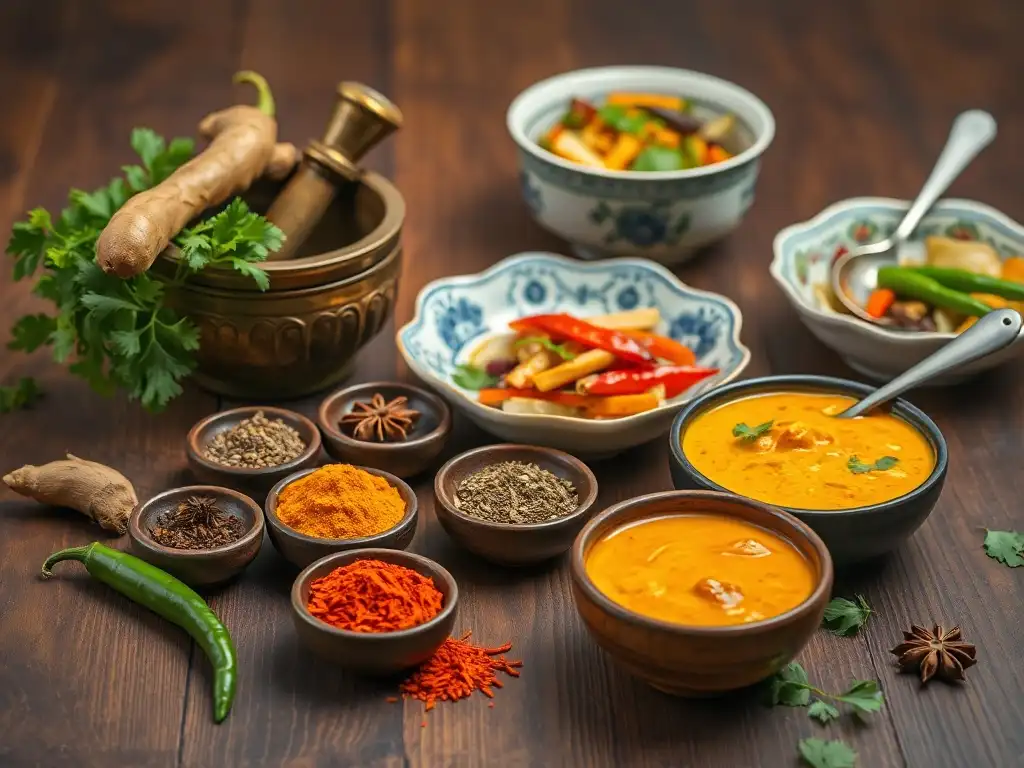
The rich tapestry of Indian cuisine has significantly influenced Chinese gastronomy, primarily through the introduction of key ingredients that have traveled along trade routes. As early as the 1st century CE, the Silk Road began facilitating exchanges between these two ancient civilizations, allowing not only goods but also culinary practices to flow between them. Spices, grains, and other essential ingredients from India found their way into Chinese kitchens, altering the flavor profiles and cooking methods across the region.
Among these ingredients, one of the most notable is rice. Although rice was cultivated in China, the varieties and cooking techniques brought from India led to a diversification of rice dishes in Chinese cuisine. The introduction of legumes and pulses, such as lentils and chickpeas, also enriched the dietary choices available in China. These ingredients played a significant role in shaping the foundations of Chinese gastronomy, creating a fusion of flavors that celebrated both cultures.
Spices and Herbs: From India to China
Spices are a cornerstone of Indian cuisine, and their journey to China marks a significant chapter in the culinary exchange between these two nations. Notable spices such as black pepper, cardamom, and turmeric were not only prized in India but also became integral to Chinese cooking. Black pepper, for instance, became a sought-after commodity, known for its ability to enhance flavors and preserve food.
Turmeric, revered for its vibrant color and health benefits, found its way into Chinese herbal medicine and culinary practices. Its use in dishes like curry has led to a unique blend of flavors that are now characteristic of certain regional Chinese cuisines. Additionally, the introduction of various herbs, such as coriander and fenugreek, enriched the aromatic profiles of Chinese dishes, allowing for a broader spectrum of flavors and culinary creativity.
Adoption of Indian Cooking Techniques in Chinese Cuisine
As Indian ingredients permeated Chinese kitchens, the adoption of Indian cooking techniques also played a pivotal role in transforming Chinese gastronomy. Techniques such as slow cooking, tempering spices, and the use of tandoor ovens have influenced the traditional methods employed in Chinese cooking. The practice of stir-frying, for example, was enhanced by the Indian method of quickly cooking spices in oil, which contributed to the development of many Chinese stir-fried dishes.
Moreover, the concept of layering flavors through spices and herbs, commonly found in Indian cuisine, has been embraced in various regional Chinese recipes. This amalgamation of cooking techniques has fostered a more complex flavor profile in Chinese dishes, showcasing the impact of Indian culinary practices on the overall evolution of Chinese gastronomy.
The Evolution of Chinese Gastronomy Due to Indian Influence
The influence of Indian cuisine on Chinese gastronomy has been profound, resulting in the evolution of flavors, techniques, and dishes that reflect a rich culinary heritage. This interaction has not only diversified the Chinese palette but has also laid the groundwork for a unique gastronomic identity that incorporates elements from both cultures.
Introduction of New Dishes and Flavors
Through the exchange of culinary traditions, numerous new dishes have emerged within Chinese cuisine, heavily inspired by Indian cooking. For instance, the popularity of curries in southern China is a direct reflection of Indian culinary influence. These curries often incorporate local ingredients, creating a distinctively Chinese interpretation of the traditional Indian dish.
Additionally, the concept of using yogurt and dairy in cooking, prevalent in Indian cuisine, has found its place in certain Chinese recipes, leading to the creation of creamy sauces and dips that enhance the dining experience. The adaptation of Indian-inspired flavors into Chinese dishes has resulted in a fusion that is not only innovative but also resonates well with local tastes.
Regional Variations in Chinese Cuisine Inspired by Indian Traditions
The diversity of regional cuisines within China showcases various interpretations of Indian culinary influence. In areas such as Yunnan and Sichuan, the incorporation of spices and cooking techniques from India has led to the development of unique dishes that reflect a rich blend of flavors.
For example, the use of chili peppers in Sichuan cuisine can be traced back to Indian influences, as these ingredients were introduced via trade routes. The fiery heat of Sichuan dishes has a parallel in the spiciness of Indian cuisine, demonstrating a shared appreciation for bold flavors. Similarly, Yunnan cuisine features dishes that utilize aromatic spices and herbs, echoing the traditions of Indian cooking while adapting to local palates.
Overall, the evolution of Chinese gastronomy due to Indian influence illustrates a dynamic exchange that has enriched both culinary traditions, creating a symphony of flavors that continues to captivate food enthusiasts around the world.
Cultural Significance of Indian Cuisine in China
The cultural significance of Indian cuisine in China is a testament to the historical interactions and exchanges between these two ancient civilizations. As trade routes flourished, particularly during the Silk Road era, Indian spices, cooking techniques, and culinary philosophies began to permeate Chinese gastronomy. This cross-cultural exchange not only enriched Chinese cooking but also fostered a deeper understanding of diverse flavors and ingredients.
Indian cuisine introduced a plethora of spices such as turmeric, cumin, and cardamom, which became integral to Chinese dishes. The embrace of these spices transformed Chinese cooking, allowing for a more vibrant and complex flavor profile. Additionally, the concept of vegetarianism, prevalent in Indian culture, found its way into Chinese culinary practices, particularly among Buddhist communities. The adaptation of Indian culinary elements is evident in various regional Chinese cuisines, where the use of spices and vegetarian dishes has become more pronounced.
The Role of Indian Cuisine in Chinese Festivals and Celebrations
Indian cuisine plays a notable role in Chinese festivals and celebrations, particularly in regions with significant Indian communities, such as in parts of Southern China. Festivals like Diwali and Holi have seen the inclusion of Indian dishes that showcase the rich flavors and traditions of Indian cooking. For instance, during Diwali, Indian sweets like gulab jamun and ladoos are often prepared and shared, symbolizing the spirit of festivity and joy.
Moreover, the blending of Indian and Chinese culinary traditions can be observed in celebrations of the Lunar New Year, where dishes influenced by Indian cooking are incorporated into banquets. This fusion not only reflects the diverse cultural fabric of China but also illustrates how Indian cuisine has become a part of the celebratory landscape, fostering unity and appreciation among various communities.
Influence on Chinese Culinary Philosophy and Practices
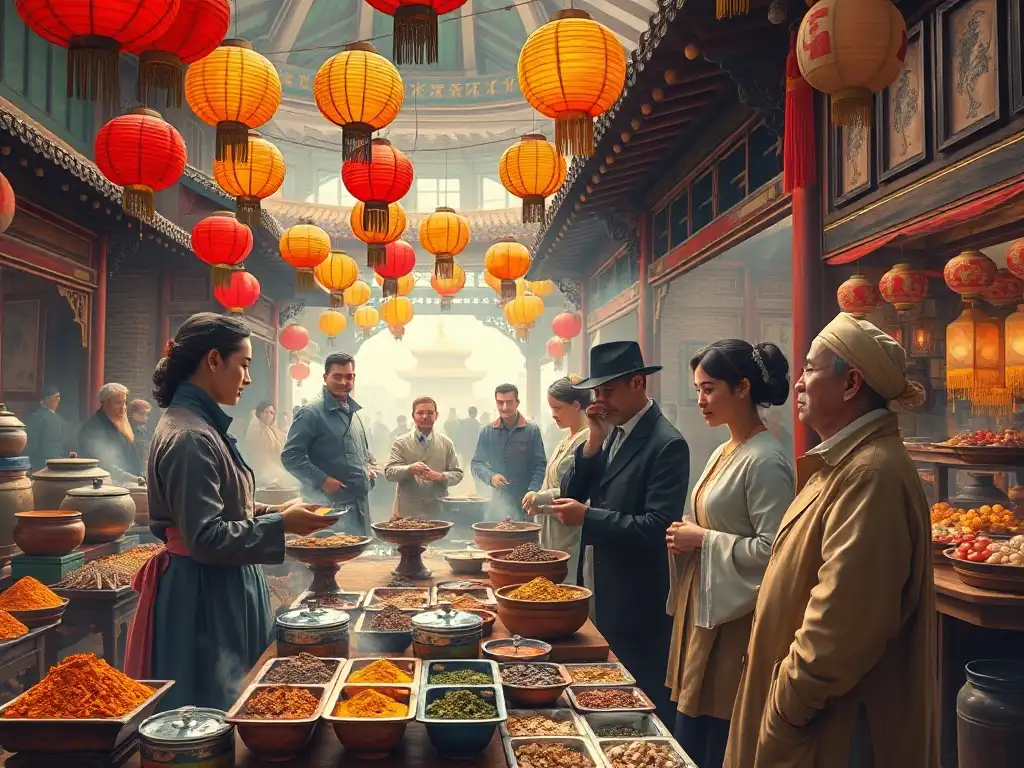
The influence of Indian cuisine on Chinese culinary philosophy and practices is profound, particularly in the areas of ingredient usage and cooking techniques. Indian cooking emphasizes the use of spices for both flavor and health benefits, a concept that has resonated with Chinese chefs and home cooks alike. The integration of aromatic spices into traditional Chinese dishes has encouraged a more holistic approach to cooking, where flavor, health, and aesthetics are harmonized.
Furthermore, Indian culinary techniques such as tandoori cooking and the use of slow-cooking methods have found their way into certain Chinese cooking styles. The concept of balancing flavors—sweet, sour, salty, and spicy—has also been enhanced by Indian culinary principles, leading to innovative dishes that celebrate both traditions. This cross-pollination of culinary philosophies has enriched Chinese gastronomy, creating a more diverse and flavorful culinary landscape.
Modern-Day Impact of Indian Cuisine on Chinese Gastronomy
The modern-day impact of Indian cuisine on Chinese gastronomy is increasingly evident as globalization continues to facilitate cultural exchanges. In urban centers across China, Indian restaurants have gained popularity, offering authentic dishes that appeal to a wide range of palates. These establishments not only serve traditional Indian food but also experiment with fusion dishes that combine elements from both cuisines, showcasing the adaptability and creativity of chefs.
Current Trends in Indian-Chinese Fusion Cuisine
Current trends in Indian-Chinese fusion cuisine highlight the innovative spirit of culinary professionals who seek to blend the best of both worlds. Dishes such as "Chili Paneer" and "Tandoori Chicken Spring Rolls" exemplify this trend, merging Indian flavors with Chinese cooking techniques. Additionally, street food vendors are creatively infusing Indian spices into traditional Chinese snacks, creating a new culinary experience that attracts adventurous eaters.
Social media platforms have played a significant role in popularizing these fusion foods, making them accessible to a broader audience. Food bloggers and influencers often share their experiences of trying these unique dishes, further encouraging the exploration of Indian-Chinese culinary intersections. The excitement around fusion cuisine signifies a growing acceptance and appreciation of diverse gastronomic traditions in contemporary China.
Popular Indian Dishes in Contemporary Chinese Menus
In contemporary Chinese menus, several Indian dishes have gained popularity, adapting to local tastes while retaining their distinct flavors. Dishes like "Biryani," a fragrant rice dish often made with spices, meat, and vegetables, have found a place in Chinese dining, especially in urban areas where multicuisine options thrive. Similarly, "Butter Chicken" and "Dal Makhani" are frequently featured in restaurants that cater to both Indian and Chinese diners, highlighting the versatility and appeal of these beloved Indian staples.
Moreover, desserts such as "Kheer" (rice pudding) and "Ras Malai" have also made their way into dessert menus, offering a sweet end to a meal that celebrates the culinary heritage of both cultures. This integration not only reflects the evolving palate of Chinese diners but also underscores the lasting influence of Indian cuisine on modern Chinese gastronomy.
Conclusion: The Lasting Legacy of Indian Cuisine on Chinese Gastronomy
The influence of Indian cuisine on Chinese gastronomy is a profound testament to the cultural exchanges that have shaped both civilizations over centuries. From the ancient Silk Road to modern culinary practices, the intermingling of flavors, ingredients, and cooking techniques showcases a rich tapestry of shared history. Indian spices, such as turmeric, cumin, and cardamom, have found their way into Chinese cooking, enriching its flavor profiles and introducing new dimensions to traditional dishes. The adoption of methods, such as stir-frying and the use of diverse ingredients, further reflects this culinary synergy.
As we examine the enduring impact of Indian cuisine on Chinese gastronomy, it becomes evident that this exchange is not merely a historical footnote but a living legacy that continues to evolve. The fusion of these culinary traditions has not only resulted in unique regional dishes but also fostered a greater appreciation for diverse flavors and cooking styles within both cultures. This legacy serves as a reminder of the interconnectedness of human experiences and the power of food as a medium for cultural exchange.
Reflection on the Importance of Culinary Exchange
Culinary exchange plays a pivotal role in shaping cultural identities and fostering mutual understanding between civilizations. The interaction between Indian and Chinese cuisines illustrates how food can transcend geographical and cultural barriers, creating a shared space where ideas and traditions flourish. This exchange is not solely about the transfer of ingredients; it also encompasses techniques, cooking philosophies, and the social practices surrounding food.
The significance of culinary exchange lies in its ability to enhance cultural appreciation and innovation. By embracing influences from one another, both Indian and Chinese cuisines have become more dynamic, reflecting a synthesis of flavors and cooking methods that enrich the culinary landscape. Furthermore, such exchanges promote dialogue and collaboration, paving the way for a more interconnected world where cultural heritage and innovation coexist harmoniously.
Future Prospects for Indian and Chinese Gastronomic Interactions
As globalization continues to facilitate cultural exchanges, the future of Indian and Chinese gastronomic interactions appears promising. The growing interest in global cuisines has led to an increased demand for authentic and fusion dishes that combine the best of both worlds. Chefs and culinary enthusiasts are continually exploring ways to integrate Indian spices and cooking techniques into traditional Chinese recipes, resulting in innovative dishes that appeal to diverse palates.
Moreover, culinary tourism is on the rise, encouraging travelers to experience the rich flavors of both Indian and Chinese cuisines. This trend offers opportunities for cross-cultural culinary experiences, where food festivals and exchange programs can highlight the shared heritage of these two great civilizations. As food continues to serve as a bridge between cultures, the potential for Indian cuisine to influence Chinese gastronomy remains vast and exciting.
References
Key Texts and Studies on Indian and Chinese Culinary Exchanges
- "Culinary Cultures of the Silk Road" by H. W. Meyer - This comprehensive study explores historical trade routes and their impact on food exchanges between India and China.
- "The Spice Route: A History" by J. S. Smith: - This book delves into the significance of spices in ancient trade and their role in shaping culinary practices in both regions.
- "Indian Influence on Chinese Cooking" by L. Cheng - An insightful analysis of the historical interactions between Indian and Chinese cuisines, highlighting key ingredients and techniques.
Suggested Further Reading on the Topic
- "Flavors of the East: The Culinary Influence of India on Asia": - A detailed exploration of how Indian gastronomy has influenced various Asian cuisines beyond China.
- "The Globalization of Food" by P. G. Richards - This text discusses the broader implications of culinary exchanges in a globalized world, with specific references to Indian and Chinese interactions.
- "Taste and Tradition: The Art of Chinese Cooking" by M. Wong: - A practical guide that incorporates Indian spices into traditional Chinese recipes, showcasing the possibilities for culinary fusion.
- Introduction to Indian Cuisine Influence on China
- Overview of Indian and Chinese Gastronomy
- Importance of Culinary Exchanges in History
- Historical Context of Culinary Exchange
- Key Ingredients and Their Journey
- The Evolution of Chinese Gastronomy Due to Indian Influence
- Cultural Significance of Indian Cuisine in China
- The Role of Indian Cuisine in Chinese Festivals and Celebrations
- Influence on Chinese Culinary Philosophy and Practices
- Modern-Day Impact of Indian Cuisine on Chinese Gastronomy
- Conclusion: The Lasting Legacy of Indian Cuisine on Chinese Gastronomy
- References
- What is the historical connection between Indian cuisine and Chinese gastronomy?
- How did Indian spices contribute to the evolution of Chinese food?
- What are some specific Indian dishes that impacted Chinese cuisine?
- How did cultural exchanges between India and China facilitate culinary development?
- Are there any modern influences of Indian cuisine on contemporary Chinese dishes?
Frequently Asked Questions
What is the historical connection between Indian cuisine and Chinese gastronomy?
Indian cuisine has had a significant influence on Chinese gastronomy, particularly through trade routes like the Silk Road, where spices and cooking techniques were exchanged.
How did Indian spices contribute to the evolution of Chinese food?
Indian spices introduced a variety of flavors and aromas that transformed Chinese cooking, leading to the incorporation of new ingredients and techniques that enhanced culinary diversity.
What are some specific Indian dishes that impacted Chinese cuisine?
Dishes such as curry and dal inspired similar preparations in China, showcasing how Indian cooking methods were adapted and integrated into local traditions.
How did cultural exchanges between India and China facilitate culinary development?
The cultural exchanges between these two civilizations allowed for a fusion of flavors, leading to innovations in both cuisine and culinary practices that enriched their respective foods.
Are there any modern influences of Indian cuisine on contemporary Chinese dishes?
Yes, many modern Chinese dishes reflect the enduring impact of Indian culinary techniques and spices, as chefs continue to experiment with cross-cultural flavors in today's gastronomy.
Final Reflection: The Culinary Bridge Between India and China
The exploration of Indian cuisine's influence on China reveals a profound connection that transcends borders and cultures. In a world increasingly defined by globalization, the fusion of culinary traditions serves as a testament to our shared humanity. The intricate flavors, spices, and cooking techniques that have traveled from India to China not only enhance the gastronomic landscape but also foster a deeper understanding of cultural exchange. The impact of Indian cuisine on Chinese gastronomy is not merely historical; it is a vibrant narrative that continues to evolve today.
Culinary traditions are powerful agents of cultural identity and social cohesion. The blending of Indian spices with Chinese cooking methods has led to innovative dishes that reflect a rich tapestry of flavors and histories. This ongoing dialogue between the two cuisines illustrates how food can bridge divides and create community. As the renowned chef and food writer Anthony Bourdain once said, Food is everything we are. It’s an extension of nationalist feeling, ethnic feeling, your personal history, your province, your region, your tribe, your grandma. It’s inseparable from those things.
This sentiment encapsulates the essence of how Indian cuisine has not only influenced Chinese gastronomy but has also contributed to the broader narrative of cultural exchange.
As we reflect on the lessons learned from the interplay of these two culinary giants, I invite you to consider your own relationship with food and culture. How can you embrace the diversity of flavors in your own kitchen? Whether through experimenting with spices, exploring new recipes, or sharing meals with friends from different backgrounds, each action can contribute to a greater appreciation of our interconnected world. Let us celebrate and honor the rich traditions that shape our culinary experiences, recognizing that every dish tells a story that deserves to be shared and savored.
Savor the Flavor: Explore the Culinary Connection!
Thank you for diving into the fascinating impact of Indian cuisine on Chinese gastronomy! You've unlocked insights into how flavors and techniques have intertwined across cultures. Now, it’s time to put this newfound knowledge into action and embrace the rich culinary heritage.
Here are some exciting steps you can take:
- Try Your Hand at Fusion Cooking: Experiment with blending Indian and Chinese recipes in your kitchen to create a unique dish that celebrates both cultures!
- Join a Cooking Class: Look for local workshops or online courses focused on either Indian or Chinese cooking to deepen your culinary skills.
- Share Your Culinary Journey: Post your fusion dish on social media and invite friends who share your interest in food history—let’s grow a community of enthusiasts together!
After you’ve explored these steps, I’d love to know: How will you celebrate the merging of these two vibrant culinary traditions in your next meal?