
The Architectural Styles of the Maurya Empire: A Study in Antiquity


Welcome to Ancient India History, where we embark on a fascinating journey through the rich tapestry of India's profound heritage. Dive deep into the architectural styles of the Maurya Empire, a captivating chapter that reveals not only the grandeur of ancient structures but also the philosophies that shaped them. What secrets do these architectural marvels hold? As you explore this article, prepare to uncover the intricate artistry and cultural significance that defined an era, inviting you to ponder the legacy of one of history's most influential empires. Join us in unraveling the mysteries of antiquity!
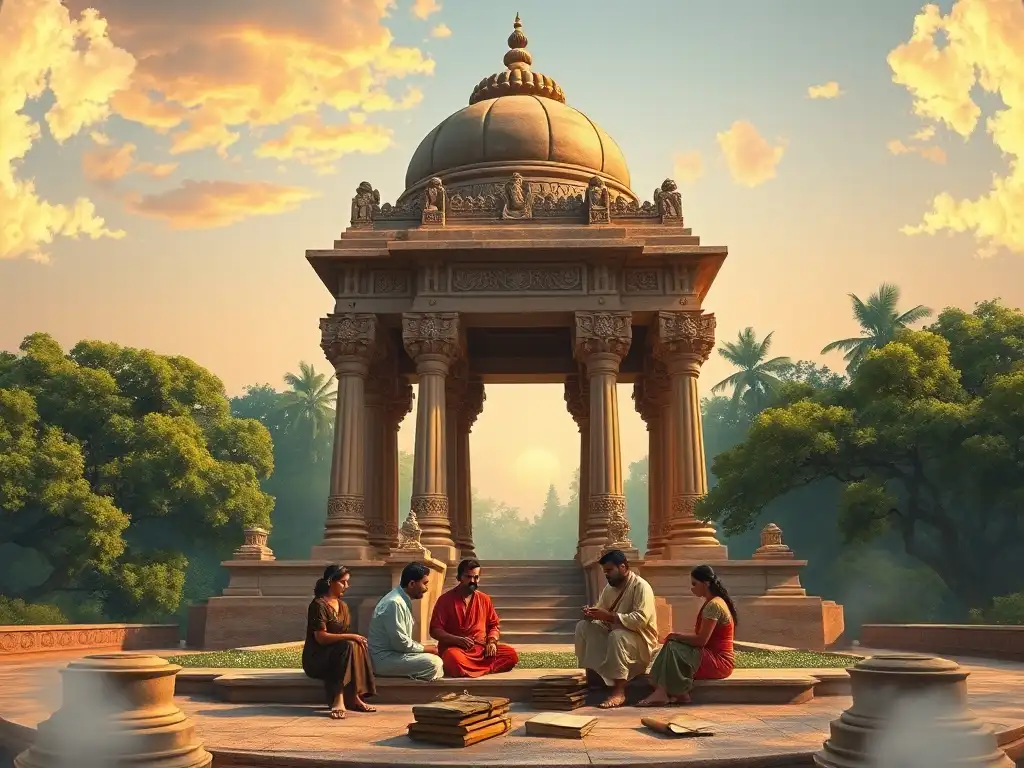
Introduction to the Maurya Empire Architectural Styles
The Maurya Empire, which thrived from 322 to 185 BCE, stands as one of the most significant periods in ancient Indian history, known for its remarkable contributions to art, culture, and architecture. The architectural styles of the Maurya Empire reflect a blend of indigenous techniques and influences from neighboring regions, resulting in structures that not only served functional purposes but also conveyed profound symbolic meanings.
This article aims to explore the distinctive features and innovations of Maurya Empire architectural styles, shedding light on how they shaped the cultural landscape of ancient India. By understanding these architectural marvels, we can gain insights into the political, religious, and social dynamics of the era.
Overview of the Maurya Empire
The Maurya Empire was founded by Chandragupta Maurya and reached its zenith under the reign of Ashoka the Great. Stretching across much of the Indian subcontinent, the empire was notable for its centralized administration and vast territorial expanse. This period witnessed a flourishing of trade, art, and philosophy, making it a critical time for the development of Indian civilization.
One of the hallmarks of the Maurya Empire was its architectural achievements, which included stupas, palaces, and rock-cut caves. The Sanchi Stupa, a UNESCO World Heritage Site, exemplifies the grandeur of Mauryan architecture, showcasing intricate carvings and a unique hemispherical dome that served as a reliquary for Buddhist artifacts.
Significance of Architecture in Ancient Indian Culture
Architecture in ancient India was not merely about constructing buildings; it was a profound expression of cultural identity, religious beliefs, and societal values. The Maurya Empire's architectural styles played a pivotal role in promoting Buddhism, particularly during Ashoka's reign, as he commissioned numerous structures to spread the teachings of the Buddha.
The intricacies of Mauryan architecture symbolize a transition from earlier styles, emphasizing monumentality and spiritual significance. Through the use of various materials and construction techniques, Mauryan architects created structures that were not only aesthetically pleasing but also served as lasting legacies of their civilization.
Key Features of Maurya Empire Architectural Styles
Use of Stone and Other Materials
The Maurya Empire is renowned for its innovative use of materials, predominantly stone, which was employed in the construction of stupas, pillars, and other public structures. The Mauryan pillars, often made from sandstone, are particularly notable for their polished surfaces and intricate carvings.
| Material | Application | Notable Example |
|---|---|---|
| Sandstone | Pillars, stupas, and palaces | Ashoka's Pillars |
| Limestone | Carvings and sculptures | Sanchi Stupa |
| Brick | Residential and smaller structures | Various excavated sites |
Innovative Construction Techniques
Mauryan architects showcased remarkable ingenuity in their construction techniques. They employed advanced methods such as rock-cut architecture, which involved carving structures directly into rock faces. This technique allowed for the creation of intricate caves and monastic complexes that served as retreats for monks.
Additionally, the use of dome-shaped structures marked a significant evolution in architectural design, paving the way for future developments in Indian architecture. The Great Stupa at Sanchi is a prime example of this, featuring a dome that symbolizes the universe.
Symbolism in Maurya Architecture
The architectural styles of the Maurya Empire were rich in symbolism, often reflecting the religious and spiritual beliefs of the time. Stupas, for instance, were designed to represent the Buddha's presence and enlightenment, while pillars served as edicts conveying moral and ethical guidelines.
The carvings found on Mauryan structures, such as the lion capital, not only exhibit artistic excellence but also carry deep meanings related to power, authority, and protection. These symbols played a crucial role in reinforcing the empire's ideology and connecting the rulers with divine sanction.
By delving into the architectural styles of the Maurya Empire, we can appreciate the sophisticated artistry and cultural significance that defined this remarkable era in ancient Indian history. Through the examination of materials, construction techniques, and symbolic meanings, we gain a deeper understanding of how architecture served as a reflection of the Mauryan civilization's values and aspirations.
Prominent Architectural Marvels of the Maurya Empire
The Maurya Empire, which thrived from 322 to 185 BCE, is celebrated for its remarkable architectural achievements that reflect the empire's grandeur and the cultural ethos of ancient India. Spanning diverse regions, the architectural styles of the Maurya Empire showcase a blend of indigenous craftsmanship and influences from neighboring cultures. Among the most significant structures are stupas, pillars, and urban layouts, each contributing to the empire's legacy. The architectural marvels of this era not only served functional purposes but also conveyed spiritual and political messages, embodying the philosophies and beliefs of the time.
The Great Stupa at Sanchi
The Great Stupa at Sanchi, a UNESCO World Heritage Site, is one of the most iconic structures of Mauryan architecture. Commissioned by Emperor Ashoka in the 3rd century BCE, the stupa is a hemispherical dome that enshrines relics of the Buddha. This architectural masterpiece is notable for its intricate carvings and gateways known as toranas, which depict scenes from the life of the Buddha and various Jataka tales.
The stupa's design follows the principles of Buddhist architecture, symbolizing the universe's structure. Its circular shape represents the cycle of life, death, and rebirth, while the central dome signifies the ultimate goal of enlightenment. The Sanchi Stupa not only serves as a significant pilgrimage site but also as a testament to the Maurya Empire's commitment to spreading Buddhism across India and beyond.
The Ashoka Pillars
The Ashoka Pillars are another hallmark of Mauryan architectural style, with numerous pillars erected throughout the empire to convey messages of peace and morality. These polished sandstone columns, often topped with intricately carved capitals featuring animal motifs, exemplify the artistic mastery of the period. The most famous of these is the Lion Capital of Ashoka, which has become a national emblem of India.
Originally erected to commemorate the edicts of Ashoka, these pillars were inscribed with messages promoting dharma (moral law) and ethical governance. The inscriptions provide invaluable insights into the socio-political context of the time, as well as the emperor's vision for a just society. The pillars not only highlight the architectural prowess of the Maurya Empire but also reflect its philosophical underpinnings.
The Ruins of Pataliputra
Pataliputra, the capital of the Maurya Empire, was an urban marvel characterized by its sophisticated city planning and architectural grandeur. The city was strategically located at the confluence of several rivers, enhancing its economic and strategic importance. Archaeological excavations have revealed remnants of palaces, extensive gardens, and fortifications that illustrate the urban sophistication of Mauryan architecture.
One of the notable structures within Pataliputra was the grand palace, described in ancient texts as an impressive edifice adorned with lavish decorations and intricate carvings. The city also featured an elaborate system of drainage and sanitation, showcasing advanced engineering techniques. Pataliputra's ruins serve as a vital link to understanding the Maurya Empire's architectural innovations and urban development.
Influence of Maurya Empire Architectural Styles on Subsequent Eras
The architectural styles of the Maurya Empire laid the groundwork for subsequent developments in Indian architecture, significantly influencing later dynasties and movements. The aesthetics, techniques, and philosophies developed during this period continued to resonate through the ages, shaping the architectural landscape of India.
Transition to Post-Mauryan Architectural Trends
Following the decline of the Maurya Empire, the architectural styles transitioned into new forms, reflecting the changing political and cultural landscape. The influence of Mauryan architecture can be seen in the construction of stupas, temples, and fortifications during the subsequent Shunga and Gupta periods. For instance, the design elements of stupas evolved, incorporating more elaborate sculptures and decorative motifs, which can be traced back to the original Mauryan structures.
The use of pillars, inspired by the Ashoka Pillars, persisted in later architectural styles, as seen in the monumental columns of the Gupta period. This transition highlights the adaptability and evolution of architectural practices, while still paying homage to the foundational elements established during the Maurya Empire.
Lasting Legacy of Mauryan Architecture in India
The legacy of Mauryan architectural styles endures in contemporary India, where its influences can be observed in various forms of art and architecture. The foundational principles of symmetry, proportion, and the integration of religious symbolism laid down by the Mauryas continue to resonate in modern architectural practices.
Moreover, the revival of interest in ancient Indian architecture during the 19th and 20th centuries, particularly in the context of national identity, has further solidified the Maurya Empire's architectural contributions in the public consciousness. Today, sites such as Sanchi and the Ashoka Pillars are celebrated not just as historical artifacts but as enduring symbols of India's rich cultural heritage. The architectural innovations of the Maurya Empire thus remain a crucial part of India's architectural narrative, inspiring future generations to explore and appreciate the depth of ancient Indian civilization.
Conclusion: The Enduring Impact of Maurya Empire Architectural Styles

The architectural styles of the Maurya Empire not only reflect the grandeur and sophistication of ancient Indian civilization but also set a precedent for future architectural developments in the region. The combination of indigenous techniques with influences from neighboring cultures resulted in an architectural language that was both unique and adaptable. From the majestic stupas to the intricately carved pillars, these structures stand as a testament to the ingenuity and artistic prowess of Mauryan architects.
The enduring impact of Maurya Empire architectural styles can be seen in later Indian architectural traditions, including the Gupta period and beyond. The use of stone as a primary building material, the incorporation of decorative motifs, and the emphasis on monumental structures were all elements that gained prominence during the Maurya era. This legacy continues to inspire modern architects and historians who study ancient methodologies and aesthetics.
Reflection on Architectural Contributions to Ancient India
The architectural contributions of the Maurya Empire played a pivotal role in shaping the cultural identity of ancient India. The emphasis on religious architecture, particularly in the construction of stupas and monastic complexes, facilitated the spread of Buddhism and Jainism, which were integral to the socio-cultural fabric of the time. Structures like the Great Stupa at Sanchi and the Ashoka Pillars not only served religious purposes but also functioned as symbols of political power and unity.
Moreover, the architectural styles of the Maurya Empire reflected a profound understanding of local materials and climatic conditions, showcasing an early example of sustainable architecture. This integration of functionality with aesthetics set a standard for future generations, prompting a rich dialogue between art, culture, and religion. The lasting legacy of these architectural innovations continues to resonate in modern architectural practices and cultural expressions across India.
Importance of Preserving Mauryan Architectural Heritage
Preserving the architectural heritage of the Maurya Empire is crucial for several reasons. Firstly, these structures serve as invaluable resources for understanding the historical context, social structures, and cultural practices of ancient India. They provide insights into the technological advancements of the time and the artistic expressions that characterized the era.
Additionally, Mauryan architectural sites are significant for their potential to attract tourism, which can have a positive economic impact on local communities. Safeguarding these sites ensures that future generations can appreciate and learn from the achievements of their ancestors.
Efforts towards conservation are essential in combating the threats posed by natural elements, urbanization, and neglect. By investing in preservation initiatives, society can maintain a tangible connection to its past, fostering a sense of identity and continuity. The Maurya Empire's architectural legacy is not merely an artifact of history; it is a living testament to the creativity and resilience of ancient Indian civilization that must be revered and protected.
- Introduction to the Maurya Empire Architectural Styles
- Key Features of Maurya Empire Architectural Styles
- Prominent Architectural Marvels of the Maurya Empire
- Influence of Maurya Empire Architectural Styles on Subsequent Eras
- Conclusion: The Enduring Impact of Maurya Empire Architectural Styles
- Reflection on Architectural Contributions to Ancient India
- Importance of Preserving Mauryan Architectural Heritage
- What were the main architectural styles of the Maurya Empire?
- How did the Maurya Empire influence later architectural styles?
- What materials were commonly used in Maurya Empire architecture?
- Can you give examples of significant structures from the Maurya Empire?
- How did religion impact the architectural styles during the Maurya Empire?
Frequently Asked Questions
What were the main architectural styles of the Maurya Empire?
The Maurya Empire is known for its monumental architecture, including rock-cut caves, stupas, and palaces that showcased both grandeur and functionality.
How did the Maurya Empire influence later architectural styles?
The architectural innovations of the Maurya Empire, particularly the use of columns and carvings, laid the groundwork for subsequent styles, influencing the development of Buddhist architecture in India.
What materials were commonly used in Maurya Empire architecture?
The Mauryan architects primarily used stone, particularly sandstone and limestone, which allowed for intricate carvings and durable structures that have survived through the ages.
Can you give examples of significant structures from the Maurya Empire?
Notable examples include the Ashoka Pillar, adorned with lion capitals, and the Great Stupa at Sanchi, both exemplifying the artistic and architectural prowess of the era.
How did religion impact the architectural styles during the Maurya Empire?
Buddhism played a pivotal role in shaping architectural styles, as seen in the construction of stupas and monasteries, which were designed to reflect spiritual significance and community gathering.
Final Reflection: The Enduring Legacy of Maurya Empire Architectural Styles
The architectural styles of the Maurya Empire are not merely relics of the past; they are testaments to the ingenuity and cultural richness of an era that laid the foundation for future civilizations. Today, as we navigate a world increasingly defined by rapid change and globalization, the principles of design, harmony with nature, and community reflected in Mauryan architecture resonate with contemporary values. The intricate carvings and monumental structures remind us that architecture is not just about aesthetics; it is a powerful medium for expressing identity and purpose.
The influence of Maurya Empire architectural styles extends far beyond their historical context, shaping the cultural and social landscape of India and beyond. These structures serve as a bridge connecting us to our heritage, fostering a sense of belonging and continuity. As we admire the grandeur of the Ashoka Pillars or the serenity of the stupas, we are reminded of the words of the historian John Julius Norwich: Architecture is the art of how to waste space.
In the case of the Maurya Empire, however, space was not wasted; it was transformed into a canvas of spiritual and civic expression, influencing generations of architects and artists.
As we reflect on the lessons embedded in the architectural styles of the Maurya Empire, I invite you to consider how these principles can be applied in your own life. How can you create spaces that foster connection, inspire creativity, and honor the past? Whether through your home, community projects, or personal endeavors, let the legacy of the Maurya Empire inspire you to build with intention and purpose. Embrace the opportunity to contribute to a narrative that transcends time, reminding us that architecture is not just about constructing buildings, but about shaping experiences and enriching lives.
Unveil the Majesty of Mauryan Architecture!
Thank you for diving into our exploration of the architectural wonders of the Maurya Empire! We hope you gained valuable insights into this remarkable period. Now, it’s time to take your newfound knowledge further and connect with this extraordinary legacy.
Here are some steps you can take to deepen your understanding and engagement:
- Visit a Museum: If possible, explore exhibits featuring artifacts or architectural elements from the Maurya Empire—seeing history up close brings it to life!
- Join a Discussion Group: Connect with fellow history enthusiasts online to share insights and perspectives on the Maurya Empire and its architectural significance.
- Create a Visual Map: Draw or digitally create a map highlighting key architectural sites of the Maurya Empire, examining how they have influenced modern design.
What aspect of Mauryan architecture resonates with you the most, and how do you see it influencing contemporary structures? Share your thoughts below!