
Crafting the Perfect Temple: The Role of Artisans in Ancient Indian Architecture

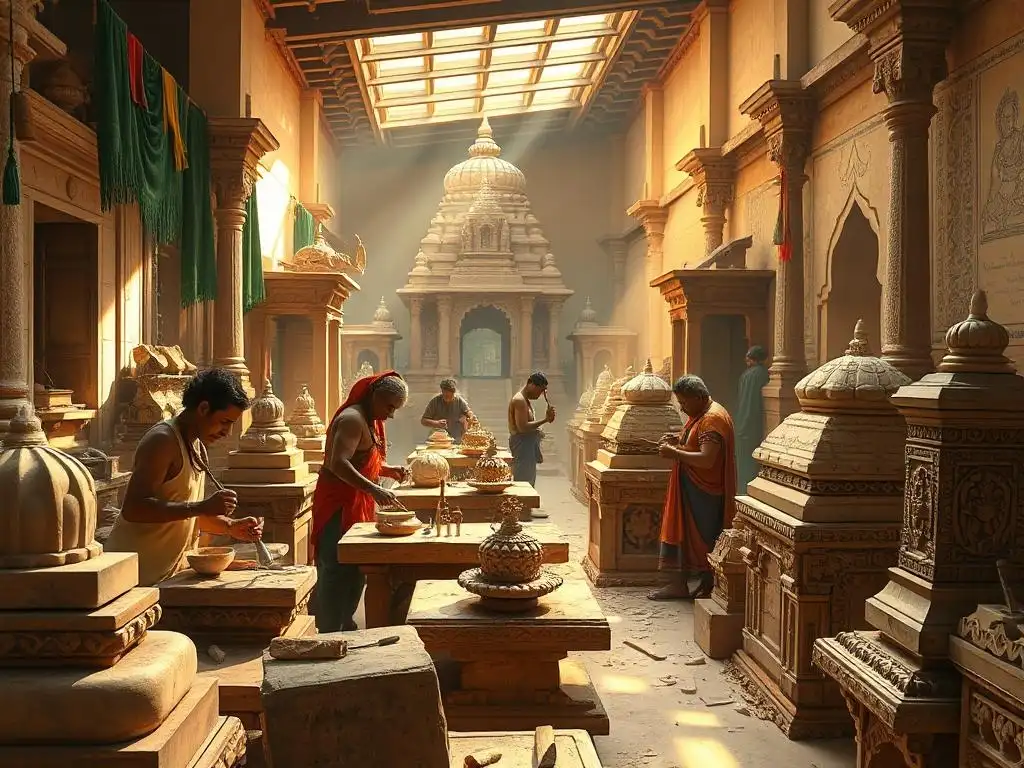
Welcome to Ancient India History, where we embark on a fascinating journey through time to uncover the rich tapestry of ancient Indian civilizations. Have you ever wondered about the skilled hands that shaped the breathtaking temples and intricate structures of this remarkable era? In our featured article, “Crafting the Perfect Temple: The Role of Artisans in Ancient Indian Architecture,” we delve into the world of artisans, exploring their vital contributions to architectural marvels from the Indus Valley to the Gupta Empire.
Join us as we unveil the stories behind the craftsmanship that defined an era and sparked innovations still admired today. Your adventure into the profound depths of ancient Indian art and culture begins here—dare to explore further!
- Introduction to Artisans in Ancient Indian Architecture
- Historical Context of Artisans in Ancient India
- Key Artisans and Their Specializations
- Techniques and Materials Used by Artisans
- Case Studies of Iconic Temples and Their Artisans
- The Influence of Artisans on Architectural Styles
- Challenges Faced by Artisans in Ancient India
- Legacy of Artisans in Ancient Indian Architecture
- Conclusion
-
Frequently Asked Questions
- What is the significance of artisans in ancient Indian architecture?
- How did the Indus Valley civilization influence artisanship?
- What materials did artisans commonly use in ancient Indian temples?
- How did the Gupta Empire affect the work of artisans?
- Are there any notable examples of artisans' contributions in ancient Indian architecture?
- Final Reflection: The Enduring Legacy of Artisans in Ancient Indian Architecture
- Unleash Your Inner Artisan: Explore Ancient Indian Architecture!
Introduction to Artisans in Ancient Indian Architecture
The history of ancient India is marked by a rich tapestry of artistic and architectural achievements, with temples standing as some of the most significant symbols of this heritage. The construction of these magnificent structures was not merely a mechanical endeavor; it was an intricate process that involved the skilled hands and creative minds of artisans. These craftsmen, often working in cooperative guilds, played a crucial role in translating architectural visions into reality.
Their expertise not only contributed to the physical form of the temples but also infused them with cultural, spiritual, and aesthetic significance. This article delves into the essential contributions of artisans in ancient Indian architecture, particularly focusing on their impact on temple construction, and explores the diverse architectural styles that emerged during this period.
Importance of Artisans in Temple Construction
Artisans were the backbone of temple construction in ancient India, bringing together a range of skills and knowledge to create architectural masterpieces. Their importance can be understood through various dimensions:
- Technical Skills: Artisans possessed specialized knowledge in various crafts such as stone carving, masonry, and metalworking. Their proficiency allowed for intricate designs and durable structures.
- Cultural Transmission: These craftsmen were often custodians of tradition, passing down techniques and styles through generations. This ensured that the cultural and religious significance of the structures was preserved.
- Collaboration and Guilds: Artisans typically worked in guilds, which fostered collaboration among different specialists. This collective effort enhanced the quality and creativity of the architectural output.
- Aesthetic Contribution: Beyond functionality, artisans infused temples with artistic elements, from elaborate carvings depicting mythological stories to vibrant frescoes. Their work enhanced the spiritual experience for worshippers.
Artisans were pivotal in shaping the architectural landscape of ancient India, ensuring that temples were not only places of worship but also embodiments of artistic excellence.
Overview of Ancient Indian Architectural Styles
Ancient Indian architecture is characterized by a variety of styles, each reflecting the cultural and regional diversities of the subcontinent. Understanding these styles provides insight into the craftsmanship of artisans and their contributions:
- Indus Valley Civilization: One of the earliest examples of urban planning and architecture, marked by well-structured cities like Harappa and Mohenjo-Daro. The use of baked bricks and drainage systems exemplifies advanced craftsmanship.
- Mauryan Architecture: Notable for its stone structures and stupas, such as the Great Stupa at Sanchi. Artisans during this period focused on grand scale and simplicity, emphasizing symmetry and harmony.
- Gupta Period: Often referred to as the Golden Age of India, this era saw the emergence of intricate temple architecture, including the use of shikhara (spire) and elaborate carvings. Temples like the Vishnu Temple at Deogarh showcase the artistry of this period.
- South Indian Temples: Characterized by towering gopurams (gateway towers) and detailed stone carvings, the Dravidian style represents a zenith in temple architecture. Temples like the Brihadeeswarar Temple at Thanjavur demonstrate the skill of artisans in creating monumental structures.
Through these styles, artisans not only constructed temples but also created lasting legacies that continue to inspire awe and reverence in contemporary society. Their craftsmanship remains a vital aspect of India's cultural heritage, reflecting the intricate relationship between art, architecture, and spirituality.
Historical Context of Artisans in Ancient India
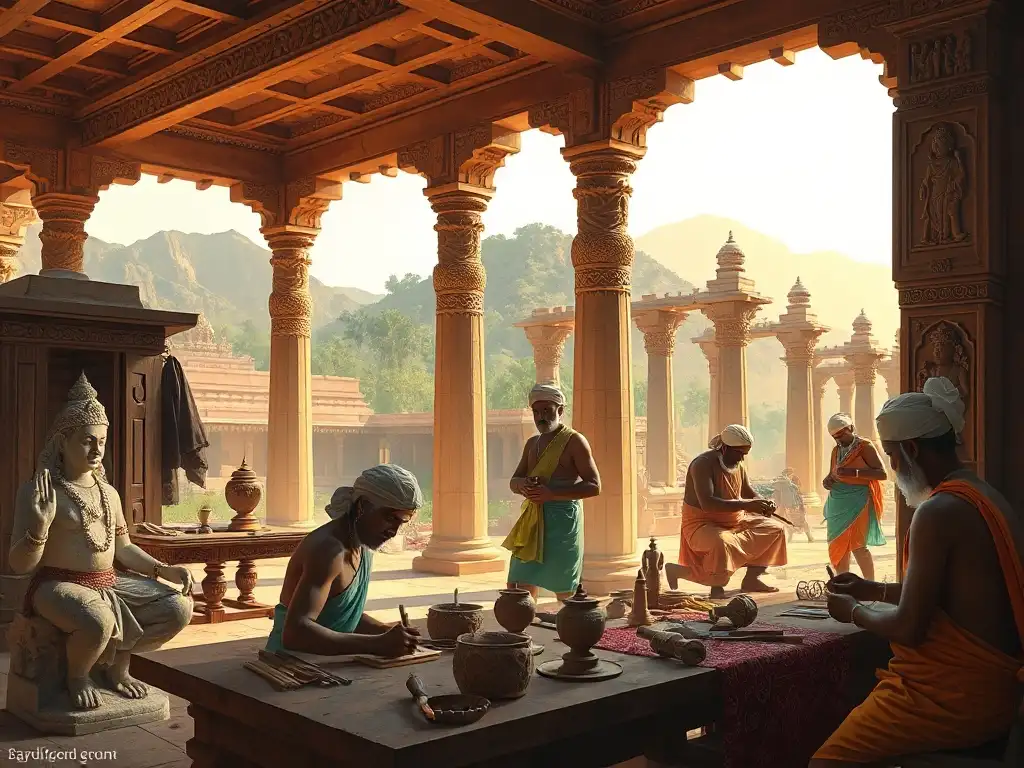
Artisans played a pivotal role in shaping the architectural landscape of ancient India. From the intricate carvings of the Indus Valley Civilization to the grand temples of the Gupta Empire, these skilled craftsmen were the backbone of architectural innovation. The history of artisans in ancient Indian architecture is deeply intertwined with the socio-economic and cultural dynamics of the time, reflecting the values, beliefs, and technological advancements of various civilizations.
Socio-Economic Structure of Ancient Indian Society
The socio-economic structure of ancient Indian society was complex and multifaceted, influencing the roles and status of artisans. Society was generally divided into four main varnas (social classes):
- Brahmins: Priests and scholars responsible for religious rituals and education.
- Kshatriyas: Warriors and rulers tasked with protecting and governing the land.
- Vaishyas: Merchants and landowners who contributed to the economy through trade and agriculture.
- Shudras: Laborers and service providers, including artisans, who formed the backbone of manual work and craftsmanship.
Artisans, often classified under the Shudra varna, held a vital yet underappreciated position within this hierarchy. Their expertise in various crafts—such as stone masonry, woodwork, metalwork, and textiles—was essential for the construction of temples, palaces, and public buildings. As such, artisans not only provided the practical skills needed for construction but also engaged in the creation of art that reflected the spiritual and cultural ethos of their time.
Economic Contributions of Artisans
- Employment: Artisans provided employment to a significant portion of the population, promoting economic stability within communities.
- Trade: They were involved in local and long-distance trade of their goods, contributing to the wealth of cities and regions.
- Cultural Exchange: The movement of artisans across regions facilitated cultural exchanges, leading to the fusion of styles and techniques.
Artisans were often organized into communities, where knowledge and skills were passed down through generations. This communal approach not only fostered a sense of identity but also ensured the continuation of traditional practices, which were crucial for the preservation of ancient Indian architectural styles.
Role of Guilds and Craftsmen in Architectural Development
Guilds, known as shrenis or panchayats, played a significant role in the development of architectural practices in ancient India. These associations of craftsmen were essential for regulating trade, setting standards, and providing training for new artisans.
Functions of Guilds
- Training and Apprenticeship: Guilds offered structured training programs, where apprentices learned under the guidance of experienced craftsmen. This system ensured the transmission of specialized skills and knowledge.
- Quality Control: Guilds maintained high standards of workmanship, which was crucial for architectural projects that required precision and artistry.
- Resource Pooling: By collaborating, artisans could pool resources for larger projects, such as temples, which often required a substantial investment of materials and labor.
Artisans within guilds were often involved in different specializations, allowing for a diverse range of skills to be brought together for monumental constructions. For example, the construction of a temple would involve:
- Stone Carvers: Creating intricate sculptures and reliefs.
- Masons: Assembling the structure with precision.
- Metalworkers: Crafting fixtures, idols, and decorative elements.
The collaborative nature of guilds not only fostered innovation in architectural techniques but also allowed artisans to experiment with new materials and styles, resulting in some of the most remarkable architectural achievements of ancient India.
The artisans in ancient Indian architecture were indispensable in shaping the built environment, reflecting the socio-economic dynamics and cultural richness of their societies. Through guilds and structured training, they honed their skills, leading to the creation of architectural marvels that still inspire awe today.
Key Artisans and Their Specializations
Stone Carvers: Crafting Intricate Details
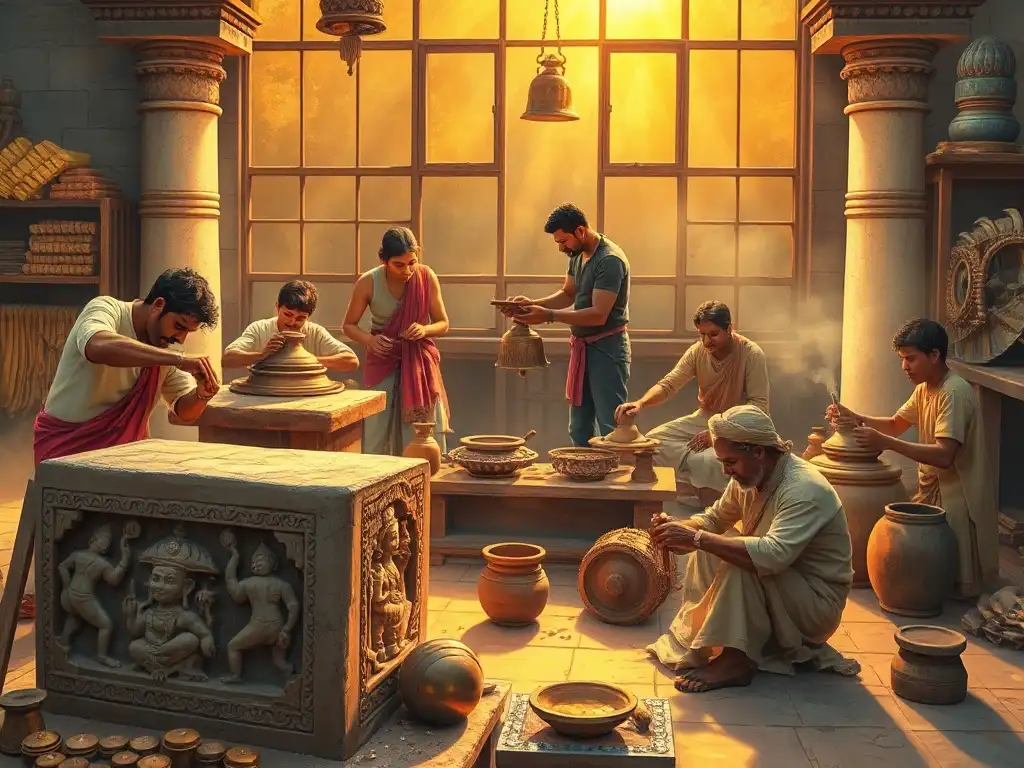
Stone carvers played an essential role in ancient Indian architecture, particularly in the construction of temples. Their expertise allowed for the creation of intricate sculptures and detailed reliefs that adorned temple facades and interiors. The precision and artistry of stone carving not only added aesthetic value but also conveyed religious narratives and cultural symbolism.
Techniques and Tools
Stone carvers employed various techniques to shape and embellish stones. Some of the most notable methods included:
- Chiseling: Using tools such as chisels and mallets, artisans could carve fine details and create elaborate designs.
- Polishing: After the carving process, stones were polished to achieve a smooth finish, enhancing their visual appeal.
- Inlay Work: This technique involved embedding semi-precious stones into the surface of the main stone, creating stunning visual contrasts.
The choice of stone was also crucial; granite, sandstone, and marble were commonly used due to their durability and availability. Each material offered distinct aesthetic qualities, influencing the overall look of the temple.
Metalworkers: Innovations in Temple Decorations
In addition to stone carvers, metalworkers contributed significantly to the embellishment of ancient temples. Their craftsmanship was pivotal in creating decorative elements such as door frames, statues, and intricate metalwork that enhanced the spiritual ambiance of these sacred spaces.
Craftsmanship and Techniques
Metalworkers employed various methods to create their masterpieces:
- Lost-Wax Casting: This technique allowed artisans to create detailed bronze sculptures by pouring molten metal into a wax mold. Once cooled, the wax was melted away, leaving behind a finely crafted statue.
- Repoussé: This method involved hammering metal from the reverse side to create raised designs, often used in decorative panels and relief work.
The use of metals like bronze, copper, and gold not only elevated the aesthetic quality of temple architecture but also reflected the wealth and devotion of the patrons who commissioned these works.
Masons: The Foundation of Ancient Structures
Masons were fundamental to the construction of ancient Indian temples, as they provided the crucial structural integrity needed for these monumental edifices. Their role involved not just building the walls, but also ensuring that the overall architectural design was both functional and harmonious with the surrounding environment.
Skills and Techniques
Masons utilized a variety of techniques to construct temples:
- Dry Stone Construction: This method involved stacking stones without the use of mortar, relying on precise cuts and weight distribution to create stable structures.
- Mortar-Based Construction: In later periods, masons began using mortar to bind stones together, allowing for greater flexibility in design and enhancing the durability of the structures.
Their understanding of geometry and proportion was essential in achieving the ideal temple layout, which often included multiple sanctums, halls, and courtyards, all meticulously aligned to cosmic principles.
The artisans in ancient Indian architecture, particularly stone carvers, metalworkers, and masons, each played a vital role in crafting the magnificent temples that stand as a testament to India’s rich architectural heritage. Their specialized skills not only reflect the technical expertise of the time but also the cultural and spiritual values embedded in these structures.
Techniques and Materials Used by Artisans
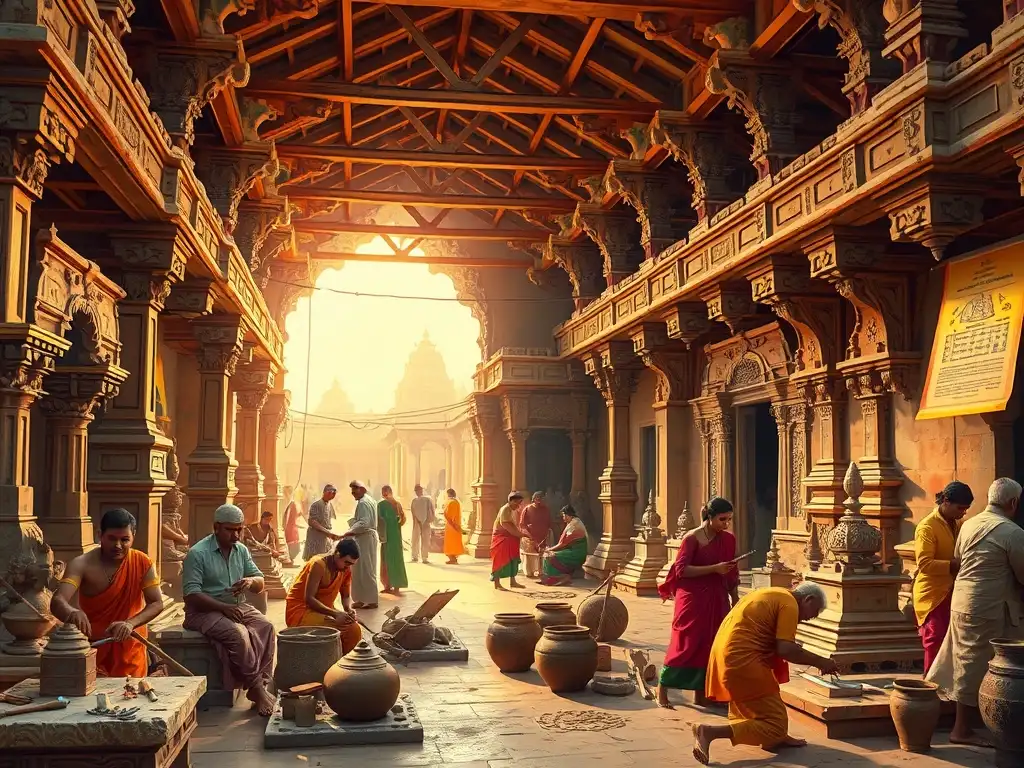
Artisans in ancient Indian architecture employed a variety of innovative techniques and materials that reflected their deep understanding of the environment, craftsmanship, and aesthetic principles. These artisans utilized their skills not only to create functional structures but also to imbue them with artistic and cultural significance. The combination of traditional tools, local materials, and specific techniques played a crucial role in the development of architectural marvels throughout ancient India.
Traditional Tools and Techniques in Ancient Indian Architecture
The tools and techniques used by artisans in ancient India were rooted in a rich tradition of craftsmanship. Among the key tools were:
- Chisels and Hammers: Essential for stone carving, chisels of various sizes allowed artisans to create intricate designs and details on stone surfaces. Hammers, often made from harder stone or metal, were used to drive the chisels into the material effectively.
- Wooden Templates and Scaffolding: Artisans often used wooden templates to ensure precision in their work, particularly in constructing arches and domes. Scaffolding made of bamboo or other local materials provided support during the building process.
- Plumb Lines and Levels: These tools helped artisans maintain straight lines and even surfaces, ensuring that structures were level and aesthetically pleasing.
The techniques employed included:
- Carving and Inlay Work: Artisans were skilled in both carving intricate patterns into stone and inlaying materials such as precious stones into walls, columns, and floors, enhancing the visual appeal of structures.
- Bricks and Mortar Techniques: The use of sun-dried bricks and carefully prepared mortar allowed for the construction of durable and stable buildings. Techniques such as corbel arching were employed to create large openings without the need for support columns.
- Vastu Shastra Principles: The ancient Indian practice of Vastu Shastra guided artisans in the orientation and layout of structures, emphasizing harmony with nature and spiritual balance.
Use of Local Materials and Their Significance
Local materials played a pivotal role in the architectural practices of ancient India. The choice of materials was often influenced by the region's geography and climate, as well as the cultural context. Key materials included:
- Stone: Various types of stone, such as granite, sandstone, and limestone, were commonly used. Each type had its unique properties and aesthetic qualities. For instance, the red sandstone of Rajasthan was favored for its rich color and workability, while the hard granite of South India was used for monumental temples.
- Clay and Brick: In regions where stone was scarce, artisans turned to clay and fired brick. The Indus Valley Civilization, for example, is renowned for its well-planned cities constructed with standardized baked bricks.
- Wood and Metal: Timber from local forests was utilized for structural components and decorative elements. Similarly, metals such as bronze and copper were used for fittings, sculptures, and roofing in some architectural styles.
The significance of these materials goes beyond mere function; they often carried cultural and spiritual meanings. For example, the use of sacred wood in temple construction symbolized life and growth, while the choice of stone could reflect the permanence of the divine.
| Material | Characteristics | Common Uses |
|---|---|---|
| Stone | Durable and varied in color and texture | Temples, forts, sculptures |
| Clay and Brick | Easy to mold and fire, allowing for standardization | Residential structures, city walls |
| Wood | Flexible and easily carved | Decorative elements, roofs |
| Metal | Strong and malleable | Fittings, sculptures, and roofing |
The artisans in ancient Indian architecture were not only skilled craftsmen but also cultural custodians who wove local materials and traditional techniques into the fabric of their creations. This blend of artistry and practicality has left a lasting legacy reflected in the architectural marvels that continue to inspire awe today.
Case Studies of Iconic Temples and Their Artisans
The Brihadeeswarar Temple: A Masterpiece of Chola Architecture
The Brihadeeswarar Temple, located in Thanjavur, Tamil Nadu, is a testament to the architectural brilliance of the Chola dynasty, completed in 1010 CE under the reign of Rajaraja Chola I. This temple is not just an architectural marvel; it is also a vivid representation of the artisans' skills during that era. The construction of the temple involved a large workforce comprising various artisans, each specializing in different crafts, demonstrating the collaborative spirit that characterized ancient Indian architecture.
Artisans and Their Crafts
The artisans who worked on the Brihadeeswarar Temple included:
- Stone Carvers: These skilled craftsmen were responsible for the intricate carvings that adorn the temple walls. The detailed sculptures depict deities, mythological scenes, and floral motifs, showcasing a high level of artistry.
- Masons: Expert masons played a crucial role in the construction of the temple's massive granite structure. They utilized locally sourced stones, ensuring both durability and aesthetic appeal.
- Metal Workers: The temple features impressive bronze sculptures, particularly the Nataraja (dancing Shiva), which were crafted by adept metal artisans. This bronze casting technique is a significant contribution to Indian metallurgy.
The temple's design incorporates a grand vimana (tower) that rises to 66 meters, making it one of the tallest in the world. The precise alignment and engineering of the structure reflect the advanced knowledge of the artisans in geometry and physics. The sheer scale of the temple, with its intricate decorations and monumental proportions, underscores the artisans' dedication and skill.
The Sun Temple at Konark: Engineering Marvels and Artisan Skills
Constructed in the 13th century CE, the Sun Temple at Konark, Odisha, is another iconic example of ancient Indian architecture that highlights the invaluable contributions of artisans. Designed in the shape of a gigantic chariot, the temple is dedicated to the Sun God, Surya. This architectural wonder is not only a religious site but also a masterpiece that showcases the ingenuity of the artisans involved in its creation.
Key Contributions of Artisans
The artisans of the Sun Temple at Konark were instrumental in the following aspects:
- Architectural Design: The temple was envisioned as a chariot with twelve pairs of wheels, symbolizing the passage of time. The design reflects a deep understanding of symmetry and balance, which were crucial to the artisans' planning and execution.
- Sculptural Work: The walls of the temple are adorned with thousands of intricate carvings, including celestial nymphs, animals, and mythological figures. These sculptures are a hallmark of the artisans’ creativity and technical proficiency.
- Astronomical Alignment: The temple is ingeniously aligned to allow the first rays of the sun to illuminate the main entrance at dawn. This sophisticated understanding of solar dynamics showcases the artisans' knowledge of astronomy and their ability to incorporate it into architectural design.
The Legacy of Konark Artisans
The artisans who built the Sun Temple at Konark left behind a legacy that continues to inspire contemporary architecture. Their innovative techniques in stone masonry and carving have been studied and revered over the centuries. The temple, a UNESCO World Heritage Site, not only stands as a place of worship but also as a monument to the artistic and engineering skills of ancient Indian artisans.
Both the Brihadeeswarar Temple and the Sun Temple at Konark exemplify the vital role that artisans played in shaping ancient Indian architecture. Their expertise, creativity, and collaboration resulted in structures that are not only architecturally significant but also rich in cultural and historical value. Through these case studies, we gain a deeper appreciation for the artisans in ancient Indian architecture and their enduring impact on the architectural landscape of India.
The Influence of Artisans on Architectural Styles
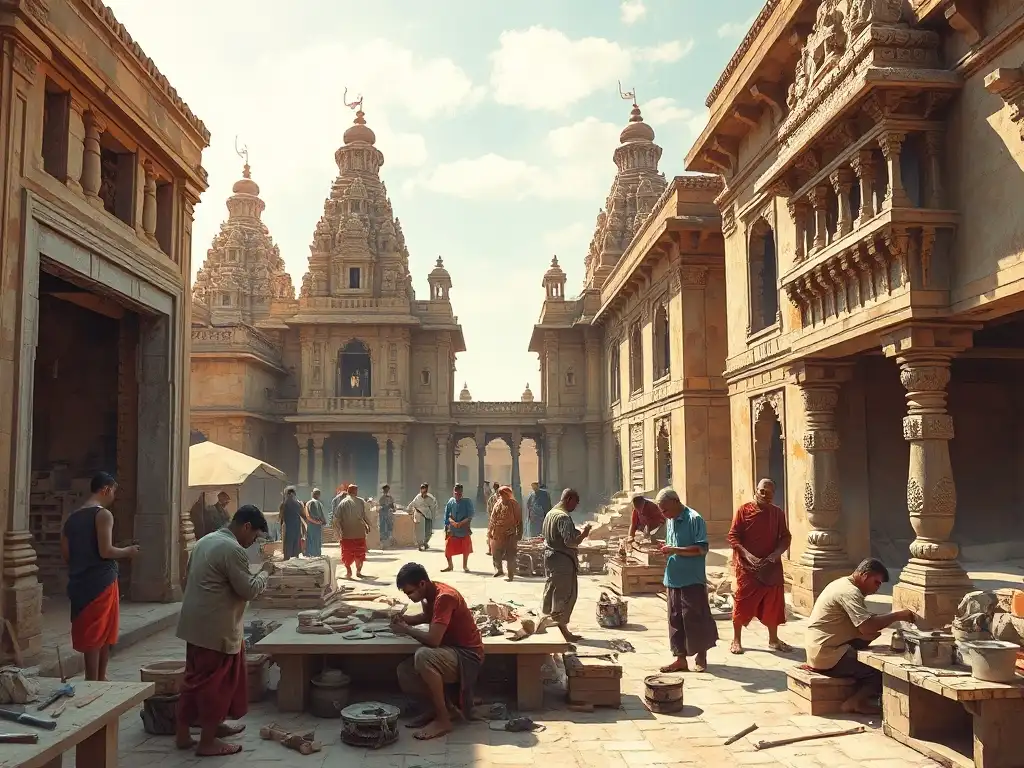
The role of artisans in ancient Indian architecture cannot be overstated, as they were the backbone of the construction processes and the creative minds behind many architectural styles. Their skills and techniques significantly influenced the evolution of diverse architectural forms across different regions and periods. Artisans not only executed the designs of buildings, temples, and other structures but also innovated and adapted styles to suit the cultural and religious contexts of their time.
Artisans were often organized into guilds, which facilitated the sharing of knowledge and techniques. These guilds played a crucial role in maintaining quality and tradition while also allowing for experimentation and the incorporation of new ideas. The collaborative nature of these guilds helped in the establishment of regional styles that reflected local materials, climate, and cultural practices.
Regional Variations in Artisanal Techniques and Styles
The diversity of ancient Indian architecture can be attributed to the regional variations in artisanal techniques and styles. Each region developed its unique architectural identity, influenced by local resources, climatic conditions, and cultural influences. Here are some notable examples:
- North India:
- The use of red sandstone and marble became prominent during the reign of the Mughal Empire, characterized by intricate inlay work and ornate carvings.
- Temples in this region often featured shikharas (spires) and elaborate sculptures, exemplified by the temples of Khajuraho.
- South India:
- Dravidian architecture is marked by towering gopurams (gateway towers) and massive temple complexes, with artisans utilizing granite and laterite extensively.
- The Brihadeeswarar Temple in Thanjavur exemplifies the grandeur of this style, combining functionality with intricate sculptures.
- Eastern India:
- The temples of Odisha showcase the Kalinga style, with curvilinear towers and detailed relief work.
- The Sun Temple at Konark is a prime example of artisans' skill in creating a monument that is both structurally sound and artistically rich.
- Western India:
- The fusion of Jain and Hindu architectural styles is notable in the temples of Gujarat and Rajasthan, where artisans demonstrated exceptional craftsmanship in marble and stone carvings.
- The Dilwara Temples in Mount Abu are renowned for their exquisite marble inlay and intricate ornamentation.
The Transition of Styles from the Indus Valley to the Gupta Period
The transition of architectural styles from the Indus Valley civilization to the Gupta period reveals a remarkable evolution influenced by changing social, religious, and political contexts.
- Indus Valley Civilization (c. 3300–1300 BCE):
- Characterized by urban planning and advanced drainage systems, temples were relatively simple and constructed from brick.
- The Great Bath at Mohenjo-Daro is a notable example, highlighting the civilization's emphasis on ritualistic practices.
- Mauryan Period (c. 322–185 BCE):
- With the rise of Buddhism, stupas became prominent, showcasing a shift towards religious architecture.
- The Sanchi Stupa, with its hemispherical dome and richly carved gateways, reflects the artisans' adaptation of styles to accommodate new religious practices.
- Post-Mauryan to Gupta Period (c. 240 CE–550 CE):
- The Gupta period signified a golden age of art and architecture, with artisans employing more elaborate designs and intricate sculptures.
- Temples began to feature a more pronounced verticality with shikharas, and the use of stone as a primary material became more widespread.
- The Dashavatara Temple in Deogarh illustrates this transition with its sophisticated iconography and architectural innovations.
Artisans in ancient Indian architecture were instrumental in shaping the cultural landscape through their craftsmanship. Their adaptation of techniques and materials over time illustrates the dynamic nature of architectural evolution in ancient India, ultimately contributing to a rich tapestry of styles that continues to inspire modern architecture today.
Challenges Faced by Artisans in Ancient India
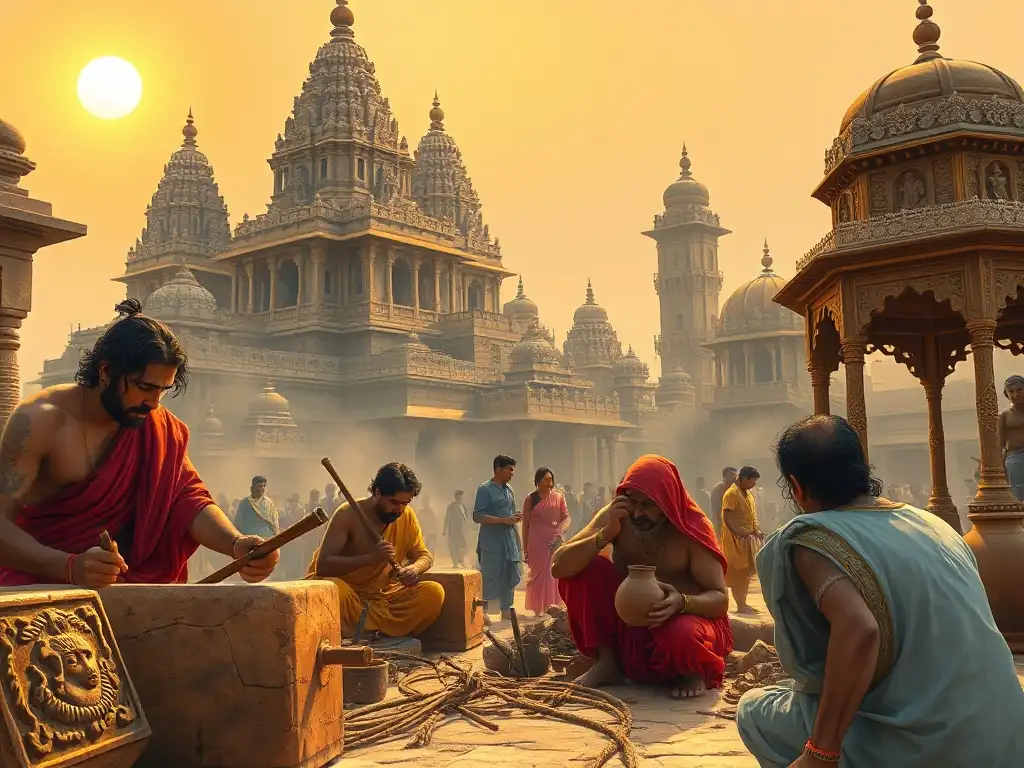
Artisans in ancient India played a crucial role in the development of architectural marvels, yet they faced numerous challenges that impacted their craftsmanship and the preservation of their traditions. Understanding these challenges provides insight into the resilience and adaptability of these skilled individuals who shaped the cultural landscape of ancient Indian architecture.
Economic and Political Factors Affecting Craftsmanship
The economic environment and political landscape of ancient India were significant factors influencing artisans' work and livelihoods. Artisans often depended on the patronage of kings, temples, and wealthy merchants for their survival. This relationship created a dependency that could lead to instability.
- Patronage System: Artisans relied heavily on royal patronage, which meant that their work was often dictated by the whims and preferences of the rulers. Changes in leadership or political instability could result in the loss of commissions, making it difficult for artisans to sustain their craft.
- Resource Availability: The availability of materials such as stone, timber, and metals varied significantly across regions. In areas where resources were scarce, artisans faced challenges in sourcing quality materials for their projects. This limited their ability to innovate and produce intricate designs.
- Economic Shifts: Periods of economic downturn or famine impacted the demand for architectural projects. During such times, artisans often faced unemployment or were forced to accept lower wages, affecting the quality and ambition of their work.
- Guild Restrictions: Many artisans belonged to guilds that regulated their practices and the quality of their work. While these guilds provided a support system, they could also stifle creativity and innovation by enforcing rigid standards and practices.
The Impact of Invaders on Artisan Traditions
Throughout ancient Indian history, the subcontinent experienced a series of invasions that profoundly affected the artisan community and their architectural practices.
- Cultural Disruption: Invaders often brought their own architectural styles and techniques, which could overshadow local traditions. This cultural disruption led to the erosion of indigenous craftsmanship as artisans were compelled to adapt or abandon their traditional practices.
- Destruction of Sites: Many temples and monuments were destroyed during invasions, leading to a significant loss of heritage. Artisans not only lost their places of work but also their artistic legacy, as unique styles were obliterated.
- Forced Migration: In the wake of invasions, many artisans were forced to flee their homeland, taking their skills with them. This migration sometimes led to the establishment of new centers of craftsmanship, where artisans could continue their work, albeit under different cultural influences.
- Integration of Styles: While invasions posed challenges, they also resulted in the fusion of artistic styles. This integration led to the emergence of new architectural forms, reflecting a blend of indigenous and foreign influences. Some artisans successfully adapted these influences, thereby enriching the architectural landscape of ancient India.
The challenges faced by artisans in ancient India were multifaceted, encompassing economic, political, and cultural dimensions. Their ability to navigate these challenges not only highlights their resilience but also underscores the dynamic nature of ancient Indian architecture, which was shaped by both adversity and innovation.
Legacy of Artisans in Ancient Indian Architecture
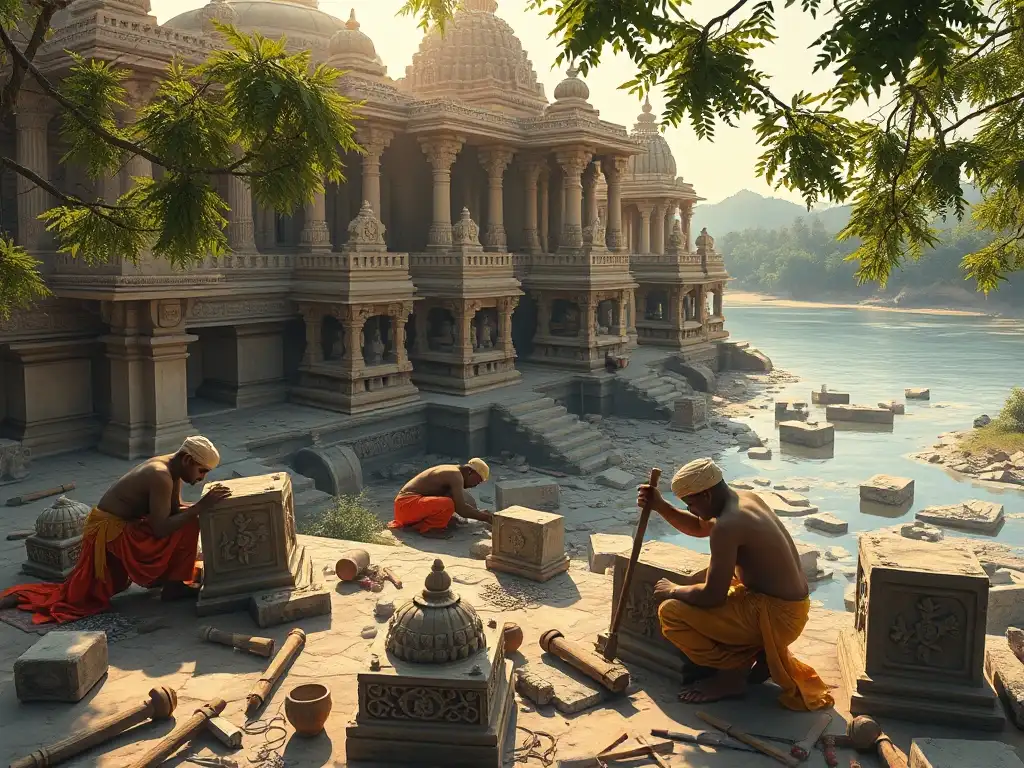
The legacy of artisans in ancient Indian architecture is a testament to the intricate craftsmanship and profound aesthetic sensibilities that shaped the monumental structures of the time. These skilled workers were not merely builders; they were artists, engineers, and cultural custodians who infused spirituality and cultural narratives into the very fabric of the architectural landscape.
Preservation of Traditional Techniques in Modern India
The traditional techniques employed by ancient artisans are crucial to understanding the evolution of architecture in India. Many of these techniques, such as stone carving, temple construction methods, and the use of local materials, have been preserved and adapted in contemporary practices. For instance:
- Stone Carving: Ancient Indian artisans were adept at intricately carving stone, creating detailed sculptures that adorned temples. This technique has been preserved in regions like Rajasthan and Karnataka, where artisans continue to practice traditional stone carving methods.
- Temple Construction Methods: The use of interlocking stones without mortar, as seen in many ancient temples, is still practiced in some parts of India. This method not only ensures durability but also allows for aesthetic flexibility in design.
- Local Material Usage: The preference for locally sourced materials, such as granite and sandstone, remains a hallmark of modern architecture in India. This practice not only supports local economies but also maintains the regional identity in architecture.
The preservation of these techniques is vital not only for historical continuity but also for fostering a sense of pride in cultural heritage. Institutions and craftsmen are increasingly engaged in workshops and training programs aimed at reviving these traditional skills, ensuring that the artistry of ancient artisans is not lost to time.
Influence of Ancient Artisans on Contemporary Architecture
The influence of ancient artisans extends beyond mere techniques; their philosophies and design principles continue to inspire contemporary architects. Here are several ways this influence manifests in modern architecture:
- Integration with Nature: Ancient Indian architecture often emphasized harmony with the surrounding environment. Modern architects, influenced by this principle, strive to create buildings that blend seamlessly with natural landscapes, utilizing sustainable practices to minimize environmental impact.
- Symbolism and Spirituality: The rich symbolism embedded in ancient architectural designs—such as the significance of mandapas (pillared halls) and shikhara (tower)—finds echoes in contemporary structures that aim to evoke spirituality and cultural significance. This approach is evident in modern temples and community centers that seek to reflect the ethos of their surroundings.
- Adaptation of Styles: The diverse architectural styles that emerged from different regions in ancient India, such as Dravidian, Nagara, and Vesara, continue to inspire architects today. Many modern buildings incorporate elements from these styles, creating a fusion that respects tradition while embracing innovation.
- Community-Centric Design: Ancient artisans often worked within a community context, involving local stakeholders in the design and construction process. This communal approach is being revived in contemporary architecture, where participatory design methods are increasingly valued.
The artisans of ancient India left an indelible mark on the architectural heritage of the subcontinent. Their techniques, philosophies, and artistic sensibilities not only shaped the temples and structures of their time but also continue to resonate in the practices of modern architects, creating a vibrant dialogue between the past and the present. The legacy of these artisans is not just a relic of history; it is a living tradition that inspires new generations to appreciate and innovate upon the artistic foundations laid centuries ago.
Conclusion
The Enduring Impact of Artisans in Ancient Indian Architecture
The artisans in ancient Indian architecture played an instrumental role in shaping the aesthetic, functional, and spiritual dimensions of the structures that we now regard as architectural marvels. Their craftsmanship not only reflected the artistic trends of their time but also served as a vital link between the divine and the earthly realms.
Key Contributions of Artisans:
- Material Mastery: Artisans expertly utilized local materials such as stone, brick, and wood to create enduring structures. Their knowledge of material properties allowed them to construct temples and palaces that have withstood the test of time.
- Innovative Techniques: From intricate stone carvings to complex masonry, artisans employed techniques that showcased their skills. The precision in the alignment of stones and the detailing in carvings exemplified their dedication and expertise.
- Symbolic Representation: Many artisans incorporated symbolic motifs into their designs, linking architecture to mythological narratives and religious beliefs. This not only enhanced the visual appeal but also served as a storytelling medium for future generations.
The legacy of these artisans can still be seen in contemporary Indian architecture, where traditional techniques and designs continue to influence modern builders and craftsmen. Their ability to blend functionality with artistic expression has left an indelible mark on the cultural landscape of India.
Reflection on the Cultural Significance of Artisans in Historical Context
Artisans were not merely builders; they were the custodians of tradition and culture. In ancient India, the role of artisans transcended the physical act of construction. They were often seen as spiritual guides, deeply connected to the rituals and beliefs that surrounded the creation of sacred spaces.
Cultural Aspects Influenced by Artisans:
- Community Identity: Skilled artisans often belonged to specific guilds or families, fostering a strong sense of community and continuity. Their work became a source of pride for local populations and contributed to regional identities.
- Transmission of Knowledge: Through apprenticeship and oral traditions, artisans passed down their skills and knowledge across generations. This transmission ensured that techniques and styles evolved while maintaining a connection to their historical roots.
- Integration of Philosophy: The philosophies of various Indian schools of thought, such as Vaastu Shastra, influenced the design and construction processes. Artisans incorporated these principles into their work, ensuring that each structure resonated with the spiritual and philosophical ideals of the time.
The artisans in ancient Indian architecture played a pivotal role in shaping the cultural and spiritual heritage of the subcontinent. Their contributions are a testament to the intricate relationship between art, architecture, and philosophy, highlighting the profound impact they had on the society of their time. Their legacy continues to inspire and inform contemporary architectural practices, underscoring the enduring significance of artisanship in the fabric of Indian history.
Frequently Asked Questions
What is the significance of artisans in ancient Indian architecture?
Artisans played a crucial role in shaping ancient Indian architecture by employing their specialized skills in carving, masonry, and decoration, which contributed to the aesthetic and structural integrity of temples.
How did the Indus Valley civilization influence artisanship?
The Indus Valley civilization showcased advanced techniques in urban planning and craftsmanship, laying the groundwork for future artisans to develop complex architectural styles and innovations in ancient India.
What materials did artisans commonly use in ancient Indian temples?
Artisans primarily used local materials such as stone, wood, and brick to construct temples. They also incorporated ornamental elements like intricate carvings and sculptures, highlighting their artistic skills.
How did the Gupta Empire affect the work of artisans?
During the Gupta Empire, there was a resurgence in art and architecture, which encouraged artisans to explore new styles and techniques, leading to the creation of iconic structures like the Ajanta and Ellora caves.
Are there any notable examples of artisans' contributions in ancient Indian architecture?
Yes, notable examples include the Khajuraho temples and the Sun Temple at Konark. These structures exemplify the mastery of artisans in blending religious themes with architectural grandeur.
Final Reflection: The Enduring Legacy of Artisans in Ancient Indian Architecture
The intricate artistry and unparalleled craftsmanship of artisans in ancient Indian architecture continue to resonate in today's world, reminding us of the profound impact that skilled hands and creative minds can have on culture and society. As we explore the architectural marvels of ancient India, we uncover not only the physical structures but also the stories, traditions, and innovations that shaped them. These artisans were not merely builders; they were visionaries who transformed stone into sacred spaces, leaving a legacy that transcends time.
The influence of these artisans extends far beyond the temples and monuments they created; it permeates our cultural identity and collective memory. The meticulous attention to detail and the spiritual significance embedded in their work serve as a testament to the values and beliefs of their time. Their craftsmanship has inspired generations of artists and architects, fostering a deep appreciation for the intersection of art and spirituality. Art is the most beautiful of all lies.
– Claude Debussy. This quote encapsulates the essence of how these artisans transformed mere materials into extraordinary expressions of devotion and creativity.
As we reflect on the lessons from the past, let us carry forward the spirit of these artisans in our own lives. Consider how you can infuse creativity and dedication into your daily endeavors, whether in your profession, hobbies, or personal relationships. Embrace the idea that every act of creation, no matter how small, contributes to the tapestry of our shared human experience. By honoring the legacy of artisans in ancient Indian architecture, we not only celebrate their achievements but also inspire ourselves to craft our own masterpieces in the world.
Unleash Your Inner Artisan: Explore Ancient Indian Architecture!
Thank you for taking the time to delve into the fascinating world of ancient Indian architecture! You’ve uncovered the vital role of artisans and their incredible skills that shaped mesmerizing temples throughout history. Now, it’s time to transform that knowledge into action!
Here’s how you can dive deeper and connect with this rich heritage:
- Visit a local museum or historical site that showcases ancient Indian architecture; engaging with artifacts and structures can ignite your imagination.
- Join a workshop to learn traditional crafts and techniques firsthand—experience the artistry that has stood the test of time!
- Share your newfound insights with friends and family or on social media. Discuss the significance of artisans in preserving our cultural legacies.
What aspect of ancient artisanship excites you the most, and how might you incorporate that influence into your life today?