
The Enriching Role of Storytelling in Celebrating Indian Traditions

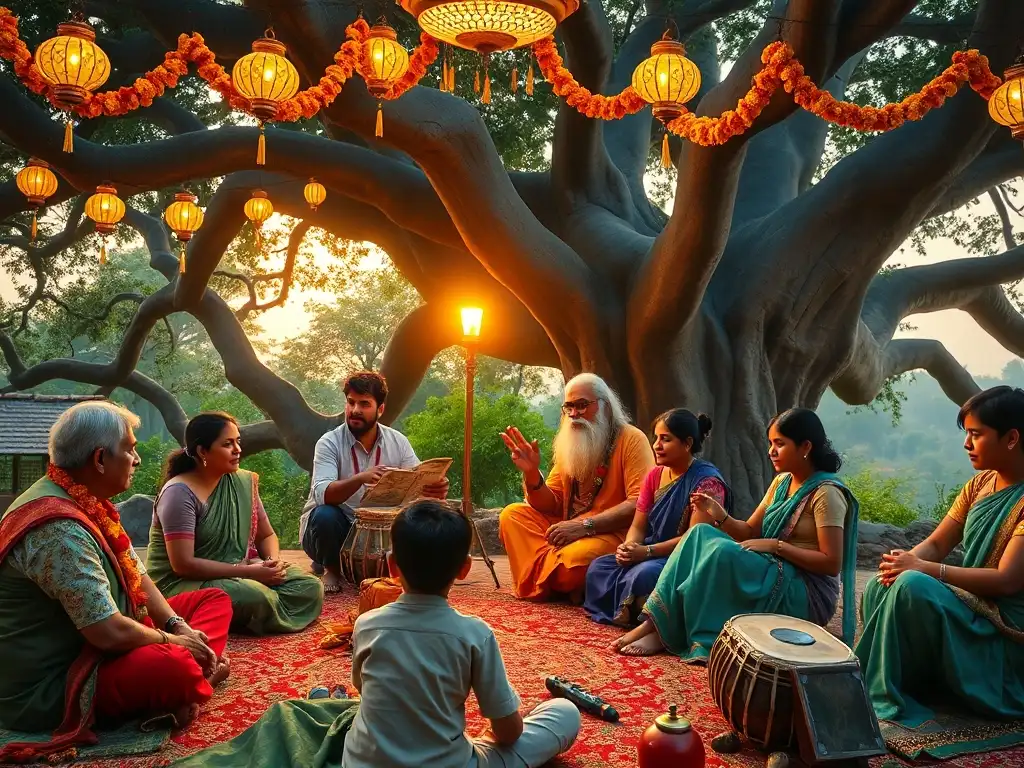
Welcome to Ancient India History, where we invite you to embark on a journey through the captivating tapestry of India's past. Dive deep into the rich and diverse history, culture, and contributions of ancient Indian civilizations, from the awe-inspiring Indus Valley to the remarkable Gupta Empire. In our featured article, "The Enriching Role of Storytelling in Celebrating Indian Traditions," we explore the profound impact of storytelling in Indian culture—a practice that not only preserves traditions but also connects generations.
Prepare to uncover the vibrant narratives that have shaped Indian identity and sparked curiosity for centuries. Continue reading to discover how these enchanting tales still resonate in today's festivals and traditions!
Introduction to Storytelling in Indian Culture
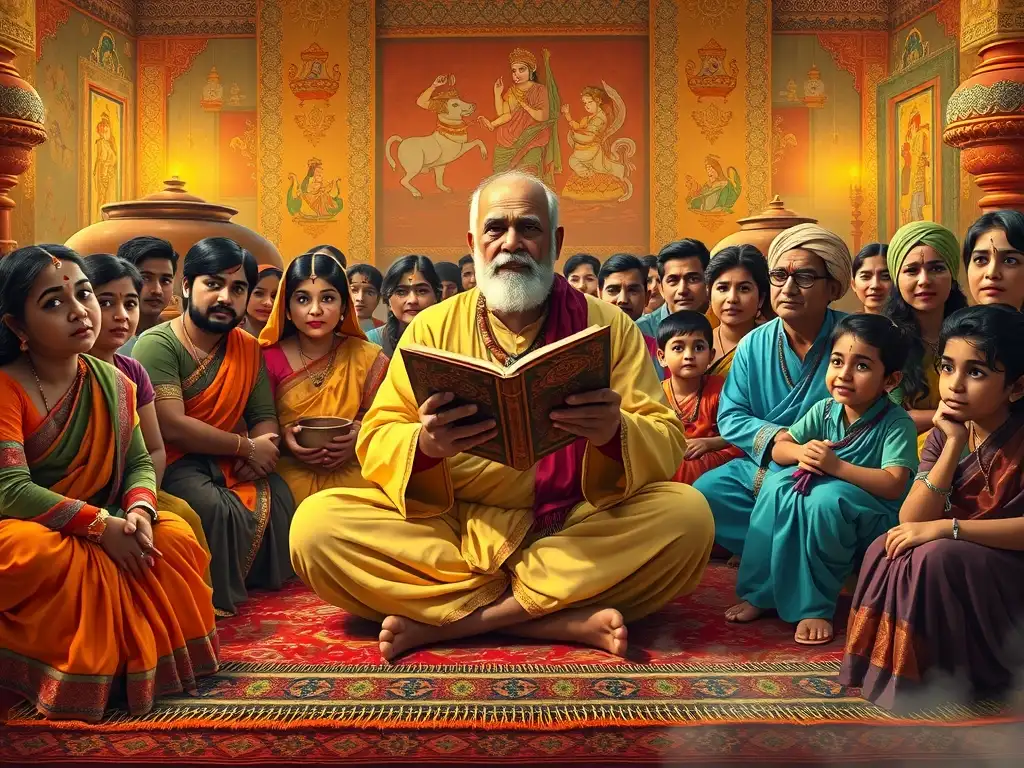
Storytelling in Indian culture is a profound and time-honored tradition that serves as a vital thread woven into the fabric of the country's diverse heritage. From the ancient epics of the Mahabharata and Ramayana to the folk tales shared in village gatherings, storytelling has been a means of preserving history, imparting moral lessons, and fostering a sense of community.
This oral tradition not only entertains but also educates, allowing the wisdom of the past to resonate with successive generations. As we delve into the role of storytelling in celebrating Indian traditions, we uncover its significance in shaping identity, culture, and values within society.
Definition of Storytelling in Indian Traditions
Storytelling, or Kahani Sunana, is a dynamic art form that encompasses various styles, from epic narratives to short folktales. It is characterized by its ability to blend myth, folklore, history, and morality, creating a rich tapestry of narratives that reflect the ethos of Indian society. In this context, storytelling is not merely a form of entertainment; it is a means of transmitting knowledge and cultural values from one generation to the next.
Key elements that define storytelling in Indian traditions include:
- Orality: The spoken word forms the basis of storytelling, often accompanied by gestures and expressions.
- Cultural Context: Stories are often rooted in specific cultural and regional contexts, reflecting local customs and traditions.
- Moral Lessons: Many stories convey moral or ethical lessons, reinforcing societal values.
Importance of Storytelling in Cultural Heritage
The significance of storytelling in Indian culture extends beyond mere narration; it plays a crucial role in maintaining cultural heritage. Through storytelling, communities are able to:
- Preserve History: Narratives capture historical events, ensuring that the past is remembered and learned from.
- Foster Identity: Stories contribute to a shared sense of identity among individuals within a culture, reinforcing belonging and unity.
- Encourage Dialogue: Storytelling facilitates discussions about values, beliefs, and societal issues, promoting critical thinking and reflection.
Historical Context of Storytelling in India
Understanding the historical context of storytelling in India allows us to appreciate its evolution and ongoing relevance in contemporary society.
Origins of Storytelling in Ancient India
The roots of storytelling in India can be traced back to ancient civilizations, particularly during the Vedic period, where oral traditions flourished. The Vedas, which are among the oldest sacred texts, were transmitted orally, encapsulating spiritual teachings and historical narratives. Additionally, the Puranas and Itihasas (epic histories) played a pivotal role in shaping the storytelling landscape, providing foundational myths and legends that continue to influence Indian culture today.
Key features of ancient storytelling include:
- Ritualistic Elements: Stories were often integrated into religious and ritual practices, enhancing their significance.
- Performance Art: Storytelling was performed by bards and singers, making it a communal experience that engaged the audience.
Evolution of Storytelling Practices through the Ages
As Indian civilization progressed, storytelling practices evolved, adapting to changing socio-political landscapes and cultural exchanges. The medieval period saw the emergence of various regional storytelling forms, such as Kathak, Yakshagana, and Nautanki, each reflecting local traditions and narratives.
In modern times, storytelling has transcended its traditional roots, incorporating contemporary themes and mediums, such as:
- Literature and Theater: Writers like R.K. Narayan and Vikram Seth have enriched Indian literature with storytelling.
- Digital Media: The rise of technology has introduced new platforms for storytelling, including podcasts, films, and social media, expanding its reach and impact.
Through these transformations, storytelling in Indian culture remains a testament to resilience and adaptability, preserving the essence of tradition while embracing the future.
Types of Storytelling in Indian Culture
Storytelling in Indian culture is a vibrant tapestry woven from various threads of tradition, history, and social values. It manifests in numerous forms, each reflecting the diverse regional and cultural nuances of India. The richness of storytelling is not just confined to literature; it spills over into oral traditions, performances, and visual arts. This multiplicity of storytelling methods ensures that stories not only entertain but also educate and inspire generations.
Oral Traditions and Folklore
Oral traditions are perhaps the most ancient form of storytelling in India, serving as a vital means of preserving history and culture. These narratives are often passed down through generations, evolving with each retelling. Folk tales, myths, and legends are shared in community gatherings, festivals, and family settings, allowing for an interactive experience between the storyteller and the audience.
Some prominent examples of oral traditions include:
- Folk Tales: Stories like the Panchatantra and Jataka tales impart moral lessons through animal characters and fables.
- Ballads: Narratives sung by folk musicians often recount the lives of local heroes or historical events, such as the ballads of the Rajputs.
- Storytelling through Dance and Music: Forms like Kathakali and Yakshagana combine storytelling with elaborate performances, where gestures and expressions narrate the story.
Through these oral traditions, the community not only preserves its cultural heritage but also fosters a sense of identity and belonging.
Mythology and Its Role in Storytelling
Mythology occupies a central place in Indian storytelling, with epics like the Mahabharata and Ramayana serving as monumental texts that explore themes of duty, righteousness, and the human condition. These myths provide a framework for understanding moral dilemmas and societal values.
The role of mythology in storytelling can be seen in various ways:
- Symbolism: Characters and events in myths often symbolize larger concepts, such as good versus evil, making them relatable and relevant across ages.
- Cultural Identity: Myths help in shaping cultural identity by connecting individuals to their roots and traditions. They are often invoked during significant life events, such as weddings and religious ceremonies.
- Moral Lessons: The narratives embedded in mythology often convey ethical teachings, making them a crucial aspect of education in Indian culture.
Thus, mythology not only enriches storytelling but also serves as a conduit for communicating essential life lessons and values.
Modern Adaptations of Traditional Stories
In contemporary times, traditional stories have found new expressions through various mediums, including literature, cinema, and digital platforms. Authors and filmmakers are reinterpreting age-old narratives, making them accessible to modern audiences while retaining their core essence.
Some notable adaptations include:
- Literature: Writers like Devdutt Pattanaik have reimagined mythological tales in a way that resonates with today's societal issues.
- Cinema: Films such as "Baahubali" draw heavily on mythological themes and stories, captivating audiences with grand visuals and narratives.
- Digital Storytelling: Platforms like podcasts and social media have opened new avenues for storytelling, allowing artists to connect with a global audience.
These modern adaptations ensure that the rich tradition of storytelling remains alive and relevant, continually evolving to reflect contemporary themes and concerns.
The Significance of Storytelling in Celebrating Festivals
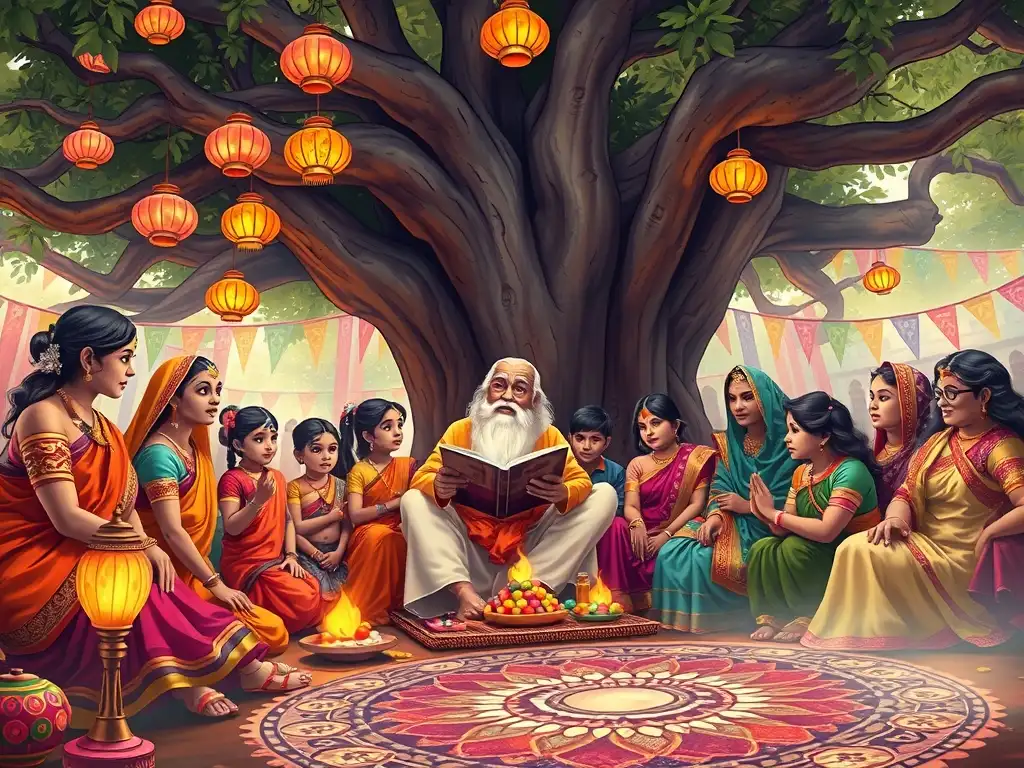
Storytelling plays a vital role in Indian festivals, where it serves not only as entertainment but also as a means of cultural expression and community bonding. Festivals such as Diwali, Holi, and Navratri are often accompanied by various storytelling forms, enhancing the celebratory experience.
Storytelling as a Medium of Cultural Transmission
Through storytelling, festivals become a living repository of cultural knowledge. They transmit values, beliefs, and traditions from one generation to another, ensuring that cultural heritage is preserved. Storytelling acts as a bridge connecting the past with the present, enriching the festival experience by:
- Educating: Stories shared during festivals often explain the historical significance behind the celebration, instilling a sense of pride in cultural heritage.
- Engaging Communities: Storytelling fosters community engagement, bringing people together to share experiences and learn from one another.
- Encouraging Participation: Interactive storytelling during festivals invites audience participation, making them active contributors to the cultural narrative.
Thus, storytelling is a fundamental aspect of festivals, enhancing their significance and ensuring the continuity of cultural practices.
Examples of Festivals Featuring Storytelling
Numerous Indian festivals prominently feature storytelling as a key element. Some of the notable examples include:
- Ram Navami: Celebrated to mark the birth of Lord Rama, this festival often includes recitations from the Ramayana, where narrators recount the epic's significant events.
- Durga Puja: This festival celebrates the goddess Durga's victory over the buffalo demon Mahishasura. Storytelling is integral, as performances like the "Dhak" and "Dhunuchi Naach" narrate the mythological stories associated with the goddess.
- Pongal: As part of this harvest festival in Tamil Nadu, traditional folklore is shared, celebrating the agricultural heritage and the significance of the harvest season.
These festivals illustrate how storytelling not only enriches the celebratory atmosphere but also reinforces cultural ties, ensuring that the essence of Indian traditions continues to thrive.
How Storytelling Enhances Cultural Identity
Storytelling serves as a vital link that connects individuals and communities to their heritage, providing a framework through which cultural identity is expressed and celebrated. In Indian culture, storytelling is not merely a form of entertainment; it is a means of passing down traditions, beliefs, and values from one generation to the next. The rich tapestry of stories, myths, and legends that characterize Indian culture plays a crucial role in shaping collective identities, fostering a sense of belonging, and instilling pride in one’s roots.
Through narratives that encompass the vast diversity of Indian history, including tales from the Vedas, epics like the Mahabharata and Ramayana, and regional folklore, storytelling becomes a vehicle for cultural expression. These stories often reflect the values and ideals of the community, serving to reinforce social norms and expectations. As individuals engage with these narratives, they internalize their cultural significance, which in turn strengthens their connection to their identity and heritage.
Building Community through Shared Stories
Shared stories bring people together, creating a sense of community and camaraderie among individuals. In India, storytelling often occurs in communal settings, such as family gatherings, festivals, and public events. This collective experience fosters relationships and encourages dialogue, allowing individuals to connect over shared narratives and experiences.
For example, during festivals like Diwali and Holi, storytelling takes center stage, where tales of gods and goddesses, triumphs of good over evil, and the significance of these celebrations are recounted. This not only reinforces communal bonds but also enhances the understanding of cultural values and practices.
Moreover, storytelling encourages intergenerational dialogue, as elders pass down stories to the younger generations. This exchange not only preserves the narratives but also strengthens family ties, as individuals share their personal experiences and interpretations of these stories. In this manner, storytelling acts as a catalyst for community building, fostering unity and mutual respect among diverse groups.
Storytelling and Its Role in Preserving Languages
In a linguistically diverse country like India, storytelling plays a crucial role in preserving regional languages and dialects. Oral traditions, where stories are transmitted verbally, ensure that languages are kept alive and evolve through generations. These narratives often incorporate idiomatic expressions, proverbs, and unique linguistic features, reflecting the distinctiveness of each language.
For instance, regional storytelling traditions, such as the "Kahani" in Hindi or the "Lok Kathayein" in various local dialects, serve as repositories of linguistic heritage. By engaging with these stories, speakers of these languages not only maintain their linguistic identity but also ensure that the nuances and richness of their language are appreciated and understood.
Furthermore, storytelling can bridge the gap between generations, allowing younger speakers to connect with their linguistic roots. As children listen to stories in their native tongues, they learn vocabulary, pronunciation, and syntax in a contextual manner, which enhances their language skills and promotes fluency. Consequently, storytelling becomes instrumental in the preservation and revitalization of languages within Indian culture.
The Impact of Storytelling on Younger Generations
Storytelling has a profound impact on shaping the values, beliefs, and worldviews of younger generations. It serves as a powerful educational tool that imparts lessons and morals while simultaneously entertaining and engaging children. As stories unfold, they capture the imagination of youth, allowing them to explore diverse perspectives and experiences.
Teaching Values and Morals through Stories
One of the fundamental roles of storytelling in Indian culture is to teach values and morals. Narratives often convey important lessons about honesty, bravery, compassion, and respect for elders, which are integral to Indian societal norms. For instance, fables featuring animals or mythological figures often conclude with a moral that encourages ethical behavior and critical thinking.
Stories like the Panchatantra not only entertain children but also impart wisdom on navigating life's challenges. Through relatable characters and scenarios, children learn the significance of making wise choices and understanding the consequences of their actions. This moral education is crucial in fostering responsible citizens who respect cultural values and contribute positively to society.
Engaging the Youth in Cultural Practices
In addition to imparting values, storytelling actively engages youth in cultural practices, fostering a sense of pride and identity. Through participation in storytelling events, theatre, or traditional dance performances that incorporate narratives, young individuals become active contributors to their cultural heritage.
Programs that encourage storytelling, such as school competitions or community storytelling festivals, allow youth to connect with their roots while developing their communication skills. By sharing their interpretations of traditional narratives, they not only keep these stories alive but also innovate and adapt them to contemporary contexts, thereby ensuring their relevance in modern society.
Storytelling in Indian culture not only enhances cultural identity but also plays a significant role in shaping the younger generation, teaching them values, and engaging them in meaningful cultural practices. Through these narratives, the rich legacy of Indian traditions continues to thrive and evolve.
Challenges Facing Storytelling in Contemporary India
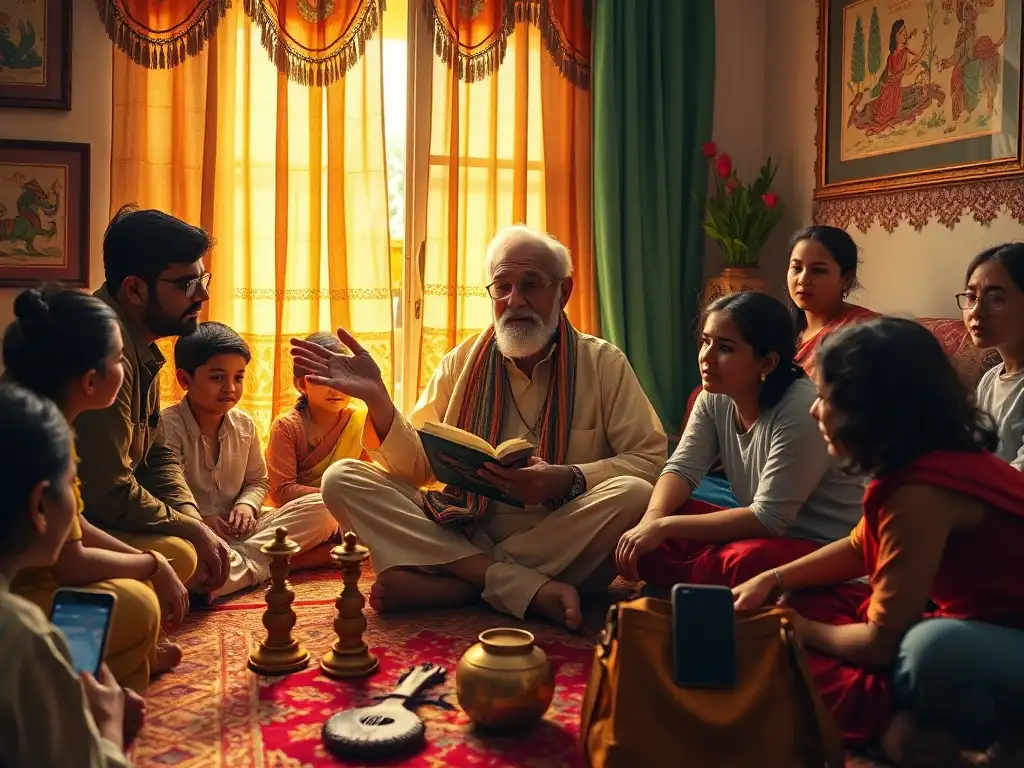
Storytelling has always been a vital part of Indian culture, serving as a medium for passing down knowledge, beliefs, and traditions through generations. However, contemporary India faces several challenges that threaten the continuation and evolution of storytelling practices. These challenges stem from both societal changes and technological advancements, which have altered the landscape of how stories are told and received.
The Decline of Traditional Storytelling Practices
Traditional storytelling, often rooted in oral traditions, is witnessing a significant decline in contemporary society. Many of the older generations, who were once custodians of rich narratives, are fading, taking with them a wealth of stories that encapsulate cultural wisdom and moral lessons. This decline is exacerbated by urbanization, where younger generations move to cities, distancing themselves from their cultural roots and the elders who hold these stories.
Additionally, the fast-paced lifestyle in urban settings leaves little room for the communal gatherings that traditionally facilitated storytelling sessions. Festivals and family gatherings, which used to be vibrant occasions for sharing tales, are increasingly overshadowed by modern distractions. As a result, younger individuals may not have the opportunity to engage with these narratives, leading to a gradual erosion of cultural heritage.
The Influence of Technology on Storytelling
While technology has the potential to enhance storytelling, it also poses challenges to traditional methods. With the rise of digital media, storytelling has shifted from oral traditions to screen-based formats. Short videos, social media snippets, and podcasts have become prevalent, often sacrificing the depth and richness of stories for brevity and entertainment.
Moreover, the dominance of global narratives can overshadow local stories, causing a homogenization of content. Younger audiences may gravitate towards popular culture and international narratives, leaving local traditions underappreciated. This shift not only dilutes the essence of storytelling but also threatens to marginalize the unique voices and perspectives that have historically shaped Indian culture.
Revitalizing Storytelling in Indian Culture
Despite the challenges, there are concerted efforts across India to revitalize storytelling practices and ensure their sustainability. These initiatives aim to reconnect communities with their rich heritage and encourage the sharing of local narratives.
Community Initiatives to Promote Storytelling
Community-driven initiatives play a crucial role in revitalizing storytelling in Indian culture. Organizations and local groups are increasingly hosting storytelling festivals, workshops, and events that celebrate oral traditions. These platforms not only provide a space for storytellers to share their craft but also foster a sense of community among participants.
For instance, various storytelling festivals across India feature a diverse range of narratives, from folk tales to contemporary stories that reflect societal issues. Such events encourage intergenerational exchanges, where seasoned storytellers impart their knowledge to younger audiences, ensuring that these traditions do not fade away. Additionally, initiatives that involve local schools and community centers promote storytelling as an engaging educational tool, thereby integrating it into the cultural fabric.
The Role of Educational Institutions in Storytelling
Educational institutions are increasingly recognizing the importance of storytelling in nurturing creativity and critical thinking among students. Schools and colleges are incorporating storytelling into their curricula, using it as a medium for teaching literature, history, and cultural studies. This approach not only enhances comprehension but also instills an appreciation for diverse narratives.
Workshops and storytelling sessions led by experienced storytellers are becoming common in educational settings. These activities encourage students to interact with cultural narratives, fostering a connection with their heritage. Furthermore, institutions are exploring digital storytelling methods, combining traditional narratives with modern technology to create engaging content that appeals to younger audiences.
Through these efforts, educational institutions are not only preserving the art of storytelling but also ensuring it evolves to meet the interests and needs of contemporary society, thereby enriching Indian culture for future generations.
Conclusion: The Future of Storytelling in Celebrating Indian Traditions
As we look towards the future, storytelling in Indian culture continues to evolve while retaining its core significance in preserving and celebrating traditions. The advent of digital media presents both challenges and opportunities for storytellers. While the rich oral traditions that have characterized Indian storytelling for centuries may face dilution in the digital age, new platforms have also emerged that enable stories to reach a wider audience. Podcasts, social media, and online storytelling platforms allow for innovative expressions of traditional narratives, ensuring that they remain relevant to contemporary audiences.
Moreover, there is a growing recognition of the importance of storytelling in education and community building. Schools and cultural organizations are increasingly incorporating storytelling workshops to engage younger generations, fostering a sense of identity and belonging. This resurgence of interest in traditional narratives, alongside the adaptability of storytelling practices, suggests a promising future where ancient tales are woven into the fabric of modern life.
The Lasting Legacy of Storytelling in Cultural Practices
The legacy of storytelling in Indian culture is profound and multifaceted. It has shaped the moral and ethical framework of society, influencing values and beliefs across generations. Storytelling serves as a repository of history, encapsulating the struggles, triumphs, and philosophies of diverse communities. The epics of Mahabharata and Ramayana, alongside countless folk tales, not only entertain but also impart wisdom and cultural heritage.
Furthermore, storytelling fosters a sense of community. Festivals often revolve around storytelling, as seen in events like the Ram Lila, where the life of Lord Rama is enacted through dramatic performances. These communal storytelling practices strengthen social bonds and create shared experiences, reinforcing the collective identity of communities. This legacy is evident in the continued reverence for oral traditions and the celebration of festivals that honor these narratives.
Final Thoughts on the Relevance of Storytelling Today
In today's fast-paced world, the relevance of storytelling in Indian culture is more crucial than ever. As globalization influences cultural dynamics, storytelling acts as a bridge, connecting individuals to their roots while providing a platform for dialogue and understanding. It allows for the exploration of contemporary issues through the lens of traditional narratives, making them relatable to modern audiences.
Moreover, as society grapples with challenges such as identity, belonging, and cultural preservation, storytelling emerges as a powerful tool for reflection and empowerment. It encourages individuals to share their own stories, fostering diversity and inclusivity within the broader tapestry of Indian culture. Ultimately, the art of storytelling not only celebrates the past but also enriches the present, ensuring that the vibrant traditions of India continue to inspire future generations.
- Introduction to Storytelling in Indian Culture
- Historical Context of Storytelling in India
- Types of Storytelling in Indian Culture
- The Significance of Storytelling in Celebrating Festivals
- How Storytelling Enhances Cultural Identity
- The Impact of Storytelling on Younger Generations
- Challenges Facing Storytelling in Contemporary India
- Revitalizing Storytelling in Indian Culture
- Conclusion: The Future of Storytelling in Celebrating Indian Traditions
- What is the significance of storytelling in Indian culture?
- How has storytelling evolved in ancient India?
- What are some traditional forms of storytelling in India?
- How does storytelling contribute to the celebration of Indian traditions?
- In what ways can storytelling be seen as a form of art in India?
Frequently Asked Questions
What is the significance of storytelling in Indian culture?
Storytelling in Indian culture plays a crucial role in preserving traditions, values, and cultural heritage. It serves as a medium for passing down wisdom and moral lessons through generations.
How has storytelling evolved in ancient India?
Over time, storytelling has transformed from oral traditions to written forms, with influences from various dynasties and cultures, enriching the narrative styles and themes prevalent in Indian literature.
What are some traditional forms of storytelling in India?
Traditional forms include folk tales, epics like the Mahabharata and Ramayana, and puppet shows, each reflecting the diverse regional cultures and languages of India.
How does storytelling contribute to the celebration of Indian traditions?
Storytelling fosters a sense of community and identity by sharing cultural narratives. It enhances festivals and rituals, making them more meaningful and engaging for participants.
In what ways can storytelling be seen as a form of art in India?
Storytelling is an art that combines creativity, performance, and improvisation. It incorporates music, dance, and visual elements, making it a vibrant and interactive experience that captivates audiences.
Final Reflection: The Enduring Power of Storytelling in Indian Culture
Storytelling in Indian culture is not just a means of entertainment; it is a vital thread that weaves together the rich tapestry of our traditions and values. In today's fast-paced world, where digital distractions often overshadow our heritage, the art of storytelling serves as a powerful reminder of our roots and the wisdom passed down through generations. The stories we share are more than mere narratives; they are vessels of culture, identity, and collective memory that resonate deeply within us.
The influence of storytelling in shaping our cultural landscape is profound and ongoing. From the ancient epics of the Mahabharata and Ramayana to contemporary tales that reflect modern dilemmas, storytelling continues to be a dynamic force in Indian society. It fosters a sense of community, bridging gaps across diverse backgrounds and experiences. As noted by the renowned author Salman Rushdie, The only people who see the whole picture are the ones who step outside the frame.
This perspective encourages us to embrace the multifaceted nature of our stories, recognizing their role in fostering understanding and empathy among individuals.
As we reflect on the enriching role of storytelling, I invite you to engage with your own narratives and those of your community. Consider how the stories you tell and hear shape your identity and influence your connections with others. Let us commit to preserving and sharing these tales, ensuring that the essence of our traditions continues to thrive in the hearts and minds of future generations. In doing so, we not only honor our past but also empower ourselves to create a more compassionate and interconnected world.
Embrace the Power of Storytelling Today!
Thank you for diving into the enriching world of storytelling and its vital role in celebrating Indian traditions. Your willingness to explore these narratives inspires a deeper connection to our cultural heritage. Now, let’s bring these stories to life and ensure they continue to thrive!
Here are some actionable steps you can take:
- Share a Story: Reach out to friends or family and share a personal or traditional story from your own background. Create a small circle of storytelling to keep these traditions alive!
- Start a Blog or Journal: Begin documenting your thoughts and experiences related to Indian traditions. This can be an excellent way to reflect and connect with others who share similar values.
- Participate in Community Events: Look for local storytelling events or workshops. Getting involved in your community is a wonderful way to learn and contribute to the ongoing narrative of our culture.
Now, here’s a question for you: What story has had the most profound impact on your understanding of Indian traditions? Share your thoughts below and inspire others to join the conversation!