
The Influence of Regional Diversity on Indian Festival Practices

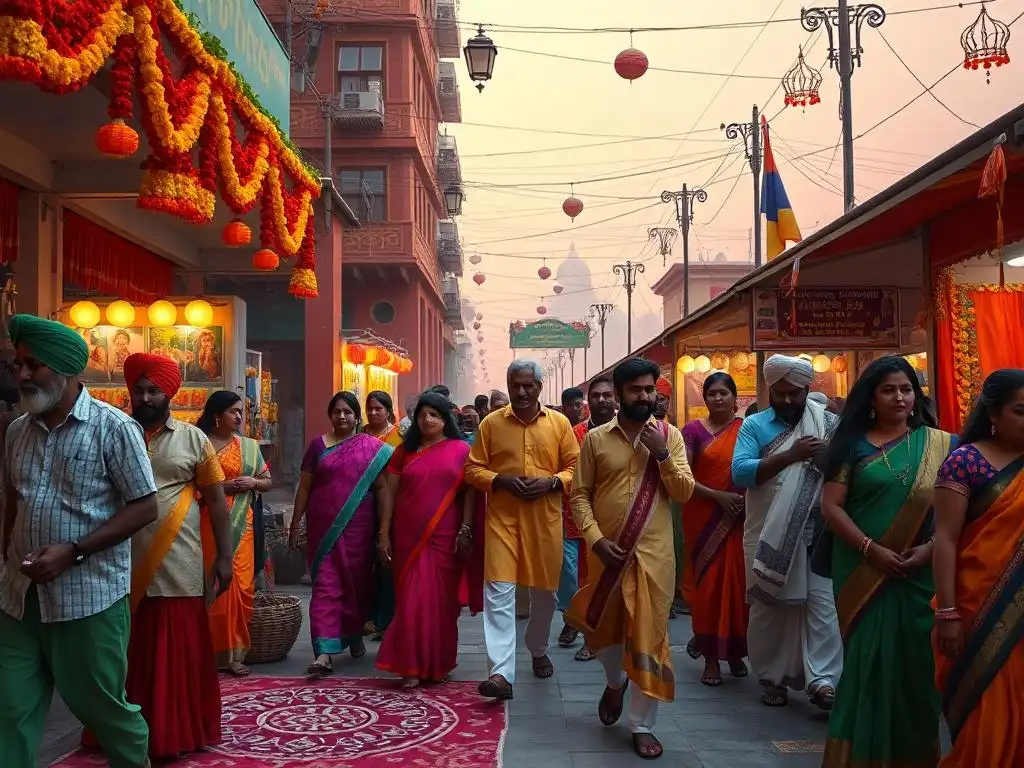
Welcome to Ancient India History, where the vibrant tapestry of India's past unfolds before your eyes! Dive into the enchanting world of regional diversity in Indian festivals, a topic that reveals how the rich cultural heritage of ancient civilizations continues to shape our modern celebrations. From the lively festivities of the Indus Valley to the grand traditions of the Gupta Empire, each festival tells a story of unity in diversity.
Join us as we explore how these unique practices not only reflect the essence of regional identities but also foster a deeper understanding of India's historical legacy. Ready to uncover the colorful threads that weave through time? Let's embark on this journey together!
Introduction to Regional Diversity in Indian Festivals
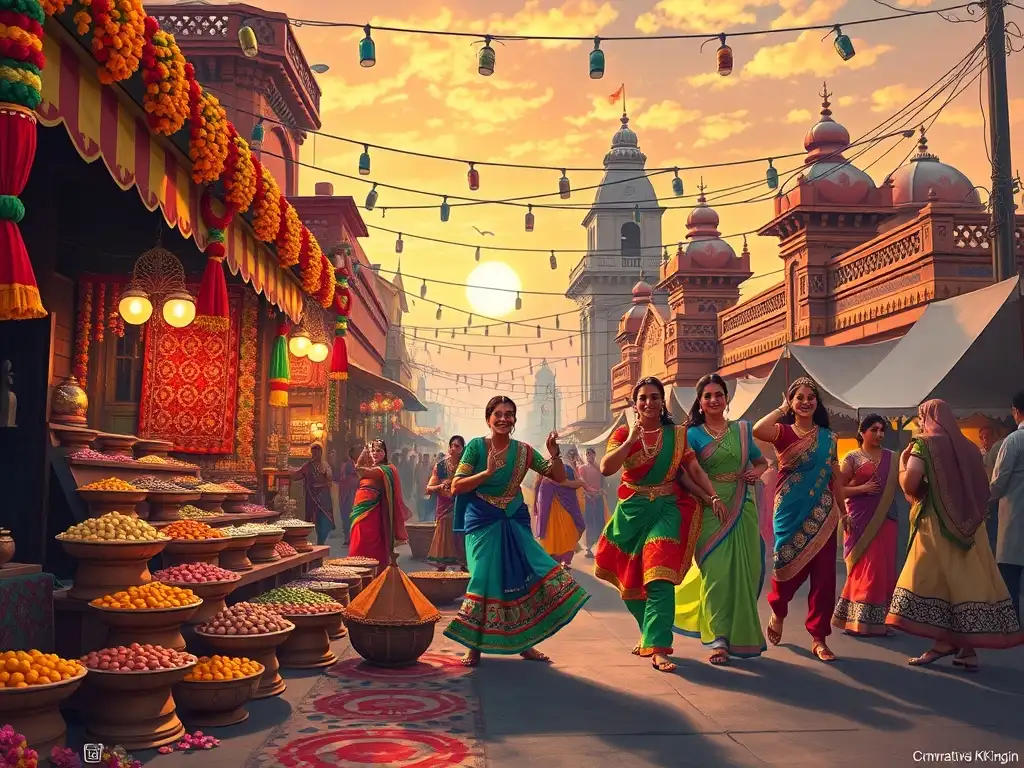
The vibrant tapestry of Indian festivals is a reflection of the country's rich cultural heritage and regional diversity. Each festival, marked by its unique customs, rituals, and celebrations, embodies the traditions and beliefs of the communities that observe them.
From the colorful festivities of Diwali in the north to the serene celebrations of Pongal in the south, the variety of regional practices showcases the intricate ways in which cultural identities manifest through shared experiences. Understanding the regional diversity in Indian festivals not only enhances our appreciation of these celebrations but also sheds light on the historical and social contexts that shape them.
Overview of Indian Festivals and Their Significance
Indian festivals hold immense significance, often rooted in historical events, agricultural cycles, or mythological tales. They serve as moments of communal harmony, bringing people together regardless of their backgrounds. Here are some key aspects of Indian festivals:
- Cultural Identity: Festivals reinforce cultural identities, allowing communities to express their heritage and values.
- Religious Significance: Many festivals are tied to religious beliefs, celebrating deities and spiritual practices.
- Social Cohesion: Festivals foster unity and strengthen social bonds among community members.
The Role of Regional Diversity in Shaping Festival Practices
Regional diversity plays a pivotal role in shaping the distinct characteristics of festival practices across India. Factors such as geography, climate, local traditions, and historical influences contribute to the unique ways in which festivals are celebrated in different regions. For example:
- Local Customs: Each region incorporates its own customs, such as specific rituals, offerings, and traditional attire.
- Language and Music: Festivals often feature regional languages, songs, and dances, enriching the celebratory atmosphere.
- Culinary Variations: The variety of food prepared during festivals reflects local ingredients and culinary traditions, making each celebration unique.
Historical Context of Festivals in India
Understanding the historical context of festivals in India is essential to grasp their evolution and significance. Festivals have roots that trace back to ancient traditions, evolving through various historical periods and influences.
Ancient Roots of Indian Festivals
The origins of many Indian festivals can be traced back to ancient civilizations, such as the Indus Valley. These early societies engaged in agricultural practices that influenced seasonal celebrations. Key aspects of ancient festivals include:
- Agricultural Cycles: Festivals often aligned with the harvest seasons, celebrating fertility and abundance.
- Spiritual Practices: Early rituals were closely tied to nature and the worship of elemental forces, laying the foundation for later mythological narratives.
Evolution of Festivals Through Different Eras
As India transitioned through various historical periods—from the Vedic age to the Mauryan and Gupta empires—festivals evolved, reflecting the socio-political changes of the times. Major influences include:
- Cultural Syncretism: The blending of cultural practices from different regions and communities led to new forms of celebration.
- Colonial Impact: The British colonial period introduced new dynamics to festival celebrations, often intertwining traditional practices with modern influences.
The interplay of regional diversity and historical context significantly shapes the rich tapestry of Indian festival practices, offering a unique lens through which to explore the cultural heritage of the subcontinent.
Regional Variations in Festival Celebrations
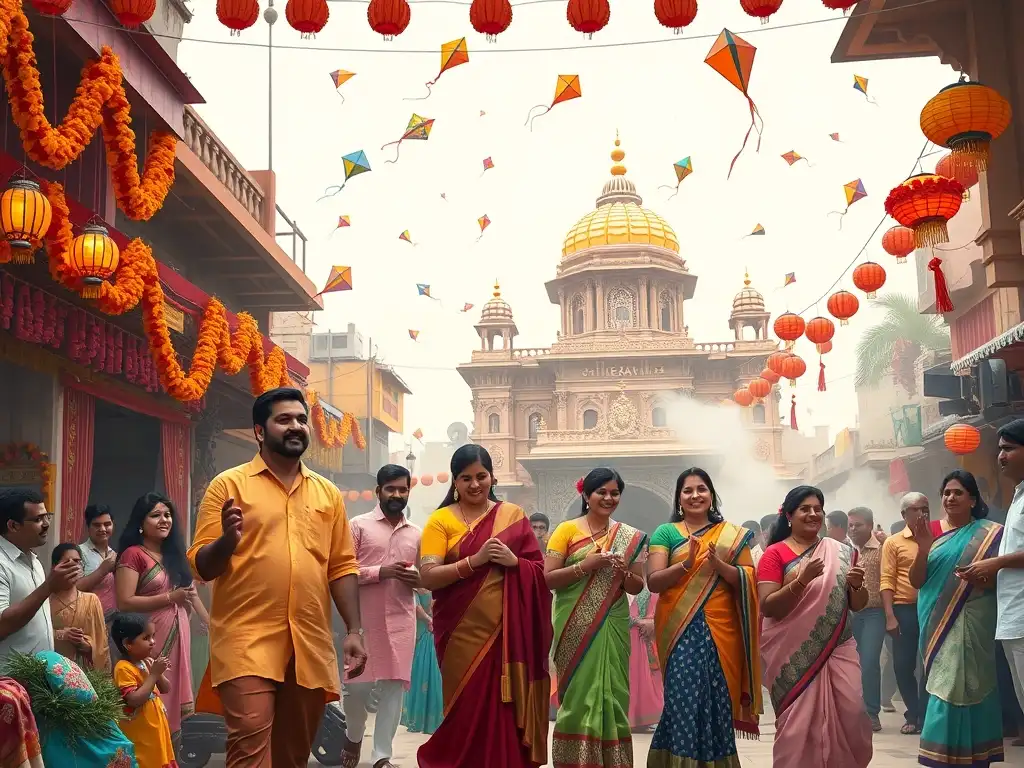
India's festivals are a vibrant tapestry woven from the threads of its regional diversity. Each state and community contributes to the overall fabric of Indian culture, showcasing unique customs, colors, and flavors during celebrations. This regional diversity in Indian festivals is not merely a reflection of geographical differences but also a manifestation of the local beliefs, historical events, and agricultural cycles that shape the way festivals are celebrated. From the grandiose celebrations in urban areas to the intimate rituals in rural settings, these variations offer a glimpse into the rich cultural heritage of the nation.
North India: Unique Festivals and Traditions
In North India, festivals are celebrated with great fervor, often reflecting the region's historical and religious significance. Diwali, the festival of lights, symbolizes the victory of light over darkness and is celebrated with elaborate decorations, fireworks, and the exchange of sweets. Another major festival is Holi, known as the festival of colors, where people come together to throw colored powders and water at each other, celebrating the arrival of spring.
Additionally, regional festivals like Baisakhi in Punjab mark the harvest season, highlighting the agrarian roots of the community. The unique blend of customs, such as the traditional dance forms and culinary delights, adds further richness to these celebrations.
South India: Distinct Festival Practices
South India hosts a myriad of festivals, each infused with local traditions and religious fervor. Pongal, a harvest festival celebrated predominantly in Tamil Nadu, involves cooking a special dish using newly harvested rice, symbolizing gratitude to nature. Onam, celebrated in Kerala, is a ten-day harvest festival marked by elaborate feasts, snake boat races, and traditional dance performances.
Furthermore, the celebration of Ugadi marks the New Year in several South Indian states, with rituals that vary from region to region, demonstrating the diverse cultural practices. The influence of temple architecture and classical dance forms like Bharatanatyam enriches the festive atmosphere further, showcasing the region's artistic heritage.
East India: Cultural Influences on Festivals
Eastern India is known for its vibrant festivals, heavily influenced by the region's diverse cultures and religions. Durga Puja, celebrated predominantly in West Bengal, is one of the most significant festivals, honoring the goddess Durga with elaborate pandals and artistic idol displays. The festival is also a reflection of the region's artistic excellence, as intricate decorations and cultural performances are an integral part of the celebration.
In Odisha, the Rath Yatra, or the Chariot Festival, draws thousands of devotees as they pull the grand chariots of Lord Jagannath through the streets. These festivals not only highlight the religious sentiments but also the rich artistic and cultural traditions that define the region.
West India: Festivals Reflecting Regional Identity
In West India, festivals are characterized by their vibrant celebration of local customs and community spirit. Ganesh Chaturthi, celebrated with great enthusiasm in Maharashtra, involves bringing home idols of Lord Ganesh, culminating in a grand immersion ceremony. The festival is marked by cultural performances, music, and dance, showcasing the region's rich artistic heritage. Additionally, Navratri, celebrated across Gujarat, involves nine nights of dance and worship dedicated to the goddess Durga, emphasizing community participation through Garba and Dandiya Raas. These festivals not only reflect the regional identity but also foster a sense of belonging and camaraderie among the communities.
The Impact of Language and Culture on Festival Practices
Language and culture play a crucial role in shaping the festival practices across India, influencing everything from rituals to the narratives that accompany celebrations. The linguistic diversity in India ensures that even common festivals are celebrated in various ways, reflecting the local dialects, folklore, and customs that resonate with the people.
Linguistic Diversity and Its Influence on Celebrations
The multitude of languages spoken across India contributes significantly to the regional diversity in Indian festivals. Each language carries its own set of stories, songs, and rituals associated with festivals. For example, the celebration of Makar Sankranti varies in name and practice across regions—Pongal in Tamil Nadu, Lohri in Punjab, and Uttarayan in Gujarat. This linguistic diversity enriches the festival experience, as local dialects and expressions become integral to the celebrations, fostering a deeper connection to the cultural heritage.
Cultural Practices Shaping Festival Observances
Cultural practices deeply rooted in regional traditions shape how festivals are observed. Each community brings its own customs, food, attire, and rituals, creating a unique celebration that reflects local values and beliefs. For instance, the way in which Diwali is celebrated can vary significantly between communities; while some may focus on lighting lamps and performing puja, others may emphasize family gatherings and feasting. This cultural layering not only enhances the festival's significance but also promotes the preservation and transmission of traditional practices across generations, ensuring that the essence of regional diversity in Indian festivals continues to thrive.
The Role of Religion in Regional Festival Diversity
Religion plays a pivotal role in shaping the diverse festival practices observed across India. With a multitude of faiths coexisting in the subcontinent, each religion brings its unique customs, rituals, and celebrations, contributing to a rich tapestry of cultural expressions. Festivals often serve as a reflection of the underlying beliefs and values inherent in these religions, enabling communities to express their devotion, celebrate their history, and foster social cohesion.
The influence of religion on festival diversity manifests prominently in various forms, including the timing of celebrations, the deities worshipped, and the specific rituals performed. For example, while Diwali, the festival of lights, is celebrated across India, its significance and the rituals associated with it can vary dramatically from one region to another, showcasing local traditions and interpretations. Similarly, regional variations in the celebration of festivals such as Holi, Eid, and Christmas highlight how religious observances adapt to local customs, climates, and cultural influences.
Moreover, the interaction between different religious communities often leads to the syncretism of festival practices, where elements from various faiths blend together. This rich intermingling not only enhances the festivity but also promotes a spirit of unity and understanding among diverse cultural groups within India.
Hindu Festivals and Their Regional Interpretations
Hindu festivals are a prime example of how regional diversity shapes festival practices. Each Hindu festival is celebrated with distinct regional flavors, influenced by local traditions, dialects, and cultural practices. For instance, while the core essence of Raksha Bandhan, a celebration of the bond between brothers and sisters, remains the same across India, the rituals and customs can differ widely. In some regions, sisters may tie rakhis and perform prayers, while in others, there may be unique local offerings and feasting traditions that accompany the festival.
Another notable example is the celebration of Navratri, which varies significantly across states. In Gujarat, it is characterized by vibrant Garba dances, while in West Bengal, it transforms into the elaborate Durga Puja, marked by artistic idol creations and community festivities. Such variations not only highlight the adaptability of Hindu practices but also reinforce the importance of regional identity within the broader framework of Hinduism.
Moreover, local deities often play a significant role in these celebrations. For instance, Gudi Padwa in Maharashtra honors the arrival of spring and the New Year, focusing on the worship of local deities, while Pongal in Tamil Nadu celebrates the harvest season with rituals dedicated to the Sun God, Surya. This localization of worship demonstrates how Hindu festivals resonate with the agrarian and cultural realities of different communities.
Influence of Other Religions on Indian Festival Practices
The festival landscape of India is further enriched by the contributions of various other religions, including Islam, Christianity, Sikhism, and Buddhism. Each of these religions has introduced unique festivals that reflect their beliefs and practices, while also contributing to the overall diversity of Indian celebrations.
For example, Eid, a prominent Islamic festival, celebrates the end of Ramadan and is marked by communal prayers, charity, and festive meals. In regions with significant Muslim populations, such as Hyderabad and Lucknow, Eid celebrations incorporate local culinary traditions and cultural nuances, showcasing the blend of Islamic and regional influences.
Similarly, Christmas in India is celebrated with a distinct flavor, particularly in states like Goa and Kerala, where Portuguese influence has left a lasting mark. The festivities emphasize community gatherings, traditional feasts, and local customs, making the celebration unique to each region. In Goa, the festival is characterized by vibrant decorations and traditional music, while in Kerala, the emphasis may be on family gatherings and church services.
Sikhism also contributes significantly to the festival culture in India, with celebrations like Baisakhi marking the harvest season and the formation of the Khalsa. These festivals incorporate local agricultural practices and community service, reflecting the interconnectedness of Sikh beliefs with regional customs.
Contemporary Trends in Celebrating Indian Festivals
In recent years, contemporary trends have begun to influence how Indian festivals are celebrated, with technology and globalization playing pivotal roles. These shifts not only affect the traditional practices but also shape the way festivals are perceived and experienced by younger generations.
Globalization and Its Impact on Regional Festivals
Globalization has led to a fascinating convergence of festival practices, where traditional celebrations often incorporate modern elements. The influence of social media and digital platforms has transformed how festivals are marketed, celebrated, and shared. For instance, festivals like Diwali and Holi have gained immense popularity beyond Indian borders, prompting diaspora communities to celebrate and share their cultural practices globally.
This globalization, however, can lead to a dilution of traditional customs as certain aspects become commercialized or homogenized. The rise of commercial events and public celebrations, such as large-scale Holi parties and Diwali fairs, while promoting cultural exchange, may sometimes overshadow the intimate, familial, and community-focused aspects of these festivals.
Additionally, the accessibility of global influences has led to the incorporation of non-traditional elements into local celebrations. For example, the use of eco-friendly materials in Durga Puja idols and sustainable practices during festivals reflect a blend of traditional values with contemporary environmental consciousness.
Preservation of Traditional Practices Amidst Change
Despite the changes brought about by globalization and modernization, there is a strong movement towards preserving traditional practices in Indian festivals. Communities are increasingly recognizing the importance of maintaining the authenticity of their cultural heritage, leading to efforts aimed at reviving and celebrating indigenous customs.
Local organizations and cultural bodies are actively involved in promoting traditional festivals, ensuring that age-old rituals, folk art, and regional cuisines are preserved and celebrated. For instance, initiatives to promote traditional crafts during festivals, such as handmade decorations and regional delicacies, foster a sense of community pride and heritage.
Moreover, educational programs and workshops focusing on the significance of traditional practices help bridge the gap between generations, encouraging the youth to engage with their cultural roots. Festivals are being reimagined not only as occasions for celebration but also as opportunities for cultural education and preservation.
The interplay of regional diversity, religious influences, and contemporary trends creates a dynamic festival landscape in India, where traditional practices continue to thrive amidst change, ensuring that the rich heritage of Indian festivals remains vibrant and relevant.
Conclusion: The Importance of Preserving Regional Diversity in Indian Festivals
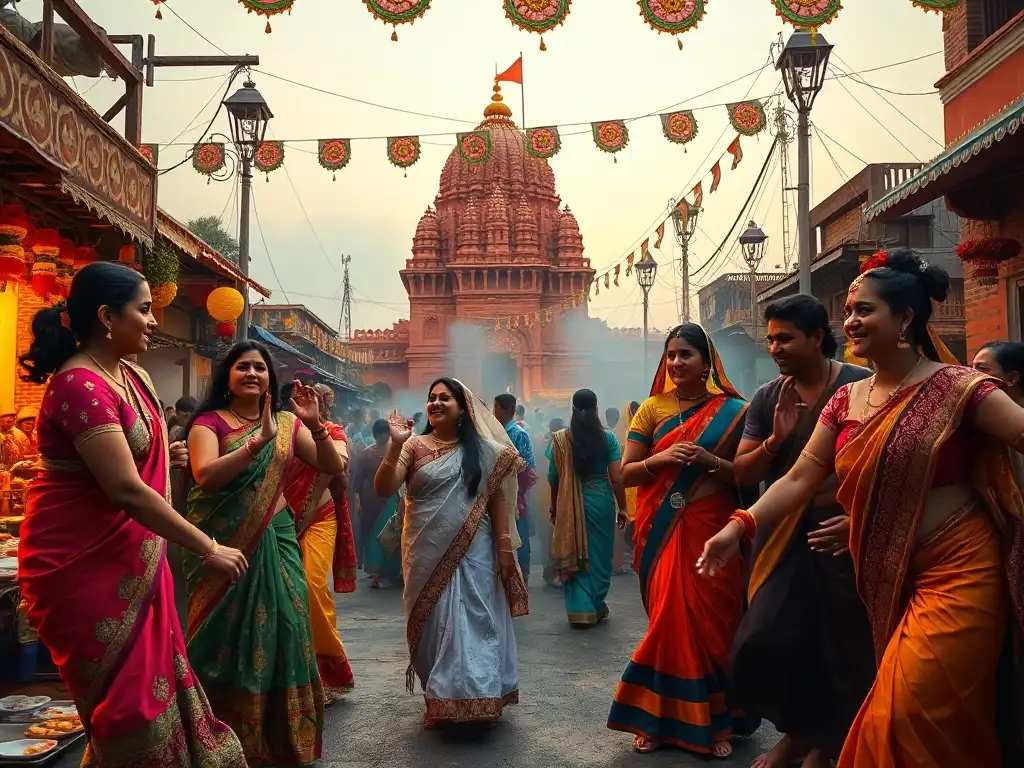
The rich tapestry of Indian festivals is a reflection of the country's regional diversity, showcasing a myriad of traditions, customs, and practices that vary from one community to another. Preserving this diversity is crucial not only for maintaining cultural heritage but also for fostering unity in a nation characterized by its plurality. Each festival, whether it's Diwali in North India or Pongal in the South, carries unique stories and values that contribute to the larger narrative of Indian culture.
As globalization continues to influence cultural practices, there is a pressing need to safeguard these regional traditions from homogenization. By promoting and celebrating regional diversity in festivals, we can ensure the survival of distinct cultural identities and practices that have been passed down through generations. This preservation not only enriches India's cultural landscape but also enhances social cohesion, as people learn to appreciate and respect the diverse backgrounds that coexist within the country.
Future of Regional Diversity in Indian Festival Celebrations
The future of regional diversity in Indian festival celebrations hinges on several factors, including societal attitudes, technological advancements, and governmental policies. With the advent of social media and digital platforms, there is an increasing opportunity for lesser-known festivals to gain visibility and for diverse traditions to be shared across communities. This exposure can foster greater appreciation and participation in regional festivities, bridging gaps between different cultures.
Moreover, there is a growing trend of inter-regional celebrations where people from various backgrounds come together to celebrate each other's festivals. Such inclusivity not only promotes cultural exchange but also strengthens communal harmony. Educational institutions and cultural organizations play a pivotal role in this process by incorporating regional festival celebrations into their curricula and programs.
However, challenges such as urbanization and the fast-paced modern lifestyle can dilute traditional practices. Therefore, communities must actively engage in reviving and adapting their festival customs to remain relevant while honoring their heritage. The potential for innovation in festival practices, where traditional elements are blended with contemporary expressions, can also lead to a dynamic celebration of regional diversity.
The Role of Education and Awareness in Celebrating Diversity
Education is a powerful tool in promoting awareness and appreciation of regional diversity in Indian festivals. By integrating cultural studies into school curricula, students can learn about the significance of various festivals and the unique traditions associated with them. This foundational knowledge can cultivate respect for different cultures from an early age and encourage participation in diverse celebrations.
Awareness programs, workshops, and community events can further enhance understanding of regional festivals. These initiatives can include storytelling sessions, traditional craft workshops, and culinary demonstrations that highlight the specific customs of various festivals. By engaging with these practices, individuals can develop a deeper connection to the cultural significance behind each celebration.
Additionally, leveraging technology and social media can help spread awareness about regional festivals beyond their geographical boundaries. Online platforms can host virtual events, allowing people to experience and learn about different traditions, thereby fostering a sense of community and shared cultural heritage.
Ultimately, education and awareness are essential in ensuring that the rich diversity of Indian festivals is not only preserved but also celebrated in a manner that inspires future generations to appreciate and partake in the myriad cultural expressions that define India.
- Introduction to Regional Diversity in Indian Festivals
- Overview of Indian Festivals and Their Significance
- The Role of Regional Diversity in Shaping Festival Practices
- Historical Context of Festivals in India
- Regional Variations in Festival Celebrations
- The Impact of Language and Culture on Festival Practices
- The Role of Religion in Regional Festival Diversity
- Contemporary Trends in Celebrating Indian Festivals
- Conclusion: The Importance of Preserving Regional Diversity in Indian Festivals
- Future of Regional Diversity in Indian Festival Celebrations
- The Role of Education and Awareness in Celebrating Diversity
- What are the main factors influencing regional diversity in Indian festivals?
- How do festivals reflect the cultural practices of different regions in India?
- Can you provide examples of festivals that illustrate this regional diversity?
- How do festivals in India promote unity despite regional differences?
- What role do government and organizations play in preserving the diversity of Indian festivals?
Frequently Asked Questions
What are the main factors influencing regional diversity in Indian festivals?
The regional diversity in Indian festivals is influenced by cultural traditions, religious beliefs, and local customs that vary across different states and communities.
How do festivals reflect the cultural practices of different regions in India?
Festivals serve as a window into the unique cultural practices of regions, showcasing traditional attire, food, and rituals that highlight the diversity of Indian society.
Can you provide examples of festivals that illustrate this regional diversity?
Yes, festivals like Pongal in Tamil Nadu, Durga Puja in West Bengal, and Baisakhi in Punjab each represent the distinct cultural heritage and local traditions of their respective regions.
How do festivals in India promote unity despite regional differences?
Indian festivals often encourage community participation and interactions among diverse groups, fostering a sense of unity while celebrating the rich regional diversity.
What role do government and organizations play in preserving the diversity of Indian festivals?
Government initiatives and cultural organizations promote the understanding and celebration of regional festivals through festivals fairs, workshops, and educational programs, ensuring the preservation of this rich heritage.
Final Reflection: Celebrating the Tapestry of Regional Diversity in Indian Festivals
The exploration of regional diversity in Indian festivals reveals a vibrant mosaic of cultural practices that resonate deeply in today's globalized world. As we navigate through an era marked by rapid change and cultural exchange, understanding the unique characteristics of these festivals becomes increasingly vital. The rich traditions and customs associated with regional diversity not only enhance our appreciation of India's heritage but also serve as a reminder of the importance of preserving cultural identities in a homogenizing world.
The influence of regional diversity on Indian festival practices is a testament to the resilience and adaptability of cultural expressions. Each festival, with its distinct rituals and celebrations, contributes to a broader narrative that shapes our social landscape. This diversity fosters a sense of belonging and community, reminding us that our differences are what make us stronger. As Mahatma Gandhi once said, ">Our ability to reach unity in diversity will be the beauty and the test of our civilization." This quote encapsulates the essence of how regional festivals can bridge divides and promote understanding among varied communities.
As you reflect on the insights shared in this article, I invite you to embrace the spirit of regional diversity in your own life. Consider how you can celebrate and honor the unique traditions around you, whether through participation in local festivals or by learning about the customs of different communities. By doing so, you contribute to a more inclusive society that values and respects the rich tapestry of cultural expressions that define our world. Let us take action to ensure that the vibrant legacy of regional diversity in Indian festivals continues to thrive for generations to come.
Celebrate and Embrace India’s Rich Festival Traditions!
Thank you for diving into the colorful world of Indian festival practices shaped by regional diversity! We hope you’ve discovered the fascinating ways in which culture and tradition intertwine, enriching our lives. Now, it’s time to take those insights and turn them into action!
Here are a few meaningful steps you can take to deepen your connection with these vibrant traditions:
- Join a local festival celebration: Experience the joy and unity of Indian festivals in your community. Look for events that showcase unique customs and traditions!
- Share your favorite festival stories: Use your social media platforms to inspire others by sharing personal experiences or cherished memories related to a particular festival.
- Explore new traditions: Research a festival from a different region of India that piques your interest. Consider trying out its customs, cuisine, or art forms—you might discover something new that resonates with you!
How do you plan to celebrate the diversity of Indian festivals in your life? We invite you to share your thoughts below!