
The Metallurgical Expertise of Ancient Indian Artisans: A Comprehensive Study

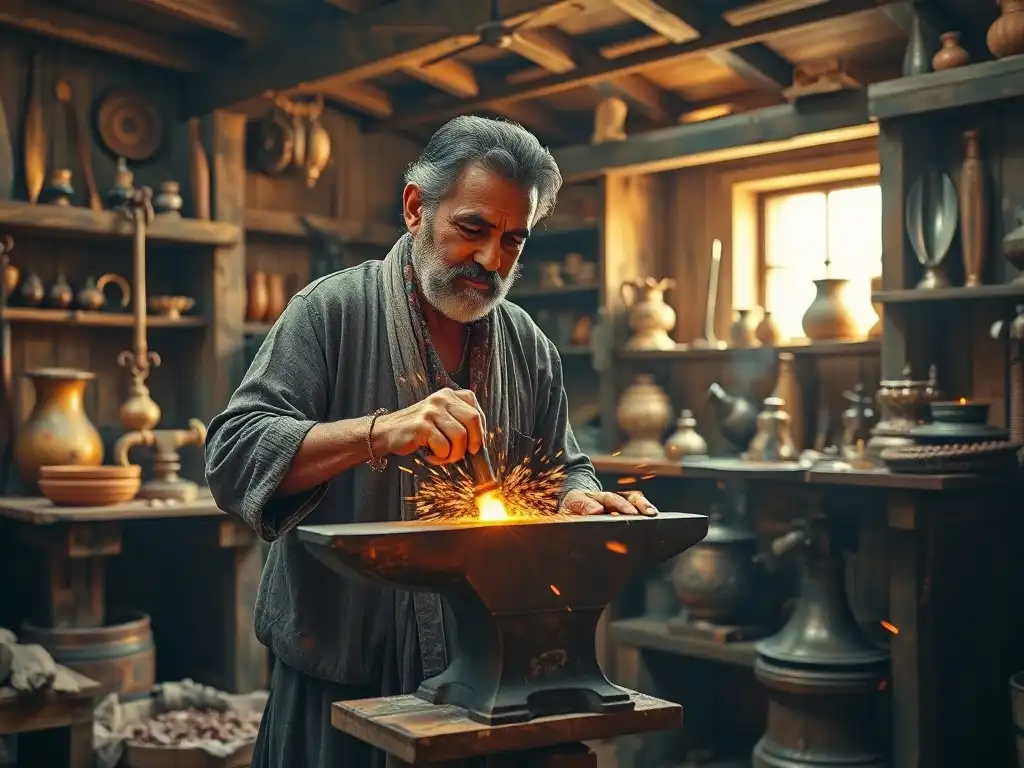
Welcome to Ancient India History, where we embark on a fascinating journey through the rich tapestry of India's past. Discover the incredible metallurgical expertise that flourished in ancient civilizations, revealing how artisans transformed raw materials into extraordinary innovations. Our featured article, "The Metallurgical Expertise of Ancient Indian Artisans: A Comprehensive Study," delves deep into the techniques that shaped not only the tools and weapons of their time but also laid the groundwork for future advancements.
Join us as we unlock the secrets of ancient Indian metallurgy and explore its profound impact on technology and culture. Your adventure into the marvels of history begins here!
Introduction to Ancient Indian Metallurgy
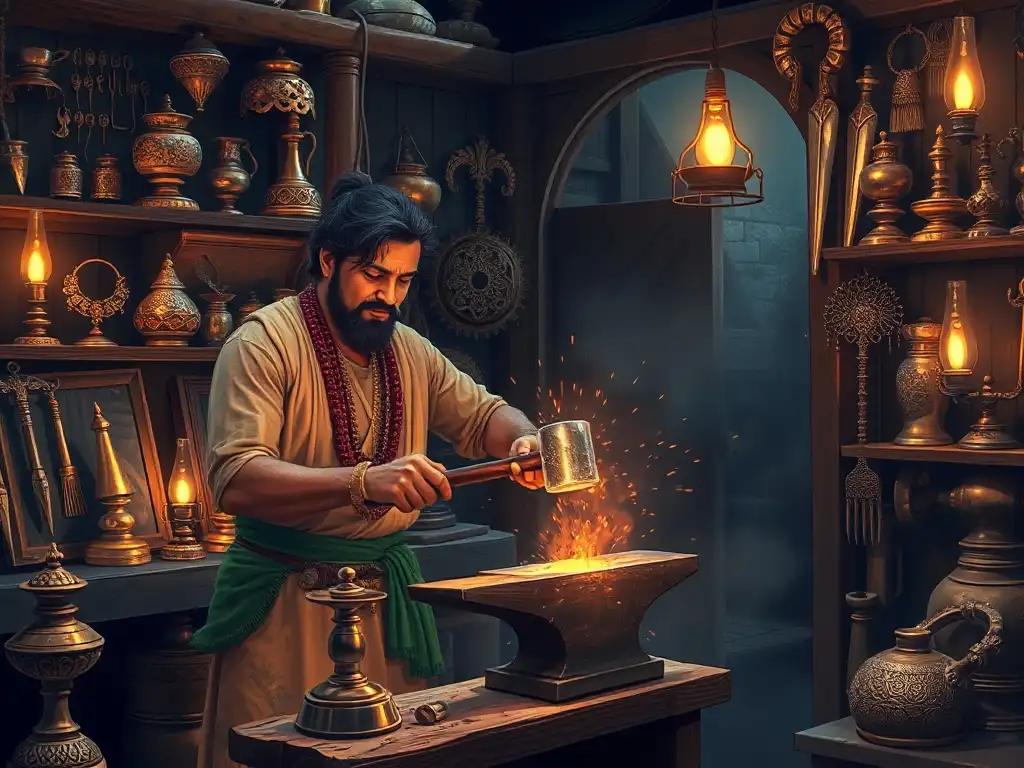
The fascinating field of metallurgy has played a crucial role in shaping the technological landscape of ancient civilizations, and ancient India is no exception. This comprehensive study delves into the rich tradition of ancient Indian metallurgy techniques, showcasing the incredible craftsmanship and innovations that emerged from this vibrant cultural milieu. From the sophisticated metalworking of the Indus Valley Civilization to the remarkable advancements during the Maurya and Gupta Empires, the contributions of ancient Indian artisans have left an indelible mark on the history of metallurgy.
Understanding these techniques not only highlights the ingenuity of ancient Indian societies but also provides insights into the broader context of their cultural, economic, and technological development. Metallurgy was not merely a craft; it was instrumental in the advancement of various sectors, including agriculture, warfare, and trade, fostering interconnectedness among different civilizations.
Overview of Metallurgy in Ancient India
Metallurgy in ancient India encompassed a wide range of techniques, tools, and materials. The artisans demonstrated exceptional skills in:
- Copper and Bronze Working: Early Indian civilizations utilized copper and bronze to create tools, weapons, and ornaments, which were essential for daily life and trade.
- Iron Smelting: The production of iron, particularly during the Iron Age, marked a significant advancement, leading to the development of stronger implements and agricultural tools.
- Gold and Silver Crafting: The exquisite craftsmanship in gold and silver metallurgy not only served decorative purposes but also played a significant role in trade and commerce.
The techniques developed by these artisans were characterized by their adaptability and innovation, allowing them to respond to the changing needs of society.
Importance of Metallurgical Techniques in Civilization Development
The metallurgical techniques practiced by ancient Indian artisans were vital for several reasons:
- Economic Growth: The ability to produce and trade metal goods boosted local economies and facilitated trade with neighboring regions.
- Technological Innovation: Metallurgy paved the way for advancements in various fields, such as agriculture (with the creation of plows) and warfare (with the development of weapons).
- Cultural Exchange: The spread of metallurgical knowledge contributed to the exchange of ideas and technologies across different cultures, fostering collaboration and growth.
The legacy of these techniques continues to resonate today, as modern metallurgists often draw inspiration from ancient practices.
Historical Context of Metallurgy in Ancient India
To fully appreciate the metallurgical expertise of ancient Indian artisans, it is essential to explore the historical context that shaped their innovations and practices.
The Indus Valley Civilization: Pioneers of Metallurgical Innovation
The Indus Valley Civilization (c. 2600–1900 BCE) stands out as one of the earliest examples of advanced metallurgy in ancient India. Archaeological findings reveal that this civilization was adept in:
- Copper and Bronze Production: Tools and artifacts made from copper and bronze have been unearthed, showcasing the artisans' ability to manipulate these metals with remarkable precision.
- Casting Techniques: Evidence suggests the use of lost-wax casting methods, which allowed for intricate designs in metal objects.
The metallurgical innovations of the Indus Valley Civilization laid the groundwork for future developments in Indian metallurgy.
Metallurgical Practices during the Vedic Period
Following the decline of the Indus Valley Civilization, the Vedic Period (c. 1500–500 BCE) witnessed the continuation and evolution of metallurgical practices. Key developments included:
- Iron Usage: The introduction of iron significantly transformed agricultural practices, with plows and tools becoming more effective and durable.
- Cultural Significance: Metals began to hold symbolic meanings in society, with iron representing strength and valor in Vedic literature.
This period marked a transition from primarily copper-based metallurgy to a more diversified practice incorporating iron.
The Maurya and Gupta Empires: Advancements in Metallurgy
The Maurya (c. 322–185 BCE) and Gupta Empires (c. 240–550 CE) are often regarded as golden ages for ancient Indian metallurgy. Significant advancements during this time included:
- Wootz Steel Production: The development of high-quality steel, known as Wootz steel, led to the creation of superior weapons and tools that were highly sought after in global markets.
- Innovative Techniques: The use of advanced techniques such as carburization demonstrated the artisans' ability to produce materials with exceptional properties.
These empires not only advanced metallurgical techniques but also established trade networks that spread their innovations across continents.
The metallurgical expertise of ancient Indian artisans reflects a rich and diverse heritage that contributed significantly to the technological advancements of their time. Through this study, we will further explore the intricate details of these techniques and their lasting impact on the world.
Key Ancient Indian Metallurgy Techniques
Ancient Indian metallurgy showcases a rich tradition of skills and innovation that significantly contributed to the advancement of various metalworking techniques. The artisans of ancient India were adept at transforming raw materials into functional and aesthetically pleasing objects, utilizing a variety of methods that can still inspire modern metallurgical practices. This section delves into the critical techniques employed by these artisans, from smelting to alloying and heat treatment.
Smelting Methods: From Ore to Metal
The smelting process in ancient India primarily involved extracting metal from its ore using high temperatures. The artisans utilized furnaces known as "bhattis," which were often made from clay or stone, capable of reaching the necessary temperatures to melt metals like copper, bronze, lead, and iron.
- Materials Used: The primary ores included copper ores (chalcopyrite and malachite), iron ores (hematite and magnetite), and zinc ores. The choice of ore directly influenced the quality and purity of the metal produced.
- Techniques Employed:
- Direct Smelting: This method involved heating the ore directly with charcoal, allowing the carbon to reduce the metal oxide to pure metal.
- Indirect Smelting: In this method, ores were first roasted to remove impurities before being smelted, resulting in a higher yield of pure metal.
- Furnace Design: The design of the furnaces played a crucial role. The use of bellows to increase airflow allowed for a more intense heat, which was essential for reducing ores effectively.
Alloying Techniques: Creating Stronger Materials
Alloying was another significant aspect of ancient Indian metallurgy, enabling artisans to produce materials with enhanced properties. By combining two or more metals, they could create alloys that were stronger, more durable, or had improved resistance to corrosion.
- Common Alloys:
- Bronze: A mixture of copper and tin, bronze was widely used for tools, weapons, and decorative items due to its hardness and resistance to wear.
- Brass: Created by alloying copper with zinc, brass was favored for its malleability and attractive appearance, making it suitable for coins and jewelry.
- Techniques:
- The artisans employed methods such as casting and forging to create alloys. The precise control over temperature and proportions during mixing was vital for achieving desired characteristics.
- Cultural Significance: The knowledge of alloying not only advanced the technology but also had significant cultural implications, as these materials played essential roles in trade, warfare, and daily life.
Heat Treatment Processes: Enhancing Durability and Flexibility
Heat treatment was a sophisticated technique employed by ancient Indian metallurgists to improve the properties of metals. This process involved heating the metal to specific temperatures followed by controlled cooling, which altered its microstructure and enhanced its performance.
- Methods of Heat Treatment:
- Annealing: This process involved heating metal to a specific temperature and then allowing it to cool slowly, which reduced hardness and increased ductility.
- Quenching: Rapid cooling of metal (often in water or oil) after heating resulted in increased hardness, making the metal suitable for tools and weapons.
- Applications: The use of heat treatment was particularly important in the crafting of swords and agricultural tools, enhancing their lifespan and efficiency.
- Legacy: The understanding of heat treatment has had a lasting impact on metallurgy, influencing contemporary practices in various industries.
Notable Ancient Indian Artisans and Their Contributions
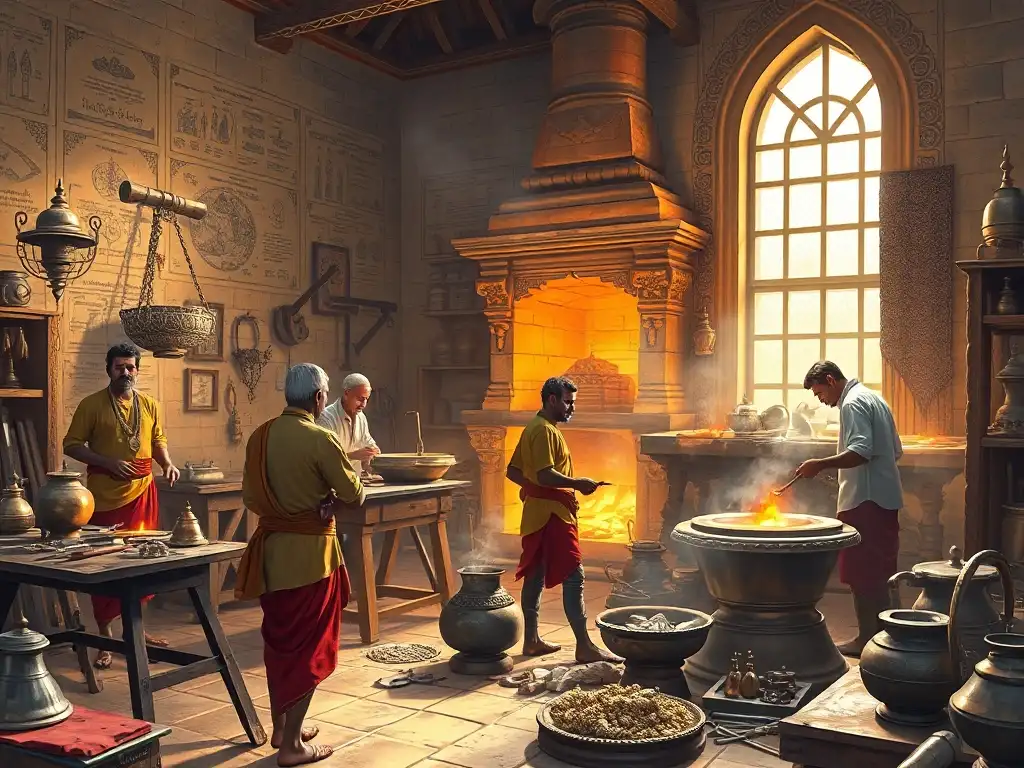
The legacy of ancient Indian metallurgy is enriched by the contributions of skilled artisans and metallurgists whose innovations have stood the test of time. This section highlights some of the most notable figures and their impact on metallurgy in ancient India.
The Role of Blacksmiths in Ancient Indian Society
Blacksmiths were pivotal in ancient Indian society, serving not only as craftsmen but also as community leaders. Their expertise in metalworking was critical for the production of tools, weapons, and various metal artifacts essential for daily life.
- Community Importance: Blacksmiths often held a revered status, as they played a crucial role in agricultural productivity by creating plows and other farming tools.
- Cultural Contributions: Beyond functional items, blacksmiths also produced intricate jewelry and ceremonial artifacts, enhancing the cultural richness of their communities.
- Knowledge Transfer: The skills and techniques of blacksmithing were often passed down through generations, ensuring a continuity of metallurgical knowledge.
Contributions of Notable Metallurgists: Nagarjuna, Aryabhata, and Varahamihira
Several notable figures in ancient India made significant contributions to metallurgy, blending scientific inquiry with practical application.
- Nagarjuna: An esteemed alchemist and philosopher, Nagarjuna is credited with advancements in the understanding of metals and their properties. His work laid the foundation for future metallurgical studies.
- Aryabhata: Known primarily as a mathematician and astronomer, Aryabhata also contributed to the understanding of materials and their uses, influencing both metallurgy and technology.
- Varahamihira: A polymath who studied various sciences, Varahamihira’s writings included insights into the properties of metals, affecting the practices of artisans in his time.
Innovations in Tool Making and Weapon Crafting
Ancient Indian artisans were not only proficient in metallurgy but also excelled in creating sophisticated tools and weapons that showcased their skills and knowledge.
- Advanced Tools: The production of tools such as chisels, hammers, and sickles reflected the artisans' understanding of material properties, ensuring efficiency in various tasks.
- Weaponry: The crafting of weapons like swords, shields, and arrows was a testament to the metallurgical expertise of ancient Indian artisans. Techniques such as folding steel and quenching resulted in formidable armaments.
- Cultural Artifacts: The intricate designs and functionalities of tools and weapons also served as cultural artifacts that provide insight into the societal values and artistic expressions of ancient India.
Through these contributions, ancient Indian artisans not only advanced metallurgy but also left an enduring legacy that continues to influence modern practices in metallurgy and material science.
Comparative Analysis of Ancient Indian Metallurgy Techniques
The metallurgy techniques employed by ancient Indian artisans are renowned for their sophistication and innovation. A comparative analysis reveals both the uniqueness and the shared attributes of these techniques when juxtaposed with those of other ancient civilizations. The methods utilized in ancient India were characterized by advanced smelting processes, alloy creation, and intricate craftsmanship, which set them apart in the global context of metallurgy.
Comparison with Other Ancient Civilizations
When compared to other ancient civilizations, such as the Egyptians or the Mesopotamians, ancient Indian metallurgy exhibits unique advancements. For instance, while the Egyptians primarily used copper and bronze, Indian metallurgists developed high-quality iron production techniques, exemplified by the creation of the famous Iron Pillar of Delhi. This pillar, made of wrought iron, showcases exceptional resistance to corrosion, a feat not widely achieved in other cultures of the time.
Additionally, the use of zinc in ancient Indian metallurgy, particularly in the production of brass alloys, distinguishes it from contemporaneous societies. The distillation process for extracting zinc was notably advanced, enabling the creation of high-quality brass that was utilized in various applications, from coinage to decorative arts. Such techniques were not as prevalent in other regions until later in history.
Unique Features of Ancient Indian Metallurgy
Ancient Indian metallurgy is marked by several unique features that highlight the ingenuity of its artisans. One notable aspect is the emphasis on the use of natural resources, such as high-grade ores found in regions like Rajasthan and Madhya Pradesh. The artisans employed sophisticated knowledge of geology to select suitable materials, thus enhancing the quality of the metals produced.
Moreover, ancient Indian metallurgical practices included the use of complex alloying techniques, resulting in the creation of materials with enhanced properties. For example, the production of high-carbon steel known as "Wootz" steel exemplifies this expertise. Wootz was renowned for its durability and ability to hold a sharp edge, making it highly sought after for weaponry and tools. The intricate patterns seen in Wootz steel also reflect the aesthetic values of the artisans, merging functionality with artistry.
Influence of Ancient Indian Techniques on Global Metallurgy
The influence of ancient Indian metallurgy extended beyond its borders, impacting global practices. Trade routes, such as the Silk Road, facilitated the exchange of metallurgical knowledge and products. Indian techniques, particularly in iron and steel production, were disseminated to various cultures, including those in the Middle East and Europe.
The famed Wootz steel, for example, gained recognition in the Islamic world and later in Europe, leading to the development of similar steel-making techniques. Historical accounts indicate that the quality of Indian steel was unmatched, and it was often used in the production of swords and other weaponry, which were highly prized in various regions.
Cultural and Religious Significance of Metallurgy
Metallurgy in ancient India was not merely a technical pursuit; it held profound cultural and religious significance. The creation and use of metals were intertwined with various aspects of daily life, spirituality, and artistic expression.
Metallurgy in Ancient Indian Art and Sculpture
Metals played a pivotal role in ancient Indian art and sculpture. Artisans utilized techniques such as lost-wax casting to create intricate sculptures and idols, often depicting deities or significant cultural figures. These metal sculptures, made from bronze or brass, were not only artistic expressions but also served religious purposes, being used in rituals and temple worship.
The craftsmanship involved in metal sculpture is evident in the detailed representations of figures, which showcase the artisans' skills. The famous bronze sculptures from the Chola dynasty, for instance, are celebrated for their exquisite detail and lifelike quality, reflecting the high level of metallurgical expertise of the time.
Symbolism of Metals in Ancient Indian Culture
In ancient Indian culture, metals carried significant symbolic meanings. Gold, for example, was often associated with purity, prosperity, and the divine. It played a crucial role in various rituals and was commonly used in ornaments and religious artifacts. Silver, on the other hand, was linked to wealth and social status, often used in currency and ceremonial items.
Metals were also perceived as embodiments of certain deities and were used in rituals to invoke blessings and protection. The reverence for metals is evident in texts and scriptures that highlight their importance in spiritual practices and daily life.
Rituals and Practices Surrounding Metalwork
The practices surrounding metalwork in ancient India were deeply rooted in ritualistic traditions. Metal artisans, known as "lohar," often engaged in specific rituals before commencing their work to invoke divine blessings for skill and success. These rituals included offerings and prayers, reflecting the belief that the quality of their craftsmanship was directly linked to spiritual favor.
Additionally, the process of metalworking was often communal, with artisans sharing techniques and knowledge through generations. This collaborative approach not only preserved metallurgical practices but also fostered a sense of community and shared cultural identity among metalworkers. The intertwining of craftsmanship with spiritual beliefs highlights the holistic understanding of metallurgy in ancient Indian society, where art, religion, and technology coexisted harmoniously.
The Legacy of Ancient Indian Metallurgy Techniques
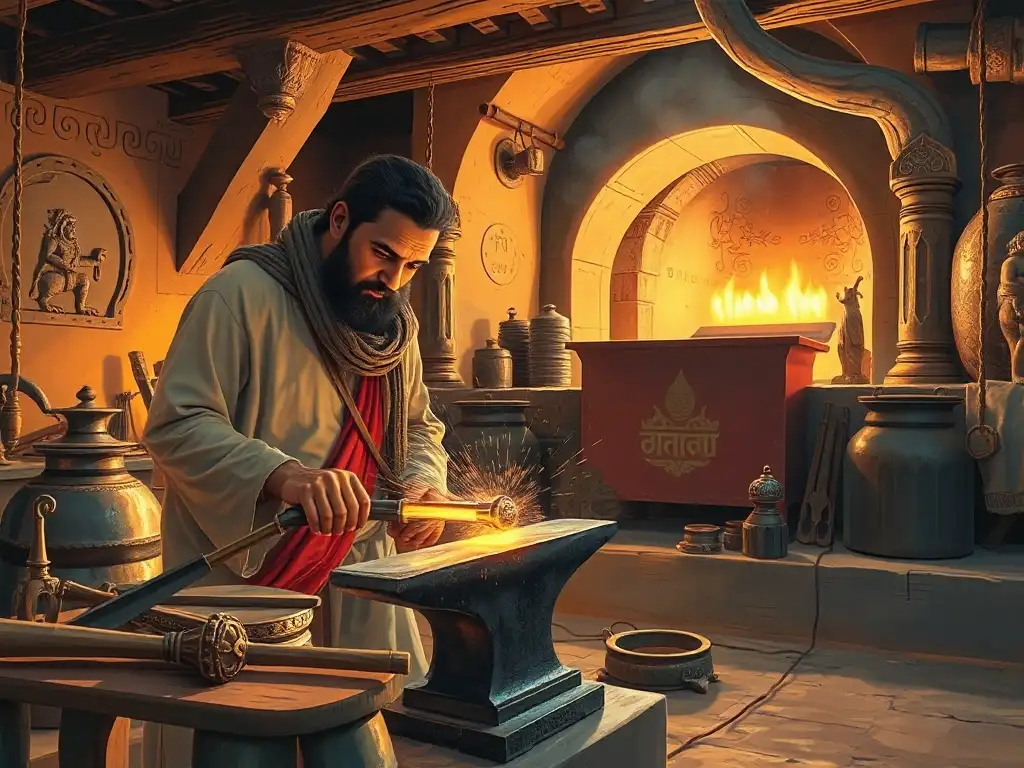
The legacy of ancient Indian metallurgy is profound and multifaceted, showcasing a rich history of innovation and skill that has influenced both regional and global practices. From the sophisticated techniques employed in the Indus Valley Civilization to the intricate craftsmanship seen in the Gupta period, ancient Indian artisans developed methods that were advanced for their time. These techniques encompassed various forms of metallurgy, including the extraction of metals, alloying, and the creation of complex metal artifacts.
One of the most notable achievements of ancient Indian metallurgy was the production of high-quality steel, particularly Wootz steel, which was renowned for its strength and ability to be honed to a sharp edge. This steel was highly sought after and became a significant export, influencing sword-making in various cultures, including the Middle East and Europe. Additionally, the intricate casting techniques used to create bronze sculptures and utensils reveal a deep understanding of metal properties and crafting methodologies.
The legacy is not only technical but also cultural, seen in the religious and artistic applications of metallurgy. Statues and idols crafted from various metals were integral to religious practices, while metalwork also played a role in daily life, reflecting the aesthetics and functional needs of ancient societies. This blend of artistry and technology is a hallmark of ancient Indian metallurgy, leaving a lasting impression on both historical and contemporary practices.
Impact on Modern Metallurgical Practices
The impact of ancient Indian metallurgy techniques on modern practices is both significant and diverse. Many contemporary metallurgical methods can trace their roots back to the innovations of ancient artisans. For instance, the principles of alloying and heat treatment developed in ancient times laid the groundwork for modern metallurgy, influencing the production of advanced materials used today in various industries.
Moreover, the techniques of metal extraction and purification established by ancient Indian metallurgists have informed modern mining and metallurgical processes. The understanding of metal properties, such as malleability and ductility, has been enhanced by the foundational knowledge gained from ancient practices. In many ways, the meticulous documentation and oral traditions surrounding these techniques have allowed for the evolution of modern metallurgy while preserving key elements of ancient wisdom.
In addition, the art of creating alloys, particularly in the crafting of high-quality steel, continues to be a focal point in modern metallurgical research. The quest to replicate the properties of ancient Wootz steel demonstrates the enduring relevance of these age-old techniques, as modern metallurgists seek to discover new applications for improved materials in technology, construction, and weaponry.
Preservation of Ancient Techniques in Contemporary Craftsmanship
The preservation of ancient metallurgical techniques in contemporary craftsmanship is a testament to the enduring legacy of ancient artisans. Many skilled artisans today continue to employ traditional methods to create metalwork that reflects historical practices. This includes techniques such as lost-wax casting, which has been used for centuries to produce intricate sculptures and jewelry.
Efforts to revive and sustain these ancient methods have led to the establishment of artisan cooperatives and workshops that focus on traditional craftsmanship. These initiatives not only keep the techniques alive but also provide economic support to local communities. Artisans often blend traditional methods with modern influences, resulting in unique products that honor the past while appealing to contemporary tastes.
Furthermore, educational programs and workshops dedicated to ancient Indian metallurgy are gaining traction. These programs aim to teach younger generations the significance of these techniques, ensuring that the knowledge and skills are passed down. By integrating ancient practices into modern educational frameworks, there is a renewed appreciation for the craftsmanship that has shaped India's metallurgical history.
Conclusion
Summary of Ancient Indian Metallurgical Expertise
The metallurgical expertise of ancient Indian artisans is characterized by innovation, artistry, and a profound understanding of materials. The techniques they developed not only contributed to the production of high-quality metals but also influenced various cultures and practices throughout history. From the creation of Wootz steel to intricate bronze sculptures, the legacy of these artisans is evident in both historical artifacts and contemporary craftsmanship.
The Importance of Studying Ancient Indian Metallurgy Today
Studying ancient Indian metallurgy today is essential for several reasons. Firstly, it provides valuable insights into the technological advancements of ancient civilizations and their contributions to global metallurgy. Understanding these techniques can inform modern practices, inspiring innovation and improvements in material science.
Additionally, the cultural significance of ancient metallurgy highlights the interconnectedness of technology and art, fostering a greater appreciation for craftsmanship. In a world increasingly driven by technology, revisiting the artisanal practices of the past can inspire sustainable and ethical approaches to material production. Ultimately, the study of ancient Indian metallurgy not only enriches our historical knowledge but also enhances our understanding of contemporary technological challenges and opportunities.
References
The study of ancient Indian metallurgy techniques draws from a wide array of academic sources and historical records. These references not only provide foundational knowledge but also highlight the advancements made by ancient Indian artisans in the field of metallurgy. Below are some notable categories of sources that contribute to this comprehensive study.
Academic Sources and Texts
- Books and Journals
- Metallurgy in Ancient India by R. Balasubramaniam: This book offers an extensive overview of the metallurgical practices in ancient India, detailing various techniques and materials used by artisans.
- The Archaeology of Ancient India by R. S. Sharma: This text discusses the broader context of ancient Indian civilization, including the technological innovations that shaped its development.
- Journal of Indian History: Various articles within this journal explore specific aspects of ancient metallurgy, including regional variations and technological advancements.
- Research Papers
- Numerous research papers published in metallurgical and archaeological journals examine the chemical composition of ancient artifacts, providing insight into the techniques employed by artisans. Notable studies include analyses of copper, bronze, and iron artifacts excavated from key archaeological sites.
- Theses and Dissertations
- Doctoral works focusing on metallurgy in ancient India often delve into specialized topics such as the production of wootz steel or the use of alloys in ancient weaponry, revealing the depth of knowledge possessed by ancient artisans.
Historical Records and Archaeological Findings
- Archaeological Excavations
- Excavations at sites like Mohenjo-Daro and Harappa have uncovered evidence of advanced metallurgy, including the production of bronze tools and ornaments. These findings illustrate the technological prowess of the Indus Valley civilization.
- Inscriptions and Ancient Texts
- Inscriptions from the Mauryan and Gupta periods contain references to metallurgical practices. For instance, the Arthashastra by Kautilya discusses the importance of metallurgy in warfare and economy.
- The Rigveda and Atharvaveda allude to the use of metals in various rituals, hinting at the cultural significance of metallurgy in ancient Indian society.
- Artifacts
- The discovery of intricate metal objects, such as the famous Iron Pillar of Delhi, showcases the advanced metallurgical techniques used to create durable and rust-resistant materials. The pillar, dating back to the 4th century CE, is an exemplary artifact that highlights the quality of ancient Indian metallurgy.
- Comparative Studies
- Comparative studies with contemporary civilizations, such as those in Mesopotamia and China, offer insights into the unique developments in Indian metallurgy. Such studies often reveal cross-cultural influences and exchanges that enriched the metallurgical knowledge of ancient Indian artisans.
Through these academic sources and historical records, we gain a deeper understanding of the metallurgical expertise possessed by ancient Indian artisans, showcasing their contributions to technology and innovation in metallurgy.
- Introduction to Ancient Indian Metallurgy
- Historical Context of Metallurgy in Ancient India
- Key Ancient Indian Metallurgy Techniques
- Notable Ancient Indian Artisans and Their Contributions
- Comparative Analysis of Ancient Indian Metallurgy Techniques
- Cultural and Religious Significance of Metallurgy
- The Legacy of Ancient Indian Metallurgy Techniques
- Conclusion
- References
- What were some important metallurgical techniques used in ancient India?
- How did ancient Indian metallurgy influence other cultures?
- What role did the Indus Valley Civilization play in metallurgy?
- How did the Gupta Empire contribute to metallurgical advancements?
- What are some notable artifacts showcasing ancient Indian metallurgy?
Frequently Asked Questions
What were some important metallurgical techniques used in ancient India?
Ancient Indian artisans practiced various metallurgical techniques, including smelting, casting, and alloying. These techniques allowed them to produce high-quality metals such as copper, bronze, and iron.
How did ancient Indian metallurgy influence other cultures?
The metallurgical expertise of ancient Indian artisans significantly influenced neighboring cultures through trade and cultural exchange. Techniques and products, such as steel and jewelry, were highly sought after in regions like Southeast Asia and the Middle East.
What role did the Indus Valley Civilization play in metallurgy?
The Indus Valley Civilization (2600–1900 BCE) is recognized for its advanced metallurgical practices, including the early use of copper and the production of bronze tools. This period laid the groundwork for future advancements in metalworking.
How did the Gupta Empire contribute to metallurgical advancements?
During the Gupta Empire (c. 320-550 CE), there were remarkable advancements in metallurgy, including the creation of high-quality steel known as Wootz steel. This period is often referred to as the Golden Age of Indian metallurgy.
What are some notable artifacts showcasing ancient Indian metallurgy?
Notable artifacts include the Iron Pillar of Delhi, which demonstrates excellent corrosion resistance, and intricate bronze statues from the Chola dynasty. These artifacts highlight the skill and innovation of ancient Indian metallurgists.
Final Reflection: The Enduring Legacy of Ancient Indian Metallurgy
The metallurgical expertise of ancient Indian artisans is not just a relic of the past; it is a testament to human ingenuity that resonates with our current technological advancements. Today, as we grapple with the challenges of sustainable development and innovation, the techniques and philosophies of ancient Indian metallurgy remind us of the profound connection between craftsmanship and environmental harmony. The brilliance of these artisans serves as a striking reminder that the roots of modern technology often lie in the wisdom of our ancestors.
The impact of ancient Indian metallurgy extends far beyond its historical context; it continues to shape our cultural and social landscape. The intricate methods and materials developed by these artisans have influenced not only the fields of engineering and materials science but also the very essence of our identity as a society that values craftsmanship and tradition. As we reflect on this legacy, we are reminded of the words of Mahatma Gandhi: The best way to find yourself is to lose yourself in the service of others.
This sentiment echoes the spirit of collaboration and community that was inherent in the metallurgical practices of ancient India, urging us to appreciate the collective effort that goes into every creation.
As we move forward, let us take a moment to reflect on the lessons embedded in the rich history of ancient Indian metallurgy. Consider how you can apply the principles of innovation, sustainability, and craftsmanship in your own life.
Whether it’s through supporting local artisans, embracing sustainable practices, or simply fostering a deeper appreciation for the skills that have shaped our world, each of us has the power to honor this legacy. Together, we can ensure that the brilliance of ancient Indian metallurgy continues to inspire future generations, reminding us of the beauty that lies in the marriage of tradition and innovation.
Uncover the Lost Craftsmanship of Ancient Artisans!
Thank you for taking the time to delve into the remarkable world of ancient Indian metallurgy! You've gained insights into the sophisticated techniques and incredible artistry of our ancestors. Now is your chance to apply this knowledge and explore further!
Here are some actionable steps to continue your journey:
- Dive deeper: Visit local museums or exhibitions that showcase ancient metallurgy and artifacts. Experience the craftsmanship firsthand!
- Share your findings: Engage with friends or on social media to discuss what you learned and spread the knowledge of ancient artisanship.
- Try your hand: Experiment with basic metalworking projects at home or enroll in a workshop to gain practical experience in this ancient skill.
What inspires you most about the metallurgical techniques used by ancient Indian artisans, and how would you like to incorporate their legacy into your own creative pursuits?