
The Great Stupas: Pillars of Faith and Architectural Brilliance

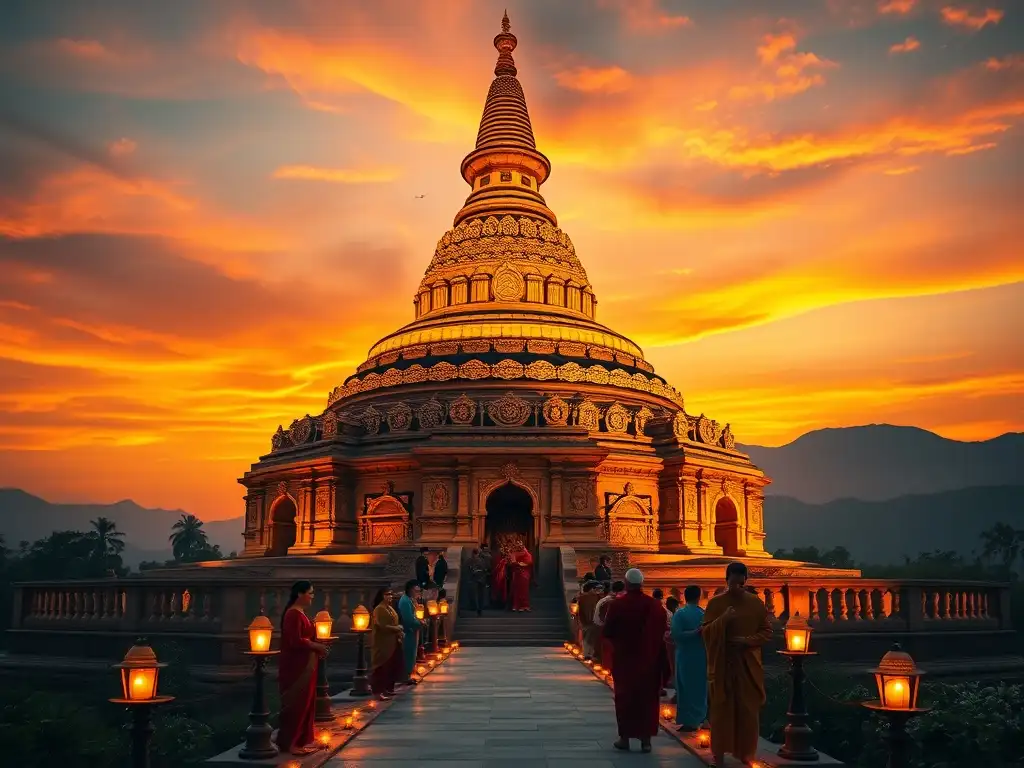
Welcome to Ancient India History, where we journey through the rich tapestry of one of the world’s oldest civilizations. In our featured article, we delve into the Great Stupas of Ancient India, remarkable structures that stand as testaments to faith, artistry, and the profound philosophical thought of their time. These architectural marvels not only showcase the ingenuity of ancient builders but also reveal the spiritual significance embedded within their design.
Join us as we uncover the stories behind these pillars of both faith and architectural brilliance, and discover why they continue to inspire awe and admiration today. Your exploration of ancient India’s vibrant history begins here!
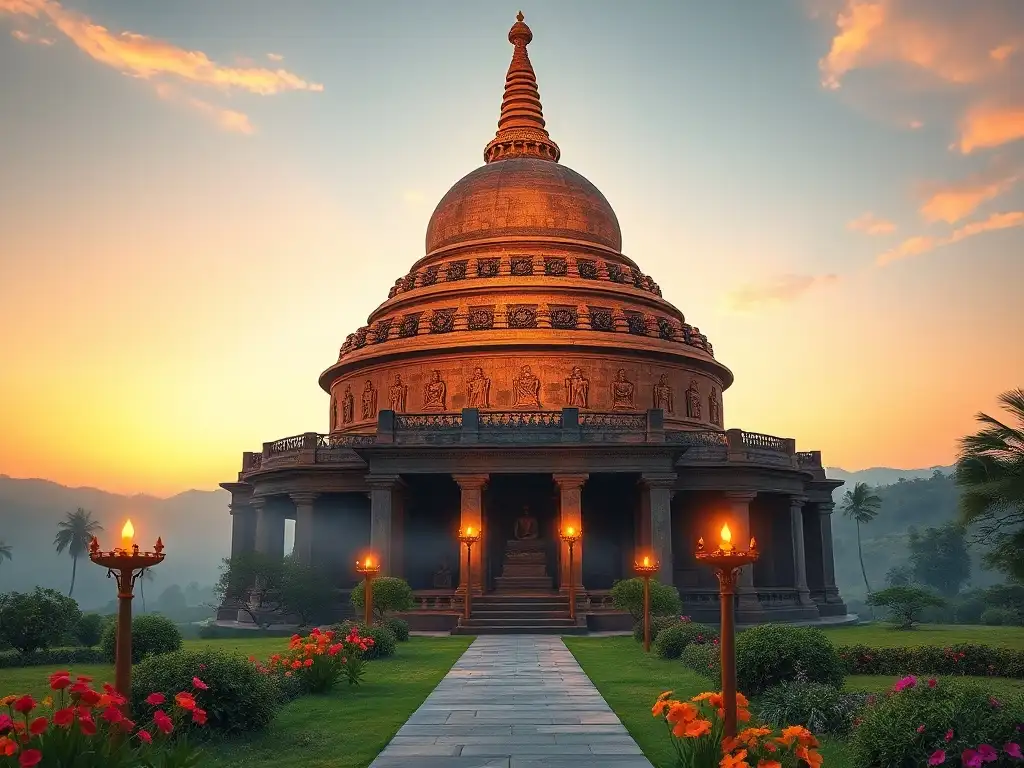
Introduction to Great Stupas of Ancient India
The Great Stupas of Ancient India stand as monumental testaments to the rich tapestry of spirituality, artistic expression, and architectural ingenuity that characterized ancient Indian civilizations. Originating around the 3rd century BCE, these structures were primarily built to house relics and serve as places of meditation and worship.
Their significance transcends mere architectural marvels; they embody the philosophical and religious ideals of Buddhism, reflecting the deep-seated values of faith, community, and devotion that shaped the lives of countless individuals. This article delves into the essence of these stupas, exploring their definitions, historical contexts, architectural features, and the various materials and regional styles that define their grandeur.
Definition and Significance of Stupas
Stupas are dome-shaped structures that serve as reliquaries, typically containing sacred relics of the Buddha or other significant figures in Buddhism. They are more than just burial mounds; they serve as focal points for devotion, symbolizing the path to enlightenment. The architectural form of a stupa is deeply symbolic, often representing the universe and the Buddha's teachings.
- Religious Importance: Stupas are places of pilgrimage where devotees come to pay their respects, meditate, and seek spiritual merit.
- Cultural Symbolism: Beyond their religious function, stupas represent the cultural and artistic achievements of the civilizations that built them.
Historical Context of Stupas in Ancient Indian Civilization
The origins of stupas can be traced back to the early days of Buddhism, around the time of Emperor Ashoka in the 3rd century BCE, who played a crucial role in their proliferation across the Indian subcontinent. Ashoka commissioned the construction of several stupas, including the famous Sanchi Stupa, to promote the teachings of Buddhism and to house relics of the Buddha.
- Spread of Buddhism: As Buddhism spread across Asia, stupas became integral to the architectural landscape, influencing subsequent designs in countries like Sri Lanka, Nepal, and Southeast Asia.
- Evolution Over Time: Over the centuries, the design and function of stupas evolved, reflecting the changing dynamics of religious practices and societal values in ancient India.
Architectural Features of the Great Stupas
Structure and Design of Stupas
The architectural design of stupas is characterized by their unique and iconic shape, which includes several key elements:
- Dome (Anda): The hemispherical dome is the main body of the stupa, symbolizing the universe.
- Harmika: A square railing on top of the dome that represents the abode of the gods.
- Chhatra: The umbrella-like structure above the harmika, symbolizing protection and honor.
Each of these components holds deep symbolic meaning, contributing to the stupa's role as a representation of the Buddhist cosmos.
Materials Used in Construction
The construction of stupas involved a variety of materials, showcasing the architectural skills and resources available at the time. Common materials included:
- Brick: Used extensively, particularly in later stupas, allowing for intricate designs.
- Stone: Often utilized for foundational elements and for sculptural details, adding durability and aesthetic appeal.
- Wood: Employed in earlier stupas, particularly for roofing and decorative elements.
The choice of materials not only reflects the technological capabilities of the time but also emphasizes the importance of aesthetic beauty and durability in stupa construction.
Regional Variations in Stupa Architecture
Stupas in ancient India exhibit significant regional variations, influenced by local cultures, available materials, and architectural traditions. Some notable examples include:
- Sanchi Stupa: Located in Madhya Pradesh, this stupa is renowned for its intricate gateways adorned with relief sculptures depicting Jataka tales.
- Bodh Gaya Stupa: This stupa, built near the site of Buddha's enlightenment, features a large brick structure with a prominent diamond throne (Vajrasana).
- Nalanda Stupa: Part of the ancient university complex, this stupa showcases a blend of architectural styles influenced by Buddhist scholarship.
These variations highlight the adaptability and evolution of stupa design across different regions, making them not only religious structures but also cultural landmarks that capture the essence of ancient Indian civilization.
Prominent Great Stupas of Ancient India
The Great Stupas of Ancient India are monumental structures that serve as both religious symbols and architectural masterpieces. Built primarily during the Mauryan and post-Mauryan periods, these stupas not only exemplified the artistic and engineering advancements of their time but also played a crucial role in the spread of Buddhism. Among the most notable stupas are the Sanchi Stupa, Dhamek Stupa, and Kanishka Stupa, each with its own unique characteristics and historical significance.
Sanchi Stupa
Located in Madhya Pradesh, the Sanchi Stupa is one of the oldest stone structures in India, dating back to the 3rd century BCE. Commissioned by Emperor Ashoka, this stupa is renowned for its massive dome and intricate carvings that depict various aspects of Buddhist teachings. The four gateways, or toranas, adorned with exquisite reliefs, narrate the life of Buddha and significant events from Buddhist lore.
The Sanchi Stupa is not only a UNESCO World Heritage site but also a pilgrimage destination for Buddhists worldwide. Its architectural design influenced many later stupas, making it a quintessential example of Buddhist architecture. The harmonious integration of its structural elements, along with the symbolism embedded in its design, reflects the deep spiritual and cultural ethos of ancient Indian civilization.
Dhamek Stupa
Situated in Sarnath, Uttar Pradesh, the Dhamek Stupa marks the site where Buddha delivered his first sermon after attaining enlightenment. Built in the 5th century CE, this stupa is an imposing structure, standing at a height of 43.6 meters with a diameter of 28 meters. Its cylindrical form is complemented by a square base, showcasing a unique architectural style that evolved during the Gupta period.
The Dhamek Stupa is notable for its intricate stone carvings, which depict floral motifs and figures of animals, emphasizing the artistic sophistication of its builders. As a significant pilgrimage site, it attracts numerous devotees who come to pay their respects to the teachings of Buddhism. The stupa's historical and religious importance is underscored by its role in the development of the Buddhist community in India.
Kanishka Stupa
The Kanishka Stupa, located in Peshawar (modern-day Pakistan), dates back to the 2nd century CE and is associated with the Kushan emperor Kanishka, who played a vital role in the propagation of Buddhism across Central Asia. This grand structure is believed to have been one of the tallest stupas of its time, originally reaching over 60 meters in height.
While the original structure has not survived intact, archaeological excavations have revealed significant remnants, including a large base and numerous artifacts that illustrate the splendor of Kanishka's reign. The stupa is thought to have housed important relics of Buddha, further enhancing its status as a vital pilgrimage site. The Kanishka Stupa stands as a testament to the cultural exchange and architectural innovation that characterized the period of its construction.
The Role of Great Stupas in Ancient Indian Society
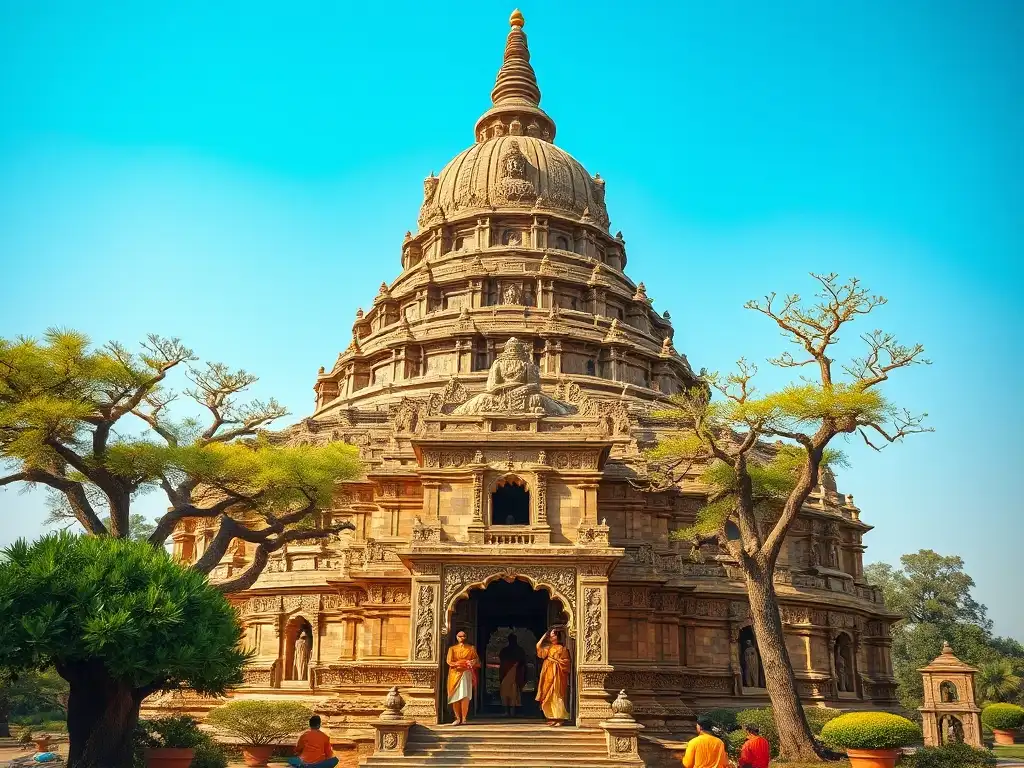
The Great Stupas of Ancient India served multifaceted roles within society, transcending their architectural significance to become central to religious practices and community life. They acted as focal points for spiritual gatherings, educational activities, and cultural exchanges, thereby shaping the socio-religious landscape of ancient India.
Religious Significance of Stupas
Great Stupas were primarily built as reliquaries, housing sacred relics associated with the Buddha and other revered figures in Buddhism. This act of enshrining relics transformed stupas into sacred sites of worship and pilgrimage. The process of circumambulating (pradakshina) these stupas became a significant religious practice, allowing devotees to express their reverence and devotion.
Moreover, stupas served as symbols of the Buddhist cosmology, representing the universe's structure. The dome symbolizes the sky, while the square base represents the Earth, illustrating the connection between the spiritual and the material realms. This profound religious symbolism contributed to the stupas' significance as centers of learning, meditation, and spiritual growth.
Cultural Impact of Stupas
Beyond their religious functions, the Great Stupas also played a vital role in fostering cultural exchange and artistic expression. The intricate carvings and sculptures on the stupas' gateways and walls depict various aspects of life, mythology, and teachings, serving as historical documents that provide insight into the art and culture of ancient India.
Furthermore, stupas became gathering places for scholars, artists, and craftsmen, facilitating the exchange of ideas and styles across regions. The architectural techniques and artistic motifs developed in these stupas influenced not only Buddhist architecture in India but also spread to other parts of Asia, contributing to the global dissemination of Buddhist art and culture.
The Great Stupas of Ancient India are not merely architectural feats but are also integral to understanding the religious, cultural, and historical context of their time, embodying the spirit and teachings of Buddhism while influencing generations to come.
Preservation and Restoration of Great Stupas
The Great Stupas of Ancient India are not only remarkable architectural feats but also significant cultural and religious symbols. As custodians of history, their preservation and restoration are crucial for maintaining their integrity and ensuring they continue to inspire future generations. Various conservation efforts have been initiated, focusing on both structural integrity and the cultural significance of these stupas. These initiatives involve a combination of traditional techniques and modern technology to safeguard these ancient marvels against the ravages of time and human activity.
Challenges in Preservation Efforts
Preserving the Great Stupas presents several challenges. Environmental factors, such as weathering, pollution, and natural disasters, pose significant risks to their structural stability. Additionally, urbanization and increasing tourism can lead to the degradation of the surrounding areas, affecting the stupas' visibility and accessibility. Here are some specific challenges faced in preservation efforts:
- Weathering and Erosion: Natural elements such as rain, wind, and temperature fluctuations can cause significant wear and tear on the stupas' surfaces.
- Human Activity: Increased foot traffic and construction in nearby areas can lead to physical damage and environmental degradation.
- Restoration Techniques: The application of modern materials and techniques can sometimes conflict with traditional methods, leading to debates about authenticity and integrity.
Successful Restoration Projects
Several successful restoration projects have showcased the potential for conserving these ancient structures while respecting their historical significance. Notable examples include:
- The Sanchi Stupa: Restored in the early 20th century, the Sanchi Stupa has undergone meticulous conservation efforts to preserve its intricate carvings and structural integrity. The restoration focused on using original materials and techniques to maintain authenticity.
- The Dhamek Stupa: Located in Sarnath, this stupa has been stabilized and preserved through collaborative efforts between the Archaeological Survey of India and international organizations, ensuring its continued significance as a pilgrimage site.
- The Shanti Stupa: Built in Ladakh, this stupa has been part of ongoing restoration efforts to maintain its cultural and spiritual significance while promoting sustainable tourism practices.
Importance of Conservation for Future Generations
Conserving the Great Stupas is vital not only for preserving ancient architectural brilliance but also for maintaining the connection between past and future generations. The stupas serve as educational resources, offering insights into the artistic, cultural, and religious practices of ancient India. By ensuring their preservation, we enable future generations to learn from and appreciate these monumental structures. Conservation efforts also foster a sense of pride in cultural heritage, encouraging communities to engage with their history actively.
Conclusion: The Legacy of Great Stupas in Ancient Indian History
The Great Stupas of Ancient India stand as testaments to the ingenuity and devotion of early Indian civilizations. Their architectural brilliance and deep-rooted spiritual significance continue to resonate within contemporary society.
Continuing Influence on Modern Architecture
The design and structural elements of the Great Stupas have significantly influenced modern architecture, particularly in religious and civic structures. The hemispherical dome and the use of complex geometric forms can be observed in various modern buildings, showcasing the timelessness of these ancient designs. Architects and designers often draw inspiration from the stupas' integration with nature, reflecting a harmonious relationship between built environments and their surroundings.
The Great Stupas as Symbols of Faith and Heritage
Beyond their architectural significance, the Great Stupas serve as enduring symbols of faith, representing the essence of Buddhism and its teachings. They are revered not only as places of worship but also as cultural landmarks that embody the rich heritage of ancient Indian civilizations. Their continued relevance in spiritual practices and cultural celebrations highlights the importance of preserving these structures for future generations, ensuring that the teachings and values they represent are passed down through time.
- Introduction to Great Stupas of Ancient India
- Architectural Features of the Great Stupas
- Prominent Great Stupas of Ancient India
- The Role of Great Stupas in Ancient Indian Society
- Preservation and Restoration of Great Stupas
- Conclusion: The Legacy of Great Stupas in Ancient Indian History
Frequently Asked Questions
What are the Great Stupas of Ancient India?
The Great Stupas are monumental structures that served as religious relics and symbols of Buddhist faith. They are remarkable examples of ancient Indian architecture and are significant in the study of Buddhism.
Why are the Great Stupas considered architectural masterpieces?
The Great Stupas showcase innovative design, intricate carvings, and a profound understanding of geometry and engineering. Their construction reflects the artistic and cultural achievements of ancient Indian civilizations.
How did the Great Stupas influence Buddhist practices?
These stupas served as centers of worship and pilgrimage, allowing devotees to pay homage to the Buddha and his teachings. They played a crucial role in the spread of Buddhism across Asia.
What are some notable examples of Great Stupas?
Prominent examples include the Sanchi Stupa, the Bodh Gaya Stupa, and the Dhamek Stupa. Each of these sites has its own historical significance and architectural uniqueness.
What is the historical significance of the Great Stupas?
The Great Stupas symbolize the religious and cultural heritage of ancient India. They mark the evolution of Buddhist architecture and reflect the spiritual devotion of the time, influencing future architectural styles.
Final Reflection: The Enduring Legacy of the Great Stupas
The Great Stupas of Ancient India stand as monumental testaments to the intersection of faith and architectural ingenuity, reminding us of their profound relevance in today's world. As we navigate an era marked by rapid change and uncertainty, these structures invite us to reflect on the values they embody—perseverance, devotion, and the quest for enlightenment. Their enduring presence in the landscape of India serves as a powerful reminder that the pursuit of spiritual and cultural identity transcends time.
The influence of the Great Stupas extends far beyond their physical form; they have shaped the cultural and social fabric of societies, inspiring countless generations to seek deeper meaning in their lives. The intricate artistry and symbolism embedded in these stupas continue to resonate with people around the globe, fostering a sense of connection to the past. Architecture is a visual art, and the buildings speak for themselves.
This quote encapsulates the silent yet powerful dialogue that the Great Stupas engage in with all who encounter them, urging us to explore our own beliefs and values.
As we conclude our exploration of the Great Stupas, I invite you to reflect on the lessons they impart. Consider how you can incorporate the principles of dedication and mindfulness into your own life. Whether through acts of kindness, personal growth, or community involvement, let the spirit of the stupas inspire you to build your own pillars of faith and resilience. Embrace the opportunity to connect with history and culture, and carry forward the legacy of these magnificent structures in your daily journey.
Embrace the Legacy of the Great Stupas!
Thank you for joining us on this journey through the awe-inspiring world of the Great Stupas! We hope you’ve gained insight into their remarkable architectural beauty and profound spiritual significance. Now it’s time to take action and deepen your connection to this incredible heritage.
Here are a few ways you can continue exploring and celebrating the legacy of the Great Stupas:
- Visit a Stupa or Monument Near You: Seek out local replicas or temples that capture the essence of these ancient structures and experience their spiritual energy firsthand.
- Share Your Insights: Engage your friends and family on social media about what you learned; your enthusiasm could inspire someone to embark on their own journey of discovery!
- Join a Community Discussion: Participate in online forums or local groups dedicated to ancient architecture or Buddhist studies to enrich your understanding and connect with like-minded individuals.
Which legendary stupa would you choose to explore further, and why? We invite you to share your thoughts with us!