
The Legacy of the Maurya Empire: A Cultural Melting Pot of Art and Ideas

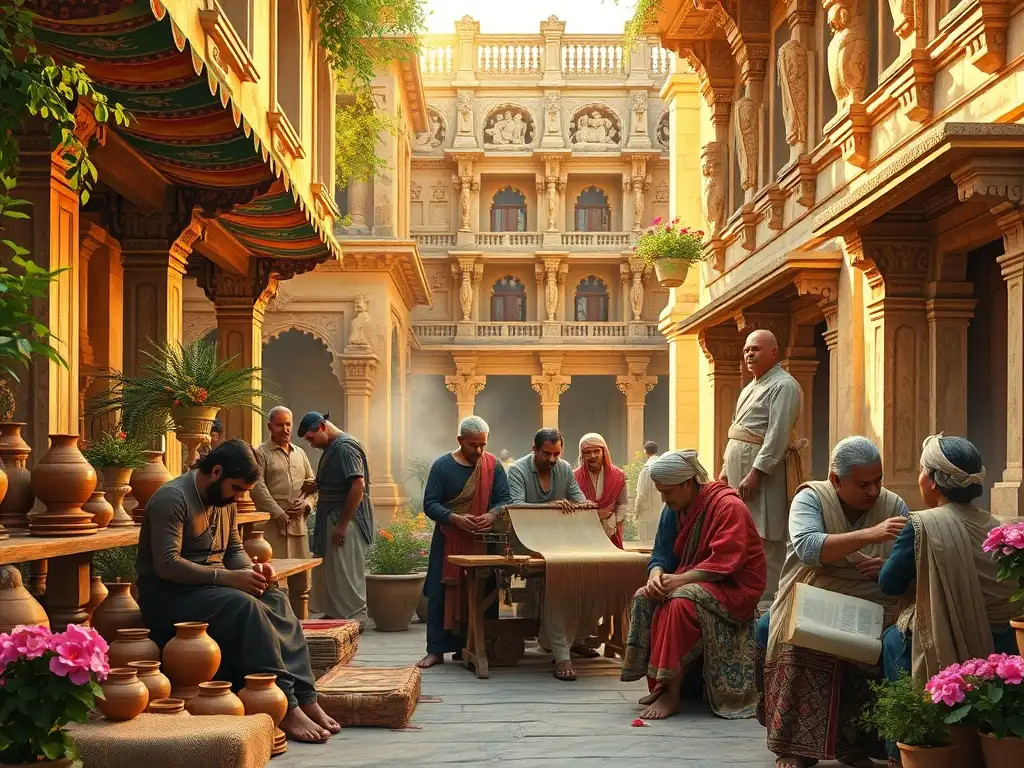
Welcome to Ancient India History, where we delve deep into the vibrant tapestry of ancient Indian civilizations! From the awe-inspiring Indus Valley to the illustrious Gupta Empire, our journey explores the rich cultural exchanges and profound contributions that shaped a nation. In this featured article, "The Legacy of the Maurya Empire: A Cultural Melting Pot of Art and Ideas," we invite you to discover how the Maurya Empire's innovative spirit ignited a cultural renaissance that resonates even today. Are you ready to uncover the fascinating stories behind these remarkable transformations? Let’s embark on this enlightening adventure together!
Introduction to the Maurya Empire Cultural Contributions
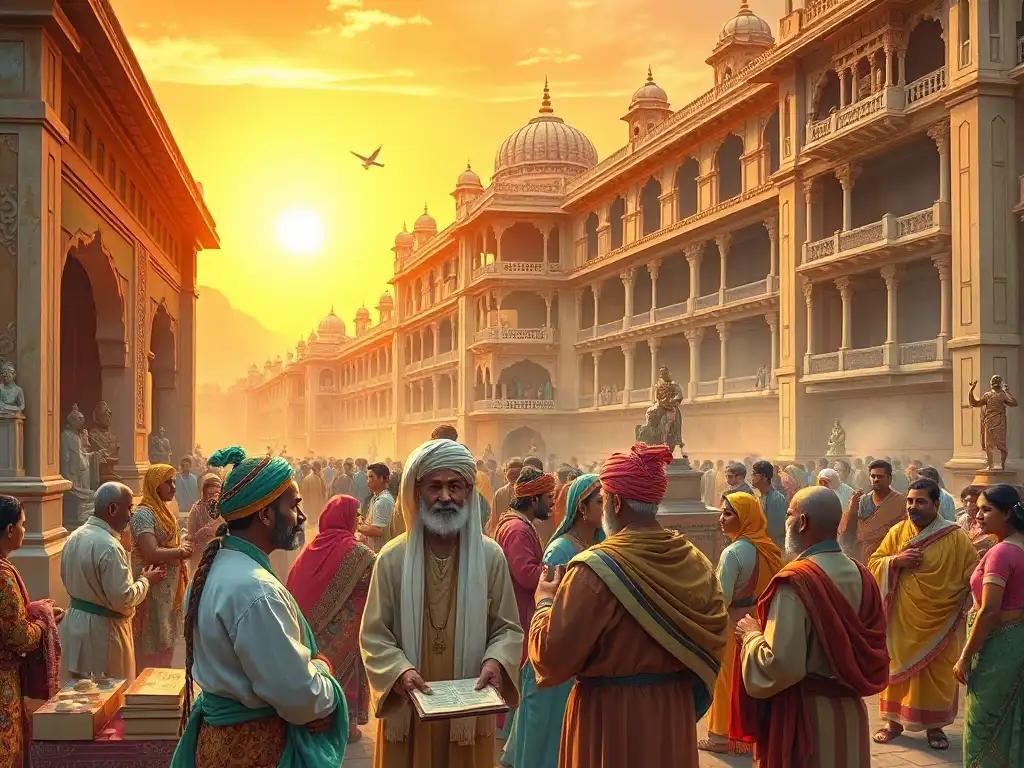
The Maurya Empire, which thrived from approximately 322 to 185 BCE, stands as one of the most significant periods in ancient Indian history. Renowned for its vast territorial expanse and sophisticated administration, the empire was not only a political powerhouse but also a vibrant center of cultural exchange and innovation.
The cultural contributions of the Maurya Empire have left an indelible mark on the subcontinent, influencing art, architecture, and philosophical thought for centuries to come. This article delves into the rich tapestry of the Maurya Empire's cultural legacy, highlighting how it served as a melting pot of diverse ideas and artistic expressions.
Overview of the Maurya Empire
Founded by Chandragupta Maurya, the Maurya Empire unified much of the Indian subcontinent under a centralized rule. Under the able guidance of his grandson, Ashoka the Great, the empire reached its zenith, encompassing vast territories from present-day Afghanistan to Bangladesh. The Mauryan administration was characterized by its innovative governance, which included a well-structured bureaucracy and a postal system that facilitated communication across vast distances.
The empire is particularly noted not only for its political achievements but also for its profound cultural advancements. Ashoka's promotion of Buddhism after the Kalinga War marked a significant shift in cultural dynamics, as the empire began to embrace and propagate Buddhist ideals, leading to the establishment of stupas and monasteries. This era witnessed the synthesis of various regional cultures and traditions, resulting in a unique blend that would shape subsequent artistic and cultural developments in India.
Importance of Cultural Exchanges in Ancient India
Cultural exchanges during the Maurya Empire were pivotal in fostering a rich, interconnected society. The empire's strategic location along vital trade routes facilitated the movement of ideas, goods, and people, enabling interactions between diverse cultures. Such exchanges were crucial in promoting artistic syncretism, where local traditions merged with external influences, leading to innovative forms of expression.
The Maurya period also marked significant developments in philosophy, religion, and the arts. The propagation of Buddhism, along with the coexistence of Hinduism and Jainism, exemplifies the pluralistic nature of the society. Dialogues and debates among various philosophical schools flourished, enriching the intellectual landscape of the time. This cultural melting pot not only fostered artistic achievements but also laid the groundwork for future civilizations in the region.
The Artistic Achievements of the Maurya Empire
The cultural contributions of the Maurya Empire are vividly illustrated through its artistic achievements, which reflect the empire's diverse influences and innovative spirit. The artistic endeavors of this period showcase a blend of indigenous styles and foreign elements, resulting in a unique aesthetic that continues to inspire contemporary art.
Architectural Marvels of the Maurya Period
The Maurya Empire is renowned for its monumental architecture, which is characterized by grand stupas, intricate pillars, and elaborate palaces. One of the most iconic structures from this period is the Sanchi Stupa, a UNESCO World Heritage site that exemplifies the architectural prowess and religious significance of the time.
- Great Stupa at Sanchi: Built during the reign of Ashoka, this stupa serves as a testament to the importance of Buddhism and its architectural form. Its hemispherical dome and intricately carved gateways depict various Jataka tales, illustrating the life and teachings of Buddha.
- Ashoka Pillars: These impressive stone pillars, adorned with intricate carvings and edicts, were erected to disseminate Ashoka's messages of morality and governance. The most famous of these is the Lion Capital of Ashoka, which has become a symbol of India’s heritage.
Sculpture and Relief Work in the Maurya Empire
The sculptural achievements of the Maurya Empire are equally noteworthy, showcasing a high degree of skill and artistry. The period is characterized by realistic representations and intricate details in sculptures and reliefs.
- Sculptures of the Maurya Period: The period saw the emergence of stone sculptures that depicted not only religious figures but also everyday life, providing insight into the socio-cultural fabric of the time. The Yaksha and Yakshini sculptures reflect the blend of local beliefs with Buddhist iconography.
- Reliefs and Decorations: The decorative reliefs found in stupas and temples are remarkable for their attention to detail and narrative quality. These artworks often depicted scenes from the life of Buddha, as well as motifs drawn from nature, symbolizing harmony and balance.
The Maurya Empire's cultural contributions were marked by a dynamic synthesis of art, architecture, and ideas, fostering a legacy that continues to resonate through the ages. As we explore deeper into the artistic achievements and their implications, it becomes evident that the Maurya Empire was indeed a cultural melting pot that shaped the trajectory of Indian civilization.
Philosophical and Ideological Contributions
The Maurya Empire, which thrived from approximately 322 to 185 BCE, was not only a political powerhouse but also a significant center for philosophical and ideological advancements. This period marked a pivotal transformation in Indian thought, as diverse ideas converged and flourished. The empire's expanse allowed for the integration of various philosophies and religious beliefs, leading to a rich tapestry of thought that influenced subsequent generations.
The period was characterized by the promotion of ethical governance, largely attributed to the teachings of Buddhism and Jainism. Emperor Ashoka, in particular, played a crucial role in propagating these ideologies, advocating for non-violence (ahimsa) and moral righteousness. His edicts, inscribed on pillars and rocks throughout the empire, reflect a commitment to welfare and social justice, illustrating how the Maurya Empire was a melting pot of ideas that prioritized compassion and ethical living.
The Role of Buddhism in Mauryan Culture
Buddhism emerged as a dominant philosophical force during the Maurya Empire, especially under the reign of Ashoka. After witnessing the devastating effects of war, particularly during the Kalinga conflict, Ashoka converted to Buddhism and adopted its principles, which emphasized peace, compassion, and the interconnectedness of all beings. This shift not only influenced his personal governance style but also transformed the cultural landscape of the empire.
Ashoka's patronage of Buddhism led to the establishment of stupas, monasteries, and educational centers, which became hubs for learning and spiritual growth. The famous Sanchi Stupa and the rock-cut caves at Barabar are prime examples of architectural contributions that reflect Buddhist ideals. Moreover, Ashoka's effort to spread Buddhism beyond India—sending missionaries to regions like Sri Lanka and Central Asia—underscored the empire's role in fostering cross-cultural exchanges.
Integration of Various Philosophies
The Maurya Empire was characterized by an impressive integration of various philosophical traditions, including Hinduism, Jainism, and materialist philosophies like Carvaka. This pluralistic approach allowed for a dynamic exchange of ideas that enriched the intellectual milieu of the time. The coexistence of different belief systems fostered dialogues that encouraged tolerance and understanding among diverse communities.
The synthesis of these philosophies is evident in the artworks and literature of the era, which often depict themes common to multiple traditions. For instance, sculptures and inscriptions from the Mauryan period frequently portray motifs that resonate with both Buddhist and Hindu iconography, showcasing the cultural syncretism that defined the empire. This blending of ideas laid the groundwork for future philosophical developments in India, influencing the Gupta period and beyond.
Literature and Education during the Maurya Empire
The Maurya Empire was not only a political entity but also a beacon of literary and educational advancement. The flourishing of literature during this time was marked by the emergence of various genres, including poetry, drama, and philosophical texts. The emphasis on education and learning played a crucial role in shaping the intellectual landscape of ancient India.
Literary Contributions and Historical Texts
One of the notable literary contributions of the Maurya period is the Arthashastra, attributed to the scholar Kautilya (Chanakya), who served as a chief advisor to Chandragupta Maurya. This treatise on statecraft, economics, and military strategy remains a foundational text in the study of political science and governance. Its practical insights into administration and diplomacy reflect the sophisticated thinking prevalent during the empire.
In addition to the Arthashastra, various historical texts and poetry emerged, offering insights into the culture and societal norms of the time. The writings of poets and playwrights, although not extensively documented, suggest a vibrant literary culture that celebrated both royal patronage and popular themes. The emphasis on documentation and record-keeping during this period laid the groundwork for future historical narratives in India.
The Role of Education and Learning Centers
The Maurya Empire placed a significant emphasis on education, leading to the establishment of numerous learning centers. Institutions such as Takshashila (Taxila) and Nalanda are believed to have flourished during or shortly after the Mauryan period, serving as key centers for learning in various disciplines, including philosophy, medicine, and mathematics.
These educational hubs attracted scholars from across the region, facilitating the exchange of ideas and knowledge. The curriculum often included a blend of practical subjects, such as administration and warfare, along with spiritual and philosophical studies, reflecting the empire's holistic approach to education. The legacy of these centers continued to influence education in India for centuries, underlining the Maurya Empire's pivotal role in shaping the intellectual traditions of ancient India.
Religious Syncretism and Cultural Exchange
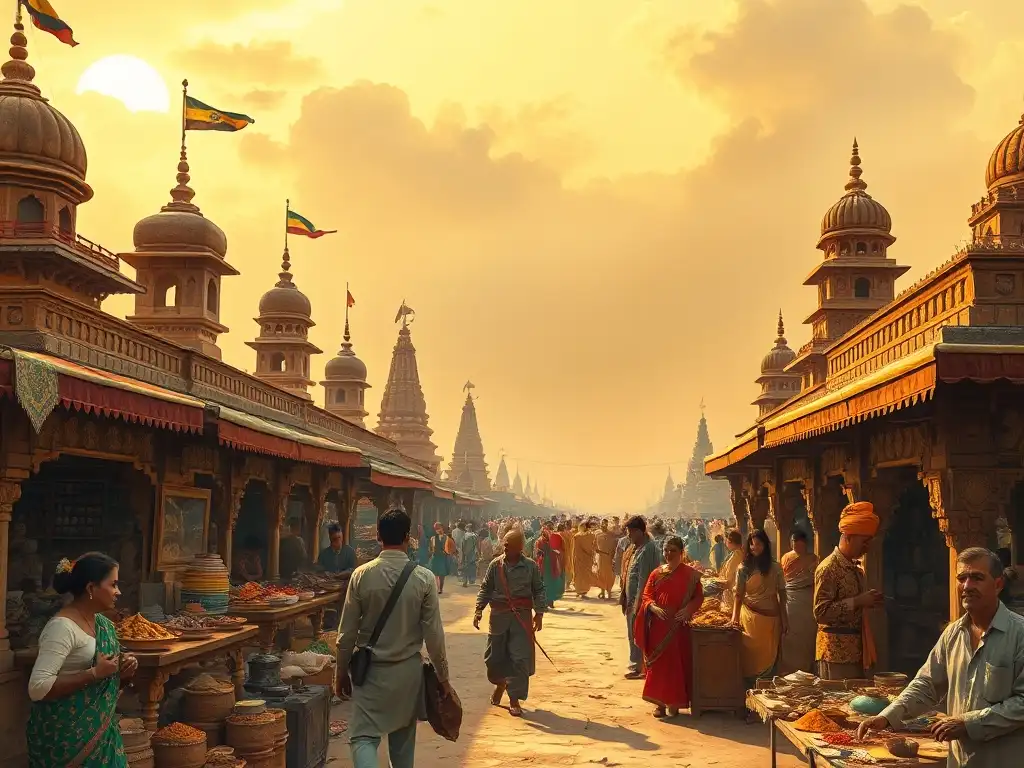
The Maurya Empire, one of the largest and most influential empires in ancient India, was marked by a remarkable degree of religious syncretism and cultural exchange. This period, particularly under the reign of Emperor Ashoka, saw a fusion of diverse religious beliefs and practices, which significantly shaped the cultural landscape of the region. The Maurya Empire was a melting pot where Hinduism, Buddhism, Jainism, and various local religions coexisted, influencing one another and creating a unique tapestry of spiritual life.
Ashoka's conversion to Buddhism after the Kalinga War is a pivotal moment in this narrative. His promotion of Buddhism and the principles of Dharma led to the establishment of a more inclusive society that respected and embraced different faiths. The edicts of Ashoka, inscribed on pillars and rocks throughout the empire, articulated a message of tolerance and moral conduct that resonated across religious boundaries. This not only facilitated the spread of Buddhism but also encouraged the acceptance of other religions, fostering a sense of unity among the diverse populations of the empire.
The Diversity of Religious Practices in the Maurya Empire
The Maurya Empire was home to an array of religious practices, reflecting the rich cultural diversity of its inhabitants. Hinduism, with its complex pantheon and rituals, remained a significant force, coexisting alongside Buddhism, which gained prominence due to Ashoka's patronage. Jainism, known for its emphasis on non-violence and asceticism, also thrived, influencing the ethical frameworks of the time.
The empire's policies promoted religious pluralism, allowing different communities to practice their faiths freely. Temples, stupas, and monastic complexes were established across the empire, showcasing architectural splendor and artistic innovation. For instance, the famous Sanchi Stupa, built during the Mauryan period, exemplifies the architectural style that combined local traditions with Buddhist influences, signifying a blend of cultural elements.
Moreover, festivals and rituals from various traditions began to intermingle, leading to a more syncretic spiritual landscape. This intermingling of beliefs not only fostered communal harmony but also enriched the cultural fabric of the Maurya Empire, allowing for a dynamic exchange of ideas and practices.
Trade and Cultural Exchange with Neighboring Civilizations
The Maurya Empire's strategic location and extensive trade networks facilitated significant cultural exchange with neighboring civilizations. Trade routes connected the Mauryan heartland with regions as far as Persia, Central Asia, and Southeast Asia, enabling the flow of goods, ideas, and cultural practices. This interaction not only stimulated economic growth but also acted as a conduit for cultural influences.
Merchants and travelers played key roles in this exchange, bringing new philosophies, artistic styles, and religious beliefs into the empire. For instance, the spread of Buddhism beyond India into regions like Sri Lanka and Southeast Asia can be traced back to these trade connections. The Maurya Empire's diplomatic relationships with foreign kingdoms also contributed to this cultural exchange, as envoys and scholars traveled between courts, sharing knowledge and fostering mutual respect.
Additionally, the introduction of various art forms, such as coinage and sculpture, was influenced by interactions with Hellenistic and Persian cultures. This cross-cultural dialogue enriched the artistic expressions within the Maurya Empire, leading to a distinctive style that blended indigenous elements with external influences.
Conclusion: The Enduring Legacy of the Maurya Empire
The cultural contributions of the Maurya Empire have left an indelible mark on the history and heritage of India. This era not only witnessed the flourishing of Buddhism but also set the stage for the development of a diverse and syncretic culture that embraced various religious and artistic traditions. The legacy of this empire is evident in the continued reverberations of its cultural practices and ideas throughout subsequent Indian history.
Lasting Impact of Mauryan Cultural Contributions
The Maurya Empire's cultural contributions have endured beyond its temporal existence, influencing subsequent dynasties and cultural movements in India. The principles of tolerance and pluralism championed by Ashoka laid the groundwork for later empires, allowing for a rich intermingling of cultures. The artistic styles that emerged during this period, particularly in sculpture and architecture, continued to inspire artists for centuries, evident in the intricate carvings of later periods.
Furthermore, the establishment of a centralized administration under the Mauryan rule set a precedent for governance that emphasized ethical leadership and social responsibility. These ideals resonated through the ages, shaping the moral and philosophical frameworks of Indian society.
Reflection on the Maurya Empire as a Model of Syncretism
The Maurya Empire serves as a profound example of how a diverse society can thrive through cultural syncretism. Its ability to integrate various religious practices and cultural elements illustrates the potential for harmony in diversity. The Mauryan approach to governance and society, which emphasized inclusivity and respect for different beliefs, offers valuable lessons for contemporary societies grappling with issues of cultural identity and coexistence.
As we reflect on the legacy of the Maurya Empire, it becomes clear that its cultural contributions were not merely historical; they continue to inspire and inform our understanding of art, religion, and social dynamics in a globalized world. The Maurya Empire stands as a testament to the power of cultural exchange and the enduring nature of human creativity and connection.
Further Reading on the Maurya Empire and Its Cultural Contributions
The Maurya Empire, one of the most significant empires in ancient Indian history, has left an indelible mark on the cultural landscape of the region. To gain a deeper understanding of its artistic and cultural contributions, a range of scholarly works, articles, and online resources are available. These materials provide insights into the empire's influence on art, architecture, philosophy, and governance, showcasing the rich tapestry of ideas that emerged during this period.
Suggested Books and Articles on Mauryan History
-
"The Mauryan Empire" by Romila Thapar
This book offers a comprehensive analysis of the Mauryan Empire's political structure and its cultural achievements. Thapar delves into the socio-economic conditions of the time and how they influenced the empire's artistic expressions.
-
"Maurya and Post-Maurya India" by R.S. Sharma
R.S. Sharma provides a detailed examination of the Maurya Empire and its aftermath, discussing the cultural syncretism that characterized this period. The book emphasizes the continuity and change in art forms and ideas that followed the decline of the empire.
-
"The Art of the Maurya Period" by John Marshall
Marshall's work focuses on the artistic developments during the Maurya period. He explores various art forms, including sculpture, pottery, and architecture, offering insights into the techniques and materials used by Mauryan artisans.
-
"Ashoka: The Search for the Lost Emperor" by Charles Allen
In this engaging narrative, Allen explores the life of Ashoka, the most famous Mauryan emperor, and his role in promoting Buddhism and cultural integration. The book highlights Ashoka's contributions to art and architecture, particularly the rock edicts and stupas.
-
"Cultural History of India: From the Earliest Times to the Present" by S. R. Rao
This extensive work covers the evolution of Indian culture, with significant sections dedicated to the Mauryan Empire. Rao discusses the cultural exchanges that occurred during this period and their long-lasting impact on Indian civilization.
Online Resources for Exploring Mauryan Art and Ideas
-
Digital South Asia Library
This online resource offers a wealth of primary and secondary materials related to the Mauryan Empire, including maps, texts, and images that illustrate the cultural contributions of the period.
-
The British Museum's Collection
The British Museum hosts an extensive collection of Mauryan artifacts, including sculptures and coins. Their online database provides detailed descriptions and images, facilitating a virtual exploration of Mauryan art.
-
The Archaeological Survey of India
The official website of the Archaeological Survey of India features articles and reports on excavations related to the Mauryan Empire, showcasing the architectural and artistic achievements uncovered through archaeological research.
-
Khan Academy – Ancient India
This educational platform provides video lectures and articles on various aspects of ancient Indian history, including the Maurya Empire. The resources cover cultural, artistic, and philosophical contributions in an accessible format.
-
JSTOR
An excellent platform for academic research, JSTOR houses numerous articles and papers related to the Mauryan Empire. Scholars can access peer-reviewed content that discusses various cultural dimensions of the empire in depth.
By engaging with these suggested readings and online resources, individuals can deepen their understanding of the Maurya Empire's cultural contributions and appreciate its role as a melting pot of art and ideas in ancient India.
- Introduction to the Maurya Empire Cultural Contributions
- The Artistic Achievements of the Maurya Empire
- Philosophical and Ideological Contributions
- Literature and Education during the Maurya Empire
- Religious Syncretism and Cultural Exchange
- Conclusion: The Enduring Legacy of the Maurya Empire
- Further Reading on the Maurya Empire and Its Cultural Contributions
- What were the key cultural contributions of the Maurya Empire?
- How did the Maurya Empire influence religion in ancient India?
- What are some notable art forms that emerged during the Maurya Empire?
- How did the Maurya Empire contribute to literature?
- In what ways did the Maurya Empire promote cultural exchange?
Frequently Asked Questions
What were the key cultural contributions of the Maurya Empire?
The Maurya Empire is known for its rich contributions in art, literature, and architecture, including the creation of stupas and the promotion of Buddhist art.
How did the Maurya Empire influence religion in ancient India?
The Maurya Empire played a significant role in the spread of Buddhism, especially under Emperor Ashoka, who promoted non-violence and tolerance.
What are some notable art forms that emerged during the Maurya Empire?
During the Maurya Empire, notable art forms included sculpture, carving, and the development of rock-cut architecture, showcasing intricate designs and religious themes.
How did the Maurya Empire contribute to literature?
The Maurya Empire fostered a vibrant literary culture, with important works like Kautilya's Arthashastra, which provided insights into politics and economics of the time.
In what ways did the Maurya Empire promote cultural exchange?
The Maurya Empire facilitated trade and communication across regions, allowing for a melting pot of ideas, languages, and traditions that enriched Indian culture.
Final Reflection: Embracing the Cultural Tapestry of the Maurya Empire
The legacy of the Maurya Empire serves as a powerful reminder of how cultural contributions can shape societies and transcend time. In an era where globalization is rapidly intertwining diverse cultures, understanding the rich tapestry woven by the Maurya Empire is more relevant than ever. The artistic and philosophical advancements that emerged during this period not only influenced the Indian subcontinent but also set a precedent for cultural exchange that resonates in today's interconnected world.
The cultural contributions of the Maurya Empire continue to inspire and inform contemporary discussions around art, philosophy, and governance. The empire's ability to blend various traditions and ideas showcases the strength found in diversity. As we navigate our own complex cultural landscapes, we can draw from this historical example to foster inclusivity and creativity in our communities. The greatness of a culture can be found in its festivals.
– Siddhartha Gigoo. This quote encapsulates the essence of the Maurya Empire's legacy, reminding us that cultural celebrations and exchanges enrich our collective human experience.
As we reflect on the lessons from the Maurya Empire, let us embrace the call to cultivate our own cultural contributions in our lives. Consider how you can contribute to the cultural dialogue in your community, whether through art, literature, or shared experiences. By fostering an environment that values diversity and creativity, we can honor the legacy of the Maurya Empire and ensure that its spirit of cultural collaboration continues to thrive for generations to come.
Unveil the Rich Tapestry of the Maurya Empire!
Thank you for joining us on this journey through the fascinating legacy of the Maurya Empire. Your curiosity about this cultural melting pot of art and ideas reveals the depth of human creativity and collaboration that we can all learn from. Now, let’s take the next step together!
- Dive deeper: Explore the art and philosophy from the Maurya period by visiting local museums or online exhibitions. Seek out artifacts that embody the spirit of this remarkable empire!
- Share your insights: Discuss what you’ve learned with friends or on social media using the hashtag #MauryaLegacy. Encourage others to uncover this rich historical narrative!
- Engage with the community: Join forums or groups dedicated to ancient history to exchange ideas and delve into discussions about the profound impact of the Maurya Empire.
As you reflect on this incredible period, consider what aspect of the Maurya Empire you find most inspiring, and how you believe it continues to influence our world today.