
The Campaigns of Chandragupta Maurya: Founding an Empire

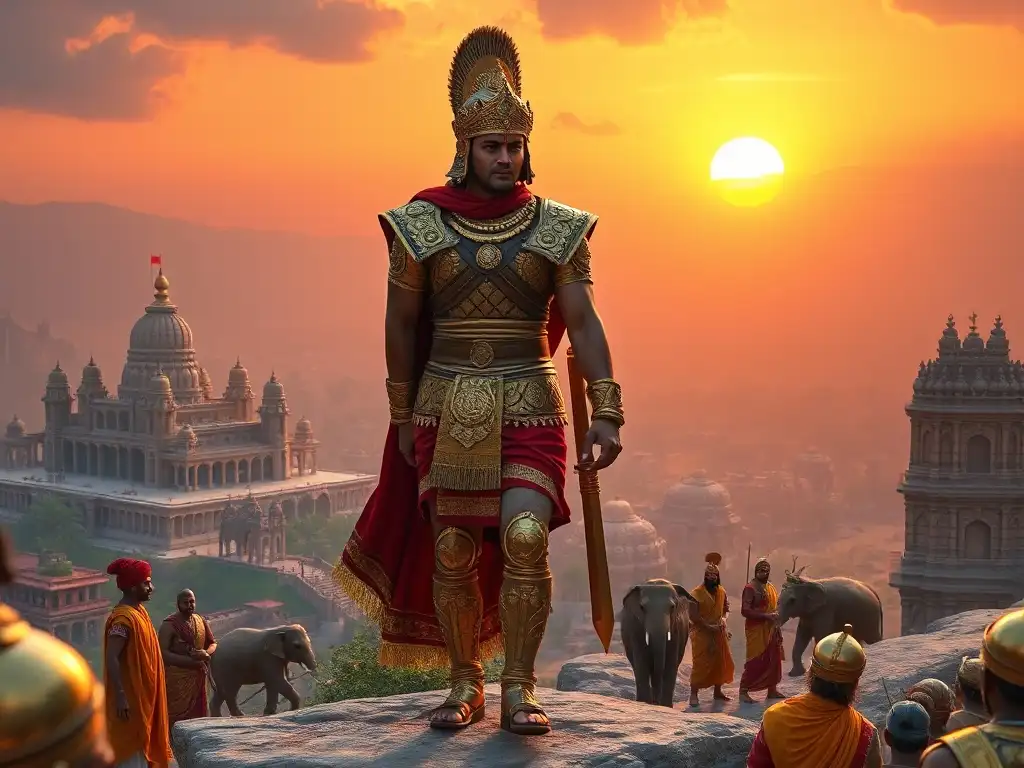
Welcome to Ancient India History, where we embark on a fascinating journey through the rich tapestry of India's past! In this exploration, we dive deep into the remarkable Chandragupta Maurya empire history, uncovering the military strategies and visionary leadership that laid the foundations of one of the greatest empires in ancient times. What drove Chandragupta to unite the fractured territories of India? How did his campaigns shape the future of civilization? Join us as we unravel these captivating stories and more, inviting you to delve into the extraordinary world of ancient Indian history.
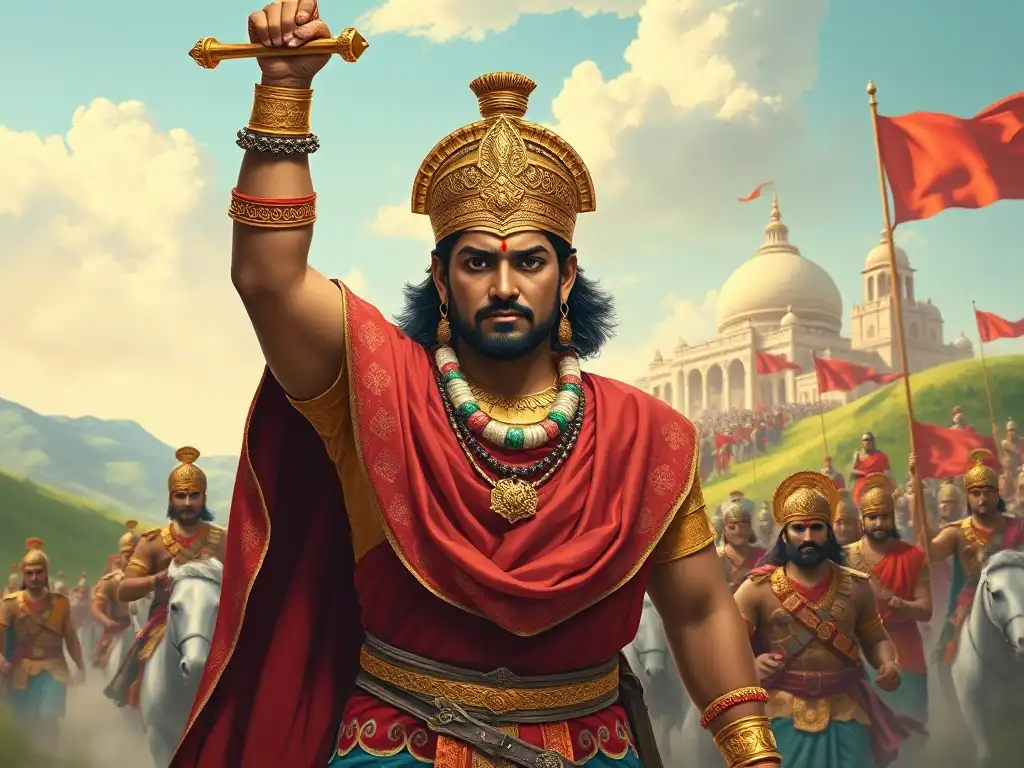
Introduction to Chandragupta Maurya Empire History
The history of the Chandragupta Maurya Empire marks a pivotal chapter in ancient Indian history, characterized by military prowess, strategic alliances, and transformative governance. Chandragupta Maurya, the founder of this magnificent empire in the 4th century BCE, not only unified a fragmented India but also laid the groundwork for one of the most influential dynasties in the subcontinent.
His campaigns were not merely battles for territory; they were strategic moves that reshaped the political and cultural landscape of ancient India. This article delves into the campaigns of Chandragupta Maurya, exploring the rich tapestry of events that led to the establishment of his empire and the significance it holds in the broader context of Indian history.
Overview of Chandragupta Maurya's Early Life
Chandragupta Maurya's early life is steeped in legend and historical intrigue. Born into a humble family in the region of present-day Bihar, he was initially influenced by the teachings of Chanakya, a learned Brahmin and political strategist. Chanakya recognized Chandragupta's potential and became his mentor, instilling in him the knowledge and skills necessary to challenge the ruling Nanda Dynasty. Together, they embarked on a journey that would lead to the overthrow of the Nandas and the establishment of the Maurya Empire.
Chandragupta’s early experiences as a leader of a small band of followers, coupled with Chanakya's guidance, honed his skills in warfare and statecraft. This foundation proved critical as he set his sights on consolidating power and expanding his influence across the Indian subcontinent.
Significance of the Maurya Empire in Ancient India
The Maurya Empire, under Chandragupta's leadership, was significant for numerous reasons. It marked the first time that a large part of the Indian subcontinent was unified under a central authority, paving the way for political stability and economic prosperity. The Mauryan administration introduced a structured bureaucratic system, which facilitated trade and communication across vast distances.
Moreover, the empire is renowned for its contributions to art, culture, and philosophy. The period saw the flourishing of Buddhism, especially under Chandragupta's grandson, Ashoka, who further promoted the teachings of Buddha across the region. The Maurya Empire also established important trade routes, enhancing cultural exchange and economic ties with other civilizations.
The Political Landscape Before the Maurya Empire
Understanding the campaigns of Chandragupta Maurya requires an analysis of the political landscape that preceded the Maurya Empire. The Indian subcontinent was characterized by a mosaic of kingdoms and regional powers, each vying for dominance.
The Impact of Alexander the Great's Invasion
One of the most significant events influencing the rise of the Maurya Empire was the invasion of Alexander the Great in 326 BCE. Alexander's campaigns, although brief, destabilized the existing power structures and created a power vacuum in the northwest territories of India. The subsequent retreat of his forces left several regions vulnerable, which Chandragupta seized upon to expand his influence.
As the Greek forces departed, local rulers were left to contend with their fragmented territories, providing Chandragupta the opportunity to assert his military prowess and diplomatic acumen, ultimately leading to his rise as a formidable power in the region.
Regional Powers and Their Influence on Chandragupta's Campaigns
Before the establishment of the Maurya Empire, several regional powers played a crucial role in shaping the political dynamics of ancient India. The Nanda Dynasty, which ruled a significant portion of northern India, was one of Chandragupta's primary adversaries. Their wealth and military strength posed a formidable challenge to his ambitions.
Additionally, other regional entities, such as the Mahajanapadas and various tribal confederacies, influenced the strategies and tactics employed by Chandragupta. By navigating these complex relationships, forming alliances, and engaging in strategic warfare, Chandragupta was able to unify a large part of India and lay the foundation for an empire that would endure for centuries.
Key Campaigns and Battles of Chandragupta Maurya
Chandragupta Maurya's rise to power and the establishment of the Maurya Empire were marked by a series of significant campaigns and battles that showcased his military prowess and strategic acumen. These campaigns not only helped him to overthrow the existing powers in the region but also laid the foundation for one of the largest empires in ancient India. The key campaigns during his reign include the conquest of the Nanda Dynasty, the campaign against Alexander's satraps, and the expansion into the Deccan and Southern India.
The Conquest of the Nanda Dynasty
The Nanda Dynasty was one of the most powerful kingdoms in India before the Mauryan Empire. Chandragupta Maurya, with the assistance of his mentor Chanakya, devised a plan to overthrow the Nandas. This campaign involved both military tactics and psychological warfare.
- Strategy: Chanakya's intelligence network provided critical information about the Nanda army's strengths and weaknesses. They utilized guerrilla tactics to disrupt supply lines and launch surprise attacks.
- Result: After several skirmishes, Chandragupta was able to defeat King Dhananjoy Nanda. This victory was significant as it not only marked the end of the Nanda reign but also established Chandragupta as a formidable ruler in his own right.
The Campaign Against Alexander’s Satraps
Following Alexander the Great's invasion of India, several of his satraps (governors) were left to control the territories he had conquered. Chandragupta saw an opportunity to expand his influence and territory by targeting these satraps, specifically in the northwestern regions.
- Tactics Employed: Chandragupta employed a mix of direct assaults and diplomatic strategies. He formed alliances with local tribes and used their knowledge of the terrain to gain an advantage in battles.
- Outcome: This campaign saw the successful expulsion of the Macedonian influence from India, with Chandragupta defeating notable satraps such as Spitamenes and capturing key cities. This not only expanded his empire but also solidified his reputation as a leader capable of uniting various factions against a common enemy.
Expansion into the Deccan and Southern India
With the northern territories secured, Chandragupta turned his attention southward to expand his empire further into the Deccan and Southern India. This campaign was essential for establishing Mauryan dominance across the subcontinent.
- Military Campaigns: The campaign involved significant battles against local kings and chieftains. Chandragupta's forces were well-organized and equipped, allowing them to employ effective siege tactics against fortified cities.
- Significance: The expansion into the Deccan not only increased the wealth and resources of the Maurya Empire but also facilitated trade routes that would later enhance economic stability. It marked the transition of Chandragupta from a local conqueror to a ruler of a vast empire.
The Role of Key Figures in Chandragupta Maurya's Campaigns
Chandragupta Maurya's campaigns were not the result of his leadership alone; several key figures played pivotal roles in shaping his military strategies and ensuring the success of the Mauryan Empire.
The Influence of Chanakya (Kautilya) on Military Strategy
Chanakya, also known as Kautilya, was a brilliant strategist, philosopher, and the chief architect behind Chandragupta's rise to power. His contributions were instrumental in various aspects of the campaigns.
- Tactical Genius: Chanakya’s understanding of warfare and statecraft was unparalleled. He devised strategies that combined military tactics with psychological warfare, ensuring that Chandragupta's forces were always one step ahead of their enemies.
- Political Maneuvering: Beyond military tactics, Chanakya's ability to form alliances and manipulate rival factions was crucial. His political strategies helped consolidate power and maintain stability within the newly formed empire.
Contributions of Generals and Allies in the Campaigns
Chandragupta was supported by a cadre of talented generals and allies who played vital roles in executing his campaigns.
- Generals: Key figures such as Bhadrashala and Vijaya led troops into battle, employing various warfare techniques that complemented Chandragupta's strategies. Their loyalty and military expertise were crucial during critical battles.
- Alliances: Chandragupta also forged alliances with local rulers and influential clans, which not only provided additional military support but also helped in pacifying newly acquired territories. These alliances were a strategic move that facilitated smoother governance and integration of the diverse regions under Mauryan rule.
Through these key figures and their contributions, Chandragupta Maurya was able to establish his empire, leaving a lasting legacy in the annals of Indian history.
The Establishment of the Maurya Empire
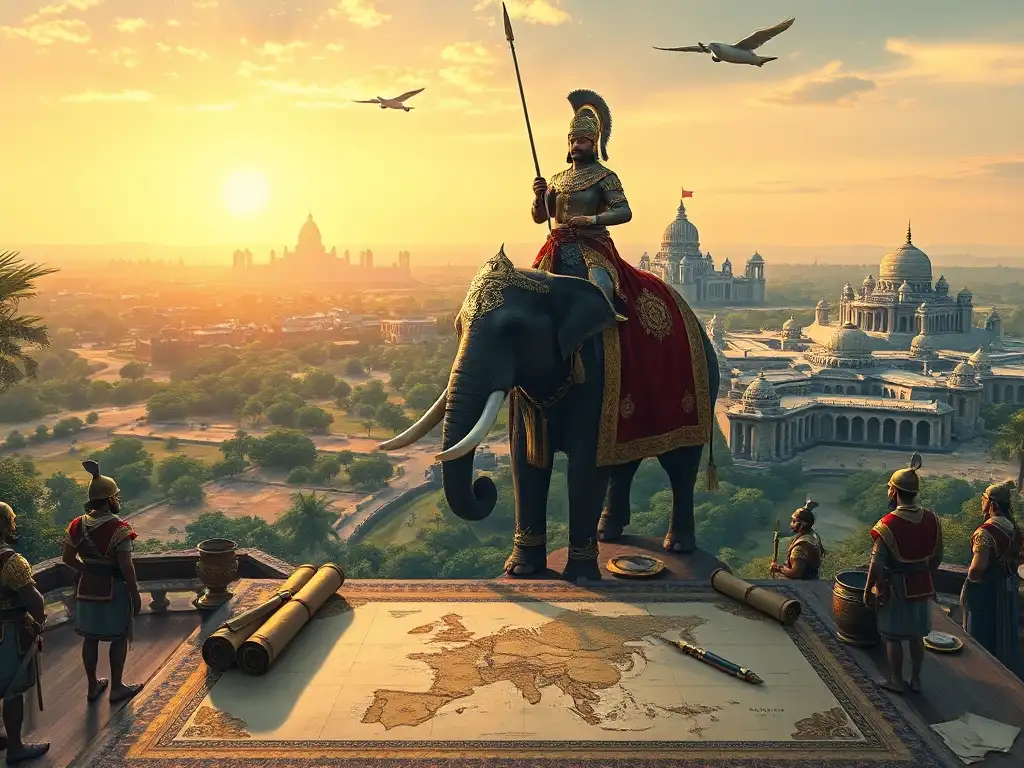
The establishment of the Maurya Empire marked a significant turning point in ancient Indian history. Founded by Chandragupta Maurya around 322 BCE, this empire unified a vast region of the Indian subcontinent that had previously been fragmented into numerous smaller kingdoms. The rise of the Maurya Empire was characterized by strategic military campaigns and astute political maneuvers, solidifying Chandragupta's position as a powerful ruler. His conquests included the defeat of the Nanda dynasty, which had dominated the region, and the expansion of his territories across northern India, including modern-day Punjab, Haryana, and parts of Uttar Pradesh.
Chandragupta's military strategy was notable for its emphasis on both offensive and defensive tactics, utilizing war elephants and a well-disciplined infantry. His success in establishing a centralized authority set the foundation for a bureaucratic system that would endure for generations. The Maurya Empire soon became one of the largest empires in ancient India, paving the way for subsequent rulers to build upon this legacy.
Foundation of the Mauryan Administration
The administrative framework established by Chandragupta Maurya was instrumental in the effective governance of the Maurya Empire. Drawing influence from the teachings of Chanakya (also known as Kautilya), his chief advisor and strategist, Chandragupta implemented a centralized government model that emphasized efficiency and control.
Key features of the Mauryan administration included:
- Bureaucratic Structure: The empire was divided into provinces, each governed by a royal appointee, ensuring local administration aligned with imperial directives.
- Taxation System: A systematic approach to taxation was implemented, where taxes were collected on agriculture, trade, and crafts, enabling the state to fund military and infrastructure projects.
- Law and Order: The Mauryan legal system, codified in texts like the Arthashastra, laid out guidelines for governance, trade regulations, and penalties for crimes, promoting a sense of order throughout the empire.
These administrative innovations not only strengthened the Maurya Empire but also influenced subsequent dynasties in India, establishing a legacy of governance that integrated both economic and military strategies.
Cultural and Economic Developments Under Chandragupta
Chandragupta Maurya's reign was marked by significant cultural and economic developments that enriched the empire and its people. Under his rule, trade flourished, and urban centers thrived, leading to an increase in wealth and cultural exchange.
- Trade Networks: The Maurya Empire established extensive trade routes, both overland and maritime, connecting it to regions as far as the Mediterranean and Southeast Asia. This exchange facilitated the flow of goods, including spices, textiles, and precious stones.
- Cultural Flourishing: With the unification of diverse regions, there was a blending of cultural practices, languages, and traditions. Artistic expressions, such as sculpture and architecture, began to flourish, laying the groundwork for the rich cultural heritage that would be further developed by later rulers.
- Infrastructure Development: Chandragupta invested in infrastructure, including roads and irrigation systems, which not only supported agriculture but also improved trade efficiency and mobility across the empire.
These developments contributed to the Maurya Empire's stability and prosperity, enhancing its reputation as a center of culture and commerce in ancient India.
Legacy of Chandragupta Maurya and His Campaigns
Chandragupta Maurya's military campaigns and administrative achievements left a profound legacy in Indian history. His unification of the subcontinent established a model for future empires, demonstrating the effectiveness of centralized governance and military strategy.
Long-term Effects on Indian Military History
The military strategies employed by Chandragupta had lasting impacts on Indian warfare. His use of war elephants and infantry tactics would influence subsequent generations of military leaders.
- Military Organization: The structured approach to warfare, including the establishment of a standing army and the use of spies and intelligence, became standard practice in Indian military campaigns.
- Influence on Future Empires: The successful tactics and strategies of the Maurya Empire inspired future dynasties, such as the Gupta Empire, which further refined these military practices in their own campaigns.
Chandragupta's legacy in military organization and strategy can be seen as a precursor to the more elaborate military establishments in later Indian history.
The Evolution of the Maurya Empire After Chandragupta
Following Chandragupta Maurya's death in 297 BCE, the Maurya Empire continued to evolve under the rule of his son, Bindusara, and later his grandson, Ashoka. Each successor built upon the foundational work of Chandragupta, expanding the empire's influence and reach.
- Expansion: Ashoka, in particular, is known for his military conquests that extended the empire to its zenith, reaching parts of what is now Afghanistan and the Deccan plateau.
- Cultural Integration: The later Mauryan rulers embraced Buddhism, shifting the focus from military conquest to cultural and spiritual development. This transformation had lasting effects on Indian society, promoting the spread of Buddhism throughout Asia.
- Administrative Continuity: The administrative systems established by Chandragupta remained largely intact, allowing for a stable governance framework that supported the empire's continued prosperity.
The evolution of the Maurya Empire after Chandragupta reflects the adaptability and resilience of its administration and cultural identity, ensuring its place as a pivotal force in ancient Indian history.
Conclusion: The Enduring Impact of Chandragupta Maurya Empire History
Chandragupta Maurya's campaigns and the subsequent establishment of the Maurya Empire marked a transformative period in ancient Indian history. His military prowess, strategic alliances, and the ability to unify various regions under a centralized authority laid the groundwork for one of the most significant empires in the subcontinent. The Maurya Empire not only brought stability and prosperity to its territories but also facilitated cultural and economic exchanges that enriched Indian civilization.
The legacy of Chandragupta's empire extends beyond mere military conquests; it established a model of governance and administration that would influence future dynasties. From the promotion of trade routes to the establishment of a complex bureaucratic system, the principles set forth during his reign continue to echo in India's historical narrative. The enduring impact of his empire is also reflected in the philosophical and ethical frameworks introduced by his advisor, Chanakya, which resonate in contemporary governance and statecraft discussions.
Reflections on the Military Strategies and Their Relevance Today
Chandragupta Maurya's military strategies were characterized by innovation, adaptability, and a keen understanding of both terrain and enemy tactics. His campaigns against the Nanda Empire and later confrontations with foreign invasions showcased his ability to leverage local resources and alliances effectively. This strategic acumen is particularly relevant today, as modern military leaders and strategists study ancient campaigns for insights into successful warfare.
The use of espionage, psychological warfare, and the formation of strategic alliances—key elements in Chandragupta's approach—are tactics that continue to find relevance in contemporary military and political strategies. His ability to unite diverse factions under a single banner serves as a powerful reminder of the importance of unity and collaboration in achieving common goals, whether in military or civil contexts. Furthermore, the emphasis on adaptability in the face of changing circumstances is a lesson that resonates deeply in today's dynamic geopolitical landscape.
The Importance of Historical Understanding in Modern India
Understanding the history of the Chandragupta Maurya Empire is crucial for modern India as it provides valuable lessons about governance, social cohesion, and cultural identity. The Maurya Empire represents a period where diverse cultures were integrated under a common rule, leading to a rich tapestry of social and cultural exchanges. This historical context is vital for contemporary discussions on national identity and unity in a diverse nation like India.
Moreover, studying the successes and challenges of Chandragupta's reign can inform current policymakers about effective governance and the importance of infrastructure, trade, and diplomacy in nation-building. As India navigates the complexities of the 21st century, reflecting on its historical precedents can inspire innovative approaches to contemporary issues, fostering a deeper connection between the past and present. Understanding this history not only enriches national pride but also encourages a collective vision for the future rooted in the achievements of ancient civilizations.
- Introduction to Chandragupta Maurya Empire History
- The Political Landscape Before the Maurya Empire
- Key Campaigns and Battles of Chandragupta Maurya
- The Role of Key Figures in Chandragupta Maurya's Campaigns
- The Establishment of the Maurya Empire
- Legacy of Chandragupta Maurya and His Campaigns
- Conclusion: The Enduring Impact of Chandragupta Maurya Empire History
- What was the significance of Chandragupta Maurya's campaigns?
- How did Chandragupta Maurya establish his empire?
- What were the major achievements of the Maurya Empire under Chandragupta?
- How did Chandragupta Maurya's rule impact ancient Indian society?
- What led to the decline of the Maurya Empire after Chandragupta's reign?
Frequently Asked Questions
What was the significance of Chandragupta Maurya's campaigns?
Chandragupta Maurya's campaigns were crucial in establishing the Maurya Empire, marking the end of regional fragmentation and the beginning of centralized rule in ancient India.
How did Chandragupta Maurya establish his empire?
Chandragupta Maurya utilized strategic alliances, military prowess, and the guidance of Chanakya to defeat rival kingdoms and consolidate power, leading to the formation of a vast empire.
What were the major achievements of the Maurya Empire under Chandragupta?
Under Chandragupta, the Maurya Empire saw significant developments in administration, trade, and infrastructure, laying the foundation for a prosperous and unified Indian state.
How did Chandragupta Maurya's rule impact ancient Indian society?
Chandragupta's rule brought about political stability, economic growth, and the promotion of Buddhism and Jainism, significantly influencing the cultural and social fabric of ancient Indian society.
What led to the decline of the Maurya Empire after Chandragupta's reign?
The decline was attributed to succession issues, internal strife, and external invasions, which weakened the empire's unity and power after the death of Chandragupta and his successors.
Final Reflection: The Enduring Legacy of Chandragupta Maurya's Empire
The campaigns of Chandragupta Maurya not only laid the foundation for one of the greatest empires in ancient India but also resonate with the principles of leadership and unity that are crucial in today's world. In an era where division often overshadows collaboration, the story of how Chandragupta united diverse territories under a single banner serves as a powerful reminder of the strength that comes from unity and vision. His strategic brilliance and determination to forge an empire continue to inspire leaders and thinkers alike, highlighting the timeless relevance of his journey.
The impact of Chandragupta Maurya's empire extends far beyond historical textbooks; it has shaped cultural narratives and social structures that persist in contemporary society. His legacy is a testament to the transformative power of leadership and governance, influencing not just the political landscape of India but also the philosophical underpinnings of statecraft. As Mahatma Gandhi once said, “A nation’s greatness is measured by how it treats its weakest members.” This sentiment echoes the ideals that Chandragupta embodied, emphasizing the importance of justice and welfare in governance, which remain vital in our discussions about leadership today.
As we reflect on the lessons from the campaigns of Chandragupta Maurya, let us consider how we can apply these principles in our own lives. Take a moment to think about how you can embody the spirit of unity and leadership in your community. Whether it's through fostering collaboration in your workplace, advocating for social justice, or simply engaging in meaningful conversations, each action contributes to a larger narrative of progress and empowerment. Embrace the legacy of Chandragupta Maurya, and let it inspire you to create positive change in your world.
Unveil the Legacy of Chandragupta Maurya!
Thank you for exploring the fascinating campaigns of Chandragupta Maurya with us! You've journeyed through the incredible story of how one leader laid the foundation for an empire that shaped the course of history. Now, let’s take the next step in your exploration!
Here are a few actionable ways to deepen your understanding and appreciation of this monumental time in ancient history:
- Dive deeper into the Mauryan Empire: Explore books, documentaries, or podcasts that cover not just Chandragupta Maurya, but also his successors and the socio-political landscape of ancient India.
- Join the discussion! Share your thoughts on how Chandragupta's strategies resonate in modern leadership and governance in our comments section below.
- Reconnect with history: Visit local museums or historical sites that celebrate ancient India, enriching your perspective on this foundational era.
What aspect of Chandragupta Maurya’s campaigns do you find most inspiring or relevant today? Let’s keep the conversation going!