
The Importance of Cavalry in Ancient Indian Armies

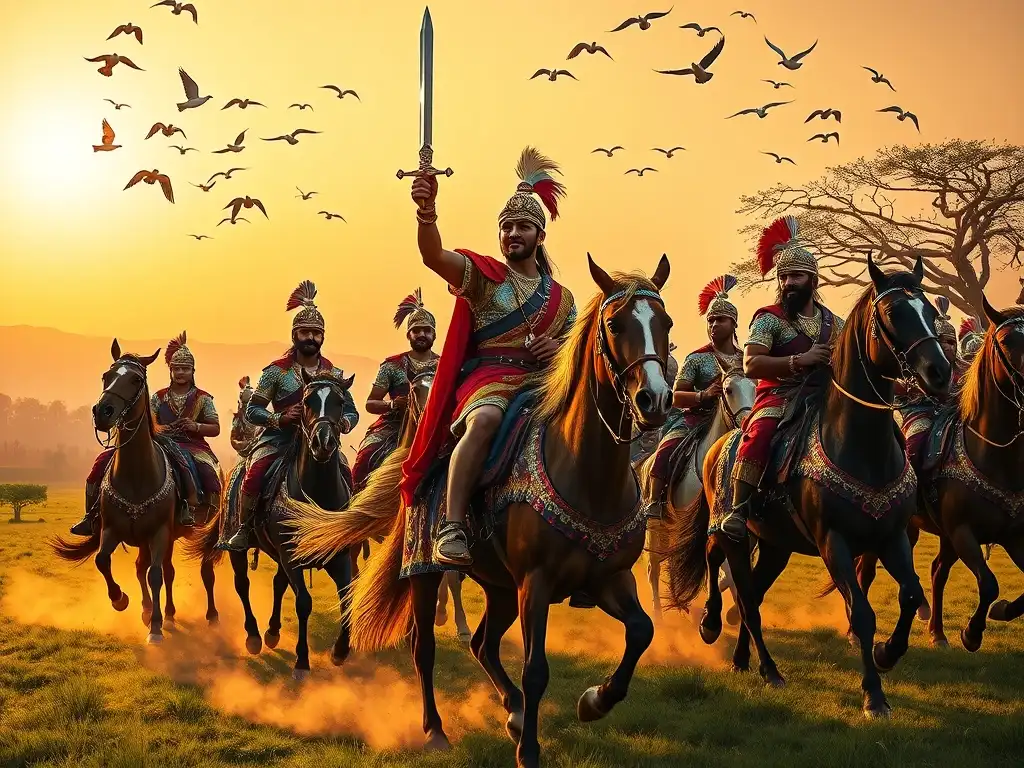
Welcome to Ancient India History, where we embark on a fascinating journey through the vibrant tapestry of India's past. In this exploration, we unravel the significant role of cavalry in ancient Indian armies, a pivotal element that shaped military tactics and influenced the course of history.
As we delve into the dynamics of warfare from the Indus Valley to the Gupta Empire, prepare to discover intriguing insights that highlight how these mounted warriors transformed battles and empires alike. Join us as we unveil the stories behind the saddle, sparking your curiosity to learn more about the remarkable contributions of ancient Indian civilizations.
Introduction to Cavalry in Ancient India
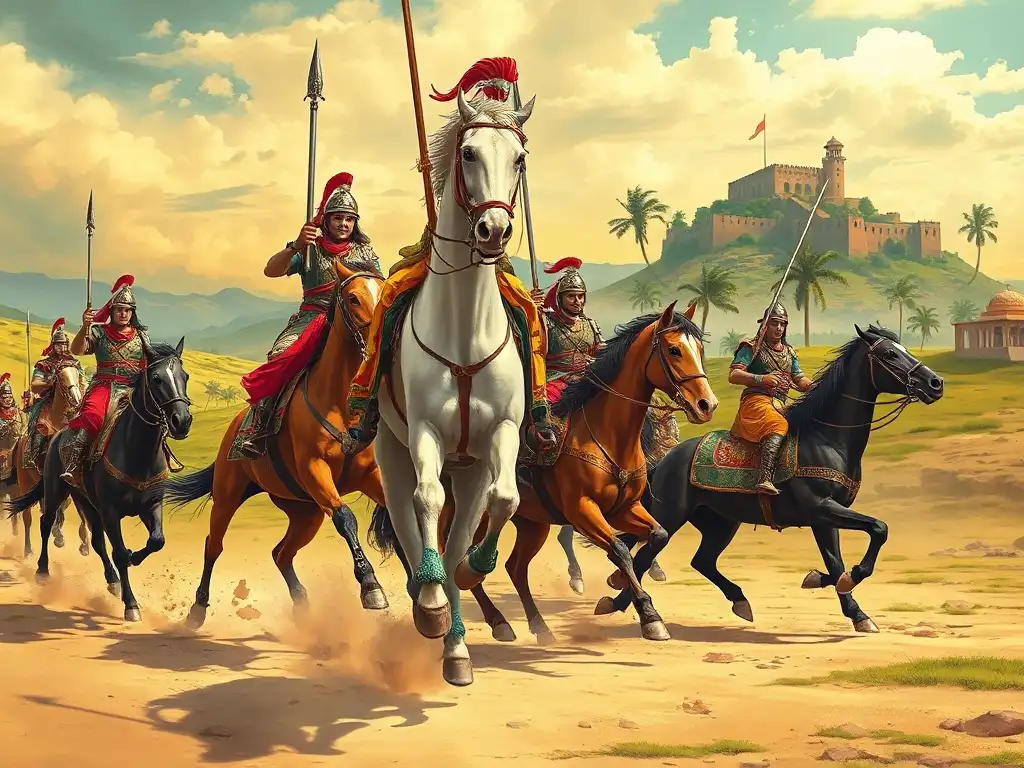
Cavalry played a pivotal role in shaping the military strategies of ancient Indian armies, significantly influencing the outcomes of battles and the course of history. The term "cavalry" refers to soldiers who fought mounted on horseback, providing mobility, speed, and tactical advantages that infantry alone could not achieve.
In ancient India, the evolution of cavalry units encompassed various phases, from the rudimentary horsemen of early civilizations to the sophisticated cavalry formations seen during the Maurya Empire. Understanding the importance of cavalry in ancient Indian armies offers insights into the complexities of warfare, military organization, and the socio-political dynamics of the time.
Definition and Role of Cavalry
Cavalry units were essential components of ancient military forces, characterized by their ability to maneuver swiftly across the battlefield. Their primary roles included:
- Scouting and Reconnaissance: Cavalry units were often deployed for reconnaissance missions, gathering intelligence on enemy positions and terrain.
- Flanking Maneuvers: With their speed and agility, cavalry could flank enemy formations, disrupting their lines and causing chaos within their ranks.
- Pursuit of Fleeing Enemies: After a successful engagement, cavalry units could pursue retreating foes, preventing their regrouping and ensuring a complete rout.
- Shock Troops: In certain battles, cavalry would charge en masse, breaking through enemy lines and creating openings for infantry to exploit.
This versatility made cavalry an indispensable asset in the military arsenals of ancient Indian kingdoms.
Historical Context of Cavalry in Indian Warfare
The historical context of cavalry in ancient Indian warfare reveals its gradual integration into military strategies. Initially, ancient armies relied heavily on infantry and chariots. However, as warfare evolved, the need for faster, more mobile units became apparent. The introduction of cavalry was influenced by various factors, including:
- Geographical Diversity: The varied terrain of India necessitated adaptable military units capable of operating in mountainous, forested, and plains regions.
- Cultural Exchanges: Contact with neighboring civilizations, such as Persians and Greeks, introduced new military tactics and the concept of mounted warriors.
- Technological Innovations: The development of better saddles, stirrups, and horse breeds enhanced the effectiveness of cavalry forces.
Evolution of Cavalry Units in Ancient India
Early Cavalry Forces in the Indus Valley Civilization
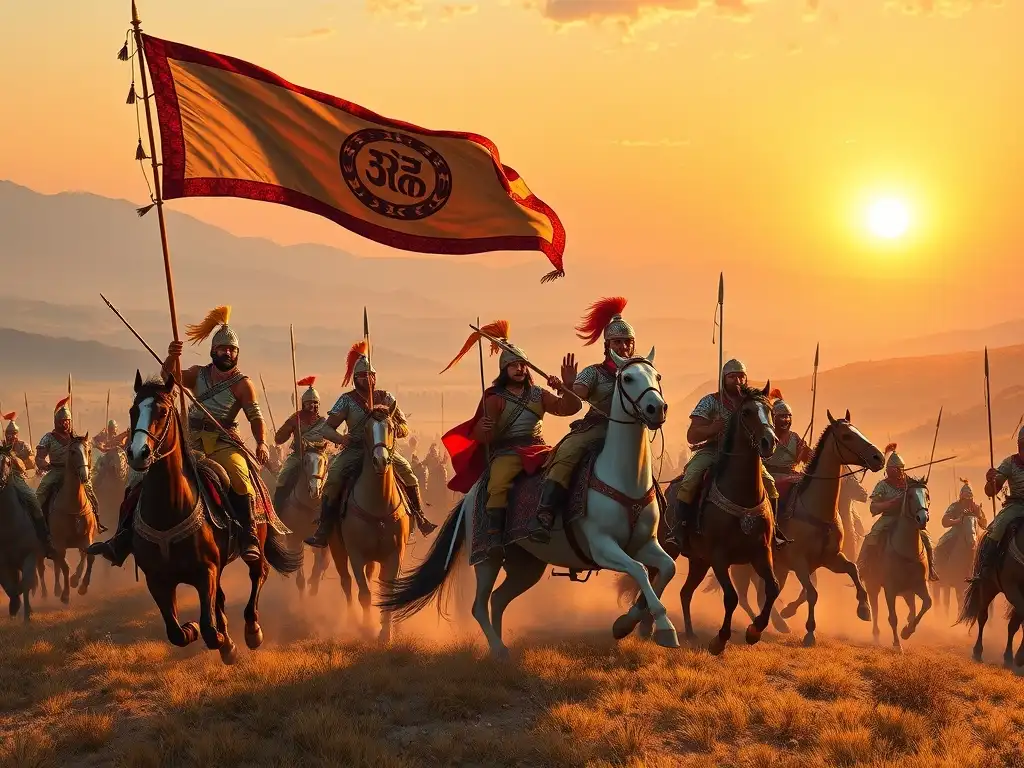
The earliest evidence of mounted warriors can be traced back to the Indus Valley Civilization (circa 3300–1300 BCE). While there is limited information, archaeological findings suggest that horses were domesticated, and chariots were used for ceremonial and possibly military purposes. The presence of seals depicting horse-like animals hints at the significance this civilization placed on equestrian skills, laying the groundwork for future cavalry development.
Development of Cavalry in Vedic Period
The Vedic period (circa 1500–500 BCE) marked a transformative era for cavalry in ancient India. The Rigveda, one of the oldest texts, mentions the Ashvamedha, or horse sacrifice, which signified the importance of horses in society and warfare. This period saw the emergence of cavalry units as effective military forces, with horses becoming integral to noble status and military prowess. The Kshatriyas, or warrior caste, emphasized horsemanship, leading to the formation of specialized cavalry units within their ranks.
Advancements in Cavalry During the Maurya Empire
The Maurya Empire (circa 322–185 BCE) represents a peak in the evolution of cavalry in ancient India. Under the reign of Chandragupta Maurya and his grandson Ashoka, cavalry units were organized into structured formations, equipped with advanced weaponry and tactics. Notable advancements included:
- Integration with Infantry: Cavalry units worked in tandem with infantry and chariots, creating a well-rounded military strategy.
- Improved Training and Tactics: Cavalry soldiers underwent rigorous training, learning various combat techniques that maximized their effectiveness in battle.
- Strategic Deployment: The Mauryan military employed cavalry not just for direct combat but also for logistics, securing supply lines, and maintaining communication across vast territories.
The evolution of cavalry in ancient India showcases the adaptability and strategic importance of mounted forces in shaping the military landscape, leading to significant victories and the rise of powerful empires.
Key Features of Cavalry in Ancient Indian Armies
Cavalry played a pivotal role in the military strategies of ancient Indian armies, providing mobility, speed, and versatility on the battlefield. Characterized by their ability to maneuver quickly and strike decisively, cavalry units were crucial in both offensive and defensive operations. One of the key features of cavalry in ancient India was the use of horses, which were bred specifically for war, showcasing strength and endurance. Additionally, the cavalry's ability to flank and harass enemy formations made it a formidable force during battles.
Another significant feature was the integration of cavalry with infantry and chariot units. This combined arms approach allowed for coordinated attacks, where cavalry could exploit weaknesses in enemy lines created by infantry engagements. The cavalry also served as a valuable reconnaissance tool, scouting enemy positions and providing critical intelligence. The strategic deployment of cavalry could often turn the tide of battle, making it an essential component of ancient Indian military doctrine.
Types of Cavalry Units: Light vs. Heavy Cavalry
In ancient Indian armies, cavalry units were primarily classified into two categories: light and heavy cavalry.
- Light Cavalry: These units were typically composed of agile and swift horses, allowing for rapid movements. Light cavalrymen were often equipped with lighter armor, which enhanced their speed and maneuverability. They excelled in skirmishing tactics, harassment, and reconnaissance missions. Their role was to disrupt enemy formations and gather intelligence rather than engage in direct combat.
- Heavy Cavalry: In contrast, heavy cavalry units were equipped with robust armor and larger horses, providing them with greater protection and shock value during charges. Heavily armored cavalrymen were often used in decisive frontal assaults, aiming to break through enemy lines. Their formidable presence on the battlefield was meant to instill fear in the enemy and create openings for infantry to exploit.
The diversity in cavalry types allowed ancient Indian armies to adapt their strategies based on the battlefield context, ensuring a balanced and effective military approach.
Weaponry and Armor Used by Cavalry Soldiers
Cavalry soldiers in ancient India were outfitted with a range of weaponry and armor tailored to their specific roles. Common weapons included:
- Swords and Sabres: These were primary weapons for cavalrymen, designed for slashing and thrusting during close combat. The curved sabre, or khanda, was particularly favored for its effectiveness in mounted engagements.
- Spears and Lances: Long-range weapons such as spears allowed cavalry units to strike at enemies from a distance, particularly during charges. The use of lances was prevalent among heavy cavalry, providing extended reach in battle.
- Bows and Arrows: Light cavalry often employed bows, enabling them to engage enemies while maintaining mobility. Archers on horseback could shoot arrows while retreating or advancing, making them effective in hit-and-run tactics.
Regarding armor, cavalry soldiers typically wore a combination of chainmail and padded armor to protect against enemy strikes while allowing for flexible movement. Some elite units donned more elaborate armor, including helmets and shields, enhancing their survivability in combat.
Notable Battles Involving Cavalry in Ancient India
Cavalry played a decisive role in numerous significant battles throughout ancient Indian history, shaping the outcomes of conflicts and influencing the course of regional power dynamics.
The Kalinga War: A Strategic Use of Cavalry
The Kalinga War, fought around 261 BCE, exemplified the strategic use of cavalry in ancient Indian warfare. Emperor Ashoka of the Maurya Empire deployed a vast cavalry force to outmaneuver the Kalingan armies, which relied on fortified positions and strong infantry. The mobility of the cavalry allowed Ashoka to execute flanking maneuvers and surprise attacks, ultimately leading to a decisive victory for the Mauryas. The war not only showcased the effectiveness of cavalry but also had a profound impact on Ashoka's policies, leading him towards a path of non-violence and Buddhism.
The Role of Cavalry in the Battles of the Gupta Empire
During the Gupta Empire (circa 320-550 CE), cavalry became an integral part of military strategy, contributing significantly to the empire's expansion and consolidation of power. Gupta rulers like Chandragupta II utilized cavalry for rapid campaigns against rival kingdoms. The heavy cavalry, equipped with advanced weaponry and armor, played a crucial role in battles against the Huna invasions. The strategic deployment of cavalry allowed Gupta forces to exploit weaknesses in enemy formations and maintain their dominance across the Indian subcontinent.
Influence of Cavalry in Regional Conflicts
Cavalry units were instrumental in various regional conflicts throughout ancient India, influencing the outcomes of numerous skirmishes and battles. For instance, in the Deccan region, local chieftains employed cavalry to establish control over trade routes and resources. The mobility of these cavalry forces allowed for quick raids and the ability to retreat when necessary, which was crucial in a landscape characterized by diverse terrains.
Moreover, the use of cavalry in inter-state conflicts often determined the balance of power among regional kingdoms. The tactical employment of cavalry in these skirmishes demonstrated its essential role in ancient Indian military operations, solidifying the significance of cavalry in shaping the history and politics of the region.
Contributions of Cavalry to Military Strategy
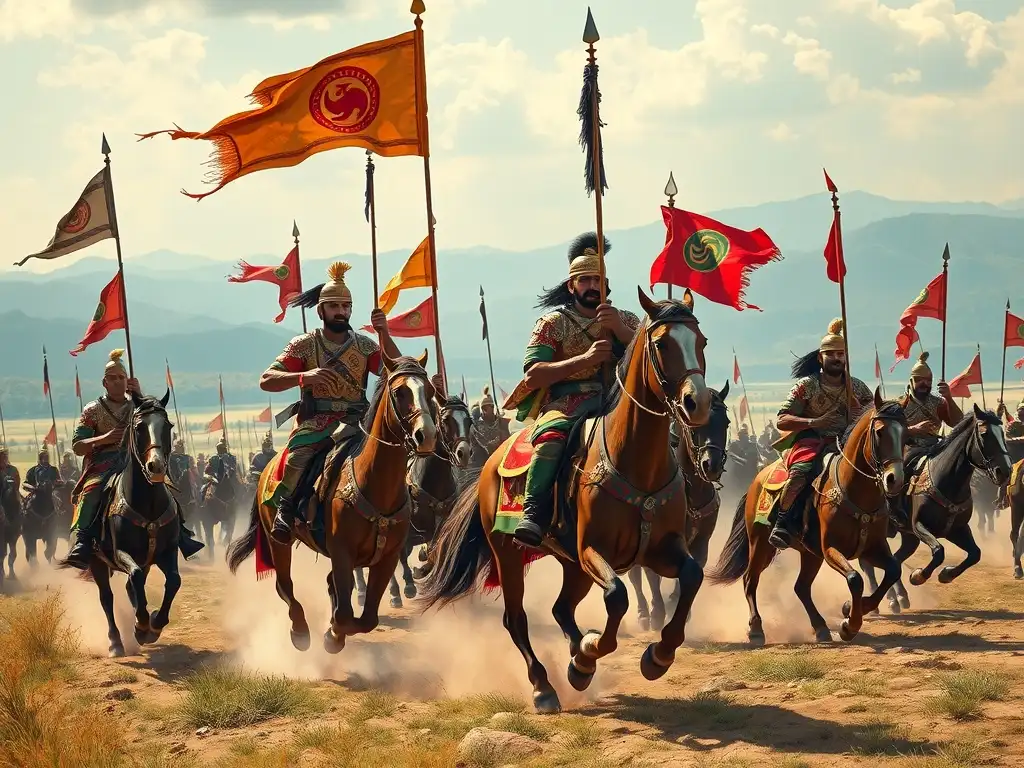
The cavalry played a pivotal role in the military strategies of ancient Indian armies, significantly influencing the outcomes of numerous battles and campaigns. Their mobility and speed provided a tactical edge that allowed commanders to execute flanking maneuvers, surprise attacks, and rapid retreats. Cavalry units were typically deployed to scout enemy positions, gather intelligence, and disrupt enemy formations, making them essential for reconnaissance missions. The strategic integration of cavalry into larger military formations enabled commanders to create dynamic and flexible battle plans, adapting to the evolving nature of warfare.
In ancient India, notable kingdoms such as the Mauryas and the Guptas recognized the importance of cavalry, investing in training and breeding superior horses. This investment not only bolstered their military capabilities but also established a legacy of cavalry excellence that would influence future generations. The effective use of cavalry could also dictate the pace of a battle, forcing opponents to respond to their movements, thereby allowing for greater control over the battlefield.
Tactical Advantages of Cavalry in Warfare
Cavalry units offered several tactical advantages that enhanced their effectiveness in warfare. Firstly, their speed allowed them to maneuver quickly across the battlefield, enabling them to exploit weaknesses in enemy lines. This agility was crucial during ambushes, where cavalry could strike swiftly before retreating to safety.
Additionally, cavalry could engage in hit-and-run tactics, inflicting damage on the enemy without becoming entangled in prolonged combat. Their ability to traverse varied terrains also provided a strategic advantage, allowing them to operate in regions where infantry might struggle. Furthermore, the psychological impact of cavalry charges could demoralize opposing forces, leading to disarray and confusion.
Another significant tactical advantage was the ability to pursue fleeing enemies. The swift nature of cavalry enabled them to capitalize on moments of panic, ensuring that they could effectively diminish the enemy's numbers and prevent regrouping.
The Impact of Cavalry on Ancient Indian Military Campaigns
The impact of cavalry on ancient Indian military campaigns cannot be overstated. Cavalry units were instrumental in many significant battles throughout Indian history, serving as a decisive force in conflicts such as the ones involving the Mauryan Empire against regional adversaries. Their presence often determined the success of military campaigns, as seen during the conquests led by Chandragupta Maurya and later by his grandson Ashoka, who utilized cavalry to expand their territories.
Moreover, the tactical deployment of cavalry allowed for more effective siege warfare. For instance, cavalry units could disrupt supply lines and communications for besieged cities, weakening their defenses and hastening their surrender. The role of cavalry in the Gupta Empire's military strategy further exemplifies its relevance, as they were able to maintain control over vast territories through rapid deployment and effective engagement in diverse combat scenarios.
Comparison with Infantry and Other Military Units
When compared to infantry and other military units, cavalry distinguished itself through its unparalleled mobility and speed. Infantry, while essential for holding ground and engaging in sustained combat, typically lacked the ability to maneuver quickly and decisively. This difference made cavalry units ideal for flanking actions and surprise assaults, which could turn the tide of battle in favor of the more mobile force.
In addition to infantry, other units such as chariots also played a role in ancient warfare. However, cavalry had the advantage of being more versatile and less reliant on specific terrain features, allowing them to adapt to various battle conditions. Chariots, while formidable in open terrain, had limitations in dense or uneven landscapes, whereas cavalry could navigate these areas with ease.
The integration of cavalry into battle strategies often complemented infantry formations, allowing for combined arms tactics that maximized the strengths of both. Commanders would utilize cavalry to harass the enemy while infantry held the line, creating a synergistic effect that proved critical in many military engagements.
Cultural Significance of Cavalry in Ancient Indian Society
In addition to their military applications, cavalry held significant cultural importance in ancient Indian society. The horse, as a symbol of strength and nobility, was often associated with royalty and power. Cavalry units were seen not just as military assets but as representations of the status and prestige of the ruling elite.
Furthermore, the prowess of cavalrymen was celebrated in various forms of cultural expression, including literature, art, and folklore. Their skills and valor were often depicted in stories, highlighting their integral role in the identity of ancient Indian warriors.
Cavalry in Literature and Art
Cavalry's influence permeated ancient Indian literature and art, often symbolizing heroism and valor. Epic texts, such as the Mahabharata and Ramayana, feature prominent cavalry scenes, showcasing the bravery and skill of horsemen in battle. These narratives not only highlight the tactical importance of cavalry but also enshrine them as central figures in the cultural imagination of the time.
Artistic depictions of cavalry, found in sculptures, paintings, and temple reliefs, further illustrate their esteemed position in society. These artworks often portray cavalrymen in elaborate armor and on majestic horses, emphasizing their role as protectors and warriors. The representation of cavalry in such cultural artifacts serves as a testament to their significance beyond mere military function.
The Symbol of Power and Prestige in Rulers
Cavalry units were a symbol of power and prestige among rulers in ancient India. Kings and emperors often maintained large cavalry forces as a demonstration of their wealth and military capability. The size and quality of a ruler's cavalry were indicators of their strength, influencing both domestic and foreign perceptions.
Royal processions frequently featured cavalry, showcasing the splendor of the monarchy and reinforcing the social hierarchy. Rulers who excelled in cavalry tactics were often celebrated in historical accounts, contributing to their legacy as formidable leaders. This connection between cavalry and rulership established a cultural narrative that celebrated equestrian prowess as a hallmark of effective governance and military leadership in ancient India.
Conclusion: The Lasting Legacy of Cavalry in Ancient Indian Military History
The cavalry in ancient India played a pivotal role in shaping the military landscape of the subcontinent. From their early incorporation into the armies of the Indus Valley Civilization to their prominence in the campaigns of the Maurya and Gupta Empires, cavalry units adapted and evolved, reflecting the changing dynamics of warfare. The strategic advantages they provided—speed, mobility, and the ability to strike quickly—were crucial in numerous battles and campaigns, ensuring the effectiveness of ancient Indian forces.
The significance of cavalry was not just limited to the battlefield; it also influenced military tactics, troop formations, and the overall structure of ancient Indian armies. Their presence often determined the outcomes of conflicts, allowing for the rapid movement of troops and the ability to exploit vulnerabilities in enemy lines. Moreover, the cultural and political implications of cavalry units extended beyond their military functions, as they became symbols of power and authority for various rulers throughout Indian history.
Summary of Key Points
- Strategic Role: Cavalry units provided essential mobility and speed in ancient Indian warfare, allowing armies to adapt to the ever-changing battle conditions.
- Evolving Tactics: The integration of cavalry into military strategies led to the development of new tactics, enhancing the overall effectiveness of ancient Indian armies.
- Cultural Significance: Cavalry became symbols of nobility and power, influencing not just military organization but also social structures within ancient Indian civilizations.
- Influence on Notable Battles: Key battles, such as those fought during the Maurya and Gupta periods, highlighted the critical role of cavalry in achieving victory and asserting dominance.
Reflection on the Role of Cavalry in Shaping Ancient Indian Warfare
The cavalry's impact on ancient Indian warfare cannot be overstated. Their ability to execute swift maneuvers and engage in flanking tactics transformed traditional methods of combat. As armies became more reliant on cavalry, the importance of training, discipline, and the selection of suitable horses became paramount, leading to advancements in breeding and equestrian skills.
Moreover, the cavalry units helped foster a sense of mobility within armies, enabling them to cover vast territories and respond quickly to threats. This adaptability not only enhanced military effectiveness but also facilitated trade and communication across regions, as cavalry could act as both warriors and messengers.
In reflecting on the role of cavalry in ancient India, it is clear that their contributions extended beyond mere military prowess. They influenced the cultural fabric of society, contributed to political power dynamics, and left a lasting legacy that shaped the evolution of warfare in the region for centuries to come. Ultimately, the cavalry's significance in ancient Indian military history underscores the complexity and richness of India's past as a land of diverse civilizations and profound military innovation.
- Introduction to Cavalry in Ancient India
- Definition and Role of Cavalry
- Historical Context of Cavalry in Indian Warfare
- Evolution of Cavalry Units in Ancient India
- Key Features of Cavalry in Ancient Indian Armies
- Notable Battles Involving Cavalry in Ancient India
- Contributions of Cavalry to Military Strategy
- Cultural Significance of Cavalry in Ancient Indian Society
- Conclusion: The Lasting Legacy of Cavalry in Ancient Indian Military History
- What role did cavalry play in ancient Indian armies?
- How did the use of cavalry evolve in ancient Indian history?
- Were there specific regions in ancient India known for their cavalry?
- How did cavalry impact the outcomes of battles in ancient India?
- What were the main types of cavalry used in ancient Indian warfare?
Frequently Asked Questions
What role did cavalry play in ancient Indian armies?
Cavalry in ancient India served as a crucial military force that provided mobility, speed, and tactical advantages on the battlefield, allowing for effective flanking and pursuit of enemy forces.
How did the use of cavalry evolve in ancient Indian history?
The use of cavalry evolved significantly from the Indus Valley Civilization through the Mauryan Empire to the Gupta Empire, reflecting changes in military strategy and the integration of different horse-breeding techniques.
Were there specific regions in ancient India known for their cavalry?
Yes, regions like Punjab and Rajasthan were renowned for producing skilled horsemen and exceptional cavalry units, contributing notably to the strength of various ancient Indian armies.
How did cavalry impact the outcomes of battles in ancient India?
The mobility and tactical flexibility provided by cavalry often determined the outcomes of battles, enabling commanders to execute surprise attacks and rapidly respond to changing battlefield conditions.
What were the main types of cavalry used in ancient Indian warfare?
Ancient Indian armies utilized different types of cavalry, including light cavalry for quick maneuvers and heavily armored cavalry for direct combat, each serving distinct roles in the overall military strategy.
Final Reflection: The Enduring Legacy of Cavalry in Ancient India
The significance of cavalry in ancient Indian armies cannot be overstated; it was a pivotal force that shaped the outcomes of countless battles and influenced the very fabric of military strategy. Today, as we navigate a world that often overlooks the lessons of history, it is crucial to recognize how the tactical innovations and mobility provided by cavalry units in ancient India laid the groundwork for modern military practices. The legacy of these horsemen is a testament to the ingenuity and adaptability of ancient civilizations, reminding us that the past continues to inform our present.
Cavalry in ancient India was not merely a military asset; it was a symbol of power, prestige, and cultural identity. The influence of these mounted warriors extended beyond the battlefield, shaping social hierarchies and regional dynamics. As we reflect on this, we can appreciate how the cavalry's role in ancient warfare resonates with contemporary discussions about the importance of agility and strategy in various fields. History is not a burden on the memory but an illumination of the soul.
This quote encapsulates the essence of understanding our past, as it enriches our perspective on the present and future.
As you ponder the lessons of cavalry in ancient India, consider how the principles of adaptability, strength, and strategic foresight can be applied in your own life. Embrace the spirit of the cavalry—be bold, be agile, and be ready to face challenges head-on. Reflect on how you can incorporate these timeless values into your personal and professional endeavors, ensuring that the legacy of these ancient warriors continues to inspire and guide you in your journey ahead.
Unveil the Legacy of Cavalry!
Thank you for exploring the fascinating role of cavalry in ancient Indian armies with us! You’ve delved into a crucial aspect of history that shaped warfare and strategy. Now, it’s time to take action and connect deeper with this rich legacy.
Here are a few steps you can take to continue your journey:
- Dive deeper: Explore more articles on cavalry strategies and their impact on ancient battles to expand your knowledge.
- Engage with the community: Share this article with your friends and initiate a discussion about how cavalry tactics could be applied in modern contexts.
- Reflect and contribute: Consider sharing your own insights or experiences related to military history and add them to the comments section below!
What surprising fact about ancient cavalry tactics will you discover next, and how might it change your perspective on warfare today?