
The Art of Fortification: How Ancient Indian Forts Were Constructed

Welcome to Ancient India History, where we embark on a fascinating journey through time to uncover the rich tapestry of ancient Indian civilizations. In this exploration, we delve into the intricate world of fortification with our featured article, "The Art of Fortification: How Ancient Indian Forts Were Constructed."
Discover the ingenious construction techniques that not only defined the architectural prowess of the Indus Valley and the Gupta Empire but also shaped the very essence of ancient Indian culture and defense strategies. Prepare to be captivated by the stories behind these monumental structures, and let your curiosity guide you deeper into the past!
Introduction to Ancient Indian Forts
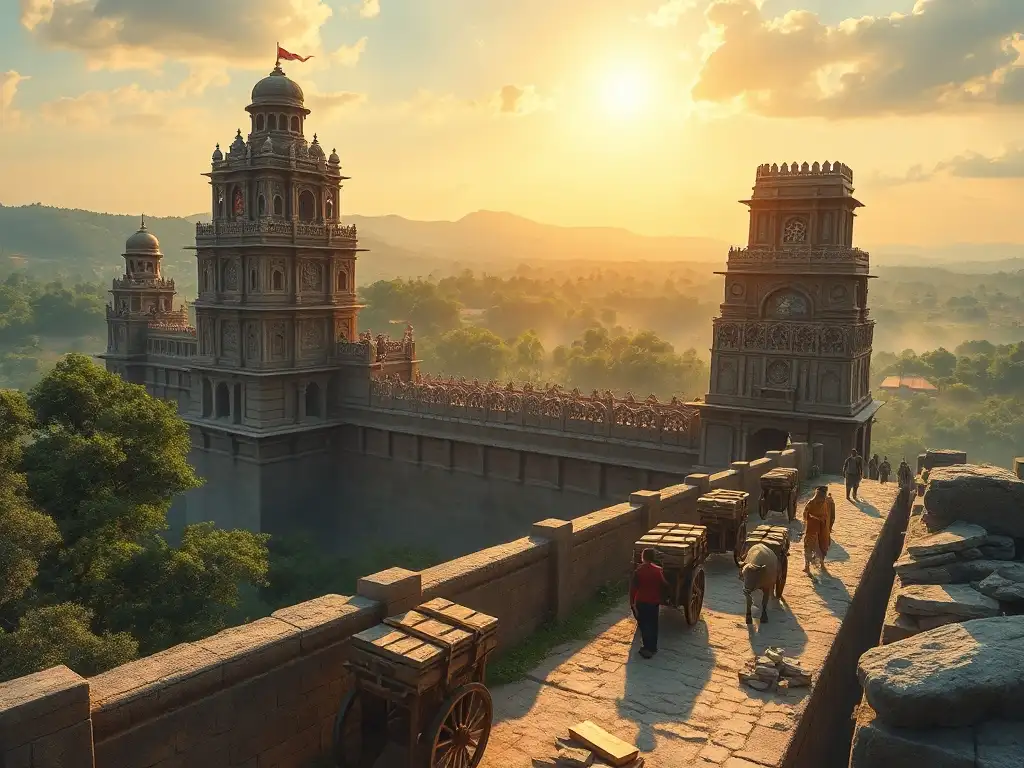
The architectural legacy of ancient India is a testament to the ingenuity and craftsmanship of its civilizations. Among the most impressive feats of this legacy are the numerous forts that dot the landscape, each telling a story of strategic importance, cultural significance, and artistic brilliance. These forts were not merely military installations; they played a vital role in the socio-political fabric of ancient Indian society. This article delves into the intricate ancient Indian fort construction techniques that shaped these monumental structures, exploring their design, functionality, and historical relevance.
Overview of Ancient Indian Fort Construction
Ancient Indian forts were constructed using a variety of materials and techniques, each tailored to the geographical and climatic conditions of their locations. The primary materials included:
- Stone: Often sourced locally, stone was the most durable material used in fort construction. Prominent examples include the granite used in the forts of Rajasthan and the sandstone in the forts of Delhi.
- Brick: Fired and unbaked bricks were also common, particularly in regions where stone was less accessible. The Indus Valley Civilization is renowned for its advanced brick-making techniques.
- Earthworks: Many forts utilized earth mounds and ramparts, which provided additional defensive capabilities.
The construction techniques varied widely, with architectural styles influenced by local traditions and the availability of materials. This resulted in a diverse range of fort designs, each reflecting the cultural and historical context of its time.
Importance of Forts in Ancient Indian Civilization
Forts were pivotal in ancient Indian civilization for several reasons:
- Defense Mechanisms: They served as crucial defensive structures against invasions and conflicts, providing a secure refuge for rulers and their subjects.
- Administrative Centers: Many forts functioned as administrative hubs, facilitating governance and control over surrounding territories.
- Cultural Significance: Forts often became centers for cultural activities, housing temples, palaces, and marketplaces that attracted artisans and traders.
- Symbol of Power: The grandeur and architectural sophistication of forts showcased the wealth and power of the ruling dynasties.
Historical Context of Fortification in India
The history of fortification in India is as rich as the land itself, marked by the rise and fall of various dynasties that shaped their construction methods and purposes.
Evolution of Fort Construction Techniques
The evolution of fort construction techniques in India can be traced back to the early settlements of the Indus Valley Civilization (c. 2500-1900 BCE), where early forms of fortifications were established. As time progressed, techniques evolved, incorporating:
- Advanced Masonry: By the time of the Mauryan Empire (c. 322-185 BCE), masonry techniques had advanced significantly, allowing for more complex designs and larger structures.
- Strategic Design: The advent of new military technologies, such as artillery, led to changes in fort designs during the medieval period, emphasizing bastions and thicker walls.
Influences on Fort Architecture from Various Dynasties
Different dynasties left their mark on fort architecture, each introducing unique elements that contributed to the overall evolution of fort construction:
- Mauryan Influence: Known for their monumental stone structures, the Mauryans laid the groundwork for later fortifications.
- Rajput Innovations: The Rajputs were renowned for their elaborate forts, often built on hilltops, incorporating intricate carvings and decorative features that reflected their warrior culture.
- Mughal Grandeur: The Mughal Empire (1526-1857 CE) brought about a fusion of Persian and Indian architectural styles, leading to the construction of iconic forts like Agra Fort and Red Fort, characterized by their stunning gardens and intricate inlay work.
Ancient Indian forts represent a fascinating intersection of military strategy, architectural innovation, and cultural expression. Understanding the ancient Indian fort construction techniques not only illuminates the architectural prowess of these civilizations but also provides insight into the historical narratives that shaped their existence.
Key Features of Ancient Indian Forts
Ancient Indian forts are remarkable not only for their imposing structures but also for their intricate designs and strategic importance. These forts typically display several key features that reflect their purpose and the architectural trends of their times.
- Strategic Location: Most ancient Indian forts were constructed on elevated ground, hilltops, or near water bodies. This strategic positioning allowed for better visibility and defense against potential invaders.
- Complex Layout: Forts often included a complex maze of walls, gates, and passageways designed to confuse intruders. The layout facilitated the movement of troops and provided multiple layers of defense.
- Thick Walls and Gates: The walls of these forts were constructed to be extraordinarily thick, often several meters wide, to withstand cannon fire and other forms of attack. Gates were heavily fortified and designed to be easily defendable.
- Water Storage and Management: Many forts featured sophisticated systems for water storage, including tanks and step-wells, ensuring a reliable water supply during sieges.
- Cultural Symbols: The architecture often included intricate carvings and sculptures that depicted mythological themes, reflecting the cultural and religious values of the time.
Architectural Styles in Fort Construction
The architectural styles of ancient Indian forts varied significantly across different regions and periods, each reflecting the socio-political context and cultural influences of the era.
- Rajput Style: Characterized by its grandeur and intricate carvings, the Rajput forts like Chittorgarh and Kumbhalgarh feature massive walls and elaborate palaces, showcasing the martial spirit of the Rajputs.
- Mughal Influence: Mughal forts, such as the Red Fort and Agra Fort, combined Islamic architectural elements with local styles, emphasizing symmetry, gardens, and intricate inlay work.
- Dravidian Architecture: In the southern regions, forts like the ones in Gingee and Vijayanagara displayed Dravidian features with towering gopurams (gateway towers) and intricate stonework.
- Buddhist Influences: Some forts were built with a focus on monastic living and included stupas and viharas, integrating religious and defensive purposes.
Materials Used in Ancient Indian Fort Building
The choice of materials in the construction of ancient Indian forts played a crucial role in their durability and aesthetic appeal. The primary materials included:
- Stone: Local stones such as granite, sandstone, and laterite were commonly used for their strength and availability. The choice of stone often depended on the regional geology.
- Brick: Fired bricks were also utilized, especially in regions where stone was scarce. These bricks provided a uniform structure and were often used in combination with stone.
- Wood: Wooden beams and planks were employed in fort constructions, especially in gates and interiors. Wood was also used in creating intricate carvings and decorative elements.
- Mud and Clay: In some cases, especially in temporary structures or smaller forts, mud and clay were used. This was more common in regions where other materials were less accessible.
Defensive Mechanisms in Fort Design
The design of ancient Indian forts incorporated several defensive mechanisms to protect against invasions. These included:
- High Walls: Thick and high walls were the primary line of defense, often sloped or battered to deflect projectiles.
- Moats: Many forts were surrounded by moats filled with water or thorny bushes, creating an additional barrier to attackers.
- Bastions and Towers: Forts often included bastions or towers that provided vantage points for archers and soldiers to defend the walls effectively.
- Trapdoors and Secret Passages: Some forts featured hidden passages and trapdoors, allowing for surprise attacks or quick escapes.
Ancient Indian Fort Construction Techniques
The construction techniques employed in ancient Indian fort building were a testament to the advanced knowledge and skills of the craftsmen of the time.
Techniques Employed in Building Fortifications
Ancient Indian architects used a variety of techniques to ensure the strength and durability of fortifications:
- Dry Stone Construction: This method involved stacking stones without the use of mortar, relying on gravity and careful placement for stability.
- Mud and Lime Mortar: In many constructions, lime mortar was used to bind stones together, providing additional strength and flexibility.
- Arched Gateways: Arches were incorporated into gateways to distribute weight evenly and strengthen the entrance points.
- Corbelled Arches: In some regions, corbelled arches were used to create barrel vaults, allowing for larger interior spaces without compromising structural integrity.
Role of Local Geography in Fort Design
The geographical context significantly influenced the design and construction of ancient Indian forts. Key factors included:
- Terrain: Forts were often built to leverage natural landforms, such as hills or cliffs, which offered a defensive advantage.
- Climate: The local climate affected materials used and construction methods. For instance, in arid regions, water conservation systems were crucial, while in humid areas, drainage systems were prioritized.
- Access to Resources: Proximity to quarries, forests, and water bodies dictated the choice of materials and construction techniques. Forts built near rivers often featured intricate water management systems.
Innovations in Construction: Technology and Methods
The evolution of fort construction techniques in ancient India showcased significant innovations that reflected the technological advancements of the time:
- Advanced Masonry Techniques: Craftsmen developed sophisticated masonry techniques that allowed for more complex designs and better seismic stability.
- Use of Scaffolding: Scaffolding was employed in the construction process, enabling workers to build higher structures safely.
- Mathematical Precision: Architects utilized mathematical calculations for layout and design, ensuring symmetry and structural stability.
- Integration of Art and Function: The blending of artistic elements with functional requirements marked a significant advancement in fort architecture, allowing for both beauty and practicality.
Case Studies of Prominent Ancient Indian Forts
The study of ancient Indian fort construction techniques can be exemplified through several prominent forts, each showcasing unique elements of design, material use, and architectural prowess. These forts not only served strategic military purposes but also reflected the cultural and political ethos of their time. Below are detailed examinations of a few notable examples.
The Great Wall of Kumbhalgarh: A Study in Fortification
Kumbhalgarh Fort, located in the Aravalli Range of Rajasthan, is often hailed for its massive walls that stretch over 36 kilometers, making it one of the longest fort walls in the world. Constructed in the 15th century by Rana Kumbha, this fort exemplifies ancient Indian fortification techniques.
The fort's walls are built using a combination of granite and sandstone, designed to withstand both natural elements and enemy attacks. The fort features numerous watchtowers, bastions, and a complex system of gates, strategically placed to enhance security. The thick walls, which are up to 15 feet in width, were often layered with mud and stone to absorb the impact of cannon fire.
The design of Kumbhalgarh also emphasizes the importance of water conservation, showcasing a sophisticated system of reservoirs and step-wells which ensured a sustainable water supply for the inhabitants during sieges. This fort not only served as a military stronghold but also as a refuge for the Mewar royal family, illustrating its dual role in governance and protection.
The Architectural Marvel of Mehrangarh Fort
Situated atop a hill in Jodhpur, Mehrangarh Fort is a testament to the ingenuity of ancient Indian architecture and fort construction techniques. Built in the 15th century by Rao Jodha, the fort is renowned for its imposing structure and intricate carvings.
One of the defining features of Mehrangarh is its thick red sandstone walls, which rise steeply from the ground, creating a dramatic silhouette against the desert sky. The fort encompasses several palaces, each adorned with exquisite frescoes and latticework windows, showcasing the artistic skills of the craftsmen of that era.
The fort's strategic location offers a panoramic view of the surrounding landscape, allowing defenders to spot approaching enemies. Additionally, the fort's entrances are designed with a series of gates that were fortified to slow down invaders, further emphasizing the stronghold's defensive capabilities. Mehrangarh not only serves as a military fortress but also stands as a symbol of the rich cultural heritage of the Marwar region.
Agra Fort: A Blend of Beauty and Strength
Agra Fort, a UNESCO World Heritage site, is another remarkable example of ancient Indian fort construction techniques. Built by Emperor Akbar in the late 16th century, this fort is characterized by its red sandstone structure, which blends seamlessly with its surroundings.
The fort's architecture showcases Mughal design principles, integrating both beauty and functionality. The massive walls of Agra Fort, reaching up to 70 feet in height, are complemented by a series of towers and bastions that enhance its defensive capabilities. Notably, the fort features an intricate layout with palaces, mosques, and gardens that reflect the Mughal emphasis on aesthetics.
Agra Fort was strategically positioned along the banks of the Yamuna River, allowing for effective trade and communication. Its design incorporates a series of gates, including the famous Delhi Gate and the Amar Singh Gate, which served as both ceremonial entrances and defensive barriers. The fort's rich history and architectural brilliance make it a significant landmark in the study of ancient Indian fortifications.
Cultural Significance of Forts in Ancient India
Forts in ancient India were not mere structures of defense; they were vital centers of culture, governance, and economics. Understanding their cultural significance provides insight into the social and political dynamics of ancient Indian civilizations.
Forts as Centers of Power and Governance
Ancient Indian forts often served as the seats of power for local rulers and dynasties. They were strategically built to project strength and authority, reflecting the political landscape of the time. Forts like Kumbhalgarh and Mehrangarh not only provided military protection but also housed royal families and administrative functions.
These forts were often the backdrop for significant historical events, including battles, treaties, and royal ceremonies, making them vital to the governance of their regions. The architecture and layout of these forts were designed to symbolize the strength and stability of the ruling powers, reinforcing their dominance over the surrounding territories.
The Role of Forts in Trade and Economy
Forts also played a crucial role in the trade and economy of ancient India. Many fortifications were strategically located along trade routes, facilitating commerce and interaction between different regions. The presence of a fort provided safety for merchants and traders, encouraging the flow of goods and cultural exchanges.
For instance, Agra Fort's location near the Yamuna River made it a pivotal hub for trade, where artisans and traders could congregate, leading to economic prosperity for the region. The fort's marketplaces and storage facilities were integral in supporting local economies, showcasing the multifaceted role of forts beyond military purposes.
Symbolism and Artistry in Fort Architecture
The architecture of ancient Indian forts is rich in symbolism and artistry, reflecting the cultural values and beliefs of the time. Many forts feature intricate carvings, frescoes, and decorative elements that tell stories of mythology, history, and the lives of the rulers.
The use of symbols, such as motifs representing strength or divine protection, was common in fort design, serving as a reminder of the rulers' power and their connection to the divine. The artistry found in forts like Mehrangarh illustrates the high level of craftsmanship and artistic expression prevalent in ancient Indian society.
Moreover, forts often served as cultural melting pots, where various artistic influences converged, leading to the development of unique architectural styles. These elements highlight the importance of forts not only as military structures but also as cultural landmarks that contributed to the rich tapestry of ancient Indian civilization.
Preservation and Legacy of Ancient Indian Forts
The ancient Indian forts stand as monumental testaments to the architectural ingenuity and strategic military thinking of their times. Constructed primarily between the 6th century BCE and the 17th century CE, these forts were not only defensive structures but also vibrant centers of culture and governance. The preservation of these remarkable edifices is crucial for understanding the rich tapestry of Indian history. Many of these forts, such as the Red Fort in Delhi and the forts of Rajasthan, are recognized as UNESCO World Heritage Sites, which underscores their cultural significance and the need for ongoing preservation efforts.
The legacy of these forts extends beyond their physical structures; they symbolize the socio-political dynamics of ancient Indian societies. They tell stories of conquests, sieges, and the daily lives of those who inhabited them. The architectural features unique to these forts, such as intricate stone carvings, massive walls, and innovative use of local materials, continue to inspire modern architecture and attract historians, architects, and tourists alike.
Modern Efforts to Preserve Ancient Fort Structures
Modern preservation efforts for ancient Indian forts involve a combination of government initiatives, non-governmental organizations, and community involvement. Organizations like the Archaeological Survey of India (ASI) play a pivotal role in identifying, restoring, and maintaining these historical structures. Recent projects have focused on:
- Structural Restoration: Engineers and archaeologists work together to reinforce weakened structures, ensuring their stability while maintaining historical authenticity.
- Archaeological Research: Ongoing excavations and studies help uncover historical artifacts and provide insights into the fort's original construction techniques and purposes.
- Public Awareness Campaigns: Educational programs aim to raise awareness about the importance of these sites, promoting cultural heritage tourism and local community engagement.
These efforts are essential not only for preserving the physical integrity of the forts but also for ensuring that future generations can appreciate and learn from these architectural wonders.
The Impact of Forts on Contemporary Architecture
The architectural styles and fortification techniques developed in ancient India have had a profound impact on contemporary architecture, both within India and globally. Key influences include:
- Use of Local Materials: The ancient practice of utilizing locally sourced materials continues to inform sustainable building practices today.
- Innovative Defensive Structures: Modern architects study the fortification techniques of ancient forts, such as moats and bastions, to design buildings that are both aesthetically pleasing and secure.
- Cultural Aesthetics: Elements such as arches, domes, and intricate carvings found in ancient forts are incorporated into modern designs, reflecting a blend of tradition and modernity.
These influences showcase how ancient Indian fort construction techniques have not only shaped the historical landscape but continue to inform contemporary architectural practices.
Lessons from Ancient Indian Fort Construction Techniques
The study of ancient Indian fort construction techniques offers valuable lessons for modern architecture and urban planning. Some key takeaways include:
- Strategic Site Selection: Many forts were strategically placed on elevated terrains or near water bodies, highlighting the importance of location in construction.
- Sustainable Design: The use of natural ventilation and water harvesting techniques in ancient forts serves as a reminder of the importance of sustainability in modern architecture.
- Community Integration: Forts often served as community hubs, emphasizing the need for modern constructions to foster social interaction and community engagement.
These lessons can guide contemporary architects and urban planners in creating spaces that are not only functional but also culturally relevant and environmentally sustainable.
Conclusion
The ancient Indian forts represent a significant chapter in the history of architecture and military strategy. Their construction techniques reflect a deep understanding of materials, environment, and community needs, offering insights that remain relevant today.
Recap of Ancient Indian Fort Construction Techniques
Ancient Indian fort construction techniques were characterized by the use of durable materials, strategic design, and innovative engineering solutions. Techniques such as the construction of thick walls, the use of battlements, and the incorporation of moats illustrate the advanced military thinking of the time. These methods provided effective defense mechanisms while also creating spaces that were functional and aesthetically pleasing.
The Lasting Influence of Ancient Indian Forts on Architecture and Culture
The lasting influence of ancient Indian forts extends beyond their physical presence; they have become symbols of architectural excellence and cultural heritage. Their designs continue to inspire modern architecture, while their historical significance enriches our understanding of India's diverse cultural landscape. As we preserve these forts, we also honor the legacy of those who built them, ensuring that their stories and innovations endure for future generations.
- Introduction to Ancient Indian Forts
- Historical Context of Fortification in India
- Key Features of Ancient Indian Forts
- Ancient Indian Fort Construction Techniques
- Case Studies of Prominent Ancient Indian Forts
- Cultural Significance of Forts in Ancient India
- Preservation and Legacy of Ancient Indian Forts
- Conclusion
- What materials were primarily used in ancient Indian fort construction?
- How did geography influence fort construction techniques in ancient India?
- What are some notable examples of ancient Indian forts?
- What role did fortifications play in ancient Indian society?
- Were there any unique architectural features in ancient Indian forts?
Frequently Asked Questions
What materials were primarily used in ancient Indian fort construction?
Ancient Indian forts were predominantly built using local materials such as stone, bricks, and mud. These materials were chosen for their availability and durability.
How did geography influence fort construction techniques in ancient India?
The geographical features of a region, such as hills, rivers, and valleys, played a crucial role in determining the design and location of forts. This ensured natural defenses were utilized effectively.
What are some notable examples of ancient Indian forts?
Famous forts include Chittorgarh Fort, Amber Fort, and Golconda Fort. Each showcases unique architectural styles and construction techniques that reflect the era's cultural significance.
What role did fortifications play in ancient Indian society?
Fortifications served as military strongholds, protecting against invasions. They also acted as centers of administration and trade, facilitating the growth of local economies.
Were there any unique architectural features in ancient Indian forts?
Yes, many ancient Indian forts featured intricate carvings, elaborate gates, and water storage systems. These elements not only enhanced aesthetic appeal but also improved functionality in defense and sustenance.
Final Reflection: The Enduring Legacy of Ancient Indian Fort Construction Techniques
The intricate methods of ancient Indian fort construction techniques not only showcase the architectural brilliance of the past but also resonate deeply with contemporary society's quest for resilience and security. In an age where the world faces unprecedented challenges, understanding how these forts were built—using local materials, strategic planning, and innovative designs—offers valuable lessons on sustainability and adaptability. The ingenuity of our ancestors in fortifying their communities serves as a powerful reminder of the importance of safeguarding our heritage and environment.
The influence of these ancient fortification techniques extends beyond mere architecture; they reflect the cultural and social dynamics of their time, shaping identities and communities. The forts were not just military structures; they were symbols of power, artistry, and community resilience. As historian John Keay aptly stated, The forts of India are not merely stone and mortar; they are the very essence of a civilization's spirit.
This enduring legacy continues to inspire modern architects and urban planners, urging us to integrate historical wisdom into contemporary practices.
As we reflect on the lessons from the art of fortification, I invite you to consider how these principles can be applied in your own life. Think about the ways you can fortify your personal and community spaces—be it through sustainable practices, fostering connections, or preserving cultural heritage. Let the stories of these ancient forts inspire you to build a future that honors the past while embracing innovation and resilience. Together, we can create a strong foundation for generations to come.
Unveil the Wonder of Ancient Fortifications!
Thank you for diving into the fascinating world of ancient Indian forts with us! We hope you found inspiration in how these magnificent structures were built to withstand the test of time. Now, it’s time to take what you've learned and put it into action!
Here are a few steps you can take to further explore and appreciate this rich history:
- Visit a local historical site or plan a trip to one of India's iconic forts to experience their grandeur firsthand.
- Share your newfound knowledge with friends and family by organizing a small discussion or presentation about ancient Indian fortification techniques.
- Explore various resources such as books, documentaries, or online courses to deepen your understanding of architectural wonders from around the world.
Now, here's your chance to reflect: Which ancient fort would you love to visit, and what intrigues you about it? We would love to hear your thoughts in the comments below!