
The Globalization of Indian Festivals: From Local to Worldwide Celebrations

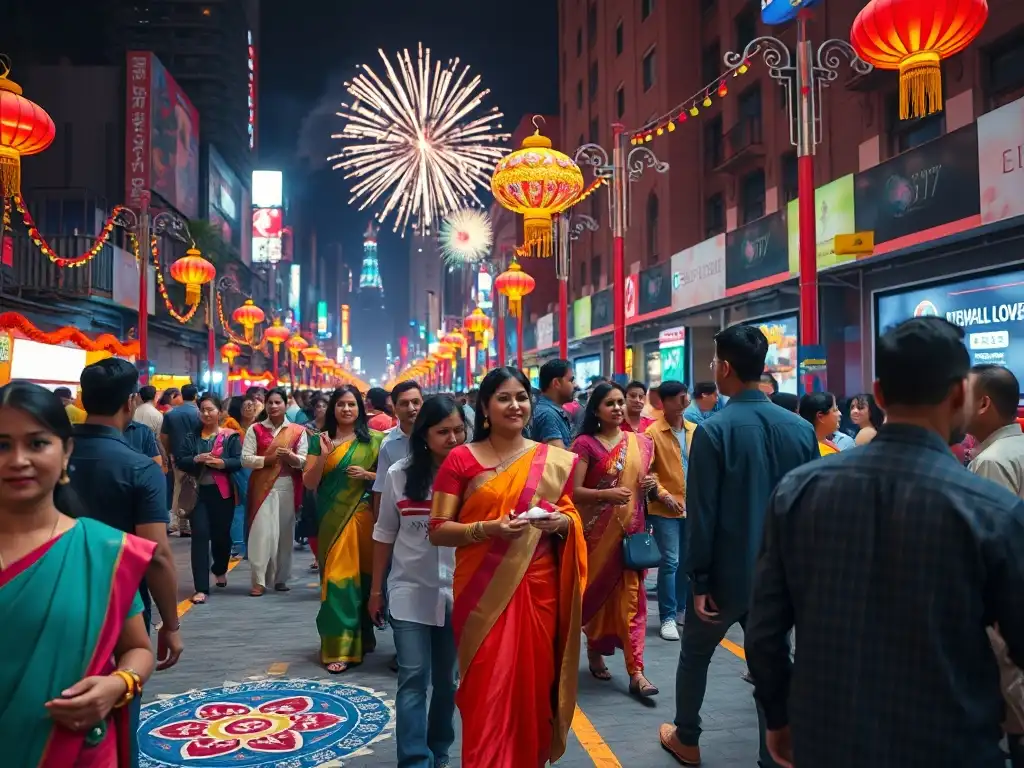
Welcome to Ancient India History, where we embark on a fascinating journey through the rich tapestry of India's past. Today, we delve into the Globalization of Indian Festivals, exploring how timeless traditions have transcended borders and captured the hearts of people around the world. From the vibrant colors of Holi to the joyous lights of Diwali, our article unveils the story of how these local celebrations have blossomed into global phenomena.
Join us as we uncover the cultural significance and enduring legacy of these festivals, and discover why they resonate far beyond their origins. Your adventure into the captivating world of ancient Indian culture begins now!
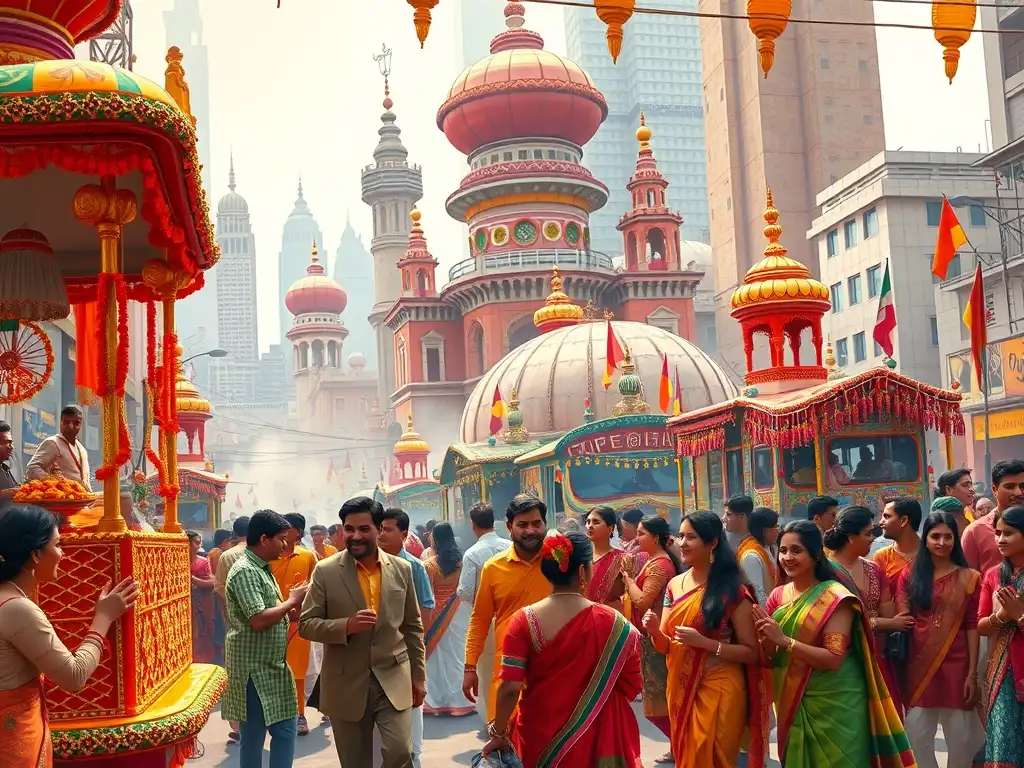
Introduction to the Globalization of Indian Festivals
The globalization of Indian festivals represents a fascinating confluence of tradition and modernity, reflecting the dynamic nature of cultural exchange in our interconnected world. As Indian communities spread across the globe, they bring with them rich traditions and vibrant celebrations that transcend geographical boundaries.
From Diwali's luminous displays to Holi's colorful exuberance, these festivals are no longer confined to the Indian subcontinent; they have begun to resonate with diverse audiences worldwide. This article delves into the phenomenon of how Indian festivals have evolved from local customs into global celebrations, exploring their significance, historical roots, and the cultural exchanges that enrich our global tapestry.
Understanding Globalization in the Context of Festivals
Globalization can be defined as the process of interaction and integration among people, companies, and governments worldwide. In the context of festivals, it refers to how local celebrations have adapted and transformed as they gain international recognition. The increasing movement of people and ideas has allowed festivals such as Diwali, Eid, and Christmas to be celebrated not only in their regions of origin but also in various parts of the world.
- Cultural Diffusion: Festivals often undergo a process of cultural diffusion, where elements from different cultures blend, creating unique celebrations. This can be seen in how Diwali is celebrated in countries like Nepal, Mauritius, and even parts of the Caribbean.
- Technological Influence: With the advent of social media and digital communication, the visibility of these festivals has dramatically increased. Live-streaming, online tutorials, and virtual celebrations have made it easier for people around the globe to participate in these festivities.
- Commercialization: The commercialization of festivals has also played a crucial role in their globalization. Businesses promote Indian festivals through themed events, products, and services, further embedding these celebrations into the cultural fabric of various countries.
Importance of Indian Festivals in Cultural Exchange
Indian festivals not only serve as a means of celebration but also act as a bridge for cultural exchange. They foster mutual understanding and appreciation among diverse populations.
- Community Building: Festivals provide an opportunity for communities to come together, reinforcing social bonds and creating a sense of belonging among individuals, regardless of their cultural backgrounds.
- Educational Opportunities: Celebrating these festivals abroad encourages educational initiatives, allowing people to learn about Indian traditions, stories, and values. This exchange enriches the cultural landscape of host countries.
- Promoting Diversity: The globalization of Indian festivals promotes diversity and inclusion, helping to break down stereotypes and fostering respect for different cultures.
Historical Roots of Indian Festivals
Understanding the historical context of Indian festivals is crucial to appreciating their significance in contemporary society.
Ancient Indian Festivals and Their Significance
Indian festivals have their roots in ancient traditions and practices, often linked to agricultural cycles, seasonal changes, and religious observances. These original celebrations laid the foundation for many contemporary festivals.
- Harvest Festivals: Festivals like Pongal and Makar Sankranti originated as agrarian celebrations, marking the harvest season and expressing gratitude to nature for its bounty.
- Religious Observances: Many festivals, such as Navaratri and Raksha Bandhan, have deep religious significance, often celebrating deities, spiritual beliefs, and moral values.
The richness of these ancient celebrations has contributed to their longevity and adaptability, allowing them to evolve while retaining their core essence.
Evolution of Festival Celebrations in India
Over the centuries, Indian festivals have undergone significant transformations, influenced by historical events, cultural exchanges, and socio-political changes.
- Cultural Interactions: The arrival of various dynasties and colonial powers in India introduced new customs and practices that intermingled with indigenous traditions, leading to the evolution of unique hybrid festivals.
- Modern Adaptations: Today, festivals incorporate modern elements such as technology and global influences, reflecting contemporary values and lifestyles. This adaptability has helped Indian festivals maintain their relevance in a rapidly changing world.
The globalization of Indian festivals is a testament to the enduring nature of cultural practices and their capacity to connect people across the globe. As these celebrations continue to evolve, they not only enrich the lives of those who partake in them but also foster a deeper understanding of the diverse cultural heritage that India has to offer.
Key Indian Festivals that Have Gained Global Attention
Indian festivals have transcended geographical boundaries, becoming celebrated events in various corners of the world. The rich tapestry of Indian culture is woven with colorful festivals that not only represent religious significance but also embody unity, diversity, and joy. As more people across the globe embrace these celebrations, several key festivals stand out for their widespread recognition and participation.
Diwali: The Festival of Lights Worldwide
Diwali, also known as the Festival of Lights, is one of the most celebrated festivals in India, marking the victory of light over darkness and good over evil. In recent years, Diwali has gained immense popularity globally, particularly in countries with significant Indian populations, such as the United States, Canada, and the United Kingdom.
Communities organize vibrant Diwali celebrations featuring traditional rituals, fireworks, and illuminated decorations. Major cities often host public events complete with cultural performances, food stalls, and stunning light displays, inviting people from all backgrounds to join in the festivities. The festival also emphasizes values of charity and goodwill, prompting many to engage in community service and outreach during this time.
Holi: A Celebration of Color Beyond Borders
Holi, the Festival of Colors, is another iconic Indian festival that has captured hearts worldwide. Celebrated in spring, Holi symbolizes the arrival of warmer days and the blossoming of love and friendship. The festival is characterized by joyful gatherings where participants throw colored powders, dance, and share festive foods.
In countries such as the United States, Australia, and Nepal, Holi celebrations have become prominent events attracting people of all backgrounds. Organizations often host large-scale Holi festivals in public parks, featuring live music, dance performances, and food stalls. These events not only promote cultural awareness but also foster community bonding and inclusivity.
Navratri: Celebrating Tradition on a Global Scale
Navratri, a nine-night festival dedicated to the worship of the goddess Durga, has also gained global recognition, especially among the Indian diaspora. The festival involves traditional music, dance (such as Garba and Dandiya), and vibrant attire, attracting participants who wish to engage in cultural practices.
Celebrations are often organized in various cities worldwide, where communities come together to honor their heritage through performances, rituals, and feasting. These gatherings serve as a platform for cultural exchange, allowing individuals from different backgrounds to experience the richness of Indian traditions.
Eid and Christmas: Interfaith Celebrations in India
In addition to traditional Hindu festivals, interfaith celebrations such as Eid and Christmas have become significant in the context of Indian festivals. The spirit of camaraderie and mutual respect often shines through as communities come together to celebrate these occasions.
In India, where religious diversity thrives, festivals like Eid and Christmas are celebrated not only by their respective communities but also embraced by others. This inclusivity fosters a sense of unity and showcases the essence of Indian culture, which celebrates different faiths harmoniously. Such interfaith celebrations have gained traction in various parts of the world, further promoting cultural understanding.
Factors Contributing to the Globalization of Indian Festivals
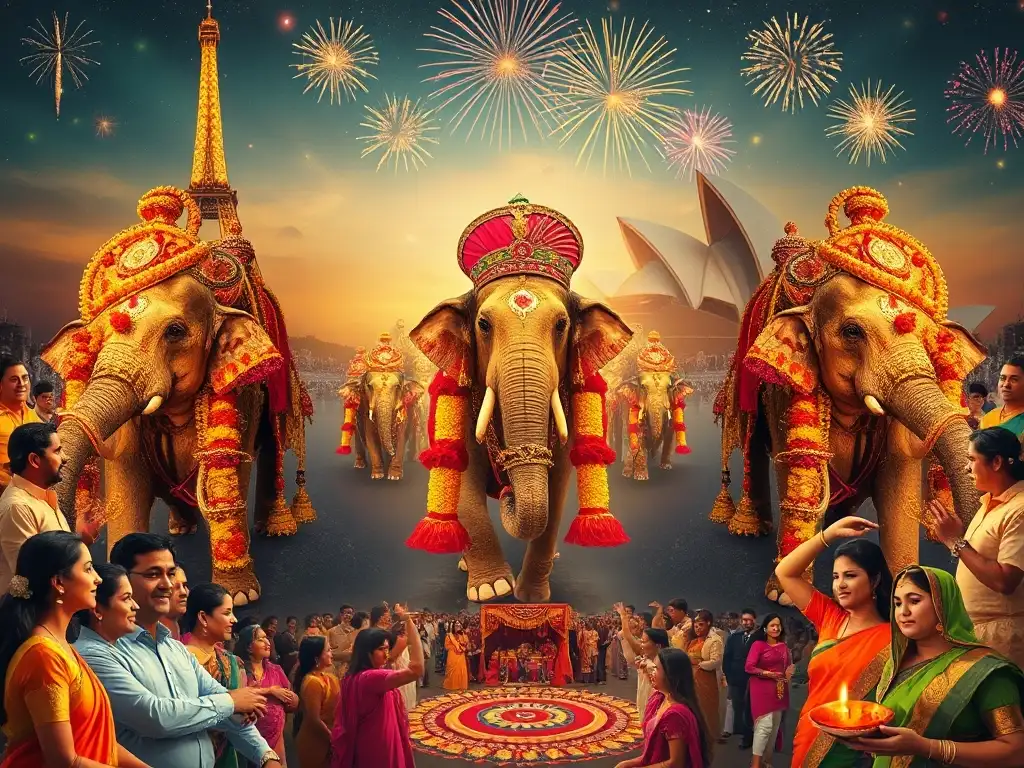
As Indian festivals gain global prominence, several factors contribute to their spread and acceptance in diverse cultures. These factors highlight the complex interplay of society, technology, and community dynamics that facilitate the globalization of Indian festivals.
The Role of the Indian Diaspora
The Indian diaspora plays a crucial role in the globalization of Indian festivals. As millions of Indians settled across the globe, they brought their cultural practices, including festivals, to new landscapes. In many cities, diaspora communities have established cultural associations that organize local celebrations, helping to preserve their heritage while inviting others to participate.
These festivals serve not only as a means of cultural expression but also as a way to foster connections among community members and introduce Indian traditions to a broader audience. The engagement of the second and third generations of the diaspora further enhances the vibrancy and inclusivity of these celebrations.
Influence of Social Media and Technology
In today's digital age, social media and technology have significantly impacted the globalization of Indian festivals. Platforms like Facebook, Instagram, and Twitter allow individuals to share their festival experiences, showcasing the joy and cultural richness associated with these events.
Hashtags related to festivals often trend, creating a global conversation around celebrations. Live streaming of events, virtual gatherings, and online tutorials for festival-related activities have made it easier for people worldwide to participate, regardless of their physical location. This digital presence not only promotes awareness but also encourages cultural exchange.
Cultural Exchange Programs and International Collaborations
Cultural exchange programs and international collaborations have further facilitated the globalization of Indian festivals. Educational institutions, cultural organizations, and governments often promote these exchanges, allowing participants to experience and learn about different cultures firsthand.
Through workshops, exhibitions, and collaborative events, individuals from various backgrounds can engage with Indian festivals, gaining insight into their significance and traditions. Such initiatives promote mutual respect and understanding, reinforcing the importance of diversity in today's globalized world.
Impact of Globalization on Indian Festivals
The globalization of Indian festivals has significantly altered the way these celebrations are perceived and practiced both within India and around the world. This transformation has led to various implications, including the preservation of traditional practices, commercialization, and the emergence of fusion celebrations. As Indian festivals gain international recognition, they not only promote cultural exchange but also face the challenge of retaining their original essence amidst global influences.
Preservation of Traditional Practices Amid Global Influence
Despite the increasing globalization of Indian festivals, many traditional practices continue to thrive. Local communities often engage in efforts to maintain rituals, customs, and unique cultural elements that have been passed down through generations. For instance, during festivals like Diwali and Holi, families uphold age-old traditions, such as making specific sweets or decorating homes with rangoli, reflecting a commitment to cultural heritage.
Moreover, organizations and cultural groups often organize workshops and events that educate younger generations about the significance of these practices. This focus on preservation ensures that even as festivals evolve, their core values and meanings remain intact, allowing them to coexist with new global influences.
Commercialization of Festivals and Its Implications
One of the most notable effects of globalization is the commercialization of Indian festivals. As these celebrations gain popularity, businesses capitalize on the festive spirit, offering products and services tailored to the occasion. This commercialization can be observed in the surge of festival-related merchandise, elaborate decorations, and themed events, which often prioritize profit over tradition.
While commercialization can lead to increased awareness and participation in festivals, it also raises concerns about authenticity. Many argue that the essence of these celebrations is diluted when they become mere marketing opportunities. Additionally, the focus on consumerism may overshadow the spiritual and communal aspects that originally defined these festivals.
Fusion Celebrations: Blending Cultures through Festivals
The globalization of Indian festivals has given rise to fusion celebrations, where elements from different cultures intermingle. This blending is particularly evident in urban areas where diverse populations come together to celebrate. Events like Diwali in New York or Holi in London showcase a mix of traditional Indian practices with local customs, creating a unique and vibrant cultural experience.
Fusion celebrations not only reflect the multicultural nature of modern society but also promote mutual respect and understanding among different communities. These festivals serve as platforms for cultural dialogue, allowing individuals to explore and appreciate the diversity of traditions while fostering a sense of belonging in a globalized world.
Local vs. Global Celebrations: A Comparative Analysis
The contrast between local and global celebrations of Indian festivals highlights the dynamic nature of these cultural practices. While local festivals tend to emphasize regional customs and traditions, global celebrations often adapt to contemporary contexts, merging various influences to create new experiences.
Characteristics of Local Indian Festivals
Local Indian festivals are characterized by their deep-rooted connections to specific regions, communities, and traditions. These celebrations often reflect the local culture, language, and customs, offering a unique experience that is distinct from other regions. For example, the Ganesh Chaturthi festival in Maharashtra is marked by elaborate public processions, artistic idol installations, and community feasting, showcasing the local ethos.
Additionally, local festivals often involve rituals that are specific to a particular community, reinforcing social bonds and fostering communal harmony. The emphasis on participation and inclusivity makes these celebrations a vital aspect of local identity, ensuring that they remain significant within their cultural context.
Transformations in Festival Celebrations Globally
As Indian festivals spread globally, they undergo transformations that adapt them to new environments. For instance, the celebration of Diwali in Western countries often includes fireworks, parties, and community gatherings that may differ from traditional practices in India. This adaptation allows the festivals to resonate with a wider audience while still retaining their core significance.
Moreover, the incorporation of local elements into these celebrations can lead to innovative interpretations. For example, the fusion of Indian music with Western styles during Diwali parties illustrates how global influences can enrich traditional celebrations, making them more relatable to diverse audiences.
The Balance Between Tradition and Modernity
Striking a balance between tradition and modernity is crucial in the context of the globalization of Indian festivals. While it is essential to honor traditional practices, embracing modern elements can enhance the relevance of these celebrations in today’s fast-paced world. Communities are increasingly finding ways to integrate contemporary practices while respecting their heritage.
This balancing act often involves community discussions, where stakeholders reflect on which traditions to preserve and which aspects to modernize. By engaging with both local customs and global trends, Indian festivals can continue to thrive, fostering a sense of cultural pride while appealing to a global audience.
Challenges Faced in the Globalization of Indian Festivals
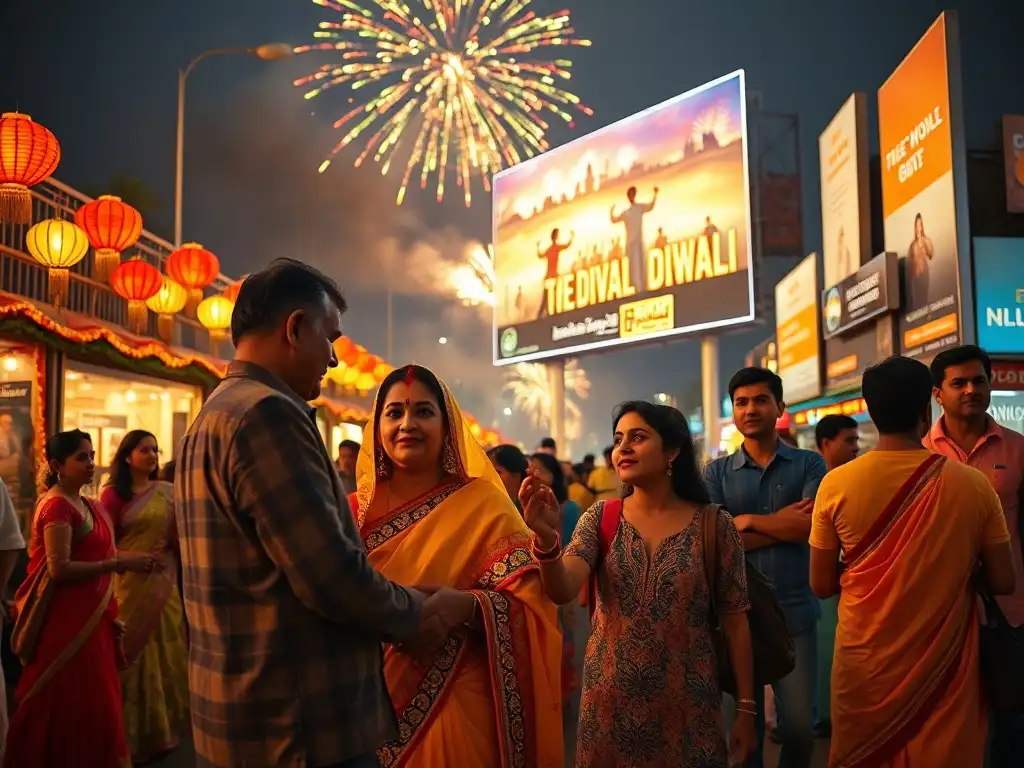
The globalization of Indian festivals presents a unique blend of opportunities and challenges. As these vibrant celebrations spread across borders, they encounter various hurdles that can impact their integrity and reception. Understanding these challenges is crucial for preserving the essence of these festivals while adapting them to a global audience.
Cultural Appropriation vs. Cultural Appreciation
One of the most pressing issues is the fine line between cultural appropriation and cultural appreciation. As Indian festivals like Diwali and Holi gain popularity outside of their cultural origins, there is a risk of them being commodified or misrepresented. Cultural appropriation occurs when elements of a culture are taken out of context, often leading to stereotypes or superficial representations.
For instance, when Holi is celebrated in Western countries with no understanding of its spiritual significance, it can dilute the festival's true meaning. Conversely, cultural appreciation involves respecting and understanding the traditions and values underpinning these celebrations. This distinction is vital for ensuring that Indian festivals are honored rather than exploited.
Maintaining Authenticity in Global Celebrations
Another challenge is maintaining authenticity amidst globalization. As festivals are adapted to suit local tastes and preferences, there is a danger of losing the unique characteristics that define them. For example, while Indian food staples like samosas and curries may be celebrated during Diwali in the West, the elaborate rituals and family gatherings that are intrinsic to the festival may be overlooked.
To preserve authenticity, organizers must strike a balance between adapting to new environments and honoring traditional practices. Engaging local Indian communities in the planning and execution of festivals can help ensure that celebrations remain rooted in their original cultural contexts.
Environmental Concerns and Sustainable Practices
The increasing scale of Indian festivals has raised significant environmental concerns. Large gatherings often lead to waste generation, pollution, and resource depletion. For instance, the vibrant colors used during Holi can be harmful to the environment if not sourced sustainably.
Additionally, the immersion of idols in water bodies during Ganesh Chaturthi can have detrimental effects on aquatic ecosystems. To combat these issues, festival organizers are encouraged to adopt sustainable practices, such as using eco-friendly materials, minimizing waste, and promoting awareness about environmental conservation. This approach not only helps protect the planet but also aligns with the spiritual and ethical teachings inherent in many Indian traditions.
Future of Indian Festivals in a Globalized World
As Indian festivals continue to gain traction on the global stage, their future will likely be shaped by evolving cultural dynamics, technological advancements, and changing societal norms. Embracing these transformations will be essential for the continued relevance of these celebrations.
Trends and Innovations in Festival Celebrations
Recent trends indicate a shift towards more inclusive and interactive festival experiences. Technology plays a significant role in this evolution, with virtual reality and augmented reality enhancing the way people participate in festivals. Online platforms enable global participation, allowing individuals from different corners of the world to engage in celebrations remotely. Moreover, there is a growing emphasis on inclusivity, as festivals increasingly welcome diverse communities, fostering cross-cultural exchanges and interactions. Innovations such as hybrid festivals, which blend in-person and digital experiences, are also becoming popular, making these celebrations accessible to a wider audience.
Predictions for the Evolution of Indian Festivals
Looking ahead, it is predicted that Indian festivals will continue to evolve while retaining their core values. The integration of modern elements such as music festivals, art exhibitions, and culinary experiences will likely enhance their appeal to younger generations. Additionally, as global awareness of sustainability grows, festivals will increasingly incorporate eco-friendly practices and social responsibility initiatives. This evolution will not only help preserve the essence of Indian festivals but will also ensure their continued relevance in a rapidly changing world, allowing them to thrive as global celebrations that unite diverse cultures through shared joy and reverence.
Conclusion: Embracing the Globalization of Indian Festivals
The globalization of Indian festivals represents a profound transformation in how these celebrations are perceived and experienced, both within the country and across the globe. As Indian communities migrate and establish themselves in diverse cultures, festivals like Diwali, Holi, and Navratri have transcended their local roots to gain international recognition. This shift not only enriches the cultural tapestry of their new homes but also allows for a cross-cultural exchange that fosters understanding and appreciation among different societies.
Moreover, the technological advancements and social media have played pivotal roles in this globalization process. Through digital platforms, the vibrancy of Indian festivals can be shared with a global audience, inviting participation from people of all backgrounds. This broadening of the audience helps to preserve and promote traditional values while simultaneously adapting to contemporary contexts. Ultimately, embracing the globalization of Indian festivals allows for a celebration of unity in diversity, highlighting the shared human experience of joy, community, and cultural expression.
Reflection on Cultural Identity in a Globalized Era
In an increasingly interconnected world, the globalization of Indian festivals raises important questions about cultural identity. On one hand, the worldwide celebration of Indian festivals can be seen as a positive affirmation of cultural heritage, showcasing the richness of Indian traditions to a broader audience. On the other hand, it also presents challenges related to the dilution of cultural significance and authenticity.
As Indian festivals are adapted to fit diverse cultural contexts, there is a risk that their original meanings and rituals may be altered or lost. This evolution prompts individuals and communities to reflect on their cultural identities and the values they wish to uphold in a globalized era. It encourages a dialogue about which aspects of tradition are essential and which can be reinterpreted without losing their essence.
Through this reflection, individuals can find a balance that honors their heritage while embracing the new influences that come with globalization. The celebration of festivals becomes not just about maintaining tradition, but also about creating a dynamic cultural identity that is responsive to the evolving world.
The Importance of Celebrating Diversity through Festivals
Festivals are vital expressions of cultural diversity, and their globalization emphasizes the importance of celebrating this diversity. Each festival offers a unique window into the customs, beliefs, and social values of different communities, encouraging mutual respect and understanding. The celebration of Indian festivals on a global stage allows for a rich exchange of ideas and practices that can foster intercultural dialogue.
By participating in these festivals, people from various backgrounds can learn about the significance of rituals, stories, and symbols that define Indian culture. This engagement promotes inclusivity and helps break down stereotypes, paving the way for a more harmonious coexistence.
Additionally, celebrating diverse festivals enriches the social fabric of societies, encouraging a spirit of collaboration and shared experiences. In a world where cultural misunderstandings can lead to conflict, the celebration of diversity through festivals serves as a reminder of our common humanity and the beauty of differing traditions. Thus, the globalization of Indian festivals not only honors the past but also paves the way for a more interconnected and appreciative global community.
- Introduction to the Globalization of Indian Festivals
- Historical Roots of Indian Festivals
- Key Indian Festivals that Have Gained Global Attention
- Factors Contributing to the Globalization of Indian Festivals
- Impact of Globalization on Indian Festivals
- Local vs. Global Celebrations: A Comparative Analysis
- Challenges Faced in the Globalization of Indian Festivals
- Future of Indian Festivals in a Globalized World
- Conclusion: Embracing the Globalization of Indian Festivals
- What are the main Indian festivals that have gained global recognition?
- How has globalization affected the celebration of Indian festivals?
- What role do Indian diaspora communities play in the globalization of these festivals?
- Are there any specific challenges faced by traditional Indian festivals during globalization?
- How can we ensure the preservation of traditional practices during global celebrations?
Frequently Asked Questions
What are the main Indian festivals that have gained global recognition?
Many Indian festivals like Diwali, Holi, and Navratri have become global celebrations, attracting participants from various cultures and countries.
How has globalization affected the celebration of Indian festivals?
Globalization has led to the adaptation of traditional Indian festivals to suit diverse cultures, often incorporating local customs and practices, thus creating a fusion of celebrations.
What role do Indian diaspora communities play in the globalization of these festivals?
The Indian diaspora plays a crucial role by organizing and promoting festivals in their local communities, helping to spread awareness and encouraging participation among non-Indians as well.
Are there any specific challenges faced by traditional Indian festivals during globalization?
Yes, while globalization promotes inclusivity, it can also lead to the commercialization of festivals, risking the loss of their cultural significance and authenticity.
How can we ensure the preservation of traditional practices during global celebrations?
To preserve traditional practices, communities can focus on education, maintaining authentic rituals, and ensuring that the core values of the festivals are celebrated alongside their global adaptations.
Final Reflection: Embracing the Globalization of Indian Festivals
The globalization of Indian festivals has transformed local traditions into worldwide celebrations that resonate across cultures and communities. As we witness the vibrant colors and sounds of Diwali, Holi, and Eid celebrated in cities far from their origins, it becomes clear that these festivals are no longer confined to geographical boundaries. They serve as a powerful reminder of our shared humanity and the beauty of cultural exchange, emphasizing that celebrations can unite us in ways that transcend language and nationality.
The influence of the globalization of Indian festivals is profound, shaping not only cultural practices but also social interactions and community bonds. As these festivals gain international recognition, they foster a sense of belonging among diaspora communities while inviting others to partake in the joy and richness of Indian culture. Culture is the widening of the mind and of the spirit.
This quote encapsulates the essence of how embracing diverse celebrations enriches our lives and broadens our perspectives, allowing us to appreciate the tapestry of human experience.
As we reflect on the significance of the globalization of Indian festivals, I invite you to consider how you can engage with and celebrate the diversity around you. Take a moment to participate in a local festival, learn about its origins, or share your own traditions with others. By doing so, you not only honor your heritage but also contribute to a global community that thrives on understanding and respect. Let us celebrate together, creating connections that inspire joy and unity in our increasingly interconnected world.
Celebrate the Spirit of Indian Festivals Globally!
Thank you for diving into the vibrant world of Indian festivals with us! You've explored how these rich traditions have transcended borders and are celebrated worldwide. Now, it's time to take your appreciation a step further and immerse yourself in the festivities.
Here are a few actions you can take:
- Join a local Indian festival celebration in your community to experience the culture firsthand.
- Share your favorite festival moments on social media using the hashtag #GlobalIndianFestivals to connect with fellow enthusiasts.
- Discover and learn about unique festivals from various regions of India that you may not be familiar with—there’s a wealth of experiences waiting for you!
What Indian festival are you most excited to celebrate this year, and how do you plan to share that joy with others?