
The Role of Art in Ancient Indian Literature: A Complementary Relationship

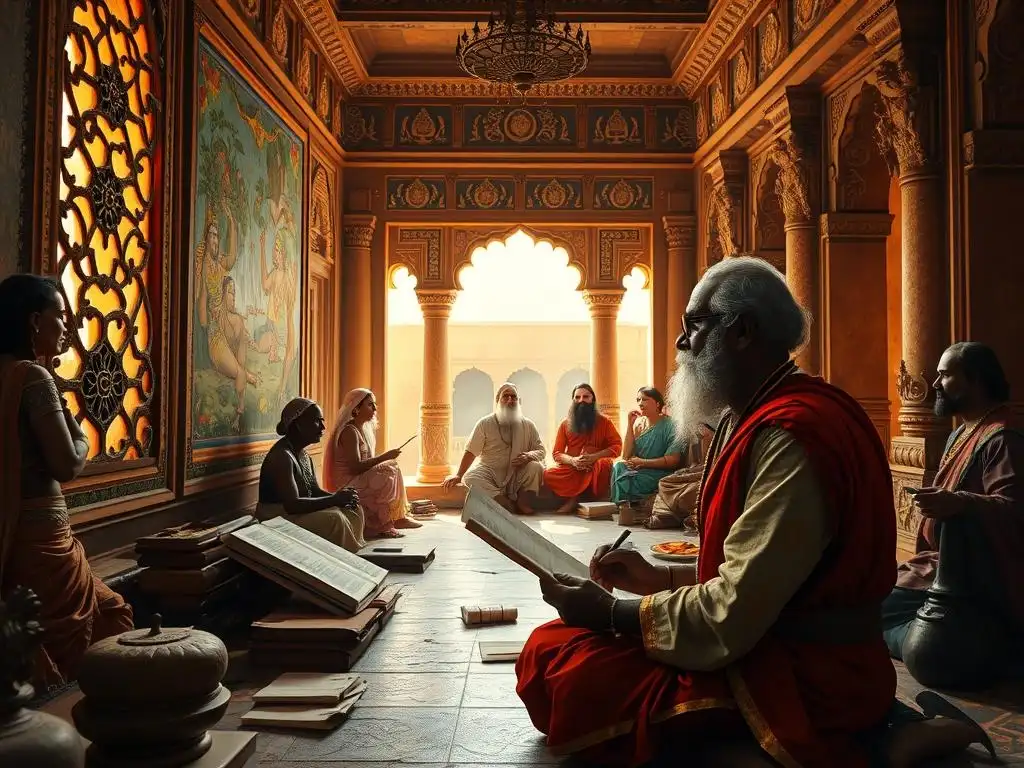
Welcome to Ancient India History, where we embark on a fascinating journey through the vibrant tapestry of India's past. Here, you'll uncover the intricate connections between art and literature in ancient India, revealing how these two formidable forces shaped the cultural landscape of civilizations from the Indus Valley to the Gupta Empire. Prepare to be captivated as we dive into the compelling narrative of how artistic expression not only complemented but also enriched literary masterpieces, creating a legacy that continues to inspire. Your exploration of this enchanting world begins now—are you ready to discover the secrets that lie within?
Introduction to Art and Literature in Ancient India
Art and literature in ancient India form a profound tapestry that reflects the intricate relationship between creative expression and cultural identity. As civilizations flourished from the banks of the Indus River to the heights of the Gupta Empire, the interplay between visual arts and literary works became a hallmark of Indian heritage.
This relationship served not only as a means of aesthetic enjoyment but also as a vehicle for philosophical thought, spiritual exploration, and societal commentary. The fusion of art and literature encapsulates the essence of ancient Indian life, offering a lens through which we can understand the values, beliefs, and innovations of the time.
The significance of art in literature is evident in various forms, from epic poetry to drama, where vivid imagery and symbolism elevate narratives, enriching the reader's experience. This article delves into the complementary relationship between art and literature in ancient India, exploring how these two domains influenced and enhanced one another throughout history.
Understanding the Interconnection between Art and Literature
In ancient India, art and literature were not merely parallel paths; they were deeply intertwined, each enhancing the other. The visual arts, including sculpture, painting, and architecture, often inspired literary forms, while literature, in turn, illustrated and contextualized artistic endeavors. For instance, the intricate carvings found in temples frequently depict scenes from famous epics like the Mahabharata and Ramayana, transforming narratives into visual stories that engage viewers and readers alike.
- Symbolic Representation: The use of symbols in both art and literature served as a means to convey complex ideas and spiritual truths.
- Cultural Narratives: Literature often drew on historical and mythological themes portrayed in art, creating a cohesive cultural narrative.
- Emotional Resonance: Both art and literature aimed to evoke emotions, allowing audiences to experience a deeper connection with their cultural heritage.
By examining these interconnections, we can appreciate how art and literature collectively shaped the cultural landscape of ancient India.
Significance of Art in Ancient Indian Cultural Expression
Art held a pivotal role in ancient Indian cultural expression, serving as a medium for storytelling, religious devotion, and social commentary. The artistic practices of the time not only reflected aesthetic values but also conveyed important societal messages.
- Religious Significance: Art was often employed in religious contexts, with sculptures and paintings depicting deities and mythological scenes, reinforcing spiritual beliefs and practices.
- Preservation of History: Artistic works acted as historical records, preserving the stories and legends of ancient civilizations for future generations.
- Cultural Identity: The diverse art forms contributed to a sense of cultural identity, showcasing the unique characteristics of various regions and communities across ancient India.
This multifaceted significance illustrates how art was indispensable to the overall cultural fabric of ancient Indian society.
Historical Context of Art and Literature in Ancient India
Understanding the role of art in ancient Indian literature requires a look at the historical context in which these forms developed.
Overview of Major Periods: From the Indus Valley to the Gupta Empire
The journey of art and literature in ancient India can be traced through several key periods:
- Indus Valley Civilization (c. 3300–1300 BCE): Early forms of art, including seals and pottery, showcased intricate designs and motifs that hinted at narrative storytelling.
- Vedic Period (c. 1500–500 BCE): The emergence of Vedic texts marked a significant literary development, with hymns and poetry that often inspired visual interpretations.
- Maurya Period (c. 322–185 BCE): The art of this era included the creation of stupas and sculptures, reflecting the teachings of Buddhism and Jainism.
- Gupta Empire (c. 320–550 CE): This period is known for its flourishing arts, with classical literature and intricate temple architecture that celebrated divine narratives.
Each of these periods contributed unique elements to the evolving relationship between art and literature in ancient India.
Key Literary Works Reflecting Artistic Influences
Several literary masterpieces from ancient India exemplify the influence of art on literature. Notable works include:
- Mahabharata and Ramayana: These epic narratives incorporate rich, visual descriptions that bring characters and scenes to life, often mirrored in contemporary art forms.
- Sanskrit Dramas: Plays by renowned playwrights like Kalidasa, such as "Shakuntala," showcase the beauty of language intertwined with visual storytelling.
- Poetry: The lyrical verses found in works by poets like Bhartrihari reflect the intricate interplay of poetic imagery and artistic representation.
These works demonstrate how literary expression was deeply informed by artistic influences, creating a synergistic relationship that continues to resonate today.
The Evolution of Artistic Styles in Literature
As time progressed, so did the evolution of artistic styles within literature. The transition from oral traditions to scripted forms allowed for a richer exploration of artistic expression.
- Regional Variations: Different regions developed distinctive styles, with local art forms influencing the literary narratives of their respective areas.
- Adaptation of Themes: As new philosophies and religions emerged, literary themes adapted to include diverse artistic expressions, reflecting societal changes.
- Integration of New Mediums: The introduction of new materials and techniques in art, such as frescoes and murals, began to influence literary descriptions, creating a dynamic interplay between the two.
This evolution reveals the fluidity of artistic expression and its capacity to adapt and enrich literary forms throughout ancient Indian history.
Art Forms Influencing Ancient Indian Literature
Ancient Indian literature was profoundly influenced by various art forms, creating a rich tapestry where each element complemented the other. The interplay between art and literature can be seen in the way themes, narratives, and cultural expressions were interwoven, resulting in a holistic understanding of ancient Indian civilization. This relationship is evident across different genres and periods, highlighting how visual arts, performing arts, and architectural symbolism enriched literary expression and meaning.
Visual Arts: Painting and Sculpture in Literary Narratives
Visual arts, particularly painting and sculpture, played a significant role in shaping literary narratives in ancient India. The intricate illustrations found in manuscripts, such as the Kalidasa's Shakuntala, depict scenes that bring the text to life, allowing readers to visualize the characters and settings.
- Miniature Paintings: These artworks often illustrated epic tales, such as the Mahabharata and the Ramayana, enhancing the reader's experience by providing a visual context that deepened understanding.
- Sculptural Reliefs: Temples and stupas often featured carvings that narrated stories from mythology and scriptures, effectively serving as a visual extension of the literary world. For instance, the reliefs at the Ajanta Caves depict scenes from the Jataka Tales, merging visual storytelling with the teachings of Buddhism.
This interplay not only enriched the narrative but also facilitated the preservation of stories, making them accessible to a broader audience across generations.
Performing Arts: Dance and Music’s Role in Storytelling
Dance and music were integral to the fabric of ancient Indian literature, serving as dynamic storytelling mediums that enhanced the literary experience. These performing arts often transformed literary works into vibrant performances, engaging audiences in a multi-sensory experience.
- Classical Dance Forms: Styles such as Bharatanatyam and Kathak incorporated literary themes into their narratives. Dancers would convey emotions and stories through expressive gestures (mudras) and facial expressions, drawing directly from texts like the Natya Shastra.
- Musical Compositions: Music complemented dance and was often derived from poetic texts. The lyrical quality of poems, such as those by Tulsidas, was set to melody, creating an immersive experience that conveyed the essence of the narratives.
The symbiotic relationship between dance, music, and literature not only preserved these texts but also ensured their continued relevance within cultural expressions.
Architecture as a Literary Symbol: Temples and Literature
Architecture serves as a profound symbol in ancient Indian literature, embodying the cultural and spiritual ethos of the time. Temples, in particular, are not only architectural marvels but also literary symbols that encapsulate narratives and philosophies.
- Temple Inscriptions: Many temples featured inscriptions that narrated religious stories and historical events. These inscriptions often served as a form of literature, providing insights into the society's beliefs and practices.
- Symbolic Design: The architectural elements of temples, from their layout to their sculptures, often represented literary concepts. For instance, the sacred geometry of temple design can be linked to philosophical ideas found in texts like the Upanishads.
Thus, ancient Indian architecture transcended mere physical structures, becoming narrative devices that conveyed profound literary meanings.
Themes and Motifs in Ancient Indian Art and Literature
The themes and motifs prevalent in ancient Indian art and literature often reflected the society's values, beliefs, and cultural practices. These recurring elements provided a framework for understanding the complexities of life, nature, and spirituality in ancient texts.
Nature and Spirituality in Art and Literary Texts
Nature and spirituality form a fundamental theme in both ancient Indian art and literature, reflecting the intrinsic connection between the two.
- Symbolism of Nature: Various natural elements, such as rivers, mountains, and flora, frequently appear in literary texts as symbols of spiritual journeys and divine presence. For instance, the river Ganges is often personified and revered in texts, linking physical landscapes to spiritual narratives.
- Artistic Representations: Paintings often depicted nature intertwined with spiritual motifs, illustrating the harmonious relationship between the two. The depiction of deities amidst natural settings emphasized the belief in nature as a manifestation of the divine.
By exploring these themes, ancient Indian literature and art highlighted the importance of nature as a source of inspiration and spiritual reflection.
Mythology and Folklore: The Intersection of Art and Narrative
Mythology and folklore serve as a cornerstone of ancient Indian literature, with art forms playing a crucial role in their preservation and dissemination.
- Epic Narratives: The Ramayana and Mahabharata not only inspired literary works but also served as sources for artistic expressions in sculpture and painting. These epics are replete with mythological characters and events that reflect moral dilemmas and cultural values.
- Folkloric Representations: Folk tales were often depicted through traditional art forms, such as Warli painting, which illustrated local legends and customs. This oral tradition, preserved through visual arts, ensured that cultural narratives remained vibrant and accessible to future generations.
The convergence of mythology, folklore, and art underscores the significance of storytelling in shaping cultural identity.
The Representation of Society and Culture through Art Forms
Ancient Indian art and literature acted as mirrors reflecting the society and culture of their times. Through various artistic expressions, the complexities of social structures, norms, and cultural practices were articulated and preserved.
- Social Commentary: Literary texts often included critiques of societal norms, with art serving as a visual commentary on these themes. For example, sculptures depicting daily life provided insights into the roles of different social classes and the dynamics of gender within society.
- Cultural Identity: The motifs and themes explored in art and literature helped to forge a collective cultural identity. Artistic expressions, such as traditional crafts and performances, were not only forms of entertainment but also means of preserving and celebrating cultural heritage.
In essence, the representation of society through art forms enriches our understanding of ancient Indian civilization, revealing the complexities that defined its cultural landscape.
Case Studies of Prominent Works
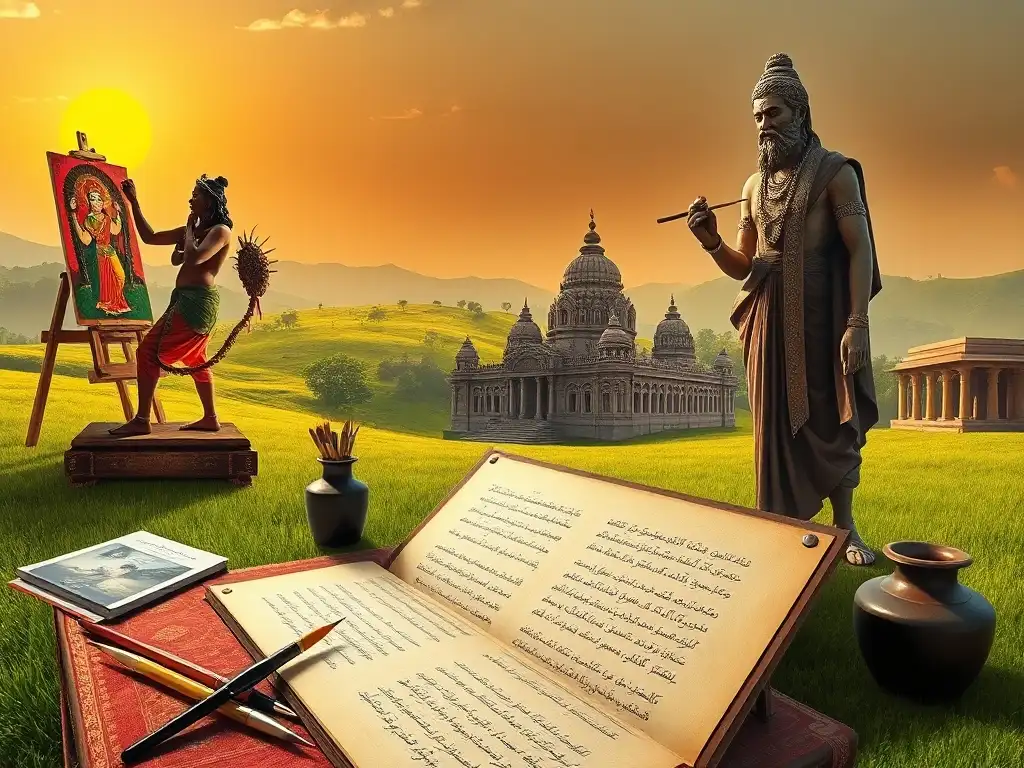
Ancient Indian literature is rich with examples where art and narrative intertwine seamlessly. These case studies showcase how artistic representations enhance the depth and appeal of literary works, creating a multifaceted experience for the audience. Through epic narratives and poetic expressions, we can observe the profound influence of visual and performing arts on literature.
The Mahabharata: Artistic Representations in Epic Literature
The Mahabharata, one of the largest epics in world literature, is a treasure trove of artistic representation. This epic not only narrates the story of the Kuru dynasty but also incorporates various forms of art, including sculpture, painting, and dance, to convey its themes and characters.
The illustrations found in traditional manuscripts depict pivotal moments from the text, such as the Bhagavad Gita's divine discourse between Krishna and Arjuna. These visual representations serve to enhance the reader's understanding and emotional engagement.
Moreover, classical dance forms, such as Bharatanatyam and Kathak, often interpret scenes from the Mahabharata, utilizing expressive gestures and movements to bring characters and their dilemmas to life. This interplay between literature and art deepens the narrative's impact, allowing audiences to experience the epic on multiple sensory levels.
The Ramayana: How Art Enhances Narrative Depth
The Ramayana, another cornerstone of ancient Indian literature, similarly showcases the interplay of art and narrative. The epic’s themes of duty, honor, and devotion are vividly illustrated through various artistic mediums.
Visual art forms, including paintings and murals, frequently depict scenes from the Ramayana, highlighting moments such as Sita's abduction and Rama's valorous battles against Ravana. These images evoke strong emotions and reinforce the moral lessons embedded in the text.
Furthermore, traditional folk performances, such as Ramlila, bring the Ramayana to life through drama, music, and dance. These performances not only retell the story but also engage the audience in a communal experience, promoting cultural values and spiritual beliefs. The synergy of art and literature in the Ramayana illustrates how these forms can coexist to enrich storytelling and cultural identity.
Classical Poetry: The Role of Imagery and Symbolism
Classical Indian poetry, often characterized by its intricate use of imagery and symbolism, reveals the profound connection between art and literature. Poets like Kalidasa and Bhasa employed vivid descriptions and metaphors to evoke emotional responses and convey deeper meanings.
For instance, in Kalidasa's "Shakuntala," the lush imagery of nature serves as a backdrop to the narrative, reflecting the characters' emotions and the themes of love and separation. The use of metaphors drawn from art, such as paintings of seasonal changes, enhances the reader's experience by creating a visual context for the emotional journey.
Moreover, symbolism plays a crucial role in classical poetry, where elements such as flowers, seasons, and celestial bodies are imbued with deeper meanings. This artistic dimension allows readers to engage with the text on multiple levels, exploring the interplay of nature, emotion, and philosophical reflections.
The Influence of Religion and Philosophy on Art and Literature
The relationship between art and literature in ancient India is profoundly influenced by the prevailing religious and philosophical currents. Spiritual themes and philosophical concepts have shaped not only the content of literary works but also their artistic representations.
Spiritual Themes: The Role of Religion in Artistic Expression
Religion has been a significant catalyst for artistic expression in ancient Indian literature. Many literary works are steeped in spiritual themes, drawing from the rich tapestry of Hinduism, Buddhism, and Jainism.
For example, the spiritual quests of characters in texts like the Bhagavad Gita are often represented in visual arts through depictions of divine figures and celestial scenes. These artistic expressions serve to emphasize the sacred nature of the narratives, inviting readers to reflect on their spiritual significance.
Moreover, religious festivals and rituals often inspire artistic performances that narrate these literary works, allowing communities to engage with their cultural heritage. Through dance, music, and visual arts, spiritual themes are celebrated, reinforcing the connection between art and literature within a religious context.
Philosophical Concepts: Reflections in Literary Works
Philosophy in ancient India has profoundly influenced literature, with concepts such as Dharma (duty), Karma (action), and Moksha (liberation) often explored in literary texts. These philosophical ideas are not only central to the narratives but also manifest in their artistic representations.
For instance, the portrayal of characters grappling with ethical dilemmas in the Mahabharata reflects the philosophical discourse surrounding Dharma. Artistic interpretations of these narratives often highlight the moral complexities faced by individuals, encouraging readers to ponder their own ethical choices.
Additionally, philosophical themes are frequently depicted in visual arts, where symbols and motifs represent deeper metaphysical concepts. This integration of philosophy into art and literature fosters a rich dialogue between the two, allowing for a deeper understanding of the human experience in ancient India.
Conclusion: The Lasting Impact of Art and Literature in Ancient Indian Civilization
The intertwining of art and literature in ancient India created a rich tapestry of cultural expression that has profoundly influenced both historical context and contemporary culture. This relationship was not merely a coexistence; rather, it was a dynamic interaction where literature served as a narrative vehicle for artistic representation, while art provided a visual language that enhanced literary themes. The two forms worked synergistically to reflect the values, beliefs, and aesthetics of ancient Indian society.
The legacy of this relationship is evident in the enduring traditions of storytelling, poetry, and visual art that continue to thrive. The epics like the Mahabharata and Ramayana are not just literary masterpieces; they are also sources of inspiration for countless artists, sculptors, and performers. This mutual enrichment has ensured that the essence of ancient Indian civilization is preserved and celebrated, making its impact lasting and significant.
Summary of the Complementary Relationship
The relationship between art and literature in ancient India is characterized by a profound interdependence. Literary texts often inspired visual arts, while artistic expressions provided a deeper understanding of literary themes. For instance, temple sculptures and frescoes vividly depict scenes from epic tales, enriching the narrative experience for viewers. This synergy is evident in various forms:
- Epic Narratives: The visual representation of characters and scenes from the Mahabharata and Ramayana in sculptures and paintings.
- Poetic Inspirations: Many poets drew inspiration from the intricate designs and motifs of visual art, translating visual beauty into lyrical expression.
- Cultural Rituals: Festivals and performances that blend storytelling with music and dance showcase how intertwined these art forms are.
Together, they encapsulate the philosophical and spiritual dimensions of ancient Indian life, illustrating the universe's complexities and human emotions.
The Legacy of Art and Literature in Contemporary Indian Culture
The legacy of ancient Indian art and literature continues to resonate in contemporary Indian culture, manifesting in various forms of expression. Modern literature often revisits themes from ancient texts, reflecting on their relevance in today's socio-cultural context. Furthermore, the visual arts have evolved but still draw heavily on traditional motifs and narratives, ensuring that the past informs the present.
- Revival of Traditions: Many contemporary artists and writers are engaged in reviving ancient techniques and styles, creating a fusion of the old and the new.
- Cultural Festivals: Events celebrating traditional art forms, such as Kathakali and Bharatanatyam, incorporate literary elements, showcasing the enduring bond between these disciplines.
- Literary Festivals: They often feature discussions on ancient texts, inviting reflection on their impact and relevance, thereby nurturing a sense of continuity with the past.
This ongoing dialogue between art and literature exemplifies how ancient traditions can inform and enrich modern cultural expressions, keeping the essence of ancient Indian civilization alive.
Further Reading and References
Recommended Books and Articles on Art and Literature in Ancient India
-
"The Art of Ancient India" by Pratapaditya Pal
An insightful exploration of ancient Indian art forms, highlighting the intersection with literary works.
-
"The Mahabharata: A Modern Rendering" by Ramesh Menon
A contemporary retelling of the epic, showcasing its literary depth and cultural significance.
-
"Literature and Art in Ancient India" by John Brockington
This book delves into the relationship between these two forms, providing a thorough analysis of their mutual influences.
-
"Indian Sculpture: A History" by R. Nagaswamy
Focuses on the evolution of sculpture in India, with references to literary sources that inspired various art forms.
Online Resources for Exploring Ancient Indian Art Forms and Literature
- Digital South Asia Library: A comprehensive resource for texts, images, and maps related to South Asian history, including art and literature.
- The British Museum Collection: Offers a vast array of artifacts from ancient India, many of which are connected to literary themes.
- Sanskrit Documents: A repository of ancient texts in Sanskrit, providing access to literary works that influenced art forms.
- JSTOR: An online database that hosts numerous academic articles and publications focusing on the intersection of art and literature in ancient India.
These resources serve as valuable tools for anyone interested in deepening their understanding of the rich heritage of art and literature in ancient India.
- Introduction to Art and Literature in Ancient India
- Historical Context of Art and Literature in Ancient India
- Art Forms Influencing Ancient Indian Literature
- Themes and Motifs in Ancient Indian Art and Literature
- Case Studies of Prominent Works
- The Influence of Religion and Philosophy on Art and Literature
- Conclusion: The Lasting Impact of Art and Literature in Ancient Indian Civilization
- Further Reading and References
- What is the significance of art and literature in ancient India?
- How did art influence literature in ancient India?
- What are some key examples of artistic expressions in ancient Indian literature?
- How did literature reflect societal values in ancient India?
- In what ways did the Gupta Empire contribute to the fields of art and literature?
Frequently Asked Questions
What is the significance of art and literature in ancient India?
Art and literature in ancient India have a complementary relationship, showcasing the rich cultural heritage and philosophies of the time, influencing each other profoundly.
How did art influence literature in ancient India?
Visual arts often provided inspiration for literary themes, enhancing storytelling through imagery and symbolism, which added depth to narrative and poetry.
What are some key examples of artistic expressions in ancient Indian literature?
Prominent examples include the paintings of Ajanta Caves and poetry from the Sanskrit epics, which reflect the intertwining of visual and written art.
How did literature reflect societal values in ancient India?
Ancient Indian literature often depicted moral lessons and cultural norms, thus serving as a medium to convey the values and beliefs of society at that time.
In what ways did the Gupta Empire contribute to the fields of art and literature?
The Gupta Empire is known for its golden age in arts and literature, promoting classical Sanskrit literature and fine arts, which flourished and left a lasting impact on Indian culture.
Final Reflection: The Enduring Legacy of Art and Literature in Ancient India
The intricate relationship between art and literature in ancient India remains profoundly relevant today, as it highlights the timeless interplay between visual expression and narrative storytelling. This synergy not only enriched the cultural tapestry of ancient civilizations but also laid the groundwork for contemporary artistic and literary endeavors. As we navigate a world increasingly driven by digital media, the lessons from this historical partnership remind us of the power of creativity to transcend boundaries and connect us across time and space.
Creative expressions in art and literature have shaped our cultural identity and continue to influence modern society. The stories and visual representations from ancient Indian texts resonate with themes of love, valor, and spirituality, offering insights into the human experience that are still applicable today. Art is the most beautiful of all lies.
This quote encapsulates the essence of how art and literature can evoke emotions and provoke thought, serving as a mirror reflecting our deepest truths and aspirations. The legacy of ancient Indian art and literature invites us to explore our own narratives and the ways in which they intersect with the world around us.
As we reflect on the rich heritage of art and literature in ancient India, I encourage you to consider how these elements manifest in your own life. Take a moment to explore the stories that inspire you and the art that moves you. Engage with the creative expressions that resonate with your spirit, and let them guide you in your journey of self-discovery and connection with others. By embracing the lessons of the past, we can cultivate a deeper appreciation for the arts and literature that continue to shape our present and future.
Unveil the Artistic Wonders of Ancient India!
Thank you for diving into the intriguing world of ancient Indian literature and its artistic connections! We hope you’ve uncovered valuable insights that spark your curiosity about this fascinating era. Now, it’s time to take your exploration further and engage more deeply.
Here are some powerful actions you can take today:
- Explore renowned works of ancient Indian literature, paying attention to how art influences their themes.
- Join a community forum or social media group focused on ancient history to share your thoughts and learn from fellow enthusiasts.
- Consider visiting a museum or an online exhibition that showcases the artistry of ancient India to experience it firsthand!
What aspect of the relationship between art and literature in ancient India resonates with you the most? We’d love to hear your thoughts!