
The Architectural Significance of the Sun Temple at Konark

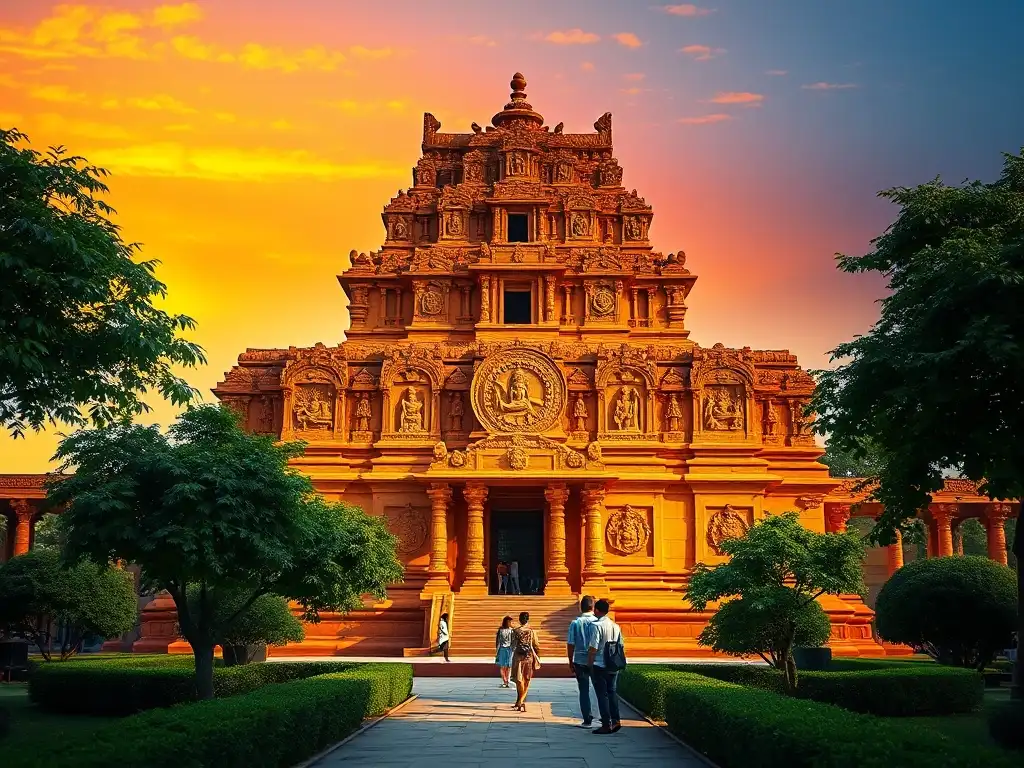
Welcome to Ancient India History, where we embark on a journey through the rich tapestry of ancient Indian civilizations. Today, we delve into the architectural significance of the Sun Temple at Konark, a marvel that not only showcases the ingenuity of its creators but also reflects the profound cultural and spiritual ethos of its time. As we explore the intricate designs and historical context of this iconic structure, you'll uncover the fascinating stories that shaped its existence.
Prepare to be captivated as we illuminate the legacy of the Sun Temple and its place in the grand narrative of India's heritage. Join us as we uncover the secrets that lie within its walls!
Introduction to the Sun Temple Konark Architectural History
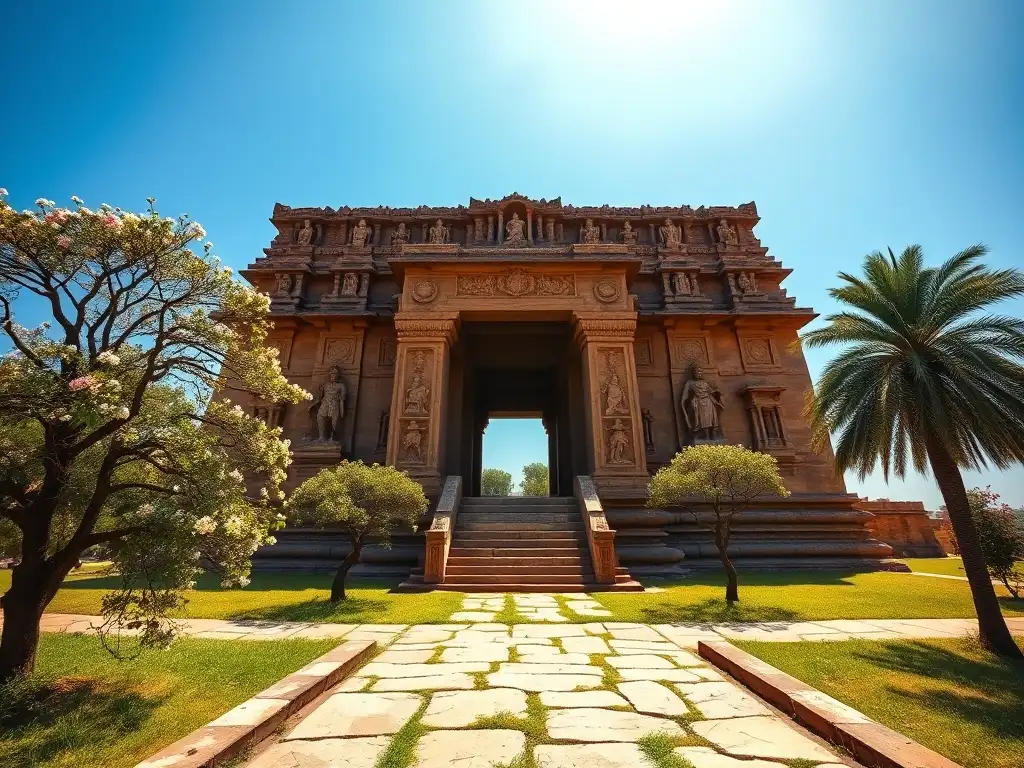
The Sun Temple at Konark, a UNESCO World Heritage Site, stands as a monumental testament to the brilliance of ancient Indian architecture and craftsmanship. Built in the 13th century during the reign of the Eastern Ganga dynasty, this temple is dedicated to Surya, the Sun God, and is renowned for its intricate design and historical significance.
The temple is not merely a place of worship but a symbol of the cultural and artistic zenith of ancient India, reflecting the religious fervor and architectural innovation of its time. As we delve deeper into the architectural history of the Sun Temple at Konark, we uncover a rich tapestry of artistic expression, engineering prowess, and cultural heritage that has fascinated historians, architects, and travelers alike.
Overview of the Sun Temple's Importance in Ancient Indian Architecture
The Sun Temple at Konark is considered one of the most remarkable examples of ancient Indian architecture, showcasing the unique Kalinga style characterized by exquisite stone carvings and intricate sculptures. This temple is often referred to as the "Black Pagoda" due to its dark hue and was once believed to serve as a navigational landmark for sailors.
Key aspects of its importance include:
- Innovative Design: The temple's chariot-like structure, complete with twelve pairs of wheels, represents the Sun God’s chariot and signifies the celestial nature of solar worship.
- Cultural Symbolism: It embodies the spiritual and cosmological beliefs of the time, illustrating the close relationship between religion and architecture in ancient India.
- Artistic Richness: The intricate carvings that adorn the temple’s walls depict various aspects of daily life, mythology, and divine narratives, making it a treasure trove for art historians.
The Sun Temple is not only an architectural marvel but also a crucial chapter in the narrative of ancient Indian civilization, reflecting its complexities and achievements.
Historical Context of the Sun Temple at Konark
The construction of the Sun Temple is rooted in the socio-political and cultural milieu of 13th-century India. The Eastern Ganga dynasty, under King Narasimhadeva I, commissioned the temple to honor the Sun God after a successful military campaign. This period was marked by significant developments in art, culture, and religion, with Hinduism experiencing a resurgence.
- Religious Significance: The temple served as a major pilgrimage site, attracting devotees from far and wide, reinforcing the role of religion in the daily lives of ancient Indians.
- Economic Impact: The temple's construction led to the flourishing of local crafts, architecture, and trade, stimulating economic growth in the region.
- Historical Events: The temple's existence has been intertwined with various historical events, including invasions and shifts in power, which have influenced its preservation and significance over the centuries.
Understanding the historical context of the Sun Temple helps us appreciate its architectural grandeur and the cultural narratives it embodies.
Architectural Features of the Sun Temple Konark
The Sun Temple at Konark is a stunning example of ancient Indian architecture, characterized by its unique layout, intricate carvings, and innovative engineering techniques. Each element of the temple is thoughtfully designed, reflecting the artistic and cultural ethos of its time.
Design Elements of the Sun Temple
The design of the Sun Temple is both symbolic and functional, showcasing the mastery of ancient Indian architects. Key design elements include:
- Chariot Structure: The temple is constructed to resemble a colossal chariot with twelve wheels, symbolizing the movement of the sun across the sky.
- Orientation: The temple is oriented in such a way that the first rays of the sun illuminate the main idol at dawn, emphasizing the significance of solar worship.
- Intricate Carvings: The walls are adorned with exquisite sculptures depicting deities, celestial beings, and various aspects of life, showcasing the artistic talent of the craftsmen.
These design elements not only serve aesthetic purposes but also enhance the spiritual experience of the temple, inviting visitors to engage with the divine.
Engineering Marvels of the Sun Temple
The engineering feats achieved in the construction of the Sun Temple are remarkable. The use of advanced techniques and materials showcases the ingenuity of ancient Indian builders:
- Stone Construction: The temple is built from Khondalite stone, known for its durability and ability to withstand the elements.
- Structural Stability: The temple was designed to ensure stability and resilience against earthquakes, a common concern in the region.
- Water Management: Ingenious water channels were incorporated into the design, reflecting an understanding of hydrology and its importance in temple rituals.
These engineering marvels not only highlight the architectural sophistication of the Sun Temple but also its functional integrity, allowing it to endure through the ages.
Cultural and Religious Significance of the Sun Temple
The Sun Temple at Konark holds immense cultural and religious significance, epitomizing the reverence ancient Indians had for the Sun God, Surya. This magnificent structure is not merely an architectural marvel but also a symbol of the spiritual and cultural ethos of ancient Indian society. Built in the 13th century, the temple serves as a testament to the intricate relationship between architecture, religion, and astronomy.
The temple's design, resembling a colossal chariot with twelve pairs of wheels, signifies the journey of the Sun across the sky, highlighting the importance of solar worship in Vedic traditions. This architectural choice reflects the ancient belief that the Sun was not only a celestial body but also an embodiment of life, energy, and prosperity. The temple's intricate carvings and sculptures depict various deities and mythological narratives, showcasing the artistic prowess of the artisans of that era and reinforcing the temple's role as a center of spiritual learning and cultural expression.
The Role of the Sun God in Ancient Indian Beliefs
In ancient Indian beliefs, the Sun God, Surya, was revered as a vital deity associated with health, wealth, and prosperity. He was considered the source of life and energy, influencing agricultural cycles and the well-being of the populace. The Rigveda, one of the oldest texts in Hindu literature, contains numerous hymns dedicated to Surya, emphasizing his significance in the Vedic pantheon.
Worshipping Surya involved various rituals and offerings, often performed at dawn to harness the energy of the rising sun. The Sun Temple at Konark was specifically designed to align with the solar calendar, allowing devotees to witness the sun's rays illuminating the sanctum sanctorum at specific times of the year, particularly during the equinoxes. This celestial alignment not only underscores the temple’s architectural ingenuity but also reflects the deep spiritual connection ancient Indians had with the cosmos.
Festivals and Rituals Associated with the Sun Temple
The Sun Temple at Konark is a focal point for several festivals and rituals that celebrate the Sun God. One of the most notable festivals is the Chhath Puja, which honors Surya and is predominantly celebrated in the Bihar region. Devotees gather at the temple to perform rituals, offering prayers and fruits to the setting sun, seeking blessings for health and prosperity.
Additionally, the Rath Yatra, or chariot festival, is celebrated with great fervor at Konark. This festival involves the ceremonial procession of idols of deities, symbolizing the annual journey of the Sun across the sky. During this time, thousands of devotees participate, showcasing the temple's enduring significance as a spiritual hub. These festivals not only reinforce the religious importance of the Sun Temple but also promote community bonding and cultural continuity.
Comparative Analysis of the Sun Temple Konark with Other Ancient Temples
The Sun Temple at Konark stands as a unique architectural achievement when compared to other ancient temples in India. Its distinct design and thematic representation of solar worship set it apart, yet it shares certain similarities with other temples dedicated to the Sun God across the country.
Similarities with Other Sun Temples in India
The architectural features of the Sun Temple at Konark resonate with other sun temples in India, such as the Sun Temple at Modhera in Gujarat. Both temples are dedicated to Surya and exhibit an intricate design that includes a central shrine and an open courtyard. Additionally, both temples showcase elaborate stone carvings that depict scenes from Hindu mythology, emphasizing the cultural importance of solar worship.
Both Konark and Modhera also incorporate water tanks or reservoirs, known as kunds, which were essential for the purification rituals associated with worship. These similarities highlight a shared architectural language and religious devotion toward the Sun God, showcasing the continuity of cultural practices across different regions in ancient India.
Differences in Architectural Styles and Techniques
While Konark and other sun temples share commonalities, there are notable differences in their architectural styles and techniques. The Sun Temple at Konark is renowned for its unique Kalinga architectural style, characterized by intricate stone carvings and a highly ornate facade. The temple's chariot-like structure, complete with wheels and horses, is a distinctive feature that sets it apart from other temples.
In contrast, the Modhera Sun Temple exhibits a more subdued architectural style with an emphasis on symmetry and geometric patterns. The Modhera temple is built in a rectangular layout with a focus on a large stepwell, emphasizing the importance of water in the worship rituals.
Moreover, the construction techniques differ, with Konark utilizing massive stone blocks and elaborate sculptures that depict a dynamic interplay of light and shadow, creating a visual spectacle that enhances the temple's spiritual ambiance. These differences in style and technique reflect the diverse regional influences and artistic expressions present in ancient Indian temple architecture.
Preservation and Conservation Efforts of the Sun Temple
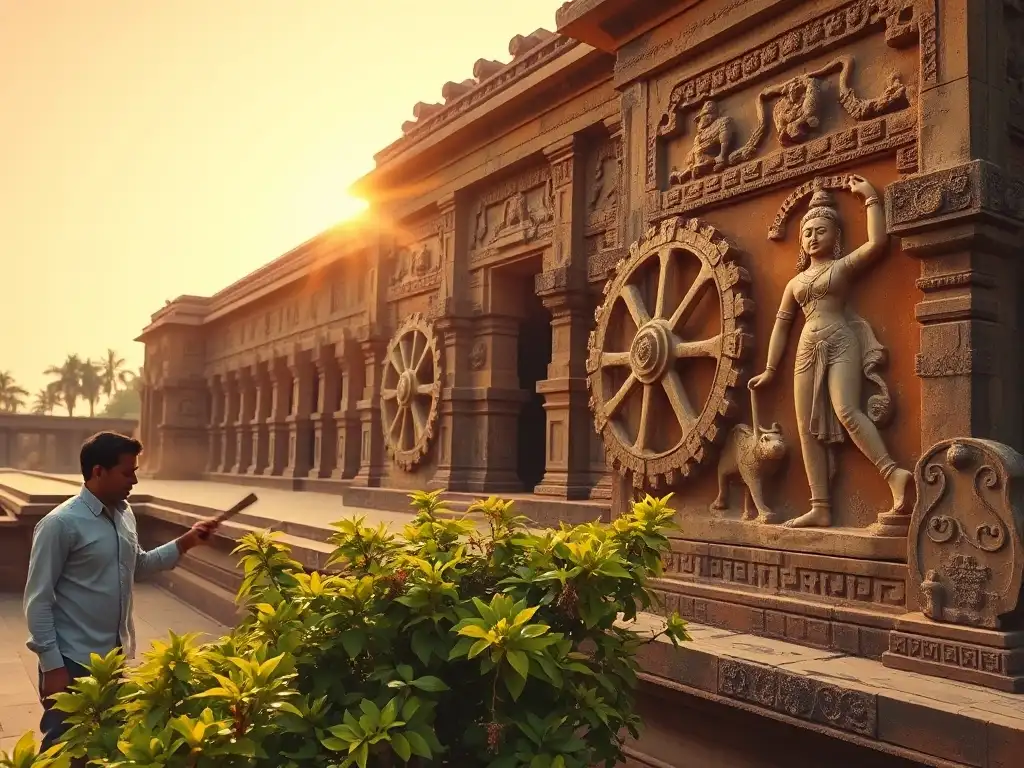
The Sun Temple at Konark, a UNESCO World Heritage Site, is not only an architectural marvel but also a significant cultural asset. Its preservation and conservation have become paramount due to its historical and artistic value. Over the years, various efforts have been made to ensure the temple's structural integrity and aesthetic beauty. These efforts involve a combination of traditional restoration techniques and modern scientific methods to address the wear and tear that the temple has experienced due to natural elements and human intervention.
One of the primary goals of conservation has been to stabilize the temple's intricate carvings and stone structures, which are susceptible to erosion and damage. Experts have employed various techniques, such as using lime mortar for repairs and avoiding the use of cement, which could further deteriorate the original materials. Furthermore, the government and conservation bodies have initiated regular maintenance programs to monitor the temple's condition, ensuring that any emerging issues are promptly addressed.
Challenges Faced in Preserving the Sun Temple Architectural History
Despite the dedicated efforts to preserve the Sun Temple, numerous challenges continue to hinder conservation initiatives. One significant challenge is the environmental impact of the region. The coastal location of Konark exposes the temple to harsh weather conditions, including heavy rainfall, wind erosion, and saltwater corrosion. Over time, these factors have led to the deterioration of the stone carvings and structural components of the temple.
Another challenge is the financial constraints faced by conservation authorities. Adequate funding is crucial for extensive restoration projects, yet budget limitations often result in delayed or incomplete work. Additionally, the temple's popularity as a tourist destination can lead to excessive foot traffic, which poses a risk to its delicate structures. Managing visitor access while preserving the site remains an ongoing struggle for conservationists.
Recent Initiatives for Restoration and Protection
In recent years, several initiatives have been undertaken to bolster the preservation of the Sun Temple. The Archaeological Survey of India (ASI) has been at the forefront, conducting detailed studies to assess the temple's condition and formulate effective restoration plans. These studies include scientific analysis of the stone materials and the use of advanced technology, such as 3D modeling, to guide restoration efforts.
Additionally, collaborations with international organizations have enhanced the scope of conservation projects. For example, partnerships with heritage preservation groups have facilitated the exchange of knowledge and techniques that can be applied to the Sun Temple. Recent efforts also focus on raising public awareness about the importance of preserving cultural heritage, encouraging community involvement in conservation activities.
Conclusion: Legacy of the Sun Temple at Konark
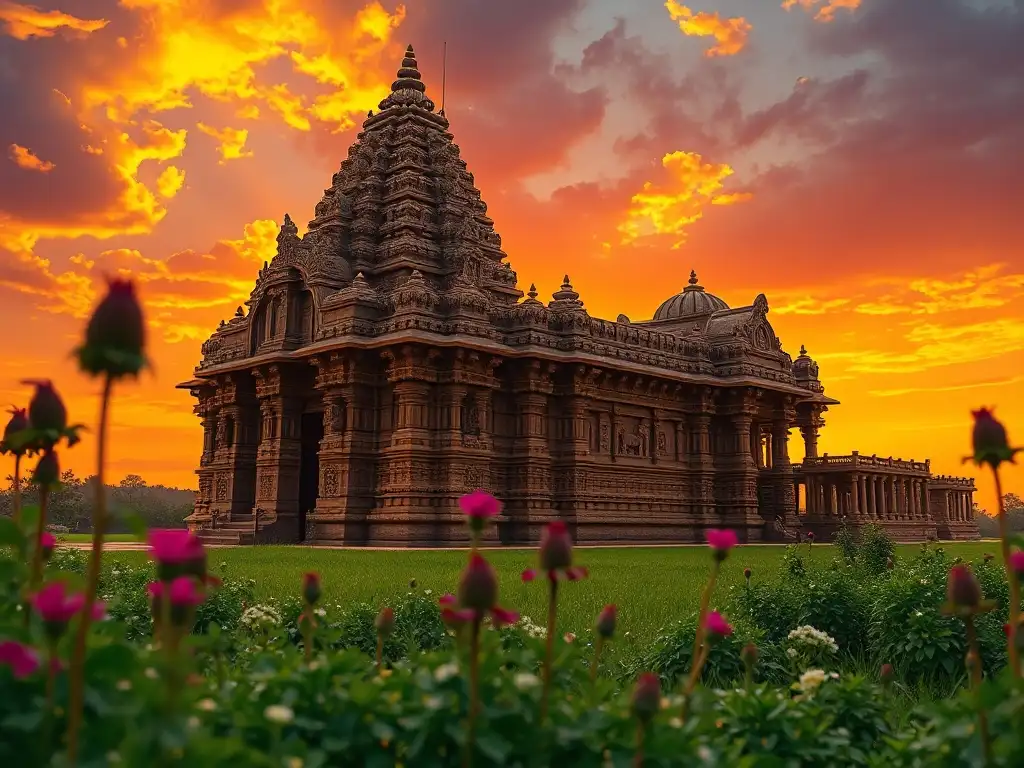
The Sun Temple at Konark stands as a testament to the architectural ingenuity of ancient Indian civilization. Its legacy extends beyond its physical structure; it embodies the spiritual and cultural ethos of its time. As one of the pinnacle achievements of Kalinga architecture, the temple continues to inspire admiration and respect for its artistic and historical significance.
Impact on Modern Architecture and Cultural Heritage
The architectural principles and design elements of the Sun Temple have influenced modern architecture in various ways. Its innovative use of geometry and intricate carvings serves as an inspiration for contemporary architects seeking to incorporate traditional styles into modern designs. The temple's emphasis on harmony between structure and nature resonates with current trends in sustainable architecture, where the integration of natural elements is paramount.
Moreover, the Sun Temple has become a symbol of cultural heritage, representing the rich artistic traditions of India. Its influence can be seen in various cultural expressions, from literature and art to dance and music, reinforcing the connection between ancient and modern Indian identity.
Continued Relevance in the Study of Ancient Indian Architecture
The Sun Temple remains a focal point for scholars and enthusiasts of ancient Indian architecture. Its unique architectural features, such as the chariot wheels and celestial motifs, provide invaluable insights into the engineering techniques and artistic sensibilities of its creators. Continued research and study of the temple contribute to a deeper understanding of the socio-cultural context in which it was built.
Furthermore, the ongoing preservation efforts highlight the importance of safeguarding historical sites for future generations. As a case study, the Sun Temple at Konark serves as a critical reference point in discussions about architectural conservation, cultural heritage management, and sustainable tourism practices. The temple’s enduring legacy continues to enrich the narrative of ancient Indian architecture, ensuring its place in the annals of history.
- Introduction to the Sun Temple Konark Architectural History
- Architectural Features of the Sun Temple Konark
- Cultural and Religious Significance of the Sun Temple
- Comparative Analysis of the Sun Temple Konark with Other Ancient Temples
- Preservation and Conservation Efforts of the Sun Temple
- Challenges Faced in Preserving the Sun Temple Architectural History
- Recent Initiatives for Restoration and Protection
- Conclusion: Legacy of the Sun Temple at Konark
- Impact on Modern Architecture and Cultural Heritage
- Continued Relevance in the Study of Ancient Indian Architecture
- What is the historical significance of the Sun Temple at Konark?
- How does the architecture of the Sun Temple reflect ancient Indian design?
- What are the main features of the Sun Temple's architecture?
- When was the Sun Temple at Konark built?
- Why is the Sun Temple considered a masterpiece of ancient architecture?
Frequently Asked Questions
What is the historical significance of the Sun Temple at Konark?
The Sun Temple at Konark is a UNESCO World Heritage Site recognized for its architectural brilliance and cultural importance as a representation of ancient Indian civilization.
How does the architecture of the Sun Temple reflect ancient Indian design?
The temple showcases intricate carvings, sophisticated engineering, and a unique chariot design, illustrating the advanced architectural techniques of its time.
What are the main features of the Sun Temple's architecture?
Key features include the wheel motifs, detailed sculptures of deities, and the main sanctum designed to resemble a gigantic chariot, all highlighting the artistic excellence of ancient India.
When was the Sun Temple at Konark built?
Constructed in the 13th century, the temple was built during the reign of King Narasimhadeva I of the Eastern Ganga Dynasty, showcasing the prosperity of that era.
Why is the Sun Temple considered a masterpiece of ancient architecture?
It is celebrated for its innovative design, perfect alignment with the sun, and the use of local materials, making it a remarkable example of ancient Indian architectural history.
Final Reflection: Embracing the Legacy of the Sun Temple at Konark
The architectural brilliance of the Sun Temple at Konark is not merely a relic of the past; it serves as a profound reminder of our cultural heritage and the ingenuity of human creativity. Today, as we navigate a rapidly changing world, the lessons embedded in this magnificent structure resonate more than ever. The Sun Temple stands as a testament to the rich architectural history of India, inspiring us to appreciate and preserve our historical landmarks while fostering a deeper understanding of their significance in contemporary society.
The influence of the Sun Temple extends beyond its physical presence; it has become a symbol of cultural identity and artistic expression. As we reflect on its intricate carvings and celestial alignment, we recognize how such architectural feats shape our collective consciousness. The temple not only showcases the technical prowess of its creators but also invites us to ponder our relationship with the cosmos and the divine. Architecture is the art of how to waste space.
- Philip Johnson. This quote encapsulates the essence of how we can learn from the past to create spaces that resonate with purpose and beauty in our modern lives.
As we conclude our exploration of the Sun Temple at Konark, I invite you to reflect on the architectural wonders that surround you. Consider how these structures tell stories of our shared history and inspire future generations. Let the legacy of the Sun Temple motivate you to engage with your environment, appreciate the artistry in everyday life, and advocate for the preservation of our cultural landmarks. Together, we can ensure that the architectural history of places like the Sun Temple continues to enlighten and inspire for years to come.
Unveil the Mysteries of Ancient Architecture!
Thank you for diving into the fascinating world of the Sun Temple at Konark with us! We hope you enjoyed uncovering its architectural wonders and historical significance. Now that you’re inspired, it's time to take action and deepen your connection with this extraordinary landmark.
Here are some exciting ways you can engage further:
- Explore more about the cultural impacts of the Sun Temples across India—visit local archives or museums that showcase similar architectural masterpieces!
- Share your newfound knowledge! Discuss the Sun Temple's design with friends or on social media to spark interest in ancient architecture.
- Consider taking a virtual tour of the Konark Temple—experience the intricacies of its exquisite carvings and layout from the comfort of your home!
Which aspect of the Sun Temple at Konark intrigues you the most, and how does it inspire your perspective on ancient architecture?