
The SocioPolitical Landscape of Western India During the Gupta Era

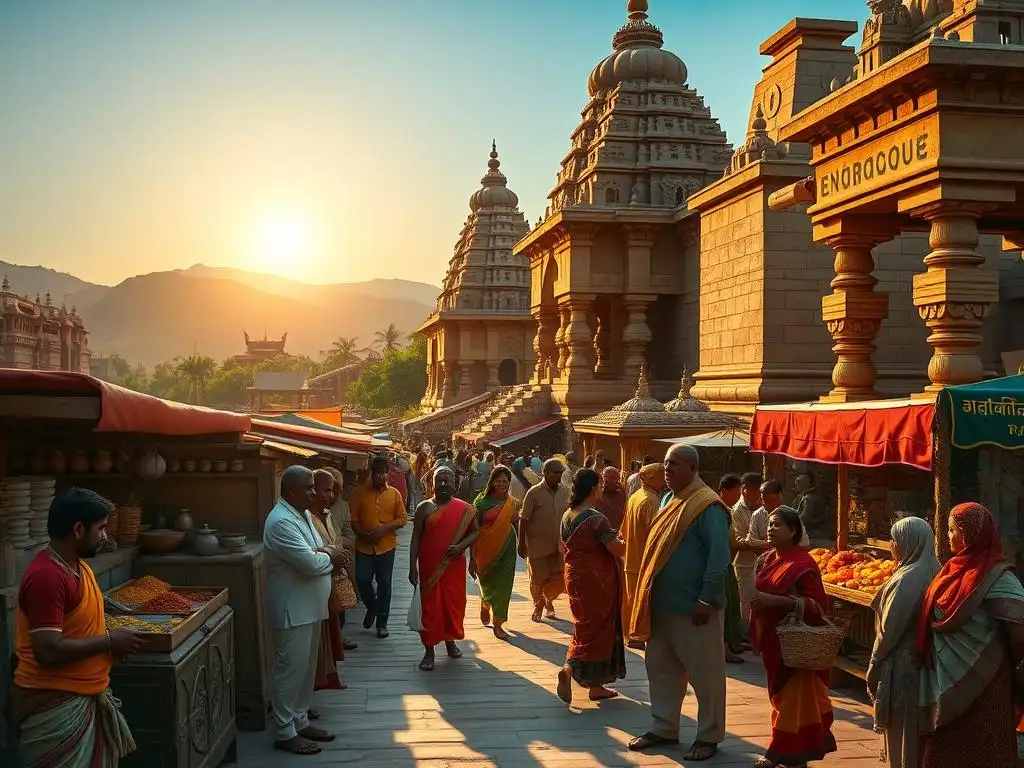
Welcome to Ancient India History, where we embark on an enthralling journey through the rich tapestry of ancient Indian civilizations. From the sophisticated urban planning of the Indus Valley to the intellectual bloom of the Gupta Empire, this site is your gateway to exploring their captivating tales. In our featured article, we delve into the sociopolitical dynamics of the Gupta Empire, revealing how these intricate systems shaped the lives of millions and influenced the course of history. Prepare to uncover the mysteries and marvels that define this remarkable era—your adventure begins now!
Introduction to the Gupta Empire Sociopolitical Dynamics
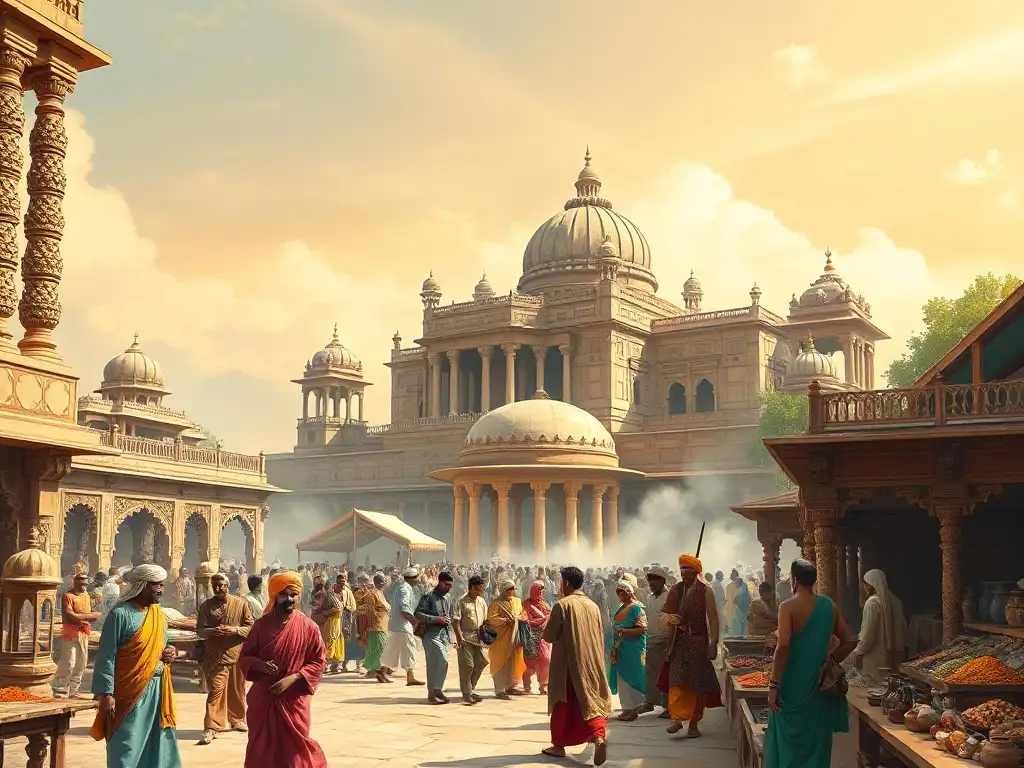
The Gupta Empire, often referred to as the "Golden Age" of India, flourished from approximately 320 to 550 CE. This period is characterized by remarkable advancements in arts, sciences, and political organization, contributing significantly to the cultural and intellectual heritage of ancient India. In particular, the sociopolitical dynamics of the Gupta Empire established a framework that influenced the governance and societal structures in various regions, including Western India. Understanding these dynamics requires an exploration of the intricate relationships between power, society, and culture within this vast empire, especially in regions that played pivotal roles during this transformative era.
Overview of the Gupta Empire
The Gupta Empire was founded by Maharaja Sri Gupta, and it reached its zenith under notable emperors such as Chandragupta I, Samudragupta, and Chandragupta II. This period saw the consolidation of power and territorial expansion, primarily through military conquests and strategic alliances. The Gupta rulers adopted a decentralized approach to governance, empowering local leaders while maintaining overarching control. This flexibility allowed for a rich tapestry of local traditions and practices to flourish, contributing to a vibrant cultural milieu.
Key features of the Gupta Empire include:
- Cultural Flourishing: The period is noted for significant achievements in literature, art, and science. Writers like Kalidasa and Aryabhata emerged, laying foundations for future generations.
- Religious Tolerance: The Gupta Empire was marked by a blend of Hinduism and Buddhism, promoting an environment of religious tolerance and coexistence.
- Economic Prosperity: Trade routes flourished, linking Western India to the Mediterranean and other parts of Asia, facilitating cultural exchange and wealth accumulation.
Significance of Western India in Gupta History
Western India played a crucial role in the Gupta Empire's sociopolitical landscape. This region, encompassing present-day Maharashtra, Gujarat, and Rajasthan, was rich in resources and strategically located along key trade routes. The Gupta rulers recognized the importance of Western India, leading to the establishment of significant administrative centers and patronage of local cultures.
Some notable aspects include:
- Trade Hubs: Cities like Ujjain and Vallabhi emerged as vital trade hubs, contributing to the economic stability of the empire.
- Cultural Synthesis: The interaction of diverse communities in Western India fostered a unique cultural synthesis, influencing art, architecture, and philosophy.
- Military Significance: Western India served as a buffer zone against invasions, necessitating strong military presence and alliances.
The Historical Context of Western India
To understand the sociopolitical landscape of Western India during the Gupta era, it is essential to examine the historical context leading up to this period. The region had a complex history shaped by various kingdoms and tribal dynamics, which set the stage for the Gupta Empire's influence.
Pre-Gupta Sociopolitical Landscape
Before the rise of the Gupta Empire, Western India was marked by a diverse sociopolitical landscape. The region was home to numerous small kingdoms and tribes, each with its own governance structures, customs, and economic systems. These entities often engaged in trade and warfare, creating a dynamic environment that was both competitive and collaborative.
Prominent features of the pre-Gupta landscape included:
- Fragmentation of Power: A multitude of local rulers and chieftains exercised power, leading to a fragmented political environment.
- Cultural Interactions: The region’s location facilitated interactions with traders and travelers from distant lands, enriching the local culture.
- Religious Developments: Various religious traditions, including Jainism and Buddhism, coexisted alongside regional forms of Hinduism, shaping the spiritual life of the populace.
Major Kingdoms and Tribes in Western India Prior to the Gupta Era
Several kingdoms and tribes significantly influenced Western India's sociopolitical dynamics before the Gupta era. Among them were:
- The Maurya Empire: The predecessor to the Gupta Empire, the Mauryan influence laid the groundwork for political and administrative practices.
- The Saka and Kshatrapa Rulers: These groups controlled parts of Western India and were instrumental in trade and cultural exchange.
- Local Tribes: Various tribes, including the Bhils and the Malavas, contributed to the region's diversity and played roles in local governance.
By examining these historical elements, we can better understand the foundation upon which the Gupta Empire built its sociopolitical structure and how it influenced the development of Western India during this remarkable era.
Rise of the Gupta Empire
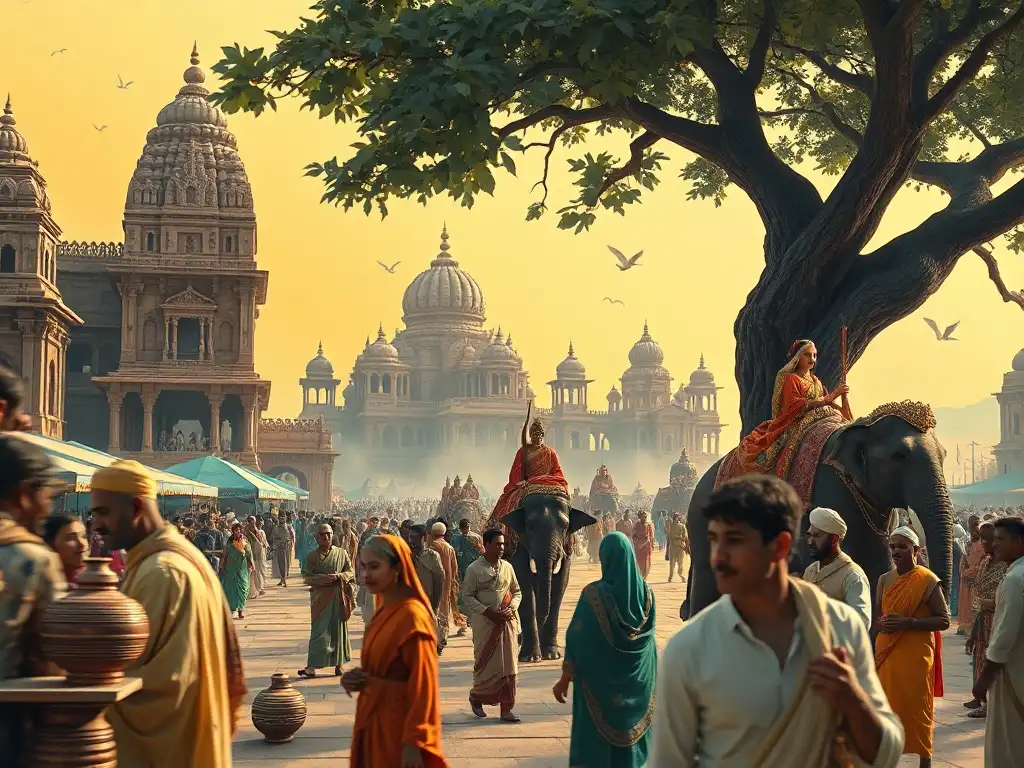
The Gupta Empire, which emerged around the early 4th century CE, marked a significant turning point in the history of ancient India, particularly in the western regions. The rise of this empire was primarily attributed to the adept leadership of its founders, Chandragupta I and his son, Samudragupta. Under their rule, the Gupta dynasty established a strong centralized authority that effectively unified various small kingdoms and tribal territories, creating a cohesive political entity.
The Gupta Empire capitalized on the existing socio-political structures of the Indian subcontinent, fostering a climate of stability and prosperity. This period witnessed the flourishing of trade, arts, and culture, which attracted scholars, artisans, and merchants from various parts of Asia. The Guptas promoted Hinduism as a key cultural force, leading to a renaissance in religious and philosophical thought, which further solidified their rule and influence.
Moreover, the strategic geographical positioning of their capital, Pataliputra, facilitated control over trade routes and communication across western India, bolstering economic growth. The rise of the Gupta Empire was thus not just a political ascent but a profound transformation that laid the foundation for what would come to be known as the Golden Age of India.
Key Figures in Gupta Leadership
The Gupta Empire was characterized by strong and visionary leadership, with several key figures playing crucial roles in its expansion and consolidation. Chandragupta I, often hailed as the founder of the Gupta Empire, initiated the dynasty's rise through strategic marital alliances and military conquests. His son, Samudragupta, is particularly notable for his military prowess and ambitious campaigns, which expanded the empire significantly. His conquests across northern India established the Gupta Empire as a formidable power.
Another prominent figure was Chandragupta II, also known as Vikramaditya, who further enhanced the empire's reputation through diplomatic marriages and cultural patronage. His reign is often regarded as the zenith of Gupta power, marked by significant advancements in literature, science, and the arts. The famous scholar Kalidasa, who flourished during this period, exemplifies the cultural richness fostered by Gupta patronage.
These leaders were not only military strategists but also patrons of the arts and religion, creating an environment where culture and spirituality thrived, contributing to the long-lasting legacy of the Gupta Empire.
Expansion of the Gupta Empire into Western India
The expansion of the Gupta Empire into western India was a strategic move that solidified its power and influence across the subcontinent. Following the initial conquests by Samudragupta, the empire's reach extended to important regions like Gujarat and Maharashtra. This expansion was facilitated by a combination of military might, strategic alliances, and the integration of local rulers into the Gupta administrative framework.
The Guptas employed a diplomatic approach, often incorporating local rulers and elites into their governance structure, which helped maintain stability and loyalty in newly acquired territories. Key trade routes along the western coast, such as those connecting to the Arabian Sea, were vital for economic growth, allowing the Gupta Empire to emerge as a prominent trading power.
Furthermore, this expansion led to the spread of Gupta culture, art, and religion, particularly Hinduism and Buddhism, influencing local societies and contributing to a rich cultural tapestry in western India. The Gupta era thus marked a period of significant cultural exchange and integration, shaping the socio-political dynamics of the region.
Sociopolitical Structure of the Gupta Empire
The sociopolitical structure of the Gupta Empire was characterized by a blend of centralized authority and local governance. At the top of the hierarchy was the emperor, who wielded considerable power and was viewed as a divine ruler. The Gupta emperors established a well-organized administration that facilitated efficient governance across the empire's vast territories.
The empire was divided into various provinces, each overseen by a governor or a local ruler, who was often a member of the nobility. This system allowed for localized governance while maintaining overarching control from the central authority. The administration was supported by a bureaucracy that handled tax collection, law enforcement, and public works, ensuring the smooth functioning of society.
In addition, the empire's sociopolitical dynamics were heavily influenced by the caste system, which played a significant role in defining social hierarchies. The interplay between the ruling class, local elites, and the broader populace shaped the governance and stability of the Gupta Empire.
Governance and Administration in Western Indian Regions
Governance in western India during the Gupta era was marked by a blend of direct control and local autonomy. The Guptas established a system of provincial governance, where governors were often appointed from the local elite, ensuring that they had both the authority and the local knowledge to manage their regions effectively. This approach fostered loyalty among local rulers and facilitated smoother administration in diverse territories such as Gujarat and Maharashtra.
The administration was characterized by meticulous tax collection systems and legal frameworks that promoted trade and agriculture. The Gupta rulers emphasized infrastructure development, including roads and irrigation systems, which were crucial for economic prosperity. Additionally, the promotion of trade routes through western India enhanced commerce and cultural exchange, contributing to the overall stability and growth of the region.
The Guptas also maintained a strong military presence to safeguard their provinces, which helped in quelling dissent and ensuring loyalty among the local populations. This combination of effective governance and military strength was vital for maintaining the sociopolitical integrity of the Gupta Empire in western India.
Role of Local Rulers and Nobility
Local rulers and nobility played a pivotal role in the sociopolitical dynamics of the Gupta Empire, particularly in its western regions. The Guptas adeptly integrated these local elites into their governance structure, often granting them titles, land, and responsibilities in exchange for loyalty and support. This practice not only ensured the stability of the empire but also allowed for the effective administration of diverse cultures and communities.
The local rulers acted as intermediaries between the Gupta central authority and the common populace, implementing imperial policies while addressing regional needs and concerns. Their intimate understanding of local customs and traditions was essential for maintaining order and fostering a sense of belonging among the subjects.
Moreover, the nobility contributed to the cultural and religious life of the empire, patronizing temples, arts, and educational institutions. This support helped in the promotion of Hinduism and other cultural practices, which were instrumental in shaping the identity of the Gupta Empire. As a result, the collaboration between the Gupta rulers and local nobility created a dynamic sociopolitical landscape that was both stable and culturally rich.
Economic Dynamics of Western India Under Gupta Rule
The Gupta Empire, often hailed as the Golden Age of India, witnessed significant economic advancements, particularly in Western India. The region, characterized by its strategic location along trade routes, played a pivotal role in the overall prosperity of the empire. The economic dynamics during this era were multifaceted, encompassing trade, agriculture, and urban development, which collectively contributed to the region's growth and stability.
Trade and Commerce in the Gupta Era
Western India emerged as a bustling hub for trade and commerce during the Gupta period. Key trade routes connected the region to both the interior of India and international markets, facilitating the exchange of goods such as spices, textiles, and precious metals. Major ports like Sopara and Bharukachchha served as vital points for maritime trade, linking India with distant lands such as the Roman Empire and Southeast Asia.
The flourishing trade networks also encouraged the rise of merchant guilds, which played an essential role in regulating commerce. These guilds facilitated not only the economic transactions but also contributed to social cohesion among traders. The establishment of standardized weights and measures further streamlined trade processes, promoting a more efficient market economy.
Additionally, the Gupta rulers implemented policies that supported trade, such as tax incentives and the construction of infrastructure, including roads and ports. These developments significantly enhanced the commercial landscape, allowing Western India to thrive economically during this period.
Agricultural Practices and Their Impact on Society
Agriculture remained the backbone of the economy in Western India during the Gupta era. The introduction of advanced agricultural techniques, such as crop rotation and the use of iron plows, led to increased crop yields. Major crops cultivated included rice, wheat, and pulses, which not only sustained the local population but also contributed to trade.
The surplus production enabled the growth of urban centers, as more people moved into cities, shifting from a predominantly agrarian society to a more diversified economy. This urbanization fostered new social dynamics, with a rising merchant class gaining prominence and influencing political structures.
Moreover, the state played a crucial role in agriculture by promoting irrigation projects and land reforms, which further enhanced productivity. The agrarian wealth also allowed the Gupta rulers to maintain a strong military and administrative apparatus, reinforcing their power and stability in Western India.
Cultural Interactions in Western India
Cultural interactions in Western India during the Gupta era were marked by a confluence of various influences, including indigenous traditions and external contacts through trade and migration. This period saw a vibrant exchange of ideas, art, and religious beliefs, which significantly shaped the sociopolitical landscape of the region.
Influence of Religion on Sociopolitical Dynamics
Religion played a fundamental role in shaping the sociopolitical dynamics of Western India during the Gupta era. The period witnessed the flourishing of Hinduism, alongside the coexistence of Buddhism and Jainism. The Gupta rulers were known for their patronage of Hindu temples, which not only served as religious centers but also as hubs of economic activity and social welfare.
The rise of Hinduism contributed to the consolidation of power among the Gupta elite, who used religious legitimacy to reinforce their authority. Temples became important sites for political gatherings and community engagements, reflecting the intertwined nature of religion and governance.
Additionally, the patronage of arts and literature during this period was often linked to religious themes, with famous works such as Kalidasa's poetry and temple sculptures showcasing the rich cultural heritage of the time. The syncretism of various religious practices and beliefs fostered a sense of unity among diverse communities, contributing to the overall stability and cohesion within the Gupta Empire.
The sociopolitical dynamics of Western India during the Gupta era were profoundly influenced by economic prosperity and cultural interactions, with religion serving as a pivotal force in shaping the region's identity and governance.
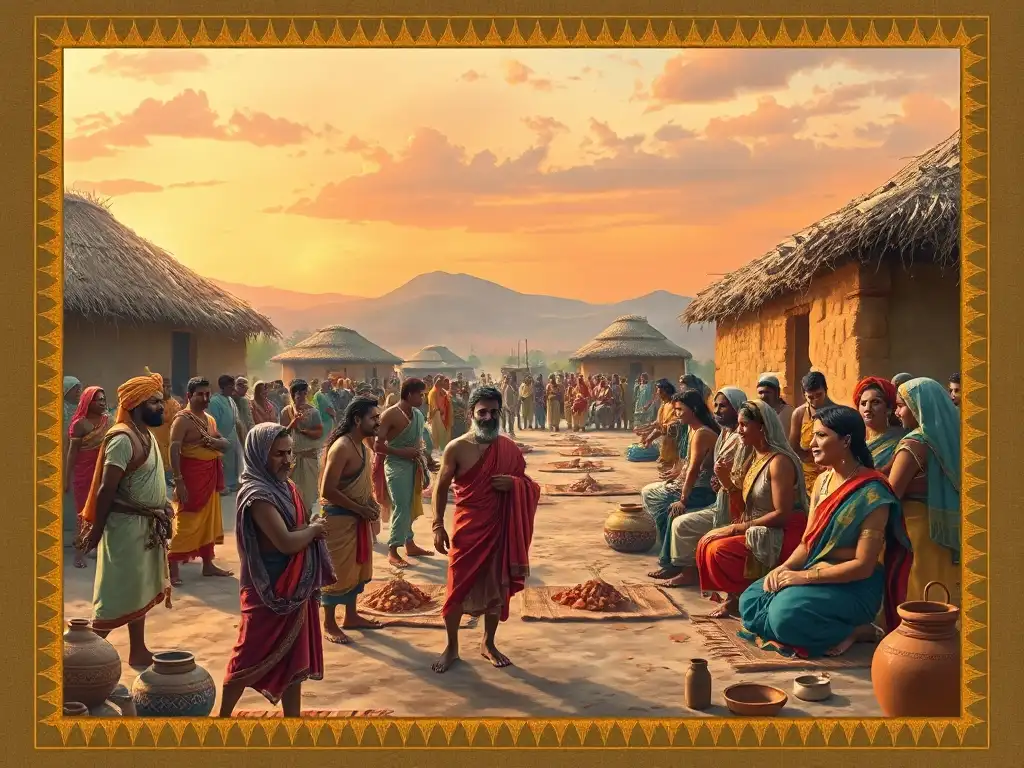
During the Gupta Era, which spanned from approximately 240 to 550 CE, the Gupta Empire witnessed significant sociopolitical dynamics in Western India. However, this period was not without its challenges. The empire faced both internal and external pressures that tested its authority and stability.
Internal Conflicts and Regional Rivalries
Internal conflicts were a considerable challenge for the Gupta Empire in Western India. The vastness of the empire meant that diverse regional identities and local powers existed, which sometimes clashed with Gupta authority.
- Local Kingdoms: Various smaller kingdoms, such as the Maitrakas of Vallabhi and the rulers of Malwa, often resisted Gupta control. These local rulers maintained their own traditions and governance structures, leading to tensions that sometimes escalated into armed conflicts.
- Noble Families: The Gupta Empire's reliance on a feudal system meant that powerful noble families often sought to assert their independence. In many cases, these families would engage in power struggles, leading to fragmentation within the empire.
- Religious Differences: The era also saw the rise of different religious sects, particularly Buddhism and Jainism, which sometimes led to ideological conflicts. These differences could challenge the Gupta rulers, who were primarily Hindu and sought to unify the empire under a common religious framework.
External Threats and Invaders
The Gupta Empire also faced significant external threats that compounded the internal challenges. These threats came mainly from neighboring regions and nomadic tribes.
- Huna Invasions: One of the most pressing threats came from the Huna people, who invaded from the northwest. Their incursions posed a serious military challenge to Gupta authority and led to significant territorial losses in parts of Western India.
- Regional Disputes: Conflicts with neighboring empires, such as the Western Kshatrapas, also strained Gupta resources. These disputes not only undermined political stability but also diverted attention and resources from governance and development.
- Trade Disruptions: The instability caused by these external threats disrupted trade routes, which were vital for economic prosperity. The decline in trade affected the overall wealth of the empire, further weakening Gupta authority.
Contributions of the Gupta Era to Western Indian Society
Despite these challenges, the Gupta Era left a lasting impact on Western Indian society, contributing significantly to its cultural and intellectual development.
Advances in Art and Architecture
The Gupta period is often referred to as a golden age of art and architecture in India. Several advancements during this time enriched Western India's cultural landscape.
- Temple Architecture: The Gupta rulers commissioned numerous temples characterized by intricate carvings, elaborate sculptures, and innovative designs. Notable examples include the temples at Ujjain and the rock-cut caves at Ajanta, which featured stunning frescoes and sculptures that depicted religious themes.
- Sculpture: Gupta sculpture made significant strides, with artisans creating lifelike representations of deities and other figures. The emphasis on realism and expression in these sculptures marked a departure from earlier styles, reflecting the sophistication of Gupta artistry.
- Cave Architecture: The era saw the flourishing of cave architecture, with various sites being carved into rock, such as the famous Ellora and Ajanta caves. These caves served both as monastic retreats and places of worship, showcasing the artistic and architectural prowess of the time.
Developments in Science, Literature, and Philosophy
The Gupta Era was not only an age of artistic achievement but also a time of remarkable intellectual advancements that influenced Western Indian society.
- Scientific Innovations: The period witnessed significant developments in mathematics and astronomy. Notably, scholars like Aryabhata made groundbreaking contributions, including the concept of zero and advancements in calculating astronomical phenomena.
- Literary Flourishing: Literature thrived during this time, with classical Sanskrit becoming the medium of choice. Works like Kalidasa's plays and poems gained prominence, contributing to the rich tapestry of Indian literature and influencing future generations.
- Philosophical Thought: The Gupta period also saw the growth of philosophical discourse. Schools of thought such as Vedanta and the Nyaya emerged, promoting discussions on ethics, metaphysics, and epistemology, which would shape Indian philosophy for centuries to come.
Overall, while the Gupta Empire faced significant challenges during its reign in Western India, its contributions to art, science, literature, and philosophy greatly enriched the region's cultural heritage.
Conclusion: Legacy of Gupta Sociopolitical Dynamics in Western India
The Gupta Empire, often referred to as the Golden Age of India, left an indelible mark on the sociopolitical landscape of Western India. This era was characterized by a remarkable blend of political stability, economic prosperity, and cultural flourishing that set the foundations for future Indian civilizations. The Gupta rulers were adept at establishing a centralized authority while simultaneously allowing local governance, which fostered a sense of loyalty and regional identity among the populace. This dual governance model not only ensured effective administration but also facilitated a rich cultural exchange that would resonate through the ages.
The legacy of the Gupta Empire's sociopolitical dynamics can be seen in the subsequent political structures and cultural developments that emerged in Western India. The emphasis on learning, art, and science during the Gupta period resulted in advancements in various fields, influencing educational institutions and cultural practices in later states. Moreover, the political strategies employed by the Gupta rulers, such as strategic alliances and patronage of local chieftains, became templates for future dynasties, including the Maitrakas and the Rashtrakutas.
Lasting Impacts on Future Indian States
The sociopolitical dynamics of the Gupta Empire significantly influenced the nature of governance and administration in Western India for centuries to come. The system of decentralized governance, coupled with a strong central authority, served as a model for subsequent rulers. This balance allowed local leaders to maintain a degree of autonomy while contributing to the broader imperial framework, fostering loyalty and stability.
Furthermore, the Gupta period's emphasis on trade and commerce laid the groundwork for economic systems that would thrive in later states. The establishment of trade routes and market towns during this time facilitated economic activity across Western India, which would be built upon by future empires. The introduction of standardized weights and measures and a robust currency system also enhanced commercial transactions, ensuring that Western India remained a vital hub of economic activity well after the Gupta decline.
In terms of cultural impacts, the Gupta patronage of arts and literature catalyzed the emergence of regional styles and genres that would shape Indian culture. The Gupta era saw the flourishing of Sanskrit literature, which influenced regional languages and literary traditions. This cultural renaissance fostered a sense of pride in local identities, which would become increasingly important in the face of later invasions and changes in rule.
Reflection on the Gupta Empire's Role in Shaping Western India
The Gupta Empire's role in shaping Western India was multifaceted, encompassing political, economic, and cultural dimensions. Politically, the Gupta rulers established a framework that integrated diverse regional powers while promoting a sense of unity among their subjects. This integration was crucial in creating a stable environment that allowed for the flourishing of multiple cultural and religious traditions, including Hinduism and Buddhism.
Economically, the Gupta Empire's focus on trade and agriculture stimulated growth and development across Western India. The era witnessed significant advancements in agricultural techniques and irrigation systems, which enhanced productivity and sustenance. This agricultural surplus not only supported a growing population but also encouraged urbanization, leading to the rise of vibrant cities that became centers of commerce and culture.
Culturally, the Gupta period laid the foundations for a rich artistic tradition that celebrated religious themes and regional identities. The advancements in sculpture, architecture, and literature during this time have continued to influence Indian art and culture. The legacy of the Gupta Empire is not merely a historical account; it is a testament to the enduring influence of its sociopolitical dynamics on the evolution of Western India and the broader Indian subcontinent.
The Gupta Empire's sociopolitical dynamics were pivotal in shaping the historical trajectory of Western India, creating a legacy that would resonate through future generations. The balance between central authority and regional autonomy, coupled with a flourishing economy and vibrant culture, established a framework that future Indian states would build upon, reflecting the profound impact of this remarkable empire.
- Introduction to the Gupta Empire Sociopolitical Dynamics
- Overview of the Gupta Empire
- Significance of Western India in Gupta History
- The Historical Context of Western India
- Rise of the Gupta Empire
- Sociopolitical Structure of the Gupta Empire
- Economic Dynamics of Western India Under Gupta Rule
- Cultural Interactions in Western India
- Challenges to Gupta Authority in Western India
- Contributions of the Gupta Era to Western Indian Society
- Conclusion: Legacy of Gupta Sociopolitical Dynamics in Western India
- What were the key features of the Gupta Empire sociopolitical dynamics?
- How did trade influence the sociopolitical landscape during the Gupta Era?
- What role did religion play in the sociopolitical structure of the Gupta Empire?
- How did the Gupta Empire manage its diverse populations?
- What were the consequences of the sociopolitical dynamics for the development of art and culture?
Frequently Asked Questions
What were the key features of the Gupta Empire sociopolitical dynamics?
The Gupta Empire sociopolitical dynamics were characterized by a blend of centralized authority and local governance, promoting stability and economic prosperity across the region.
How did trade influence the sociopolitical landscape during the Gupta Era?
Trade during the Gupta Era fostered economic interdependence and cultural exchange, leading to the establishment of stronger political ties among various regions and enhancing the overall sociopolitical environment.
What role did religion play in the sociopolitical structure of the Gupta Empire?
Religion, particularly Hinduism, played a significant role in the sociopolitical structure, as it provided a unifying ideology that supported the authority of rulers and influenced governance practices.
How did the Gupta Empire manage its diverse populations?
The Gupta Empire employed a policy of tolerance and inclusivity, recognizing and respecting the various cultures and traditions within its realm, which helped maintain social harmony and stability.
What were the consequences of the sociopolitical dynamics for the development of art and culture?
The sociopolitical dynamics of the Gupta Era led to a flourishing of art and culture, as patronage from the ruling class encouraged advancements in literature, architecture, and sculpture, marking this period as a golden age in Indian history.
Final Reflection: The Enduring Legacy of Gupta Empire Sociopolitical Dynamics
The sociopolitical dynamics of the Gupta Empire remain profoundly relevant today, as they provide insights into the complexities of governance, culture, and societal structures. The Gupta era was not merely a historical period; it was a transformative time that laid the groundwork for many aspects of modern Indian society. Understanding these dynamics allows us to appreciate the intricate tapestry of power, culture, and identity that continues to shape our world.
The Gupta Empire's influence extends far beyond its temporal boundaries, resonating through centuries of cultural evolution and social change. The sophisticated governance and rich cultural achievements of this era have left an indelible mark on the Indian subcontinent, influencing everything from art and literature to political thought. As we reflect on this legacy, we are reminded of the words of historian Romila Thapar: The past is not just a record of what has been, but a lens through which we can understand our present.
This perspective encourages us to consider how the sociopolitical dynamics of the Gupta Empire inform our contemporary issues and aspirations.
As we conclude this exploration of the Gupta Empire's sociopolitical dynamics, I invite you to reflect on the lessons that history offers us. Consider how the complexities of governance and cultural identity from this era can inspire your own understanding of the world today. Engage with these themes in your daily life, whether through discussions, further research, or community involvement. By doing so, we honor the legacy of the Gupta Empire and contribute to the ongoing dialogue about our shared human experience.
Unveil the Rich Tapestry of India’s Past!
Thank you for immersing yourself in the fascinating socio-political landscape of Western India during the Gupta Era! We hope you’ve gained insights into the vibrant culture and society that shaped this pivotal time in history. Now, it’s time to take action and deepen your understanding even further!
Here are a few powerful steps you can take next:
- Dive Deeper: Explore additional resources and books on the Gupta Era to enhance your knowledge. Start with our curated reading list available on our website!
- Join the Discussion: Share your thoughts on this historical period in our community forum. Connecting with fellow history enthusiasts can reveal new perspectives and enrich your understanding!
- Create Your Own Content: Write a short article or blog post about what you found most intriguing regarding this era and share it on social media or our platform. Your insights and experiences are valuable!
What aspect of the Gupta Era fascinates you the most, and why do you believe it continues to influence modern India?