
The Impact of Vastu Shastra: Ancient Indian Principles of Architecture

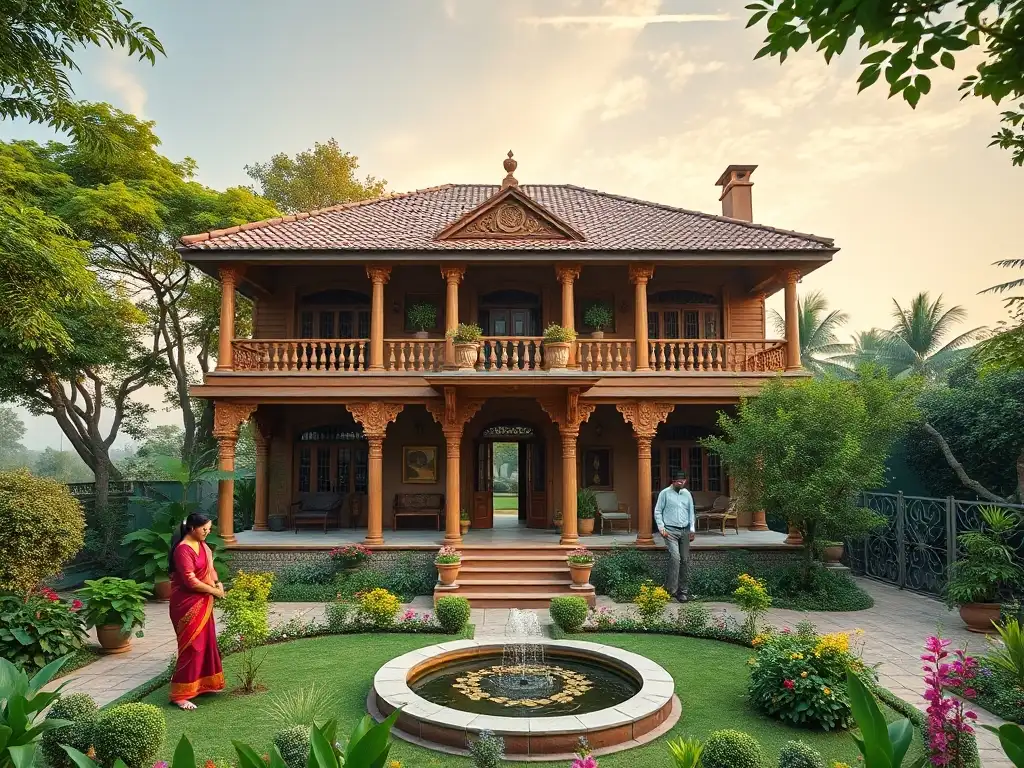
Welcome to Ancient India History, where we take you on a mesmerizing journey through the vibrant tapestry of ancient Indian civilizations. Here, you will uncover the profound Vastu Shastra architecture principles that shaped not only the buildings but also the very essence of life in ancient India.
As you delve deeper into our exploration of these timeless architectural guidelines, prepare to be captivated by the intricate connections between space, design, and philosophy that continue to influence modern practices. Join us as we unveil the secrets of a heritage that resonates through the ages—your adventure into the heart of India's past starts now!
Vastu Shastra, a term that translates to "science of architecture," embodies the ancient Indian principles that govern the design and layout of buildings and spaces. Rooted in the Vedic texts, Vastu Shastra integrates various elements of nature—including earth, water, fire, air, and space—to create harmonious environments that promote well-being, prosperity, and spiritual growth. This ancient science not only reflects the rich cultural heritage of India but also serves as a testament to the sophisticated understanding of architecture and urban planning possessed by our ancestors.
The significance of Vastu Shastra extends beyond mere construction; it encompasses a holistic approach that considers the orientation, proportions, and elements that interact within a space. As we delve deeper into the impact of Vastu Shastra on architectural practices, we will explore its historical evolution, key principles, and the enduring relevance of these guidelines in contemporary architecture. Understanding Vastu Shastra architecture principles can offer valuable insights into creating spaces that are not just aesthetically pleasing but also conducive to positive energy flow and harmony.
Historical Evolution of Vastu Shastra
Vastu Shastra has its roots in ancient Indian texts, particularly the Vedas, which are among the oldest scriptures known to humanity. Over the centuries, these principles were further refined and documented in various treatises, such as the "Manasara" and "Mayamata." These texts provided detailed instructions on the design and construction of temples, homes, and public spaces, emphasizing the importance of aligning structures with cosmic forces.
Key Principles of Vastu Shastra
The core principles of Vastu Shastra revolve around the following elements:
- Direction and Orientation: Each direction is associated with specific elements, deities, and energies. For instance, the northeast is linked to water and prosperity, while the southeast is connected to fire and energy. Proper orientation is essential for harnessing positive energies.
- Spatial Arrangement: The layout of a building should facilitate a natural flow of energy. Key spaces, such as kitchens and living rooms, should be strategically placed to promote harmony and functionality.
- Materials and Colors: The choice of materials and colors can significantly influence the energy of a space. Natural materials and harmonious color palettes are preferred to enhance the overall ambiance.
Contemporary Relevance of Vastu Shastra
In today's fast-paced world, the principles of Vastu Shastra continue to resonate with architects and designers. Many modern buildings incorporate Vastu guidelines to create spaces that foster well-being and productivity. Moreover, the growing awareness of sustainability and holistic design principles has led to a renewed interest in ancient architectural wisdom.
As we further explore the intricacies of Vastu Shastra architecture principles, we will uncover how these ancient teachings can be applied in contemporary contexts, enriching our built environments and enhancing our quality of life.
- Historical Evolution of Vastu Shastra
- Key Principles of Vastu Shastra
- Contemporary Relevance of Vastu Shastra
Introduction to Vastu Shastra Architecture Principles

Vastu Shastra is an ancient Indian science that intricately connects architecture, design, and the harmonious balance of energies within a space. Rooted in the Vedic texts, this traditional system provides guidelines for constructing buildings that promote well-being, prosperity, and spiritual harmony. In contemporary discussions, the term "Vastu Shastra architecture principles" encapsulates the core tenets of this ancient discipline, emphasizing its enduring relevance in the architectural landscape of India.
Definition of Vastu Shastra
Vastu Shastra can be defined as a set of architectural guidelines that prioritize the alignment of structures with the natural elements and cosmic energies. The term "Vastu" refers to the physical structure or dwelling, while "Shastra" means science or knowledge. Together, they embody a holistic approach to construction that considers various factors, including:
- Orientation: The positioning of buildings in relation to cardinal directions.
- Elements: The integration of the five elements (earth, water, fire, air, and space) within the design.
- Geometry: The use of specific shapes and proportions that resonate with universal patterns.
These principles are intended to create spaces that enhance the quality of life for their inhabitants, fostering peace, health, and prosperity.
Historical Context of Vastu Shastra in Ancient India
The roots of Vastu Shastra can be traced back to ancient Indian texts, such as the "Vastu Shastra" itself, the "Manasara," and the "Samaraangana Sutradhara." These texts, dating back to as early as 600 BCE, outline the philosophical underpinnings and practical applications of Vastu principles in construction.
- Indus Valley Civilization: Evidence of early architectural practices aligned with Vastu can be seen in the urban planning of the Indus Valley cities, such as Harappa and Mohenjo-Daro. Their grid-like layouts and advanced drainage systems reflect an understanding of spatial harmony.
- Mauryan Empire: During the Mauryan period (circa 322–185 BCE), Vastu principles were further refined, as seen in the construction of monumental structures like the Ashoka Pillars. These edifices not only served political purposes but were also designed to evoke spiritual significance.
- Gupta Empire: The Gupta era (circa 240–550 CE) marked a golden age in Indian architecture, with temples and palaces that exemplified Vastu principles. The architectural marvels of this period, such as the Dashavatara Temple in Deogarh, showcase the sophisticated application of Vastu in sacred spaces.
Importance of Vastu Shastra in Indian Architecture
Vastu Shastra plays a pivotal role in shaping the architectural identity of India, influencing both religious and secular structures. Its importance can be highlighted through the following aspects:
- Cultural Significance: Vastu principles are deeply embedded in Indian culture and spirituality. Temples, homes, and public buildings are often designed with Vastu in mind, reflecting the cultural ethos and beliefs of the society.
- Psychological Well-being: The alignment of structures according to Vastu is believed to create environments that foster positive mental and emotional states. For instance, the placement of windows, doors, and rooms can significantly impact airflow and natural light, contributing to the overall ambiance of a space.
- Sustainability: Vastu Shastra encourages sustainable practices by advocating for the use of local materials, natural ventilation, and rainwater harvesting systems. This holistic approach not only benefits the inhabitants but also promotes environmental stewardship.
- Modern Relevance: In contemporary architecture, the revival of Vastu principles is evident as architects and designers seek to blend traditional wisdom with modern technologies. This fusion results in buildings that are not only aesthetically pleasing but also energetically conducive.
The Vastu Shastra architecture principles are a testament to the rich heritage of ancient Indian civilization. Their enduring influence on architecture underscores the importance of harmonizing human dwellings with the natural world, a concept that remains relevant in today's architectural practices.
Core Principles of Vastu Shastra
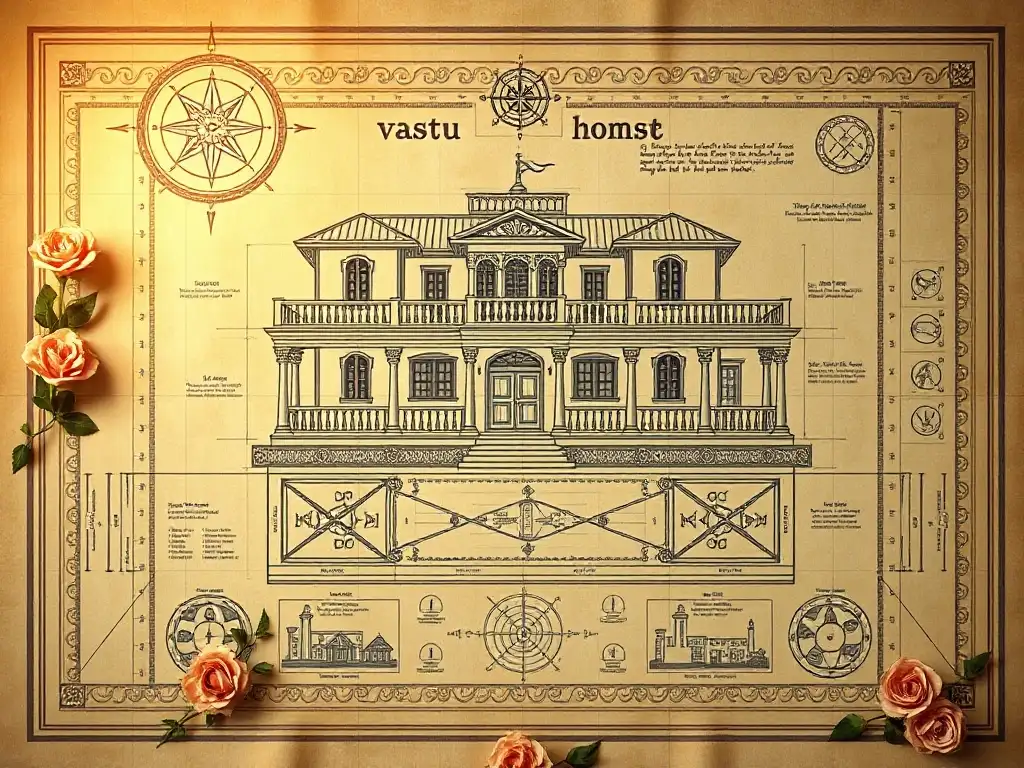
Vastu Shastra is an ancient Indian science that offers guidelines for the design and layout of buildings and spaces. Rooted in the belief that the environment profoundly affects human behavior and well-being, Vastu Shastra architecture principles emphasize harmony between nature and human life. The principles are based on traditional texts and are intended to promote positivity, prosperity, and peace in living spaces.
The core principles of Vastu Shastra can be categorized into various aspects, including:
- Balance and Harmony: Vastu advocates for a balanced environment, where elements are arranged to create harmonious spaces.
- Orientation: The positioning of the building in relation to cardinal directions is crucial, as different directions are believed to influence various aspects of life.
- Functionality: Spaces should be designed for their intended use, with careful consideration for the flow of energy.
- Natural Elements: Incorporating natural elements like light, air, and water is fundamental, reflecting the belief in interconnectedness with nature.
- Spirituality: Vastu integrates spiritual principles, suggesting that spaces should foster tranquility and a sense of well-being.
By adhering to these principles, architects and builders aim to create structures that are not only aesthetically pleasing but also spiritually uplifting.
The Five Elements in Vastu Shastra
In Vastu Shastra, the concept of the five elements—Earth, Water, Fire, Air, and Space (Ether)—is central to its architectural principles. Each element has a unique significance and influence within a space:
- Earth (Prithvi): Represents stability and support. Buildings should have a solid foundation, ideally oriented to enhance stability and grounded energy.
- Water (Jala): Symbolizes fluidity and abundance. Proper placement of water bodies, such as ponds or fountains, can promote prosperity and health.
- Fire (Agni): Represents energy and transformation. The placement of kitchens and fireplaces must follow Vastu guidelines to harness positive energy and avoid conflicts.
- Air (Vayu): Signifies movement and life force. Well-ventilated spaces with adequate airflow are essential for a healthy environment.
- Space (Akasha): Represents the vastness and potential of life. Open spaces encourage the flow of energy, promoting positivity and reducing clutter.
Each of these elements must be balanced to create a harmonious environment that supports the well-being of its inhabitants.
Directions and Their Significance in Vastu Architecture
Directions play a pivotal role in Vastu Shastra architecture principles. Each cardinal direction is associated with specific energies that can influence various aspects of life:
- North: Associated with wealth and prosperity. It is ideal for entrances and living spaces that require abundance.
- East: Represents health and vitality. Bedrooms and study rooms in this direction can enhance mental clarity and physical well-being.
- South: Linked to stability and strength. Heavy structures or storage areas are best placed in the southern part of a property.
- West: Connected to creativity and growth. It is favorable for children's rooms or creative spaces.
- Northeast: Regarded as the most auspicious direction, conducive for meditation rooms or prayer spaces.
- Southeast: Related to fire and energy. Kitchens should ideally be located in this direction to harness positive energy.
- Southwest: Represents authority and control. Master bedrooms are best placed here to promote stability in relationships.
- Northwest: Associated with movement and change. It is suitable for guest rooms or spaces that require flexibility.
Understanding the significance of these directions is essential for achieving the desired balance and harmony in architectural design.
The Role of Design and Layout in Vastu Shastra
The design and layout of a structure are vital in implementing Vastu Shastra principles. Several key aspects are considered:
- Entrance Placement: The main entrance should be strategically located to invite positive energy and ensure a welcoming atmosphere.
- Room Placement: Specific rooms must be placed in accordance with their function. For example, kitchens should be in the southeast, while bedrooms are best positioned in the southwest.
- Open Spaces: Incorporating open areas within a design enhances energy flow, creating a sense of freedom and liveliness.
- Proportion and Symmetry: Aesthetic appeal and balance are achieved through proportionate designs and symmetrical layouts that foster harmony.
- Natural Light and Ventilation: Maximizing natural light and airflow is crucial for promoting health and well-being, aligning with the principle of connecting with nature.
By meticulously planning the design and layout of a space according to Vastu Shastra, architects can create environments that not only fulfill functional requirements but also enhance the quality of life for the inhabitants.
Vastu Shastra in Historical Context
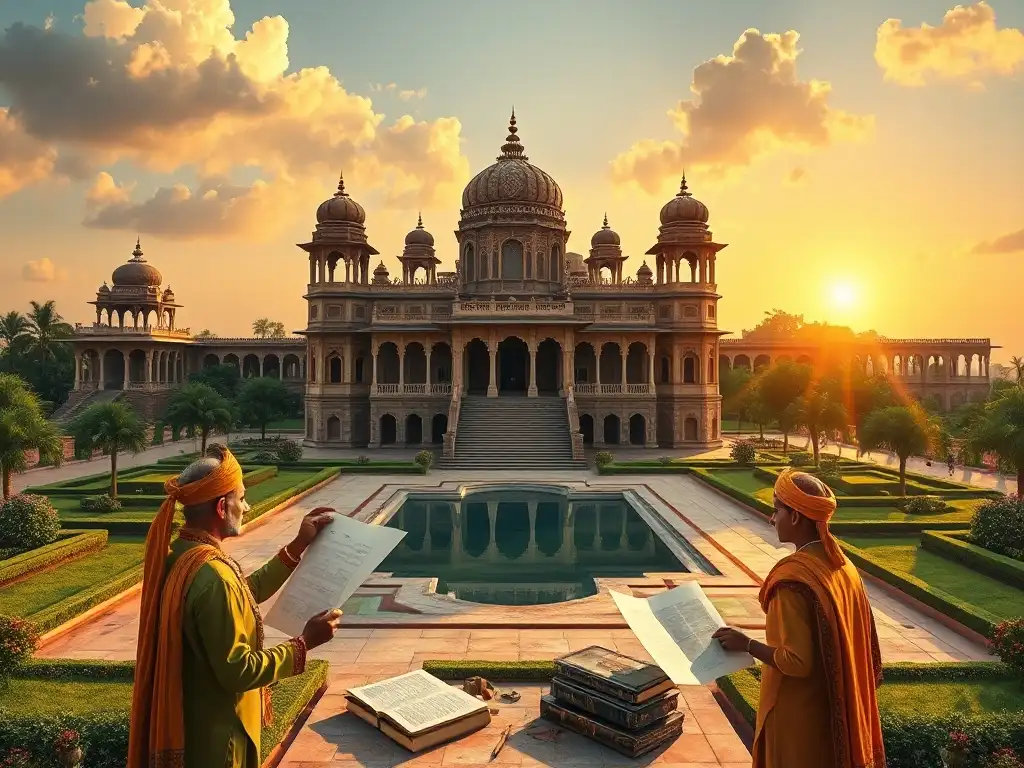
Vastu Shastra, an ancient Indian system of architecture and design, holds profound significance in the historical context of Indian civilization. Its principles are deeply rooted in the belief that the physical environment affects human life, a concept that transcends mere aesthetics. The term "Vastu" refers to a dwelling or a house, while "Shastra" means science or knowledge. Collectively, Vastu Shastra can be seen as the science of building and spatial arrangement that aims to harness the natural energies surrounding a structure.
Historically, Vastu Shastra has been influential since the Vedic period, with its origins linked to ancient texts that laid the foundation for architectural practices in India. These texts provide guidelines on site selection, design, layout, and the building materials used, all of which are meant to create harmony between the structure and its environment. The principles of Vastu are not merely practical; they reflect the spiritual and philosophical beliefs of the time, emphasizing the importance of balance and alignment with cosmic principles.
Vastu Shastra in Ancient Indian Texts
The foundational texts of Vastu Shastra include the Manasara, Mayamata, and Vishwakarma Vastu Shastra, which date back thousands of years. These texts serve as comprehensive manuals detailing the architectural norms and aesthetic guidelines that should be followed when constructing homes, temples, and other structures.
- Manasara: This treatise is one of the most important texts, offering insights into the geometry and design principles of Vastu. It covers various topics such as site selection based on geographical features and the alignment of the building with cardinal directions.
- Mayamata: This text focuses on the aesthetic aspects of architecture and the significance of proportions and symmetry in design. It emphasizes the importance of integrating natural elements into architecture, such as water bodies and vegetation, to enhance the living environment.
- Vishwakarma Vastu Shastra: Named after the divine architect Vishwakarma, this text delves into the metaphysical aspects of Vastu, linking architecture with astrological and spiritual considerations.
These texts collectively emphasize a holistic approach to architecture, where every element is considered in relation to the whole, promoting an environment conducive to well-being and prosperity.
Influence of Vastu Shastra on Notable Architectural Marvels
The principles of Vastu Shastra have significantly influenced several architectural marvels throughout history, shaping the landscape of ancient India. Notable examples include:
- The Brihadeeswarar Temple in Thanjavur: Constructed during the Chola dynasty, this temple exemplifies the principles of Vastu with its grand scale and meticulous alignment. The temple's orientation to cardinal points enhances its spiritual energy, attracting devotees and scholars alike.
- Hampi: This UNESCO World Heritage site showcases the application of Vastu in urban planning. The layout of Hampi reflects an understanding of topography and natural features, with temples and royal structures strategically positioned to harmonize with the landscape.
- The Red Fort in Delhi: Built during the Mughal era, the Red Fort integrates Vastu principles, particularly in its gardens and layout, which promote airflow and natural light, reflecting the synergy between architecture and nature.
These examples illustrate how Vastu Shastra architecture principles have guided the design and construction of significant structures, ensuring they are not only functional but also spiritually uplifting.
Case Studies of Vastu in Historical Buildings
To further understand the impact of Vastu Shastra, let’s explore specific case studies of historical buildings that embody its principles:
- Lotus Temple in Delhi: While a modern structure, the Lotus Temple incorporates Vastu principles in its design, promoting tranquility and spirituality. The lotus shape symbolizes purity and divinity, and its orientation allows for natural light to illuminate the interior, creating a serene environment for meditation.
- The Jagannath Temple in Puri: This ancient temple complex is a prime example of Vastu Shastra in action. The temple's towering structure (shikhara) is aligned with the cardinal directions, ensuring that the flow of energy is optimized. The layout facilitates large gatherings, reflecting the temple's importance in the socio-religious landscape of India.
- Mysore Palace: This iconic structure showcases a blend of architectural styles, but its adherence to Vastu principles is evident. The palace's layout fosters positive energy flow, with open courtyards and gardens that enhance the overall aesthetic and functional aspects of the building.
Vastu Shastra architecture principles have left an indelible mark on the historical and cultural landscape of India. By understanding and applying these ancient principles, architects and builders have created spaces that resonate with harmony, beauty, and functionality, reflecting the rich heritage of ancient Indian civilizations.
Vastu Shastra and Modern Architecture

Integration of Vastu Shastra in Contemporary Designs
Vastu Shastra architecture principles have transcended time, influencing modern architectural practices worldwide. Contemporary designers increasingly recognize the importance of these ancient principles, integrating them into new structures to enhance harmony and well-being.
- Spatial Design: Modern architects are applying Vastu principles in the layout of spaces. For instance, the placement of entrances, windows, and rooms is meticulously planned to align with cardinal directions, promoting positive energy flow.
- Material Selection: The choice of materials often reflects Vastu guidelines, with a preference for natural elements like wood, stone, and clay, believed to enhance the vibrancy of the structure.
- Sustainable Practices: Many architects are marrying Vastu with sustainable design, focusing on energy efficiency and ecological harmony. This approach not only respects traditional wisdom but also meets contemporary environmental needs.
These integrations are evident in various contemporary projects, where the essence of Vastu is preserved while adapting to modern aesthetics and functionalities.
Benefits of Applying Vastu Shastra Principles Today
Applying Vastu Shastra architecture principles offers numerous benefits that resonate with both occupants and the environment:
- Enhanced Well-being: Structures built with Vastu principles are believed to foster physical and mental well-being. The careful arrangement of spaces can lead to improved health and reduced stress levels.
- Increased Productivity: In commercial spaces, adhering to Vastu can enhance productivity. Research has shown that workplaces designed according to these principles can lead to higher employee satisfaction and performance.
- Positive Energy Flow: Vastu emphasizes the importance of positive energy flow, which can create a more inviting and harmonious atmosphere. This is particularly beneficial in residential spaces, promoting family unity and happiness.
- Aesthetic Appeal: Integrating Vastu principles often results in aesthetically pleasing designs that reflect balance and symmetry, contributing to the overall beauty of the structure.
The application of these principles in modern architecture not only respects ancient wisdom but also cultivates environments that enhance quality of life.
Challenges in Implementing Vastu Shastra in Modern Architecture
Despite the numerous benefits, there are significant challenges in implementing Vastu Shastra architecture principles in contemporary designs:
- Space Constraints: Urban environments often present limitations in available space, making it difficult to adhere strictly to Vastu guidelines. Architects must find creative solutions to balance Vastu principles with practical constraints.
- Modern Lifestyle Needs: The fast-paced modern lifestyle often requires flexibility in design that may conflict with traditional Vastu rules. For example, open-plan living spaces may not align with specific Vastu recommendations for room placement.
- Cultural Misunderstandings: In a globalized world, architects from various backgrounds may misinterpret Vastu principles or overlook their significance, leading to superficial applications that do not yield the intended benefits.
- Regulatory Barriers: Building codes and regulations in many regions may not accommodate Vastu principles, presenting a legal challenge in the design process. Architects must navigate these regulations while trying to incorporate Vastu elements.
Overcoming these challenges requires a nuanced understanding of both ancient principles and modern architectural needs, ensuring that the legacy of Vastu Shastra continues to thrive in contemporary settings.
The Cultural Significance of Vastu Shastra
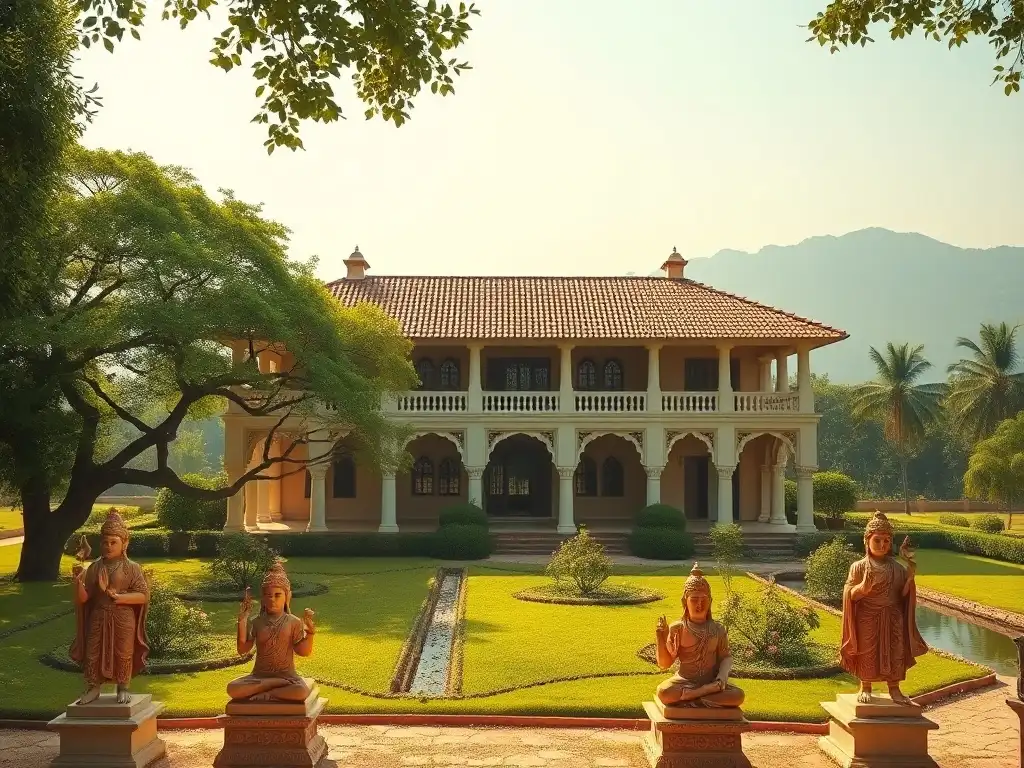
Vastu Shastra, the ancient Indian science of architecture, holds profound cultural significance that extends beyond mere structural design. Rooted in the Vedic texts, this discipline intertwines with the spiritual, psychological, and environmental aspects of human life. By aligning buildings with natural forces and cosmic energies, Vastu Shastra not only shapes physical spaces but also influences the cultural ethos and lifestyle of communities.
Vastu Shastra and Spirituality
The principles of Vastu Shastra are deeply intertwined with spirituality and the belief systems of ancient India. Each direction is associated with specific deities and elements, which are thought to affect the energies within a space. For instance:
- East: Associated with the rising sun, symbolizes new beginnings and is dedicated to deities like Surya (the Sun God).
- West: Linked to the setting sun, represents completion and endings, often associated with the deity Varuna (God of Water).
- North: Connected to wealth and prosperity, linked with Kubera (the God of Wealth).
- South: Represents stability, associated with Yama (God of Death), emphasizing the importance of balance and grounding.
These directional associations guide the placement of rooms, entrances, and even furniture, ensuring that the energy flows harmoniously throughout the space. For example, the main entrance of a home is typically recommended to be in the east or north direction to invite positive energy and prosperity, while bedrooms are ideally located in the southwest to promote stability and rest.
Incorporating Vastu principles into design is believed to enhance spiritual well-being, creating an environment conducive to meditation, reflection, and connection with the divine. As such, many temples and sacred spaces are designed using Vastu Shastra to evoke a sense of tranquility and sanctity, fostering a spiritual atmosphere for worshippers.
The Impact of Vastu on Daily Life and Well-being
Vastu Shastra architecture principles significantly influence daily life, impacting individuals' physical and mental well-being. The alignment of spaces according to Vastu is thought to create a harmonious environment that can lead to improved health, success, and happiness.
- Health Benefits: Homes designed with Vastu principles often prioritize natural light and ventilation, promoting better air quality and overall health. For example, having windows in the east allows for ample sunlight, which can improve mood and energy levels.
- Mental Well-being: The layout and organization of spaces can contribute to a sense of order and peace. Clutter-free environments, encouraged by Vastu, can lead to reduced stress and anxiety, fostering a calm mind.
- Social Interactions: Vastu Shastra also emphasizes open spaces and communal areas, which can enhance family interactions and social gatherings. A well-placed living room encourages interaction and strengthens family bonds, while a dining area in the west fosters nourishment and togetherness.
- Productivity: In workplaces, adhering to Vastu principles can enhance productivity and creativity. For instance, placing the workstation in the south or west and ensuring proper lighting can improve concentration and job satisfaction.
Vastu Shastra in Urban Planning and Development
As urbanization accelerates, the application of Vastu Shastra principles in urban planning and development has gained renewed attention. Integrating these ancient guidelines into modern architecture can lead to sustainable and harmonious living environments.
- Community Layout: Urban planners can use Vastu Shastra to create community layouts that foster social interaction and accessibility. For example, parks and recreational areas can be strategically placed in the northeast to enhance communal well-being.
- Building Orientation: The orientation of buildings concerning the cardinal directions plays a crucial role in urban designs. Structures facing east are believed to harness positive energy, while adequate spacing between buildings allows for better air circulation and light penetration.
- Sustainable Practices: Vastu Shastra encourages the use of natural materials and eco-friendly designs, promoting sustainability in urban development. This approach aligns with modern environmental concerns, advocating for harmony between human habitats and nature.
- Cultural Heritage: Incorporating Vastu principles helps preserve cultural heritage in urban settings. By designing buildings that reflect traditional architectural styles and principles, cities can maintain their historical identity while adapting to contemporary needs.
The integration of Vastu Shastra into urban planning not only enhances the quality of life for residents but also fosters a deeper connection to the cultural and spiritual traditions of India. By respecting these ancient architectural principles, modern developments can achieve a balance between progress and preservation.
Critiques and Misconceptions about Vastu Shastra
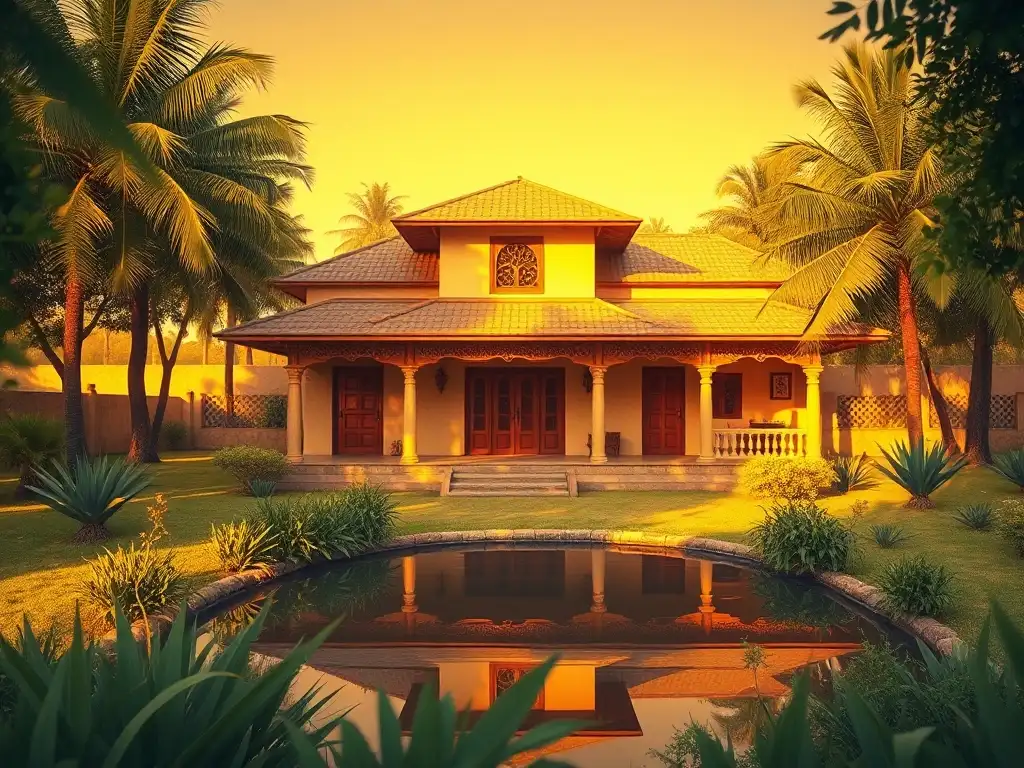
Vastu Shastra, the ancient Indian science of architecture, has been a subject of fascination and debate among scholars, architects, and the general public. While many revere its principles as vital to creating harmonious living spaces, others cast doubt on its scientific basis and practical application. This section delves into the common critiques and misconceptions surrounding Vastu Shastra, aiming to clarify its significance in contemporary architecture.
Common Myths Surrounding Vastu Shastra
-
Vastu is purely superstitious
One of the most prevalent myths is that Vastu Shastra is steeped solely in superstition. Critics argue that its principles lack empirical evidence. However, proponents emphasize that Vastu is based on natural laws and environmental factors, drawing from centuries of observation and experience.
-
Vastu is only relevant in India
While Vastu Shastra originated in India, its principles can be adapted to various cultures and climates. The emphasis on harmonizing structures with their surroundings is a universal concept, applicable to architecture worldwide.
-
Vastu requires extensive renovations
Many believe that adhering to Vastu principles necessitates significant alterations to existing structures. In reality, Vastu can often be integrated into design through minor adjustments, such as the orientation of furniture or the placement of plants, making it accessible for modern homeowners.
-
Vastu is against modern architecture
Critics argue that Vastu Shastra conflicts with contemporary architectural styles. However, many modern architects successfully incorporate Vastu principles into their designs, demonstrating that tradition and innovation can coexist harmoniously.
Addressing Critiques of Vastu Principles
Critiques of Vastu Shastra often center on its perceived lack of scientific rigor. However, various studies and analyses reveal that Vastu principles can be understood through the lens of environmental psychology and sustainable architecture. For instance:
- Natural Elements: Vastu emphasizes the importance of natural light, ventilation, and spatial orientation, which align with modern sustainable design practices. Research shows that buildings designed with these elements in mind can enhance occupant well-being and energy efficiency.
- Cultural Context: Understanding Vastu requires acknowledging its cultural significance. It reflects ancient Indian values and philosophies that prioritize balance and harmony. This cultural context is essential in evaluating its relevance in today’s architectural landscape.
- Adaptability: Vastu principles are not rigid rules but guidelines that can be adapted to fit modern architectural needs. Many architects incorporate Vastu with contemporary design elements, creating spaces that are both functional and aesthetically pleasing.
The Balance Between Tradition and Modernity in Architecture
The integration of Vastu Shastra into modern architecture exemplifies the balance between tradition and innovation. Architects today are increasingly recognizing the value of traditional knowledge systems in creating sustainable and livable spaces. Key aspects of this balance include:
- Innovative Designs: Many architects are creating innovative designs that respect Vastu principles while embracing modern aesthetics. For example, the use of sustainable materials and energy-efficient systems can complement Vastu’s focus on harmony with nature.
- Holistic Approach: Modern architecture benefits from a holistic approach that considers the emotional and psychological impacts of the built environment. Vastu’s emphasis on spatial arrangement and energy flow aligns with contemporary principles of biophilic design, which seeks to connect occupants with nature.
- Global Influence: As architecture becomes increasingly globalized, the incorporation of diverse influences, including Vastu, enriches architectural practices worldwide. This fusion of ideas fosters a deeper understanding of how cultural heritage can inform contemporary design.
Addressing the critiques and misconceptions of Vastu Shastra reveals its potential to contribute positively to modern architecture. By embracing its principles, architects can create spaces that honor tradition while meeting the demands of contemporary living.
Conclusion: The Enduring Legacy of Vastu Shastra
Summary of Key Principles and Their Impact
Vastu Shastra, the ancient Indian science of architecture, embodies a profound understanding of the relationship between human beings and their environment. Its principles are designed to create harmonious living spaces that enhance well-being, prosperity, and spiritual growth. The core concepts of Vastu Shastra include:
- Orientation: Buildings should be oriented according to cardinal directions, with specific placements for various rooms to maximize positive energy flow.
- Elemental Balance: The five elements—earth, water, fire, air, and space—must be balanced within a structure to promote health and harmony.
- Spatial Arrangement: The arrangement of spaces within a structure should foster social interaction while also providing areas for privacy and tranquility.
- Natural Light and Ventilation: Emphasis on optimizing natural light and airflow is crucial for maintaining a healthy indoor environment.
The impact of these principles can be seen in ancient structures like the temples of Khajuraho and the palaces of Jaipur, where architectural designs are not only visually stunning but also aligned with Vastu principles to enhance spiritual experiences and community well-being.
The Future of Vastu Shastra in Architecture
As contemporary architects and builders become increasingly aware of the benefits of sustainable design, Vastu Shastra is experiencing a renaissance. Incorporating these ancient principles into modern architecture can lead to the creation of spaces that are not only aesthetically pleasing but also environmentally friendly.
Key Trends in Vastu Shastra Architecture:
- Integration with Modern Design: Architects are blending Vastu principles with modern materials and technologies to create innovative structures that respect traditional wisdom while meeting contemporary needs.
- Sustainable Practices: There is a growing emphasis on using natural materials and energy-efficient designs that align with Vastu’s teachings, helping to minimize the ecological footprint of new constructions.
- Global Influence: The principles of Vastu Shastra are gaining traction beyond India, influencing architectural practices in various parts of the world where holistic approaches to building are valued.
The future of Vastu Shastra in architecture will likely see a deeper integration of its principles within urban planning, leading to more livable, sustainable environments that reflect a harmonious balance between nature and human activity.
Final Thoughts on Vastu Shastra and Cultural Heritage
Vastu Shastra is more than just a set of architectural guidelines; it is a testament to the rich cultural heritage of India. Understanding and applying these principles fosters a deeper connection to the past, encouraging contemporary society to honor and preserve the wisdom of ancient civilizations.
As we continue to explore the intersection of tradition and modernity, Vastu Shastra serves as a valuable framework for creating spaces that resonate with the human experience. By embracing these principles, we not only enhance our physical environments but also enrich our cultural narratives, ensuring that the legacy of Vastu Shastra endures for generations to come.
The enduring legacy of Vastu Shastra exemplifies the profound impact that thoughtful design can have on our lives, reminding us of the importance of harmony, balance, and respect for nature in our built environments.
Frequently Asked Questions
What is Vastu Shastra?
Vastu Shastra is an ancient Indian architectural science that focuses on designing buildings in harmony with natural elements to promote health, prosperity, and well-being.
How did Vastu Shastra influence ancient Indian architecture?
The principles of Vastu Shastra significantly shaped the layout and design of ancient structures, ensuring they were aligned with cosmic energies and local geography for optimal living conditions.
What are the key principles of Vastu Shastra?
Key principles include the five elements (earth, water, fire, air, and space), directional alignment, and the use of geometric shapes to create a balanced and harmonious environment.
Can Vastu Shastra be applied in modern architecture?
Yes, many modern architects incorporate Vastu Shastra principles into contemporary designs to enhance aesthetic appeal and promote positive energy in living spaces.
What are the benefits of following Vastu Shastra principles?
Following Vastu Shastra principles can lead to improved mental clarity, better health, and increased prosperity by creating spaces that are in sync with the natural environment.
Final Reflection: Embracing the Wisdom of Vastu Shastra in Modern Life
In today's fast-paced world, the principles of Vastu Shastra architecture resonate more than ever, offering a profound connection to our living spaces and their impact on our well-being. As we navigate through urban landscapes filled with concrete and chaos, the ancient wisdom of Vastu Shastra serves as a reminder that our environments can either uplift or hinder our spirits. The relevance of these principles in contemporary architecture and design is not merely a trend; it is a call to harmonize our surroundings with the natural elements that sustain us.
The influence of Vastu Shastra extends beyond mere aesthetics; it shapes our cultural and social landscapes, fostering a deeper understanding of how our environments affect our lives. Incorporating these principles into our homes and workplaces can lead to enhanced harmony, productivity, and peace. As noted by renowned architect Charles Correa, Architecture is not just about building; it is about creating spaces that resonate with the human spirit.
This perspective highlights the enduring significance of Vastu Shastra, reminding us that our built environments should nurture our physical and emotional well-being.
As we reflect on the teachings of Vastu Shastra, I invite you to consider how these ancient principles can be woven into your own life. Take a moment to assess your surroundings—are they aligned with the energy and balance you seek? Embrace the opportunity to create spaces that not only reflect your personal style but also promote positivity and tranquility. By integrating the wisdom of Vastu Shastra into our daily lives, we can cultivate environments that inspire and uplift, paving the way for a brighter, more harmonious future.
Embrace the Harmony of Vastu Shastra Today!
Thank you for exploring the fascinating world of Vastu Shastra with us! We hope you gained valuable insights into how these ancient principles of architecture can enhance your living and working spaces. Now, it’s time to take action and bring this wisdom into your daily life!
Here’s how you can apply what you’ve learned:
- Implement Vastu Principles: Start small by rearranging a room or decluttering your space according to Vastu guidelines. Experience the positive shift in energy flow!
- Explore Further: Delve into ancient texts or modern interpretations of Vastu Shastra to deepen your understanding and appreciation.
- Share Your Journey: Connect with friends and family by sharing this article and discussing ways to incorporate Vastu elements into your homes together.
What changes will you make first to invite positive energy into your space? We’d love to hear your thoughts in the comments!