
The Symbolism of Animals in Ancient Indian Art: A CrossCultural Exploration

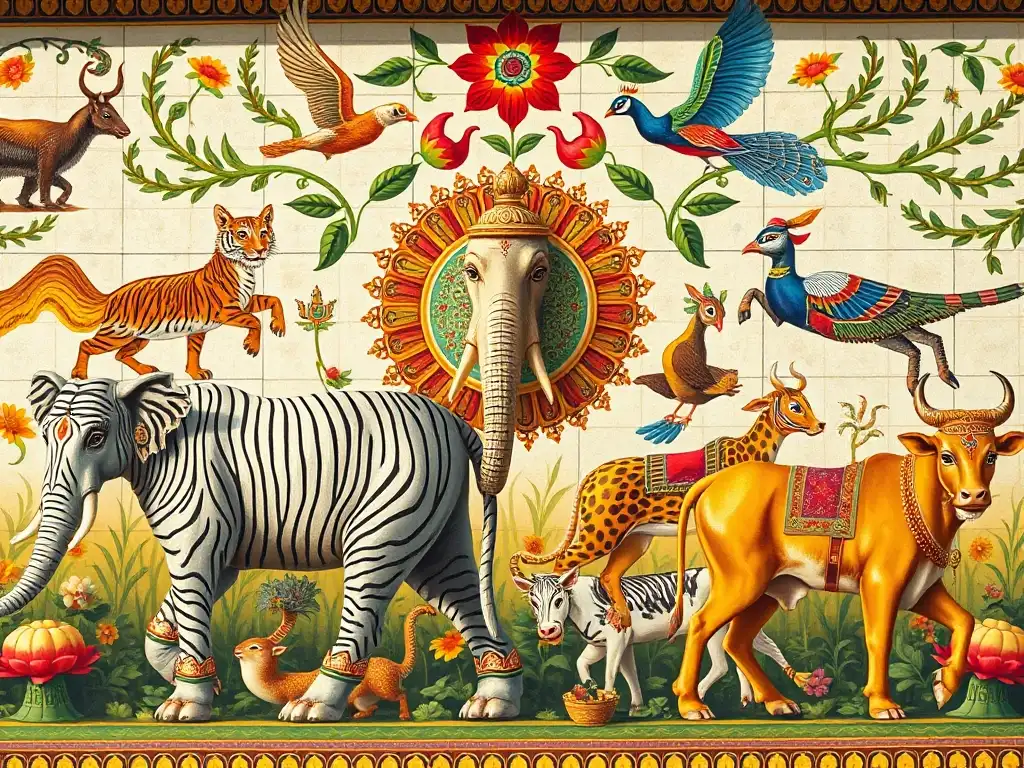
Welcome to Ancient India History, a portal into the mesmerizing tapestry of India's past! Here, we delve into the rich and diverse history, culture, and contributions of ancient Indian civilizations, from the awe-inspiring Indus Valley to the illustrious Gupta Empire. In our featured article, “The Symbolism of Animals in Ancient Indian Art: A Cross-Cultural Exploration,” we invite you to uncover the profound meanings behind the vibrant representations of animals in Indian artwork.
What stories do these symbols tell, and how do they connect to broader cultural exchanges? Join us on this captivating journey as we reveal the intricate interplay between art and symbolism, and discover how these ancient expressions continue to resonate through time.
Introduction to Animal Symbolism in Indian Art
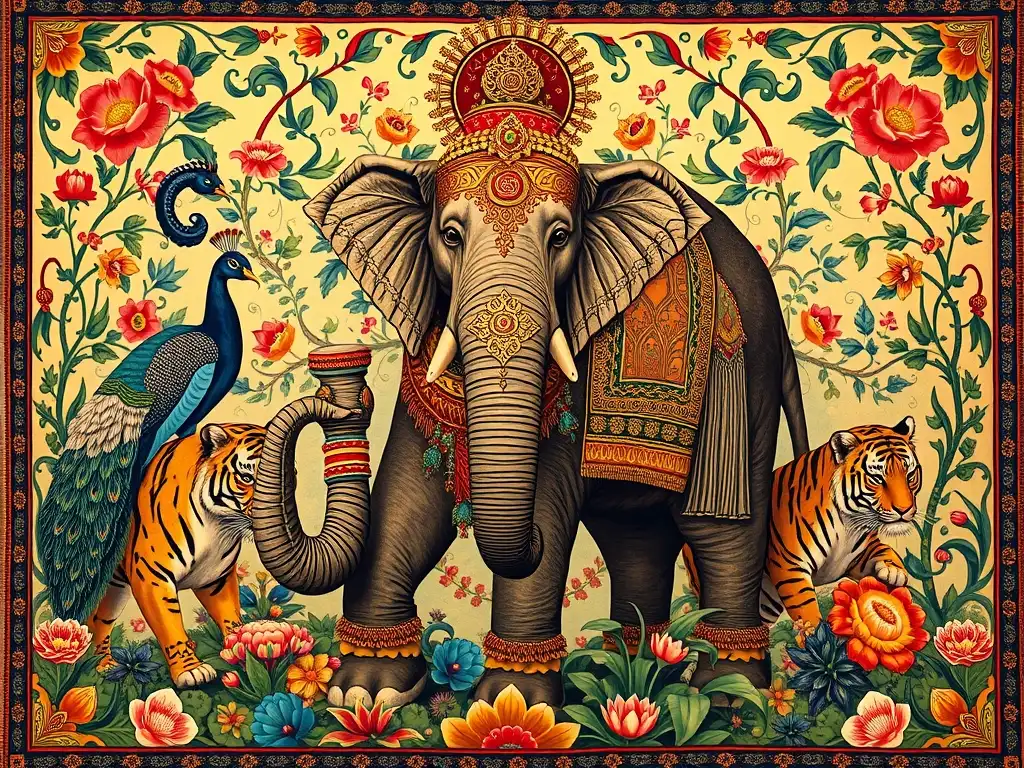
The symbolism of animals in Indian art is a profound and multifaceted aspect of ancient Indian culture that reflects a deep connection between humanity and the natural world. From the majestic elephants of royal insignia to the sacred cows that embody reverence and abundance, animals have played a crucial role in the artistic expressions of various ancient Indian civilizations.
This symbolism serves not only as a form of aesthetic representation but also as a narrative device that conveys philosophical beliefs, social structures, and cultural values. By exploring the rich tapestry of animal imagery, we can uncover insights into the spiritual and cultural dynamics that shaped ancient Indian society and its artistic heritage.
The Importance of Animal Imagery in Ancient Indian Culture
Animal imagery in ancient Indian art transcends mere representation; it embodies significant cultural meanings and spiritual beliefs. For instance:
- Religious Significance: Animals are often associated with various deities and mythological narratives, playing roles that highlight their importance in religious practices.
- Social Representation: Different animals symbolize various social classes and roles, often depicted in sculptures, paintings, and textiles to reflect societal hierarchies.
- Environmental Connection: Animals also represent the relationship between humans and nature, showcasing the respect and reverence ancient cultures held for the animal kingdom.
The intricate depictions of animals serve as a medium through which ancient Indians expressed their worldview, beliefs, and values.
Overview of the Symbolism of Animals in Indian Art
The symbolism of animals in Indian art is rich and varied, with each creature carrying its own unique connotations. Here are some of the most prominent examples:
- Elephants: Symbol of strength and wisdom; often associated with the deity Ganesha.
- Cows: Representing purity and motherhood; revered in Hindu culture.
- Tigers and Lions: Embodying power and royalty; frequently featured in the iconography of kings and warriors.
- Birds: Often symbolize freedom and transcendence, with peacocks being particularly significant in various cultural narratives.
This diverse representation not only highlights the aesthetic aspects of art but also the underlying philosophies and beliefs that influenced ancient Indian civilization.
Historical Context of Animal Representation in Indian Art
Understanding the historical context of animal representation in Indian art allows us to appreciate the evolution of these symbols across different eras and cultures.
The Indus Valley Civilization: Early Animal Symbols
The Indus Valley Civilization (circa 3300–1300 BCE) is renowned for its advanced urban planning and sophisticated craftsmanship. Animal motifs, especially seals and terracotta figures, were prominent in this civilization. Key highlights include:
- Seals Depicting Animals: Numerous seals feature animals such as unicorns, bulls, and elephants, suggesting their importance in trade and religious practices.
- Terracotta Figurines: These often included representations of domestic animals, indicating their role in daily life and agriculture.
The use of animal symbols in this era set the foundation for future artistic expressions in Indian culture.
Vedic Traditions and the Role of Animals in Art
With the emergence of Vedic traditions (circa 1500–500 BCE), animals began to gain a more significant presence in religious texts and rituals. Important aspects include:
- Sacrificial Animals: Certain animals were designated for sacrificial rites, embodying wealth and prosperity.
- Symbolic Representations: Animals mentioned in Vedic hymns, such as the horse (Ashva), symbolize power and nobility.
These traditions deepened the interconnection between animals and spirituality in Indian art.
Influence of Buddhism and Jainism on Animal Symbolism
The rise of Buddhism and Jainism (circa 5th century BCE) introduced new dimensions to animal symbolism in Indian art:
- Buddhism: Animals often symbolize virtues; for example, the deer symbolizes peace and harmony. The Buddha is frequently depicted in serene settings that include animals, emphasizing compassion for all living beings.
- Jainism: This religion places a strong emphasis on non-violence and respect for all forms of life. Artistic representations often feature animals in non-violent contexts, underscoring their sacredness.
The influence of these religions enriched the symbolism of animals in Indian art, making it a vital part of the cultural and spiritual landscape.
Major Animals and Their Symbolic Meanings in Indian Art
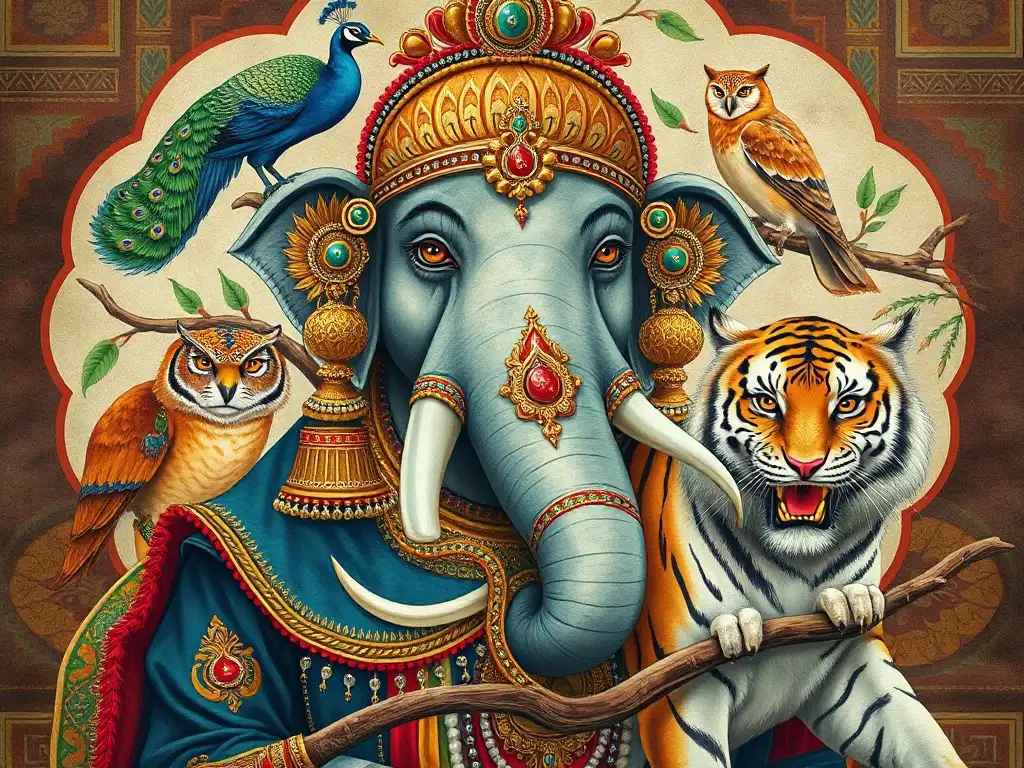
The symbolism of animals in Indian art is deeply rooted in the cultural and spiritual narratives of ancient civilizations. Each animal represents specific attributes, virtues, and meanings that resonate through various forms of artistic expression, including sculpture, painting, and architecture. Understanding these symbolic meanings provides insight into the values and beliefs of ancient Indian society, illustrating the interconnectedness of their artistic heritage with spirituality and everyday life.
Elephants: Power, Wisdom, and Royalty
In ancient Indian art, elephants are often depicted as symbols of power and wisdom. Their majestic stature and intelligence have led to their association with royalty, particularly in the context of kingship and governance. Elephants are frequently featured in royal processions, depicted carrying emperors or adornments for temples, signifying both strength and grace.
In Hinduism, the elephant-headed god Ganesha embodies these qualities, symbolizing the removal of obstacles and the enhancement of intellect. This dual representation in both art and mythology highlights the reverence for elephants not only as physical beings but also as spiritual entities that encapsulate profound wisdom and authority.
Cows: Fertility, Abundance, and Sacredness
Cows hold a sacred place in Indian culture, symbolizing fertility and abundance. Represented in various forms of art, they embody nourishment and the nurturing aspect of life, often associated with the agricultural prosperity of ancient societies. The cow's milk is seen as a source of sustenance, further cementing its status as a revered figure.
In Hinduism, the cow is considered a manifestation of divine qualities, associated with various deities like Krishna, who is often depicted with cows, emphasizing their importance in pastoral and agrarian life. The depiction of cows in art not only celebrates their role in sustenance but also reflects the cultural ethos of respect and reverence for life.
Lions: Courage, Strength, and Protection
Lions are potent symbols of courage and strength in ancient Indian art, often depicted as guardians of temples and palaces. Their fierce demeanor and regal presence convey a sense of protection and power, frequently associated with royal lineage. The lion is also emblematic of the goddess Durga, who rides a lion and symbolizes the triumph of good over evil, reinforcing the connection between lions and divine protection.
Artistic representations of lions can be seen on pillars, sculptures, and reliefs, showcasing their significance in the cultural narrative as protectors of truth and justice. Their majestic portrayal serves not only to inspire bravery but also to evoke a sense of reverence for the forces of nature and the divine.
Snakes: Transformation, Rebirth, and Duality
Snakes in ancient Indian art often symbolize transformation and rebirth, embodying the duality of life and death. Their ability to shed skin is a powerful metaphor for renewal and change, making them significant figures in various mythological narratives. In Hinduism, the serpent Vasuki is associated with cosmic events and is depicted in the churning of the ocean, symbolizing the transformation of chaos into order.
Artistic representations of snakes can be found in sculptures, paintings, and textiles, frequently intertwining with themes of divinity and mysticism. Their presence underscores the belief in the cyclical nature of life, representing both protective and destructive forces within the natural world.
Birds: Freedom, Spirituality, and Connection to the Divine
Birds are widely recognized as symbols of freedom and spirituality in ancient Indian art. Their ability to soar through the sky represents transcendence and the connection between the earthly and the divine. Various bird species, such as peacocks and swans, are frequently depicted, each carrying its own set of symbolic meanings.
Peacocks, for example, symbolize beauty and grace, often associated with the goddess Saraswati, while swans represent purity and wisdom. These representations highlight not only the aesthetic appeal of birds but also their deeper spiritual significance, reflecting humanity's aspiration for liberation and connection with the divine.
Cross-Cultural Influences on Animal Symbolism in Indian Art
The cross-cultural influences on animal symbolism in Indian art reveal the dynamic exchanges that have shaped its evolution. As ancient India engaged with neighboring civilizations through trade, conquest, and cultural interactions, the integration of diverse artistic motifs enriched the symbolic lexicon of animals in Indian art, creating a tapestry of meanings that transcended regional boundaries.
Ancient Mesopotamia and Its Impact on Indian Animal Imagery
The interaction between ancient India and Mesopotamia significantly influenced animal imagery in Indian art. Mesopotamian motifs, such as the depiction of lions and mythical creatures, found their way into Indian artistic representations, reflecting themes of power and divinity.
The lion's association with kingship in both cultures illustrates a shared understanding of strength and protection. Furthermore, the stylized depiction of animals, adopted from Mesopotamian art, contributed to the development of unique Indian artistic styles, showcasing the fluidity of cultural exchange.
The Influence of Persian Art on Indian Animal Symbolism
Persian art had a profound impact on the symbolism of animals in Indian art, particularly during the Mughal period. The Mughals brought with them a rich tradition of animal imagery, characterized by intricate designs and vibrant colors.
The depiction of animals such as elephants and horses in Mughal paintings often symbolized nobility and valor, merging Persian aesthetics with Indian themes. This fusion not only enhanced the visual language of Indian art but also reinforced the symbolic meanings associated with these animals, celebrating their importance across cultures.
Indian Animal Symbolism in Southeast Asian Art
The influence of Indian animal symbolism extended to Southeast Asian art, where motifs of Indian origin were adapted to local contexts. The representation of elephants, for instance, became prominent in Southeast Asian sculpture and architecture, symbolizing strength and royal power, much like in Indian art.
Furthermore, the incorporation of Hindu and Buddhist themes in Southeast Asian cultures led to a shared understanding of animal symbolism, emphasizing the interconnectedness of spiritual beliefs across regions. This cross-cultural dialogue enriched the artistic expressions in both India and Southeast Asia, revealing the universal significance of animal symbolism in conveying cultural narratives.
Techniques and Styles of Animal Representation in Indian Art
The representation of animals in Indian art is a testament to the rich cultural tapestry woven over millennia. Various techniques and styles have developed across different periods, each contributing to the multifaceted symbolism of animals. Artists utilized diverse mediums, including stone, metal, and paint, to convey intricate meanings associated with animals.
- Stone Carvings: These are often characterized by their durability and attention to detail, showcasing animals in both realistic and stylized forms. The symbolism often reflects the spiritual beliefs and societal values of the time.
- Miniature Paintings: Known for their exquisite detail, these artworks often feature animals as integral elements of the narrative, symbolizing various virtues and ideas, from power to spirituality.
- Bronze and Terracotta: These materials allowed for more expressive forms, often used in ritualistic contexts, reflecting the cultural significance of animals in everyday life and worship.
Each of these techniques highlights the artistic skill and cultural significance of animal imagery in India, showcasing how animals were not merely subjects but carriers of deeper meanings.
Stone Carvings and Sculptural Representations of Animals
Stone carvings in ancient India are among the most enduring forms of artistic expression, with many examples still standing today. These sculptures often depicted animals such as elephants, lions, and horses, each carrying specific symbolic meanings.
- Elephants: Representing strength and wisdom, they were often associated with deities such as Ganesha.
- Lions: Symbolizing courage and royalty, they frequently appeared in architectural motifs and temple carvings, signifying protection and power.
The intricate details found in stone sculptures demonstrate not only technical skill but also the cultural significance attributed to these animals. The use of stone as a medium ensured the longevity of these representations, allowing them to communicate their symbolism across generations.
Miniature Paintings and Their Depiction of Animal Symbolism
Miniature paintings, flourishing from the 16th century onwards, present a unique avenue for exploring animal symbolism in Indian art. These small-scale works are characterized by their vibrant colors and meticulous detail, often illustrating scenes of court life, mythology, and nature.
Animals in these paintings serve various roles:
- Symbolic Representation: For instance, peacocks are often depicted as symbols of beauty and grace, while tigers signify strength and ferocity.
- Narrative Devices: Animals frequently appear in narratives to convey moral lessons or to highlight attributes of the main characters.
The careful depiction of animals in miniature paintings reflects not only the artist's skill but also the broader cultural context in which these artworks were created, showcasing the interconnectedness of nature and human experiences.
Bronze and Terracotta Art: Exploring Animal Forms
Bronze and terracotta artworks reveal another dimension of animal representation in ancient Indian art. These materials allowed for dynamic forms and expressive designs, often used in both functional and decorative contexts.
- Bronze Figures: Often used in ritualistic practices, bronze sculptures of animals, such as the famous Nataraja, feature a blend of realism and stylization, highlighting the divine qualities attributed to animals in Hindu philosophy.
- Terracotta Art: Frequently found in rural contexts, terracotta figures depicting animals served both as toys and religious artifacts, emphasizing the integration of animal imagery into daily life and spirituality.
These mediums underscore the versatility of animal representation, illustrating how animals were perceived not only as symbols but also as integral components of cultural identity and practice.
The Evolution of Animal Symbolism in Indian Art
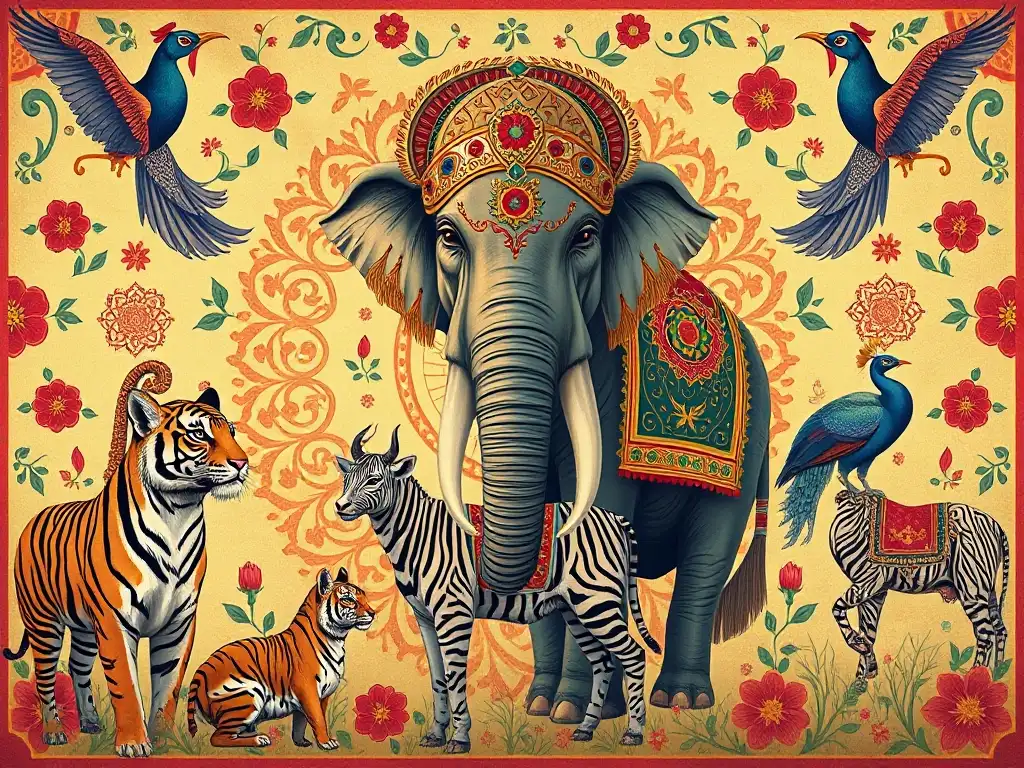
The evolution of animal symbolism in Indian art is a rich narrative that reflects the changing beliefs, practices, and influences throughout history. From the early Indus Valley civilization to the flourishing of empires, the significance of animals has transformed while retaining core symbolic meanings.
Changes in Symbolism Through the Ages: From Ancient to Medieval
In ancient times, animals were often depicted in a straightforward manner, reflecting their roles in society and nature. For instance, the seals of the Indus Valley Civilization prominently featured animals like unicorns and cattle, symbolizing agricultural prosperity and trade.
As time progressed into the medieval period, the symbolism of animals began to evolve, influenced by religious narratives and regional variations. Animals became more stylized and incorporated into mythological contexts:
- Hindu Art: In Hinduism, animals like the cow became sacred, symbolizing fertility and life.
- Buddhist Art: The representation of the lion as a symbol of the Buddha’s teachings emerged, signifying courage and strength.
This evolution showcases how animal symbolism adapted to the changing cultural landscape, reflecting the beliefs and values of each era.
The Role of Regional Variations in Animal Imagery
Regional variations play a crucial role in the depiction and symbolism of animals in Indian art. Different regions, influenced by local beliefs, natural environments, and cultural practices, have developed distinct styles and meanings associated with animal imagery.
- North India: In regions like Rajasthan and Punjab, animals such as horses and elephants are celebrated in folk traditions and miniature paintings, symbolizing valor and nobility.
- South India: Here, the depiction of animals often ties closely to religious practices, such as the use of the temple elephant in rituals, representing divine grace and prosperity.
These regional differences enrich the overall tapestry of animal symbolism in Indian art, illustrating a diverse yet interconnected cultural heritage that continues to influence contemporary artistic expressions.
Contemporary Perspectives on Animal Symbolism in Indian Art
The analysis of animal symbolism in Indian art has evolved significantly in contemporary discourse, reflecting the dynamic interplay between tradition and modernity. As global influences permeate artistic practices, contemporary artists and scholars are reinterpreting traditional animal symbols, infusing them with new meanings. This ongoing dialogue not only honors the historical significance of these symbols but also addresses contemporary issues such as identity, environment, and spirituality.
Modern Interpretations of Traditional Animal Symbols
Modern interpretations of traditional animal symbols often seek to bridge the gap between historical context and contemporary relevance. For instance, the elephant, traditionally associated with wisdom and royalty, is frequently depicted in modern artworks that address themes of ecological sustainability and conservation. Artists like Subodh Gupta have employed animal imagery to comment on urbanization and the socio-political landscape of India. By recontextualizing these symbols, contemporary artists invite viewers to engage with deeper narratives that resonate with present-day concerns.
Additionally, the resurgence of interest in indigenous art forms has led to a revival of traditional animal motifs, which are often reimagined through a modern lens. These reinterpretations can be seen in various mediums, from painting and sculpture to digital art and installations, ensuring that the rich heritage of animal symbolism continues to thrive in contemporary artistic expressions.
The Role of Animal Symbolism in Contemporary Indian Art
In contemporary Indian art, animal symbolism serves multiple roles, often acting as a vehicle for storytelling and cultural commentary. Artists leverage the rich tapestry of animal imagery to explore themes of spirituality, identity, and social justice. For instance, the peacock, commonly associated with beauty and grace, is often used to discuss issues of nationalism and cultural pride.
Moreover, animal symbolism in contemporary art can also serve as a critique of modern society. By juxtaposing traditional symbols with contemporary themes, artists challenge viewers to reconsider their perceptions and the relevance of these symbols in today's world. This fusion of old and new not only enriches the artistic landscape but also fosters a greater understanding of the cultural heritage embedded within these symbols.
Conclusion: The Enduring Legacy of Animal Symbolism in Indian Art
The enduring legacy of animal symbolism in Indian art underscores its profound impact on both historical and contemporary artistic practices. Through centuries of cultural exchanges and influences, these symbols have retained their significance, adapting to the changing societal landscapes while remaining deeply rooted in tradition.
Reflection on the Cultural Significance of Animal Imagery
Reflecting on the cultural significance of animal imagery reveals its multifaceted role in shaping the artistic discourse in India. These symbols not only convey aesthetic values but also encapsulate philosophical beliefs and cultural narratives. By examining the historical context and evolving meanings of animal symbolism, one gains insight into the broader cultural landscape of India and the interconnectedness of its artistic expressions.
Understanding the symbolism of animals in Indian art invites a richer appreciation of the cultural heritage that informs contemporary practices. It highlights the importance of preserving these symbols as they continue to inspire new generations of artists and audiences alike.
Future Directions for Research on Animal Symbolism in Indian Art
Future research on animal symbolism in Indian art should focus on interdisciplinary approaches that combine art history, anthropology, and environmental studies. By examining how contemporary artists are reinterpreting traditional symbols in light of modern challenges, scholars can uncover deeper insights into the cultural significance of these motifs.
Moreover, exploring the global context of animal symbolism can yield fascinating comparisons and contrasts, enriching the discourse on artistic and cultural syncretism. Through exhibitions, collaborations, and scholarly discussions, the ongoing exploration of animal symbolism in Indian art can continue to foster a greater understanding of its relevance and impact in both historical and contemporary contexts.
- Introduction to Animal Symbolism in Indian Art
- The Importance of Animal Imagery in Ancient Indian Culture
- Overview of the Symbolism of Animals in Indian Art
- Historical Context of Animal Representation in Indian Art
- Major Animals and Their Symbolic Meanings in Indian Art
- Cross-Cultural Influences on Animal Symbolism in Indian Art
- Techniques and Styles of Animal Representation in Indian Art
- The Evolution of Animal Symbolism in Indian Art
- Contemporary Perspectives on Animal Symbolism in Indian Art
- Conclusion: The Enduring Legacy of Animal Symbolism in Indian Art
- What is the significance of animals in ancient Indian art?
- How did the Indus Valley civilization depict animals in their art?
- What role do animals play in Hindu mythology as depicted in art?
- How does the Gupta Empire influence the portrayal of animals in art?
- Can you provide examples of specific animals commonly found in ancient Indian art?
Frequently Asked Questions
What is the significance of animals in ancient Indian art?
Animals in ancient Indian art symbolize various cultural meanings and often represent spiritual concepts, deities, and societal values, reflecting the diverse heritage of Indian civilization.
How did the Indus Valley civilization depict animals in their art?
The Indus Valley civilization showcased animals through seals and pottery, often portraying them in stylized forms that signified their importance in daily life and ritual practices.
What role do animals play in Hindu mythology as depicted in art?
In Hindu mythology, animals often represent divine qualities; for example, the elephant symbolizes wisdom and removal of obstacles, while the lion signifies strength and courage in artistic representations.
How does the Gupta Empire influence the portrayal of animals in art?
The Gupta Empire marked a period of artistic flourishing, where animals were depicted with greater realism and detail, reflecting the cultural sophistication and artistic advancements of the time.
Can you provide examples of specific animals commonly found in ancient Indian art?
Common animals include the elephant, associated with Ganesha; the peacock, symbolizing beauty and grace; and the tiger, representing power and ferocity, each embodying distinct cultural narratives.
Final Reflection: The Enduring Legacy of Animal Symbolism in Indian Art
The symbolism of animals in Indian art serves as a profound reminder of the interconnectedness between culture, spirituality, and nature. In a world increasingly dominated by technology and urbanization, the rich tapestry of animal representation in ancient Indian art offers a vital lens through which we can understand the values and beliefs of a civilization that revered the natural world. This exploration reveals not only the aesthetic beauty of these representations but also their deep-rooted significance, urging us to reflect on our own relationship with the environment.
The influence of animal symbolism in Indian art extends far beyond historical boundaries, shaping contemporary cultural narratives and artistic expressions. As we navigate a globalized society, the lessons embedded in these ancient symbols resonate with our ongoing dialogues about conservation, identity, and spirituality. The words of the renowned Indian artist Nandalal Bose echo this sentiment: Art is the expression of the inexpressible, and in it, we find the essence of our existence.
This perspective invites us to recognize how the motifs of animals in art continue to inspire and provoke thought, reminding us of our shared responsibility towards the world we inhabit.
As we conclude this exploration, I encourage you to reflect on the symbolism of animals in Indian art and consider how these ancient messages can inform our modern lives. Take a moment to observe the natural world around you, and think about the stories and meanings that animals hold in your own culture.
Let this reflection inspire you to engage with art and nature in a deeper way, fostering a sense of reverence and connection that transcends time and place. Embrace the opportunity to learn from the past, and allow it to guide your actions towards a more harmonious future.
Unveil the Mysteries of Animal Symbolism!
Thank you for exploring the fascinating world of ancient Indian art and the profound symbolism of animals. Your curiosity not only broadens your understanding but also connects you to a rich cultural heritage. Now, let’s transform that insight into action!
Here are some ways you can further engage with this captivating theme:
- Dive Deeper: Visit local art galleries or museums that showcase ancient Indian artifacts to experience animal symbolism in a tangible form.
- Create and Share: Start a creative project that illustrates your favorite animal symbol from ancient Indian art and share it on social media to inspire others.
- Join Conversations: Engage with online forums or social media groups dedicated to ancient art to discuss your thoughts and gain new perspectives.
In what ways do you think the symbolism of animals can influence modern art and culture today?