
The Development of Urban Centers as Economic Powerhouses in Ancient India

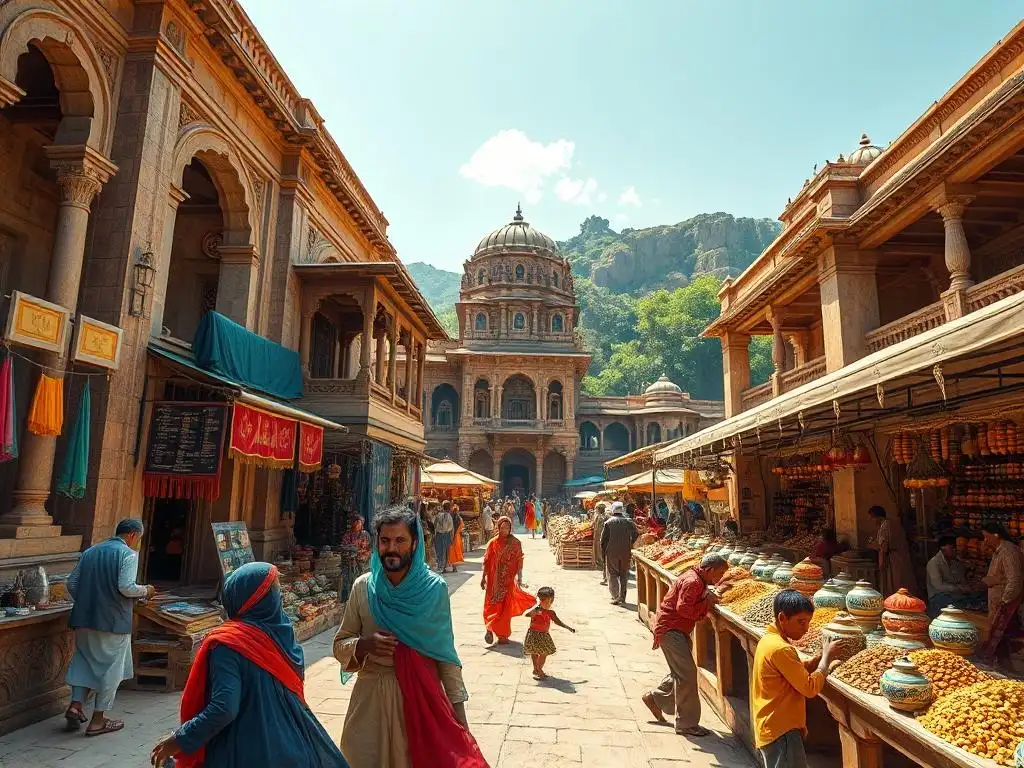
Welcome to Ancient India History, where we embark on a fascinating journey through time to uncover the rich tapestry of ancient Indian civilizations. In today’s exploration, we delve into the captivating world of ancient Indian urban centers—vibrant hubs that served as economic powerhouses, shaping trade and culture across the subcontinent. What drove these centers to thrive, and how did they influence the fabric of society? Join us as we unravel the stories behind their remarkable development and discover the profound impact they had on both ancient and modern India. Your adventure into the depths of history begins now!
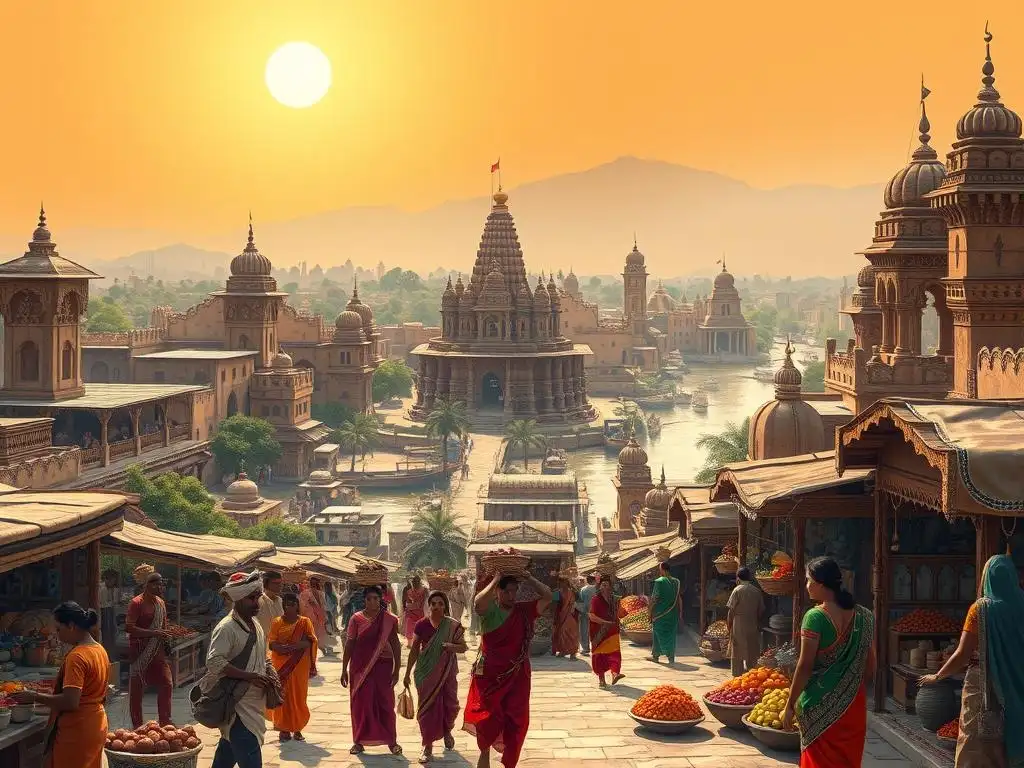
Introduction to Ancient Indian Urban Centers
The evolution of urban centers in ancient India represents a significant chapter in the narrative of human civilization, showcasing how these hubs contributed not only to the socio-political landscape but also to the economic framework of the time. From the well-planned cities of the Indus Valley Civilization to the thriving trade centers during the Gupta Empire, ancient Indian urban centers played a pivotal role in shaping the region's economy. Their development was characterized by a blend of cultural richness, architectural innovation, and dynamic trade practices, which together transformed these cities into economic powerhouses.
In this exploration, we will delve into the definition and characteristics of these urban centers, their importance within the ancient Indian economy, and a historical overview that highlights their evolution and significance over time.
Definition and Characteristics of Urban Centers
Ancient Indian urban centers can be defined as organized settlements that exhibited a complex structure and facilitated various economic, social, and cultural activities. These centers were characterized by:
- Urban Planning: Cities like Mohenjo-Daro and Harappa showcased advanced urban planning, with grid patterns, drainage systems, and public baths.
- Diverse Populations: Urban centers attracted people from various regions, leading to cultural amalgamation and a vibrant social fabric.
- Economic Activities: They served as hubs for trade, craft production, and agriculture, often specializing in specific goods like textiles, pottery, and metalwork.
- Architectural Achievements: The construction of public buildings, temples, and residential quarters reflected the artistic and engineering prowess of the time.
Importance of Urban Centers in Ancient Indian Economy
Urban centers were vital to the economic framework of ancient India for several reasons:
- Trade Networks: They acted as key nodes in extensive trade networks, connecting local producers with distant markets. This facilitated the exchange of goods such as spices, textiles, and metals.
- Resource Distribution: Urban centers enabled efficient distribution of resources, ensuring that agricultural surplus could be traded and consumed across regions.
- Cultural Exchange: The convergence of diverse populations fostered cultural exchange, which in turn stimulated economic activities and innovation.
- Tax Revenue: The economic vibrancy of urban centers contributed to state revenues through taxes on trade and craft production, which funded governance and infrastructure.
Historical Overview of Ancient Indian Urban Centers
Early Urbanization in the Indus Valley Civilization
The Indus Valley Civilization, flourishing around 2600-1900 BCE, marks the earliest phase of urbanization in ancient India. Cities like Harappa and Mohenjo-Daro exemplified sophisticated urban planning and were equipped with advanced drainage systems, public baths, and granaries. The presence of standardized weights and measures indicates a structured economy, where trade played a crucial role. Archaeological findings suggest that these urban centers were not only trade hubs but also centers for cultural and technological advancements, reflecting a high degree of social organization.
The Role of Trade in Developing Urban Centers
As ancient Indian urban centers evolved, trade became increasingly central to their development. The presence of well-established trade routes, both overland and maritime, facilitated the movement of goods and ideas. Notable trade centers like Pataliputra and Taxila emerged, fostering connections with regions such as Central Asia, the Mediterranean, and Southeast Asia. These interactions enriched urban economies and led to the diversification of products available in these markets, further enhancing their economic stature.
Evolution of Urban Centers through Different Periods
The evolution of urban centers in ancient India can be segmented into distinct periods, each contributing unique characteristics:
- Mauryan Period (c. 322-185 BCE): Under the Mauryan Empire, urban centers expanded, with Pataliputra serving as a prominent capital and trade hub, bolstered by state-sponsored infrastructure.
- Post-Mauryan and Gupta Periods (c. 300-550 CE): The Gupta Empire witnessed a resurgence of urbanization, with cities becoming centers of learning, art, and commerce. The flourishing trade in textiles and luxury items marked this era as a high point in the development of urban centers.
The development of urban centers in ancient India not only facilitated economic growth but also laid the groundwork for the rich cultural and historical tapestry that continues to influence the subcontinent today. The legacy of these urban powerhouses is evident in the enduring significance of trade and economic practices that stemmed from them.
Economic Functions of Ancient Indian Urban Centers
Ancient Indian urban centers played a pivotal role in the economic landscape of the region, acting as bustling hubs of trade, craftsmanship, and cultural exchange. These centers not only facilitated the movement of goods and services but also contributed significantly to the wealth and prosperity of their surrounding areas. Their strategic locations, often near rivers or along trade routes, enabled them to thrive as commercial epicenters.
Urban centers like Harappa and Mohenjo-Daro during the Indus Valley Civilization exemplified early forms of urbanization with advanced urban planning, which included well-structured streets and sophisticated drainage systems. These developments were essential for supporting large populations and sustaining economic activities. As trade networks expanded, urban centers became crucial in connecting local economies with international markets, particularly with regions such as Mesopotamia and the Arabian Peninsula.
Trade and Commerce in Major Urban Centers
The economic vitality of ancient Indian urban centers was largely driven by trade and commerce. Major cities like Pataliputra, Varanasi, and Taxila served as important trade hubs. The trade routes extended not only across the Indian subcontinent but also reached far beyond, facilitating exchanges with various cultures and civilizations.
- Goods Traded: Key commodities included textiles, spices, metals, and agricultural products. For instance, the cotton textiles produced in India became highly sought after in international markets.
- Market Structures: These urban centers featured organized marketplaces where merchants and traders congregated. The presence of standardized weights and measures further streamlined transactions, enhancing trade efficiency.
The economic landscape was characterized by both local markets and long-distance trade networks, which supported a thriving merchant class. Many urban centers were also known for their fairs and festivals, attracting traders from distant lands and fostering economic growth.
Craftsmanship and Manufacturing in Urban Areas
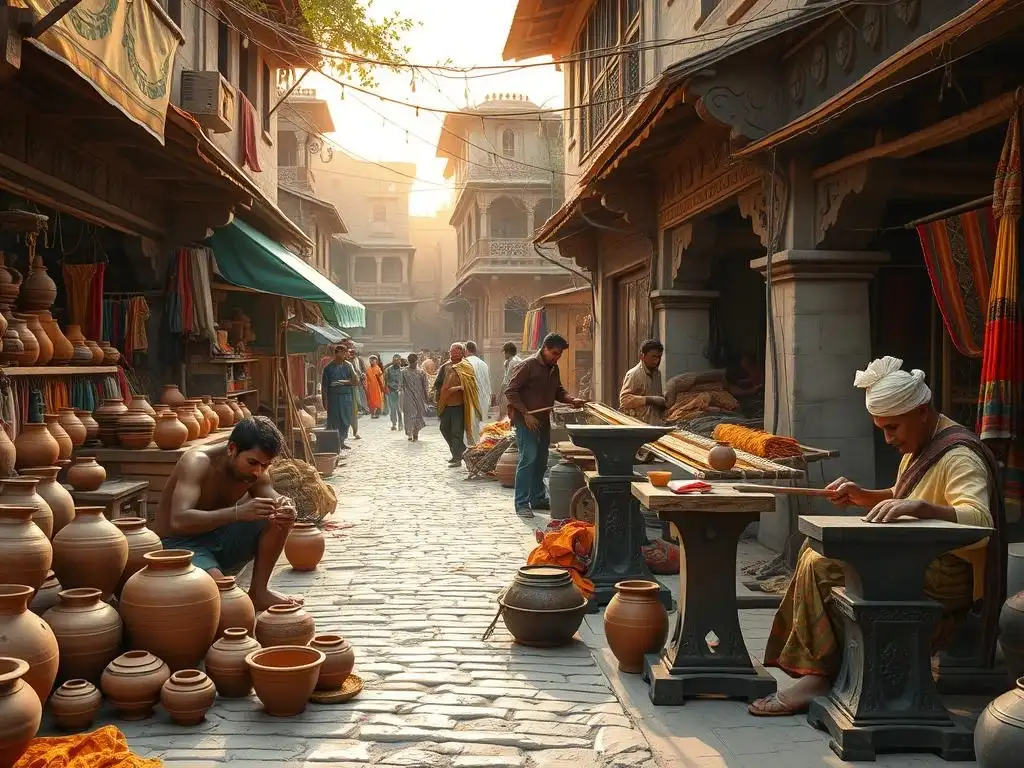
Craftsmanship and manufacturing were integral to the economic functions of ancient Indian urban centers. Artisans and skilled craftsmen contributed to the diversity of products available in the markets, elevating the status of these cities as centers of quality production.
- Specialized Industries: Different urban centers specialized in various crafts, such as pottery in the Indus Valley, metalworking in Pataliputra, and jewelry making in Varanasi. This specialization fostered innovation and quality, leading to the establishment of reputations that attracted trade.
- Guilds: Artisans often organized into guilds, which regulated trade practices, maintained quality standards, and provided mutual support. These guilds played a crucial role in maintaining the economic stability of urban centers and facilitated the transfer of skills across generations.
The production of goods was not limited to everyday items; luxury items were also manufactured, reflecting the affluence of urban centers and their ability to cater to both local and foreign markets.
The urban centers of ancient India were not merely economic hubs; they were also vibrant social and cultural landscapes. The confluence of diverse populations fostered a rich tapestry of traditions, beliefs, and practices that shaped the identity of these cities.
Population and Demographics of Ancient Urban Centers
The population dynamics of ancient urban centers were complex and varied. These cities often experienced significant demographic changes due to migration, trade, and economic opportunities.
- Diverse Populations: Urban centers attracted people from various regions and backgrounds, contributing to a multicultural environment. This diversity encouraged the exchange of ideas, customs, and traditions, enhancing the social fabric of these cities.
- Urban Growth: Over time, urban centers expanded in size and complexity, with populations ranging from thousands to potentially over a hundred thousand in the case of major cities like Pataliputra.
The demographic trends influenced economic activities, as a larger population created a higher demand for goods and services, further stimulating commerce.
Cultural Exchange and Its Economic Implications
Cultural exchange in ancient Indian urban centers was closely tied to economic interactions. The influx of traders, travelers, and scholars fostered an environment ripe for the sharing of knowledge, art, and technology.
- Trade Routes and Cultural Exchange: As merchants traveled along trade routes, they brought with them not only goods but also cultural practices and ideas. This exchange enriched local cultures and often led to the adoption of new technologies and artistic styles.
- Economic Growth through Cultural Interactions: The blending of cultures contributed to innovation in craftsmanship and the development of new markets. For example, the introduction of foreign spices and textiles influenced local production techniques and culinary practices.
The intermingling of cultures also had significant social implications, leading to the emergence of new religious practices and philosophical ideas, which further shaped the economic landscape.
Influence of Religion and Politics on Urban Economic Practices
Religion and politics were fundamental in shaping the economic practices of ancient urban centers. The governance structures and religious institutions played significant roles in regulating economic activities and influencing trade.
- Political Structures: Urban centers often had centralized political authority that established regulations governing trade, taxation, and land use. This governance helped maintain order and facilitated economic stability, essential for attracting traders.
- Religious Institutions: Temples and religious institutions acted as centers of economic activity, often managing land and resources. They played a crucial role in the local economy through land cultivation, trade of goods, and hosting festivals that drew crowds and stimulated commerce.
The interplay between religion, politics, and economic practices created a unique environment where urban centers could flourish, making them vital to the overall economic framework of ancient India.
Case Studies of Prominent Urban Centers
The ancient Indian urban centers serve as fascinating case studies that illustrate the complexity and dynamism of economic practices and systems in early civilizations. Each center contributed uniquely to the economic landscape of ancient India, showcasing advancements in trade, culture, and governance. In this section, we will explore three prominent urban centers: Harappa, Mohenjo-Daro, Pataliputra, and Ujjain, highlighting their roles as economic powerhouses.
Harappa and Mohenjo-Daro: Economic and Cultural Hubs
Harappa and Mohenjo-Daro, two of the main cities of the Indus Valley Civilization, exemplify early urbanism in ancient India. These cities were characterized by advanced planning, sophisticated drainage systems, and standardized brick sizes, indicating a high level of organization and governance.
Economically, both cities thrived due to their strategic locations along trade routes connecting the Indian subcontinent with Mesopotamia and beyond. Artifacts such as seals, weights, and pottery suggest that these urban centers were engaged in extensive trade, exporting goods like cotton textiles, ceramics, and metalwork. The presence of workshops for bead-making and metallurgy indicates a diversified economy fueled by skilled artisans.
Moreover, Harappa and Mohenjo-Daro were not only economic hubs but also cultural centers. They featured public baths, granaries, and assembly halls, suggesting a complex societal structure that fostered trade and cultural exchange. The ruins of these cities offer invaluable insights into the economic practices of the time, revealing how urban centers were integral to the prosperity of the Indus Valley Civilization.
Pataliputra: A Model of Economic Prosperity
Pataliputra, the capital of the Maurya and Gupta empires, stands out as a prime example of an ancient Indian urban center that epitomized economic prosperity. Its strategic location at the confluence of major rivers facilitated trade and commerce, making it a bustling hub for merchants and traders.
The city was known for its vibrant markets, where a diverse array of goods, including textiles, spices, and metalwork, were exchanged. Pataliputra attracted traders from various regions, including Southeast Asia and the Mediterranean, highlighting its role as a key player in international trade networks.
Additionally, Pataliputra's administrative structure supported economic growth. The presence of a well-defined taxation system and infrastructure, such as roads and waterways, facilitated trade and commerce. The city also served as a center for learning and culture, with institutions like the famous Nalanda University nearby, which further enhanced its status as an economic powerhouse.
Ujjain: Trade and Astronomy in Urban Development
Ujjain, located in central India, was another significant urban center known for its contributions to trade and astronomy. As a crucial trading hub, Ujjain linked the western and eastern regions of India, fostering economic exchanges between various cultures and civilizations.
The city was famous for its production of high-quality textiles and was also a center for the trade of spices, agricultural products, and precious stones. Ujjain's marketplaces were vibrant and diverse, attracting merchants from distant lands.
Moreover, Ujjain was renowned for its astronomical advancements, with scholars like Varahamihira contributing to the field. The city hosted observatories that facilitated the study of celestial bodies, leading to improved navigation techniques that benefited trade. This intersection of commerce and science exemplifies how urban centers in ancient India were multifaceted entities that contributed to both economic and intellectual progress.
The Decline of Urban Centers and Economic Impact
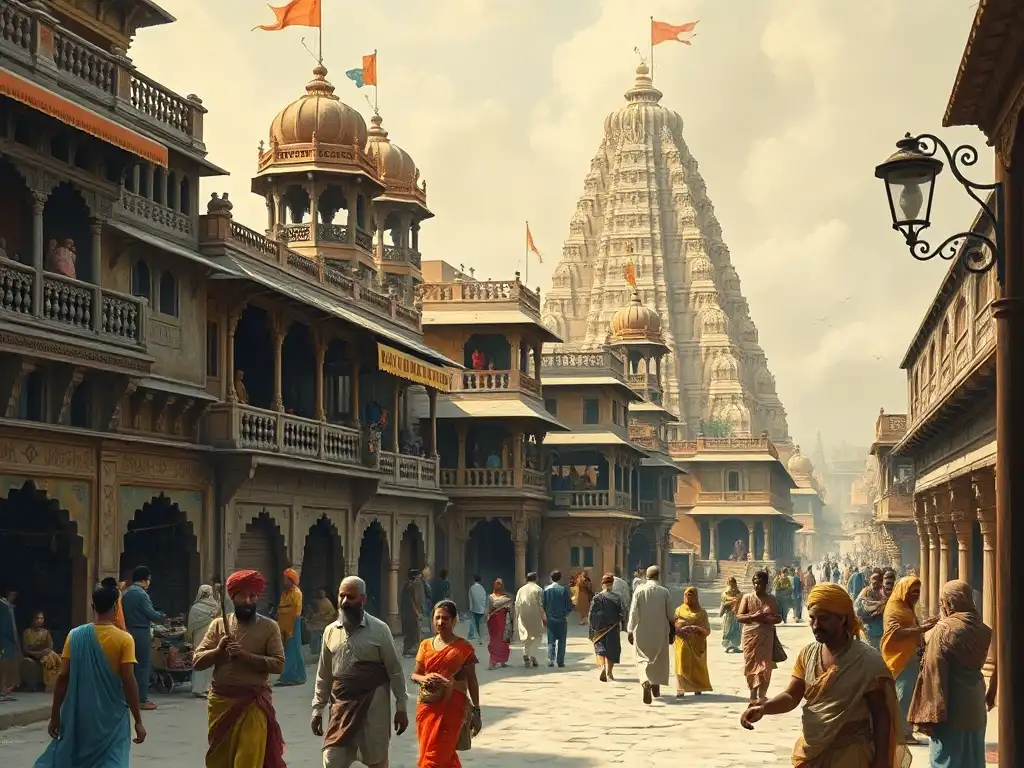
The decline of ancient Indian urban centers marks a significant transition in the region's economic landscape. This decline was not sudden but rather a gradual process influenced by several interrelated factors that reshaped the socio-economic fabric of the time.
Factors Contributing to the Decline of Urban Centers
Several factors contributed to the decline of urban centers in ancient India, including environmental changes, invasions, and shifts in trade routes.
- Environmental Changes: Natural disasters, such as floods or droughts, impacted agricultural productivity, leading to food shortages and economic instability. For example, archaeological evidence suggests that changes in the monsoon patterns may have affected the agricultural output of cities like Harappa and Mohenjo-Daro.
- Invasions and Conflicts: The constant threat of invasions from nomadic tribes and internal conflicts weakened the stability of urban centers. The fall of Pataliputra under the pressure of external forces led to a decline in its economic significance.
- Shifts in Trade Routes: As trade routes evolved, some urban centers lost their strategic importance. The emergence of new trade routes diverted commerce away from established cities, contributing to their economic decline.
The Relationship Between Urban Decline and Economic Shifts
The decline of urban centers directly impacted the economic landscape of ancient India, leading to a more rural-focused economy. As cities lost their prominence, trade became localized, and the intricate networks that once connected various regions diminished.
With the decline of urban centers, agricultural practices became more prevalent, as communities focused on self-sufficiency. This shift altered social structures, with rural economies relying on subsistence farming rather than trade and commerce.
Additionally, the loss of urban centers led to a decrease in specialized craftsmanship and trade goods, affecting the overall economic diversity of the region. The once-thriving marketplaces became less vibrant, and cultural exchanges diminished, signaling a significant transformation in the economic practices of ancient India.
The rise and decline of ancient Indian urban centers illustrate a complex interplay of economic systems, cultural exchanges, and environmental factors, shaping the trajectory of India's historical development.
Conclusion: Legacy of Ancient Indian Urban Centers
The urban centers of ancient India played a pivotal role in shaping not only the economic landscape of their time but also the cultural and social frameworks that influenced subsequent generations. Cities such as Harappa, Mohenjo-Daro, and Pataliputra served as hubs of trade, innovation, and governance, demonstrating advanced urban planning and a high degree of social organization.
The legacy of these ancient urban centers is evident in the architectural styles, trade routes, and administrative systems that emerged from their models. Their ability to adapt and thrive in a changing environment set a precedent for future urban developments in India, showcasing resilience and ingenuity.
Ancient Indian urban centers were not merely places of commerce; they were vibrant communities that facilitated the exchange of ideas, goods, and cultures. The economic practices and systems established in these cities laid the groundwork for the bustling metropolises of modern India. Their influence can be seen in contemporary urban planning, trade practices, and the socio-economic structures that continue to evolve.
Lasting Impact on Modern Urbanization in India
The impact of ancient Indian urban centers on modern urbanization is profound. Many contemporary Indian cities can trace their roots back to these early urban centers, which established foundational principles of city planning and economic activity. For instance, the grid layout of Mohenjo-Daro has parallels in modern urban designs, highlighting the foresight of ancient planners in terms of hygiene, drainage, and accessibility.
Moreover, the trade routes established during ancient times have evolved into modern transportation networks, facilitating commerce across regions. The emphasis on craft specialization and trade in ancient urban centers laid the groundwork for India’s current economic landscape, where urban centers remain pivotal to national and international trade.
Lessons from Ancient Economic Practices for Contemporary Urban Development
Ancient Indian urban centers offer valuable lessons for contemporary urban development. Their successful integration of agricultural surplus with trade practices underscores the importance of a strong agricultural base in supporting urban populations. Modern cities can learn from the ancient emphasis on sustainability, as these urban centers adapted to their environments through innovative practices in resource management, such as water conservation and waste management.
Furthermore, the social structures of ancient urban centers highlight the importance of inclusivity and community engagement in urban planning. By fostering a sense of community and promoting diverse economic activities, modern urban developers can create more resilient and vibrant urban environments. The collaborative spirit observed in ancient trade practices can also inspire contemporary economic policies aimed at fostering cooperation among various sectors and communities.
References and Further Reading
Key Texts on Ancient Indian Urban Centers
- "The Indus Civilization: A Contemporary Perspective": by Gregory L. Possehl - This book provides an in-depth analysis of the urban planning and economic practices of the Indus Valley Civilization.
- "Urbanization in Ancient India" by R. S. Sharma - This text explores the development of urban centers across different periods of ancient Indian history, focusing on their socio-economic impacts.
- "Ancient Indian Economy: Some New Perspectives": by K. N. Chitnis - This work examines the economic systems of ancient India, including the urban centers that played crucial roles in trade and commerce.
Recommended Resources for Further Exploration
- Online Databases: Websites like the Archaeological Survey of India offer extensive research papers and findings related to ancient urban sites.
- Documentaries: Films such as "The Indus Valley: The Mystery of the Lost Civilization" provide visual insights into the urban centers of ancient India.
- Academic Journals: Publications like the Journal of Ancient Indian History feature articles that delve into the economic practices and urbanization processes of ancient civilizations in India.
- Visiting Historical Sites: Exploring archaeological sites like Harappa and Mohenjo-Daro provides firsthand experience of the urban planning and economic activities of ancient Indian urban centers.
- Introduction to Ancient Indian Urban Centers
- Historical Overview of Ancient Indian Urban Centers
- Economic Functions of Ancient Indian Urban Centers
- Trade and Commerce in Major Urban Centers
- Craftsmanship and Manufacturing in Urban Areas
- Social and Cultural Aspects of Urban Centers
- Case Studies of Prominent Urban Centers
- The Decline of Urban Centers and Economic Impact
- Conclusion: Legacy of Ancient Indian Urban Centers
- References and Further Reading
- What were the main ancient Indian urban centers?
- How did urban centers contribute to the economy in ancient India?
- What was the role of trade in the development of these centers?
- How did the Indus Valley Civilization influence urban development?
- What factors led to the decline of these ancient urban centers?
Frequently Asked Questions
What were the main ancient Indian urban centers?
The most significant ancient Indian urban centers included Harappa, Mohenjo-Daro, and Pataliputra, which played vital roles in trade and cultural exchange.
How did urban centers contribute to the economy in ancient India?
Urban centers served as economic powerhouses by facilitating trade, promoting craftsmanship, and accumulating wealth through agriculture and commerce.
What was the role of trade in the development of these centers?
Trade was essential for the growth of ancient Indian urban centers, allowing for the exchange of goods, ideas, and technologies, which fostered economic prosperity.
How did the Indus Valley Civilization influence urban development?
The Indus Valley Civilization showcased advanced urban planning, including drainage systems and grid layouts, setting a precedent for future urban centers in ancient India.
What factors led to the decline of these ancient urban centers?
Factors such as climate change, overpopulation, and foreign invasions contributed to the decline of many ancient Indian urban centers, leading to shifts in population and economic activity.
Final Reflection: The Enduring Legacy of Ancient Indian Urban Centers
The development of ancient Indian urban centers as economic powerhouses is not just a historical phenomenon; it is a testament to the ingenuity and resilience of human civilization. These urban centers were not merely hubs of trade and commerce; they were vibrant ecosystems that fostered cultural exchange, innovation, and social cohesion. Today, as we navigate the complexities of modern urbanization, the lessons learned from these ancient cities resonate more than ever, reminding us of the importance of sustainable development and community engagement in our urban landscapes.
The influence of ancient Indian urban centers continues to shape our cultural and social fabric, serving as a blueprint for contemporary urban planning and economic strategies. These cities exemplified the harmonious integration of commerce, culture, and community, which is crucial in today's fast-paced world. As Mahatma Gandhi once said, "> The future depends on what we do in the present." This quote encapsulates the essence of learning from our past; the principles that governed these ancient urban centers can guide us in building cities that are not only economically viable but also socially inclusive and environmentally sustainable.
As we reflect on the remarkable achievements of ancient Indian urban centers, I invite you to consider how their legacy can inspire your own actions in the present. What lessons can you draw from their successes and challenges to apply in your community today? Whether it’s advocating for sustainable practices, fostering local economies, or promoting cultural heritage, every small step contributes to the larger narrative of urban development. Let us honor the past by shaping a future that values the interconnectedness of our communities, just as those ancient urban centers did.
Unveil the Secrets of Ancient Economic Powerhouses!
Thank you for diving deep into the fascinating world of ancient urban centers in India! You've uncovered the remarkable evolution of these economic hubs and the legacies they left behind. Now, it's your turn to take that knowledge further and inspire others!
Here’s how you can make an impact:
- Explore your local history! Visit museums or historical sites that reflect the economic innovations of past societies and share your experiences online.
- Engage in discussions! Join online platforms or social media groups focused on ancient history, and share your insights about the economic systems of these historic societies.
- Connect with a community of history enthusiasts! Organize a meet-up or virtual event to exchange ideas and delve deeper into the motivations and challenges faced by these ancient cities.
What unique perspectives do you think ancient urban centers offer regarding today’s economic challenges? Share your thoughts below!