
The Role of Women in the Internal Trade Economy of Ancient India

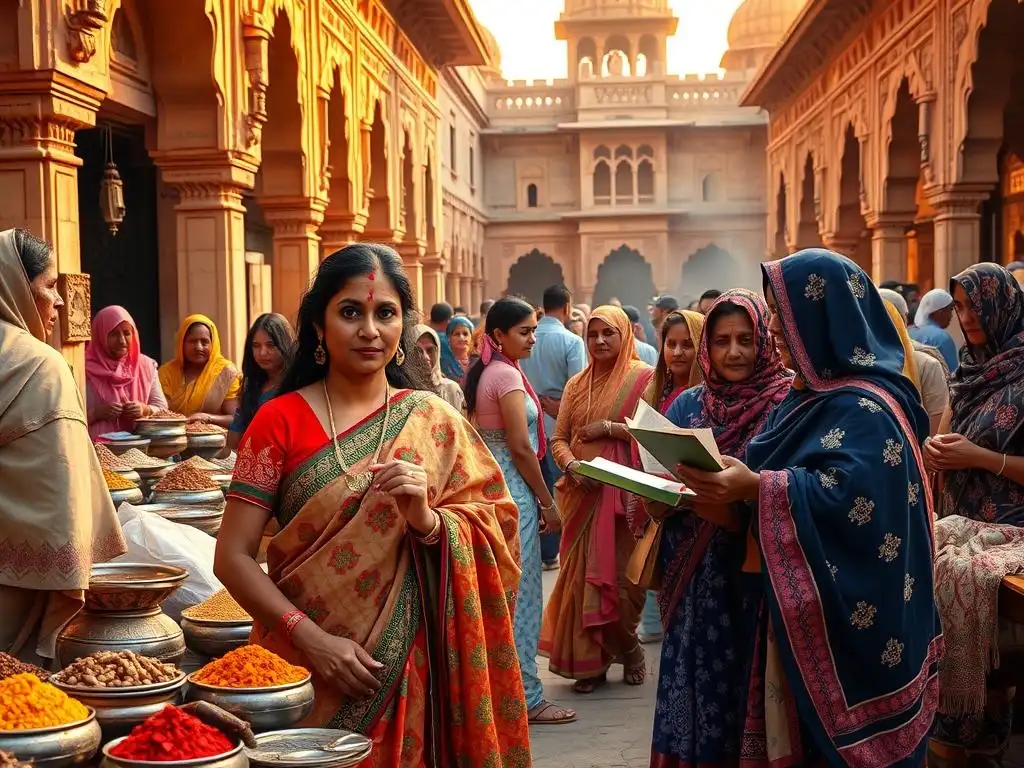
Welcome to Ancient India History, where we embark on a fascinating journey through the vibrant tapestry of India's past. Here, we delve into the pivotal roles that women played in shaping the internal trade economy of ancient India—a topic often overlooked yet rich with stories of resilience, innovation, and influence.
As you explore our latest article, "The Role of Women in the Internal Trade Economy of Ancient India," prepare to uncover how these remarkable women navigated the complexities of trade, contributing to a thriving economy that laid the groundwork for future generations. Join us in unraveling the significant yet understated impact of women in this dynamic chapter of history, and discover the hidden narratives that continue to inspire today.
Introduction to Women in Ancient Indian Trade
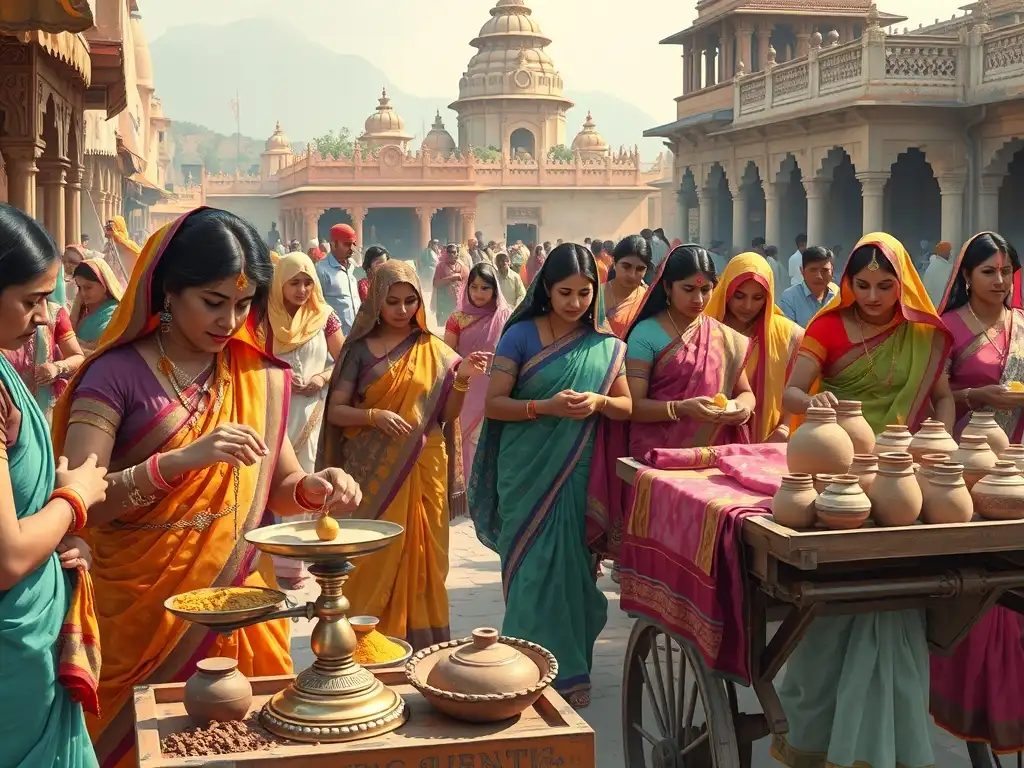
The role of women in ancient Indian trade is a fascinating and often overlooked aspect of the rich tapestry of Indian history. While much of the narrative surrounding trade and economy frequently highlights the contributions of men, women played a crucial role in shaping the internal trade networks of ancient India.
From the bustling markets of the Indus Valley Civilization to the vibrant trade routes established during the Gupta Empire, women were not just passive participants but active contributors to the economic landscape. Their involvement in trade encompassed various facets, including production, distribution, and even financial management, thereby influencing the very fabric of society.
Overview of Women’s Contributions to Trade
Women were integral to the internal trade economy of ancient India, engaging in various roles that supported and enhanced trade activities. Their contributions can be classified into several key areas:
- Production: Many women were involved in the crafting of goods, particularly textiles, pottery, and jewelry, which were essential trade items. This craftsmanship was not only a means of livelihood but also a significant factor in the economic stability of communities.
- Market Participation: Women frequently participated in local markets, selling goods and services. Historical texts and archaeological evidence suggest that women operated stalls, negotiated prices, and facilitated trade transactions, showcasing their entrepreneurial spirit.
- Knowledge and Networking: Women often possessed extensive knowledge of local markets and trade routes, allowing them to navigate the complexities of commerce effectively. Their networks extended beyond their immediate communities, connecting them with traders from distant regions.
- Financial Management: In many households, women managed finances and resources, making critical decisions regarding trade investments and expenditures. This financial acumen was pivotal in sustaining family businesses and contributing to the local economy.
Importance of Women in Ancient Indian Economy
The economic contributions of women in ancient India were vital for several reasons:
- Sustainability of Trade: Women’s active participation helped maintain a robust internal trade network, ensuring the flow of goods and services that supported local economies.
- Cultural Exchange: Through their roles in trade, women facilitated cultural exchanges, sharing not only goods but also ideas and traditions. This interaction enriched the cultural landscape of ancient India.
- Empowerment: The involvement of women in trade provided them with a degree of autonomy and agency, challenging traditional gender roles and contributing to their empowerment within society.
Historical Context of Trade in Ancient India
Understanding the historical context of trade in ancient India is crucial to appreciating the role women played in this domain. The evolution of trade networks, from the early Indus Valley Civilization to later empires, laid the groundwork for robust economic systems.
The Evolution of Internal Trade Networks
The internal trade networks of ancient India evolved significantly over the centuries. The early trade routes established during the Indus Valley Civilization facilitated commerce between cities, while later developments saw the rise of extensive trade networks connecting various regions. Factors contributing to this evolution included:
- Geography: India's diverse geography, with its rivers, mountains, and plains, played a significant role in shaping trade routes.
- Political Stability: Periods of political stability, such as during the Maurya and Gupta empires, fostered trade growth, with women contributing at all levels.
- Cultural Exchange: As trade expanded, so did cultural exchanges, with women often acting as intermediaries between different communities.
Key Trade Goods and Their Cultural Significance
The trade of various goods in ancient India not only had economic implications but also cultural significance. Key trade items included:
| Trade Good | Cultural Significance |
|---|---|
| Textiles | Symbol of craftsmanship and community identity |
| Spices | Integral to culinary traditions and medicinal practices |
| Jewelry | Representation of wealth and social status |
| Pottery | Reflected daily life and artistic expression |
These goods were often produced and traded by women, highlighting their essential role in both the economy and cultural life of ancient India. Their participation in trade activities not only sustained economic systems but also influenced social structures and cultural identity.
The role of women in ancient Indian trade is a testament to their resilience, creativity, and influence in shaping the economic landscape of their times. Understanding this aspect of history enriches our knowledge of the complexities of ancient Indian society and the pivotal contributions of women.
Women's Roles in Internal Trade
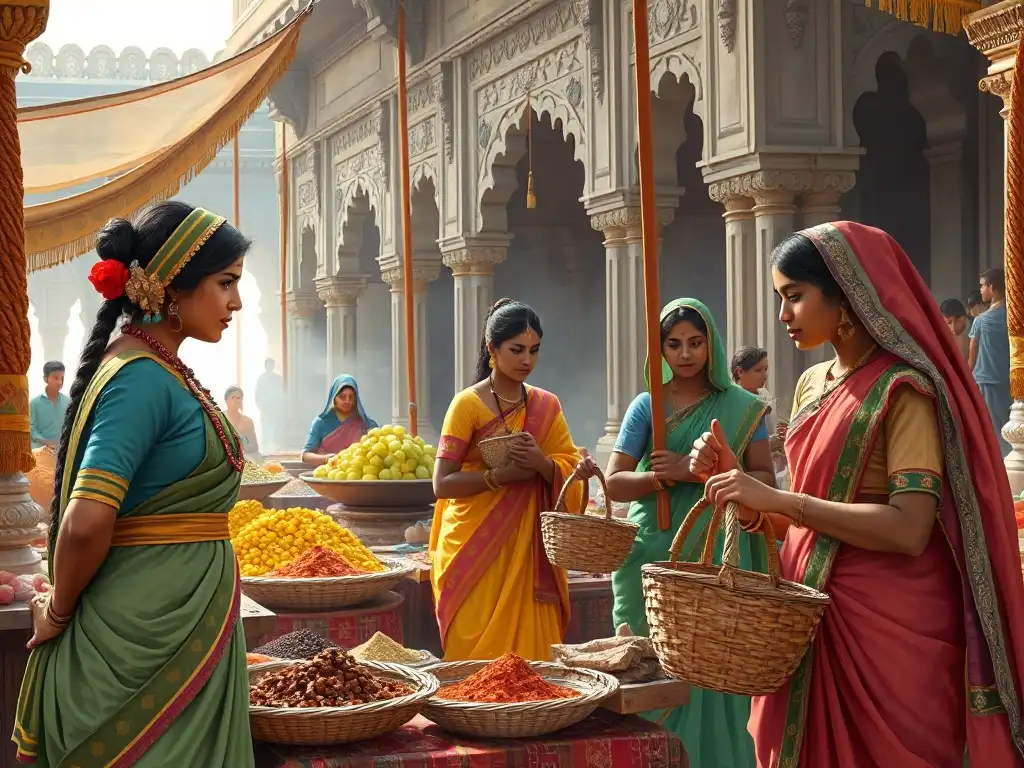
Women in ancient India played a crucial role in the internal trade economy, contributing significantly to various trading activities and shaping the commercial landscape of their times. Their involvement went beyond mere participation, as they occupied diverse roles that were instrumental in the functioning of local markets and trade networks. From being traders and merchants to playing key roles in craft production and agriculture, women demonstrated their economic agency and influence in a patriarchal society.
Participation of Women in Trade Activities
The participation of women in trade activities during ancient India was marked by their involvement in various forms of commerce, including barter and market exchanges. Women engaged in both informal and formal trading setups, often selling goods in local markets or participating in home-based industries. Historical texts and archaeological findings suggest that women were not just passive participants but actively negotiated prices, managed transactions, and built networks that facilitated trade.
Moreover, women were often responsible for trading goods that were culturally significant, such as textiles, pottery, and spices. They utilized their knowledge of local markets and consumer preferences to cater to the demands of buyers, showcasing their understanding of market dynamics. This active participation not only contributed to the economy but also empowered women within their communities.
Women as Traders and Merchants in Ancient India
Women in ancient India were recognized as traders and merchants, sometimes even owning their businesses. Historical records indicate that women managed shops and stalls in bustling marketplaces, where they sold a variety of goods. They often specialized in products like handicrafts, textiles, and food items, leveraging their skills and knowledge to attract customers.
In some regions, women formed trade guilds or cooperatives, which allowed them to pool resources and collectively market their goods. This camaraderie not only enhanced their trading capabilities but also provided a platform for mutual support and knowledge sharing. The existence of such guilds indicates that women were not merely participants but influential figures in the trading community.
The Influence of Caste and Class on Women’s Trade Roles
The caste and class systems in ancient India significantly influenced women's roles in trade. Women from higher castes often had limited opportunities to engage in public trade activities due to social restrictions, while those from lower castes had more freedom to participate in economic activities. Despite facing societal constraints, women from lower castes frequently took on roles as traders, laborers, and artisans, contributing to the local economy.
Additionally, class distinctions affected the types of goods women traded. Elite women might engage in luxury goods trade, while lower-class women focused on essential commodities. Nevertheless, women across various caste and class backgrounds played a vital role in sustaining the economic fabric of their communities, adapting their trade practices to their socio-economic realities.
Economic Contributions of Women in Ancient Trade
The economic contributions of women in ancient trade were substantial, impacting local markets and the overall economy. Women not only participated in trade but also influenced various sectors, including craft production and agriculture, underscoring their multifaceted roles in the economy.
Women’s Impact on Local Markets
Women significantly impacted local markets by acting as primary consumers and distributors of goods. Their ability to understand market needs allowed them to cater to specific demands, which in turn fostered economic growth within their communities. Women often played a central role in local fairs and markets, facilitating trade by bringing together buyers and sellers.
Moreover, their involvement in trading activities contributed to the diversification of products available in the market, enhancing competition and quality. This not only benefitted the economy but also empowered women as influencers of consumer culture in their communities.
The Role of Women in Craft Production and Trade
In addition to participating in trade, women were integral to craft production in ancient India. They were skilled artisans, producing textiles, pottery, jewelry, and other handmade goods that were essential for trade. Their craftsmanship was often passed down through generations, allowing them to preserve cultural heritage while contributing to the economy.
Women organized themselves into artisan groups, which facilitated collaboration and innovation in craft production. This collective effort not only increased production efficiency but also allowed women to negotiate better prices for their goods in the market, showcasing their economic agency.
Women as Key Players in Agricultural Trade
Women played an essential role in agricultural trade, managing the cultivation and sale of crops. They were often responsible for the preparation, preservation, and marketing of agricultural products, ensuring their families' economic stability. Women’s knowledge of local agricultural practices allowed them to navigate the trade landscape effectively, contributing to food security and the economy.
Their involvement in agricultural trade also included participation in local fairs, where they sold surplus produce directly to consumers. This not only enhanced their economic independence but also highlighted their vital contributions to sustaining local economies. As key players in agricultural trade, women helped bridge the gap between producers and consumers, ensuring a smooth flow of goods in the marketplace.
The role of women in ancient Indian trade was deeply intertwined with the social and cultural fabric of society. Women were not only active participants in trade but also played significant roles in maintaining the household economy. Their contributions were often overlooked in historical narratives, yet they were essential to the survival and prosperity of various trade networks.
In many ancient communities, women were engaged in the production of goods, particularly textiles and pottery, which were crucial for both domestic use and trade. The skills passed down through generations empowered women to control aspects of the trade process, from production to sale. Furthermore, women often acted as intermediaries in trade dealings, utilizing their social networks to facilitate exchanges and negotiations.
Culturally, women were recognized for their roles in managing family businesses and contributing to the community's wealth. The portrayal of women in ancient texts and art often reflects their importance, as they were depicted not just as homemakers but as vital economic actors within the trade ecosystem. This recognition highlights a nuanced understanding of gender roles in ancient Indian society, where women's contributions were both celebrated and essential.
Gender Dynamics in Trade Practices
Gender dynamics within ancient Indian trade practices reveal a complex interplay between traditional roles and economic contributions. While men predominantly occupied public-facing roles in trade, women often operated in the background, managing households and local markets. This division of labor allowed women to exert influence in specific markets, particularly in rural areas where they often sold goods directly to consumers.
Moreover, women frequently participated in guilds and cooperatives, which provided them with a platform to negotiate prices and share resources. These institutions were crucial for collective bargaining, enabling women to assert their rights and maintain economic independence. Despite societal expectations that often restricted their mobility, women utilized their social networks and familial ties to navigate trade opportunities effectively.
The societal perception of women in trade varied across regions and communities, reflecting broader cultural attitudes toward gender roles. In some areas, women were revered as essential contributors to the economy, while in others, they faced significant resistance and limitations.
The Symbolic Role of Women in Trade Rituals and Festivals
Women held a symbolic significance in various trade rituals and festivals throughout ancient India. These celebrations often served as vital moments for economic exchange and community bonding, where women's roles were both prominent and celebrated. Festivals such as Makar Sankranti and Vishakha were not merely agricultural celebrations; they also marked the trading of goods, where women participated actively in the exchange process.
In many cultures, women were responsible for performing rituals that ensured the prosperity of trade and the well-being of the community. These rituals often included offerings to deities associated with wealth and commerce, reinforcing the connection between femininity and economic success. Women’s participation in these rituals underscored their integral role in sustaining the trade economy and highlighted their spiritual and economic significance.
Additionally, the participation of women in these communal activities fostered social cohesion and established networks that facilitated trade relationships. This dual role as caretakers of cultural practices and active economic players positioned women as key figures in sustaining both the trade economy and community identity.
Women’s Influence on Trade Policies and Practices
Women in ancient India had a notable influence on trade policies and practices, albeit often behind the scenes. Their involvement in local markets and household economies allowed them to impact economic decisions significantly. For instance, women often negotiated terms of trade that favored their families, contributing to the overall economic health of their communities.
In various regions, women engaged in lobbying for favorable trade conditions, leveraging their roles as primary producers and consumers. This influence was particularly evident in the textile industry, where women’s preferences shaped market dynamics and pricing strategies. Their collective voice in market forums and local councils enabled them to advocate for their interests, impacting trade regulations indirectly.
Moreover, some historical records suggest that women occasionally held positions of authority within trade guilds, where they could influence decision-making processes. This involvement indicates that women were not merely passive participants in the economic landscape; rather, they played critical roles in shaping the policies that governed trade practices.
Challenges Faced by Women in Ancient Indian Trade
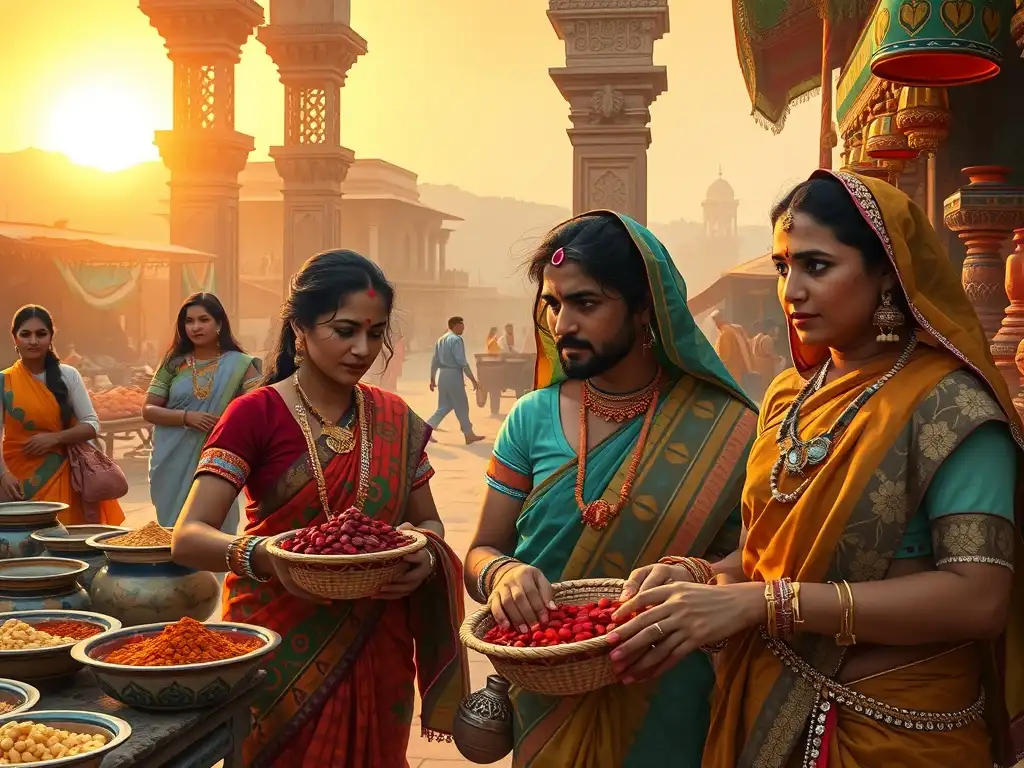
Despite their significant contributions, women in ancient Indian trade faced numerous challenges that hindered their full participation in economic activities. These challenges were often rooted in societal norms, economic barriers, and regional disparities.
Societal Limitations and Constraints
Societal limitations imposed significant constraints on women's participation in trade. Cultural norms often dictated that women remain within domestic spheres, limiting their mobility and access to markets. In many communities, the expectation for women to prioritize family and household responsibilities over economic activities restricted their ability to engage in trade fully.
Additionally, patriarchal structures often marginalized women’s voices in economic discussions. Even when women were active in trade, their contributions were frequently overshadowed by male counterparts, leading to a lack of recognition and support for their efforts. This systemic bias not only affected individual women but also stunted the overall growth of women's roles in trade.
Economic Barriers and Opportunities
Economic barriers also played a critical role in shaping women’s experiences in ancient Indian trade. Access to capital and resources was often limited, with many women unable to secure loans or investments to expand their businesses. This financial dependency on male family members further restricted their autonomy and decision-making power within the trade economy.
However, there were instances where women leveraged their skills and knowledge to create economic opportunities. For example, women involved in textile production often established small-scale enterprises that catered to local markets, showcasing their entrepreneurial spirit despite the constraints they faced.
Comparative Analysis of Women's Roles Across Different Regions
A comparative analysis of women's roles in trade across different regions of ancient India reveals significant variations influenced by cultural, economic, and social factors. In some regions, women actively participated in trade and held considerable influence in local markets, while in others, they faced stringent restrictions that limited their involvement.
For instance, in the coastal regions, women often played prominent roles in maritime trade, managing boats and engaging in long-distance commerce. This contrasts with women in more agrarian societies, where their roles were often confined to subsistence production and local exchanges.
The differences highlight the adaptability of women within the trade economy and their ability to navigate various societal expectations. These regional disparities illustrate the importance of understanding women's contributions to trade within the broader context of ancient Indian society and economy, emphasizing that their roles were not monolithic but rather diverse and multifaceted.
Conclusion: The Legacy of Women in Ancient Indian Trade
The role of women in the internal trade economy of ancient India is often overlooked, yet it is crucial to understanding the complexities of trade and society in this period. Women were not mere bystanders; they were active participants who played a significant role in the economic landscape. From managing family businesses to engaging in trade networks, women contributed to the prosperity of their communities. Their involvement in the production, distribution, and sale of goods helped shape the internal trade dynamics and established a legacy that resonates through history.
The legacy of women in ancient Indian trade is evident in various spheres, including the arts, crafts, and market systems. Women artisans and traders were instrumental in the creation and distribution of textiles, pottery, and other goods that were vital to the economy. Moreover, their roles in negotiating trade agreements and maintaining social networks highlight their significance in fostering economic relationships. This trade not only enriched their own families but also contributed to the broader economy, illustrating that women's contributions were foundational to sustaining and enhancing the internal trade network.
Lasting Impact on Subsequent Generations
The impact of women's involvement in ancient Indian trade extends beyond their immediate contributions. Their participation set a precedent for future generations, contributing to a cultural understanding that valued women's economic agency. As women engaged in various aspects of trade, they laid the groundwork for subsequent societal structures that included women in economic activities.
In later periods, such as during the medieval and colonial eras, we see echoes of these ancient practices. Women continued to take on roles in commerce, albeit often in more restricted capacities due to changing societal norms. Nevertheless, the foundational influence of women in trade during ancient times can be traced through history, showcasing a resilient spirit of female entrepreneurship that persists today.
Reflections on Women’s Roles in Trade Today
In today's context, reflecting on the roles of women in ancient Indian trade invites a broader conversation about gender equality in economic participation. The historical precedence set by women in ancient trade highlights the need to recognize and support women's contributions in contemporary economies. While significant progress has been made, disparities still exist, and understanding the historical context of women's roles can inform current discussions on empowering women in trade and commerce.
Modern initiatives that aim to bolster women's participation in trade can draw inspiration from the rich legacy of their predecessors. By acknowledging and celebrating the contributions of women in ancient Indian trade, we can foster an environment that encourages women's engagement in economic activities, ultimately contributing to a more equitable society.
Further Reading on Women in Ancient Indian Trade
To further explore the multifaceted roles of women in the internal trade economy of ancient India, a variety of resources are available. These resources delve into historical texts, archaeological findings, and scholarly analyses that shed light on the contributions of women in trade.
Suggested Resources and References
- Books:
- "Women in Ancient India" by Kumkum Roy – This book provides insights into the lives of women across various aspects of ancient Indian society, including trade.
- "The Economic History of India, 1857-1947" by B.R. Tomlinson – While focused on a later period, it offers context regarding the evolution of trade practices that can be traced back to ancient times.
- Research Articles:
- "Gender and Economic Opportunities in Ancient India" – This article examines the economic roles of women throughout India's history, including their contributions to trade.
- "Women’s Role in the Indian Economy: Historical Perspectives" – A scholarly piece that discusses the historical significance of women in various economic sectors, including trade.
Related Topics in Ancient Indian History
- The Indus Valley Civilization: Exploring the trade practices and economic structures of one of the earliest urban centers in ancient India, including the roles of women.
- The Maurya and Gupta Empires: Analyzing the economic policies and trade networks during these significant periods, with a focus on women's participation.
- Craftsmanship and Artisanship in Ancient India: Investigating the contributions of women in various crafts that were integral to trade and economic exchange.
- Introduction to Women in Ancient Indian Trade
- Overview of Women’s Contributions to Trade
- Importance of Women in Ancient Indian Economy
- Historical Context of Trade in Ancient India
- Women's Roles in Internal Trade
- Economic Contributions of Women in Ancient Trade
- Social and Cultural Aspects of Women in Trade
- Challenges Faced by Women in Ancient Indian Trade
- Conclusion: The Legacy of Women in Ancient Indian Trade
- Further Reading on Women in Ancient Indian Trade
Frequently Asked Questions
What was the role of women in ancient Indian trade?
Women played a significant role in the internal trade economy of ancient India, often engaging in market activities, managing households, and contributing to the financial decisions of their families.
How did women participate in trade?
Women participated in trade through craftsmanship, selling goods in markets, and sometimes acting as intermediaries in transactions, showcasing their economic agency despite societal constraints.
Were there any specific regions where women were more involved in trade?
Yes, in regions like the Indus Valley, archaeological evidence suggests that women were notably active in trade and craft production, indicating their integral role in local economies.
What challenges did women face in ancient Indian trade?
Women faced social and legal restrictions, including limited access to property rights and the expectation to prioritize family responsibilities, which often hindered their full participation in trade.
How did the contributions of women in trade impact ancient Indian society?
The contributions of women in trade helped shape the economic landscape of ancient India, fostering community relationships and enhancing cultural exchanges, thus enriching the overall societal framework.
Final Reflection: The Enduring Legacy of Women in Ancient Indian Trade
The exploration of women’s roles in the internal trade economy of ancient India reveals a profound truth: their contributions were not merely peripheral but foundational to the economic fabric of society. Today, as we navigate discussions on gender equality and economic empowerment, it becomes increasingly clear that understanding the historical significance of women in trade can inspire contemporary movements for equity and recognition. The stories of these women remind us that their influence was vital, and their legacies continue to resonate in our ongoing quest for social justice.
Clearly, the impact of women in ancient Indian trade extends beyond historical curiosity; it shapes our cultural and social narratives today. The recognition of their roles as traders, artisans, and entrepreneurs challenges the traditional narratives that often overlook women's contributions. As we reflect on this, we can find wisdom in the words of historian Romila Thapar: History is not just about the past; it is a lens through which we can understand the present.
This perspective encourages us to acknowledge the vital roles women played, fostering a deeper appreciation for the ongoing struggle for gender equity in economic spaces.
As we conclude this exploration, I invite you to reflect on the lessons learned from the past and consider how they can be applied in your own life. How can you honor the legacy of these women by advocating for equal opportunities and representation in today’s economy? Let their stories inspire you to take action, whether in your community or workplace, to ensure that the contributions of women are recognized and celebrated. Together, we can build a future where the voices of all individuals, regardless of gender, are valued and empowered in the economic narrative.
Empower Your Knowledge: Dive Deeper Into Ancient Trade!
Thank you for exploring the vital role of women in the internal trade economy of ancient India! By understanding their contributions, you gain invaluable insights into a fascinating aspect of history that shapes our present. Now, it's time to take your newfound knowledge further!
Here are some exciting ways to continue your journey:
- Explore further: Read additional articles highlighting the significant roles various communities played in ancient trade.
- Share your insights: Discuss this topic with friends or on social media to raise awareness about the contributions of women throughout history.
- Engage with our community: Join forums or groups dedicated to ancient history and share your thoughts or pose questions.
What new perspective have you gained about the roles of women in trade that inspires you to reflect on today's economy?