
The Connection Between Religion and Trade in Ancient Indian Markets

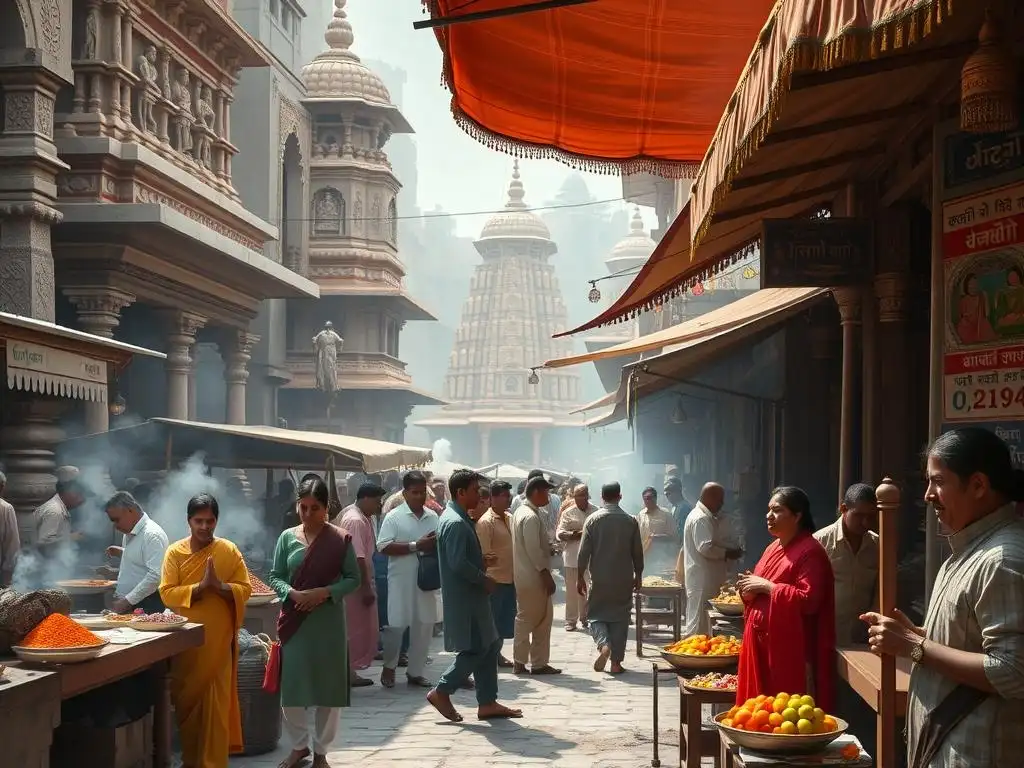
Welcome to Ancient India History, where we invite you to embark on a fascinating journey through time, uncovering the rich tapestry of civilizations that flourished on the Indian subcontinent. In our featured article, "The Connection Between Religion and Trade in Ancient Indian Markets," we delve into the intricate relationships between spirituality and commerce that shaped the dynamics of ancient societies. Discover how sacred beliefs not only influenced trade practices but also fostered a unique cultural exchange that echoes through history.
Prepare to explore the vibrant markets of the past and unlock the secrets behind the thriving economies of the Indus Valley to the Gupta Empire. Your adventure into the depths of ancient Indian history begins now!
Introduction to Religion and Trade in Ancient India
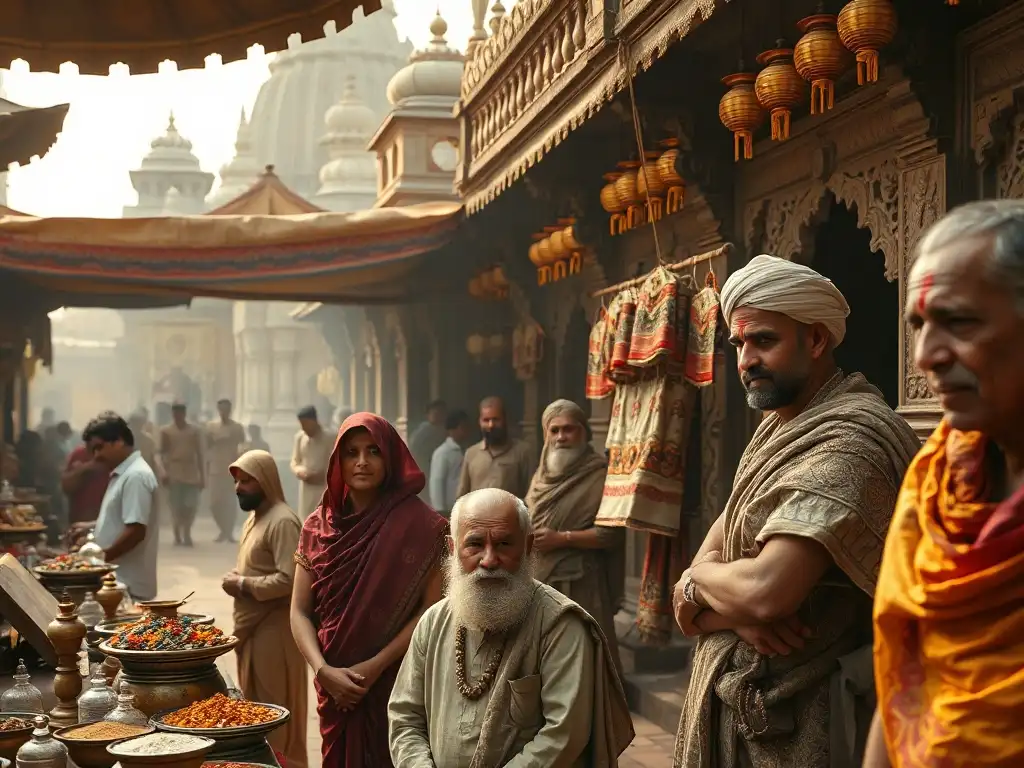
The intricate interplay between religion and trade in ancient India presents a captivating narrative that reflects the profound impact of spiritual beliefs on economic practices. From the early days of the Indus Valley Civilization to the flourishing markets of the Gupta Empire, religion was not merely a personal belief system but a societal framework that shaped trade routes, influenced economic relationships, and dictated the flow of goods and services.
The concept of “Religion and trade in ancient India” encapsulates how spiritual practices, rituals, and ideologies intertwined with the marketplace, fostering a vibrant economy that thrived on both material and spiritual exchanges.
Overview of Ancient Indian Markets
Ancient Indian markets were bustling centers of commerce, where diverse goods from various regions converged. These markets were characterized by:
- Variety of Goods: Spices, textiles, precious stones, and metals were commonly traded, reflecting the rich resources of the subcontinent.
- Cultural Melting Pot: Markets attracted traders from different cultures, including Greeks, Persians, and Arabs, fostering cross-cultural exchanges.
- Urban Centers: Prominent cities like Pataliputra and Taxila served as major trading hubs, facilitating internal and external trade networks.
The economic activities within these markets were deeply intertwined with religious practices. Merchants often sought blessings from deities before embarking on trade missions, and religious festivals provided opportunities for increased trade activity, attracting a larger customer base.
Significance of Religion in Ancient Indian Society
Religion played a pivotal role in shaping the social fabric of ancient India. Its significance can be summarized as follows:
- Moral Framework: Religious teachings provided ethical guidelines for trade, emphasizing honesty and fairness in transactions.
- Community Bonds: Shared religious beliefs fostered trust among traders, which was crucial in a time when formal contracts were rare.
- Pilgrimage and Trade: Religious pilgrimages often coincided with trade fairs, creating a unique synergy between spiritual journeys and economic activities.
The integration of religion into the marketplace not only influenced individual traders but also shaped the economic landscape of entire regions.
Historical Context of Trade in Ancient India

To understand the connection between religion and trade, it's essential to explore the historical context that shaped these dynamics.
Early Trade Practices in the Indus Valley Civilization
The Indus Valley Civilization (c. 3300–1300 BCE) is one of the earliest examples of organized trade in ancient India. Key features of trade practices during this period include:
- Standardized Weights and Measures: Facilitated fair trading practices and promoted trust among merchants.
- Seals and Script: Used for branding goods and establishing authenticity, these artifacts often bore religious symbols, indicating the blend of commerce and spirituality.
- Extensive Trade Networks: The civilization engaged in trade with Mesopotamia and other regions, showcasing the importance of economic relationships shaped by shared cultural and religious values.
Influence of Religion on Trade Routes and Practices
As trade evolved, so did the influence of religion on trade routes and practices:
- Religious Sites as Trade Hubs: Significant religious sites, such as Varanasi and Kashi, became focal points for trade, attracting merchants and pilgrims alike.
- Cultural Exchange: Trade routes facilitated the exchange of not only goods but also religious ideas, leading to a syncretic culture that enriched both trade and spirituality.
- Ritual Practices: Merchants often engaged in specific rituals before trading, believing that divine favor would lead to prosperous transactions.
This historical context underscores the profound connection between religion and trade in ancient India, highlighting how spiritual beliefs were integral to commercial success and societal cohesion.
The Role of Religion in Shaping Trade Relationships
Religion played a pivotal role in shaping trade relationships in ancient India, influencing not just the economic landscape but also the social and cultural interactions among various communities. Trade routes were often established along religious pilgrimage paths, facilitating the movement of goods, ideas, and cultural exchanges. Merchants and traders, who were often guided by religious principles, sought to engage in trade that aligned with their values, leading to a unique fusion of commerce and spirituality.
Religious institutions such as temples and monasteries acted as safe havens for traders, providing not only protection but also a sense of community and trust. This symbiosis between religion and trade fostered an environment where economic activities could thrive, as traders felt secure in their dealings. Moreover, religious leaders often played a significant role in endorsing trade agreements, which helped in building long-term business relationships across diverse regions.
Religious Festivals and Trade Opportunities
Religious festivals in ancient India served as significant catalysts for trade opportunities. Events like Diwali, Makar Sankranti, and various local temple festivals attracted merchants from different regions, creating vibrant markets filled with a variety of goods. These festivals were not only spiritual gatherings but also economic events, where traders could showcase their products to a large audience.
During these times, special market days were organized, enabling local artisans, farmers, and traders to sell their wares. The influx of visitors also stimulated demand for goods and services, creating a bustling atmosphere of commerce. This intersection of religion and trade during festivals nurtured a culture of collaboration and mutual benefit among participating communities, ultimately enhancing economic growth.
Temples as Economic Hubs in Ancient Markets
Temples in ancient India functioned as critical economic hubs within local markets. They were not merely places of worship but also centers of commerce, attracting traders and pilgrims alike. The wealth generated through donations and offerings allowed temples to engage in various economic activities, including land leasing and agricultural production.
Temples often held fairs and markets on specific days, providing a platform for local artisans and merchants to sell their goods. Additionally, the temples' involvement in trade fostered a sense of stability and trust, as they were regarded as neutral grounds for commerce. These economic activities contributed to the prosperity of the surrounding communities and reinforced the symbiotic relationship between religion and trade.
Major Religions Influencing Trade in Ancient India
Ancient India was a melting pot of diverse religions, each leaving a profound impact on trade practices and economic relationships. The three major religions—Hinduism, Buddhism, and Jainism—played distinctive roles in shaping trade networks and ethical practices in commerce.
Hinduism and its Economic Impact on Trade
Hinduism significantly influenced the economic landscape of ancient India through its myriad of rituals and festivals that encouraged trade. The principles of dharma (duty) and artha (wealth) emphasized the importance of ethical trading practices. Merchants were expected to uphold integrity and fairness in their transactions, fostering trust and long-lasting relationships between traders.
Furthermore, Hindu temples became vital centers for trade, offering protection and facilitating transactions. The religious significance of certain goods, such as specific types of food and textiles, also impacted trade patterns, leading to the establishment of specialized markets that catered to religious needs.
Buddhism and Trade Networks in Ancient India
Buddhism contributed to the expansion of trade networks across ancient India, as its teachings encouraged interactions between different cultures and communities. The establishment of monasteries along trade routes served as resting places for merchants, facilitating the exchange of goods and ideas.
Buddhist principles of compassion and non-violence promoted ethical trading practices, which resonated well with traders seeking to build harmonious relationships. The spread of Buddhism also led to increased trade with regions beyond India, as Buddhist monks traveled and established connections, further enhancing the interconnectivity of trade networks.
Jainism's Role in Promoting Ethical Trade Practices
Jainism had a notable impact on trade practices in ancient India through its emphasis on non-violence (ahimsa) and truthfulness. Jain merchants adhered to strict ethical guidelines, ensuring that their trading practices minimized harm to all living beings. This commitment to ethical conduct fostered a culture of trust and respect among traders.
The influence of Jainism extended to various aspects of commerce, including the types of goods traded and the methods of transportation used. Jain merchants often preferred to engage in activities that aligned with their religious beliefs, leading to a distinct approach to trade that prioritized ethical considerations over mere profit.
The intricate relationship between religion and trade in ancient India not only shaped the economic practices of the time but also created a rich tapestry of cultural interactions that defined the region's historical legacy.
Case Studies of Religion and Trade Interactions
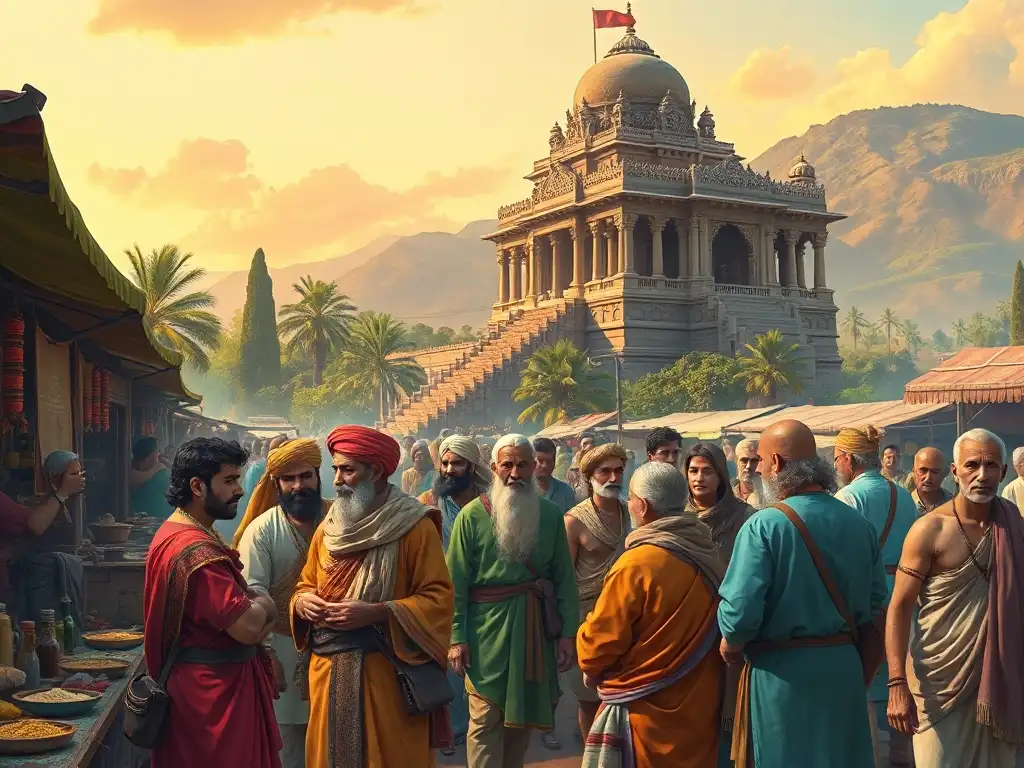
In ancient India, the interplay between religion and trade was not merely a coincidence; it was a foundational aspect of economic life that shaped various trade practices and networks. Several case studies highlight how religious beliefs and practices influenced trade routes, market dynamics, and the economic exchanges that occurred across the subcontinent.
One prominent example is the trade activities that flourished around pilgrimage sites such as Varanasi, Kashi, and Bodh Gaya. These cities attracted a multitude of devotees, leading to significant economic activity centered on hospitality, crafts, and local goods. Artisans and merchants catered to the needs of pilgrims, establishing a symbiotic relationship between spirituality and commerce.
Furthermore, the influence of religious festivals, such as Mela, created temporary markets that brought together traders from diverse regions. These events not only facilitated the exchange of goods but also promoted cultural interactions, further intertwining religious practices with economic transactions. Additionally, the historical Silk Road, which saw the exchange of goods and ideas between India and other civilizations, was also significantly shaped by the religious affiliations of traders, who often sought to establish connections based on shared beliefs.
Example of Religious Pilgrimages and Economic Exchange
Religious pilgrimages in ancient India were pivotal in fostering economic exchange and trade. The journey of pilgrims to sacred sites acted as a catalyst for local economies, as these travelers would require lodging, food, and various goods during their visits. For instance, the annual Kumbh Mela, one of the largest religious gatherings in the world, drew millions of participants. During this festival, local merchants set up stalls selling religious items, food, and textiles, significantly boosting the local economy.
Moreover, the concept of dana (charitable giving), which is deeply rooted in Hindu and Buddhist traditions, encouraged wealth circulation in these markets. Merchants often donated a portion of their profits to temples or local charities, further integrating their trade activities with religious obligations. This interconnectedness ensured that economic prosperity was tied to the support and growth of religious institutions, reinforcing the bond between religion and trade.
Analysis of Trade in Regions with Diverse Religious Practices
Regions in ancient India characterized by diverse religious practices often exhibited unique trade dynamics. The presence of various religions, such as Hinduism, Buddhism, Jainism, and later Islam, created a rich tapestry of cultural and economic interactions. For example, the city of Taxila, which was a significant center for trade and learning, attracted traders and scholars from different religious backgrounds. This diversity fostered an environment of mutual respect and collaboration, facilitating trade across religious lines.
The coexistence of multiple faiths also led to the establishment of specialized markets catering to different religious communities. For instance, in cities like Delhi and Agra, distinct marketplaces emerged, serving the needs of Hindu, Muslim, and Jain merchants. This segmentation within trade structures allowed for tailored goods and services that aligned with the religious practices of each community, such as specific dietary laws or ritual requirements.
Additionally, the trade routes connecting regions with diverse religious practices often included shrines and temples, serving as waypoints for travelers. These religious sites not only provided spiritual respite but also functioned as centers for commerce, where goods were exchanged, and cultural ideas were shared, further enhancing the interconnectedness of religion and trade.
The Impact of Religion on Trade Regulations and Policies
Religion played a crucial role in shaping trade regulations and policies in ancient India. Religious principles often informed the ethical frameworks within which trade was conducted, leading to the establishment of norms that governed fair practices and trade conduct.
For instance, the Arthashastra, attributed to the ancient scholar Kautilya, outlines various regulations that reflect the moral and ethical considerations derived from religious texts. These guidelines emphasized honesty, transparency, and fairness in commerce, which were seen as essential qualities for maintaining societal harmony and trust among traders.
Religious Laws Governing Commerce and Fair Trade
The intersection of religion and trade in ancient India was further exemplified by the laws governing commerce, often derived from dharma (moral law). Various religious texts included stipulations on fair trade practices, ensuring that merchants operated within ethical boundaries. For instance, Jainism, with its strong emphasis on non-violence and truth, influenced trade practices by promoting the idea of fair weight and measures, as well as the ethical sourcing of goods.
Moreover, religious authorities often enacted laws that aligned commercial activities with spiritual ideals. The establishment of trading guilds, known as shrenis, was often supported by religious institutions, which provided a framework for regulating trade, resolving disputes, and upholding ethical standards. This synergy between religious laws and commerce ensured that trade was not just a means of economic gain but also a practice rooted in moral responsibility.
The Role of Religious Leaders in Trade Decisions
Religious leaders in ancient India held significant influence over trade decisions, often acting as mediators and advisors within the marketplace. Their authority was derived from their spiritual standing and the respect afforded to them by the community. For example, in many regions, religious leaders would endorse certain trade practices or merchants, thereby legitimizing their activities and encouraging fair practices.
Furthermore, religious leaders frequently played a crucial role in resolving disputes among merchants, ensuring that trade interactions remained harmonious. Their involvement often provided an additional layer of trust, as traders would be more inclined to engage in transactions when backed by the endorsement of a respected religious figure.
In some instances, religious leaders also influenced trade policies at a broader level, participating in councils or advisory roles where economic strategies were formulated. Their insights, rooted in ethical considerations, often shaped the regulatory frameworks that governed commerce, reinforcing the critical connection between religion and trade in ancient India.
Conclusion: The Lasting Influence of Religion on Trade in Ancient Indian Markets
The intertwined nature of religion and trade in ancient India created a rich tapestry that significantly influenced the economic landscape of the time. Various religious beliefs and practices not only dictated the ethical frameworks of trade but also shaped the types of goods exchanged and the communities involved in these transactions. For instance, the principles of dharma (righteousness) guided merchants in their dealings, emphasizing honesty and fairness. Such ethical conduct fostered trust and reliability, crucial for the bustling marketplaces that defined ancient Indian economies.
Moreover, religious festivals often served as catalysts for trade, attracting large crowds and enabling merchants to showcase their goods. The vibrant fairs and gatherings, linked with various deities and seasons, provided lucrative opportunities for commerce, thereby reinforcing the connection between economic activities and religious observances. This relationship was not merely transactional; it was a profound aspect of cultural identity, highlighting the significance of spirituality in everyday life and commerce.
As we explore the legacy of these practices, it becomes evident that the principles established during this era continue to resonate in modern Indian markets, where religion still plays a pivotal role in shaping consumer behavior and enterprise ethics.
Summary of Key Points on Religion and Trade in Ancient India
- Ethical Frameworks: Religion provided a moral compass for traders, emphasizing honesty, fairness, and community welfare.
- Marketplace Dynamics: Religious festivals and rituals created vibrant opportunities for trade, attracting merchants and consumers alike.
- Diverse Contributions: Different religions, including Hinduism, Buddhism, and Jainism, contributed uniquely to trade practices and market structures.
- Cultural Exchange: Trade routes facilitated not only the exchange of goods but also the dissemination of religious ideas, promoting a rich cultural dialogue.
- Regulatory Mechanisms: Various religious texts and teachings influenced trade regulations and norms, establishing guidelines that merchants followed.
These key points illustrate how deeply religion influenced the economic practices of ancient India, establishing a framework that would have lasting repercussions on both trade and cultural identity.
Reflection on the Legacy of Ancient Trade Practices in Modern India
The legacy of ancient trade practices in India is palpable in contemporary economic structures and social interactions. Modern Indian markets still exhibit a blend of religious and commercial activities, where festivals like Diwali and Eid see a surge in business, reflecting the historical connection between spirituality and commerce. The ethical principles that governed ancient trade continue to inspire modern entrepreneurs, who often emphasize corporate social responsibility and ethical business practices rooted in cultural values.
Furthermore, the historical trade routes have evolved into significant economic corridors today, fostering regional and international trade while maintaining a semblance of the ancient spirit of collaboration and exchange. The values of community and trust, instilled by centuries of religious influence, remain integral to the functioning of these modern markets.
In essence, the rich interplay of religion and trade in ancient India not only shaped its historical economic landscape but also laid the groundwork for the vibrant, diverse, and ethical marketplace that exists in modern India. This enduring legacy serves as a testament to the profound impact of cultural and spiritual beliefs on economic practices, a dynamic that continues to evolve while honoring its roots.
- Introduction to Religion and Trade in Ancient India
- Overview of Ancient Indian Markets
- Significance of Religion in Ancient Indian Society
- Historical Context of Trade in Ancient India
- The Role of Religion in Shaping Trade Relationships
- Major Religions Influencing Trade in Ancient India
- Case Studies of Religion and Trade Interactions
- The Impact of Religion on Trade Regulations and Policies
- Conclusion: The Lasting Influence of Religion on Trade in Ancient Indian Markets
Frequently Asked Questions
What role did religion play in ancient Indian trade?
Religion significantly influenced trade practices, as pilgrimages and rituals created demand for goods, leading to the establishment of trade routes and markets.
How did trade networks develop in ancient India?
Ancient Indian trade networks flourished due to geographical advantages, with merchants utilizing land and sea routes to connect with other civilizations, facilitating cultural exchange.
What were some key goods traded in ancient India?
Key goods included spices, textiles, and precious stones, which were highly sought after by foreign traders, thus enhancing India's economic status in the ancient world.
How did the Gupta Empire influence trade and religion?
The Gupta Empire promoted religious tolerance, which encouraged trade by attracting diverse merchants and fostering a vibrant marketplace that supported various cultural exchanges.
Were there any specific trade practices linked to religion?
Yes, certain trade practices, like the offering of goods at temples or during festivals, were intertwined with religious beliefs, showcasing the deep connection between spirituality and commerce in ancient India.
Final Reflection: The Enduring Legacy of Religion and Trade in Ancient India
The intricate relationship between religion and trade in ancient India remains profoundly relevant today as it highlights the ways in which belief systems can shape economic practices and social interactions. In a world where globalization often blurs cultural lines, understanding how ancient markets operated under the influence of religious principles offers valuable insights into the foundations of modern commerce. The legacy of these ancient practices serves as a reminder that trade is not merely an economic activity but also a conduit for cultural exchange and spiritual connection.
As we reflect on the historical significance of this connection, it becomes evident that the interplay between faith and commerce continues to influence contemporary society. The values and ethics derived from religious teachings still inform business practices and consumer behavior, fostering a sense of community and shared purpose. Commerce is a form of worship,
a sentiment echoed in many religious texts, underscores the idea that trade can transcend mere transactions, becoming a means of expressing one's beliefs and values.
In closing, I invite you to consider how the lessons from ancient Indian markets can be applied in your own life. Reflect on the ways in which your beliefs shape your interactions in the marketplace, whether as a consumer, a seller, or a community member. Embrace the idea that every transaction carries the potential for deeper meaning and connection, and let this understanding inspire you to engage with the world around you in a more thoughtful and intentional manner.
Unveil the Impact of Trade on Faith in Ancient India!
Thank you for exploring the fascinating interplay between religion and trade in ancient Indian markets! You've uncovered a wealth of insights that illustrate how these two powerful forces shaped societies and facilitated cultural exchange. Now, let’s transform that newfound knowledge into action!
- Discover local resources or books that delve into the role of trade in ancient religious practices to deepen your understanding.
- Join online forums or social media groups focused on ancient history to share your thoughts and learn from others.
- Visit a local museum showcasing artifacts from ancient India to experience history firsthand and connect with its vibrant past.
What aspect of the relationship between religion and trade in ancient India intrigues you the most, and how do you believe it continues to influence our world today?