
Unveiling the Splendor of Rajasthan’s Forts: A Journey Through Ancient Heritage

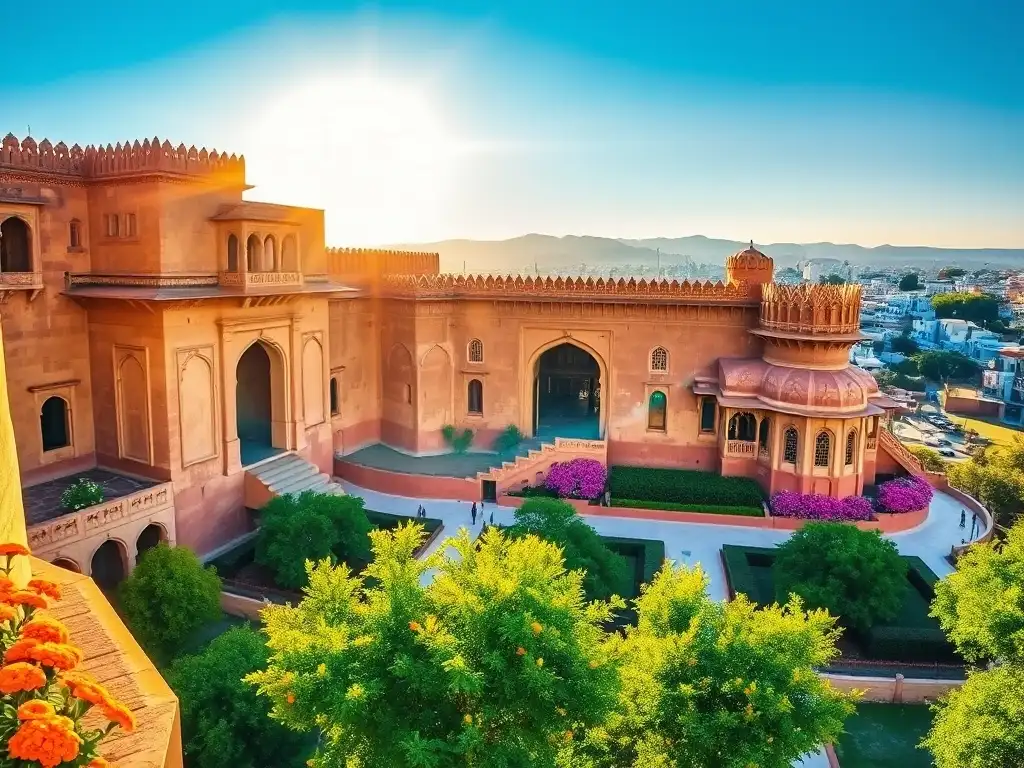
Welcome to Ancient India History, where we embark on an extraordinary journey through the rich tapestry of India’s past! In our featured article, "Unveiling the Splendor of Rajasthan’s Forts: A Journey Through Ancient Heritage," we delve deep into the fascinating history of Rajasthan's ancient forts, exploring their architectural marvels and the stories they hold. From the majestic walls that once echoed with the whispers of royalty to the breathtaking landscapes they command, these forts offer a glimpse into the opulent life of ancient civilizations.
Are you ready to uncover the secrets of Rajasthan's glorious heritage? Join us as we traverse time and uncover the treasures of ancient India!
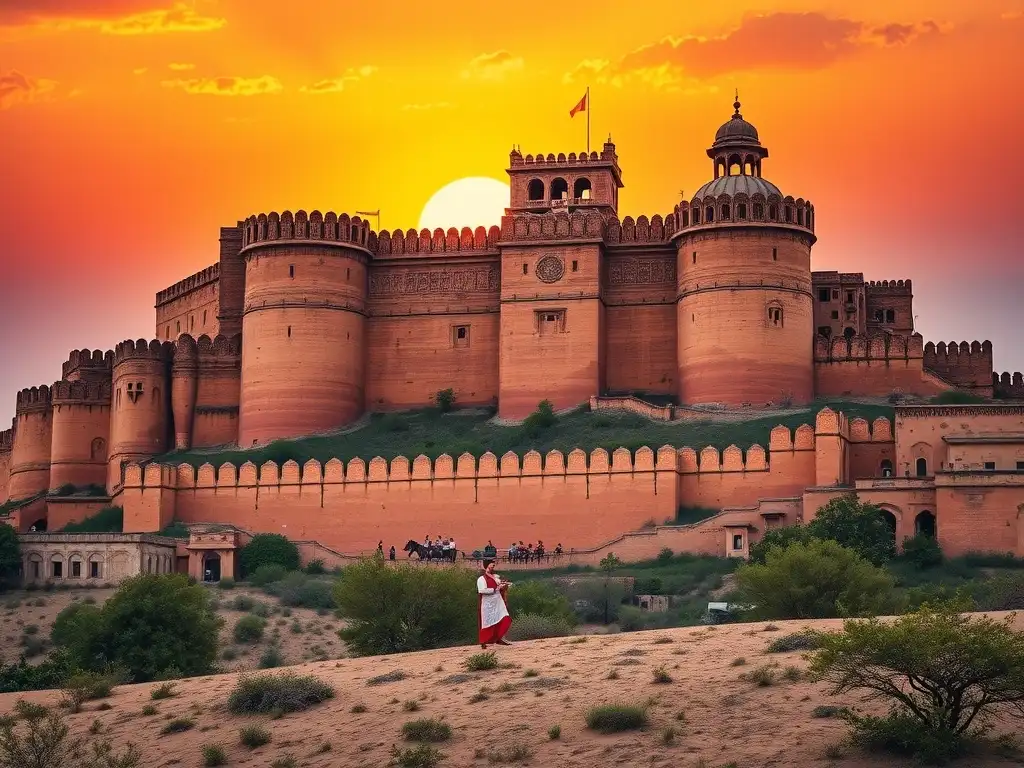
Rajasthan, often referred to as the "Land of Kings," is a treasure trove of history and culture, showcasing the remarkable legacies of ancient Indian civilizations. The state's forts stand as monumental reminders of a glorious past, reflecting the architectural brilliance and strategic prowess of their time.
From the imposing structures that once guarded kingdoms to the intricate designs that narrate tales of valor and romance, Rajasthan's ancient forts encapsulate centuries of history and heritage. This article delves into the rich tapestry of Rajasthan's ancient forts, exploring their historical significance, the political dynamics they influenced, and the distinctive architectural styles that define this vibrant region.
Introduction to Rajasthan's Ancient Forts
Rajasthan is home to some of the most majestic forts in India, each steeped in stories of heroism and grandeur. These forts not only served as military strongholds but also as palatial residences for kings and their families. With over 100 forts scattered across the state, their architectural diversity showcases influences from various cultures and dynasties. Among these, notable examples include the Amber Fort, Mehrangarh Fort, and Chittorgarh Fort, each offering a unique glimpse into the past.
The Historical Significance of Rajasthan's Forts
The forts of Rajasthan are not just architectural marvels; they are significant historical sites that played pivotal roles in the region's tumultuous history. They served as bastions of defense against invasions and were central to the administration of the kingdoms they protected. Many of these forts have witnessed historic battles, royal ceremonies, and cultural exchanges, making them crucial to understanding Rajasthan's legacy.
The Role of Forts in Rajasthan's Political Landscape
The strategic placement of these forts along trade routes and at the borders of kingdoms underscores their importance in the political landscape of ancient Rajasthan. They were often the centers of power, where rulers made crucial decisions that shaped the course of history. For instance, the Chittorgarh Fort was the capital of the Mewar Kingdom and a site of significant military confrontations, while Jaisalmer Fort acted as a vital trade post along the Silk Route, emphasizing the economic dimensions of these structures.
Architectural Styles: A Reflection of Rajasthan's Heritage
The architectural styles of Rajasthan's forts are a testament to the region's rich cultural heritage. Each fort exhibits unique design elements, influenced by local materials, climate, and the artistic sensibilities of the time.
- Rajput Architecture: Characterized by intricate carvings, expansive courtyards, and stunning frescoes, Rajput architecture highlights the valor and aesthetics of the ruling class.
- Indo-Saracenic Style: Some forts blend indigenous and Islamic architectural elements, showcasing the region's diverse cultural interactions.
Rajasthan's ancient forts are not merely remnants of the past; they are vibrant symbols of a rich heritage that continues to captivate travelers and historians alike.
Exploring Famous Forts of Rajasthan
Rajasthan, known for its rich cultural heritage and stunning architecture, is home to some of the most remarkable forts in India. Each fort tells a story of bravery, valor, and the artistic brilliance of its era. These ancient structures not only served as military strongholds but also as royal residences that reflect the lifestyle and grandeur of their occupants. Journeying through these forts offers a glimpse into the glorious past of Rajasthan, making it an essential part of any heritage tour in the region.
Amer Fort: A Blend of Beauty and Strength
Nestled on the hills of Amer, just outside Jaipur, Amer Fort is a magnificent testament to Rajput architecture and ingenuity. Constructed in the late 16th century, this fort showcases a blend of Hindu and Mughal styles, characterized by its red sandstone and marble. The fort is renowned for its intricate carvings, beautiful mirror work, and stunning courtyards.
Visitors can explore several significant areas within the fort, including the Sheesh Mahal, which reflects the artistry of glasswork, and the Diwan-e-Aam, where the king would address the public. The fort's strategic location provides breathtaking views of the surrounding landscape, further enhancing its allure. Amer Fort's history is rich with tales of royal battles and alliances, making it a captivating stop for history enthusiasts.
Mehrangarh Fort: The Majestic Stronghold of Jodhpur
Perched atop a hill in Jodhpur, Mehrangarh Fort is one of the largest and most impressive forts in India. Founded in 1459 by Rao Jodha, the fort boasts a formidable structure that has withstood numerous sieges throughout its history. Its walls rise steeply from the ground, offering panoramic views of the blue city below.
Inside, Mehrangarh is adorned with exquisite palaces, each reflecting the unique architectural style of the time. The fort houses a museum showcasing an extensive collection of artifacts, including weaponry, paintings, and royal costumes, that narrate the history of the Rathore clan. The fort's grandeur and its fascinating history make it an essential visit for anyone exploring Rajasthan's ancient heritage.
City Palace, Jaipur: A Royal Residence with Rich Heritage
The City Palace in Jaipur is a splendid example of royal architecture and a must-visit for those interested in the history of Rajasthan. Constructed in the 18th century, this sprawling complex blends Mughal and Rajput architectural styles, featuring courtyards, gardens, and stunning palaces.
The palace houses several museums that exhibit royal artifacts, textiles, and armory, giving visitors a glimpse into the opulent lifestyle of the Maharajas. The Chandra Mahal, still a residence for the royal family, is particularly noteworthy for its beautiful architecture and rich history. The City Palace stands as a symbol of Jaipur's royal legacy and is an integral part of the city's cultural identity.
Jaisalmer Fort: The Living Fort of the Golden City
Jaisalmer Fort, also known as Sonar Quila or the Golden Fort, is one of the largest forts in the world and a UNESCO World Heritage Site. Built-in 1156 by Rawal Jaisal, the fort is unique for being one of the few "living forts" where people still reside, with shops, hotels, and homes nestled within its walls.
The fort's golden sandstone architecture gleams brilliantly under the sunlight, earning it the nickname "Golden City." Inside, visitors can wander through narrow lanes lined with intricate havelis and temples, each showcasing exquisite craftsmanship. The fort's rich history is steeped in tales of trade and valor, making it a fascinating destination for those interested in Rajasthan's ancient lore.
Traveling Through Rajasthan: Best Practices for Heritage Tours
Embarking on a heritage tour in Rajasthan can be an enriching experience. However, to make the most of your journey through the ancient forts, it's essential to plan effectively. Understanding local customs, the best times to visit, and what to expect can help enhance your overall experience.
Planning Your Heritage Tour in Rajasthan
When planning your heritage tour in Rajasthan, consider the following steps:
- Research: Familiarize yourself with the forts you wish to visit, their historical significance, and their architectural styles.
- Itinerary: Create a flexible itinerary that allows for ample time at each site while accommodating travel between locations.
- Best Time to Visit: The ideal time to explore Rajasthan is from October to March when the weather is pleasant.
- Local Guides: Hiring a knowledgeable local guide can provide deeper insights into the history and cultural significance of each site.
Essential Tips for Exploring Rajasthan's Forts
To ensure a smooth and enjoyable visit to Rajasthan's forts, keep these essential tips in mind:
- Dress Comfortably: Wear comfortable clothing and footwear, as exploring forts often involves climbing stairs and walking on uneven surfaces.
- Stay Hydrated: Carry water, especially during the warmer months, to stay hydrated throughout your explorations.
- Respect Local Customs: Be mindful of local traditions and dress codes, particularly when visiting temples or residential areas within the forts.
- Capture Memories: Don’t forget your camera! The stunning architecture and picturesque landscapes provide excellent photo opportunities.
- Engage with Histories: Take time to read the plaques and displays within the forts or ask guides about the stories that shaped these remarkable structures.
By following these guidelines, you can fully immerse yourself in the rich history and culture of Rajasthan's ancient forts, making your journey both memorable and insightful.
The Cultural Experience: Festivals and Events at Rajasthan's Forts
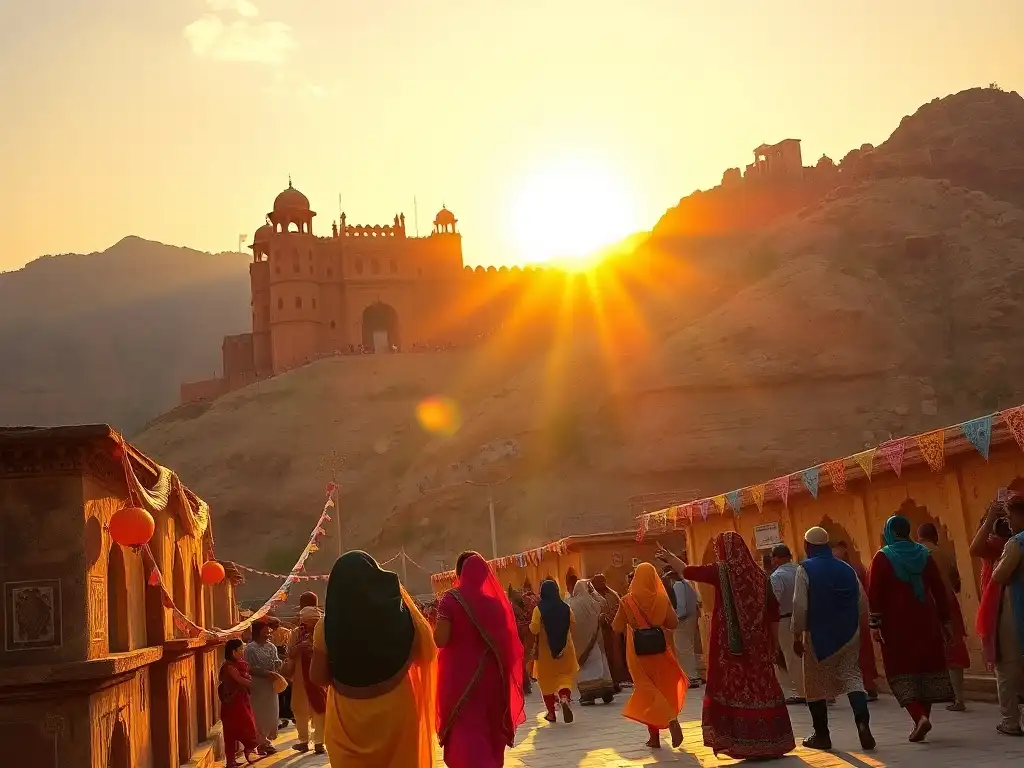
Rajasthan's forts are not merely relics of the past; they are vibrant hubs of culture and tradition, often coming alive during various festivals and events. These celebrations provide a unique glimpse into the rich heritage and the dynamic culture of the region.
One of the most notable festivals is the Desert Festival, held annually in Jaisalmer, which transforms the fort city into a lively arena of colors and sounds. Visitors are treated to captivating performances of traditional dance, music, and camel races, all against the stunning backdrop of the Jaisalmer Fort.
Another significant event is the Mewar Festival, celebrated in Udaipur, which marks the arrival of the monsoon. This festival showcases the cultural heritage of the Mewar region through processions, folk dances, and traditional music, culminating in a grand display of fireworks over the City Palace and Lake Pichola.
Moreover, many forts host heritage walks and cultural workshops that allow tourists to engage with local artisans, learn traditional crafts, and participate in culinary experiences, thus enriching their understanding of Rajasthan's rich cultural tapestry. These events not only enhance the visitor experience but also contribute to the preservation of local traditions and customs.
The Impact of Tourism on Rajasthan's Forts
Tourism has significantly influenced the historical forts of Rajasthan, acting as a double-edged sword. On one hand, the influx of tourists has led to the revitalization of these majestic structures, providing funds for restoration and maintenance. Many forts, like Amber Fort in Jaipur and Mehrangarh Fort in Jodhpur, have been meticulously preserved and are now UNESCO World Heritage Sites, thanks to tourism revenue.
However, this popularity comes with challenges. The sheer volume of visitors can lead to wear and tear on these ancient structures, raising concerns about their long-term preservation. Issues such as littering, vandalism, and overcrowding can detract from the experience and threaten the integrity of these historical sites.
Efforts are being made to mitigate these impacts through responsible tourism initiatives. Local governments and organizations are implementing measures to ensure sustainable tourism practices that not only protect the forts but also enhance the visitor experience. This balance is crucial for maintaining the heritage and beauty of Rajasthan's ancient forts while allowing future generations to enjoy their splendor.
Sustainable Tourism Practices in Ancient Heritage Tours
Sustainable tourism practices are essential for preserving the integrity of Rajasthan's ancient forts while promoting responsible travel. These practices focus on minimizing the environmental impact of tourism and ensuring that local communities benefit from the economic opportunities generated by visitors.
One effective strategy is the promotion of eco-friendly transportation, such as electric vehicles and bicycles, to reduce carbon emissions and minimize pollution in and around the forts. Additionally, many tour operators are now emphasizing guided heritage walks, allowing tourists to explore the forts at a leisurely pace while learning about their history and architecture.
Another vital aspect of sustainable tourism is the involvement of local communities. By engaging local artisans and craftsmen, tourism can provide them with a platform to showcase their skills and sell their products, thus contributing to the preservation of traditional crafts.
Moreover, educational programs and workshops focused on cultural heritage can foster a deeper understanding and appreciation of Rajasthan's history among tourists. These initiatives not only enhance the visitor experience but also encourage responsible behavior, ensuring that the beauty of the forts and the stories they tell continue to resonate for generations to come.
Embracing sustainable tourism practices is crucial for the future of Rajasthan's ancient forts, ensuring they remain a source of pride and wonder for both locals and visitors alike.
Conclusion: Embracing the Legacy of Rajasthan’s Ancient Forts
Rajasthan's ancient forts stand as monumental testaments to the rich history and vibrant culture of the region. Each fort, with its unique architectural style and strategic significance, narrates tales of valor, romance, and resilience. From the imposing walls of Amer Fort to the intricate designs of Mehrangarh, these structures not only served as military strongholds but also as centers of art, culture, and governance.
As we explore the legacy of these forts, we recognize their role as custodians of history, preserving the stories of the Rajput kings and their indomitable spirit. The fusion of functionality and aesthetics in their design reflects the ingenuity of ancient Indian architecture and the cultural amalgamation that occurred over centuries. Visiting these forts provides a glimpse into the past, allowing travelers to immerse themselves in the grandeur and historical significance that Rajasthan has to offer.
Moreover, the forts are not merely relics of a bygone era; they continue to shape the identity of Rajasthan today. They attract tourists from around the world, contributing to the local economy and fostering a sense of pride among the residents. By embracing the legacy of these ancient forts, we honor the craftsmanship and historical narratives that form the foundation of Rajasthan's cultural heritage.
Call to Action
If you're intrigued by the majestic forts of Rajasthan and wish to delve deeper into their captivating histories, why not embark on your own journey? Plan a visit to Rajasthan and experience the grandeur of these ancient sites firsthand. Whether you're an avid history buff, a culture enthusiast, or simply seeking an unforgettable travel experience, Rajasthan's forts offer a unique window into the past.
Start your adventure today! Explore guided tours, local heritage walks, and immersive experiences that will enrich your understanding of Rajasthan's ancient forts. Don't miss the chance to witness the splendor of these monumental structures and become a part of their enduring legacy. Book your trip now and step into a world where history comes alive!
- Introduction to Rajasthan's Ancient Forts
- The Historical Significance of Rajasthan's Forts
- Exploring Famous Forts of Rajasthan
- Traveling Through Rajasthan: Best Practices for Heritage Tours
- The Cultural Experience: Festivals and Events at Rajasthan's Forts
- The Impact of Tourism on Rajasthan's Forts
- Conclusion: Embracing the Legacy of Rajasthan’s Ancient Forts
- Call to Action
Frequently Asked Questions
What are the significance of Rajasthan's ancient forts in history?
Rajasthan's ancient forts serve as testaments to the region's rich heritage and strategic importance, showcasing the architectural brilliance and the cultural diversity of ancient Indian civilizations.
Which ancient fort is considered the most iconic in Rajasthan?
Amber Fort is often regarded as the most iconic fort in Rajasthan, known for its stunning blend of Hindu and Mughal architecture, as well as its historical significance during the reign of the Rajputs.
How many forts are there in Rajasthan?
Rajasthan is home to over 200 forts, each with its own unique history and architectural style, reflecting the varied cultural influences that shaped the region throughout different eras.
What role did the forts play in Rajasthan's defense?
The forts in Rajasthan were strategically built to protect the kingdoms from invaders, acting as military strongholds that also served as administrative and residential complexes for royal families.
Can visitors explore these ancient forts today?
Yes, many of Rajasthan's ancient forts are open to the public, offering visitors a chance to explore their rich history, admire intricate architecture, and experience the cultural heritage of the region firsthand.
Final Reflection: Embracing the Legacy of Rajasthan's Ancient Forts
The rich tapestry of Rajasthan's ancient forts is not just a glimpse into the past; it serves as a powerful reminder of the resilience and artistry of human civilization. As we navigate a rapidly changing world, the stories embedded within these majestic structures resonate more than ever, urging us to appreciate our heritage and the lessons it imparts. The forts stand as testaments to the ingenuity and strength of those who came before us, inviting us to reflect on our own place within this continuum of history.
The influence of Rajasthan's forts extends far beyond their physical presence; they shape our cultural identity and inspire a sense of pride in our shared history. Each fort tells a story of valor, artistry, and the intricate dance of power and peace that has defined the region for centuries. As we explore these ancient marvels, we are reminded of the words of historian William Dalrymple: History is not just a record of the past; it is a living, breathing entity that shapes our present and future.
This ongoing dialogue with history encourages us to honor our roots while forging a path forward.
As you reflect on the journey through Rajasthan's ancient forts, I invite you to consider how these lessons of resilience and creativity can be woven into your own life. Let the stories of these forts inspire you to embrace your heritage, seek knowledge, and contribute to the narrative of your community. In doing so, we not only preserve the splendor of the past but also create a vibrant future that honors the legacy of those who came before us.
Embark on Your Rajasthan Adventure Today!
Thank you for diving into the captivating world of Rajasthan’s forts! Your journey through this magnificent heritage not only enlightens but also inspires a deep appreciation for our cultural roots. Now, it's time to turn that inspiration into action.
Here are a few steps you can take to explore and celebrate Rajasthan's legacy:
- Plan your visit to one of Rajasthan’s iconic forts and immerse yourself in the rich history firsthand. Don’t forget to capture those breathtaking moments!
- Share your favorite fort stories with friends or on social media to ignite their interest in exploring this beautiful region.
- Consider joining a local history or travel group to connect with fellow enthusiasts who share your passion for heritage travel.
What aspect of Rajasthan's forts intrigues you the most — the architectural beauty, the fascinating historical narratives, or the stunning landscapes that surround them?