
Key Characters of the Ramayana: Lessons from Rama, Sita, and Hanuman


Welcome to Ancient India History, where we embark on a fascinating journey through the rich tapestry of ancient Indian civilizations. In our featured article, "Key Characters of the Ramayana: Lessons from Rama, Sita, and Hanuman," we delve into the timeless wisdom embedded within the epic's characters. Discover how these legendary figures not only shaped the narrative of the Ramayana but also impart valuable lessons that resonate through the ages. Are you ready to unlock the secrets of their strengths, virtues, and sacrifices? Let’s dive deeper into their extraordinary stories and uncover the insights they hold for us today!
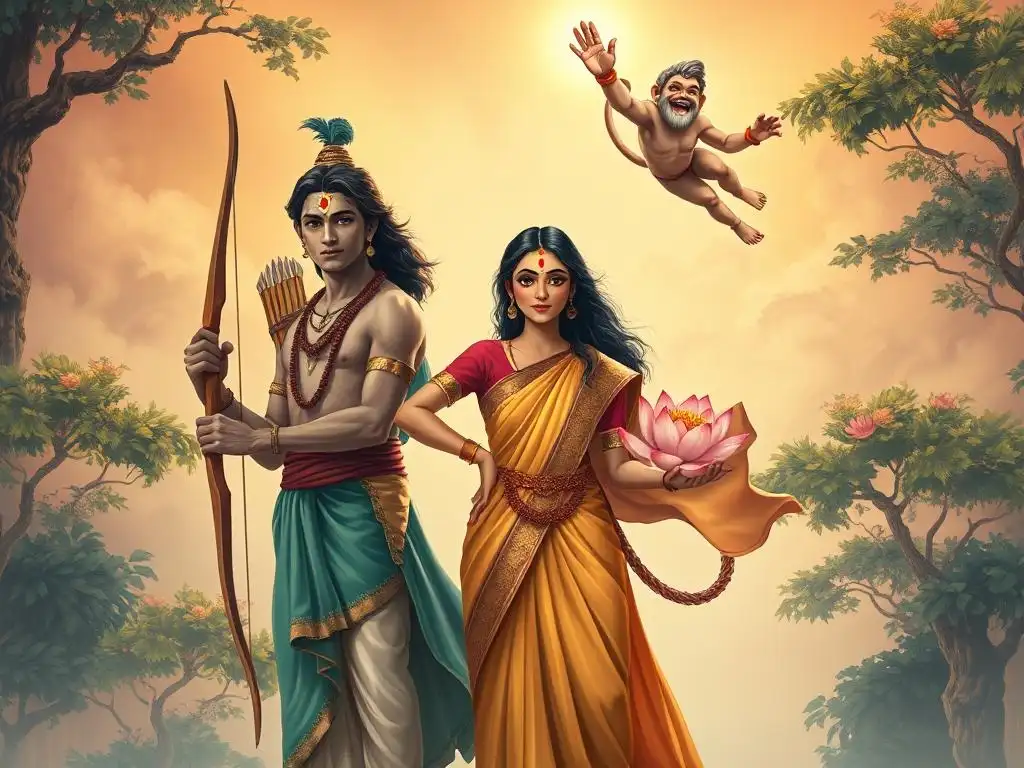
Introduction to the Ramayana
The Ramayana, one of the two great epics of ancient Indian literature, is not just a tale of adventure but a profound narrative that weaves together themes of duty, righteousness, and devotion. Composed by the sage Valmiki, this epic chronicles the life of Lord Rama, his devoted wife Sita, and his unwavering companion Hanuman.
Their stories are rich with moral lessons that resonate even in contemporary society, illustrating the timeless nature of their virtues. As we explore the lessons from Ramayana characters, we delve into how these figures embody ideals that have shaped Indian culture and philosophy through the ages.
Overview of the Ramayana's Significance in Epic Literature
The Ramayana holds a pivotal place in the canon of epic literature. It not only narrates the heroic exploits of its characters but also serves as a spiritual guide for millions. The epic's structure, filled with poetic verses and dramatic narratives, allows for deep engagement with its themes. The journey of Rama, from his exile to the ultimate battle against the demon king Ravana, illustrates the struggle between good and evil, making it a foundational text in the exploration of morality and ethics.
- Key Aspects of the Ramayana's Significance:
- Cultural Impact: The Ramayana has influenced art, dance, theater, and literature across South Asia and beyond.
- Philosophical Depth: It offers insights into the nature of duty (dharma), devotion (bhakti), and the importance of relationships.
- Religious Reverence: Revered not only in Hinduism, the Ramayana has also found a place in Buddhism and Jainism, showcasing its universal appeal.
Importance of Characters in Conveying Moral Lessons
The characters of the Ramayana are not mere figures in a narrative; they embody the values and principles that the epic seeks to communicate. Each character, from the noble Rama to the resilient Sita and the devoted Hanuman, represents different facets of human experience and moral dilemmas. Their interactions and choices serve as case studies for readers, offering guidance on how to navigate life's challenges.
- Character Roles in Moral Lessons:
- Rama as the ideal man, symbolizing righteousness and virtue.
- Sita portraying strength and fidelity in the face of adversity.
- Hanuman exemplifying devotion and selfless service.
Lessons from Rama
Rama, often regarded as the epitome of virtue and dharma, offers profound lessons that extend beyond the narrative of the Ramayana. His life embodies principles that are essential for personal development and societal harmony.
The Virtue of Dharma: Upholding Righteousness
At the core of Rama's character is the concept of dharma, or righteousness. His unwavering commitment to doing what is right, even in the face of personal loss and hardship, serves as a powerful reminder of the importance of moral integrity.
- Key Takeaways:
- Upholding righteousness often requires personal sacrifice.
- Dharma is not just about following rules; it's about understanding the ethical implications of one’s actions.
Sacrifice and Duty: Rama’s Role as a Son and King
Rama's life is a testament to the ideals of sacrifice and duty. His decision to accept exile to honor his father's word illustrates the depth of his commitment to familial duty. Moreover, as a ruler, he prioritized the welfare of his subjects, embodying the qualities of an ideal king.
- Key Takeaways:
- Personal desires must sometimes be set aside for the greater good.
- True leadership involves serving others and making sacrifices for their benefit.
Leadership Qualities: Lessons in Governance and Fairness
Rama's reign in Ayodhya is often referred to as the 'Rama Rajya', symbolizing an ideal state where justice prevails and the welfare of all is ensured. His attributes as a leader are reflected in his fairness, compassion, and ability to inspire loyalty.
- Key Takeaways:
- Effective governance is rooted in fairness and justice.
- Leaders should strive to embody the values they wish to see in their society.
As we continue to explore the lessons from the Ramayana characters, we will uncover the rich teachings that Sita and Hanuman impart, further enriching our understanding of this timeless epic.
Lessons from Sita
The Strength of Character: Sita's Resilience and Courage
Sita, the central female character of the Ramayana, embodies resilience and courage in the face of adversity. Despite being subjected to trials that would break the spirits of many, Sita remains steadfast in her values and beliefs. Her abduction by Ravana serves as a pivotal moment, highlighting her inner strength. Instead of succumbing to despair, she places her faith in Rama, demonstrating that true strength lies in maintaining one's integrity and composure even during the darkest times. This teaches us that resilience is not just about physical endurance but also about emotional fortitude and unwavering faith.
Fidelity and Devotion: Sita as a Model of Loyalty
Sita's loyalty to Rama is one of the most profound lessons in the Ramayana. Regardless of her circumstances, she never wavers in her commitment to her husband. Her decision to accompany Rama into exile, leaving behind a life of comfort, exemplifies her deep sense of duty and fidelity. Even during her captivity in Lanka, Sita remains devoted to Rama, refusing Ravana's advances and maintaining her honor. This unwavering loyalty serves as a model for relationships, emphasizing the importance of fidelity and trust in partnerships, which are foundational for any lasting relationship.
Feminine Strength: Lessons from Sita's Trials and Triumphs
Sita's journey is not just one of suffering, but also of empowerment. Throughout her trials, she showcases feminine strength, proving that women can be both nurturing and fierce. Her ability to survive and ultimately triumph over adversity highlights the duality of womanhood—capable of immense love and formidable strength. Additionally, Sita's role as a mother to Lava and Kusha emphasizes the importance of nurturing the next generation, instilling values of courage and righteousness in them. Thus, Sita’s experiences remind us that true strength often emerges from vulnerability and the capacity to nurture.
Lessons from Hanuman

Devotion and Selflessness: Hanuman's Unwavering Loyalty
Hanuman, the monkey god and devoted follower of Rama, epitomizes selflessness and unwavering loyalty. His actions throughout the Ramayana, particularly during the search for Sita, highlight the essence of devotion. Hanuman's willingness to risk his life to fulfill Rama's tasks demonstrates that dedication to a cause or a loved one transcends personal safety. This teaches us the importance of loyalty in relationships and the power of selfless service, encouraging us to prioritize the needs of others alongside our own.
The Power of Faith: Hanuman as a Symbol of Belief
Hanuman's character also serves as a potent symbol of faith and belief. His unwavering trust in Rama empowers him to achieve seemingly impossible feats, such as leaping across the ocean to reach Lanka. This illustrates that faith can be a driving force that enables individuals to overcome obstacles. Hanuman’s ability to harness his belief not only inspires those around him but also teaches us that faith can instill the courage needed to confront challenges, making the impossible possible.
Bravery and Intelligence: Lessons in Strategy and Courage
In addition to his devotion, Hanuman exemplifies bravery and intelligence. His strategic thinking during battles, such as when he cleverly infiltrates Ravana's palace, showcases that courage is not just about physical strength but also about using one's intellect. Hanuman's ability to combine bravery with wisdom serves as a reminder that successful outcomes often require a thoughtful approach. His character teaches us that true heroism involves not just daring acts but also the ability to think critically and act strategically in challenging situations.
Comparative Analysis of Lessons from Rama, Sita, and Hanuman
The characters of Rama, Sita, and Hanuman in the Ramayana embody distinct yet interwoven lessons that resonate across time and cultures. Each character plays a pivotal role in narrating the moral and ethical dilemmas faced in life, showcasing their responses to adversity and moral challenges.
Rama, as the protagonist, represents the ideal man and king, embodying dharma (righteousness) and virtue. His journey teaches the importance of duty, honor, and sacrifice. In contrast, Sita, his wife, exemplifies strength and resilience in the face of trials. Her unwavering loyalty and purity highlight the values of devotion and the strength found in adversity. Hanuman, the loyal devotee, symbolizes selfless service and devotion, showcasing the power of faith and determination.
When analyzing the lessons derived from these characters, it becomes evident that they collectively advocate for a balanced approach to life, emphasizing the importance of duty, loyalty, and the pursuit of righteousness.
Moral Values Reflected in Their Characters
The moral values exemplified by Rama, Sita, and Hanuman form the backbone of the teachings found in the Ramayana.
- Rama: His character epitomizes dharma, as he consistently makes choices that uphold righteousness, even at great personal cost. His exile from Ayodhya, acceptance of his fate, and dedication to restoring peace demonstrate the importance of adhering to one's principles.
- Sita: Sita’s commitment to her husband and her strength during captivity illustrate profound values such as loyalty, courage, and the sacredness of marriage. Her trials highlight the challenges women face and the importance of maintaining integrity and resilience.
- Hanuman: Hanuman’s unwavering devotion and courage reflect selflessness and sacrifice. His actions depict the significance of serving others and the impact of faith, showcasing how loyalty to a cause or person can lead to extraordinary achievements.
Together, these values encourage individuals to strive for moral excellence in their lives.
The Interconnectedness of Their Lessons in Life
The lessons derived from Rama, Sita, and Hanuman are not isolated; they are deeply interconnected, creating a comprehensive guide for navigating life’s challenges.
- Rama’s dharma is complemented by Sita’s loyalty, highlighting the necessity of mutual respect and commitment in relationships. Their partnership teaches the importance of standing by one another, especially in times of hardship.
- Hanuman’s devotion serves as a reminder that support and selfless service can empower others. His unwavering faith in Rama not only aids in their quest but also teaches that true strength comes from a place of loyalty and commitment to a higher purpose.
- Collectively, these characters illustrate that life’s challenges can be met with integrity, courage, and devotion. They encourage a holistic approach to personal and communal responsibilities, demonstrating that each lesson enhances the others, fostering a deeper understanding of human values.
Conclusion: Timeless Lessons from Ramayana Characters
The Ramayana, through its rich characters, provides timeless lessons that transcend cultural and temporal boundaries. The teachings of Rama, Sita, and Hanuman continue to inspire individuals to uphold virtues such as duty, loyalty, and selfless service.
Reflection on the Relevance of These Lessons in Modern Times
In contemporary society, the lessons from the Ramayana remain profoundly relevant. As individuals navigate complex relationships and ethical dilemmas, the principles of dharma, resilience, and devotion serve as guiding lights.
- Rama’s commitment to duty can inspire modern leaders to uphold integrity and responsibility in their roles, while Sita’s strength encourages individuals to face life’s adversities with grace and determination.
- Hanuman’s unwavering loyalty exemplifies the value of supporting others and the power of belief in achieving collective goals. In a world often filled with challenges, these lessons remind us of the importance of character and values in our daily lives.
Final Thoughts on the Impact of Ramayana on Indian Culture and Literature
The Ramayana’s impact on Indian culture and literature is immeasurable. Its narratives have shaped moral frameworks and cultural values for centuries, influencing art, dance, and theater.
- The characters of Rama, Sita, and Hanuman are not just figures of myth; they are cultural icons who embody the virtues that continue to guide personal conduct and societal norms.
- Furthermore, their stories have been retold in various forms, adapting to contemporary contexts while retaining their core lessons. The Ramayana, thus, serves not only as a literary masterpiece but also as a timeless moral compass, enlightening generations with its profound wisdom and teachings.
- Introduction to the Ramayana
- Lessons from Rama
- Lessons from Sita
- Lessons from Hanuman
- Comparative Analysis of Lessons from Rama, Sita, and Hanuman
- Conclusion: Timeless Lessons from Ramayana Characters
Frequently Asked Questions
What are the key characters in the Ramayana?
The key characters include Rama, Sita, and Hanuman. Each of these figures embodies virtues and qualities that offer valuable life lessons.
What lessons can we learn from Rama's character?
Rama represents dharma (righteousness) and integrity. His unwavering commitment to duty and honor teaches us the importance of upholding principles in the face of adversity.
How does Sita exemplify strength and resilience?
Sita showcases courage and dedication. Her ability to endure hardships while remaining faithful to Rama highlights the significance of inner strength and loyalty.
What are the key traits of Hanuman in the Ramayana?
Hanuman embodies devotion, selflessness, and bravery. His unwavering loyalty to Rama illustrates the value of service and the power of faith in overcoming challenges.
How can the lessons from Ramayana characters be applied today?
The lessons from the Ramayana characters encourage us to practice righteousness, foster loyalty, and demonstrate courage in our daily lives, providing a moral compass for contemporary issues.
Final Reflection: Embracing Timeless Lessons from the Ramayana Characters
In a world that often feels chaotic and disconnected, the lessons from Ramayana characters resonate with profound relevance today. The narratives of Rama, Sita, and Hanuman offer not just stories of heroism and devotion but also timeless principles that guide us through our modern challenges. These characters exemplify virtues such as righteousness, loyalty, and selflessness, reminding us that the essence of humanity transcends time and culture. Their teachings serve as a beacon of hope and inspiration, urging us to embody these values in our daily lives.
The impact of the Ramayana extends far beyond its ancient origins; it continues to shape our cultural and social landscapes. The stories of these characters have been woven into the fabric of our collective consciousness, influencing art, literature, and moral teachings across generations. As we navigate the complexities of contemporary life, the lessons imparted by these figures remain a source of strength and guidance. The Ramayana is not just a story; it is a way of life.
This enduring relevance invites us to reflect on how we can integrate these lessons into our own experiences, fostering a deeper connection to our values and to one another.
As we conclude this exploration of the Ramayana's key characters, I invite you to take a moment for personal reflection. Consider how the virtues exemplified by Rama, Sita, and Hanuman can inspire your own journey. What lessons resonate with you? How can you embody these teachings in your interactions and decisions? Let the wisdom of the Ramayana guide you toward a more compassionate and purposeful life, reminding you that the essence of these characters lives on in each of us, waiting to be awakened.
Embrace the Wisdom of the Ramayana Today!
Thank you for joining us on this journey through the key characters of the Ramayana! We hope you’ve found inspiration in the lessons from Rama, Sita, and Hanuman. Their stories offer powerful insights that can enrich our everyday lives. So, what can you do next to bring these lessons into your own experience?
- Start by practicing one virtue exemplified by your favorite character, whether it's Rama's courage, Sita's resilience, or Hanuman's devotion. Choose a specific situation this week to embody this quality.
- Share your insights with friends and family! Send them a link to this article or discuss the relevance of these teachings in a group setting.
- Explore further – delve into a related text or find a local class on Indian mythology and spirituality to deepen your understanding and connection to these timeless lessons.
Which quality from the Ramayana resonates most with you, and how do you plan to incorporate it into your life? We’d love to hear your thoughts!