
The Vedic Age: Historical Context and Its Significance


Welcome to Ancient India History, where we embark on a fascinating journey through the rich tapestry of ancient Indian civilizations. Today, we delve into the profound historical significance of the Vedic Age, a pivotal period that laid the foundations of Indian culture, philosophy, and epic literature. What secrets do the ancient texts hold? Join us as we unravel the intricate connections between the Vedic Age and the enduring legacy of its contributions to human thought and society. Prepare to be captivated by the stories that shaped a civilization!

The Vedic Age marks a pivotal period in the history of ancient India, characterized by profound cultural, spiritual, and social transformations. Spanning from approximately 1500 BCE to 500 BCE, this era laid the foundational framework for subsequent Indian civilization and remains a crucial focus for historians and scholars alike.
The significance of the Vedic Age is not only found in its contributions to philosophy, literature, and religion but also in shaping the socio-political landscape of ancient India. This exploration delves into the historical context of the Vedic Age, examining its origins, key influences, and enduring legacy that continues to resonate in contemporary Indian society.
Understanding the Vedic Age
Definition of the Vedic Age
The Vedic Age is defined by the formation and development of the Vedas, the oldest sacred texts of Hinduism. These texts encompass a wide array of hymns, rituals, and philosophical discourses that provide insights into the spiritual beliefs and practices of ancient Indian society. The Vedic literature is categorized into four primary collections: the Rigveda, Samaveda, Yajurveda, and Atharvaveda, each serving distinct religious and cultural functions.
Timeframe of the Vedic Period
The Vedic Period is generally divided into two main phases:
- Early Vedic Period (circa 1500-1000 BCE): Characterized by the composition of the Rigveda, this phase reflects a primarily pastoral and nomadic lifestyle, with a strong emphasis on rituals and oral tradition.
- Later Vedic Period (circa 1000-500 BCE): Marked by the emergence of more complex societal structures, urbanization, and the composition of the other Vedic texts. This phase sees the transition towards settled agriculture and the establishment of varied social classes.
Geographic Scope of the Vedic Civilization
The Vedic civilization predominantly flourished in the northwestern regions of the Indian subcontinent, particularly in the fertile plains of the Punjab and the Gangetic basin. The geographical expanse included:
- The Indus River Valley, where early settlements thrived.
- The Ganges River region, which became a crucial area for Vedic expansion and cultural development.
Historical Context of the Vedic Age
Pre-Vedic Civilizations: The Indus Valley
Prior to the Vedic Age, the Indus Valley Civilization (circa 3300-1300 BCE) showcased advanced urban planning, trade networks, and agricultural practices. However, the decline of this civilization around 1900 BCE set the stage for the emergence of the Vedic culture, as migrants and new settlers began to inhabit the region.
Transition from the Indus Valley to Vedic Culture
The transition from the Indus Valley Civilization to the Vedic culture was marked by significant changes in lifestyle, societal organization, and religious practices. While many aspects of the earlier civilization were absorbed into the Vedic culture, including agricultural techniques and deities, the latter introduced new elements such as:
- A focus on ritualistic sacrifices and hymns.
- The concept of dharma, or duty, which became central to subsequent Indian philosophy.
The Aryan Migration Theory and Its Implications
The Aryan Migration Theory posits that the Indo-Aryans migrated into the Indian subcontinent from Central Asia around the time of the Vedic Age. This migration had profound implications, including:
- The introduction of Sanskrit, which became the liturgical language of Hinduism.
- The establishment of the caste system, which organized society into distinct social classes based on occupation and duty.
Through the exploration of these fundamental aspects, the Vedic Age emerges as a significant epoch that not only shaped the religious and philosophical foundations of ancient India but also influenced the broader trajectory of its cultural evolution.
Key Texts of the Vedic Age
The Vedic Age, spanning from approximately 1500 to 500 BCE, is characterized by the composition of several foundational texts known collectively as the Vedas. These texts are revered as authoritative scriptures in Hinduism and provide insight into the beliefs, rituals, and social structures of ancient Indian civilization.
Overview of the Vedas: Rigveda, Samaveda, Yajurveda, Atharvaveda
The Vedas consist of four main texts, each with its unique focus and significance:
- Rigveda: This is the oldest of the Vedas, composed largely in poetic form. It contains hymns dedicated to various deities, reflecting the spiritual and ritualistic practices of early Vedic society. The Rigveda comprises 10 books (Mandalas) and over 1,000 hymns, making it a crucial resource for understanding the religious and cultural nuances of the time.
- Samaveda: Often referred to as the "Veda of Melodies," the Samaveda is primarily a liturgical text. It consists of chants and songs derived from the Rigveda, designed for use during rituals and sacrifices. The musical aspect of the Samaveda emphasizes the importance of sound and rhythm in Vedic rituals.
- Yajurveda: This Veda serves as a guide for the performance of rituals and sacrifices. It is divided into two main parts: the Shukla Yajurveda, which focuses on mantras and hymns, and the Krishna Yajurveda, which includes prose explanations of rituals. The Yajurveda encapsulates the practical aspects of Vedic ceremonies, providing detailed instructions for priests.
- Atharvaveda: Distinct from the other three Vedas, the Atharvaveda includes hymns, spells, and incantations that address everyday life issues, such as health, prosperity, and protection from evil. It reflects a more personal and domestic aspect of Vedic spirituality, offering insights into the beliefs and practices concerning magic and healing.
Importance of Vedic Literature in Ancient India
The Vedic literature laid the foundation for many aspects of Indian culture and philosophy. Its significance can be seen in various dimensions:
- Religious Foundations: The Vedas serve as the earliest record of Hindu beliefs and practices, establishing core concepts such as Dharma (duty), Karma (action), and Moksha (liberation). They shaped the spiritual landscape of ancient India and continue to influence modern Hindu thought.
- Cultural Heritage: The Vedas provide a rich tapestry of ancient Indian culture, including rituals, festivals, and social norms. They document the evolution of language and literature, showcasing the sophistication of early Indian society.
- Philosophical Inquiry: The philosophical ideas presented in the Vedas, particularly in the Upanishads (which form part of the Vedic corpus), initiated a tradition of inquiry into the nature of existence, consciousness, and the universe. This inquiry laid the groundwork for various schools of Indian philosophy.
Role of the Upanishads in Vedic Philosophy
The Upanishads, often referred to as the "end of the Vedas," are philosophical texts that explore the deeper meanings behind Vedic rituals and hymns. They play a crucial role in shaping the spiritual and philosophical landscape of ancient India:
- Metaphysical Exploration: The Upanishads delve into concepts such as Brahman (the ultimate reality) and Atman (the individual soul), examining the relationship between the two. This inquiry reflects a profound shift from ritualistic practices to philosophical contemplation.
- Spiritual Practices: The texts emphasize meditation, self-realization, and ethical living as paths to attaining Moksha. They encourage individuals to seek knowledge and understanding beyond mere ritual performance.
- Influence on Later Texts: The philosophical ideas of the Upanishads significantly influenced later works, including the Bhagavad Gita and various schools of Indian philosophy, solidifying their importance in the broader context of Indian spirituality.
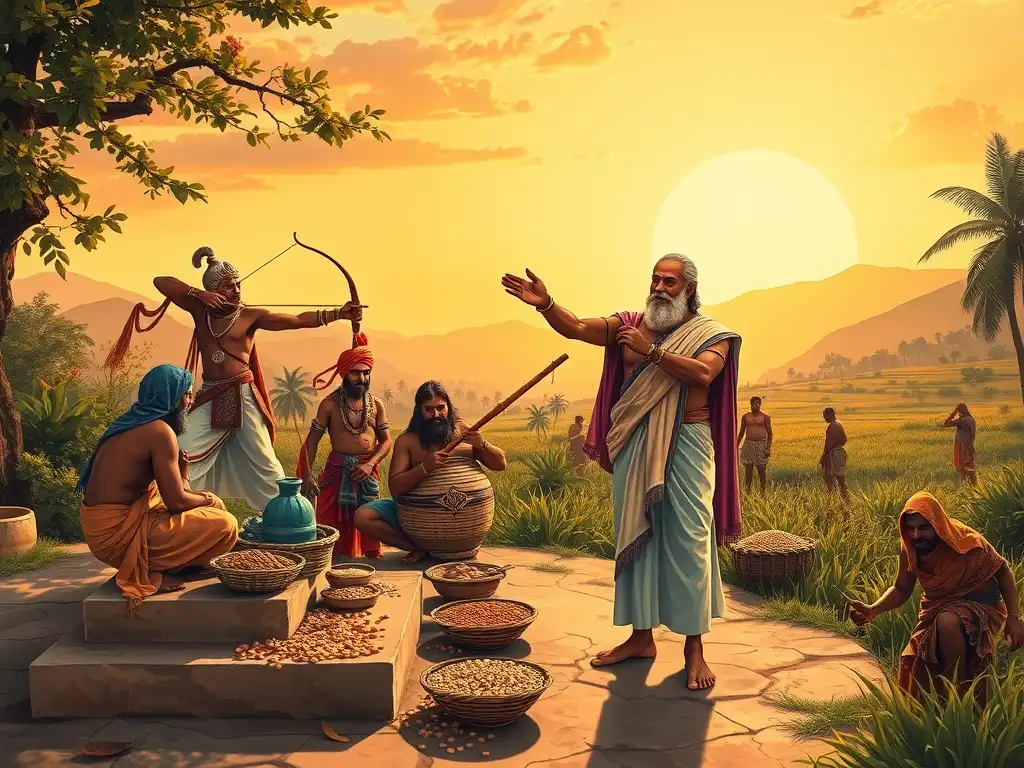
The social structure of the Vedic Age was complex, characterized by a hierarchical organization known as the Varna system. This structure not only influenced social dynamics but also shaped the cultural fabric of ancient India.
Varna System and Its Social Implications
The Varna system categorizes society into four primary groups, each with distinct roles and responsibilities:
- Brahmins: The priestly class responsible for performing rituals and preserving sacred knowledge.
- Kshatriyas: The warrior and ruling class tasked with protecting and governing society.
- Vaishyas: The merchant and agricultural class responsible for trade, agriculture, and economic activities.
- Shudras: The laboring class, serving the needs of the other three Varnas.
The Varna system was initially based on occupational roles, but over time, it became more rigid and hereditary, leading to social stratification. This stratification had significant implications for social mobility and interactions between different groups.
Role of Women in Vedic Society
Women held a relatively respected position in early Vedic society, which is evident from various texts and practices:
- Education and Participation: Women were educated and involved in religious ceremonies, with several hymns in the Rigveda attributed to female sages, known as Rishikas. This indicates that women had the opportunity to contribute to spiritual and intellectual discourse.
- Marriage and Family: The institution of marriage was significant, and women were often seen as equal partners in familial and social settings. Their roles included managing households and participating in rituals, although their primary focus was still on family responsibilities.
- Decline of Status: Over time, particularly in the later Vedic period, the status of women began to decline, leading to more restrictive norms regarding their roles and rights within society.
Vedic Economy: Agriculture, Trade, and Livestock
The economy during the Vedic Age was predominantly agrarian, with significant developments in trade and livestock management:
- Agriculture: The fertile land along the Indus and Ganges rivers facilitated agricultural practices, which became the backbone of the Vedic economy. Crops such as barley, wheat, and rice were cultivated, reflecting an advanced understanding of agriculture.
- Trade: The Vedic society engaged in both local and long-distance trade, exchanging goods such as textiles, pottery, and agricultural products. Trade routes connected various regions, fostering economic interdependence and cultural exchange.
- Livestock Management: Cattle were highly valued in Vedic society, serving as a measure of wealth and status. The economy relied heavily on livestock for agricultural work, trade, and as a source of food, underscoring their significance in daily life.
The combination of these economic activities contributed to the prosperity and stability of Vedic society, allowing for the flourishing of culture and philosophy during this era.
Religious Practices and Beliefs in the Vedic Age
The Vedic Age, spanning approximately from 1500 to 500 BCE, was marked by profound religious and spiritual developments that laid the foundation for many aspects of Hinduism. The beliefs and practices of this era were encapsulated in the Vedas, a collection of ancient texts that not only served as religious scriptures but also as cultural and philosophical guides for society. This period is characterized by a complex tapestry of rituals, deities, and evolving spiritual thought that significantly influenced later Indian religions.
Vedic Rituals and Sacrifices
Central to Vedic religious practice were rituals and sacrifices, known as "yajnas," which were performed to appease deities and ensure cosmic order (Rta). These rituals often involved elaborate offerings, including grains, ghee, and soma, a sacred drink believed to bestow immortality. The performance of yajnas was typically conducted by priests (Brahmans), who were considered the intermediaries between humans and the divine.
The significance of these rituals extended beyond mere worship; they were vital for maintaining societal harmony and agricultural prosperity. Rituals were often communal affairs, reinforcing social bonds among participants. The meticulous nature of these practices showcased the Vedic belief in precision and the importance of following prescribed methods to achieve desired outcomes.
Deities of the Vedic Pantheon
The Vedic pantheon is rich and diverse, featuring numerous deities that personified natural forces and cosmic principles. Key deities included Indra, the king of gods and god of thunder; Agni, the fire god; and Varuna, the protector of cosmic order. Each deity held specific attributes and responsibilities, reflecting the Vedic understanding of the universe as interconnected and governed by divine forces.
The worship of these deities was deeply intertwined with daily life, influencing not only religious practices but also art, literature, and social norms. Over time, the significance of certain deities evolved, leading to the emergence of more complex theological concepts and the eventual rise of major Hindu deities.
Influence of Vedic Religion on Later Indian Spirituality
The Vedic religion laid the groundwork for many philosophical and spiritual traditions that followed. Concepts such as karma, dharma, and moksha, which emerged during the Vedic Age, became pivotal in later Indian spiritual thought. The emphasis on ritual purity and the importance of sacred sound, particularly in the recitation of mantras, influenced subsequent religious practices across various Indian traditions.
Moreover, the ascetic movements and philosophical inquiries that arose in the post-Vedic period, including Jainism and Buddhism, were partly reactions to the ritualistic nature of Vedic religion. However, they also retained core Vedic concepts, showcasing the enduring legacy of the Vedic Age in shaping Indian spirituality.
Political Organization and Governance
The political landscape of the Vedic Age was characterized by a decentralized structure, primarily organized into tribes and clans. Governance was largely based on kinship ties, with power often held by chieftains or kings who were expected to protect their people and uphold dharma.
Tribal Confederacies in Vedic Society
Vedic society was organized into various tribes known as "janapadas," which were further divided into smaller units called "gramas" or villages. These tribal confederacies were often formed for mutual protection and cooperation, particularly in times of conflict or agricultural need. Each tribe had its own customs, laws, and social hierarchies, but common Vedic traditions and rituals helped maintain a unified cultural identity.
The flexibility of tribal organization allowed for adaptability in governance, as leaders could be chosen based on merit and capability rather than hereditary rights. This system promoted a participatory approach to leadership, where the authority of a chieftain was often contingent upon their ability to provide for and lead their people effectively.
Role of Kingship and Political Authority
Kingship in the Vedic Age was perceived as a divine institution, with the king (Raja) considered a protector of the realm and a mediator between the gods and the people. The king's role encompassed both military leadership and spiritual responsibilities, as he was expected to conduct rituals and sacrifices to ensure prosperity and maintain cosmic order.
The authority of the king was legitimized through a combination of divine right and popular consent. While kings wielded significant power, they were also accountable to their subjects, reflecting a balance between authority and responsibility that characterized Vedic governance.
Impact of Vedic Governance on Subsequent Indian States
The political structures and philosophies that emerged during the Vedic Age laid the groundwork for the subsequent development of Indian states. The concepts of kingship, governance, and social organization influenced later dynasties, including the Maurya and Gupta empires. The emphasis on dharma and the responsibilities of rulers established a moral framework for governance that persisted throughout Indian history.
Additionally, the tribal confederacies and decentralized governance of the Vedic Age contributed to the formation of larger political entities in later periods, as tribes united under powerful leaders to establish kingdoms. The interplay between tribalism, kingship, and governance during the Vedic Age thus played a crucial role in shaping the political landscape of ancient India.
The Vedic Age's Contribution to Indian Civilization
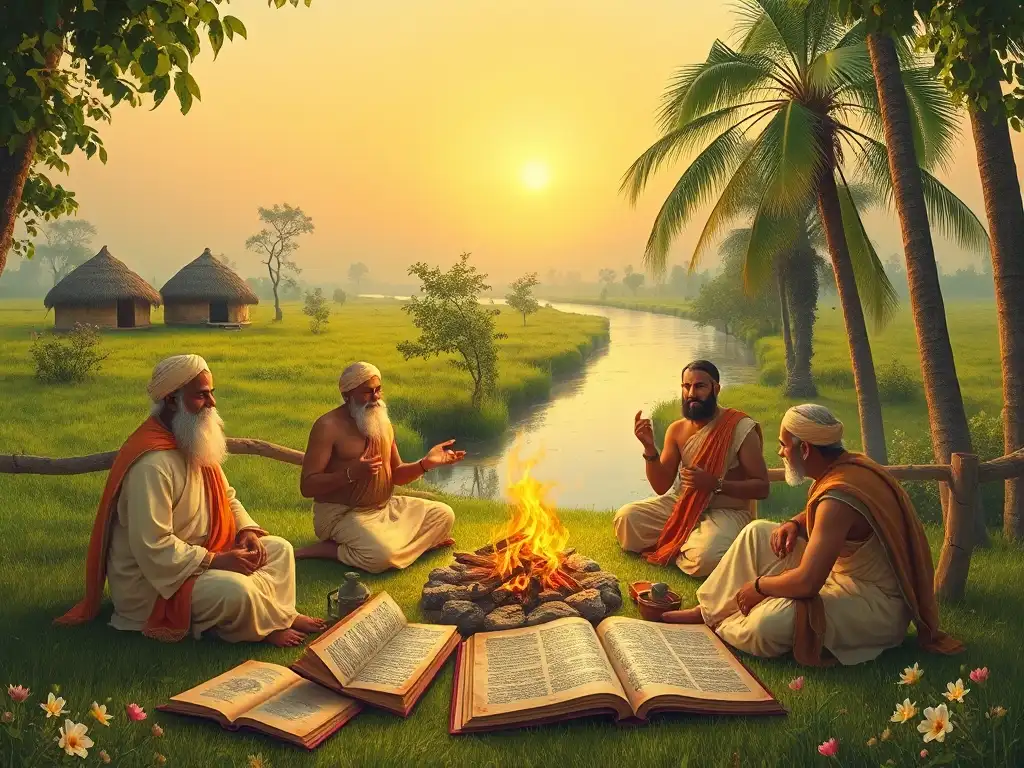
The Vedic Age, spanning from approximately 1500 BCE to 500 BCE, marked a transformative period in early Indian civilization. This era is characterized by the composition of the Vedas, a collection of ancient scriptures that laid the foundation for Hindu philosophy, rituals, and social structure. The contributions of the Vedic Age to Indian civilization are profound, influencing various aspects of life, from governance and societal norms to spirituality and arts.
The Vedic texts introduced concepts of dharma (duty), karma (action and consequence), and moksha (liberation), which continue to resonate in contemporary Indian thought. These foundational ideas not only shaped religious practices but also provided a moral framework for societal interactions. Furthermore, the organization of society into the varna system, which categorized individuals based on their occupational roles, can be traced back to this period, impacting social dynamics for centuries to follow.
Influence on Indian Philosophy and Thought
The philosophical underpinnings established during the Vedic Age are critical in understanding the evolution of Indian thought. The Vedic texts, particularly the Upanishads, explored complex metaphysical concepts such as the nature of the self (Atman) and the ultimate reality (Brahman). This inquiry into existence laid the groundwork for later philosophical schools, such as Vedanta and Samkhya.
Moreover, the Vedic sages emphasized the importance of meditation, ethics, and the pursuit of knowledge, fostering a tradition of intellectual inquiry that remains central to Indian philosophy. The emphasis on experiential knowledge and the quest for truth encouraged a holistic approach to understanding life and existence, influencing both religious and philosophical discourses in subsequent eras.
Vedic Age and the Development of Language and Literature
The Vedic Age was instrumental in the evolution of languages and literary traditions in ancient India. The language of the Vedas, Vedic Sanskrit, not only served as a medium for religious texts but also played a pivotal role in the development of classical Sanskrit, which became the literary language of Indian culture.
This period witnessed the emergence of various forms of literature, including hymns, rituals, and philosophical discourses. The poetic structure of the Vedic hymns influenced later literary compositions, contributing to the richness of Indian epic literature. The oral tradition of reciting Vedic texts ensured the preservation and transmission of knowledge, fostering a vibrant literary culture that paved the way for future literary masterpieces.
Lasting Legacy of the Vedic Age in Modern India
The legacy of the Vedic Age is evident in many aspects of modern Indian society. The philosophical concepts introduced in Vedic texts continue to influence contemporary spirituality and ethical frameworks. Festivals, rituals, and cultural practices rooted in Vedic traditions remain integral to Indian life today.
Additionally, the emphasis on knowledge and education established during the Vedic Age laid the foundation for India's rich educational heritage. Institutions like the ancient universities of Takshashila and Nalanda can trace their roots back to the intellectual climate fostered by the Vedic scholars, highlighting the enduring impact of this era on India's educational landscape.
The Vedic Age Historical Significance
The historical significance of the Vedic Age extends beyond its immediate contributions to Indian civilization; it played a crucial role in shaping the trajectory of South Asian history. This era is often viewed as a formative phase that influenced subsequent cultural, political, and religious developments in the region.
Contributions to Culture and Society
The Vedic Age made substantial contributions to the cultural and social fabric of ancient India. The rituals and ceremonies codified in the Vedic texts established a framework for religious practices that persist in various forms today. The social structure, influenced by Vedic principles, set the groundwork for the varna system, which defined societal roles and responsibilities.
Culturally, the Vedic Age fostered a rich tapestry of music, art, and architecture, with the construction of fire altars and the performance of elaborate rituals showcasing the artistry of the time. This cultural heritage continues to be celebrated in modern Indian festivals and rituals, underscoring the Vedic Age's lasting impact on Indian culture.
Vedic Influence on Subsequent Historical Periods
The influence of the Vedic Age can be traced through various historical periods in India, including the Maurya and Gupta Empires. The philosophical ideas and social structures established during the Vedic period were integral to the development of Hinduism as a major world religion, shaping its practices and beliefs.
Moreover, the integration of Vedic concepts into later texts, such as the Mahabharata and Ramayana, illustrates how the Vedic tradition continued to inform Indian epic literature and moral philosophy. This continuity highlights the Vedic Age's role as a cornerstone of Indian history, influencing subsequent political and cultural developments.
Recognition of the Vedic Age in World History
In the context of world history, the Vedic Age is recognized as a significant period that contributed to the intellectual and spiritual heritage of humanity. The philosophical inquiries and spiritual practices originating from this era have attracted attention from scholars and spiritual seekers worldwide.
The Vedic texts not only influenced Indian civilization but also impacted various philosophical movements globally, contributing to dialogues on spirituality, ethics, and human existence. This recognition underscores the importance of the Vedic Age as a critical chapter in the history of human thought, bridging ancient wisdom with contemporary inquiries into life's fundamental questions.
Conclusion
The Vedic Age stands as a pivotal era in ancient Indian history, marked by profound developments that shaped the cultural, religious, and social fabric of the subcontinent. This period, which spanned from approximately 1500 BCE to 500 BCE, laid the foundational principles for various aspects of Indian civilization, including philosophy, governance, and social organization. Understanding the Vedic Age is essential not only for comprehending the evolution of Hinduism but also for recognizing the influence it has wielded over subsequent cultural practices and societal structures in India.
Recap of the Vedic Age's Historical Significance
The significance of the Vedic Age can be encapsulated in several key contributions:
- Scriptural Foundations: The Vedas, the oldest sacred texts of Hinduism, were composed during this period. They encompass a wide range of knowledge, including hymns, rituals, and philosophical inquiries, which continue to be revered and studied today.
- Cultural Practices: Rituals and ceremonies that originated in the Vedic period still resonate in contemporary Hindu practices. The emphasis on rituals and sacrifices highlights a connection to spirituality that persists through generations.
- Social Structure: The emergence of the varna system, which categorized society into different classes, influenced social dynamics and governance in ancient India and has left a lasting legacy on the social stratification observed in later periods.
- Philosophical Inquiry: The Vedic texts not only address religious practices but also delve into profound philosophical questions about existence, ethics, and the nature of the universe, laying the groundwork for later philosophical schools in India.
These elements illustrate how the Vedic Age served as a cornerstone for the development of Indian civilization, providing a framework that would influence various aspects of life for centuries to come.
Reflection on the Enduring Legacy of the Vedic Period
The legacy of the Vedic period extends far beyond its temporal boundaries, profoundly impacting the evolution of Indian culture and thought. The Vedic texts are not merely historical documents; they are living scriptures that continue to guide millions.
- Influence on Later Texts: The philosophies and concepts introduced during the Vedic Age are echoed in later texts such as the Upanishads and the epics like the Mahabharata and Ramayana, showcasing the continuity of thought and tradition in Indian literature.
- Cultural Resilience: Despite the numerous invasions and changes India has undergone, the core values and practices that originated in the Vedic Age have shown remarkable resilience, adapting to new contexts while maintaining their essence.
- Global Impact: The philosophical inquiries and spiritual practices that emerged from the Vedic tradition have transcended Indian borders, influencing global philosophical discourse and attracting interest from scholars and spiritual seekers worldwide.
The enduring legacy of the Vedic Age is a testament to its historical significance, illustrating how this ancient period has shaped not only Indian civilization but also contributed to the broader tapestry of human culture and spirituality. The teachings and practices originating from the Vedic Age continue to inspire and inform contemporary thought, ensuring that this era remains a vital part of India's cultural identity.
- Understanding the Vedic Age
- Historical Context of the Vedic Age
- Key Texts of the Vedic Age
- Social Structure During the Vedic Age
- Religious Practices and Beliefs in the Vedic Age
- Political Organization and Governance
- The Vedic Age's Contribution to Indian Civilization
- The Vedic Age Historical Significance
- Conclusion
Frequently Asked Questions
What is the Vedic Age?
The Vedic Age refers to the period in ancient Indian history from approximately 1500 BCE to 500 BCE, characterized by the composition of the Vedas, the oldest sacred texts of Hinduism.
Why is the Vedic Age historically significant?
The historical significance of the Vedic Age lies in its profound influence on later Indian culture, religion, and social structure, laying the foundations for Hindu philosophy and practices.
What are the key texts from the Vedic Age?
The key texts include the Rigveda, Samaveda, Yajurveda, and Atharvaveda, which contain hymns, rituals, and philosophical discussions that reflect the spiritual and social practices of the time.
How did the Vedic Age contribute to Indian society?
The Vedic Age established the caste system, shaped political organizations, and introduced various religious practices that have persisted through centuries, influencing modern Indian society.
What major developments occurred during the Vedic Age?
Major developments included advancements in agriculture, the establishment of settlements, and the rise of early urban centers, marking a transition from nomadic to settled life in ancient India.
Final Reflection: The Enduring Legacy of the Vedic Age
The Vedic Age holds profound historical significance that resonates strongly in today's world, shaping not only the cultural and spiritual landscape of India but also influencing global philosophical thought. As we navigate through modern complexities, the insights and teachings from this ancient period remind us of the foundational values that continue to guide humanity. The Vedic texts, with their emphasis on knowledge, ethics, and harmony, serve as a beacon of wisdom in an era often overshadowed by chaos and division.
The impact of the Vedic Age is evident in the cultural and social frameworks that persist today. Its teachings on dharma, or duty, and the interconnectedness of all beings underscore the importance of community and responsibility. As we witness a resurgence of interest in holistic living and spiritual practices, we can trace these currents back to the Vedic traditions. The Vedas are the foundation of Indian culture, a treasure trove of knowledge that transcends time.
This quote encapsulates the essence of how the Vedic Age continues to inspire and inform contemporary thought, urging us to reflect on our own values and actions.
As we conclude our exploration of the Vedic Age, I invite you to reflect on how the lessons of this ancient era can be woven into your own life. Consider the principles of harmony, respect for nature, and the pursuit of knowledge as guiding lights in your personal journey.
Let the wisdom of the Vedic texts inspire you to cultivate a deeper understanding of yourself and your place in the world, fostering a sense of unity and purpose that transcends time and culture. Embrace the teachings of the past as you forge your path into the future, and remember that the significance of the Vedic Age is not just a historical footnote, but a living legacy that continues to shape our lives today.
Unveil the Richness of the Vedic Age!
Thank you for diving into the fascinating world of the Vedic Age! You’ve uncovered the historical context and significance of a transformative period in Ancient India. Now, it's time to take what you've learned and put it into action!
Here’s how you can explore this incredible era further:
- Dive deeper into Vedic texts: Explore translations of the Vedas and Upanishads to immerse yourself in the profound wisdom and philosophies of this ancient civilization.
- Join a local or online discussion group: Connect with fellow history enthusiasts to share insights and perspectives on the Vedic Age.
- Create a visual timeline: Document the key events and influential figures of the Vedic period to enhance your understanding and retention of this rich history.
What aspect of the Vedic Age inspires you the most, and how do you plan to explore it further?