
The Intersection of Religion and Culture in Ancient Indian Festivals

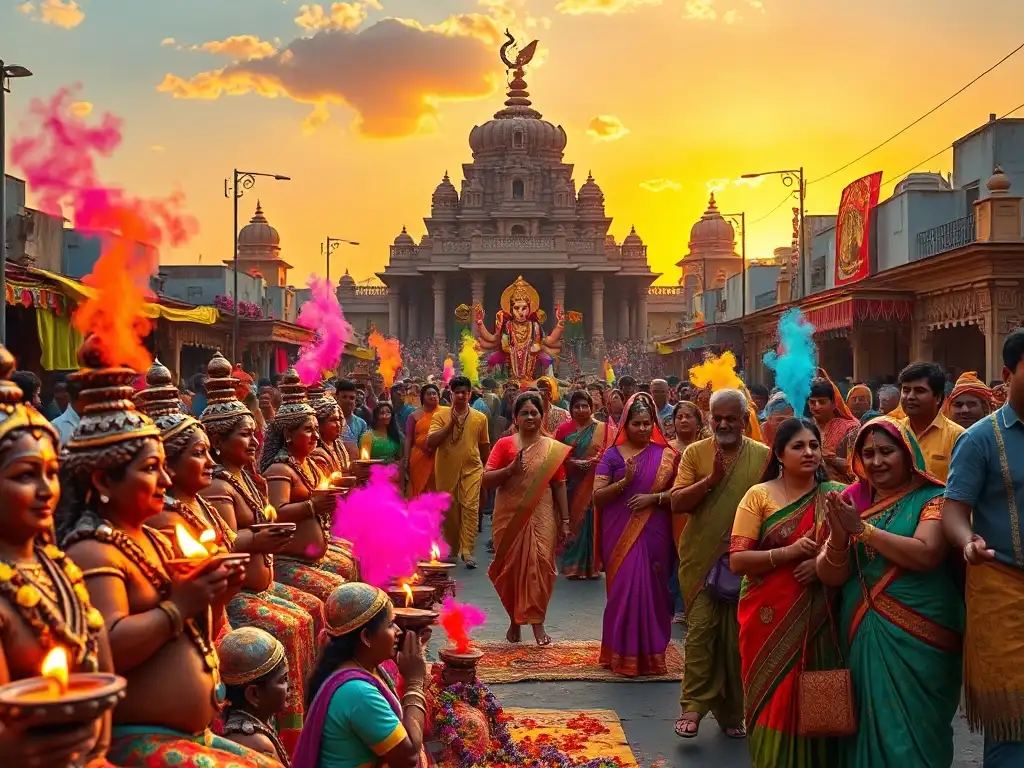
Welcome to Ancient India History, where we embark on a captivating journey through the rich tapestry of India's past! In this exploration, we delve into the vibrant intersection of religion and culture in ancient Indian festivals, unveiling how these celebrations shaped the lives and beliefs of civilizations from the Indus Valley to the Gupta Empire.
Discover the significance of these festivals and their role in uniting communities, as we invite you to uncover the layers of tradition and spirituality that continue to influence modern India. Get ready to immerse yourself in a world where every festival tells a story—your adventure begins now!
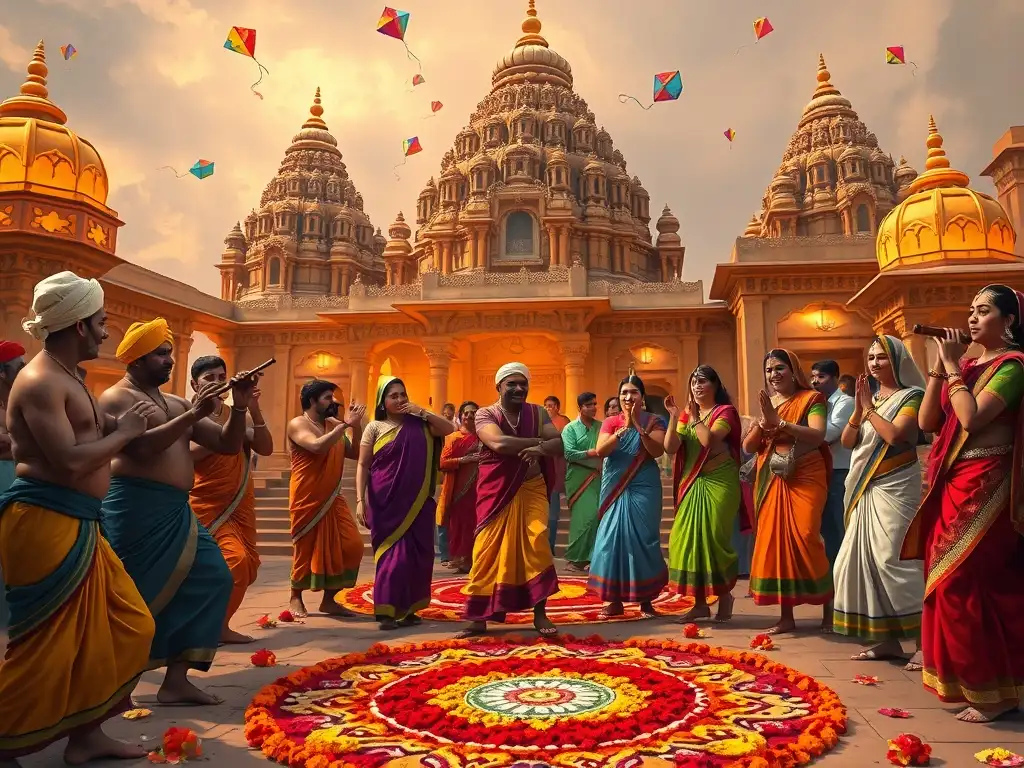
Ancient Indian festivals serve as a vibrant tapestry woven from the intricate threads of religion and culture. These celebrations, rich in symbolism and tradition, reflect the diverse spiritual beliefs and cultural practices that have evolved over millennia in the Indian subcontinent.
From the early rituals of the Indus Valley Civilization to the sophisticated observances during the Gupta Empire, festivals have played a crucial role in uniting communities and preserving cultural heritage. In this exploration, we delve into the interconnection between ancient Indian festivals and religion, examining how these celebrations not only commemorate spiritual beliefs but also reinforce social bonds and cultural identity.
Understanding Ancient Indian Festivals and Religion
Definition of Ancient Indian Festivals
Ancient Indian festivals can be defined as periodic celebrations that commemorate significant events, religious rituals, or seasonal changes. These festivals often involve a blend of rituals, music, dance, and communal feasting, showcasing the cultural richness of different regions. They serve as a platform for expressing devotion, gratitude, and community spirit, allowing individuals to reconnect with their heritage and traditions.
Overview of Religion in Ancient India
Religion in ancient India was characterized by a multitude of beliefs and practices, including Hinduism, Buddhism, Jainism, and various folk traditions. Each religious system contributed to the festival landscape, influencing the themes and rituals associated with celebrations. The reverence for deities, ancestral spirits, and nature played a vital role in shaping the spiritual dimensions of these festivals, creating a profound connection between the divine and the everyday lives of the people.
Importance of Festivals in Cultural Practices
Festivals hold immense importance in cultural practices throughout ancient India. They serve as a means of:
- Cultural Expression: Festivals allow communities to showcase their unique traditions, art forms, and cuisines.
- Social Cohesion: By bringing people together, festivals foster a sense of belonging and unity, strengthening social ties.
- Transmission of Values: Through storytelling and rituals, festivals impart moral and ethical values to younger generations, ensuring the continuity of cultural practices.
Historical Context of Festivals in Ancient India
Festivals during the Indus Valley Civilization
The Indus Valley Civilization (c. 3300–1300 BCE) exhibited signs of ritualistic practices, suggesting early forms of festivals. Archaeological evidence, such as seals and terracotta figurines, indicates the worship of fertility deities and nature spirits. While specific festivals remain undocumented, the communal nature of these rituals likely laid the groundwork for future celebratory practices.
Religious Influences in Vedic Period Festivals
The Vedic period (c. 1500–500 BCE) brought significant religious developments, with rituals centered around the worship of natural elements and deities represented in the Vedas. Festivals during this time were deeply intertwined with agricultural cycles and seasonal changes, celebrating harvests and invoking blessings for prosperity. Notable festivals included Navaratri and Makar Sankranti, which continue to be observed today, reflecting the enduring legacy of Vedic traditions.
Festivals in the Maurya and Gupta Empires
The Maurya (c. 322–185 BCE) and Gupta (c. 320–550 CE) Empires marked a flourishing of artistic and cultural expressions, with festivals becoming more elaborate. The integration of Buddhist and Hindu practices led to a rich tapestry of celebrations, such as Buddha Purnima and Diwali. These festivals not only reflected religious devotion but also served as opportunities for trade, cultural exchange, and the showcasing of artistic achievements within society.
The exploration of the intersection of religion and culture in ancient Indian festivals reveals a complex interplay that has shaped the social fabric of the subcontinent. Understanding this dynamic provides valuable insights into how these celebrations have evolved while retaining their significance in contemporary society.
Major Ancient Indian Festivals and Their Religious Significance
Ancient Indian festivals are deeply intertwined with the rich tapestry of the subcontinent's diverse religious beliefs and cultural practices. Each festival serves not only as a celebration but also as a reflection of the spiritual values and historical narratives that shape the identity of various communities. The significance of these festivals often lies in their ability to bring people together, fostering a sense of belonging and continuity in an evolving cultural landscape.
Diwali: The Festival of Lights
Diwali, celebrated across India and beyond, is one of the most prominent ancient Indian festivals, symbolizing the victory of light over darkness and good over evil. Rooted in Hindu mythology, Diwali commemorates Lord Rama's return to Ayodhya after defeating the demon king Ravana. The festival is marked by the lighting of oil lamps (diyas), which represent the inner light that protects from spiritual darkness.
In addition to its Hindu significance, Diwali holds importance in Jainism, marking the liberation of Lord Mahavira's soul, and in Sikhism, celebrating the release of Guru Hargobind Ji from imprisonment. The festival promotes community bonding through shared rituals, such as exchanging sweets and participating in elaborate feasts, underscoring the intersection of religious devotion and cultural celebration.
Holi: The Festival of Colors
Holi, often referred to as the Festival of Colors, epitomizes the exuberance of spring and the triumph of good over evil. Celebrated primarily by Hindus, Holi has its roots in various mythological tales, most notably the story of Prahlada and Hiranyakashipu, where Prahlada's devotion to Lord Vishnu ultimately leads to the defeat of his evil father.
During Holi, participants engage in playful color throwing, dancing, and singing, which serves to break social barriers and foster unity among people. The festival also symbolizes the arrival of spring, celebrating fertility and the renewal of life. As such, Holi acts as a vibrant expression of cultural identity while reinforcing communal harmony.
Navaratri: The Celebration of the Divine Feminine
Navaratri is a nine-night festival dedicated to the worship of the goddess Durga, representing the divine feminine energy. This festival highlights the significance of Shakti (power) in Hindu philosophy and showcases the reverence for female deities in ancient Indian culture. Each night of Navaratri is dedicated to a different avatar of Durga, allowing devotees to engage in varied rituals and prayers.
The festival culminates in Dussehra, symbolizing the victory of Goddess Durga over the buffalo demon Mahishasura. Navaratri features traditional dance forms like Garba and Dandiya, which not only celebrate the divine but also reinforce community ties and cultural heritage. This celebration of the feminine divine illustrates the integral role of gender dynamics in religious practices and festivals in ancient India.
The Role of Mythology in Shaping Festivals
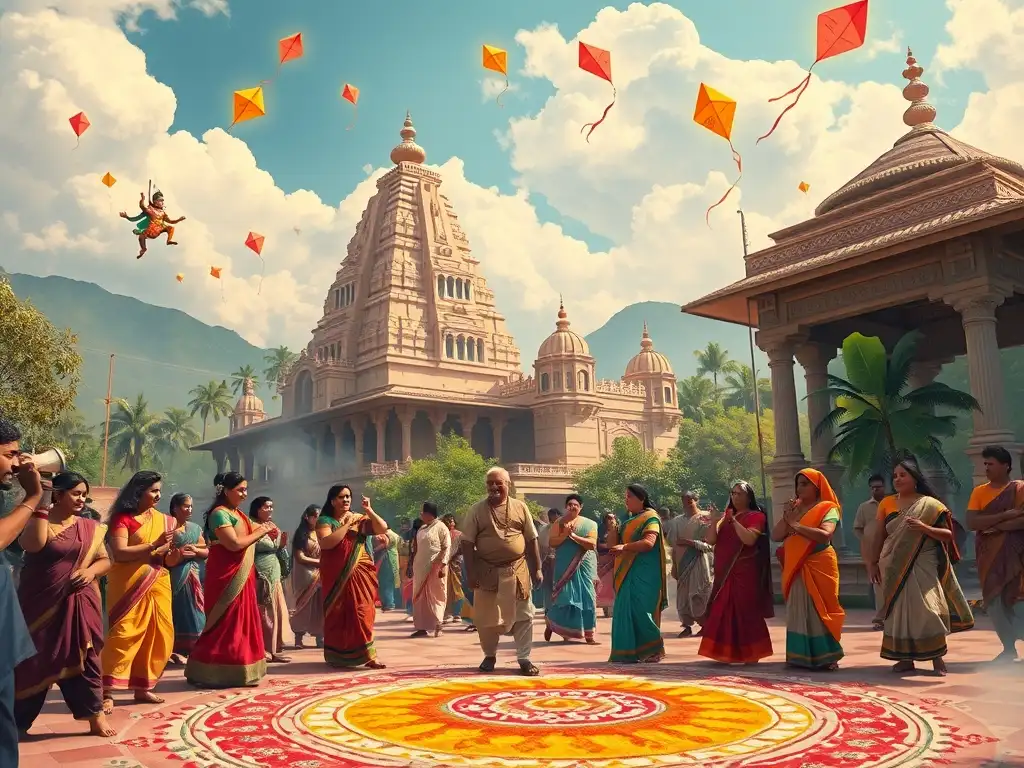
Mythology plays a central role in shaping the narratives around ancient Indian festivals, providing a framework through which cultural values and religious beliefs are expressed. The stories embedded within these festivals serve as moral lessons, historical accounts, and communal bonding experiences, emphasizing the significance of shared cultural heritage.
Common Myths Associated with Ancient Indian Festivals
Many ancient Indian festivals are steeped in rich mythology, with stories that convey the triumph of good over evil, the importance of devotion, and the celebration of life. For instance, the myth of Lord Krishna and the demoness Putana is often recounted during Janmashtami, emphasizing the themes of divine protection and love. Similarly, the tales associated with Diwali, such as Ramayana's epic journey, reinforce the values of righteousness and courage.
These myths not only serve as entertainment but also play a critical role in imparting moral lessons and preserving cultural identity through generations. Festivals become a medium for storytelling, allowing communities to connect with their ancestral narratives and maintain their cultural continuity.
Influence of Epics on Festival Celebrations
The great Indian epics, the Ramayana and the Mahabharata, profoundly influence the celebrations of various festivals. Key events and characters from these texts often serve as focal points for rituals, prayers, and community gatherings. For example, the recitation of Ramayana verses during Diwali reinforces the connection between the festival and Lord Rama's narrative, while the celebration of Dussehra commemorates the victory of Lord Rama over Ravana.
Such influences ensure that the festivals are not merely ceremonial but are deeply rooted in the historical and spiritual context of ancient Indian civilization. The epics help to convey the complexities of human emotions, moral dilemmas, and the quest for righteousness, all of which resonate during these celebrations.
Cultural Narratives and Their Impact on Religious Practices
Cultural narratives surrounding festivals significantly impact religious practices, shaping how communities engage with their spiritual beliefs. These narratives often reflect the values, social structures, and historical contexts of the time, providing a dynamic interplay between culture and religion. For instance, the stories of sacrifice and devotion during Navaratri highlight the reverence for divine feminine energy, influencing the rituals and practices associated with the festival.
Moreover, the evolution of these cultural narratives allows for the incorporation of local customs and traditions, making each celebration uniquely reflective of the region's identity while still maintaining a connection to broader religious themes. This adaptability underscores the resilience of ancient Indian festivals, where cultural practices and religious beliefs continually intersect, enriching the overall experience of celebration.
The Interplay of Religion and Culture in Festival Celebrations
The intersection of religion and culture in ancient Indian festivals is a profound aspect of the subcontinent's rich heritage. Festivals in ancient India were not merely occasions of celebration; they were deeply embedded in the religious and cultural fabric of society. Each festival was an amalgamation of spiritual significance and cultural identity, often reflecting local traditions, agricultural cycles, and seasonal changes. This interplay not only strengthened communal bonds but also provided a platform for the transmission of values, beliefs, and practices from one generation to the next.
The festivals served as a means of worship, celebration, and social cohesion, illustrating how religious observances were often intertwined with cultural expressions. For instance, rituals performed during festivals often included folk dances, music, and culinary traditions that varied from region to region, showcasing the diversity within the broader framework of Indian culture. This dynamic interaction helped to create a unique tapestry of celebrations that honored both deities and local customs, making ancient Indian festivals a testament to the resilience and adaptability of cultural practices.
How Religion Influences Festival Customs
Religion has historically played a pivotal role in shaping the customs associated with ancient Indian festivals. The religious significance of a festival often dictated the rituals performed, the timing of the celebrations, and the nature of the festivities. For example, festivals like Diwali, dedicated to the worship of Goddess Lakshmi, not only involved prayers and offerings but also included lighting oil lamps, symbolizing the triumph of light over darkness.
Moreover, the narratives and mythologies surrounding deities significantly influenced the themes of these festivals. Celebrations such as Holi, which honors Lord Krishna, are rich in symbolic meaning, representing themes of love, joy, and the arrival of spring. The diverse pantheon of Hindu deities has led to a wide array of festivals, each with its own set of rituals that reflect the underlying religious beliefs, thus fostering a sense of identity and belonging among adherents.
Religious texts and scriptures, such as the Vedas and Puranas, have also contributed to the establishment of festival customs, prescribing specific rituals and timings that are still observed today. This transmission of knowledge ensures that the spiritual essence of festivals remains intact, even as cultural expressions evolve over time.
Cultural Adaptations of Religious Practices
As ancient Indian civilizations evolved, so did the cultural adaptations of religious practices during festivals. The adaptability of festivals to local customs and traditions highlights the syncretic nature of Indian culture. For instance, the festival of Makar Sankranti, which marks the transition of the sun into Capricorn, is celebrated with diverse customs across different regions. In Punjab, it transforms into Lohri, celebrated with bonfires and folk songs, while in Tamil Nadu, it is observed as Pongal, featuring traditional dishes made from freshly harvested rice.
These variations demonstrate how local cultures have infused their unique identities into religious celebrations, creating a rich mosaic of practices that honor both the sacred and the local. Furthermore, the integration of folk traditions into religious festivals has allowed for the preservation of regional cultures, ensuring that ancient customs continue to thrive within the framework of contemporary celebrations.
Case Studies of Festivals Reflecting Cultural Diversity
Several ancient Indian festivals exemplify the rich tapestry of cultural diversity and religious influence.
- Diwali: Known as the festival of lights, Diwali is celebrated across India with various regional adaptations. In North India, it commemorates Lord Rama's return to Ayodhya, while in South India, it is associated with Lord Krishna's victory over the demon Narakasura. The customs vary significantly, reflecting the local culture while sharing a common religious foundation.
- Holi: This vibrant festival of colors celebrates the arrival of spring and the victory of good over evil. Its diverse practices, such as throwing colored powders and water, singing, and dancing, illustrate how cultural expressions can enhance religious celebrations, making Holi a pan-Indian festival that transcends regional boundaries.
- Navaratri: A festival dedicated to the worship of Goddess Durga, Navaratri showcases a variety of regional dances, such as Garba in Gujarat and Dandiya in Maharashtra. Each region adds its unique flavor to the celebrations, highlighting the interplay of cultural practices with religious reverence.
These case studies reveal how ancient Indian festivals serve not only as religious observances but also as cultural celebrations that adapt and flourish across different communities.
Conclusion: The Enduring Legacy of Ancient Indian Festivals
Summary of the Intersection of Religion and Culture
The enduring legacy of ancient Indian festivals lies in their ability to encapsulate the intersection of religion and culture. These celebrations have historically fostered community engagement, cultural identity, and spiritual devotion. By integrating diverse cultural practices with religious rituals, ancient Indian festivals have created a vibrant tapestry that reflects the complexities of Indian society.
The Relevance of Ancient Festivals in Modern Indian Culture
In contemporary India, the relevance of ancient festivals remains potent. They continue to serve as platforms for cultural expression and community bonding, reinforcing social ties and promoting a sense of shared identity. Modern celebrations often see a blend of traditional practices with contemporary influences, demonstrating the adaptive nature of these festivals while maintaining their core religious significance.
Reflections on the Future of Ancient Indian Festivals and Religion
Looking ahead, the future of ancient Indian festivals and their associated religious practices will likely be influenced by globalization and technological advancements. While challenges may arise in preserving traditional customs, there is also potential for innovation and revival. As younger generations seek to connect with their heritage, there may be a resurgence of interest in ancient practices that honor both religion and culture, ensuring that these festivals continue to thrive in an ever-changing world.
In this light, the ongoing dialogue between religion and culture in ancient Indian festivals is not merely a reflection of the past but a dynamic interplay that will shape the future of Indian identity.
- Understanding Ancient Indian Festivals and Religion
- Historical Context of Festivals in Ancient India
- Major Ancient Indian Festivals and Their Religious Significance
- The Role of Mythology in Shaping Festivals
- The Interplay of Religion and Culture in Festival Celebrations
- Conclusion: The Enduring Legacy of Ancient Indian Festivals
- What were the main religions practiced in ancient India?
- How did festivals reflect the cultural aspects of ancient Indian society?
- Can you name some important ancient Indian festivals?
- How did the Gupta Empire influence ancient Indian festivals and religion?
- What role did rituals play in ancient Indian festivals?
Frequently Asked Questions
What were the main religions practiced in ancient India?
Ancient India saw the rise of Hinduism, Buddhism, and Jainism as the dominant religions, each contributing significantly to the cultural fabric and festivals of the time.
How did festivals reflect the cultural aspects of ancient Indian society?
Festivals in ancient India were not just religious observances; they also celebrated agricultural cycles, seasonal changes, and community bonding, showcasing the intricate relationship between culture and religion.
Can you name some important ancient Indian festivals?
Key ancient Indian festivals included Diwali, celebrating the victory of light over darkness, and Makar Sankranti, marking the harvest season, both rich in religious significance and cultural heritage.
How did the Gupta Empire influence ancient Indian festivals and religion?
The Gupta Empire is often referred to as the Golden Age of ancient India, during which there was a flourishing of art, literature, and religious practices, leading to the establishment of many festivals still celebrated today.
What role did rituals play in ancient Indian festivals?
Rituals were central to ancient Indian festivals, serving as expressions of faith, gratitude, and community participation, and they often included offerings, prayers, and celebrations that reinforced social bonds.
Final Reflection: The Enduring Legacy of Ancient Indian Festivals and Religion
The intricate relationship between ancient Indian festivals and religion remains profoundly relevant today, as these celebrations continue to shape cultural identities and community bonds. In an era where globalization often threatens to dilute local traditions, the vibrant tapestry of ancient Indian festivals serves as a reminder of the rich heritage that connects generations. These festivals are not merely events on a calendar; they are living expressions of faith, history, and cultural pride that resonate deeply within the hearts of millions.
The influence of ancient Indian festivals transcends mere celebration; they are pivotal in fostering a sense of belonging and continuity in an ever-evolving society. The rituals and customs associated with these festivals often reflect the values and beliefs that have been passed down through centuries, creating a bridge between the past and the present.
As Mahatma Gandhi once said, "> A nation's culture resides in the hearts and in the soul of its people." This sentiment underscores the importance of preserving these traditions, as they are integral to the cultural fabric of India and serve as a source of inspiration for future generations.
As we reflect on the significance of ancient Indian festivals and their intertwined relationship with religion, I invite you to consider how these celebrations can enrich your own life. Take a moment to engage with these traditions, whether through participation, learning, or simply appreciating their beauty. By doing so, you not only honor the legacy of your ancestors but also contribute to the vibrant cultural mosaic that defines our shared humanity. Embrace the lessons embedded in these festivals, and let them guide you in fostering a deeper connection with your own beliefs and community.
Celebrate and Connect with Ancient Traditions!
Thank you for exploring the fascinating world of ancient Indian festivals! You've journeyed through the rich tapestry of culture and religion that shapes these vibrant celebrations. Now, it’s time to bring that knowledge into action and deepen your connection with these traditions.
Here’s how you can immerse yourself in the beauty of ancient Indian culture:
- Join a Local Festival: Attend an upcoming festival in your area. Experience the festivities, connect with your community, and celebrate these traditions firsthand!
- Uncover Your Roots: Research the festivals celebrated within your own heritage. Share your findings with family and friends to inspire a greater appreciation for the beauty of cultural diversity.
- Share and Engage: Post about your favorite ancient festival on social media. Engage your followers with insights about its cultural significance and invite discussions!
Which festival are you most excited to experience or learn more about, and what personal connection do you feel toward it? Your thoughts could spark an insightful conversation!