
The Spiritual Significance of Navratri: Nine Nights of Devotion and Dance

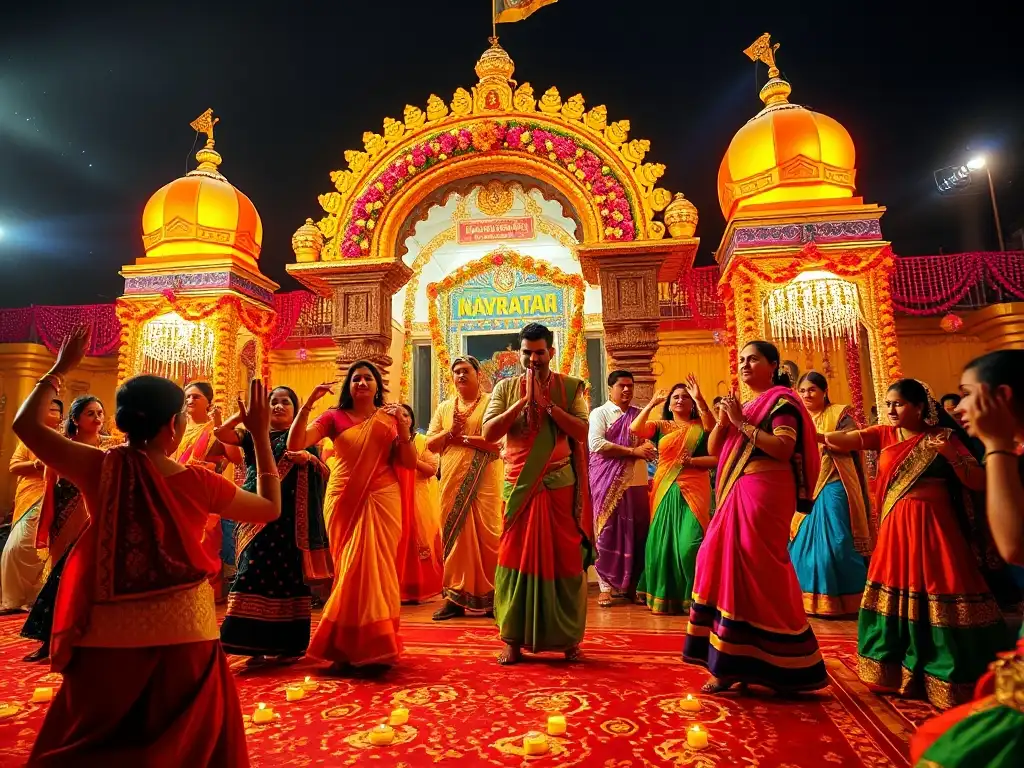
Welcome to Ancient India History, where we delve into the captivating tapestry of India's rich heritage! Today, we invite you to uncover the spiritual significance of Navratri, a festival that resonates with devotion and vibrant celebration. As we explore the historical roots and cultural importance of these nine nights of reverence and dance, prepare to be enchanted by the stories and traditions that have shaped this remarkable celebration through the ages. Join us on this enlightening journey and discover how Navratri connects us to the profound legacy of ancient Indian civilizations!
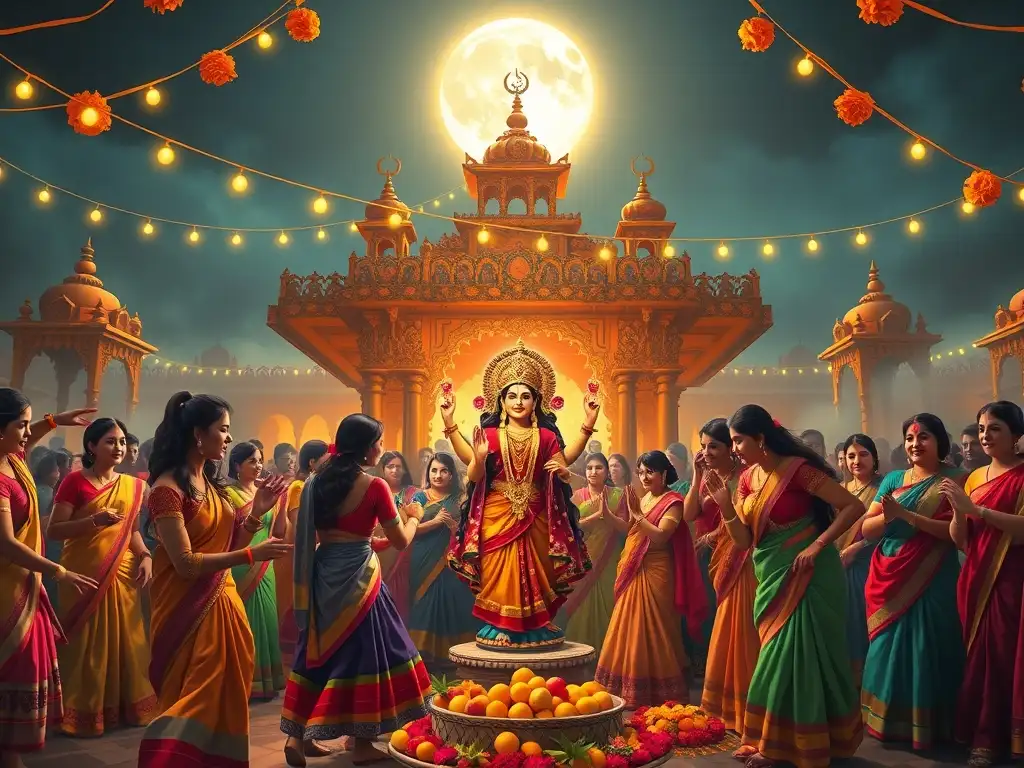
Navratri, a vibrant and deeply significant festival in Hindu culture, spans nine nights and is celebrated with fervor across India and among the Indian diaspora worldwide. This festival is dedicated to the worship of Goddess Durga in her various forms, symbolizing the triumph of good over evil. The rich tapestry of traditions surrounding Navratri showcases not only the spiritual significance but also the cultural diversity that defines ancient Indian civilizations.
From elaborate rituals to energetic dances, Navratri is a reflection of the historical and spiritual ethos that has shaped Hindu beliefs over millennia. Understanding the Navratri spiritual significance history allows us to appreciate the profound devotion and cultural practices that have been passed down through generations.
Overview of Navratri and Its Importance
Navratri, meaning "nine nights," is celebrated in different ways across various regions of India. Each night is dedicated to a different form of the Goddess, representing various aspects of feminine power and divine energy. The festival is marked by fasting, prayer, and elaborate celebrations, culminating in the celebration of Vijayadashami or Dussehra, which symbolizes the victory of Lord Rama over the demon king Ravana.
The importance of Navratri lies not just in its religious observances but also in its ability to unite communities through shared rituals and festivities. The festival serves as a reminder of the power of faith, resilience, and the enduring spirit of devotion.
Historical Context of Navratri Celebrations
The roots of Navratri can be traced back to ancient times when agricultural societies observed seasonal changes and celebrated the harvest. Historical texts suggest that the worship of the Goddess during these nine nights has been a part of Indian culture for thousands of years. The festival likely evolved from various local traditions and merged with the broader Hindu pantheon, signifying the inclusion of diverse cultural practices.
Archaeological findings and ancient scriptures indicate that the celebration of Navratri has been a continuous thread in the fabric of Indian civilization, reflecting the values and beliefs of its time. The festival has adapted over the centuries, yet its core spiritual significance remains unchanged.
Navratri is not merely a festival; it is a profound spiritual journey that invites devotees to engage in introspection, devotion, and celebration. Each aspect of the festival serves a purpose in connecting individuals with the divine, fostering a sense of community, and promoting cultural heritage.
Understanding the Concept of Navratri
The essence of Navratri lies in its recognition of the divine feminine energy, or Shakti. Each day of Navratri is dedicated to a different manifestation of the Goddess, including Durga, Lakshmi, and Saraswati. This multifaceted approach allows devotees to explore various dimensions of spirituality, from strength and protection to wisdom and prosperity.
During these nine nights, participants engage in rituals that emphasize purification, reflection, and devotion. The spiritual significance of Navratri is deeply rooted in the belief that through sincere worship, devotees can transcend their limitations and connect with higher consciousness.
Symbolism of the Nine Nights in Hinduism
The nine nights of Navratri symbolize a journey through various stages of growth and enlightenment. Each night represents a unique aspect of life and spirituality:
- Day 1: Goddess Shailputri - Symbolizes strength and willpower.
- Day 2: Goddess Brahmacharini - Represents knowledge and devotion.
- Day 3: Goddess Chandraghanta - Embodies bravery and courage.
- Day 4: Goddess Kushmanda - Signifies creativity and abundance.
- Day 5: Goddess Skandamata - Represents motherhood and nurturing.
- Day 6: Goddess Katyayani - Symbolizes empowerment and independence.
- Day 7: Goddess Kaalratri - Represents the destruction of ignorance.
- Day 8: Goddess Mahagauri - Signifies purity and peace.
- Day 9: Goddess Siddhidatri - Embodies fulfillment and achievement.
Each of these forms holds a specific significance, guiding devotees through a spiritual awakening and deeper understanding of themselves and their relationship with the divine.
The Role of Devotion and Dance in Navratri
Central to the Navratri celebrations is the role of devotion expressed through dance and music. Garba and Dandiya Raas, traditional forms of dance, create a joyous atmosphere that fosters community bonding and collective worship. Through rhythmic movements and vibrant music, devotees express their love and reverence for the Goddess, transforming the festival into a celebration of life and spirituality.
The act of dancing during Navratri serves multiple purposes:
- Expression of Devotion: Dance becomes a medium of connecting with the divine.
- Cultural Preservation: Traditional dances and songs help to keep ancient practices alive.
- Community Engagement: The festival encourages social interaction and unity amongst participants.
In essence, the dance and devotion observed during Navratri encapsulate the core principles of spirituality, community, and celebration, making it a deeply enriching experience for all who partake.
With this foundational understanding of Navratri, its significance, and its historical context, we invite you to delve deeper into the rich traditions and practices that have shaped this festival over the ages.
Navratri is not merely a festival; it is a vibrant tapestry woven from the threads of ancient traditions, religious beliefs, and cultural practices. Its historical significance can be traced back thousands of years, rooted in the worship of the divine feminine. The festival symbolizes the triumph of good over evil, celebrating the victory of Goddess Durga over the buffalo demon Mahishasura. This narrative is not just a myth but a reflection of the values and beliefs of ancient Indian society.
Origins of Navratri in Ancient India
The origins of Navratri can be linked to the Vedic times, where rituals and prayers were conducted to honor the mother goddess, symbolizing fertility and power. The early texts of the Rigveda reference goddesses who embodied various aspects of life and nature, showcasing the reverence for female deities. Over time, these worship practices evolved into the structured celebration of Navratri, aligning with the lunar calendar and agricultural cycles, which influenced the timing of the festivities around the harvest season.
Evolution of Navratri Celebrations Through the Ages
As centuries passed, the celebration of Navratri transformed significantly, influenced by regional cultures and historical events. During the medieval period, the festival saw the integration of local traditions and deities, adding layers of complexity to the celebrations. The Mughal era introduced vibrant music and dance forms, enriching the cultural fabric of Navratri. The 20th century witnessed a resurgence of traditional practices, with communities coming together to celebrate through Garba and Dandiya Raas, making the festival a reflection of unity and cultural identity.
Regional Variations and Their Historical Significance
Navratri is celebrated differently across India, each region infusing its own cultural nuances and historical context into the festivities. For instance, in Gujarat, the vibrant Garba dance highlights the agricultural heritage, while in West Bengal, the Durga Puja showcases elaborate idol worship and artistic expressions. In South India, the festival often coincides with the Golu tradition, where dolls are displayed, reflecting the region's rich artistic heritage. These variations are not just differences in practice; they signify the historical evolution of local customs and the collective memory of communities that have shaped their identity through the celebration of Navratri.
Each of the nine nights of Navratri is dedicated to a specific form of the Goddess Durga, representing a unique aspect of divine feminine energy. This structure not only enriches the spiritual experience but also provides devotees with a framework for meditation and worship throughout the festival.
Night 1: Shailaputri – The Goddess of the Mountain
On the first night, devotees worship Shailaputri, considered the daughter of the mountains. She symbolizes strength and stability, embodying the qualities of a steadfast mountain. Her worship encourages followers to seek balance and resilience in their lives, making her an essential figure in the celebration of Navratri.
Night 2: Brahmacharini – The Ascetic Goddess
The second night is dedicated to Brahmacharini, who represents asceticism and self-discipline. She is worshipped for her commitment to spiritual practices and renunciation. Devotees seek her blessings for wisdom and the strength to pursue their spiritual goals, reflecting the importance of self-control in achieving spiritual enlightenment.
Night 3: Chandraghanta – The Goddess of Courage
Chandraghanta is revered on the third night, depicted with a crescent moon on her forehead. She embodies bravery and valor, encouraging devotees to confront their fears. Her presence instills courage, making her worship vital for those seeking empowerment and strength in adversity.
Night 4: Kushmanda – The Creator of the Universe
The fourth night is dedicated to Kushmanda, believed to have created the universe with her divine smile. She represents cosmic energy and creativity. Worshipping Kushmanda allows devotees to connect with the creative force of the universe, inspiring them to manifest their dreams and aspirations.
Night 5: Skandamata – The Mother of Skanda
On the fifth night, devotees honor Skandamata, the mother of Lord Skanda (Kartikeya). She symbolizes nurturing and motherhood, embodying compassion and protection. Her worship is a reminder of the importance of familial bonds and the strength derived from nurturing relationships.
Night 6: Katyayani – The Warrior Goddess
Katyayani, celebrated on the sixth night, is known as the warrior goddess who fought against evil forces. She represents the fierce aspect of femininity, empowering women to stand up for justice. Her worship inspires strength and righteousness, encouraging devotees to fight against oppression.
Night 7: Kalaratri – The Goddess of Transformation
The seventh night is dedicated to Kalaratri, known for her fierce and transformative nature. She represents the destruction of negativity and ignorance. Her worship signifies the importance of transformation and renewal, urging devotees to let go of the past and embrace new beginnings.
Night 8: Mahagauri – The White Goddess
Mahagauri, celebrated on the eighth night, symbolizes purity and peace. She is depicted as a beautiful goddess dressed in white, embodying the essence of tranquility. Worshipping Mahagauri allows devotees to seek inner peace and clarity, essential for spiritual growth.
Night 9: Siddhidatri – The Goddess of Spiritual Fulfillment
The final night is dedicated to Siddhidatri, who is associated with spiritual fulfillment and the attainment of Siddhis (spiritual powers). Her worship is aimed at achieving ultimate spiritual goals and enlightenment, culminating the nine nights of devotion with a focus on realizing one's divine potential.
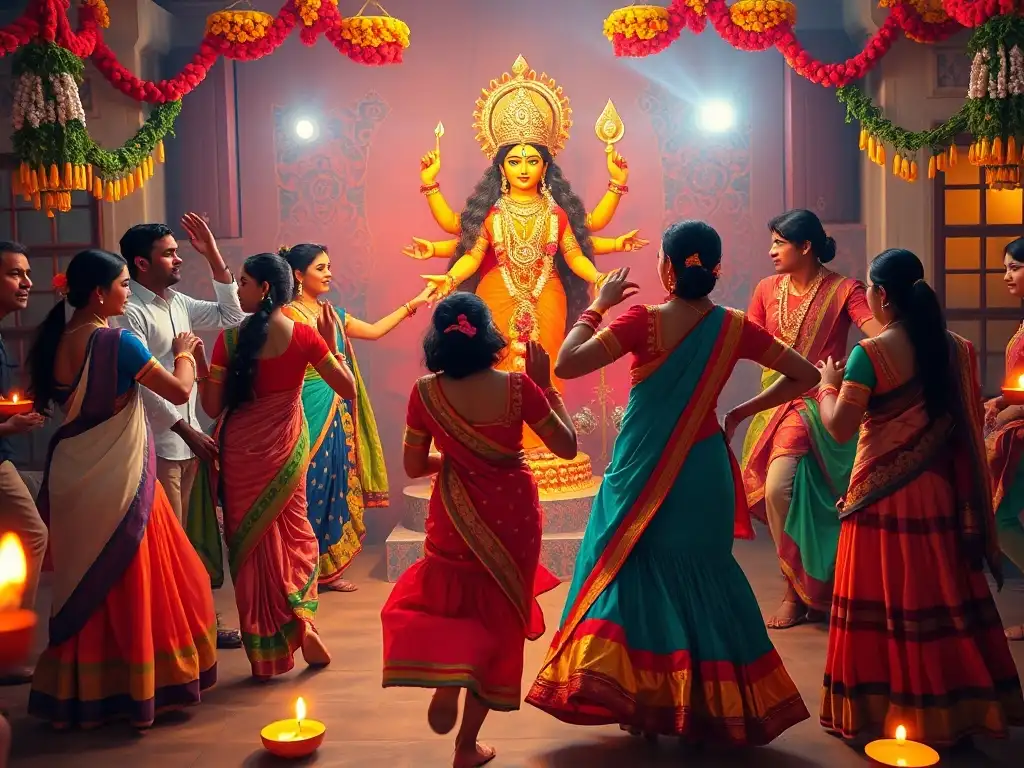
Navratri, a festival celebrating the divine feminine, is marked by a myriad of cultural practices that embody the essence of devotion and community spirit. This nine-night festival features a variety of rituals, dances, and artistic expressions that are deeply rooted in tradition. Each practice serves not just as a form of worship but also reflects the rich cultural tapestry of ancient India. The vibrant colors, rhythmic dances, and spiritual fervor unite people across different regions, making Navratri a time of joyous celebration and reflection.
Traditional Rituals and Their Spiritual Meaning
The rituals observed during Navratri are diverse and rich in symbolism. Each day is dedicated to a different form of the goddess Durga, with devotees engaging in prayer, fasting, and offerings. Common practices include:
- Maha Aarti: A ceremonial worship involving the singing of hymns and the lighting of lamps, symbolizing the dispelling of darkness and ignorance.
- Durga Puja: The installation of idols of Durga in homes and community spaces, signifying the manifestation of divine energy.
- Fasting: Many devotees observe fasts, which serve both as a form of penance and a way to purify the body and soul.
These rituals encapsulate the belief in the triumph of good over evil and foster a deep connection between the devotees and the divine.
Dance Forms Associated with Navratri: Garba and Dandiya
Dance plays a pivotal role in Navratri celebrations, with Garba and Dandiya being the most prominent forms.
- Garba: Originating from Gujarat, Garba is a lively dance performed in circles, symbolizing the cycle of life and the divine feminine energy. Dancers often use clapping and rhythmic footwork to create an atmosphere of joy and devotion.
- Dandiya: This dance involves the use of sticks (dandiya) and is typically performed in pairs. It represents the playful combat between the goddess Durga and the buffalo demon Mahishasura, celebrating the victory of good over evil.
Both dances foster a sense of community and allow participants to express their devotion through movement, reinforcing the spiritual significance of the festival.
The Role of Music and Art in Navratri Celebrations
Music and art are integral to the Navratri experience, enriching the spiritual atmosphere of the festival. Devotional songs known as bhajans and garba songs fill the air, inviting participation and creating a sense of unity among devotees.
Artistic expressions, such as intricate rangoli designs at the entrances of homes, symbolize auspiciousness and welcome the goddess. Murti (idol) making and decorating also showcase the artistic skills passed down through generations, reflecting the cultural heritage of the community.
Together, these musical and artistic elements create a multisensory experience that elevates the spiritual ambiance of Navratri.
Navratri has had a profound impact on ancient Indian society, shaping cultural norms, social structures, and community interactions. Its significance transcends mere celebration, instilling values of togetherness and devotion within society.
Social Cohesion and Community Bonding
Navratri serves as an important catalyst for social cohesion, bringing together individuals from diverse backgrounds. The communal aspect of the celebrations fosters bonds among participants, encouraging collaboration and collective participation in various rituals and activities.
- Community Gatherings: Local events, including large-scale Garba nights and processions, promote interaction and strengthen relationships among community members.
- Shared Responsibilities: Organizing events involves collective efforts, allowing individuals to contribute their skills and resources, thereby enhancing community spirit.
This sense of unity is essential for building a harmonious society, where differences are set aside in the name of cultural celebration.
Navratri as a Medium for Cultural Expression
Navratri is not just a religious observance; it is a vibrant showcase of cultural expression. The festival provides a platform for the preservation and promotion of regional traditions, languages, and arts.
- Regional Variations: Different states showcase unique customs, dances, and culinary delights, highlighting the diversity of Indian culture.
- Cultural Shows: Events often feature traditional performances, storytelling, and art exhibitions that celebrate the rich history and folklore associated with the goddess.
Through these expressions, Navratri becomes a living tapestry of India’s cultural heritage, encouraging the younger generations to appreciate and participate in their ancestral traditions.
Influence of Navratri on Ancient Indian Art and Literature
The influence of Navratri extends into the realms of art and literature, inspiring countless works that reflect its themes of devotion and the divine feminine.
- Literary Works: Ancient texts, poetry, and folklore often depict the valor of goddess Durga and the significance of her worship, contributing to the rich literary tradition of India.
- Visual Arts: Traditional paintings and sculptures celebrating Durga's forms are prevalent, showcasing the artistic interpretations of divine narratives.
These artistic expressions not only serve as a means of devotion but also preserve historical narratives and cultural values, ensuring that the spiritual significance of Navratri continues to resonate through generations.
Navratri, celebrated for nine nights, embodies a rich tapestry of spiritual significance and cultural heritage, reflecting the profound devotion of ancient Indian civilizations. This festival honors the divine feminine energy, represented through the goddess Durga, and emphasizes the importance of worship, reflection, and community bonding.
The rituals and practices associated with Navratri are not merely traditional; they serve as a conduit for spiritual awakening and cultural expression, preserving the values and beliefs of generations past. As we observe the vibrant celebrations, it is clear that Navratri is more than just a festival—it's a living legacy that continues to inspire and unite people across diverse backgrounds.
Reflection on the Spiritual Significance of Navratri Today
In contemporary society, the spiritual significance of Navratri remains deeply resonant. The nine nights of devotion encourage individuals to reflect on their inner selves, fostering a sense of personal growth and enlightenment. The various forms of worship—ranging from fasting to dance—act as a means of purifying the mind and spirit.
Many devotees engage in rituals that promote mindfulness and gratitude, drawing parallels between ancient practices and modern-day spirituality. This connection to the past reinforces the idea that spirituality is timeless; it evolves while still honoring its historical roots. Thus, Navratri serves as both a celebration of devotion and an opportunity for introspection, allowing individuals to reconnect with their spiritual identities.
Navratri's Relevance in Modern Society and Its Cultural Heritage
As modern society progresses, the relevance of Navratri becomes increasingly evident. The festival not only preserves cultural heritage but also adapts to contemporary contexts, bridging the gap between tradition and modernity. Communities across the globe participate in Navratri, showcasing vibrant dance forms such as Garba and Dandiya Raas, which foster camaraderie and joy.
These celebrations reinforce the values of unity, respect, and reverence for the divine, echoing the same principles that guided ancient civilizations. Furthermore, as globalization introduces diverse cultural influences, Navratri stands as a testament to India's rich history and its ability to inspire devotion and celebration in an ever-changing world. The festival’s adaptability ensures that its spiritual significance continues to thrive, making it relevant for future generations.
References
Suggested Reading on Navratri and Its Spiritual Significance
- "Navratri: The Nine Nights of Celebration" - An exploration of the historical and spiritual roots of the festival.
- "The Goddess in Indian Culture" - A comprehensive study on the representation of female deities in Indian traditions.
- "Festivals of India: A Cultural Perspective" - Insight into various Indian festivals, including their significance and rituals.
Additional Resources on Ancient Indian Festivals and Traditions
- "Ancient Indian Festivals: A Historical Overview" - A detailed examination of various festivals celebrated in ancient India.
- "Cultural Practices in Ancient India" - An analysis of rituals and customs that shaped the spiritual landscape of Indian civilization.
- "The Evolution of Indian Festivals" - A look at how ancient festivals, including Navratri, have transformed over time while retaining their core significance.
- Introduction to Navratri
- The Spiritual Significance of Navratri
- Historical Aspects of Navratri
- The Nine Nights of Navratri: A Deep Dive
- Cultural Practices During Navratri
- The Impact of Navratri on Ancient Indian Society
- Conclusion: The Enduring Legacy of Navratri
- References
- What is the historical significance of Navratri in ancient India?
- How is Navratri celebrated across different regions of India?
- What are the spiritual practices associated with Navratri?
- Why are the nine nights significant in the context of Navratri?
- How does Navratri influence Indian culture today?
Frequently Asked Questions
Navratri has its roots in ancient Indian traditions, celebrating the victory of good over evil. It is believed to have originated from the Durga Saptashati, a text that recounts the goddess Durga's triumph over the buffalo demon Mahishasura.
Navratri is celebrated with varied customs and rituals across India, including fasting, dance, and music. Each region has its unique flavor, such as Garba in Gujarat and Dandiya in Maharashtra, reflecting the cultural diversity of the festival.
During Navratri, devotees engage in prayer, meditation, and rituals to honor the goddess Durga. Many people observe fasts and participate in community gatherings to enhance their spiritual connection and devotion.
The nine nights symbolize the nine forms of goddess Durga, each representing different aspects of feminine energy. These nights are dedicated to honoring the goddess and seeking her blessings for prosperity and well-being.
Navratri plays a crucial role in reinforcing cultural values and traditions in Indian society. It fosters a sense of community and spirituality, encouraging people to come together in celebration, thereby preserving the rich cultural heritage of India.
The spiritual significance of Navratri resonates profoundly in today's world, reminding us of the power of devotion and the importance of celebrating our cultural heritage. As we navigate through the complexities of modern life, the nine nights of Navratri serve as a beacon of hope and renewal, inviting us to reconnect with our inner selves and the divine. This festival is not merely a celebration; it is a transformative journey that encourages us to reflect on our values, beliefs, and the essence of our spiritual existence.
The impact of Navratri extends beyond its historical roots, shaping our cultural and social landscapes in profound ways. The festival fosters a sense of community, unity, and shared purpose, transcending boundaries and bringing people together in celebration. As we engage in the vibrant dances and rituals, we are reminded of the words of Mahatma Gandhi: The best way to find yourself is to lose yourself in the service of others.
This sentiment encapsulates the spirit of Navratri, urging us to embrace selflessness and devotion as we honor the divine feminine energy that permeates our lives.
As we conclude our exploration of Navratri's spiritual significance, I invite you to reflect on how you can incorporate its lessons into your daily life. Consider how the themes of devotion, community, and celebration can inspire you to foster deeper connections with yourself and those around you. Let the essence of Navratri guide you toward a more meaningful existence, encouraging you to dance through life with joy, purpose, and unwavering faith in the journey ahead.
Thank you for diving into the world of Navratri and exploring its rich spiritual significance! You've unlocked the essence of these nine nights filled with devotion and joy. Now, it's time to transform that knowledge into action!
Here are a few joyful ways you can immerse yourself in the celebration and share this beautiful tradition with others:
- Join a local Navratri celebration or event to experience the vibrant culture and connect with your community.
- Create a personal altar at home, incorporating symbols representing the nine forms of the Goddess, and reflect on their meanings each night.
- Share your reflections or stories about Navratri on social media or within your community to inspire others and keep the spirit alive!
As you embark on this journey of devotion and celebration, consider this: What unique way can you honor the Goddess in your daily life beyond these nine nights? We invite you to share your thoughts with us in the comments!