
How Ancient Indian Engineers Achieved Structural Stability

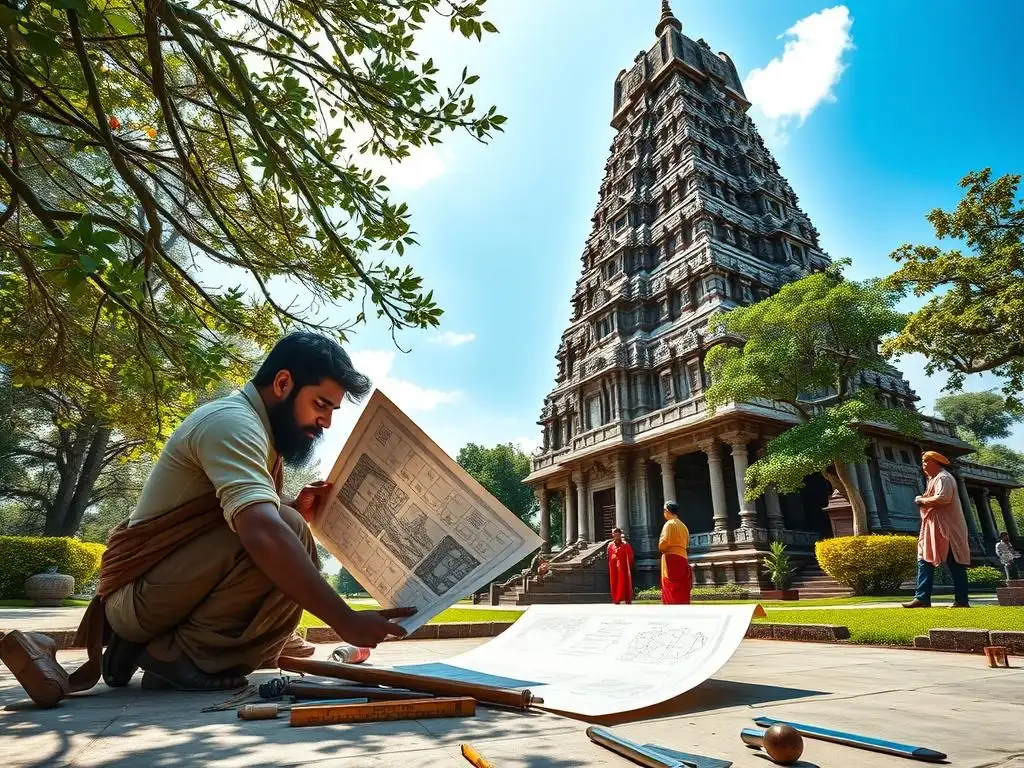
Welcome to Ancient India History, where we embark on a journey through the fascinating tapestry of ancient Indian civilizations. Here, we delve into the rich and diverse history that shaped the subcontinent, illuminating the remarkable contributions of cultures from the Indus Valley to the Gupta Empire.
In our featured article, "How Ancient Indian Engineers Achieved Structural Stability," we unravel the innovative engineering techniques that not only showcase the brilliance of ancient Indian architects but also laid the groundwork for modern construction practices. Prepare to be captivated as we explore the ingenuity that has endured through the ages—your adventure into the past starts here!
- Introduction to Ancient Indian Engineering Techniques
- Historical Context of Ancient Indian Engineering
- Core Principles of Ancient Indian Engineering Techniques
- Prominent Examples of Structural Stability in Ancient Indian Architecture
- Techniques for Achieving Structural Stability
- Influence of Ancient Indian Engineering on Modern Techniques
- Conclusion: Legacy of Ancient Indian Engineering Techniques
-
Frequently Asked Questions
- What are some ancient Indian engineering techniques used in construction?
- How did the Indus Valley Civilization contribute to engineering?
- What role did the Gupta Empire play in engineering advancements?
- How did ancient Indian engineers ensure structural stability?
- What modern engineering practices can be traced back to ancient Indian techniques?
- Final Reflection: The Timeless Legacy of Ancient Indian Engineering Techniques
- Unveil the Secrets of Ancient Engineering Mastery!
Introduction to Ancient Indian Engineering Techniques
Ancient India is renowned for its remarkable engineering feats and construction techniques that have stood the test of time. From the intricate urban planning of the Indus Valley civilization to the monumental architecture of the Gupta Empire, ancient Indian engineering techniques showcase a sophisticated understanding of materials, geometry, and environmental considerations. This article delves into how ancient Indian engineers achieved structural stability, examining the methodologies and innovations that contributed to the resilience of their constructions. By exploring these techniques, we gain insight into the ingenuity that characterized ancient Indian civilizations and their lasting impact on engineering practices worldwide.
Overview of Ancient Indian Engineering
Ancient Indian engineering is marked by a diverse array of techniques and innovations that reflect the region's rich cultural heritage and environmental adaptability. Key features include:
- Urban Planning: The cities of the Indus Valley, such as Harappa and Mohenjo-Daro, were meticulously planned with grid layouts, advanced drainage systems, and standardized fired bricks.
- Water Management: Ingenious methods for irrigation and water management, such as stepwells and reservoirs, demonstrated a profound understanding of hydrology.
- Architecture: The construction of temples, palaces, and forts utilized local materials, showcasing the use of stone, wood, and mud in various forms, including intricate carvings and sculptures.
- Mathematics and Geometry: Ancient Indian engineers employed advanced mathematical concepts to ensure structural integrity and aesthetic harmony in their designs.
These engineering marvels not only highlight the technical skills of ancient Indian builders but also their ability to harmonize with the natural environment.
Importance of Structural Stability in Ancient Construction
Structural stability was paramount in ancient Indian construction, as it ensured the longevity and safety of buildings. Several factors influenced this stability:
- Material Selection: The use of locally sourced materials, such as granite, sandstone, and clay, contributed to the durability of structures. Each material was chosen based on its specific properties, such as compressive strength and weather resistance.
- Foundation Techniques: Ancient engineers understood the importance of solid foundations. Techniques like deep piling and the use of stone blocks helped distribute weight and prevent settling.
- Architectural Design: The incorporation of arches, domes, and corbelled ceilings not only enhanced aesthetic appeal but also provided structural support, allowing for larger and more open interior spaces.
- Trial and Error: Over centuries, ancient builders refined their techniques through practical experience, learning from both successes and failures to achieve greater stability.
The structural stability achieved through these ancient Indian engineering techniques not only reflects the ingenuity of the builders but also their commitment to creating enduring monuments that continue to inspire awe today.
Historical Context of Ancient Indian Engineering
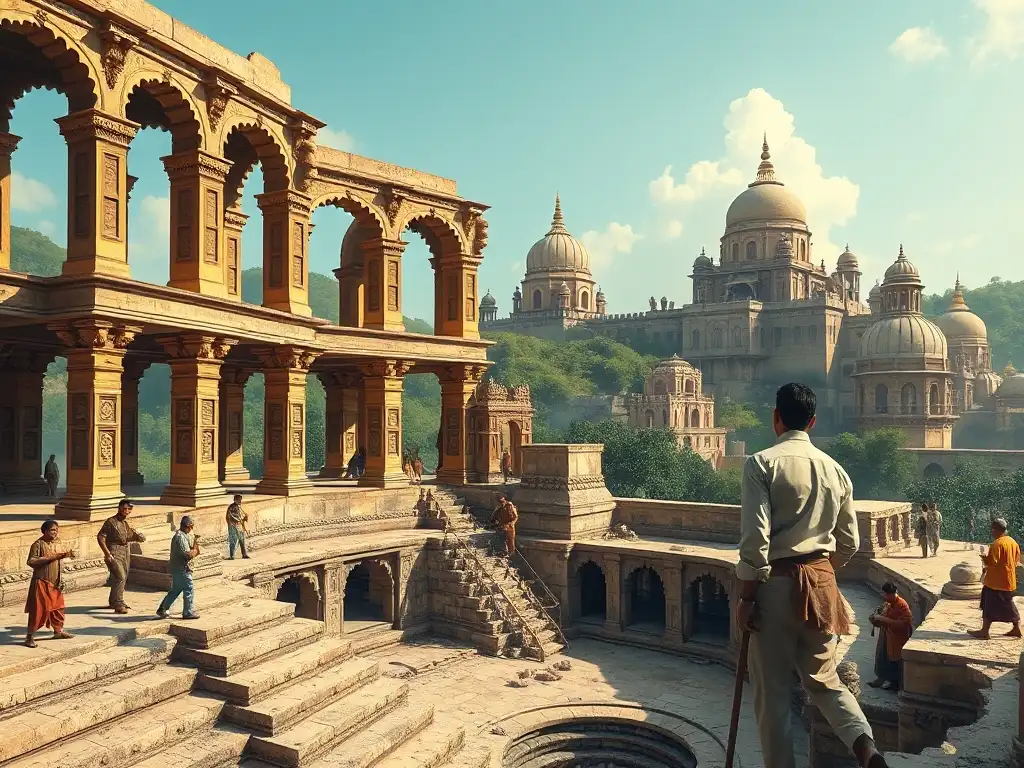
Timeline of Engineering Developments in Ancient India
The engineering techniques employed in ancient India were not only innovative but also a reflection of the civilization's understanding of materials, geometry, and the environment. Below is a timeline highlighting pivotal developments in ancient Indian engineering:
- Indus Valley Civilization (c. 3300–1300 BCE)
- The urban planning of cities like Mohenjo-Daro and Harappa showcased advanced drainage systems and grid layouts.
- Use of standardized fired bricks, indicating a sophisticated understanding of material properties.
- Vedic Period (c. 1500–500 BCE)
- Introduction of wooden and bamboo structures and the crafting of fire altars (Yajna Kunds) that demonstrated precise engineering for ritualistic purposes.
- Maurya Empire (c. 322–185 BCE)
- Construction of monumental structures such as the Ashoka Pillars, which were intricately carved and displayed remarkable stability and durability.
- Development of road systems for trade and military purposes, enhancing connectivity across the empire.
- Gupta Empire (c. 240–550 CE)
- Flourishing of temple architecture, with the use of stone and intricate carvings, exemplified by the Dashavatara Temple in Deogarh.
- Innovations in metallurgy, including the famous Iron Pillar of Delhi, renowned for its rust-resistant properties.
This timeline illustrates how ancient Indian engineering techniques evolved over millennia, contributing significantly to the cultural and technological landscape of the region.
Key Civilizations Contributing to Engineering Innovations
Several ancient Indian civilizations played pivotal roles in advancing engineering techniques, each contributing unique methodologies and innovations that have withstood the test of time:
- Indus Valley Civilization
- Known for its remarkable urban planning, the civilization utilized advanced drainage systems and water supply networks, which were unparalleled in their complexity and efficiency for the time.
- Mauryan Empire
- Under the reign of Chandragupta Maurya and his grandson Ashoka, the Mauryan Empire saw extensive road construction, which facilitated trade and communication. The engineering of stupas and pillars during this period reflects sophisticated techniques in stone masonry and structural stability.
- Gupta Empire
- Often referred to as the Golden Age of India, the Gupta period witnessed significant advancements in architecture and engineering. The construction of temples exemplified the integration of art and engineering, with innovations such as cantilevered roofs and elaborate stone carvings that demonstrated both aesthetic and structural considerations.
- South Indian Kingdoms (Chola and Pandya)
- These kingdoms excelled in temple architecture, characterized by towering gopurams (gateway towers) and intricate sculptures. The use of granite and detailed structural planning showcased their advanced engineering capabilities.
The engineering innovations of these civilizations not only highlight the ingenuity of ancient Indian engineers but also their ability to blend functionality with artistic expression, laying the groundwork for future architectural and engineering achievements.
Core Principles of Ancient Indian Engineering Techniques

Ancient Indian engineering techniques were characterized by a profound understanding of various core principles that guided the construction of durable and stable structures. These principles were not only based on empirical knowledge but also influenced by philosophical and spiritual beliefs prevalent during those times. The engineering marvels of ancient India, such as temples, forts, and urban planning, reflect a deep comprehension of structural stability, materials science, and environmental adaptation.
Use of Geometry and Mathematics in Construction
Geometry and mathematics were pivotal in ancient Indian engineering, providing the foundation for the design and construction of structures. Ancient texts, such as the Shilpa Shastras, outline geometric principles that were meticulously applied in architectural design.
- Geometric Precision:
- Ancient engineers utilized geometric shapes like squares, circles, and triangles to achieve symmetry and balance in structures. For instance, the layout of temples often followed a square plan, symbolizing the earth.
- The concept of Vastu Shastra, an ancient Indian science of architecture, emphasizes the importance of geometry in creating harmonious spaces.
- Mathematical Calculations:
- Engineers applied mathematical ratios, such as the golden ratio, to ensure aesthetic proportions. This can be seen in the design of numerous ancient temples, where the height-to-width ratio enhances visual appeal.
- Knowledge of trigonometry was also essential for calculating angles and constructing arches, ensuring that load-bearing elements could effectively distribute weight.
The meticulous application of these geometric and mathematical principles contributed significantly to the longevity and resilience of ancient structures, allowing them to withstand the test of time.
Materials and Resources Utilized in Ancient Structures
The success of ancient Indian engineering techniques was also greatly influenced by the selection and utilization of materials. Engineers demonstrated an impressive understanding of local resources, optimizing them for construction purposes.
- Stone and Brick:
- Granite and Sandstone: These materials were commonly used in temple construction, offering durability and resistance to weathering. The intricate carvings found in many temples highlight the skill involved in working with these hard stones.
- Burnt Bricks: Used extensively in cities like Mohenjo-Daro and Harappa, these bricks provided structural stability and were favored for their uniformity and strength.
- Metals:
- Ancient Indian engineers also employed metals such as iron and bronze in construction. Iron was often used for structural supports and fasteners, while bronze was favored for intricate decorative elements.
- The use of metal alloys, such as brass, allowed for enhanced durability and aesthetic appeal in various architectural features.
- Natural Resources:
- Resources like bamboo and thatch were utilized in temporary structures and roofing, showcasing adaptability to local climates and availability.
The careful selection of materials ensured that ancient structures were not only beautiful but also functional and resilient against environmental challenges.
Innovative Construction Methods Employed by Engineers
Ancient Indian engineers employed a variety of innovative construction methods that showcased their ingenuity and problem-solving capabilities.
- Modular Construction:
- Many ancient structures were built using modular techniques, where components were prefabricated and assembled on-site. This not only accelerated the construction process but also ensured uniformity in design.
- The use of interlocking stones in temples and fortifications exemplifies this approach, allowing for flexibility and strength.
- Water Management Systems:
- Ingenious water management techniques, such as step wells and drainage systems, were integral to urban planning and engineering. These systems ensured the efficient use of water resources, vital for sustaining large populations.
- The Dholavira water conservation system stands as a testament to advanced engineering, featuring sophisticated channels and reservoirs.
- Earthquake-Resistant Designs:
- Ancient Indian engineers incorporated seismic-resistant features in temple architecture, such as flexible joints and deep foundations. This foresight has allowed many structures to endure seismic activity over centuries.
- The design of the Brihadeeswarar Temple in Thanjavur showcases such innovations, with its massive granite dome carefully balanced to maintain stability.
The combination of these innovative construction methods demonstrates the advanced engineering knowledge possessed by ancient Indian civilizations, allowing them to create structures that remain remarkable today.
Prominent Examples of Structural Stability in Ancient Indian Architecture

The Indus Valley Civilization: Urban Planning and Drainage Systems
The Indus Valley Civilization, flourishing around 2500 BCE, is renowned for its advanced urban planning and engineering prowess. Cities like Harappa and Mohenjo-Daro exemplified meticulous planning, where streets were laid out in a grid pattern, and buildings were constructed using standardized baked bricks.
One of the notable engineering feats of this civilization was its sophisticated drainage system. Almost every house in the urban areas had a drainage outlet, which connected to a centralized system. This system featured:
- Covered Drains: These were constructed using bricks and positioned below the street level to prevent contamination and maintain cleanliness.
- Waste Disposal: The drains were designed to carry away not only rainwater but also household waste, showcasing an early understanding of sanitation and urban health.
The effective drainage systems and urban planning contributed significantly to the structural stability of the city, minimizing waterlogging and erosion, which could compromise the integrity of the buildings. This careful consideration of environmental factors exemplifies ancient Indian engineering techniques that prioritized sustainability and functionality.
The Mauryan Empire: Ashoka's Stupas and Pillars
The Mauryan Empire, particularly under the reign of Emperor Ashoka (circa 268-232 BCE), marked a significant advancement in the use of stone in architecture, leading to some of the most iconic structures of ancient India. Ashoka’s stupas and pillars are prime examples of durability and stability in ancient Indian engineering techniques.
- Stupas: These domed structures were built to house relics and were often made of brick, stone, or a combination of both. The Great Stupa at Sanchi is a prominent example, featuring:
- Solid Foundations: The base was constructed with a large circular platform, ensuring stability.
- Dome Design: The hemispherical dome was designed to withstand seismic activities and heavy loads, showcasing ingenious architectural techniques.
- Pillars: Ashoka’s pillars, notably the Lion Capital of Ashoka, were crafted from fine-grained sandstone. The pillars display:
- Single Monolithic Design: This design eliminated joints that could weaken structural integrity.
- Height and Weight Distribution: The tapering design of the pillars allowed for effective load distribution, enhancing their stability.
These structures not only symbolized the power of the Mauryan Empire but also illustrated sophisticated engineering techniques that ensured longevity and resilience in the face of natural elements.
The Gupta Empire: Temples and Their Architectural Marvels
The Gupta Empire (circa 320-550 CE) is often referred to as the Golden Age of India, particularly in the field of art and architecture. The temples constructed during this period are exemplary of ancient Indian engineering techniques that achieved remarkable structural stability.
- Temple Design: Gupta temples were characterized by:
- Shikhara (Tower): The towering structure above the sanctum was not merely aesthetic but also served to distribute weight evenly.
- Granite and Sandstone: These materials were commonly used for their durability and ability to withstand weathering.
- Innovative Techniques:
- Corbelled Arches: This technique involved stacking stones in a way that created an arch-like structure, enhancing the stability of the roof.
- Intricate Carvings: The detailed carvings on the temple walls, while decorative, also added strength to the overall structure by providing additional support.
The most renowned example of Gupta architecture is the Dashavatara Temple at Deogarh, which showcases the use of structural beams and cross-vaulting techniques, allowing for expansive interiors while maintaining structural integrity.
The Gupta period's architectural advancements reflect a profound understanding of engineering principles, enabling the creation of enduring structures that continue to inspire awe today.
Techniques for Achieving Structural Stability

Ancient Indian engineering techniques were characterized by a deep understanding of structural stability, which was essential for the longevity of their monumental constructions. The ingenuity of ancient Indian engineers is reflected in their methodologies that prioritized not only strength but also aesthetics and functionality. This section delves into the fundamental techniques employed by these engineers, showcasing their remarkable skills in achieving structural stability.
Load Distribution and Weight Management in Structures
One of the key aspects of ancient Indian engineering was the sophisticated approach to load distribution and weight management. Engineers utilized various techniques to ensure that structures could withstand both static and dynamic loads.
- Arched Structures: The use of arches allowed for effective load distribution across wide spans, reducing the pressure on individual stones. This technique is prominently seen in the construction of temples and monumental gateways.
- Post and Lintel Systems: Many ancient structures employed post and lintel systems, which consisted of vertical posts supporting horizontal beams. This design effectively managed weight by transferring loads directly downward, minimizing bending stresses.
- Corbelled Arches: In regions where true arches were difficult to construct, engineers utilized corbelled arches, where stones were layered in a staggered manner. This technique effectively distributed loads while creating an aesthetic element.
- Foundational Techniques: The foundations of structures were meticulously designed to distribute weight evenly. Engineers often used deep foundations and platforms to enhance stability, particularly in regions prone to seismic activity.
The Role of Aesthetics and Functionality in Design
Ancient Indian engineers understood that functionality and aesthetics were not mutually exclusive; rather, they complemented each other in architectural design. The interplay of these elements contributed significantly to structural stability.
- Symmetry and Proportions: Many structures were designed with a focus on symmetry and proportion, which not only enhanced visual appeal but also contributed to structural integrity. Balanced proportions helped distribute loads evenly throughout the structure.
- Integration of Decorative Elements: Decorative features, such as intricate carvings and sculptures, were strategically placed to maintain structural balance. Rather than detracting from stability, these elements were incorporated in a way that reinforced the overall design.
- Natural Ventilation and Light: Engineers designed buildings to optimize natural ventilation and light, which contributed to the comfort of occupants. This consideration of functionality ensured that structures remained livable while maintaining their architectural integrity.
Use of Local Materials for Enhanced Durability
The choice of materials played a crucial role in the durability and stability of ancient Indian structures. Engineers often selected local materials that were not only readily available but also well-suited to the climatic and geological conditions of the region.
- Stone Types: Various types of stone, such as granite, sandstone, and basalt, were commonly used due to their strength and longevity. The selection of these materials allowed for the construction of resilient structures that could endure the test of time.
- Brick Manufacturing: The use of fired bricks, particularly in the Indus Valley Civilization, showcased advanced manufacturing techniques. These bricks provided uniformity in size and strength, contributing to structural stability.
- Natural Binding Agents: Ancient engineers frequently utilized natural binding agents like lime and clay, which enhanced the durability of their constructions. These materials not only provided excellent adhesion but also allowed for flexibility in the structures, reducing the risk of cracking.
By understanding and implementing these ancient Indian engineering techniques, civilizations were able to create monumental structures that have withstood centuries, highlighting the remarkable ingenuity and skill of their engineers.
Influence of Ancient Indian Engineering on Modern Techniques

Ancient Indian engineering techniques have played a crucial role in shaping the foundations of modern construction and engineering practices. The ingenuity of ancient Indian engineers is evident in various structures and technologies that have influenced contemporary methods. The remarkable achievements in civil engineering, materials science, and architectural design from ancient India provide valuable insights for today's engineers.
One of the prominent features of ancient Indian engineering was its emphasis on sustainability and harmony with the environment. For instance, the use of locally sourced materials minimized transportation costs and reduced the carbon footprint of construction projects. This principle of using indigenous resources is increasingly relevant today, as modern engineering seeks to adopt sustainable practices.
Additionally, the intricate water management systems developed by ancient civilizations, such as the Indus Valley, demonstrate advanced understanding of hydraulics. The construction of wells, drainage systems, and reservoirs illustrates the importance of managing water resources effectively. Today's engineers can learn from these systems to develop sustainable water management solutions in urban planning.
Lessons from Ancient Practices Applicable Today
Ancient Indian engineering techniques offer numerous lessons that are applicable to modern practices. Here are some key aspects:
- Materials Innovation:
- The ancient Indians utilized a variety of materials, including stone, brick, and wood, often employing advanced techniques in their treatment. For example, the use of burnt bricks in the Indus Valley Civilization provided durability and stability.
- Modern engineers can draw from these practices to innovate with sustainable materials, such as using recycled content in construction.
- Structural Design Principles:
- The use of arch and vault constructions, as seen in ancient temples and forts, provided stability and aesthetic appeal.
- Understanding these historical designs can inspire modern architects to create visually striking yet structurally sound buildings.
- Seismic Engineering:
- Some ancient structures, particularly in earthquake-prone areas, exhibit remarkable resilience against seismic activities. The principles of flexibility and load distribution can inform contemporary earthquake-resistant designs.
- Techniques such as the use of lightweight materials and flexible joints can enhance the performance of modern structures in earthquakes.
- Sustainable Urban Planning:
- Ancient cities were often designed with a focus on community needs and environmental considerations. The layout of cities like Dholavira reflects an understanding of geography and climate.
- Today, engineers and urban planners can apply these lessons to develop sustainable cities that prioritize public spaces, green areas, and efficient resource management.
Comparisons with Global Engineering Techniques
When comparing ancient Indian engineering techniques to global practices, several similarities and differences emerge:
| Aspect | Ancient Indian Engineering | Global Engineering Techniques |
|---|---|---|
| Materials | Local materials, burnt bricks | Use of a wide range of materials, including steel and concrete |
| Construction Techniques | Arches, vaults, and domes | Reinforced concrete and steel framing |
| Water Management | Advanced drainage and irrigation systems | Modern plumbing and wastewater management |
| Seismic Design | Flexible structures in temples | Advanced computational methods for analysis |
- Materials: While ancient Indian engineering relied heavily on locally sourced materials, global engineering has evolved to incorporate a variety of advanced materials, including composites and high-strength alloys. However, the principle of choosing appropriate materials based on local availability remains vital in both contexts.
- Construction Techniques: The use of arches and domes in ancient Indian architecture mirrors methods employed in various cultures, such as Roman and Byzantine techniques. The integration of these designs into modern engineering has led to the development of innovative structures that combine aesthetic and functional elements.
- Water Management: Ancient Indian civilizations excelled in water conservation and management techniques, much like the aqueduct systems of the Romans. Today, both ancient and modern systems emphasize the importance of efficient water management for sustainability.
- Seismic Design: Ancient Indian structures often exhibited natural resilience to seismic activity, akin to modern techniques that utilize advanced technology and simulations for earthquake engineering. Both approaches share the common goal of enhancing structural safety against natural disasters.
Ancient Indian engineering techniques not only reflect a rich historical legacy but also provide a wealth of knowledge that can inform and enhance modern engineering practices. The integration of these lessons into contemporary designs fosters innovation while promoting sustainability and resilience in construction.
Conclusion: Legacy of Ancient Indian Engineering Techniques

The legacy of ancient Indian engineering techniques is a testament to the ingenuity and resourcefulness of early Indian civilizations. From the sophisticated urban planning of the Indus Valley to the monumental architecture of the Gupta Empire, these techniques not only exemplified structural stability but also showcased a deep understanding of materials and environmental considerations. The principles established by ancient Indian engineers have laid a foundation that continues to influence modern engineering practices.
Lasting Impact on Future Generations of Engineers
The innovative methods utilized by ancient Indian engineers have left an indelible mark on the field of engineering. Key contributions include:
- Urban Planning: Cities like Mohenjo-Daro and Harappa were designed with advanced drainage systems, grid layouts, and standardized brick sizes, influencing urban development principles worldwide.
- Water Management: The construction of stepwells, canals, and reservoirs demonstrated an early understanding of hydrology, which is critical in contemporary civil engineering projects.
- Material Science: The use of locally sourced materials, such as limestone and clay, and techniques like lime mortar, set a precedent for sustainable construction practices still relevant today.
These elements have not only inspired engineers but also prompted research into ancient practices that can be adapted for modern challenges, such as sustainable development and disaster-resistant structures.
The Continuing Relevance of Ancient Wisdom in Modern Engineering
Ancient Indian engineering techniques offer valuable insights that remain applicable in today's engineering landscape. For example:
- Sustainable Practices: The emphasis on local materials and environmentally friendly methods can serve as a model for sustainable construction in the era of climate change. Engineers are increasingly looking to ancient wisdom to reduce the carbon footprint of modern buildings.
- Innovative Solutions: Techniques such as seismic design used in ancient temples provide guidance for modern earthquake-resistant structures. The adaptability of these methods reflects a deep understanding of site-specific challenges.
- Interdisciplinary Approach: Ancient Indian engineers integrated architecture, astronomy, and mathematics into their designs. This holistic view encourages modern engineers to adopt interdisciplinary strategies that can lead to innovative solutions in complex projects.
The study of ancient Indian engineering techniques not only enriches our understanding of historical achievements but also provides a framework for addressing contemporary engineering challenges. The principles derived from these techniques continue to inspire and inform the next generation of engineers, ensuring that the legacy of ancient Indian engineering remains relevant and influential.
Frequently Asked Questions
What are some ancient Indian engineering techniques used in construction?
Ancient Indian engineers employed techniques like interlocking stones, vaulting systems, and advanced hydraulic engineering to enhance structural stability and durability in their constructions.
How did the Indus Valley Civilization contribute to engineering?
The Indus Valley Civilization showcased remarkable urban planning, including sophisticated drainage systems, grid layouts, and the use of fired bricks, reflecting advanced engineering capabilities for their time.
What role did the Gupta Empire play in engineering advancements?
During the Gupta Empire, there was significant progress in structural engineering and architecture, with the construction of intricate temples and the use of mathematics to improve structural designs.
How did ancient Indian engineers ensure structural stability?
Ancient Indian engineers focused on principles like load distribution, the use of natural materials, and innovative construction techniques that allowed structures to withstand environmental stresses.
What modern engineering practices can be traced back to ancient Indian techniques?
Many modern engineering practices, such as earthquake-resistant designs and water management systems, have roots in ancient Indian techniques that emphasized sustainability and adaptation to local climates.
Final Reflection: The Timeless Legacy of Ancient Indian Engineering Techniques
The ingenuity of ancient Indian engineers continues to resonate in our modern world, showcasing how their innovative techniques laid the foundation for structural stability that we still admire today. As we navigate the complexities of contemporary engineering challenges, the wisdom embedded in these ancient practices serves as a reminder of the profound connection between culture, science, and sustainability. The remarkable achievements of these engineers not only reflect their mastery of materials and design but also their deep understanding of the environment, which is increasingly relevant in our quest for sustainable solutions.
The influence of ancient Indian engineering techniques permeates our cultural and social landscape, inspiring a renewed appreciation for traditional wisdom in an age dominated by rapid technological advancement. From the intricate stepwells to the resilient temples that have withstood the test of time, these structures tell stories of innovation and resilience. The greatest engineering marvels are not just built to last; they are built to inspire.
This enduring legacy encourages us to look back and learn from the past, recognizing that the principles of balance and harmony can guide our future endeavors in engineering and architecture.
As we reflect on the lessons from ancient Indian engineering, let us embrace the challenge to integrate these timeless principles into our own lives and practices. Consider how you can apply the wisdom of the past to foster innovation in your own field, whether it be through sustainable practices, creative problem-solving, or a deeper respect for the environment. The journey of exploration and learning from ancient techniques can lead us to a future where engineering not only serves humanity but also honors the intricate relationship we share with our planet.
Unveil the Secrets of Ancient Engineering Mastery!
Thank you for delving into the fascinating world of ancient Indian engineering with us! We hope you found inspiration in how these remarkable builders achieved unparalleled structural stability. Now, it's your turn to take that knowledge and transform your understanding of engineering and history.
Here’s how you can continue your journey of exploration and engagement:
- Dive deeper into the subject: Research specific structures, such as the Iron Pillar of Delhi, and share your findings in community forums.
- Join the conversation: Connect with fellow enthusiasts through our social media pages and share your thoughts on how ancient techniques can influence modern engineering.
- Attend local workshops or lectures: Look for events that focus on ancient architecture or engineering; experiencing it firsthand can enhance your appreciation for this extraordinary history!
What aspect of ancient engineering inspires you the most, and how can it shape your perspective on contemporary construction practices? We’d love to hear your thoughts!