
Ancient Indian Engineering: Lessons We Can Learn Today

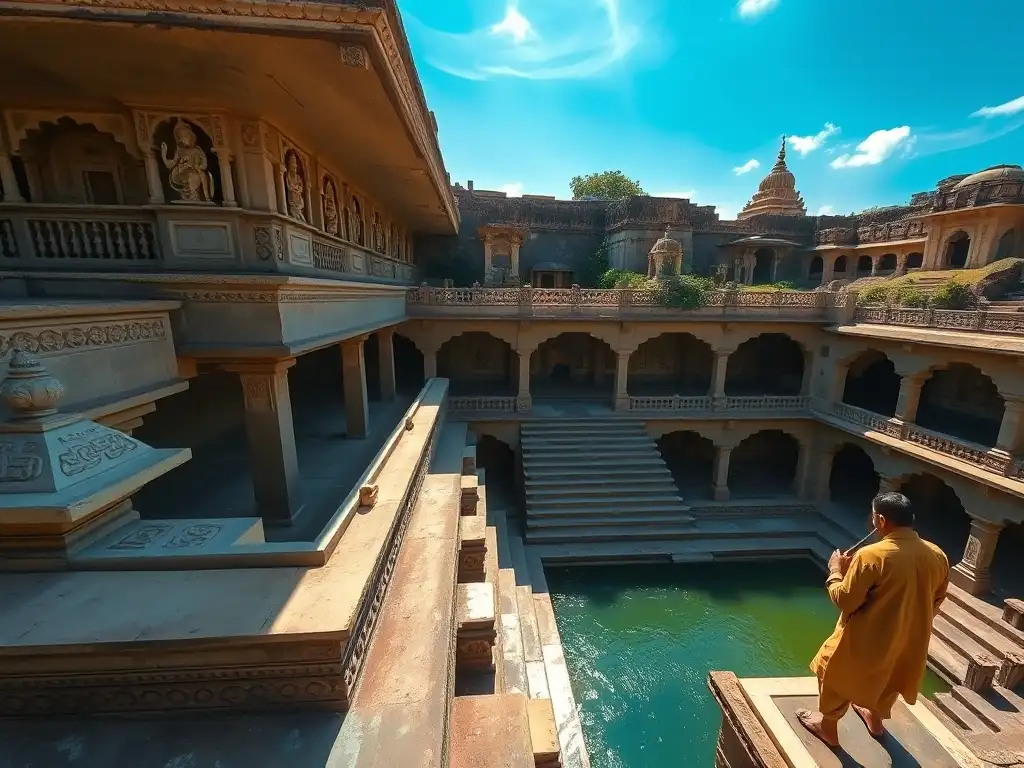
Welcome to Ancient India History, where we embark on a fascinating journey through time to uncover the incredible achievements of ancient Indian civilizations. In our featured article, “Ancient Indian Engineering: Lessons We Can Learn Today,” we delve into the remarkable engineering techniques that not only shaped the architectural landscape of the past but also hold valuable lessons for our modern world. Prepare to be captivated as we explore the ingenuity and innovation that flourished from the Indus Valley to the Gupta Empire, and discover how these ancient practices continue to inspire us today.
Are you ready to unlock the secrets of the past? Let’s dive in!

Introduction to Ancient Indian Engineering Techniques
Ancient Indian engineering techniques represent a remarkable aspect of the subcontinent's history, showcasing the ingenuity and advanced skills of its civilizations. From the meticulously planned urban layouts of the Indus Valley Civilization to the architectural grandeur of the Gupta Empire, these engineering feats not only reflect the technological prowess of their time but also offer invaluable lessons for contemporary society.
As we delve into the depths of ancient Indian engineering, we will explore the various techniques that have shaped India's rich heritage, emphasizing their significance in today's context. This exploration serves to highlight the relevance of ancient practices in modern engineering and construction, as well as the overarching principles of sustainability and innovation that can still be applied today.
Overview of Ancient Indian Engineering
Ancient Indian engineering is characterized by its diversity and adaptability, reflecting the varied geographical and cultural landscapes of the region. Scholars have identified several key periods and styles of engineering that have emerged over millennia. Notable periods include:
- Indus Valley Civilization (c. 3300–1300 BCE): Renowned for advanced urban planning and drainage systems.
- Maurya Empire (c. 322–185 BCE): Innovations in road construction and water management.
- Gupta Empire (c. 320–550 CE): Flourishing of architecture, including temples and pillars.
These eras contributed significantly to engineering techniques, particularly in areas such as water management, construction, and urban planning.
Importance of Engineering in Ancient Indian Civilizations
Engineering played a crucial role in the development and sustainability of ancient Indian civilizations. The ability to manipulate natural resources effectively allowed societies to thrive in diverse environments. Key aspects include:
- Urban Planning: Cities like Mohenjo-Daro and Harappa exemplified sophisticated layouts, featuring grid patterns and advanced drainage systems.
- Agricultural Innovations: Techniques such as irrigation and terracing helped maximize agricultural output, supporting large populations.
- Architectural Marvels: The construction of enduring monuments, including temples and palaces, reflects not only artistic expression but also advanced engineering skills.
Through these elements, ancient engineering not only contributed to the physical landscape but also fostered social organization and economic stability, ensuring the longevity of these civilizations.
Key Ancient Indian Engineering Techniques
As we examine the key ancient Indian engineering techniques, we will focus on two prominent areas: water management systems and construction techniques of ancient structures. Each of these areas showcases the innovative spirit that characterized ancient Indian engineering.
Water Management Systems in Ancient India
Water management was a foundational aspect of ancient Indian engineering, critical for sustaining agriculture and urban life. The following systems exemplify this ingenuity:
- Stepwells: These structures, built to access groundwater, demonstrate sophisticated hydraulic engineering and were essential in arid regions.
- Canals and Irrigation: The construction of canals for irrigation facilitated agricultural productivity, especially in the fertile plains of the Ganges.
- Rainwater Harvesting: Techniques such as rainwater harvesting and storage systems were prevalent, showcasing a deep understanding of environmental management.
These systems not only addressed immediate water needs but also reflected an understanding of ecological balance that is increasingly relevant in today's discussions on sustainability.
Construction Techniques of Ancient Structures
The construction techniques employed in ancient India were remarkable for their precision and durability. Notable methods include:
- Bricks and Mortar: The use of fired bricks in construction allowed for more robust structures, as seen in the Great Bath of Mohenjo-Daro.
- Stupas and Temples: The architectural designs of stupas and temples, characterized by intricate carvings and structural integrity, highlight advanced knowledge of geometry and materials.
- Stone Carving: Techniques in stone carving, evident in monuments like the Ajanta Caves, demonstrate not only artistic talent but also engineering skill in creating complex forms.
These ancient construction methods not only achieved aesthetic and functional goals but also laid the groundwork for future architectural innovations.
By exploring these themes, we uncover the vital lessons that ancient Indian engineering techniques can impart to our modern practices, emphasizing the enduring legacy of innovation and sustainability.
Innovations in Materials and Tools

Ancient Indian engineering techniques were characterized by remarkable innovations in materials and tools, reflecting a deep understanding of the natural environment and the available resources. Engineers and craftsmen of ancient India not only utilized locally sourced materials but also developed sophisticated methods to enhance their properties and functionality. This ingenuity laid the groundwork for some of the most enduring structures and technologies in human history.
The ancient Indians were adept at experimenting with various building materials, blending them to create durable and aesthetically pleasing structures. They employed mud, stone, wood, and metal, often using them in innovative combinations to achieve structural stability and resilience against the elements. This section explores specific traditional building materials and the tools and techniques that facilitated these engineering marvels.
Traditional Building Materials Used in Ancient India
-
Mud and Clay:
Mud and clay were fundamental materials used extensively in ancient Indian architecture. They were molded into bricks or used in their natural state for constructing walls, especially in regions like the Indus Valley. The use of fired bricks, which provided better durability, showcases the advanced understanding of material properties.
-
Stone:
Stone was a preferred material for monumental structures. The selection of specific stones, such as granite, sandstone, and limestone, depended on their availability and the intended purpose. The intricate carvings and sculptures seen in temples and forts highlight not only the aesthetic choices but also the engineering skills necessary for working with such hard materials.
-
Wood:
Wood was used in various structural elements, including beams and pillars. While perishable, it was often treated or combined with other materials to enhance its longevity. The use of wooden frameworks in construction demonstrated an understanding of load distribution and structural integrity.
-
Metals:
Metals such as bronze, copper, and iron played crucial roles in construction and decoration. They were often used for fittings, tools, and intricate designs. The Iron Pillar of Delhi is an excellent example of advanced metallurgy, illustrating how ancient engineers understood the properties of iron to prevent corrosion.
Tools and Techniques Employed by Ancient Engineers
Ancient Indian engineers employed a variety of tools and techniques that were advanced for their time, enabling them to construct durable and complex structures.
-
Lever and Pulley Systems:
These simple but effective machines were used to lift heavy stones and materials, allowing for the construction of large temples and palaces. The use of levers showcased a sophisticated understanding of mechanical advantage.
-
Surveying Instruments:
Instruments like the Gnomon and Plumb Line were utilized for accurate measurements and alignment in construction. This attention to detail ensured that structures were not only visually appealing but also structurally sound.
-
Masonry Techniques:
The dry masonry technique, which involves stacking stones without mortar, demonstrated a deep understanding of gravity and weight distribution. This technique is evident in many ancient forts and temples, contributing to their longevity.
-
Hydraulic Engineering:
Ancient Indians were skilled in managing water resources, as evidenced by sophisticated drainage systems in cities like Mohenjo-Daro. Techniques such as water harvesting and irrigation systems were crucial for agriculture and urban planning.
Case Studies of Ancient Indian Engineering
The Great Bath of Mohenjo-Daro
The Great Bath of Mohenjo-Daro is one of the most iconic examples of ancient Indian engineering. Dating back to around 2500 BCE, this large, public bathing area reflects advanced water management techniques. Constructed with baked bricks and featuring a sophisticated drainage system, the Great Bath was likely used for ritualistic purposes and social gatherings. The precise waterproofing methods employed in its construction demonstrate an understanding of hygiene and public health, which were remarkable for the time.
The Architectural Brilliance of the Brihadeeswarar Temple
Constructed in the early 11th century CE, the Brihadeeswarar Temple in Thanjavur stands as a testament to the engineering prowess of the Chola dynasty. This grand temple showcases the use of massive granite stones, some weighing several tons, which were transported and assembled with extraordinary precision. The temple’s towering vimana (temple tower) and intricate sculptures highlight the advanced techniques in stone carving and architecture. The temple not only serves as a religious site but also reflects the socio-political power of the Chola empire at its zenith.
The Engineering Feats of the Iron Pillar of Delhi
The Iron Pillar of Delhi, erected around the 4th century CE, is an engineering marvel that has fascinated historians and metallurgists alike. Standing approximately 7 meters tall, this pillar is renowned for its exceptional resistance to corrosion, attributed to the unique composition of the iron used and the technology of the time. The precise casting and forging techniques utilized in its creation are indicative of advanced metallurgical knowledge. The pillar's inscription, which provides insights into the history and culture of ancient India, further emphasizes its significance beyond mere engineering.
Lessons from Ancient Indian Engineering for Modern Practices
Ancient Indian engineering techniques offer valuable insights that can be applied to contemporary construction practices. The ingenuity and resourcefulness displayed by ancient civilizations in India, from the Indus Valley to the Gupta Empire, laid the groundwork for sustainable and efficient engineering solutions. By examining these historical methods, modern engineers can adopt practices that not only enhance their projects but also contribute positively to the environment and society.
Sustainable Practices in Ancient Engineering
Sustainability was a fundamental principle in ancient Indian engineering. Techniques such as rainwater harvesting, intricate drainage systems, and the use of local materials minimized ecological footprints. For example, the city of Mohenjo-Daro featured a sophisticated drainage system that effectively managed wastewater, demonstrating an early understanding of urban planning and hygiene.
Additionally, the construction of structures like the stepwells in Gujarat showcased the ingenious methods used to conserve water while providing a community resource. These practices teach us the importance of integrating sustainability into modern engineering solutions, encouraging the use of resources that are renewable and locally sourced.
The Relevance of Traditional Materials in Modern Construction
Ancient Indian engineers effectively utilized locally available materials, such as stone, wood, and mud, which were not only durable but also environmentally friendly. For instance, the use of sandstone in the construction of temples allowed for both aesthetic appeal and longevity, as seen in the architectural marvels of Khajuraho and Hampi.
Modern construction can greatly benefit from re-evaluating these materials. By incorporating traditional materials into contemporary designs, engineers can reduce carbon footprints associated with industrially produced materials. Moreover, exploring the characteristics of these time-tested materials can lead to innovative solutions that enhance structural integrity and sustainability.
Conclusion
The lessons gleaned from ancient Indian engineering are incredibly relevant in today's context. By embracing sustainable practices and traditional materials, modern engineers can create structures that not only meet contemporary needs but also honor the environment.
The Enduring Legacy of Ancient Indian Engineering
The legacy of ancient Indian engineering continues to influence architectural and engineering practices worldwide. Techniques developed thousands of years ago remain relevant, offering timeless wisdom that can guide contemporary innovations. The principles of sustainability, resourcefulness, and community-centric design are increasingly recognized as vital components of modern engineering.
Encouraging Modern Engineers to Learn from the Past
It is essential for modern engineers to delve into the rich history of ancient Indian engineering. By studying and understanding these techniques, engineers can inspire new solutions that are both innovative and respectful of the environment. Emphasizing a dialogue between the past and present can lead to a more sustainable future in engineering and construction practices, ensuring that we honor the ingenuity of our ancestors while shaping the world of tomorrow.
- Introduction to Ancient Indian Engineering Techniques
- Overview of Ancient Indian Engineering
- Importance of Engineering in Ancient Indian Civilizations
- Key Ancient Indian Engineering Techniques
- Innovations in Materials and Tools
- Case Studies of Ancient Indian Engineering
- Lessons from Ancient Indian Engineering for Modern Practices
- Conclusion
- What were some notable ancient Indian engineering techniques?
- How did ancient Indian engineering influence modern practices?
- What materials were commonly used in ancient Indian engineering?
- Can you give an example of a significant ancient Indian structure?
- How did ancient Indian engineering techniques address environmental challenges?
Frequently Asked Questions
What were some notable ancient Indian engineering techniques?
Ancient Indian civilizations developed advanced engineering techniques such as urban planning in the Indus Valley, intricate water management systems, and construction of stepwells and temples.
How did ancient Indian engineering influence modern practices?
The innovative engineering solutions from ancient India laid the groundwork for modern civil engineering practices, particularly in hydraulic engineering and sustainable architecture.
What materials were commonly used in ancient Indian engineering?
Ancient Indian engineers primarily utilized stone, brick, and wood for construction, showcasing their ability to work with local materials to create enduring structures.
Can you give an example of a significant ancient Indian structure?
The Brihadeeswarar Temple in Tamil Nadu is a prime example of ancient Indian engineering, featuring intricate carvings and a massive dome, showcasing the architectural prowess of the Chola dynasty.
How did ancient Indian engineering techniques address environmental challenges?
Ancient Indian engineers employed innovative solutions like rainwater harvesting, drainage systems, and agricultural terraces to effectively manage resources and adapt to local environmental conditions.
Final Reflection: Embracing the Wisdom of Ancient Indian Engineering
The ingenuity of ancient Indian engineering techniques continues to resonate profoundly in our modern world. As we navigate the complexities of contemporary challenges, the innovative solutions devised by our ancestors serve as a testament to their remarkable foresight and adaptability. The principles of sustainability, precision, and community-centric design that characterized these ancient practices are not just relics of the past; they are essential blueprints for addressing today’s pressing issues, from environmental sustainability to urban planning.
The impact of ancient Indian engineering techniques extends far beyond historical significance; it shapes our cultural identity and informs our modern practices. These techniques remind us of the importance of harmonizing human needs with the natural environment. As we strive for progress, we must not forget the wisdom embedded in our heritage. The greatest discoveries are those that shed light on the past and guide us toward a better future.
This quote encapsulates the essence of learning from history, urging us to integrate these timeless lessons into our current endeavors.
As we reflect on the teachings of ancient Indian engineering, I invite you to consider how these lessons can be woven into your own life and work. What can you draw from the past to inspire innovation in your present? Embrace the spirit of inquiry and creativity that defined these ancient techniques, and let it guide you in crafting solutions that honor both tradition and progress. Together, we can build a future that not only respects our history but also thrives on the wisdom it offers.
Unlock the Secrets of Ancient Engineering!
Thank you for diving into the fascinating world of Ancient Indian engineering with us! You've uncovered rich insights that not only celebrate the past but also inspire innovation in our modern lives. Now, it’s time to put that knowledge into action and explore how these age-old techniques can inform today's engineering practices.
Here are a few ways you can get involved:
- Implement a Sustainable Project: Choose an aspect of ancient Indian techniques that resonates with you and initiate a project in your community or workplace that embraces those principles. Consider eco-friendly building methods or water conservation techniques inspired by ancient practices!
- Share and Discuss: Join online forums or local groups interested in history and engineering. Share your insights and encourage others to explore ancient wisdom in addressing modern challenges.
- Explore Further: Delve deeper into the engineering marvels of Ancient India. Consider visiting a historical site or museum to experience these ancient solutions firsthand.
Which ancient engineer from our past do you believe deserves more recognition, and how can we apply their lessons in today's context?