
The Influence of Geography on Ancient Indian Economic Practices

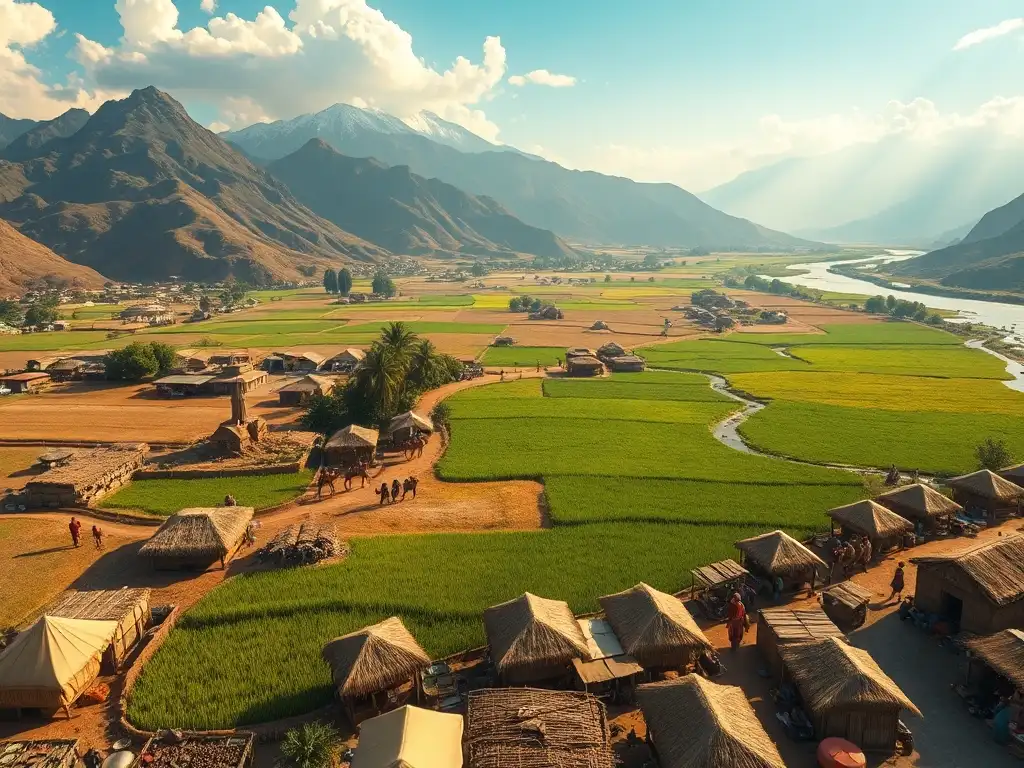
Welcome to Ancient India History, where we embark on a fascinating journey through the rich tapestry of one of the world's oldest civilizations. In our featured article, "The Influence of Geography on Ancient Indian Economic Practices," we delve into how the diverse landscapes of ancient India shaped its economy and trade routes. Discover the intricate connections between geography and economic prosperity, and prepare to be captivated by the stories of innovation and resilience that defined ancient Indian societies. Join us as we explore these vital links and unlock the secrets of a remarkable past!
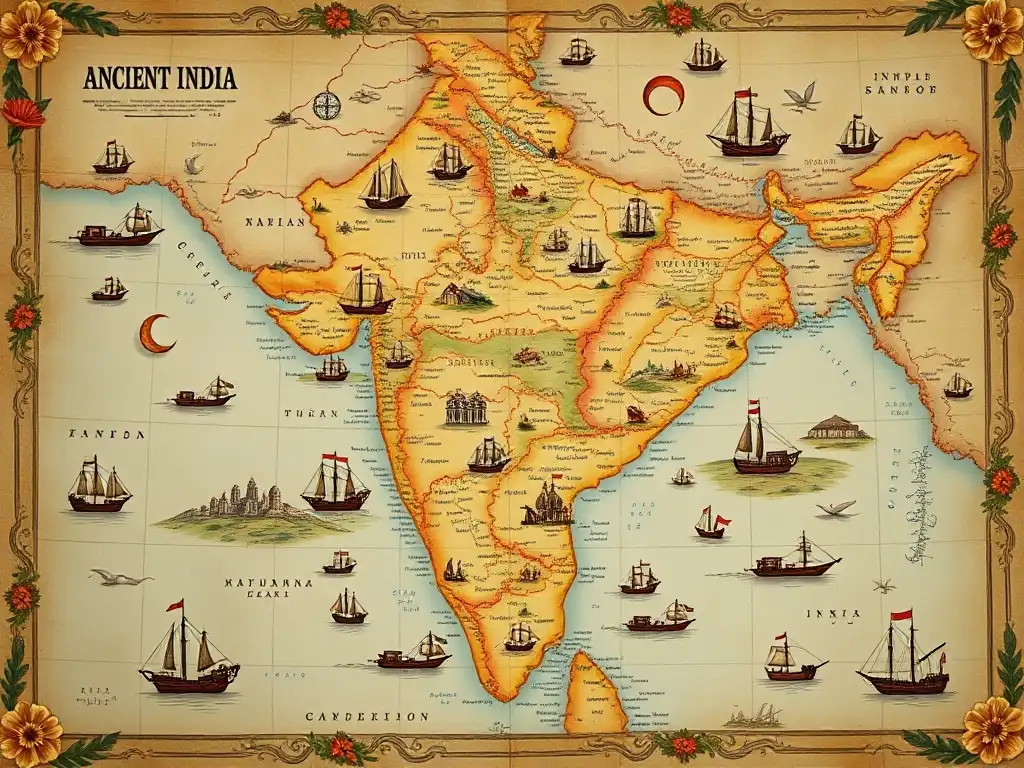
Introduction to Geography and Ancient Indian Economy
The intricate relationship between geography and the economic practices of ancient Indian civilizations offers profound insights into how natural landscapes shaped trade, agriculture, and resource management. Ancient India's diverse topography, ranging from the towering Himalayas to the expansive plains and intricate river systems, not only influenced settlement patterns but also dictated the economic activities of its inhabitants. This article delves into the ways geography impacted ancient Indian economy, exploring various regions and their unique contributions to trade and resources. Understanding this interplay aids in comprehending the richness of ancient Indian history and its economic frameworks.
Overview of Ancient Indian Economic Systems
The economic systems of ancient India were characterized by a blend of agriculture, trade, and craftsmanship. Major agricultural practices were rooted in the fertile plains of the Gangetic region, while urban centers thrived on trade facilitated by strategic geographic locations. Key aspects of these economic systems included:
- Agriculture: The backbone of the economy, relying heavily on seasonal monsoons and fertile soils.
- Trade: Flourished due to the establishment of trade routes connecting various regions, both inland and maritime.
- Craftsmanship: A rich tradition of artisanship produced textiles, pottery, and metalwork, which were significant for both local use and trade.
Importance of Geography in Economic Development
Geography served as a critical determinant in the economic development of ancient India. The natural features of the land influenced:
- Settlement Patterns: Communities established themselves in areas with access to water and fertile land, leading to concentrated agricultural production.
- Trade Routes: The presence of rivers and mountain passes facilitated the movement of goods, while coastlines opened avenues for maritime trade.
- Resource Distribution: Geographic diversity meant varying availability of resources, which shaped regional economies and trade relationships.
Major Geographic Regions of Ancient India
Ancient India was divided into several distinct geographic regions, each contributing uniquely to the economy and trade networks.
The Indus Valley and Its Role in Trade
The Indus Valley Civilization, one of the earliest urban cultures, thrived along the fertile banks of the Indus River. This region's strategic location enabled:
- Trade with Mesopotamia: Archaeological evidence indicates robust trade links with neighboring civilizations, highlighting the Indus Valley's role as a commercial hub.
- Urban Planning: Cities like Harappa and Mohenjo-Daro showcased advanced infrastructure, supporting trade activities through organized marketplaces.
The Gangetic Plains: Fertility and Agriculture
The Gangetic Plains are renowned for their rich alluvial soil and favorable climate, making it a cradle for agriculture. Key factors included:
- High Crop Yields: This region's agricultural output, including rice and wheat, supported large populations and led to the establishment of prosperous cities.
- River Systems: The Ganges and its tributaries provided essential irrigation, fostering agricultural surplus and trade.
The Deccan Plateau: Minerals and Resources
The Deccan Plateau, characterized by its rugged terrain, was rich in minerals and natural resources. Its economic significance stemmed from:
- Mining Activities: The plateau was a source of valuable minerals, including iron and diamonds, which were critical for trade.
- Agricultural Diversity: While less fertile than the Gangetic Plains, the plateau supported various crops, contributing to regional economies.
Coastal Regions: Maritime Trade Opportunities
The coastal regions of ancient India, particularly along the western and eastern shores, played a pivotal role in maritime trade. Their influence included:
- Access to Trade Networks: Ports such as Lothal and Sopara connected India to global trade routes, facilitating the exchange of goods like spices, textiles, and precious stones.
- Cultural Exchange: Maritime trade fostered cultural interactions with other civilizations, enriching India's cultural tapestry and economic practices.
The geography of ancient India was not merely a backdrop but a dynamic force shaping its economic practices. By exploring these geographic influences, we gain a deeper appreciation for the complexity and richness of ancient Indian civilizations.
Geographic Factors Influencing Economic Practices
Geography played a pivotal role in shaping the economic practices of ancient Indian civilizations. The diverse landscapes, climatic conditions, and availability of natural resources influenced agricultural patterns, trade routes, and industrial practices. Understanding these geographic factors provides insight into how ancient Indians adapted their economic activities to thrive in their environment.
Climate and Agriculture: The Monsoon's Impact
The Indian subcontinent is characterized by a varied climate, with monsoons being central to agricultural productivity. The southwest monsoon, occurring from June to September, brings essential rainfall that replenishes rivers and irrigates fields. This seasonal rainfall pattern allowed for the cultivation of a wide range of crops, including rice, wheat, and pulses, which became staples in the diet of ancient Indians.
Regions such as the Indo-Gangetic Plain benefitted immensely from the fertile alluvial soil deposited by river systems, leading to high agricultural yields. In contrast, arid regions, like parts of Rajasthan, relied on drought-resistant crops and innovative irrigation techniques, such as step wells and tanks. These adaptations not only ensured food security but also fostered trade in surplus produce, significantly influencing the ancient Indian economy.
Natural Resources and Their Economic Significance
Ancient India boasted an abundance of natural resources that were crucial to its economic development. The subcontinent was endowed with minerals, such as gold, silver, copper, and iron, which were extracted and utilized for various purposes, including tool-making, jewelry, and trade. For instance, the presence of iron ore in regions like present-day Karnataka facilitated the production of high-quality iron tools, enhancing agricultural efficiency and warfare capabilities.
Additionally, the exploitation of natural resources extended to forestry, where timber was harvested for construction and shipbuilding. The coastal areas, rich in marine resources, contributed to fishing economies and trade with neighboring regions. This resource diversification not only supported local economies but also established India as a significant player in regional trade networks.
Trade Routes: Land and Maritime Connectivity
Geography facilitated the establishment of extensive trade routes, both overland and maritime, that connected ancient India to other civilizations. The northwestern routes, including the famous Silk Road, enabled trade with Central Asia, Persia, and beyond, allowing for the exchange of goods such as silk, spices, and precious stones. The use of caravanserais along these routes provided resting places for traders and facilitated commerce.
In addition to land routes, maritime trade flourished along the Indian Ocean, with ports like Lothal and Sopara becoming vital centers for trade with distant lands, including Africa, Arabia, and Southeast Asia. These connections not only promoted the exchange of goods but also led to cultural diffusion, contributing to the richness of ancient Indian society.
Economic Activities Shaped by Geography
The geographic diversity of ancient India fostered a variety of economic activities that were closely aligned with local environments. From agriculture to craftsmanship, these activities were tailored to leverage the strengths of the surrounding geography.
Agriculture: Crop Diversity and Regional Practices
India's varied climatic zones and soil types resulted in a rich tapestry of agricultural practices. Regions like Punjab, with its fertile plains, became known for wheat and barley, while the southern states excelled in rice cultivation due to their wet climate. The introduction of diverse crop rotation techniques and irrigation systems further enhanced agricultural productivity.
Moreover, traditional practices, such as shifting cultivation in forested areas, allowed communities to sustainably utilize land while minimizing soil depletion. This adaptability not only ensured food production but also laid the foundation for trade in agricultural products, fostering economic growth across regions.
Craftsmanship and Industry: Local Resources and Skills
Ancient India's craft industries were deeply intertwined with local resources and skills. Each region specialized in particular crafts based on available materials, leading to the development of unique products. For example, Gujarat became renowned for its textiles, while the Deccan plateau was famous for intricate metalwork and stone carving.
The artisan communities were often organized into guilds, which facilitated skill transfer and quality control. This specialization and craftsmanship contributed to the flourishing of local markets and trade networks, allowing for the exchange of artisanal goods across the subcontinent and beyond.
Trade and Commerce: Regional Markets and Exchanges
Trade and commerce in ancient India were driven by the geographic distribution of resources and population centers. Major cities, such as Pataliputra and Taxila, emerged as thriving marketplaces, where goods from various regions were exchanged. The establishment of a standardized system of weights and measures enhanced trading efficiency.
Regional markets played a crucial role in facilitating local exchanges, where farmers, artisans, and traders could connect. The growth of trade routes, coupled with a currency system, allowed for increased economic interaction, fostering a vibrant commercial landscape that contributed significantly to the overall economy of ancient India.
The Role of Geography in Ancient Indian Trade Networks
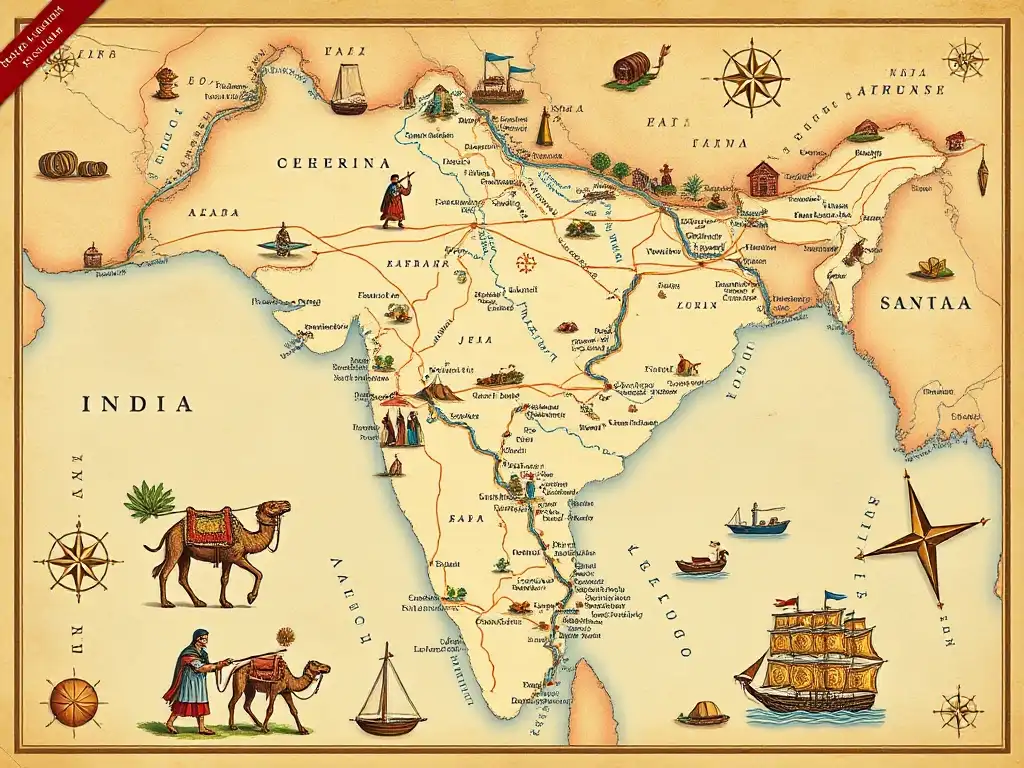
Geography played a pivotal role in shaping the economic practices of ancient Indian civilizations, particularly in the establishment and evolution of trade networks. The diverse landscape of India, which encompasses mountains, rivers, plateaus, and plains, created both opportunities and challenges for trade. Natural features such as the Himalayas in the north, the Thar Desert in the west, and the extensive coastline along the Indian Ocean facilitated different forms of trade, influencing economic interactions within and beyond the subcontinent.
The fertility of river valleys, especially those of the Indus and Ganges, supported agricultural surplus, which became the backbone of trade. Major trade routes evolved along these rivers, connecting various regions and enabling the exchange of goods. Additionally, the country's geographic position as a bridge between East and West allowed for cultural and commercial exchanges with distant civilizations, enhancing the richness of India's trade networks.
Internal Trade: Connections Between Regions
Internal trade within ancient India was significantly influenced by geography, as different regions specialized in various products based on their environmental conditions. For instance, the fertile plains of the Ganges were known for their agricultural produce, while the coastal regions engaged in fishing and maritime trade. Trade routes established between these regions facilitated the movement of goods such as textiles from the Deccan, spices from the Western Ghats, and precious metals from the northern regions.
The establishment of markets and urban centers along these trade routes fostered economic interdependence among regions. The cities of Pataliputra and Taxila became prominent trade hubs, linking the eastern and western parts of the subcontinent. The ease of transport via rivers and roads enabled merchants to conduct trade efficiently, influencing local economies and enhancing regional connectivity.
External Trade: Interaction with Neighboring Civilizations
Ancient India's geographical location provided crucial access to various neighboring civilizations, leading to vibrant external trade. The coastal regions facilitated maritime trade with civilizations in Southeast Asia, the Arabian Peninsula, and even the Mediterranean. Indian goods, including silk, spices, and gemstones, were highly sought after, which fostered economic relationships with foreign powers.
The land routes through the Khyber Pass connected India with Central Asian and Persian civilizations. This interaction not only enriched India's economy but also led to cultural exchanges that shaped the social and religious landscape of the region. The Silk Road, which passed through these areas, served as a vital conduit for trade, allowing for the movement of not just goods but also ideas and technologies.
Influences of Geography on Trade Routes and Timing
Geographic features significantly impacted the design and timing of trade routes in ancient India. The monsoon winds, for example, dictated sailing patterns for maritime traders, with seasonal changes affecting the timing of voyages. Traders often planned their journeys according to these patterns to ensure safe passage and maximize trade opportunities.
Mountain ranges, like the Himalayas, acted as natural barriers but also created specific trade routes through passes, which became essential for overland trade with Central Asia. The accessibility of these routes influenced the frequency and volume of trade, determining which goods were exchanged and how quickly they reached their destinations.
Case Studies of Geographic Influence on Economic Practices
The Indus Valley Civilization: Urban Planning and Trade
The Indus Valley Civilization (c. 3300–1300 BCE) exemplified the profound impact of geography on economic practices. The civilization's cities, such as Harappa and Mohenjo-Daro, were meticulously planned, featuring advanced drainage systems and grid layouts, which facilitated efficient trade. Their proximity to the Indus River allowed for easy transportation of goods and agricultural products, considerably enhancing trade capabilities.
Inhabitants engaged in trade with neighboring regions, exporting items like cotton textiles and pottery while importing raw materials such as metals from distant lands. The presence of standardized weights and measures suggests a sophisticated approach to trade, which likely stemmed from their geographic advantages.
The Maurya Empire: Centralized Economy and Geography
During the Maurya Empire (c. 322–185 BCE), geography continued to shape economic practices through a centralized economic system. The empire's vast territory, including fertile plains and strategic trade routes, enabled efficient resource management and trade. The Mauryan administration implemented standardized taxation and developed infrastructure, such as roads and rest houses, to facilitate trade across regions.
The empire’s capital, Pataliputra, located at the confluence of major rivers, became a significant trade hub, connecting the north with southern and western regions. This geographic advantage allowed for the flourishing of both internal and external trade, contributing to the empire's economic prosperity.
The Gupta Period: Regional Trade Expansion and Cultural Exchange
The Gupta Empire (c. 240–550 CE) saw a remarkable expansion of regional trade, influenced by its geographical features. The empire's strategic location facilitated trade with Southeast Asia and beyond, with Indian merchants actively engaging in maritime trade. The flourishing trade networks during this period enabled not only economic growth but also cultural exchanges, as ideas, religions, and art traveled alongside goods.
The establishment of trade guilds played a crucial role in regulating trade practices and protecting merchants' interests. The Gupta period is often referred to as a golden age, where the combination of geographic advantages and economic practices led to remarkable advancements in various fields, including science, mathematics, and the arts. The interconnectedness fostered by geography during this time laid the foundation for India's rich historical legacy.
Conclusion: The Lasting Impact of Geography on Ancient Indian Economy
The geographical landscape of ancient India played a pivotal role in shaping its economic practices and systems. The diverse topography, including the vast Himalayas, fertile plains of the Ganges, and extensive coastal regions, facilitated various forms of agriculture, trade, and cultural exchange. These geographic features not only determined the locations of settlements but also influenced the types of economic activities that thrived in different regions.
The strategic positioning of ancient India along trade routes, including those connecting to the Silk Road, allowed for significant cultural and economic interactions with neighboring civilizations. This exchange of goods, ideas, and technologies contributed to the rich tapestry of ancient Indian society. The reliance on river systems for irrigation and transportation further enhanced agricultural productivity and trade, forming the backbone of the ancient Indian economy.
In essence, the geographical context of ancient India not only fostered a diverse range of economic practices but also laid the foundations for the socio-political structures that emerged over time. The legacies of these practices continue to resonate in contemporary economic frameworks, underscoring the importance of geography in understanding historical economic dynamics.
Summary of Key Geographic Influences
- River Systems: The Indus and Ganges Rivers were crucial for irrigation and trade, enabling agricultural surplus and fostering settlement in their basins.
- Topographical Diversity: The varied geography, including mountains, plains, and deserts, influenced agricultural practices, resource availability, and settlement patterns.
- Coastal Trade: The extensive coastline facilitated maritime trade, connecting ancient India with distant markets in Southeast Asia, the Middle East, and beyond.
- Natural Resources: The availability of valuable resources, such as spices, textiles, and precious metals, shaped trade dynamics and economic specialization in regions across ancient India.
These geographic factors collectively contributed to a complex and dynamic economic system that was adaptable to both local and global influences.
Reflection on Modern Implications of Ancient Economic Practices
The economic practices of ancient India, heavily influenced by geography, offer valuable insights for contemporary economic systems. Understanding how geographic factors shaped trade routes, agricultural practices, and resource management can inform current discussions on sustainable development and economic resilience.
Modern economies can learn from ancient practices, especially in utilizing local resources effectively and fostering trade networks that leverage geographical advantages. The emphasis on agriculture as a primary economic driver in ancient India highlights the importance of food security and sustainable farming practices, which remain critical issues today.
Furthermore, the rich history of maritime trade in ancient India serves as a reminder of the importance of international trade relations, particularly in an increasingly globalized world. By examining the geographic influences on ancient economic practices, modern societies can develop strategies that honor historical legacies while addressing contemporary challenges.
References
Suggested Readings on Geography and Ancient Indian Economy
-
Thapar, Romila. A History of India: Volume 1. Penguin Books, 1990.
This book provides a comprehensive overview of ancient Indian history, including economic practices influenced by geography.
-
Ray, Himanshu Prabha. The Archaeology of Seafaring in Ancient South Asia. Cambridge University Press, 2003.
This work explores maritime trade and its significance in the ancient Indian economy, with a focus on geographical context.
Academic Sources for Further Exploration
-
Gupta, Ashok. "Geographical Factors in the Development of Ancient Indian Economy." Journal of Historical Geography, vol. 19, no. 1, 2020, pp. 37-52.
This article examines the impact of geographical factors on the economic development of ancient India.
-
Sharma, Rakesh. "Trade Routes and Economic Exchanges in Ancient India." Indian Economic History Review, vol. 56, no. 2, 2019, pp. 105-126.
This academic paper analyses the trade routes of ancient India and their economic implications, considering geographical influences.
- Introduction to Geography and Ancient Indian Economy
- Major Geographic Regions of Ancient India
- Geographic Factors Influencing Economic Practices
- Economic Activities Shaped by Geography
- The Role of Geography in Ancient Indian Trade Networks
- Case Studies of Geographic Influence on Economic Practices
- Conclusion: The Lasting Impact of Geography on Ancient Indian Economy
- References
- What role did geography play in ancient Indian economic practices?
- How did the Indus Valley's geography affect its economy?
- What natural resources were pivotal to the ancient Indian economy?
- How did ancient Indian civilizations adapt to their geographical environment?
- What impact did the Gupta Empire's geography have on its economy?
Frequently Asked Questions
What role did geography play in ancient Indian economic practices?
Geography significantly influenced trade routes, agriculture, and resource distribution in ancient India, shaping the economy and lifestyle of its civilizations.
How did the Indus Valley's geography affect its economy?
The Indus Valley's fertile land and proximity to rivers facilitated agriculture and enabled trade, contributing to the region's economic prosperity.
What natural resources were pivotal to the ancient Indian economy?
Ancient India was rich in minerals, spices, and textiles, which were vital for both local consumption and international trade, further boosting the economy.
How did ancient Indian civilizations adapt to their geographical environment?
Civilizations adapted by developing irrigation systems, utilizing local resources, and establishing trade with neighboring regions based on their geographical advantages.
What impact did the Gupta Empire's geography have on its economy?
The strategic location of the Gupta Empire allowed for thriving trade networks and cultural exchanges, which significantly enhanced its economic growth and stability.
Final Reflection: The Enduring Legacy of Geography on Ancient Indian Economic Practices
The intricate relationship between geography and the ancient Indian economy remains profoundly relevant today. As we navigate our modern world, understanding how geographical factors shaped economic practices in ancient India provides invaluable insights into the complexities of trade, agriculture, and resource management. This connection not only highlights the significance of geographical context in economic development but also reminds us that our current economic systems are similarly influenced by the environments we inhabit.
The impact of geography on ancient Indian economic practices continues to resonate in contemporary society. The diverse landscapes of India, from the fertile plains of the Ganges to the arid deserts of Rajasthan, fostered unique economic activities that laid the foundation for a rich cultural heritage. This historical perspective underscores the importance of local resources and environmental conditions in shaping economic strategies. As Mahatma Gandhi once said, “The earth provides enough to satisfy every man's needs, but not every man's greed.” > This quote encapsulates the essence of sustainable practices that can still guide us today.
As we reflect on the lessons from ancient Indian economic practices, let us consider how we can apply these insights to our own lives and communities. I invite you to explore the geographical influences in your surroundings and think about how they shape your local economy. By recognizing the interconnectedness of geography and economic practices, we can foster a deeper appreciation for our environment and strive for sustainable development that honors the legacy of those who came before us.
Unveil the Connections: Explore Ancient India’s Economic Practices!
Thank you for diving into the fascinating world of ancient Indian economic practices influenced by geography! We hope you’ve discovered some intriguing insights that spark your curiosity about how the environment shaped trade and commerce in historical India. Now, it's time to take action and deepen your understanding further.
Here are a few steps you can take to expand your exploration:
- Dive Deeper! Research the various geographical regions of ancient India and their unique economic strategies. Utilize libraries or online resources to uncover lesser-known facts and stories.
- Share Your Insights! Engage with friends or family to discuss how geography continues to impact economies today. Consider sharing this article on social media to spread knowledge!
- Connect with Others! Join online forums or local discussion groups focused on ancient Indian history to share your discoveries. Your insights could lead to captivating discussions!
Which aspect of ancient Indian geography do you find most surprising in its influence on economic practices? Let’s spark a conversation!