
The Legacy of Ancient Indian Ritual Arts in Contemporary Performance Practices

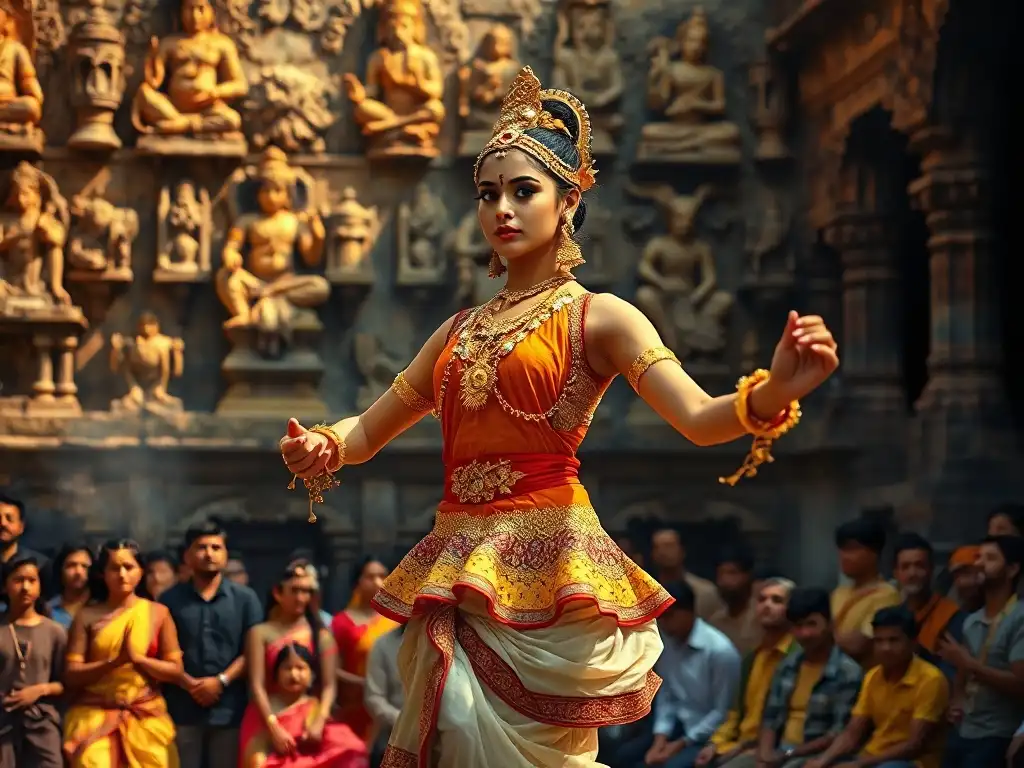
Welcome to Ancient India History, where we embark on a fascinating journey through the rich tapestry of ancient Indian civilizations! From the enigmatic streets of the Indus Valley to the profound philosophies of the Gupta Empire, our exploration reveals the incredible contributions that have shaped not just a nation, but the world. In this article, we delve deep into the ancient Indian ritual arts, uncovering their enduring legacy and how they continue to inspire contemporary performance practices.
Prepare to be captivated by the intricate connections between the past and present, and discover how these time-honored traditions are revitalizing modern creativity. Join us as we unravel the stories waiting to be told!
Introduction to Ancient Indian Ritual Arts
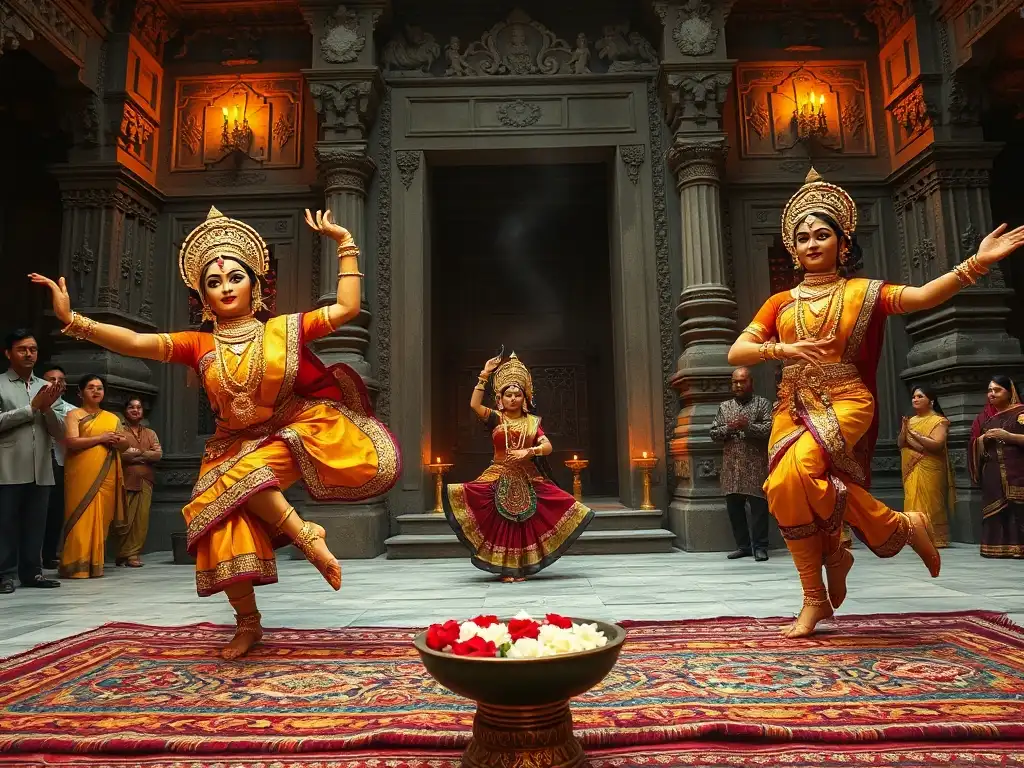
The heritage of ancient Indian ritual arts is a profound tapestry woven with threads of spirituality, community, and artistic expression. These rituals, deeply embedded in the cultural fabric of ancient India, served not only as religious observances but also as a means of storytelling and societal cohesion. From the elaborate ceremonies of the Indus Valley Civilization to the intricate performances in the courts of the Gupta Empire, these arts have evolved over millennia, leaving an indelible mark on contemporary performance practices.
Today, they continue to inspire and influence various forms of art, theater, and dance, illustrating the dynamic interplay between tradition and modernity. Understanding this legacy is essential for appreciating how ancient practices inform contemporary expressions, providing both a historical anchor and a source of innovation.
Historical Context of Ancient Indian Ritual Arts
The roots of ancient Indian ritual arts can be traced back to several significant periods in Indian history, each contributing unique elements to the evolution of these practices:
- Indus Valley Civilization (c. 3300–1300 BCE): This early civilization showcased rituals centered around fertility, agriculture, and worship of deities, with artifacts indicating the use of dance and music in their ceremonies.
- Vedic Period (c. 1500–500 BCE): The rituals during this time were heavily influenced by the Vedas, comprising elaborate sacrifices (yajnas) and chants (saman) that involved intricate performance arts. This period laid the foundation for various performance traditions that include music, dance, and drama.
- Classical Period (c. 300 BCE–1200 CE): The emergence of regional kingdoms saw the flourishing of diverse art forms, including both folk and classical traditions. The Natya Shastra, attributed to Bharata Muni, codified the principles of drama and dance, integrating ritualistic elements into performance.
- Medieval Period (c. 1200–1800 CE): This era witnessed the synthesis of various cultural influences, particularly with the advent of Islam in India. Ritual arts became a medium for both resistance and adaptation, leading to the creation of new forms that reflected a blend of traditions.
The historical journey of these ritual arts not only highlights their significance in society but also underscores their adaptability and resilience throughout the ages.
Key Components of Ancient Indian Ritual Arts
Ancient Indian ritual arts encompass a wide array of practices, each rich with symbolism and meaning. The following components are central to understanding their essence:
- Music and Dance:
- Ragas and Talas: The melodic structures and rhythmic cycles that form the backbone of many performances.
- Devotional Dance Forms: Styles such as Bharatanatyam, Kathak, and Odissi, each carrying its own set of rituals and narratives.
- Theatrical Expression:
- Storytelling: Utilizing myths and epics like the Mahabharata and Ramayana as core narratives, performances often convey moral and philosophical themes.
- Character Archetypes: The use of specific roles such as gods, demons, and heroic figures, which embody various aspects of human experience.
- Symbolic Rituals:
- Sacred Offerings: The incorporation of physical items in performances, such as flowers, incense, and food, signifying devotion and reverence.
- Chants and Mantras: The verbal expressions that accompany performances, believed to invoke divine presence and influence the outcome of rituals.
- Costumes and Props:
- Traditional Attire: Costumes often reflect the cultural and regional identities, enhancing the visual storytelling aspect.
- Ritual Objects: Items like masks and puppets used to symbolize different characters and themes within the performance.
The integration of these components creates a rich, immersive experience that echoes the spiritual and communal essence of ancient Indian ritual arts, and continues to influence contemporary performance practices today.
Contemporary Performance Practices Influenced by Ancient Indian Ritual Arts
The influence of ancient Indian ritual arts on contemporary performance practices is profound and multifaceted. These rituals, deeply woven into the fabric of ancient Indian culture, encompass a variety of art forms, including dance, music, drama, and visual arts. Each of these practices carries with it the spiritual essence and symbolic meanings that originated centuries ago.
Modern performers often draw inspiration from ancient texts such as the Natya Shastra, an ancient treatise on performing arts attributed to Bharata Muni. This foundational work outlines the principles of dance, music, and drama, emphasizing the importance of expression and emotion (rasa) in performance.
In contemporary settings, artists are increasingly incorporating these ancient elements to create performances that not only entertain but also educate audiences about their cultural heritage. For instance, traditional dance forms like Bharatanatyam and Kathak are often performed with contemporary themes, bridging the gap between past and present. These performances strive to maintain the integrity of the original forms while also addressing modern societal issues, thereby ensuring the continued relevance of ancient Indian ritual arts.
Case Studies: Reviving Ancient Indian Ritual Arts in Modern Settings
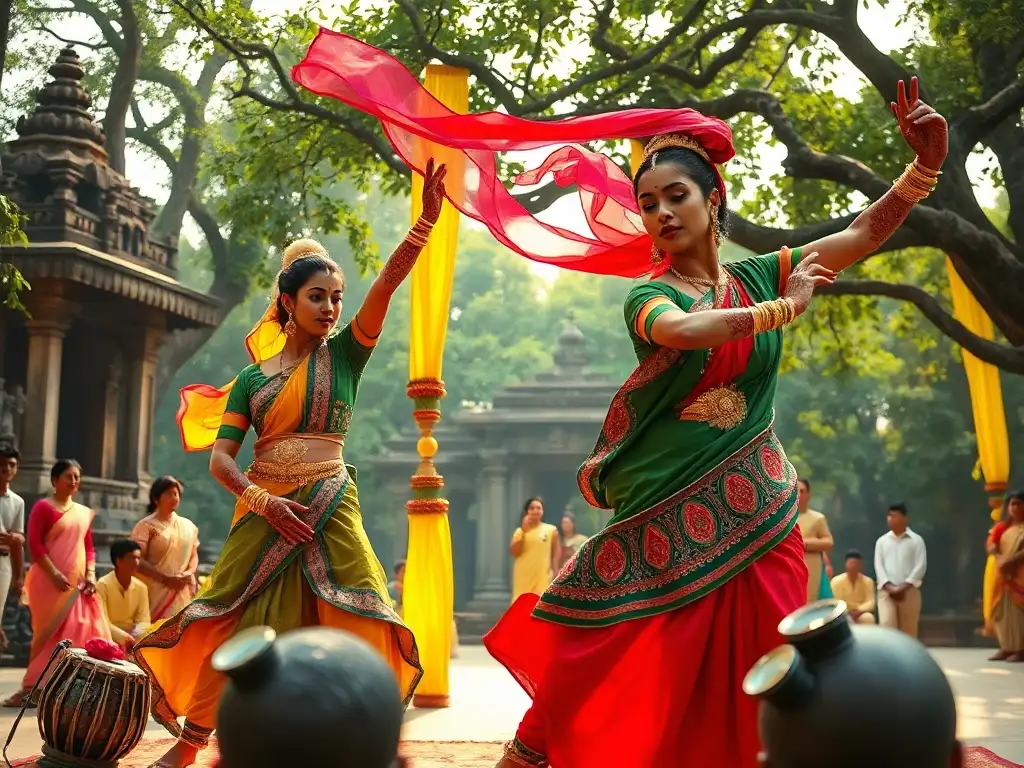
Several noteworthy case studies illustrate the successful revival of ancient Indian ritual arts in modern contexts. One such example is the revival of the Koodiyattam, a traditional Sanskrit theater form recognized by UNESCO as an Intangible Cultural Heritage. Efforts led by practitioners like Guru G. V.enu and the Koodiyattam Research Center have brought this art form back into the limelight, integrating it into contemporary theater festivals and educational institutions.
Another significant case study is the adaptation of Yakshagana, a traditional dance-drama from Karnataka, which has seen a resurgence in popularity. Modern troupes are experimenting with new narratives and themes while retaining the traditional storytelling techniques. This adaptation has attracted younger audiences, creating a vibrant platform for ancient narratives to coexist with contemporary issues.
In the realm of music, fusion genres that blend ancient Indian ragas with modern musical styles have gained traction. Artists like Ravi Shankar have paved the way for this integration, allowing the rich textures of classical Indian music to resonate within global music scenes. These case studies underscore the flexibility and resilience of ancient Indian ritual arts, demonstrating their ability to adapt and thrive in modern performance practices.
Challenges and Opportunities in Preserving Ancient Indian Ritual Arts
Preserving ancient Indian ritual arts presents both challenges and opportunities. One of the primary challenges is the decline in traditional patronage systems that once supported these art forms. As societal structures evolve, many artists find it difficult to sustain their livelihoods solely through traditional practices. This shift has led to a dilution of some art forms, as practitioners may feel compelled to adapt their work to meet commercial demands.
Moreover, the rapid globalization of culture poses a challenge in maintaining the authenticity of ancient practices. The influence of Western art forms can sometimes overshadow traditional performances, leading to a loss of cultural identity.
However, these challenges also present unique opportunities. The rise of digital platforms has created new avenues for artists to showcase their work globally, reaching wider audiences than ever before. Social media, streaming services, and online workshops allow ancient Indian ritual arts to find a place in contemporary society, encouraging a revival of interest among younger generations.
Furthermore, collaborations between traditional artists and contemporary creators can lead to innovative performances that honor ancient practices while appealing to modern sensibilities. This cross-pollination can enrich both the traditional and contemporary landscapes, ensuring that ancient Indian ritual arts remain vibrant and relevant well into the future.
Conclusion: The Future of Ancient Indian Ritual Arts in Contemporary Culture
The legacy of ancient Indian ritual arts continues to resonate deeply within contemporary culture, serving as a bridge that connects the past with the present. As modern performance practices increasingly draw inspiration from these rich traditions, several key factors are shaping the future of ancient Indian ritual arts.
First and foremost, the integration of technology in performance arts provides unique opportunities to reinterpret and present ancient rituals in engaging formats. For instance, the use of digital media and interactive installations can bring ancient narratives to life, allowing audiences to experience the essence of these rituals through immersive storytelling. This fusion of tradition and innovation not only captivates modern audiences but also ensures that the cultural significance of these arts remains relevant in a rapidly evolving society.
Moreover, globalization has facilitated the exchange of ideas and practices across cultures. As artists and performers from diverse backgrounds collaborate, ancient Indian ritual arts are being reimagined and adapted to fit various contemporary contexts. This cross-cultural dialogue enriches the artistic landscape, fostering a greater appreciation for the depth and complexity of these rituals while encouraging the exploration of new forms of expression.
In educational settings, the revival and study of ancient Indian ritual arts are gaining traction, with workshops and courses being offered that focus on traditional practices. This educational approach not only preserves ancient knowledge but also empowers new generations of artists to carry forward these rich traditions. By providing a platform for learning and experimentation, educational initiatives play a crucial role in ensuring that these arts do not fade into obscurity.
Furthermore, there is a growing recognition of the therapeutic potential of ancient Indian rituals. Contemporary practitioners are exploring how these arts can contribute to mental well-being, mindfulness, and community bonding. As more individuals seek holistic approaches to health, the ritualistic elements rooted in ancient Indian culture may find renewed relevance, promoting a deeper understanding of human connection and spirituality.
The future of ancient Indian ritual arts in contemporary culture appears promising. By embracing technology, fostering cross-cultural exchanges, enhancing educational initiatives, and recognizing their therapeutic benefits, these ancient practices can thrive and evolve. As we navigate the complexities of modern life, the enduring legacy of ancient Indian ritual arts offers invaluable insights into human experience, creativity, and the search for meaning. Through this lens, we can appreciate the profound impact that these rituals have on both individual and collective identities, ensuring their place in the tapestry of contemporary performance practices for generations to come.
- Introduction to Ancient Indian Ritual Arts
- Historical Context of Ancient Indian Ritual Arts
- Key Components of Ancient Indian Ritual Arts
- Contemporary Performance Practices Influenced by Ancient Indian Ritual Arts
- Case Studies: Reviving Ancient Indian Ritual Arts in Modern Settings
- Challenges and Opportunities in Preserving Ancient Indian Ritual Arts
- Conclusion: The Future of Ancient Indian Ritual Arts in Contemporary Culture
Frequently Asked Questions
What are ancient Indian ritual arts?
Ancient Indian ritual arts encompass a range of traditional practices, including dance, music, and visual arts, that are deeply intertwined with spiritual and cultural rituals in ancient Indian society.
How did ancient Indian ritual arts influence modern performance?
The influence of ancient Indian ritual arts is evident in contemporary performance practices, as they often draw upon traditional themes, techniques, and storytelling methods that originated in ancient times.
What role did the Indus Valley civilization play in ritual arts?
The Indus Valley civilization laid the foundation for many artistic expressions, including early forms of sculpture and pottery, which later evolved into more complex ritualistic practices in subsequent Indian cultures.
Can you name some prominent ritual arts from the Gupta Empire?
During the Gupta Empire, notable ritual arts included classical dance forms like Bharatanatyam and Kathak, as well as theatrical performances that incorporated mythology and spirituality, reflecting the era's cultural richness.
How are ancient Indian ritual arts preserved today?
Today, ancient Indian ritual arts are preserved through educational institutions, cultural festivals, and performances that seek to maintain the traditions, ensuring their continued relevance and appreciation in modern society.
Final Reflection: Embracing the Legacy of Ancient Indian Ritual Arts
The exploration of ancient Indian ritual arts reveals their profound relevance in today's performance practices, illustrating how these time-honored traditions continue to shape contemporary expressions. As we navigate a world increasingly driven by technology and fleeting trends, the enduring wisdom embedded in these rituals serves as a reminder of the deep connections between art, spirituality, and community. The rich tapestry of ancient Indian ritual arts not only enriches our cultural heritage but also invites us to reflect on the values and narratives that define our identities.
The influence of ancient Indian ritual arts extends far beyond the stage, permeating the very fabric of our social and cultural landscape. These practices encourage a sense of mindfulness and presence, fostering a deeper understanding of ourselves and our interconnectedness with others.
As the renowned Indian dancer and choreographer, Shobana Jeyasingh, once said, ">Art is a reflection of life, and through it, we can explore the essence of our existence." This perspective underscores the importance of honoring these ancient traditions as we create new forms of artistic expression, ensuring that the wisdom of the past continues to resonate in our present and future.
As you reflect on the legacy of ancient Indian ritual arts, consider how these teachings can inspire your own journey. Take a moment to engage with the rituals and practices that resonate with you, allowing them to inform your personal and artistic expression. By embracing the lessons of the past, we can cultivate a richer, more meaningful connection to our art and to one another, ensuring that the legacy of ancient Indian ritual arts thrives in the contemporary world.
Unleash the Power of Ancient Rituals in Your Life!
Thank you for joining us on this journey through the fascinating legacy of ancient Indian ritual arts and their relevance in contemporary performance practices. Your interest in this vibrant tradition enriches your understanding and appreciation of cultural heritage.
Now, it's your turn to take action and embrace these artistic expressions:
- Explore local workshops or online classes that teach ancient Indian performance arts to enhance your understanding.
- Share this article with friends and followers on social media to spark a discussion about the importance of preserving cultural practices.
- Attend or support local performances that celebrate these rituals, contributing to the preservation of these traditions within your community.
How will you incorporate the wisdom of ancient rituals into your everyday life or artistic endeavors?