
From Manuscripts to Modern Media: The Evolution of Storytelling in Ancient India

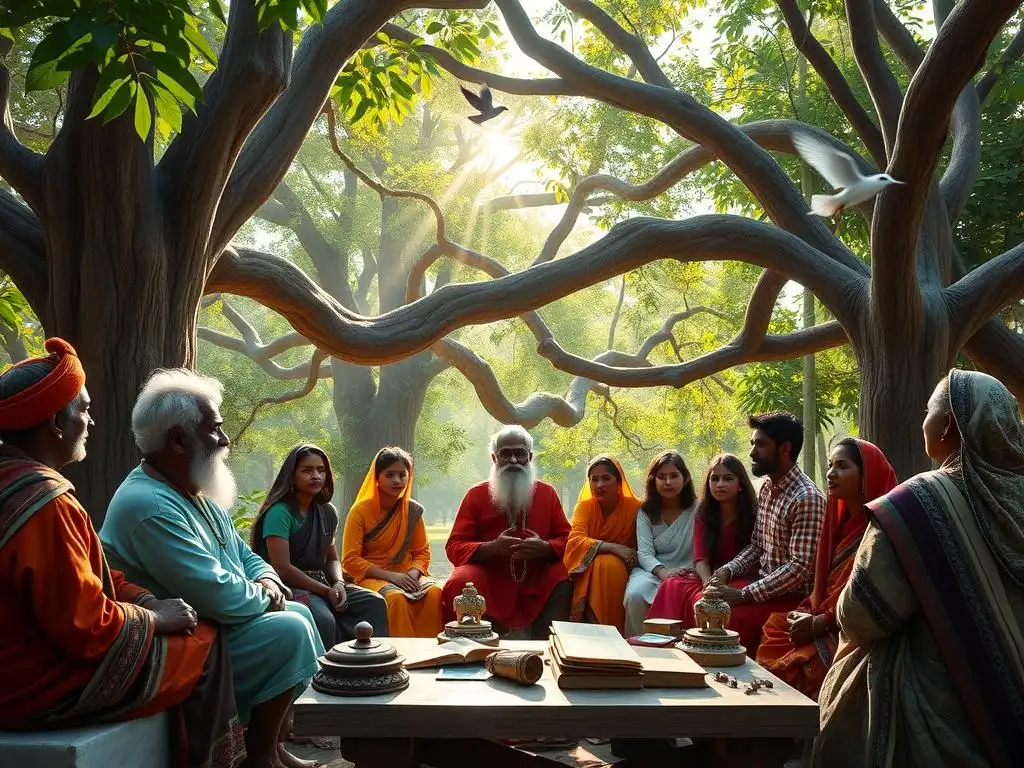
Welcome to Ancient India History, where we delve into the rich tapestry of India's past, uncovering the remarkable civilizations that shaped its cultural landscape. In our featured article, "From Manuscripts to Modern Media: The Evolution of Storytelling in Ancient India," we explore the fascinating journey of storytelling in ancient India—a powerful medium that has transcended time and technology. How did ancient narratives evolve, and what innovations emerged from this tradition? Join us as we unravel the stories that continue to inspire and inform our understanding of a vibrant heritage. Your exploration begins here!
- Introduction to Storytelling in Ancient India
- Early Forms of Storytelling in Ancient India
- Key Literary Works Influencing Storytelling in Ancient India
- The Transition from Manuscripts to Modern Media
- Techniques and Styles of Storytelling in Ancient India
- Modern Applications of Ancient Indian Storytelling Techniques
- Conclusion: The Lasting Legacy of Storytelling in Ancient India
- References and Further Reading
-
Frequently Asked Questions
- What role did storytelling play in ancient Indian culture?
- How did manuscripts contribute to storytelling in ancient India?
- What are some famous epics associated with storytelling in ancient India?
- How has storytelling in ancient India influenced modern media?
- What is the significance of oral traditions in ancient Indian storytelling?
- Final Reflection: The Timeless Art of Storytelling in Ancient India
- Unleash Your Inner Storyteller Today!
Introduction to Storytelling in Ancient India
Storytelling in ancient India is a vibrant tapestry woven with rich narratives, intricate symbolism, and profound wisdom that has shaped the cultural landscape of the subcontinent. From the oral traditions of the Vedic period to the artistic expressions found in manuscripts and temple carvings, storytelling has played a crucial role in preserving history, imparting moral lessons, and fostering a sense of community.
As we delve into the evolution of storytelling techniques in ancient India, we uncover not just the forms of narratives but also the underlying philosophies and values that have influenced generations. This exploration reveals how ancient Indian storytellers harnessed various mediums, including oral recitations, visual arts, and written texts, to convey their messages, making them relevant even in today's fast-paced digital age.
The Significance of Storytelling in Ancient Indian Culture
Storytelling in ancient India was not merely a form of entertainment; it was a vital cultural practice that served multiple purposes:
- Preservation of Knowledge: Oral traditions allowed for the transmission of historical events, religious teachings, and cultural values across generations. Epics like the Mahabharata and Ramayana encapsulated moral lessons and societal norms, ensuring that knowledge was not lost to time.
- Community Building: Storytelling gatherings fostered a sense of belonging and community. These events were often held in villages, where storytellers would engage audiences, creating shared experiences that strengthened social bonds.
- Spiritual and Philosophical Exploration: Many stories were imbued with spiritual significance, exploring themes of dharma (duty), karma (action), and moksha (liberation). Such narratives offered insights into the human condition and the cosmos, guiding individuals in their personal and spiritual journeys.
- Cultural Identity: Stories were a means of expressing cultural identity, showcasing the diversity of regional traditions, languages, and practices. They connected people to their roots, enhancing their understanding of their heritage.
Overview of the Evolution of Storytelling Techniques
The evolution of storytelling techniques in ancient India is marked by significant transformations influenced by societal changes, technological advancements, and cultural exchanges. Here’s a closer look at the various stages:
- Oral Traditions:
- The earliest form of storytelling was oral, where sages and griots would recite tales, chants, and hymns in communal settings.
- This method relied heavily on memory and performance, making it dynamic and adaptable.
- Written Manuscripts:
- With the advent of writing systems, stories began to be documented on palm leaves and birch bark.
- The use of scripts like Brahmi and Devanagari allowed for the preservation of texts, including religious scriptures, poetry, and folklore.
- Artistic Representations:
- Storytelling also found expression through visual arts, such as sculptures, paintings, and murals in temples and caves.
- These artworks often depicted scenes from epics and folklore, serving as a visual narrative that complemented oral recitation.
- Theatrical Forms:
- The emergence of classical dance and drama, such as Natya Shastra, incorporated storytelling through performance, blending music, dance, and dialogue.
- This interactive form of storytelling engaged audiences on multiple sensory levels, making the narratives more impactful.
- Influence of Regional Variations:
- As ancient Indian civilization expanded, local adaptations of storytelling emerged, reflecting regional dialects, customs, and themes.
- This diversity enriched the storytelling tradition, allowing for a plethora of narratives that appealed to different audiences.
Through these stages, storytelling in ancient India evolved into a multifaceted art form that continues to inspire modern interpretations and applications. Understanding this evolution helps us appreciate not only the historical significance of storytelling but also its enduring legacy in contemporary culture.
Early Forms of Storytelling in Ancient India
Oral Traditions: The Roots of Storytelling
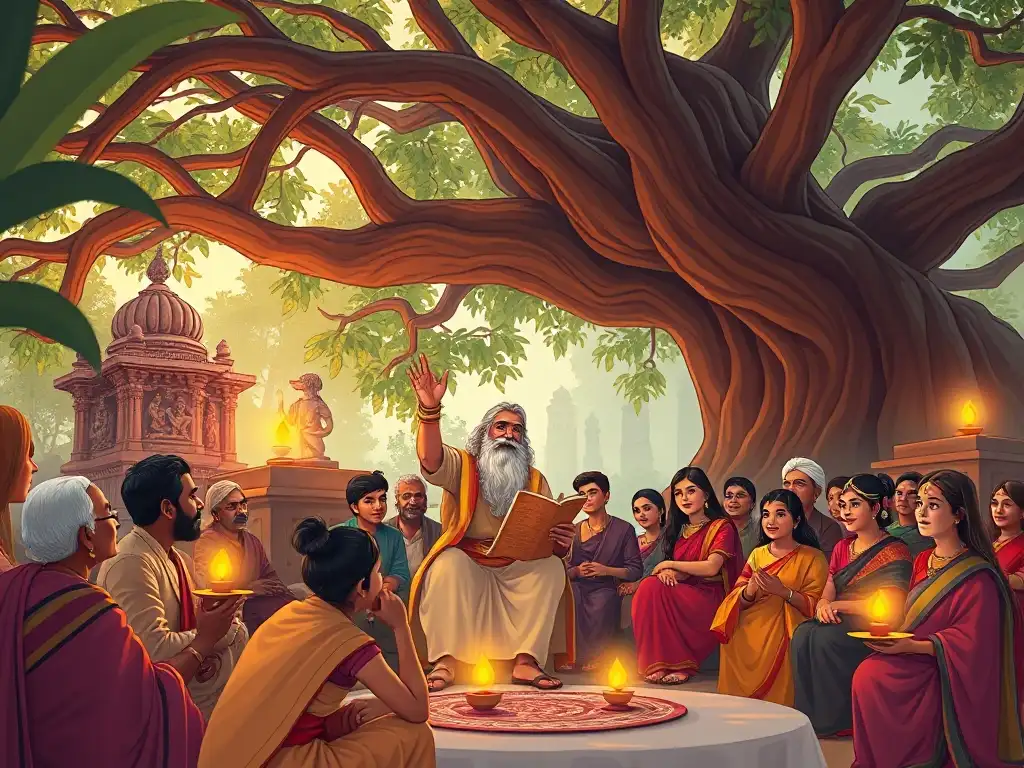
Storytelling in ancient India began long before the advent of written language, deeply rooted in oral traditions that flourished across diverse cultures and regions. These traditions served not just as entertainment but as a vital means of preserving history, culture, and social values.
Key Elements of Oral Storytelling:
- Bards and Griots: Storytellers, often referred to as bards or griots, played a crucial role in ancient Indian society. They traveled from village to village, reciting epic tales and historical narratives, thereby ensuring the continuity of cultural heritage.
- Performance and Ritual: Storytelling was often intertwined with religious rituals and festivals. Narratives from epics like the Mahabharata and Ramayana were performed, making them accessible to all strata of society.
- Community Engagement: Oral storytelling fostered a sense of community. Tales were shared during gatherings, allowing listeners to connect with their shared history and moral lessons embedded in the stories.
The oral traditions of ancient India were characterized by their flexibility and adaptability, allowing stories to evolve with each retelling. This dynamic nature ensured that storytelling remained relevant to contemporary audiences, reflecting their values and beliefs.
Manuscripts and Texts: The Written Word’s Impact on Storytelling
With the rise of written language in ancient India, storytelling underwent a significant transformation. The introduction of manuscripts and texts marked a pivotal shift from oral to written traditions, enhancing the preservation and dissemination of narratives.
Influence of Manuscripts on Storytelling:
- Preservation of Epics: Texts such as the Mahabharata and Ramayana were meticulously transcribed onto palm leaves and birch bark, safeguarding them from the ephemeral nature of oral storytelling. These manuscripts enabled future generations to access and study these monumental works.
- Diversity of Genres: The written word allowed for the exploration of various genres beyond epic narratives, including philosophical treatises, fables, and poetry. This diversification enriched the storytelling landscape, catering to a broader audience.
- Standardization and Interpretation: The advent of writing facilitated the standardization of stories, leading to specific interpretations and commentaries. Scholars like Vyasa and Valmiki not only recorded these tales but provided insights into their deeper meanings and teachings.
The impact of written texts on storytelling in ancient India cannot be overstated. While oral traditions emphasized communal participation and fluidity, the emergence of manuscripts introduced a new layer of complexity, allowing for the preservation of diverse narratives that continue to shape Indian culture today.
The evolution of storytelling in ancient India from oral traditions to written texts reflects the rich tapestry of its cultural heritage. This historical journey underscores the significance of storytelling as a means of communication, education, and cultural identity throughout the ages.
Key Literary Works Influencing Storytelling in Ancient India
The Vedas: Spiritual Narratives and Their Storytelling Techniques
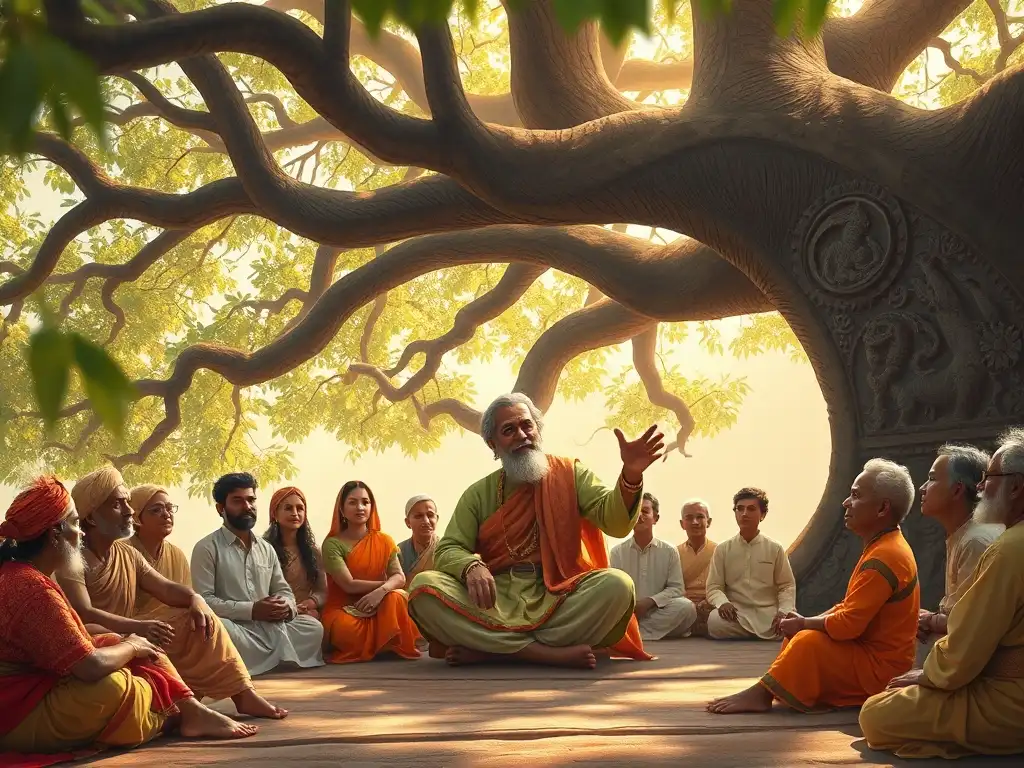
The Vedas, comprising four foundational texts—Rigveda, Samaveda, Yajurveda, and Atharvaveda—represent some of the earliest examples of storytelling in ancient India. These texts, written in Sanskrit, serve not only as religious scriptures but also as a trove of narrative techniques that influenced later storytelling traditions.
- Narrative Structure:
- The Vedic texts employ a cyclical narrative structure, often revisiting themes of creation, sacrifice, and cosmic order. This technique allows for a deeper exploration of spiritual concepts, making the narratives rich and layered.
- Example: The creation hymn (Nasadiya Sukta) in the Rigveda presents a philosophical inquiry into the origins of the universe, showcasing the use of poetic devices to convey profound ideas.
- Oral Tradition:
- The Vedas were primarily transmitted orally before being written down, emphasizing the importance of performance in storytelling. This oral tradition relied heavily on rhythm, meter, and repetition, which not only aided memorization but also enhanced the auditory experience of the narratives.
- Impact: The emphasis on oral storytelling techniques laid the groundwork for future storytelling forms in ancient India, including the epics and folk tales.
- Integration of Mythology:
- The Vedas contain rich mythological elements, presenting deities and cosmic events that shaped the spiritual landscape of ancient India. These stories served as a medium for conveying moral and ethical lessons, further establishing the Vedas as a cornerstone of Indian storytelling.
The Mahabharata and Ramayana: Epic Tales and Their Cultural Impact
The Mahabharata and Ramayana are two of the most significant epic narratives in ancient Indian literature, each contributing profoundly to the art of storytelling in ancient India.
- Complex Characters and Moral Dilemmas:
- Both epics are renowned for their intricate character development and exploration of moral dilemmas. Characters like Arjuna and Rama face profound ethical questions, making their journeys relatable and timeless.
- Cultural Reflection: These dilemmas reflect the societal norms and values of ancient India, providing insights into the human condition and moral philosophy.
- Narrative Techniques:
- The use of frame narratives—stories within stories—enhances the richness of the plot. For instance, the Mahabharata includes multiple subplots and characters, allowing for various perspectives on the central conflict of the Kurukshetra war.
- Symbolism: Objects, events, and characters often carry deeper meanings, such as the bow representing duty and righteousness, which enriches the storytelling experience.
- Cultural and Educational Impact:
- These epics have transcended mere storytelling to become essential texts for education, philosophy, and ethics in Indian culture. They are often recited and performed in various forms, from classical dance to modern adaptations, showcasing their enduring legacy.
- Influence on Arts: The narratives inspire a multitude of artistic expressions, including theater, dance, and visual arts, thus embedding storytelling in the cultural fabric of ancient and modern India.
Other Notable Texts: Puranas and Fables
In addition to the Vedas and the epics, other significant literary works such as the Puranas and fables contribute richly to the tradition of storytelling in ancient India.
- The Puranas:
- The Puranas, a genre of ancient Indian literature, encompass a wide range of stories about gods, goddesses, and historical events. They serve as both narrative and historical sources, often blending myth with reality.
- Example: The Vishnu Purana details the exploits of Lord Vishnu and his avatars, encapsulating moral teachings and cultural values within its narratives.
- Fables and Animal Stories:
- Collections like the Panchatantra and Jataka Tales utilize animal characters to convey moral lessons, making them accessible to all age groups. These stories often highlight virtues such as wisdom, loyalty, and cunning.
- Narrative Style: The simplicity and directness of these fables make them engaging and memorable, often employing humor and wit to impart serious lessons.
- Cultural Transmission:
- These texts played a pivotal role in preserving and transmitting cultural knowledge across generations. The storytelling methods employed often included allegory and metaphor, making complex ideas more relatable and easier to understand.
- Modern Relevance: The enduring appeal of these narratives continues to influence contemporary storytelling, demonstrating the timeless nature of the themes and lessons they convey.
Through these key literary works, storytelling in ancient India evolved into a sophisticated art form, shaping cultural identity and moral philosophy that resonates even today.
The Transition from Manuscripts to Modern Media
The Role of Manuscripts in Preserving Storytelling Traditions
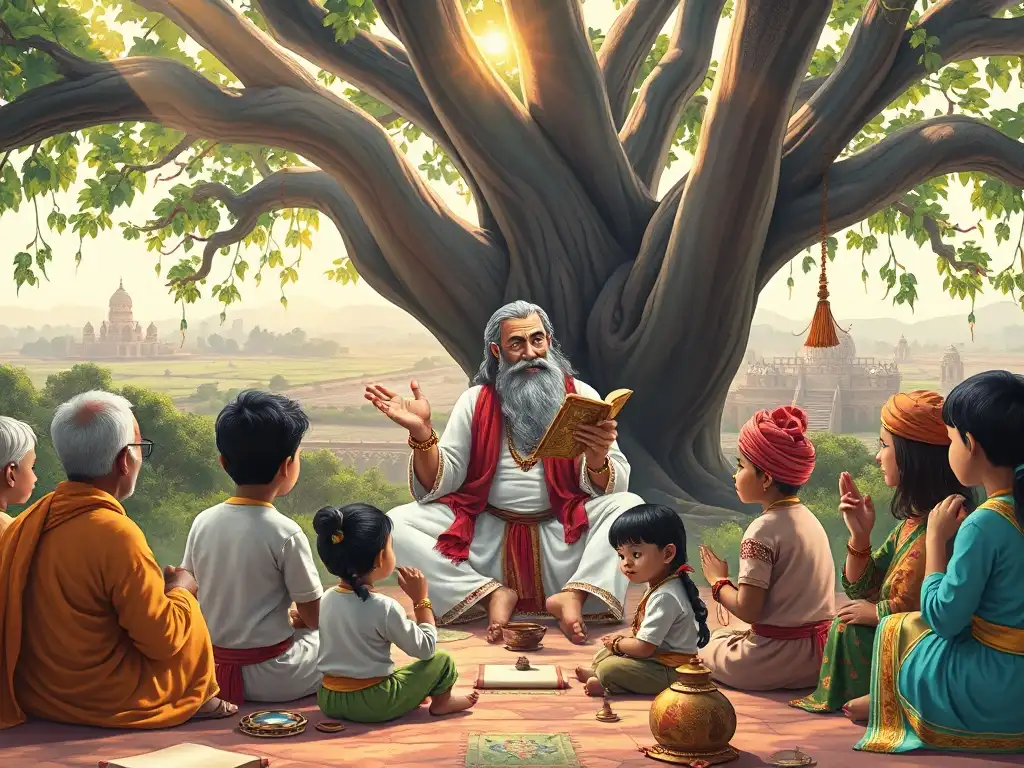
Manuscripts played a pivotal role in the preservation and transmission of storytelling in ancient India. They served as the primary medium through which oral traditions were documented, ensuring that the narratives of gods, heroes, and historical events could be passed down through generations. The use of palm leaves, birch bark, and handmade paper characterized these manuscripts, depending on the region and available resources.
- Types of Manuscripts:
- Religious Texts: Manuscripts like the Vedas, Upanishads, and Puranas encapsulated a wealth of spiritual narratives, reflecting the beliefs and practices of ancient Indian societies.
- Epics: The Mahabharata and Ramayana, two of the most significant epics, were often transcribed into manuscripts, allowing for a broader dissemination of their themes and moral lessons.
- Regional Literature: Various regional languages gave rise to local storytelling traditions, with manuscripts documenting stories unique to specific cultures.
The meticulous process of copying these texts not only preserved the stories but also fostered a deep appreciation for the art of storytelling among scribes, scholars, and the general populace. The rich illustrations and calligraphy found in these manuscripts further enhanced their significance, transforming them into visual narratives that complemented the oral storytelling traditions.
Emergence of Print Media: How Printing Revolutionized Storytelling
The advent of print media in the 15th century marked a significant transformation in storytelling in ancient India. The introduction of the printing press allowed for the mass production of texts, making stories more accessible to a wider audience. This transition had profound implications for the dissemination of culture and knowledge.
- Accessibility and Affordability:
- With printed materials becoming more affordable, common people gained access to stories that were previously available only to the elite. This democratization of knowledge facilitated a cultural shift where storytelling became a communal experience.
- Standardization of Texts:
- The printing press allowed for the standardization of texts, reducing variations that often occurred in manuscript copies. This consistency helped preserve the integrity of the stories and made it easier for scholars to study them.
- Emergence of New Genres:
- The print revolution led to the birth of new genres of storytelling, including novels and periodicals that addressed contemporary issues, thus evolving the narrative techniques and themes explored in ancient Indian storytelling.
The impact of print media was not just limited to the preservation of ancient stories; it also initiated a dialogue between past and present, allowing for reinterpretations of traditional narratives in new contexts.
Digital Media: The Contemporary Landscape of Storytelling in Ancient India
In the 21st century, digital media has fundamentally reshaped storytelling in ancient India. The internet and digital platforms have created unprecedented opportunities for the revival and reinterpretation of ancient narratives, making them accessible to a global audience.
- Social Media Platforms:
- Platforms like Instagram and YouTube have become popular venues for sharing ancient stories through visual and audiovisual formats. Storytellers and artists leverage these platforms to reach younger audiences, often blending traditional storytelling with modern techniques.
- Online Archives and Resources:
- Digital archives have emerged, allowing scholars and enthusiasts to access ancient manuscripts, translations, and scholarly commentaries. Websites dedicated to ancient Indian storytelling provide a wealth of resources, fostering greater engagement with the material.
- Interactive Storytelling:
- Modern technology has paved the way for interactive storytelling experiences. Virtual reality (VR) and augmented reality (AR) applications enable users to immerse themselves in ancient narratives, providing a unique way to experience stories from ancient India.
The evolution of storytelling in ancient India has transcended mediums, from oral traditions and manuscripts to print and now digital formats. This journey reflects the adaptability of ancient narratives, ensuring that they continue to resonate with contemporary audiences while preserving their rich cultural heritage.
Techniques and Styles of Storytelling in Ancient India
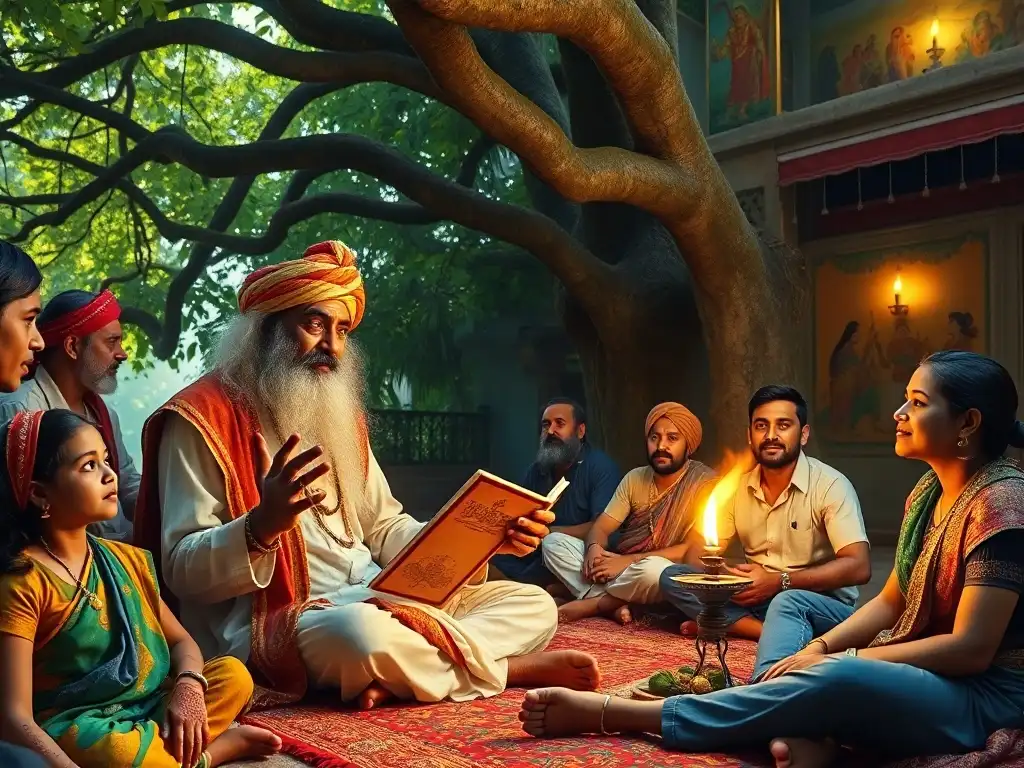
The art of storytelling in ancient India is a rich tapestry woven with various techniques and styles that reflect the diverse cultural and philosophical milieu of the time. This storytelling tradition was not merely a means of entertainment but served as an important vehicle for transmitting moral lessons, cultural values, and historical narratives. Below, we explore three significant aspects of storytelling techniques employed in ancient India.
Use of Symbolism and Allegory in Ancient Indian Narratives
Ancient Indian narratives often employed symbolism and allegory as powerful tools to convey deeper meanings and moral lessons. These techniques allowed storytellers to communicate complex ideas in an accessible manner.
- Symbolism: Many stories used symbols to represent larger concepts. For instance, the character of Lord Krishna in the Mahabharata symbolizes divine wisdom and the struggle between dharma (righteousness) and adharma (unrighteousness). Such symbols helped audiences grasp abstract philosophical ideas through relatable narratives.
- Allegories: Allegorical storytelling was prevalent, where characters and events represented broader human experiences and moral dilemmas. The Panchatantra tales are prime examples of this technique, utilizing animal characters to impart wisdom about human behavior and ethical conduct. Each story serves as a moral fable, teaching lessons on friendship, loyalty, and cunning.
This use of symbolism and allegory not only enriched the narrative but also ensured that the stories resonated across generations, making them timeless in their relevance.
The Influence of Performance Arts: Dance, Drama, and Storytelling
Performance arts played a crucial role in the storytelling tradition of ancient India, blending dance, drama, and narrative into a cohesive form of artistic expression.
- Dance: Classical dance forms like Bharatanatyam and Kathak were not only forms of entertainment but also storytelling mediums. Dancers often portrayed mythological tales, expressing emotions and narratives through intricate movements and facial expressions. This physical embodiment of stories captivated audiences and brought ancient epics to life.
- Drama: The Natya Shastra, attributed to Bharata Muni, is an ancient treatise on the performing arts that outlines the principles of drama. The text emphasizes the importance of Rasa (emotional essence) and Bhava (mood) in storytelling. Ancient dramas often depicted stories from the epics, allowing audiences to engage with the narratives in a dynamic and immersive manner.
- Storytelling: The oral tradition of storytelling thrived in the form of Katha and Harikatha, where storytellers (Katha vachaks) would narrate tales, interspersed with songs and dialogues. This interactive approach fostered a communal experience, as audiences participated in the storytelling process, enhancing the impact of the narrative.
By integrating performance arts into storytelling, ancient Indian culture created a multi-sensory experience that engaged audiences on various levels, ensuring that stories were not only heard but felt.
Visual Storytelling: The Role of Art and Illustrations in Ancient Texts
Visual storytelling in ancient India was a vital component that complemented the oral tradition. The use of art and illustrations in ancient texts enhanced the narrative and made stories more accessible and engaging.
- Illustrated Manuscripts: Texts such as the Jataka Tales and the Ramayana were often accompanied by vivid illustrations. These artworks served not only as decorative elements but also as visual aids that helped narrate the story. Illustrations depicted key scenes, characters, and moral lessons, making the stories easier to understand for audiences of all ages.
- Murals and Frescoes: Ancient temples and caves, such as those at Ajanta and Ellora, featured elaborate murals that depicted scenes from epics and folklore. These visual representations of stories allowed devotees and visitors to connect with the narratives spiritually and culturally. The art conveyed the essence of the stories, often conveying complex themes in a single image.
- Sculpture: Sculptural art also played a crucial role in storytelling, with temples showcasing intricately carved narratives of gods and goddesses. These sculptures served as visual narrators, illustrating key moments from ancient texts and providing a glimpse into the moral and ethical values of the time.
Through these artistic expressions, visual storytelling became an integral part of the narrative tradition in ancient India, enriching the experience and ensuring that stories were preserved across time and cultures.
The techniques and styles of storytelling in ancient India reflect a profound understanding of human emotions, cultural values, and philosophical ideas. By employing symbolism, performance arts, and visual storytelling, ancient Indian narratives continue to inspire and resonate with audiences even today.
Modern Applications of Ancient Indian Storytelling Techniques
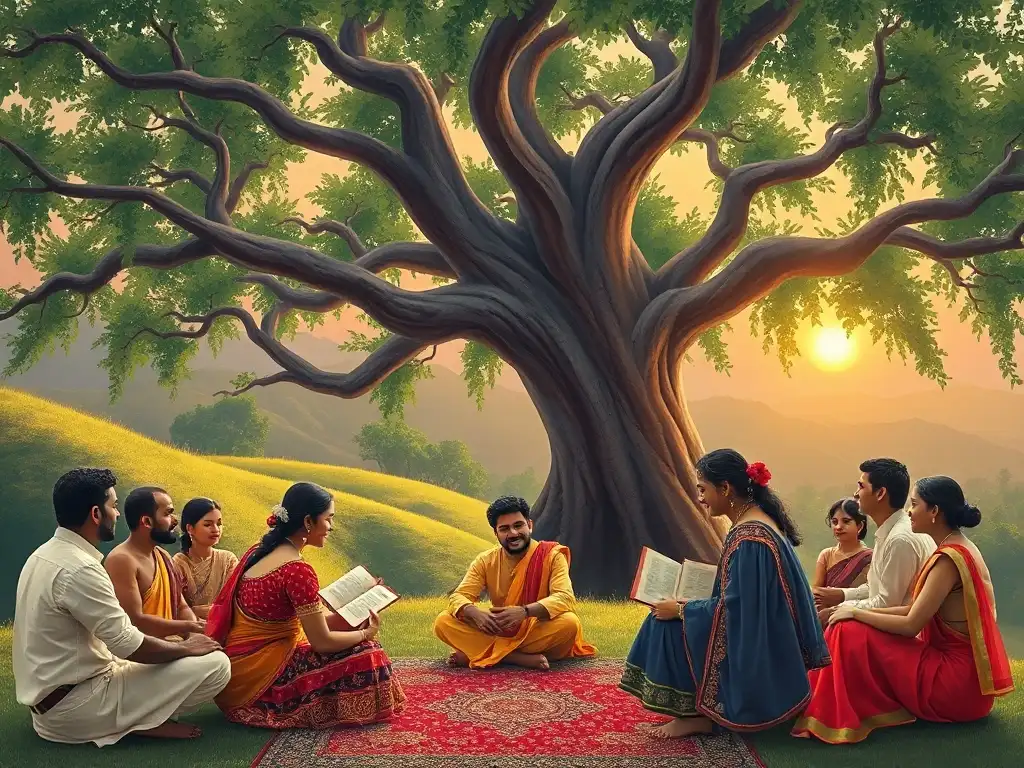
Storytelling in Literature and Film: Influences from Ancient Texts
Storytelling in ancient India has profoundly influenced modern literature and film, shaping narratives and character development across various genres. The ancient texts, such as the Mahabharata and the Ramayana, serve as rich sources of inspiration, providing archetypal characters, moral dilemmas, and intricate plots that resonate with contemporary audiences.
- Character Archetypes: The heroes and villains portrayed in ancient Indian epics offer timeless archetypes. For instance, the virtuous hero, Arjuna from the Mahabharata, represents duty and righteousness, while Ravana from the Ramayana embodies hubris and evil. These archetypes continue to appear in modern storytelling, often reinterpreted to fit contemporary contexts.
- Narrative Structure: Ancient Indian storytelling techniques often employed a nonlinear narrative format, weaving multiple stories together. This approach is evident in films like Lagaan and Gully Boy, which draw from ancient methods to create layered storytelling that reflects the complexities of modern life.
- Moral Lessons: Ancient texts were not merely entertainment; they served educational purposes, imparting moral lessons. Modern filmmakers and authors frequently incorporate these lessons into their works, encouraging viewers and readers to reflect on ethical dilemmas and human nature.
Overall, the legacy of storytelling in ancient India continues to thrive in modern literature and film, demonstrating the enduring power of these narratives to inspire and educate.
The Use of Storytelling in Education: Lessons from Ancient India
Ancient Indian civilizations understood the importance of storytelling as a pedagogical tool. This method of instruction not only engaged students but also facilitated the retention of knowledge through memorable narratives.
- Oral Tradition: The oral tradition prevalent in ancient India allowed storytelling to be an interactive experience. Gurus would narrate stories to their disciples, embedding lessons within the tales. This practice is echoed in modern educational strategies that utilize storytelling to enhance engagement.
- Cultural Heritage: Storytelling in ancient India served to preserve cultural heritage, ensuring that values, customs, and historical events were passed down through generations. By incorporating stories from ancient India into curricula, educators can foster a sense of identity and cultural pride in students.
- Critical Thinking: The multifaceted narratives found in texts like the Panchatantra encouraged critical thinking and moral reasoning. Modern educators can draw from these ancient techniques to develop programs that challenge students to analyze stories, consider different perspectives, and draw their conclusions.
In essence, the application of storytelling in education, rooted in ancient Indian practices, provides a dynamic and effective approach to learning, enriching students’ experiences and understanding.
Digital Storytelling: Retelling Ancient Narratives through Technology
The advent of digital technology has revolutionized the way ancient Indian stories are retold, making them accessible to a global audience. Digital storytelling harnesses multimedia elements to breathe new life into traditional narratives.
- Interactive Platforms: Websites and apps dedicated to ancient Indian stories allow users to engage with narratives in innovative ways. For example, interactive maps that track the journeys of characters in the Mahabharata enhance user engagement, providing a deeper understanding of the story’s context.
- Animation and Visual Effects: Modern animation techniques have enabled the retelling of ancient narratives with stunning visual appeal. Animated series based on the Ramayana and Mahabharata have introduced these stories to younger generations, ensuring their relevance in a digital age.
- Social Media: Platforms like Instagram and TikTok are increasingly being used to share snippets of ancient tales, allowing storytellers to reach diverse audiences. These short, engaging formats capitalize on the popularity of storytelling in contemporary culture while honoring the depth of ancient Indian narratives.
The integration of technology into storytelling has not only preserved ancient Indian narratives but also reinvented them for a new era, ensuring that the rich heritage of storytelling in ancient India continues to thrive.
Conclusion: The Lasting Legacy of Storytelling in Ancient India
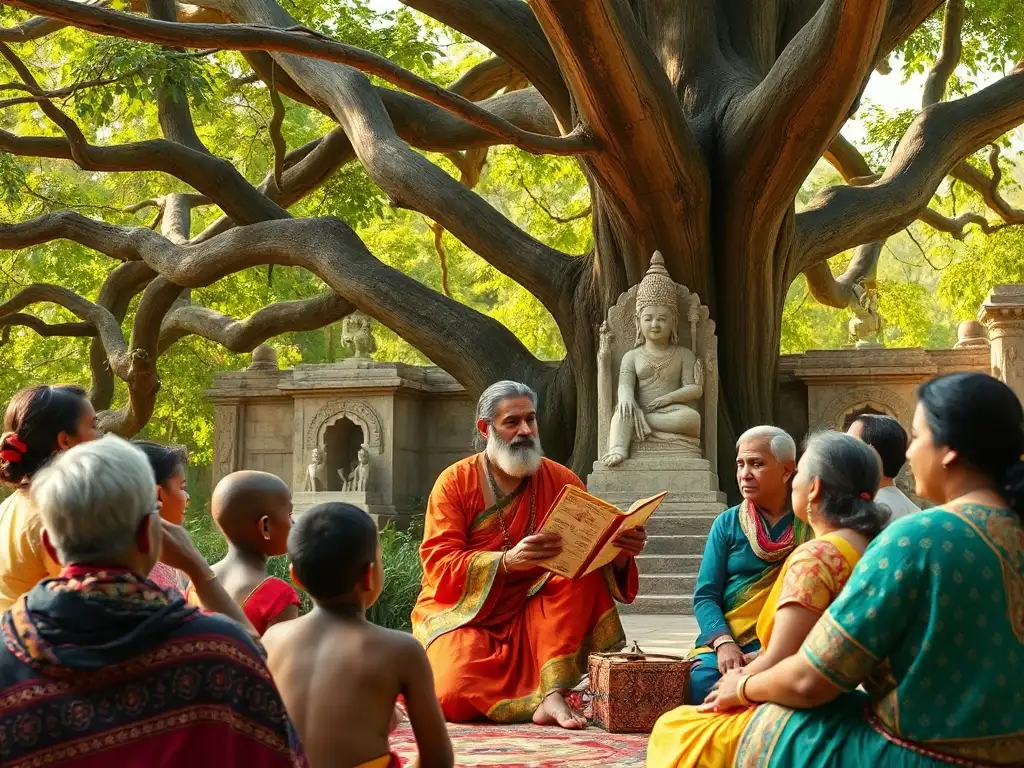
The tradition of storytelling in ancient India has left an indelible mark on both cultural practices and modern media. From the intricate narratives found in Vedic texts to the folk tales passed down through generations, storytelling has served as a vital means of communication, education, and cultural preservation. The rich tapestry of stories not only reflects the values and beliefs of ancient civilizations but also contributes to the understanding of their worldviews and societal structures.
The legacies of ancient Indian storytellers continue to resonate today, influencing contemporary literature, theatre, and even digital media. By examining the foundations laid by these early narratives, one can appreciate the profound impact that storytelling has had on shaping identities and fostering social cohesion throughout history. As we delve deeper into the implications of storytelling in ancient India, we acknowledge its role as a cultural artifact that bridges the past and present, carrying forward essential lessons and insights for future generations.
The Cultural Importance of Storytelling Today
In today's fast-paced world, the cultural importance of storytelling remains as relevant as ever. Storytelling in ancient India provided a platform for sharing knowledge, preserving history, and imparting moral lessons, a tradition that continues to thrive in various forms. Modern storytelling techniques, whether through literature, film, or digital platforms, often draw inspiration from these ancient narratives.
- Cultural Identity: Storytelling serves to reinforce cultural identity among communities, allowing individuals to connect with their heritage. The stories of ancient India, such as the epics of Mahabharata and Ramayana, continue to be retold, adapted, and celebrated, providing a sense of belonging and continuity for people across generations.
- Moral Lessons: Ancient stories often contained moral and ethical lessons that remain pertinent today. By navigating complex themes of duty, righteousness, and justice, modern storytellers can evoke similar reflections in their audiences, promoting critical thinking and personal growth.
- Community Building: Storytelling fosters community engagement and participation. Festivals, gatherings, and digital platforms offer spaces for sharing stories, thus strengthening social bonds and encouraging intergenerational dialogue.
The continued relevance of storytelling in today’s society highlights its capacity to evolve while retaining its core essence. As we engage with these narratives, we recognize their power to inspire, educate, and unite diverse audiences.
Future of Storytelling: Bridging Ancient Techniques with Modern Innovations
As we look toward the future of storytelling, it is clear that ancient techniques will play a crucial role in shaping modern narratives. The integration of traditional storytelling methods with contemporary innovations presents exciting opportunities to explore and expand the storytelling landscape.
- Digital Storytelling: The rise of digital media has transformed how stories are told and consumed. By utilizing elements such as interactive storytelling, virtual reality, and multimedia presentations, modern storytellers can create immersive experiences that echo the rich oral traditions of ancient India.
- Cross-Cultural Exchanges: As globalization continues to break down cultural barriers, there is a growing interest in blending storytelling styles from different traditions. This fusion can lead to fresh narratives that honor ancient practices while appealing to diverse audiences, enriching the global storytelling repertoire.
- Educational Applications: Incorporating ancient storytelling techniques into educational frameworks can enhance learning experiences and foster a deeper appreciation for cultural heritage. Story-based learning encourages critical thinking and creativity, resonating with educational philosophies rooted in ancient Indian traditions.
- Social Change: Storytelling has the power to address social issues and inspire change. By harnessing the narratives of ancient India, modern storytellers can shine a light on contemporary challenges, empowering communities and promoting dialogue around important topics.
The future of storytelling is poised to flourish by bridging the wisdom of ancient techniques with the possibilities of modern innovations. By honoring the rich legacy of storytelling in ancient India, we pave the way for new narratives that continue to educate, entertain, and inspire future generations. As we embrace these ancient practices, we not only keep their spirit alive but also ensure that their lessons and insights remain an integral part of our evolving cultural landscape.
References and Further Reading
Recommended Books and Resources on Storytelling in Ancient India
Exploring the rich tradition of storytelling in ancient India requires delving into a variety of texts, both scholarly and literary. Here are some recommended books and resources that provide insights into the narrative techniques, cultural significance, and evolution of storytelling in ancient India:
-
"The Ramayana" by Valmiki
A foundational text in Indian literature, the Ramayana narrates the story of Lord Rama's quest to rescue his wife, Sita. It is not only a tale of adventure but also encapsulates moral and ethical dilemmas, showcasing the storytelling techniques of the time.
-
"The Mahabharata" by Vyasa
This epic poem is a cornerstone of Indian storytelling, containing numerous sub-stories and moral lessons. Its complexity and depth illustrate the nuanced storytelling approaches employed in ancient India.
-
"Indian Folklore: A Handbook" by Margaret Mills
This book provides a comprehensive overview of the folklore traditions across various regions of India, highlighting how oral traditions have shaped storytelling practices.
-
"The Art of Storytelling in India" by Rukmini Bhaya Nair
Nair's work examines the cultural contexts and methodologies behind storytelling, offering insights into how ancient narratives influence modern storytelling techniques.
-
"Tales from the Panchatantra"
A collection of fables that emphasizes moral lessons through animal characters, the Panchatantra is a classic example of storytelling that has transcended generations.
-
Documentaries and Lectures
Various documentaries on platforms like YouTube delve into the history and significance of ancient Indian storytelling methods, featuring interviews with historians and storytellers.
These resources not only provide an understanding of the narratives themselves but also the cultural and historical contexts in which they were created.
Links to Online Archives of Ancient Indian Manuscripts
Accessing ancient texts is crucial for understanding the evolution of storytelling in ancient India. Below are some valuable online archives that house a wealth of manuscripts and documents:
-
Digital Library of India
A vast repository containing digitized versions of Indian manuscripts, books, and periodicals. This platform includes many ancient texts that showcase storytelling traditions.
-
Sanskrit Documents
This site offers access to a collection of Sanskrit texts, manuscripts, and commentaries. It is an invaluable resource for scholars interested in the narrative styles and themes prevalent in ancient storytelling.
-
National Digital Library of India
This initiative aims to provide access to a multitude of educational resources, including ancient manuscripts. The library offers a search function that allows users to explore texts related to storytelling.
-
The British Library: Indian Manuscripts
The British Library has a dedicated section for Indian manuscripts, providing access to many ancient texts, including literary works, religious texts, and historical accounts.
-
Archive.org
A non-profit digital library offering free access to numerous texts, including those related to Indian history and storytelling traditions. Users can find a variety of ancient Indian literature.
These online resources are invaluable for anyone interested in the deep and diverse history of storytelling in ancient India, allowing for exploration beyond traditional print media.
Frequently Asked Questions
What role did storytelling play in ancient Indian culture?
Storytelling in ancient India served as a vital means of preserving history, transmitting knowledge, and entertaining audiences, often through epics and myths.
How did manuscripts contribute to storytelling in ancient India?
Manuscripts were essential in documenting and preserving oral traditions, allowing stories to be passed down through generations, ensuring that cultural heritage was maintained.
What are some famous epics associated with storytelling in ancient India?
The Mahabharata and the Ramayana are two of the most significant epics that showcase the rich narrative tradition and moral lessons prominent in ancient Indian storytelling.
How has storytelling in ancient India influenced modern media?
Ancient storytelling techniques have significantly influenced modern media by inspiring films, literature, and theater, blending traditional narratives with contemporary formats.
What is the significance of oral traditions in ancient Indian storytelling?
Oral traditions were crucial for the community bonding and cultural identity of ancient Indian societies, ensuring that stories were not only shared but also adapted and enriched over time.
Final Reflection: The Timeless Art of Storytelling in Ancient India
The evolution of storytelling in ancient India is not just a historical journey; it is a vibrant thread that continues to weave through our contemporary lives. As we explore the rich tapestry of narratives that have shaped cultures and communities, we realize that the essence of storytelling remains a powerful tool for connection, education, and inspiration. In a world increasingly dominated by digital media, the stories of our ancestors remind us of the profound impact narratives have on our identity and values.
Cultural narratives have the power to transcend time, influencing our social fabric and collective consciousness. The stories from ancient India, whether conveyed through oral traditions, manuscripts, or modern adaptations, continue to resonate deeply within us. They serve as a bridge connecting generations, fostering empathy and understanding. As the renowned author Salman Rushdie once said, “Stories are the most important thing in the world. They are the only thing that can save us.” This highlights the enduring significance of storytelling as a means of preserving culture and imparting wisdom.
As we reflect on the lessons drawn from the rich tradition of storytelling in ancient India, I invite you to consider how these narratives can inspire your own life. What stories shape your identity? How can you share your unique narrative to connect with others?
Embrace the power of storytelling not just as a form of entertainment, but as a means to foster understanding and compassion in our increasingly fragmented world. Let us carry forward the legacy of our ancestors, weaving our own tales into the fabric of history, and ensuring that the art of storytelling continues to thrive for generations to come.
Unleash Your Inner Storyteller Today!
Thank you for diving into the captivating journey of storytelling in ancient India! As you’ve explored the rich tapestry of this tradition, you’ve uncovered the profound impact stories have on culture and society. Now, it’s time to harness that inspiration and apply it to your own storytelling journey.
Take these steps to bring stories to life in your own unique way:
- Start your storytelling adventure: Write a short story inspired by a theme or character from ancient Indian culture. Let your imagination unfold like the pages of a manuscript!
- Join a storytelling group: Connect with like-minded individuals who share your passion. Attend local workshops or online forums to share your creations and gain valuable insights from fellow storytellers.
- Explore ancient texts: Dig deeper into original manuscripts or epics such as the Mahabharata or Ramayana. Consider how these timeless tales can influence your own writing style.
What story do you feel compelled to tell that blends the wisdom of the past with your modern voice?