
The Gupta Empire and Its Role in the Preservation of Ancient Knowledge

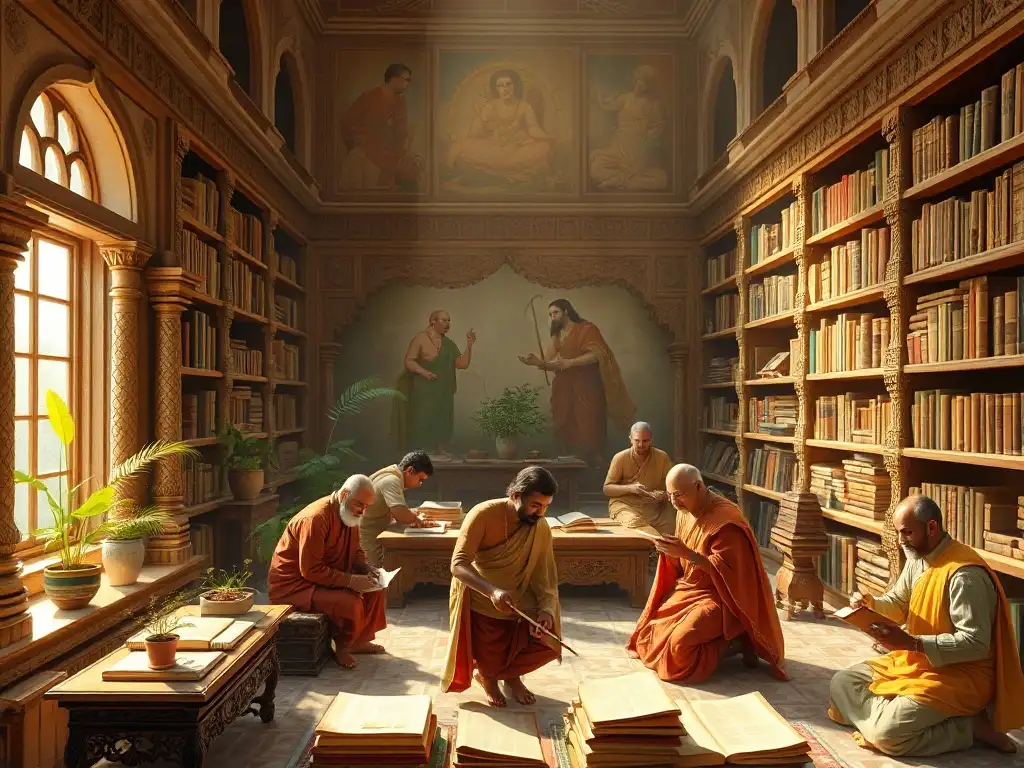
Welcome to Ancient India History, where we invite you to embark on a fascinating journey through the rich tapestry of ancient Indian civilizations. From the remarkable achievements of the Indus Valley to the profound influence of the Gupta Empire, our exploration delves deep into the cultural and intellectual legacy that shaped the world. In our featured article, "The Gupta Empire and Its Role in the Preservation of Ancient Knowledge," discover how this pivotal era safeguarded wisdom for generations to come. Are you ready to unlock the secrets of ancient knowledge? Dive in and let your curiosity guide you!

The Gupta Empire, often hailed as the "Golden Age" of ancient India, represents a pinnacle of cultural, scientific, and artistic achievements that significantly shaped the course of Indian history. Flourishing between approximately 320 CE and 550 CE, this empire is renowned not only for its political stability and economic prosperity but also for its vital contributions to the preservation and advancement of ancient knowledge.
As we delve deeper into the Gupta Empire, we will explore how this civilization became a beacon of learning and intellectual growth, ensuring that the rich tapestry of ancient Indian wisdom was meticulously preserved and transmitted to future generations. The Gupta Empire's role in ancient knowledge preservation is critical, making it a focal point for understanding the evolution of various fields such as mathematics, astronomy, medicine, and literature.
Introduction to the Gupta Empire
Overview of the Gupta Empire
The Gupta Empire emerged as a dominant force in northern India, characterized by a strong centralized government, extensive trade networks, and flourishing cultural activities. Established by Maharaja Sri Gupta, the empire reached its zenith under rulers like Chandragupta II and Samudragupta. This period is marked by exceptional achievements in art, architecture, and scholarship, with notable figures such as Aryabhata in mathematics and Kalidasa in literature. The Gupta Dynasty's commitment to fostering an environment conducive to learning and inquiry played a pivotal role in cementing its legacy in history.
Historical Context and Timeline of the Gupta Empire
To grasp the significance of the Gupta Empire, it is essential to contextualize it within the broader scope of Indian history. The empire's rise followed the decline of the Mauryan Empire and coincided with a period of relative peace and stability in the region.
- Key Timeline Events:
- c. 320 CE: Establishment of the Gupta Empire by Sri Gupta.
- c. 335-375 CE: Reign of Chandragupta I, marked by expansion and consolidation.
- c. 375-415 CE: Reign of Samudragupta, known for his military conquests and cultural patronage.
- c. 415-455 CE: Reign of Chandragupta II, who further promoted arts and sciences.
- c. 550 CE: Decline of the Gupta Empire, leading to fragmentation and regional powers.
The Importance of Knowledge in Ancient India
The Value of Knowledge in Ancient Indian Civilizations
In ancient India, knowledge was revered as a divine gift and was integral to societal development. Philosophers, scholars, and scientists were highly esteemed, and their contributions were seen as essential for the progress of civilization. The ancient texts, such as the Vedas and Upanishads, laid the foundation for various fields of study, including philosophy, mathematics, and spirituality. The Gupta Empire recognized the importance of preserving this knowledge, leading to the establishment of universities such as Nalanda and Takshashila, which attracted students from across Asia.
How Ancient Knowledge Influenced Society and Culture
The preservation of ancient knowledge during the Gupta Empire had far-reaching implications for society and culture.
- Influences Include:
- Mathematics: The introduction of the decimal system and concepts of zero by scholars like Aryabhata revolutionized mathematics and influenced future generations globally.
- Astronomy: Gupta astronomers made groundbreaking advancements, including accurate calculations of planetary movements.
- Medicine: Texts like the Sushruta Samhita provided insights into surgical techniques and medical practices that were ahead of their time.
- Literature: The era produced literary masterpieces that reflected the cultural ethos and philosophical inquiries of the time.
Through these contributions, the Gupta Empire not only preserved ancient knowledge but also laid the groundwork for future intellectual endeavors, reinforcing its status as a pivotal chapter in the history of ancient Indian civilizations.
The Gupta Empire's Contributions to Knowledge Preservation
The Gupta Empire, often referred to as the Golden Age of India, played a pivotal role in the preservation and advancement of ancient knowledge across various fields. This period, approximately spanning from the 4th to the 6th century CE, is marked by significant achievements in literature, science, philosophy, and the arts. The Gupta rulers were not only patrons of learning but also facilitated an environment where scholars could thrive. Their contributions to knowledge preservation can be viewed through the establishment of educational institutions, the codification of texts, and the promotion of intellectual discourse.
One of the most notable aspects of the Gupta Empire's contribution to knowledge preservation was its focus on the Sanskrit language, which became a medium for scholarly work. The empire saw the documentation of various texts that encompassed diverse subjects such as mathematics, astronomy, medicine, and philosophy. These texts were painstakingly copied, annotated, and disseminated, ensuring that ancient knowledge would not be lost to time. Moreover, the Gupta period's emphasis on oral traditions and storytelling played a crucial role in passing down knowledge through generations.
Key Institutions of Learning During the Gupta Empire
During the Gupta Empire, several key institutions emerged that played a crucial role in the preservation and dissemination of knowledge. Among these, the most prominent was the Nalanda University, which became a renowned center for higher learning. Established in the 5th century CE, Nalanda attracted scholars from various parts of Asia, including China, Korea, and Tibet. The university offered a comprehensive curriculum that included subjects such as philosophy, logic, mathematics, and medicine.
Another notable institution was the Taxila, which had been a center of learning even before the Gupta period but flourished during this time. Taxila was known for its diverse academic offerings and attracted students from different cultural backgrounds. The scholarly environment fostered by these institutions allowed for rigorous debates and discussions, which contributed to the advancement of knowledge.
In addition to these universities, local schools (or Gurukuls) were prevalent, where students would learn under the guidance of a guru. These institutions emphasized not only academic knowledge but also moral and ethical education, producing well-rounded individuals who could contribute to society.
Prominent Scholars and Thinkers of the Gupta Era
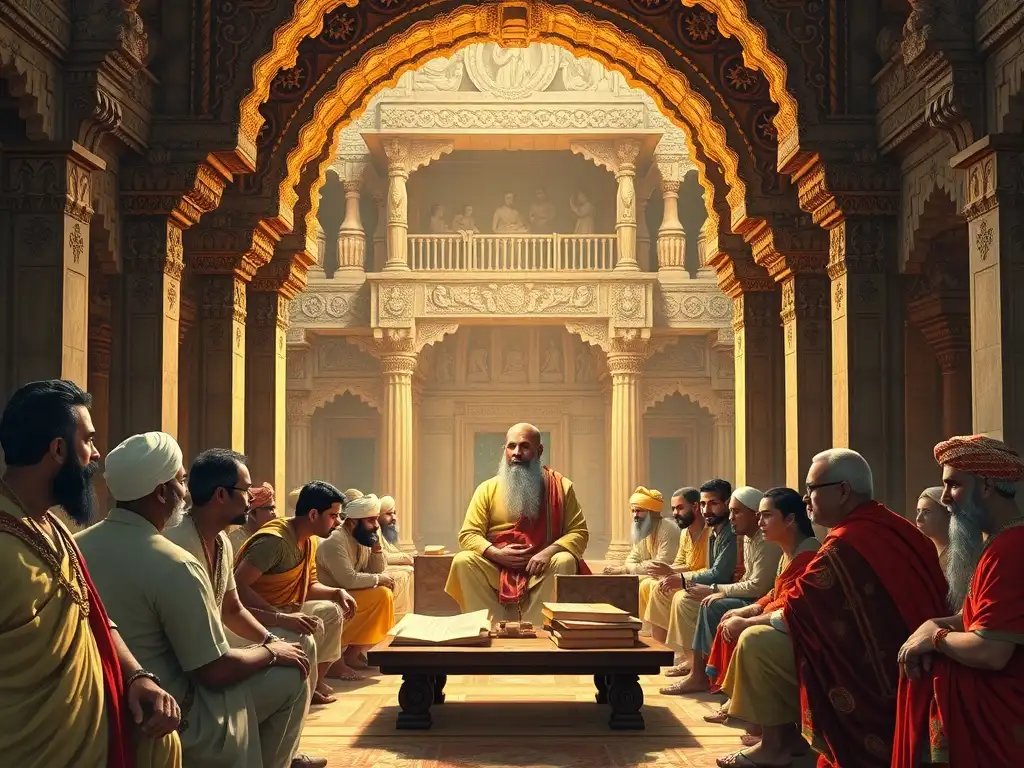
The Gupta Empire was home to several eminent scholars and thinkers whose works significantly influenced various fields. One of the most renowned figures was Aryabhata, an eminent mathematician and astronomer, who authored the groundbreaking text Aryabhatiya. His contributions included the introduction of the concept of zero and advancements in trigonometry, which laid the groundwork for future mathematical studies.
Another prominent figure was Varahamihira, a polymath who made significant contributions to astronomy and astrology. His seminal work, Brihat Samhita, is a comprehensive encyclopedia covering diverse topics such as weather forecasting, architecture, and gemology, illustrating the interconnectedness of knowledge during this period.
Additionally, Kalidasa, one of the greatest Sanskrit poets and dramatists, contributed to the cultural landscape through his literary works. His plays and poems, such as Shakuntala and Meghaduta, are celebrated for their artistic merit and continue to be studied for their linguistic and thematic richness.
These scholars not only preserved ancient knowledge but also expanded upon it, ensuring that their contributions would influence future generations.
The Role of Science and Mathematics in the Gupta Empire
The Gupta Empire is often celebrated for its remarkable advancements in science and mathematics, which laid the foundation for future discoveries. The era witnessed a flourishing of intellectual pursuits, particularly in the fields of mathematics, astronomy, and medicine. The Gupta scholars approached these subjects with a scientific rigor that was ahead of their time, demonstrating a deep understanding of the natural world.
Mathematical concepts developed during this period were not only theoretical but also practical, applicable in various fields such as trade, architecture, and astronomy. The innovations made during this time had a lasting impact, influencing mathematics and science in cultures around the world.
Advances in Mathematics: The Concept of Zero and Place Value
One of the most significant contributions of the Gupta Empire to mathematics is the formalization of the concept of zero and the development of the place value system. Aryabhata's work laid the groundwork for these concepts, which revolutionized mathematical calculations. The introduction of zero as a number in its own right allowed for more complex calculations and the development of algebra.
The place value system enabled mathematicians to express large numbers efficiently and facilitated arithmetic operations. This innovation is considered one of the most important developments in the history of mathematics, influencing numeration systems worldwide. The impact of these advancements can be seen in various fields, including commerce, astronomy, and engineering.
Innovations in Astronomy and Their Significance
Astronomy during the Gupta Empire saw remarkable advancements that were rooted in both observation and theoretical frameworks. Scholars such as Aryabhata proposed heliocentric models and accurately calculated the circumference of the Earth. His astronomical treatises included methods for predicting eclipses and understanding planetary movements, showcasing a sophisticated grasp of celestial phenomena.
The significance of these innovations lies not only in their immediate applications but also in their lasting influence on later astronomical studies. The meticulous observations and calculations made during this period provided a foundation for later astronomers in the Islamic Golden Age and beyond. The Gupta scholars' emphasis on empirical evidence and logical reasoning exemplifies the intellectual spirit of the time, contributing to a broader understanding of the universe.
Preservation of Ancient Texts and Manuscripts
During the Gupta Empire, which flourished from approximately 320 to 550 CE, a significant emphasis was placed on the preservation of ancient texts and manuscripts. This period is often referred to as a Golden Age in Indian history, marked by advancements in various fields, including literature, science, mathematics, and philosophy. The Gupta rulers recognized the importance of knowledge and culture, leading to the establishment of libraries and educational institutions, such as Nalanda and Vikramshila, where scholars could study and transcribe ancient works.
The preservation of texts was not merely an academic endeavor; it was seen as essential for maintaining cultural identity and continuity. Manuscripts were meticulously copied and preserved on materials like palm leaves and birch bark, ensuring that the wisdom of previous civilizations, including the Vedic texts and works of classical authors, would endure. The Gupta emphasis on literature led to a flourishing of Sanskrit literature, with poets and playwrights like Kalidasa creating masterpieces that would influence generations to come.
The Process of Transcribing and Preserving Texts

The transcription and preservation of texts during the Gupta Empire involved a collaborative effort among scholars, scribes, and patrons. Scholars would often work in monasteries or royal courts, where they had access to ancient manuscripts. The process typically included:
- Sourcing Texts: Scholars collected various texts from different regions, including religious scriptures, philosophical treatises, and scientific works.
- Transcription: Skilled scribes would meticulously copy these texts, ensuring accuracy and adherence to the original meanings. This practice was crucial for maintaining the integrity of the knowledge contained within.
- Commentaries and Interpretations: Many scholars, such as Aryabhata in mathematics, also wrote commentaries that elucidated complex concepts, further enriching the original texts.
- Storage and Care: Completed manuscripts were stored in libraries under careful conditions to protect them from damage, and cataloging systems were developed to facilitate easy access.
The result was a vast compendium of knowledge that not only preserved the past but also laid the groundwork for future intellectual pursuits.
The Influence of Gupta Scholars on Later Generations
Gupta scholars had a profound impact on future generations, both in India and beyond. Their contributions to various fields established a foundation for subsequent advancements. Notable figures such as Aryabhata in mathematics and astronomy, Varahamihira in astrology, and Kalidasa in literature became legendary, and their works were studied and revered long after the Gupta Empire declined.
- Mathematics: Aryabhata introduced concepts like the place value system and the approximation of π (pi), which influenced mathematicians in the Arab world and later Europe.
- Literature: The literary techniques and themes developed by Gupta poets shaped the narrative styles of both Indian and global literature.
- Science and Medicine: The medical texts and theories developed during this time, such as those by Sushruta, informed practices in medicine well into the medieval period and were translated into Arabic, further spreading their influence.
Through their innovations and teachings, Gupta scholars not only preserved ancient knowledge but also enriched it, ensuring its transmission across cultures and eras.
Cultural and Artistic Contributions of the Gupta Empire
The Gupta Empire is renowned for its remarkable cultural and artistic achievements, which played a vital role in the preservation and dissemination of knowledge. The period saw significant advancements in various artistic forms, including sculpture, painting, and architecture, all of which reflected the era's intellectual vibrancy and cultural depth.
Art and Architecture: A Reflection of Knowledge Preservation
The artistic endeavors during the Gupta period served as a canvas for the expression of deep philosophical and spiritual concepts. The intricate sculptures and architecture were not only aesthetically pleasing but also conveyed narratives from Hindu epics and Buddhist teachings.
- Sculpture: The Gupta sculptures, characterized by their grace and refinement, depicted deities and mythological scenes, often conveying moral and ethical lessons reflective of ancient wisdom. The renowned Buddha statues found in places like Sarnath are prime examples of this artistic achievement.
- Architecture: The construction of temples, such as the Dashavatara Temple at Deogarh and the rock-cut caves of Ajanta, showcased advancements in architectural techniques and provided spaces for the worship and study of sacred texts. These structures were often adorned with carvings that illustrated stories from scriptures, reinforcing spiritual teachings.
These artistic contributions not only preserved the religious and philosophical knowledge of the time but also inspired future generations to explore and expand upon these ideas.
The Role of Religion in the Dissemination of Knowledge
Religion played a central role in the dissemination of knowledge during the Gupta Empire, acting as both a medium and a motivator for educational pursuits. The flourishing of Hinduism and Buddhism created a rich cultural milieu where knowledge was revered and actively propagated.
- Monastic Centers: Monasteries served as hubs of learning, where monks and scholars engaged in the study of sacred texts and philosophy. The close association between religion and education ensured that ancient knowledge was preserved and transmitted through generations.
- Patronage of Arts and Literature: Gupta rulers often patronized religious scholars and artists, encouraging the creation of texts and artworks that encapsulated spiritual themes. This patronage helped maintain the relevance of ancient knowledge, as it was continuously interpreted and reinterpreted in light of contemporary beliefs and practices.
- Festivals and Rituals: Public festivals and rituals often included recitations of ancient texts and performances of plays based on religious epics, further embedding knowledge within the cultural fabric of society.
In essence, the Gupta Empire's integration of religion and education facilitated the preservation of knowledge, ensuring that the wisdom of the ancients was accessible and relevant to future generations.
Conclusion: The Lasting Legacy of the Gupta Empire in Knowledge Preservation
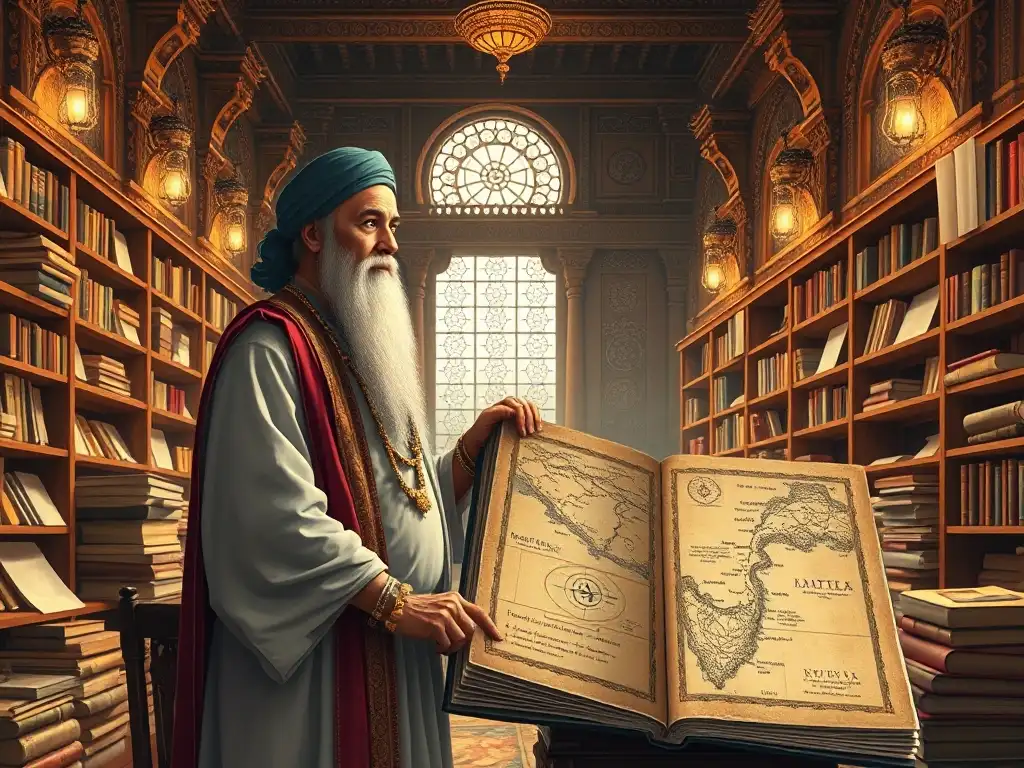
The Gupta Empire, often referred to as the Golden Age of India, left an indelible mark on the preservation and advancement of ancient knowledge. This era, flourishing from approximately 320 to 550 CE, was characterized by significant achievements in various fields such as mathematics, astronomy, medicine, and literature. The empire's commitment to scholarship and education fostered an environment where intellectual pursuits thrived. This legacy continues to resonate, not only in historical contexts but also in contemporary disciplines.
The Gupta rulers actively supported scholars and institutions of learning, which facilitated the translation and preservation of texts from earlier civilizations, including the Vedic and Buddhist scriptures. This meticulous documentation and innovation ensured that ancient wisdom was not only safeguarded but also expanded upon, forming a bridge between the past and future intellectual endeavors.
Summary of the Gupta Empire's Impact on Ancient Knowledge
The impact of the Gupta Empire on ancient knowledge is profound and multifaceted. Its contributions can be summarized as follows:
- Mathematics: The period saw the introduction of the concept of zero and the decimal system, attributed to mathematicians like Aryabhata. These innovations laid the groundwork for modern mathematics.
- Astronomy: Gupta astronomers made remarkable strides in understanding celestial movements. Aryabhata's work on the rotation of the Earth and the calculation of eclipses exemplifies this intellectual advancement.
- Medicine: The Gupta era produced significant texts in medicine, such as the Sushruta Samhita, which outlined surgical techniques and medical practices that would influence Ayurveda and medical knowledge for centuries.
- Literature and Arts: The flourishing of literature, with works like Kalidasa's Shakuntala, showcased not only cultural richness but also the preservation of linguistic traditions.
These achievements collectively underscore the Gupta Empire's role in not just preserving but also enhancing ancient knowledge, ensuring its transmission through generations.
Continuing Influence on Modern Scholarship and Culture
The legacy of the Gupta Empire in knowledge preservation extends into modern scholarship and culture, influencing various fields today. Scholars worldwide continue to reference Gupta-era texts, particularly in mathematics and astronomy, as foundational sources that shaped the trajectory of scientific thought. The principles developed during this time inform contemporary studies in mathematics, where the introduction of zero remains one of the most significant contributions to the field.
Moreover, the cultural influences of Gupta literature and art permeate modern Indian culture, inspiring a resurgence of interest in classical texts and performing arts. The emphasis on education and intellectual pursuit established during the Gupta period continues to resonate in today’s educational frameworks, where the value of knowledge is paramount.
The Gupta Empire's contributions to the preservation of ancient knowledge not only enriched its own civilization but laid the groundwork for future advancements, making it a pivotal chapter in the history of human intellect and culture.
- Introduction to the Gupta Empire
- The Importance of Knowledge in Ancient India
- The Gupta Empire's Contributions to Knowledge Preservation
- Key Institutions of Learning During the Gupta Empire
- Prominent Scholars and Thinkers of the Gupta Era
- The Role of Science and Mathematics in the Gupta Empire
- Preservation of Ancient Texts and Manuscripts
- The Process of Transcribing and Preserving Texts
- The Influence of Gupta Scholars on Later Generations
- Cultural and Artistic Contributions of the Gupta Empire
- Conclusion: The Lasting Legacy of the Gupta Empire in Knowledge Preservation
- Summary of the Gupta Empire's Impact on Ancient Knowledge
- Continuing Influence on Modern Scholarship and Culture
- What was the Gupta Empire known for in terms of ancient knowledge preservation?
- How did the Gupta Empire influence literature and science?
- What role did universities play in the Gupta period?
- How did the Gupta Empire contribute to the preservation of texts?
- In what ways did the Gupta Empire's cultural policies support ancient knowledge?
Frequently Asked Questions
What was the Gupta Empire known for in terms of ancient knowledge preservation?
The Gupta Empire is celebrated for its significant contributions to the preservation and advancement of ancient knowledge, particularly through the establishment of educational institutions and support for scholars.
How did the Gupta Empire influence literature and science?
The empire fostered an environment where literature, mathematics, and astronomy thrived, leading to remarkable achievements such as Aryabhata's work in mathematics and the Kalidasa's literary contributions.
What role did universities play in the Gupta period?
Universities like Nalanda became centers of learning, attracting students and scholars from across the world, reinforcing the Gupta Empire's commitment to knowledge preservation and dissemination.
How did the Gupta Empire contribute to the preservation of texts?
The Gupta rulers encouraged the copying and translation of ancient texts, ensuring that valuable works in philosophy, medicine, and science were preserved for future generations.
In what ways did the Gupta Empire's cultural policies support ancient knowledge?
The Gupta Empire's cultural policies promoted religious tolerance and artistic expression, leading to an environment where scholars could freely explore and document their knowledge across various fields.
Final Reflection: The Gupta Empire's Enduring Legacy in Knowledge Preservation
The Gupta Empire's profound commitment to ancient knowledge preservation resonates powerfully in today's world, where information is both abundant and fleeting. As we navigate an era characterized by rapid technological advancements and information overload, the lessons from the Gupta period remind us of the importance of safeguarding and valuing our intellectual heritage. The Gupta Empire not only fostered a golden age of learning but also laid the groundwork for future generations to build upon, emphasizing that the preservation of knowledge is not merely an academic pursuit but a vital societal responsibility.
The cultural and social landscape shaped by the Gupta Empire continues to influence our understanding of education, science, and philosophy. In an age where the quest for knowledge is often overshadowed by misinformation, the Gupta Empire serves as a beacon of enlightenment. The empire's scholars, such as Aryabhata and Kalidasa, exemplified the transformative power of knowledge, inspiring countless individuals to seek wisdom and understanding. The greatest gift is a passion for reading. It is cheap, it consoles, it distracts, it excites. It gives you knowledge of the world and experience of a wide kind.
– A. Edward Newton. This quote encapsulates the essence of the Gupta Empire's legacy, highlighting the importance of nurturing a love for learning that transcends time.
As we reflect on the Gupta Empire's remarkable contributions to the preservation of ancient knowledge, I invite you to consider how you can honor this legacy in your own life. Take a moment to explore the wealth of knowledge available to you, whether through reading, engaging in discussions, or pursuing new educational opportunities.
Embrace the responsibility to not only learn but also share and preserve knowledge for future generations. By doing so, you contribute to a culture that values wisdom, creativity, and the continuous pursuit of enlightenment, ensuring that the spirit of the Gupta Empire lives on in our modern world.
Unveil the Legacy of Ancient Knowledge!
Thank you for exploring the fascinating world of the Gupta Empire and its pivotal role in preserving ancient knowledge! Your journey through this rich history not only enhances your understanding but also empowers you to carry forward this legacy. Now, let’s take meaningful steps to keep the flame of learning alive!
- Dive deeper: Explore additional resources on the Gupta Empire by visiting our recommended reading list here .
- Share your insights: Discuss your favorite discoveries from this article with friends or on social media. Encourage others to engage in the conversation about the importance of history!
- Join our community: Sign up for our newsletter to stay updated on upcoming articles and connect with fellow history enthusiasts.
How will you incorporate the lessons learned from the Gupta Empire into your understanding of today's world?