
The Role of Diplomacy in Avoiding Conflict in Ancient Indian History

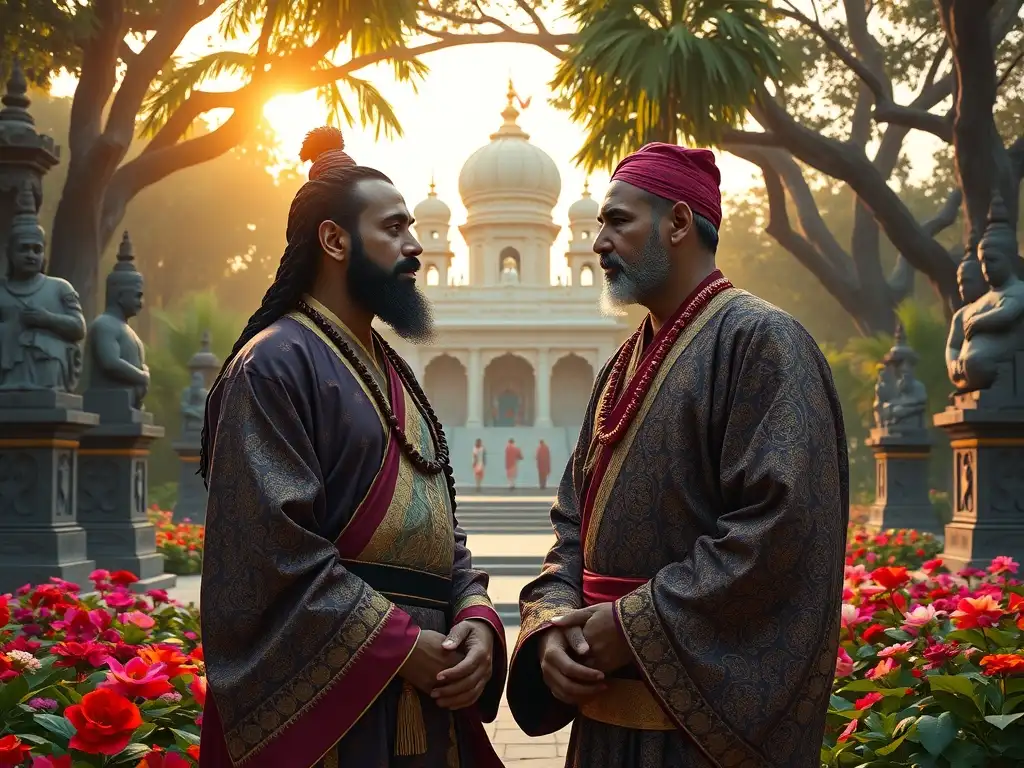
Welcome to Ancient India History, where we embark on a captivating journey through the intricate tapestry of ancient Indian civilizations. In our feature article, we delve into the fascinating world of ancient Indian diplomacy strategies and uncover how these sophisticated approaches played a pivotal role in avoiding conflict and fostering peace. Discover the wisdom and ingenuity that defined an era, as we explore the remarkable contributions of cultures from the Indus Valley to the Gupta Empire. Prepare to be intrigued and inspired; the secrets of ancient diplomacy await your exploration!
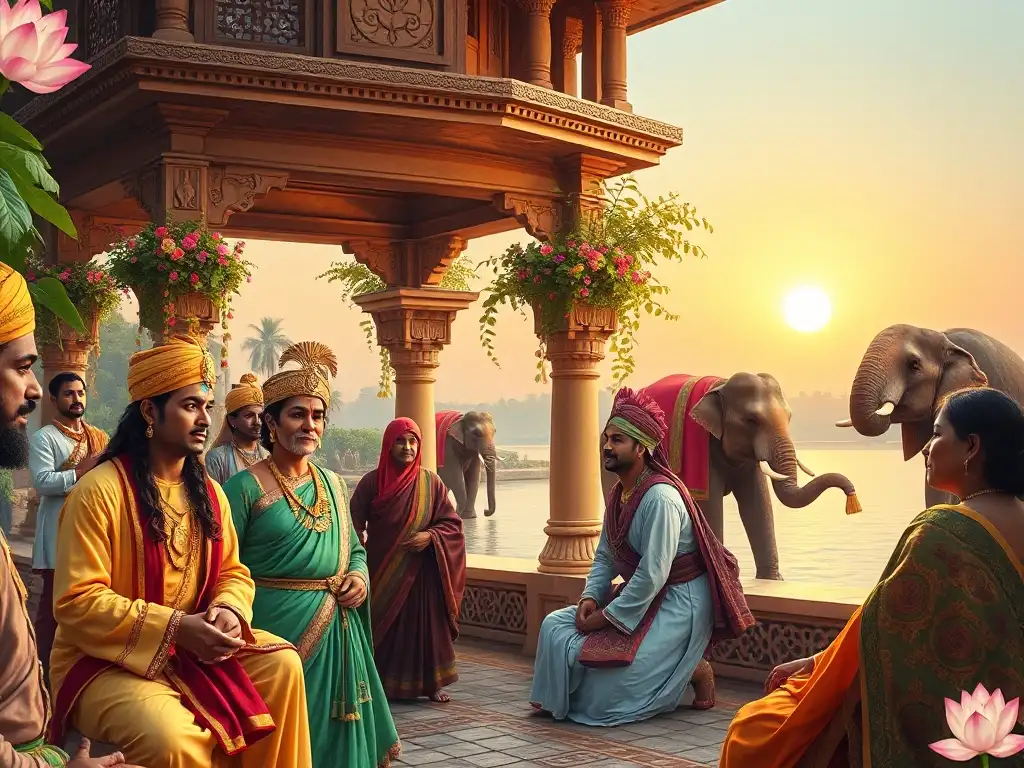
Introduction to Ancient Indian Diplomacy
Ancient Indian diplomacy played a pivotal role in shaping the political landscape of the subcontinent, influencing not only the relationships between various kingdoms and empires but also serving as a crucial mechanism for conflict resolution. From the sophisticated negotiations of the Mauryan Empire to the strategic alliances formed during the Gupta period, diplomacy in ancient India was characterized by a variety of strategies aimed at maintaining peace and stability.
These diplomatic maneuvers often involved intricate negotiations, marriage alliances, and the establishment of trade relations, which collectively contributed to the avoidance of military conflicts. Understanding these ancient Indian diplomacy strategies provides valuable insights into how civilizations navigated their complex social and political environments.
Overview of Ancient Indian Diplomacy Strategies
Ancient Indian diplomacy was multifaceted, encompassing a range of strategies that were utilized by various kingdoms throughout history. Some of the most notable strategies included:
- Marriage Alliances: Royal families often arranged marriages to secure alliances, ensuring peace between rival kingdoms.
- Trade Agreements: Economic ties through trade were a means to foster cooperation and mutual benefit, reducing the likelihood of conflict.
- Diplomatic Envoys: Sending emissaries to communicate intentions and negotiate terms was a common practice, allowing for direct dialogue and misunderstandings to be avoided.
- Cultural Exchange: The sharing of culture, religion, and knowledge helped to build rapport and trust among different regions.
These strategies not only mitigated conflicts but also facilitated the growth of cultural ties across the subcontinent, shaping the very identity of ancient Indian civilizations.
Importance of Diplomacy in Military History
The strategic importance of diplomacy in ancient Indian military history cannot be understated. While military prowess was crucial in defending territories, it was often diplomacy that prevented wars from escalating. Key benefits of diplomatic engagement included:
- Preservation of Resources: By avoiding unnecessary conflicts, states were able to conserve their military resources and maintain economic stability.
- Stability and Peace: Diplomatic solutions fostered long-term stability, allowing civilizations to thrive in peaceful coexistence.
- Adaptation and Learning: Diplomatic interactions provided opportunities for cultural and technological exchange, enriching the participating societies.
In essence, diplomacy served as a vital tool that complemented military strategy, ensuring that conflicts were resolved through dialogue rather than combat.
Historical Context of Ancient Indian Diplomacy
To fully appreciate the role of diplomacy in ancient India, it is essential to consider the historical context in which these strategies were developed. Various empires and kingdoms had distinct diplomatic practices that reflected their unique political and cultural environments.
Key Civilizations Involved in Diplomatic Relations
Several key civilizations in ancient India were instrumental in shaping diplomatic practices:
- Indus Valley Civilization: Known for its advanced urban planning and trade networks, this civilization engaged in early forms of diplomacy through trade relations with neighboring regions.
- Mauryan Empire: Under the leadership of Chandragupta Maurya and his grandson Ashoka, the Mauryan Empire exemplified sophisticated diplomatic strategies, including the use of emissaries and the promotion of Dhamma as a moral guide for foreign relations.
- Gupta Empire: The Gupta period saw a flourishing of arts, science, and trade, which were often facilitated by diplomatic relations that promoted peace and cultural exchange.
These civilizations not only developed their own diplomatic strategies but also influenced one another, creating a rich tapestry of interactions that characterized ancient Indian diplomacy.
Techniques and Strategies of Ancient Indian Diplomacy
Ancient Indian diplomacy was characterized by a variety of techniques and strategies that aimed to foster peace and prevent conflict. These methods were often sophisticated and multifaceted, reflecting the rich cultural heritage and political acumen of Indian kingdoms. Among the notable strategies were negotiation and mediation tactics, marriage alliances, cultural exchanges, and the deployment of diplomatic missions. Each of these approaches served to maintain stability, facilitate trade, and enhance political relationships among the diverse states of ancient India.
Negotiation and Mediation Tactics
Negotiation and mediation were central to ancient Indian diplomacy. Rulers often engaged in direct discussions to resolve disputes peacefully. The texts of the Arthashastra, an ancient treatise on statecraft attributed to Kautilya (Chanakya), highlight the importance of skilled negotiators known as "diplomats" or "envoys." These individuals were trained in rhetoric and persuasion, enabling them to navigate complex political landscapes.
Mediation tactics included the use of neutral third parties to facilitate discussions between conflicting states. This approach was particularly effective in situations where animosities ran deep, as it provided a buffer that could lower tensions. The objective was always to reach a mutually beneficial agreement that would avoid the escalation of hostilities.
Use of Marriage Alliances
Marriage alliances served as a powerful diplomatic tool in ancient India. Rulers often married their daughters or sisters to leaders of rival states to forge alliances and ensure peace. This practice was not only a means to secure political ties but also to establish familial bonds that would discourage conflict.
For instance, the marriage between Chandragupta Maurya and a princess from the Lichchhavi clan is a notable example. Such unions often came with stipulations that included non-aggression pacts and mutual defense agreements, thereby reinforcing the stability of these alliances.
Cultural Exchanges and Gifts
Cultural exchanges played a significant role in fostering diplomatic relations. Ancient Indian states often engaged in the exchange of gifts, which served both as a sign of goodwill and as a mechanism for building trust. These gifts could include valuable goods, art, or even knowledge, such as texts on science, philosophy, and religion.
Such exchanges were reciprocal in nature, creating a network of interdependencies that discouraged conflict. Additionally, festivals and cultural events were utilized as platforms for diplomats to meet and negotiate in a less formal environment, further promoting understanding and cooperation.
Diplomatic Missions and Envoys
The establishment of diplomatic missions and the appointment of envoys were critical components of ancient Indian diplomacy. Envoys, often termed as "duta" or "ambassadors," were dispatched to other kingdoms to represent their sovereigns' interests. These diplomats were expected to convey messages, negotiate treaties, and gather intelligence on foreign courts.
The importance of these missions is evident in the Mauryan and Gupta empires, where diplomatic corps were carefully selected based on their knowledge of local customs and languages. Such preparation enabled them to navigate the complexities of foreign courts effectively, thereby enhancing the chances of successful diplomacy.
Case Studies of Successful Diplomacy
Ancient India provides several compelling case studies illustrating the effectiveness of diplomatic strategies in avoiding conflict. Notable examples from the Mauryan Empire, the Gupta period, and various significant treaties demonstrate how diplomacy was used to maintain peace and stability.
The Mauryan Empire's Diplomatic Relations
The Mauryan Empire, particularly under Ashoka the Great, exemplifies successful diplomatic relations that helped avoid conflict. Ashoka utilized a combination of military strength and diplomatic negotiations to expand his empire without resorting to constant warfare.
His approach included sending emissaries to neighboring kingdoms to promote Buddhism and spread messages of peace. The rock edicts issued by Ashoka advocate for non-violence and coexistence, reflecting his commitment to diplomacy as a means to maintain control and stability across his vast empire.
Gupta Diplomacy and its Effect on Regional Stability
The Gupta Empire is another significant example of effective diplomacy in ancient India. The Gupta rulers skillfully engaged in both military and diplomatic strategies to secure their borders and maintain regional stability.
During this period, the alliance between the Guptas and various regional powers was crucial. Diplomatic marriages and strategic partnerships allowed the Guptas to focus on cultural and economic advancements while minimizing conflicts with neighboring states. This approach not only stabilized the region but also facilitated a flourishing of art, science, and culture.
Notable Treaties and Agreements
Numerous treaties and agreements from ancient Indian history underscore the role of diplomacy in conflict avoidance. One notable example is the treaty between the Mauryan Empire and the Seleucid Empire, where Chandragupta Maurya negotiated terms that included territorial exchanges and matrimonial alliances.
Such treaties were often documented in inscriptions or texts, serving as records of the diplomatic engagements that shaped the political landscape of the time. These agreements allowed for mutual cooperation, trade, and cultural exchanges, further reinforcing the importance of diplomacy in ancient Indian history.
The Role of Religion and Philosophy in Diplomacy
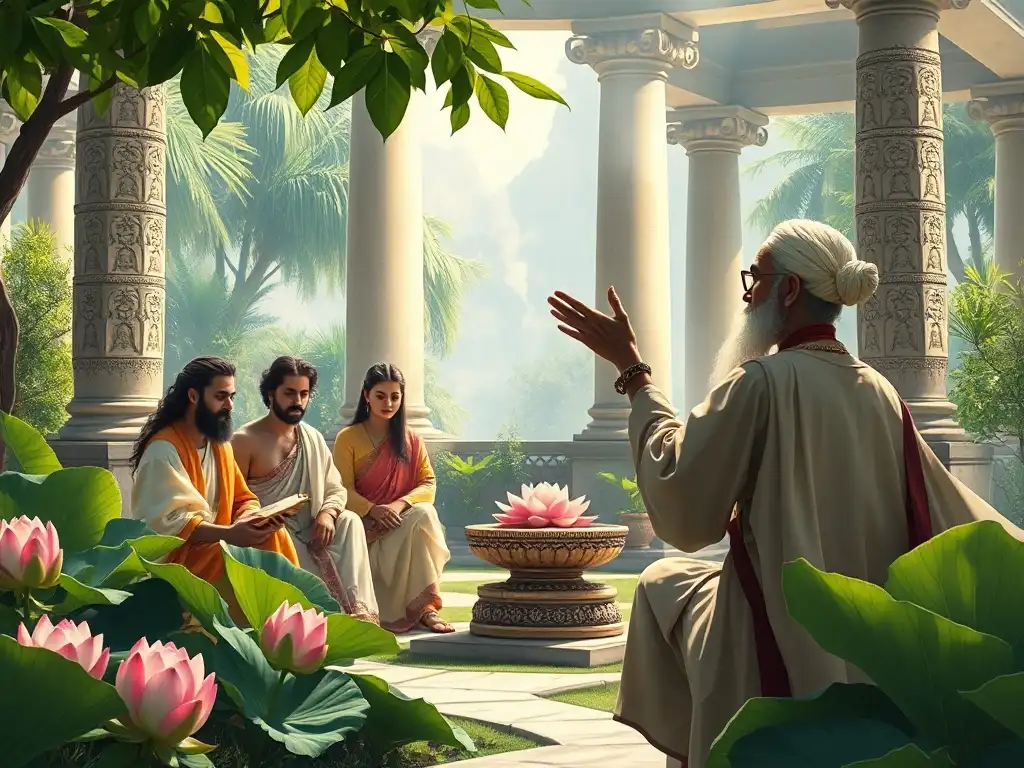
Religion and philosophy played a significant role in shaping the diplomatic strategies of ancient Indian civilizations. These elements not only influenced the moral frameworks within which diplomacy operated but also provided shared cultural narratives that facilitated dialogue and negotiations. The interplay of religious beliefs and philosophical teachings fostered an environment where negotiation and compromise were often preferred over direct conflict, aligning with the broader values of peace and harmony prevalent in ancient Indian society.
Influence of Hinduism on Diplomatic Practices
Hinduism, as one of the predominant religions in ancient India, profoundly influenced diplomatic practices. The principles of Dharma (righteousness) and Artha (prosperity) guided rulers in their diplomatic engagements. Hindu texts, such as the Arthashastra by Kautilya (Chanakya), emphasized the need for strategic alliances, negotiations, and sometimes deception as essential tools for maintaining state stability and prosperity.
- Strategic Alliances: Rulers often formed alliances through marriages or diplomatic marriages, which were seen as a means to secure peace and mutual benefit.
- Negotiation and Interpretation: The Hindu perspective on conflict resolution often involved negotiations that respected the dignity and honor of all parties involved, reflecting the belief in the sacredness of life and the interconnectedness of all beings.
- Use of Envoys: Diplomatic envoys were treated with respect and authority, as it was believed that they carried not just messages but also the weight of their rulers' intentions, thus fostering a sense of trust and reliability in diplomatic communications.
The Buddhist Approach to Conflict Resolution
Buddhism introduced a unique perspective on conflict resolution that emphasized compassion, non-violence, and the interconnectedness of all life. The teachings of Buddha encouraged rulers to adopt peaceful means of resolving disputes and fostered an approach that prioritized dialogue over warfare.
- Moral Responsibility of Rulers: Buddhist philosophy held that rulers had a moral obligation to protect their subjects, which included seeking peaceful solutions to conflicts.
- Non-Violence (Ahimsa): The principle of Ahimsa significantly influenced diplomatic relations, encouraging leaders to consider non-violent approaches and the impact of their policies on all living beings.
- Dialogue and Mediation: Buddhist monks often acted as mediators in disputes, using their spiritual authority to facilitate discussions and promote understanding between conflicting parties, thereby reducing tensions and fostering peace.
Challenges Faced in Diplomatic Efforts
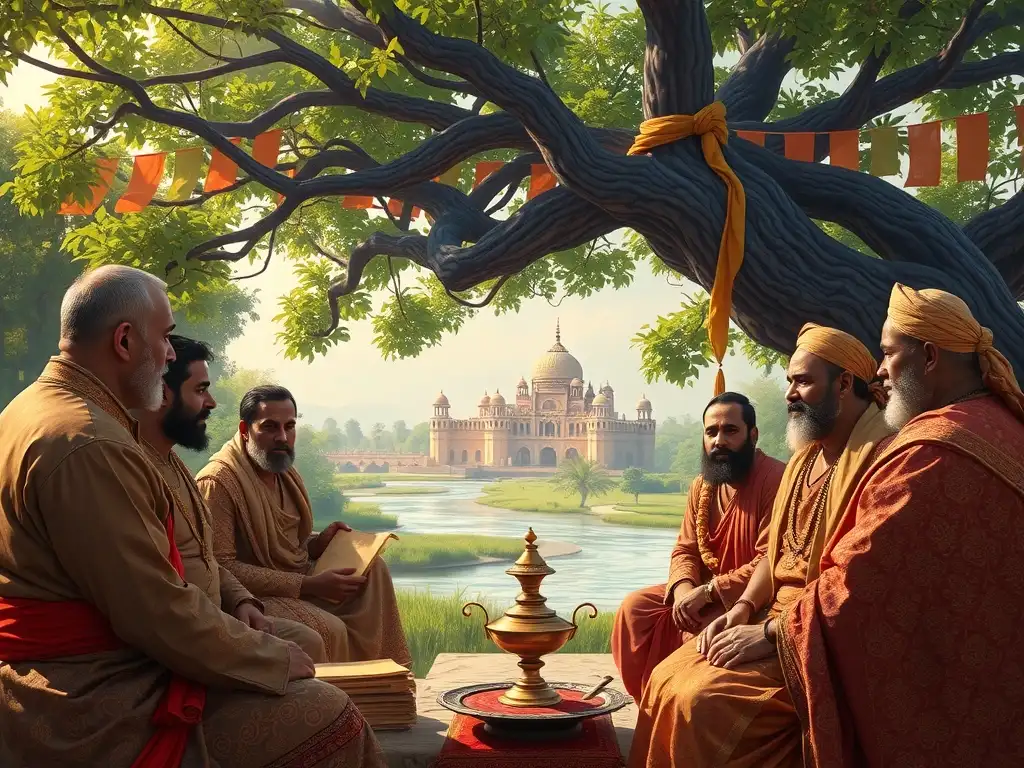
Despite the sophisticated diplomatic strategies employed by ancient Indian states, various challenges persisted that often complicated their diplomatic efforts. Internal and external factors shaped the landscape of diplomacy, creating obstacles that required careful navigation.
Internal Conflicts and Power Struggles
Internal dissent and power struggles were significant challenges that often undermined diplomatic efforts. The competition among local rulers, clans, and factions could lead to fragmentation and instability, making cohesive diplomatic strategies difficult to implement.
- Factionalism: Rivalries among different political factions could result in conflicting diplomatic messages, weakening the authority of a ruler and complicating negotiations with external powers.
- Succession Issues: Disputes over succession could lead to civil wars, diverting attention and resources away from diplomatic endeavors and prioritizing military solutions.
- Regional Autonomy: The desire for autonomy among various regional powers often clashed with central authority, complicating the formation of a unified diplomatic front.
External Threats and Influence from Neighboring Regions
Ancient Indian states frequently faced external threats from neighboring regions, which necessitated a robust diplomatic approach to avoid conflict. The presence of powerful empires and aggressive neighbors compelled Indian rulers to engage in complex diplomatic maneuvers.
- Neighboring Kingdoms: Relations with powerful neighboring kingdoms, such as Persia or the various Chinese dynasties, required careful diplomacy to maintain balance and prevent invasions.
- Trade Routes: Control over trade routes was often a source of conflict, prompting diplomatic negotiations to secure peace and protect economic interests.
- Cultural Exchange: Encounters with foreign cultures through trade or conquest led to the exchange of ideas and diplomatic practices, which could either facilitate or complicate relations depending on the nature of these interactions.
Through these intricate dynamics, ancient Indian diplomacy evolved as a sophisticated mechanism to navigate both internal and external pressures, emphasizing the importance of strategic thinking and cultural understanding in avoiding conflict.
Legacy of Ancient Indian Diplomacy
The legacy of ancient Indian diplomacy is marked by a rich tapestry of strategies, treaties, and negotiations that played a crucial role in maintaining peace and stability across various kingdoms and empires. From the early interactions of the Indus Valley Civilization to the sophisticated diplomatic practices of the Maurya and Gupta empires, ancient India showcased a unique approach to conflict resolution that often prioritized dialogue over warfare.
Prominent historical texts, such as Kautilya's Arthashastra, offer insights into the strategic thinking behind these diplomatic efforts. Kautilya emphasized the importance of intelligence, espionage, and strategic alliances, illustrating how diplomacy was intricately linked to military preparedness. This approach not only helped in avoiding conflicts but also in fostering trade relations that contributed to economic prosperity.
Moreover, the use of diplomacy in ancient India was characterized by a deep understanding of regional dynamics and cultural nuances. Indian states often engaged in marriage alliances, gift exchanges, and formal treaties, which served to solidify ties and prevent hostilities. Such practices laid the groundwork for a diplomatic legacy that would influence subsequent generations and highlight the importance of negotiation in governance.
Impact on Subsequent Indian States
The diplomatic strategies employed by ancient Indian civilizations had a profound impact on subsequent Indian states, shaping their approaches to governance and international relations. The successful negotiation tactics and alliances forged during this era provided a framework for later rulers, such as those in the Mughal Empire, to navigate complex political landscapes.
For instance, the Mughals adopted many of the diplomatic practices established by their predecessors, including the establishment of jagirs and fostering relationships with local chieftains through marriage alliances. This not only helped them consolidate power but also minimized conflicts with regional powers. Additionally, the emphasis on diplomacy allowed these states to focus resources on cultural and economic development rather than constant warfare.
The legacy of ancient Indian diplomacy is also reflected in the historical narratives of states like Vijayanagara, which actively engaged in diplomacy to maintain its sovereignty against imperial threats. These strategies showcased a continuity of diplomatic thought that has endured across millennia, influencing the political landscape of the Indian subcontinent.
Lessons from Ancient Indian Diplomacy Strategies for Modern Conflict Resolution
Ancient Indian diplomacy offers valuable lessons for modern conflict resolution, particularly in an era characterized by geopolitical complexities and cultural diversities. One key lesson is the significance of dialogue and negotiation over military confrontation. The ancient Indian emphasis on diplomatic engagement highlights the effectiveness of peaceful discourse in resolving disputes.
Additionally, the strategic use of alliances and coalitions can be applied to modern diplomacy. Just as ancient Indian states formed alliances to bolster their positions, contemporary nations can benefit from collaborative approaches in addressing global challenges, such as climate change or terrorism.
Moreover, the ancient practice of understanding and respecting cultural differences is crucial in today’s interconnected world. Diplomatic efforts that are sensitive to cultural contexts and local customs are more likely to foster trust and cooperation.
The integration of intelligence and strategic foresight, as emphasized in the Arthashastra, remains relevant. Modern diplomats can benefit from thorough research and understanding of the political landscape to craft effective negotiation strategies.
Conclusion
Summary of Key Points on Ancient Indian Diplomacy
Ancient Indian diplomacy was characterized by a sophisticated blend of strategies aimed at avoiding conflict and fostering peaceful relations among various states. The legacy of these practices is evident in the diplomatic approaches of later Indian empires, which adopted and adapted ancient strategies to suit their needs. Key points include:
- The importance of dialogue and negotiation in conflict resolution.
- The strategic use of alliances and marriage ties to strengthen political positions.
- The role of cultural understanding in successful diplomacy.
- The relevance of intelligence and strategic foresight in negotiation.
Final Thoughts on the Importance of Diplomacy in Military History
The importance of diplomacy in military history cannot be overstated, particularly in the context of ancient Indian civilizations. The ability to navigate complex political landscapes through dialogue and strategy not only helped preserve peace but also facilitated cultural and economic exchanges that enriched societies. As we study ancient Indian diplomacy, it becomes clear that these early strategies remain relevant today, providing a blueprint for modern conflict resolution and emphasizing the enduring value of diplomacy in shaping history.
- Introduction to Ancient Indian Diplomacy
- Historical Context of Ancient Indian Diplomacy
- Techniques and Strategies of Ancient Indian Diplomacy
- Case Studies of Successful Diplomacy
- The Role of Religion and Philosophy in Diplomacy
- Influence of Hinduism on Diplomatic Practices
- The Buddhist Approach to Conflict Resolution
- Challenges Faced in Diplomatic Efforts
- Legacy of Ancient Indian Diplomacy
- Conclusion
- What were the key diplomacy strategies used in ancient Indian civilizations?
- How did the Indus Valley Civilization practice diplomacy?
- What role did the Gupta Empire play in shaping ancient Indian diplomacy?
- Were there any notable diplomatic figures in ancient Indian history?
- How did religion and culture influence ancient Indian diplomacy?
Frequently Asked Questions
What were the key diplomacy strategies used in ancient Indian civilizations?
Ancient Indian civilizations employed strategies such as alliances, marriages, and negotiations to maintain peace and avoid conflict, showcasing a sophisticated understanding of diplomacy.
How did the Indus Valley Civilization practice diplomacy?
The Indus Valley Civilization engaged in trade and established peaceful relations with neighboring cultures, which helped them to avoid conflicts and foster economic growth.
What role did the Gupta Empire play in shaping ancient Indian diplomacy?
The Gupta Empire is known for its effective diplomatic strategies, including cultural exchanges and political alliances, which contributed to a period of stability and prosperity in ancient India.
Were there any notable diplomatic figures in ancient Indian history?
Yes, notable figures like Chanakya (Kautilya) were instrumental in shaping the diplomatic landscape, providing guidance on statecraft and strategies for maintaining power and peace.
How did religion and culture influence ancient Indian diplomacy?
Religion and culture played a significant role in diplomacy, as they fostered unity and social cohesion, which were crucial in diplomatic negotiations and alliances among various kingdoms.
Final Reflection: The Enduring Legacy of Ancient Indian Diplomacy
The strategies of ancient Indian diplomacy remain profoundly relevant today, as they offer timeless lessons on conflict resolution and the art of negotiation. In a world increasingly fraught with tensions and misunderstandings, the diplomatic approaches employed by ancient Indian states serve as a beacon of hope and guidance. By understanding the intricate balance of power, respect for cultural diversity, and the importance of dialogue, we can draw parallels to contemporary international relations and the necessity of diplomacy in fostering peace.
The influence of ancient Indian diplomacy extends far beyond its historical context; it continues to shape the cultural and social landscape of modern societies. The principles of negotiation, alliance-building, and strategic communication that were practiced centuries ago resonate in today’s global interactions. As we navigate complex geopolitical landscapes, we can reflect on the wisdom of our ancestors. Diplomacy is the art of letting someone else have your way.
This quote encapsulates the essence of ancient Indian strategies, reminding us that effective diplomacy often involves subtlety, patience, and the ability to see beyond immediate conflicts.
As we conclude this exploration of ancient Indian diplomacy, I invite you to reflect on how these historical lessons can be applied in your own life. Consider the power of dialogue and understanding in resolving conflicts, whether in personal relationships or broader societal issues. By embracing the principles of ancient Indian diplomacy, we can each contribute to a more harmonious world, where differences are celebrated and conflicts are resolved through respectful communication and collaboration. Let us carry forward the legacy of our ancestors and strive for a future where diplomacy prevails over discord.
Embrace the Power of Diplomacy in Your Life!
Thank you for exploring the vital role of diplomacy in avoiding conflict throughout history. Whether you're inspired by the intricate strategies of influential leaders or eager to foster harmony in your own circles, your understanding of diplomacy can lead to transformative changes.
Now, it's time to take action and integrate these lessons into your everyday life:
- Reflect on your communication style: Take a moment to consider how you can become a more effective communicator. Practice **active listening** and **empathy** in your conversations.
- Join or start a local discussion group: Gather like-minded individuals to explore conflict resolution strategies and share insights on diplomacy in today's context.
- Share your thoughts: Post about your favorite insights from this article on social media or in community forums to spark further discussion and encourage others to get involved.
How do you think diplomacy can change the way we handle conflicts today?