
The Role of Elephants in Ancient Indian Warfare: A Tactical Advantage

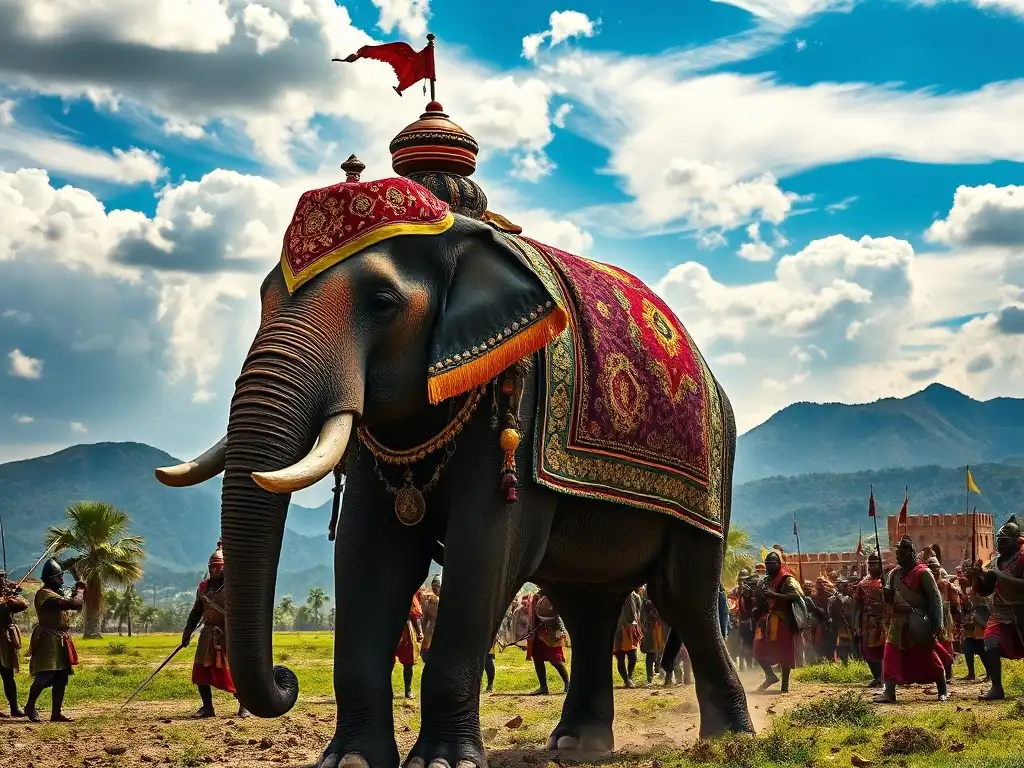
Welcome to Ancient India History, where we embark on a fascinating journey through the rich tapestry of ancient Indian civilizations. In this exploration, we delve into the remarkable contributions and unique cultural heritage that have shaped the subcontinent. One of the most intriguing aspects of this history is the strategic role of elephants in ancient Indian warfare.
Did you know that these majestic creatures were not just symbols of strength but also pivotal in shaping battle outcomes? Join us as we uncover the tactical advantages they provided and how they influenced military strategies from the Indus Valley to the Gupta Empire. Prepare to be captivated by the stories that await you!
Introduction to Elephants in Ancient Indian Warfare
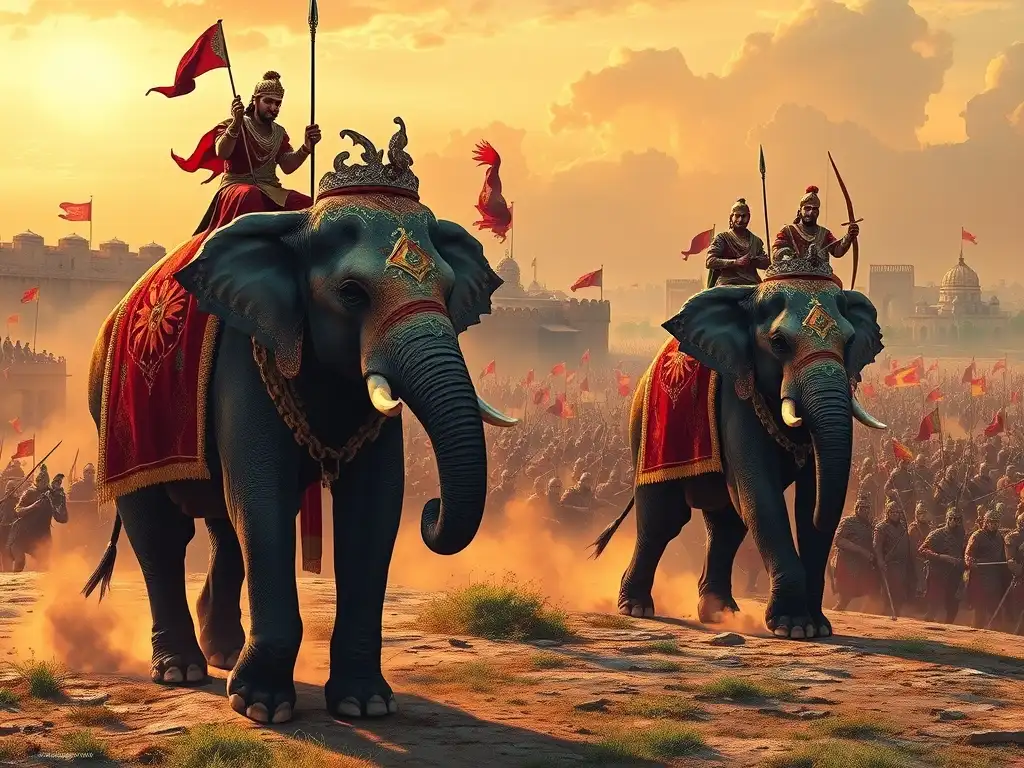
Elephants hold a prominent place in the annals of ancient Indian history, particularly in the context of warfare. These majestic creatures were not merely beasts of burden; they were integral to military strategies and formations, providing a tactical advantage that shaped the outcomes of many battles. The use of elephants in warfare dates back to ancient times, where they served as symbols of power and strength in various Indian kingdoms.
Their size, intelligence, and trainability made them formidable assets on the battlefield, contributing to the effectiveness of military campaigns from the Indus Valley Civilization to the Gupta Empire. Understanding the role of elephants in ancient Indian warfare offers profound insights into the military tactics and cultural significance of these animals in shaping the history of the subcontinent.
Overview of Military Significance
The military significance of elephants in ancient Indian warfare cannot be overstated. They were often used as a form of mobile artillery, capable of trampling enemy troops and disrupting formations. Elephants were strategically placed at the front lines of battle, where their sheer size and strength could instill fear in opponents, leading to psychological advantages. Additionally, they served various roles:
- Cavalry Support: Elephants were used to support infantry and cavalry, providing both protection and enhanced mobility.
- Logistical Support: They carried supplies, enabling armies to sustain prolonged campaigns.
- Command Centers: Commanders often rode on elephants, allowing them to oversee battles from an elevated position.
This multi-faceted use of elephants in warfare illustrates their pivotal role in ancient military strategies.
Purpose of Elephants in Battle
The purpose of elephants in battle extended beyond mere brute force. Their presence on the battlefield served several tactical functions:
- Intimidation: The sight and sound of charging elephants could demoralize enemy troops.
- Breaching Defenses: Elephants were used to break through enemy lines and fortifications, creating openings for infantry to exploit.
- Crowd Control: Their ability to trample both soldiers and horses made them effective in controlling chaotic battlefield situations.
The tactical versatility of elephants made them invaluable assets in the arsenal of ancient Indian military leaders.
Historical Context of Elephants in Warfare
The historical context of elephants in warfare reveals their longstanding significance in Indian military history. Their utilization can be traced back to early civilizations, where they were domesticated and trained for various purposes, including warfare.
The Use of War Elephants in Early Indian Civilizations
The earliest known use of war elephants dates back to the 4th millennium BCE, with archaeological evidence indicating their presence in ancient Indian civilizations. As societies evolved, so too did the employment of elephants in military contexts. Historical records from various texts, including the Mahabharata and Arthashastra, highlight the strategic importance of elephants in early Indian military campaigns.
- Training and Tactics: Elephants were trained extensively for warfare, learning to respond to commands and navigate chaotic battle scenarios.
- Integration into Armies: They became an integral part of the military structure, often forming the vanguard of an army.
The evolution of warfare tactics involving elephants laid the groundwork for their prominent role in later Indian empires.
Elephants in the Indus Valley Civilization
The Indus Valley Civilization (c. 3300–1300 BCE) provides some of the earliest evidence of elephant domestication and potential military use. Archaeological findings suggest that elephants were present in the region, although their exact role in warfare during this period remains partially speculative.
- Artifacts: Seals and figurines depicting elephants indicate their significance in the culture, possibly linking them to religious or ceremonial practices as well.
- Military Utility: While direct evidence of their use in warfare is limited, the size and strength of elephants would have offered practical advantages in conflicts.
The significance of elephants in this early civilization hints at a deep-rooted connection between these animals and the evolving nature of warfare in ancient India.
Significance During the Maurya Empire
The Maurya Empire (c. 322–185 BCE) marked a peak in the strategic use of elephants in warfare. Under the reign of Chandragupta Maurya and his grandson Ashoka, elephants became a central component of military tactics.
- Large Army Formations: The Mauryan army is noted for its extensive use of elephants, with some historical accounts suggesting thousands were deployed in battles.
- Key Battles: Elephants played crucial roles in significant battles, such as the Battle of Kalinga, where their impact was evident in both psychological and tactical terms.
The Maurya Empire's embrace of war elephants exemplified their importance in ancient Indian warfare, setting a precedent for future empires to follow.
Tactical Advantages of Elephants in Warfare
The use of elephants in ancient Indian warfare provided significant tactical advantages that transformed the battlefield dynamics. These majestic creatures were not merely used as mounts for warriors but served multiple roles that enhanced the effectiveness of military strategies.
One of the primary advantages was their sheer size and strength. Elephants could charge through enemy lines, causing chaos and disarray among infantry formations. Their ability to trample over foot soldiers and cavalry created a formidable barrier that could disrupt organized attacks. This physical dominance on the battlefield allowed commanders to leverage elephants as shock troops, instilling fear and confusion in enemy ranks.
Moreover, elephants were equipped with armor and sometimes even weaponry, enhancing their combat capabilities. They could carry archers, spearmen, and other warriors, offering elevated positions that provided a strategic advantage in warfare. This combination of mobility, strength, and the ability to carry additional combatants made elephants a versatile asset in various military contexts.
In addition to their physical prowess, elephants also played a crucial role in the logistics of warfare. They were used to transport supplies, weapons, and even injured soldiers across rugged terrain, thus extending the operational reach of armies. Their presence on the battlefield often served as a morale booster for troops, further solidifying their importance in ancient military tactics.
Psychological Impact on Opponents
The psychological impact of war elephants on opposing forces cannot be overstated. Their immense size and loud trumpeting created an imposing presence that could intimidate even the most seasoned warriors. The sight of a charging elephant, often adorned with armor and weaponry, could induce panic and fear in enemy ranks, leading to hasty retreats or disorganized formations.
Historical accounts illustrate how elephants were strategically deployed to exploit this psychological advantage. For example, during the battles against the Macedonian army led by Alexander the Great, the Indian king Porus used elephants to great effect. The sheer sight of these massive beasts struck terror into the hearts of Alexander's troops, showcasing how elephants could shift the psychological balance in favor of the army employing them.
Additionally, the training of elephants included acclimatization to the sounds of warfare, ensuring they remained calm amidst chaos. This stability further enhanced their effectiveness, as a well-trained elephant would not only carry its rider but also maintain composure, allowing for coordinated attacks. The psychological warfare instigated by the presence of elephants became a crucial tactic in ancient Indian military strategies.
Mobility and Versatility on the Battlefield
Elephants offered unparalleled mobility and versatility, making them invaluable assets on the battlefield. They could maneuver across various terrains, from dense forests to open plains, allowing armies to adapt their strategies based on the landscape. Unlike traditional cavalry, elephants could traverse rough and uneven ground, providing a tactical edge in diverse combat situations.
This versatility extended beyond mere movement. Elephants could be used in various roles during a battle, including as frontline assault units, flanking maneuvers, and even as platforms for launching ranged attacks. Warriors could ride atop elephants, gaining a height advantage to shoot arrows or hurl projectiles while remaining protected from ground-level threats.
In addition to their combat roles, elephants were also crucial in supporting logistical operations. They could carry heavy loads, including weapons and provisions, which was essential for sustaining long campaigns. Their ability to transport goods across challenging terrains enabled ancient Indian armies to maintain supply lines effectively, enhancing operational flexibility during warfare.
Role in Siege Warfare and Fortifications
In siege warfare, elephants played a pivotal role in breaching fortifications and overcoming defensive structures. Their immense strength allowed them to break down gates and walls, creating openings for infantry to exploit. Historical accounts reveal that elephants were often used to pull down fortified gates or batter down walls, making them a critical component in siege tactics.
Moreover, elephants could be equipped with specialized armor and weaponry designed to enhance their effectiveness in siege situations. Some were fitted with tusk armor or blades, turning them into formidable siege engines capable of damaging fortifications directly. This capability made them an integral part of any siege strategy, providing a direct means to confront and dismantle enemy defenses.
Additionally, the psychological impact of an elephant-led assault on fortifications could lead to demoralization among defenders. The sight of an elephant charging towards a wall or gate could induce fear, potentially leading to surrender or retreat. Thus, the role of elephants in siege warfare not only revolved around brute force but also encompassed psychological warfare, amplifying their effectiveness in ancient combat scenarios.
Training and Management of War Elephants
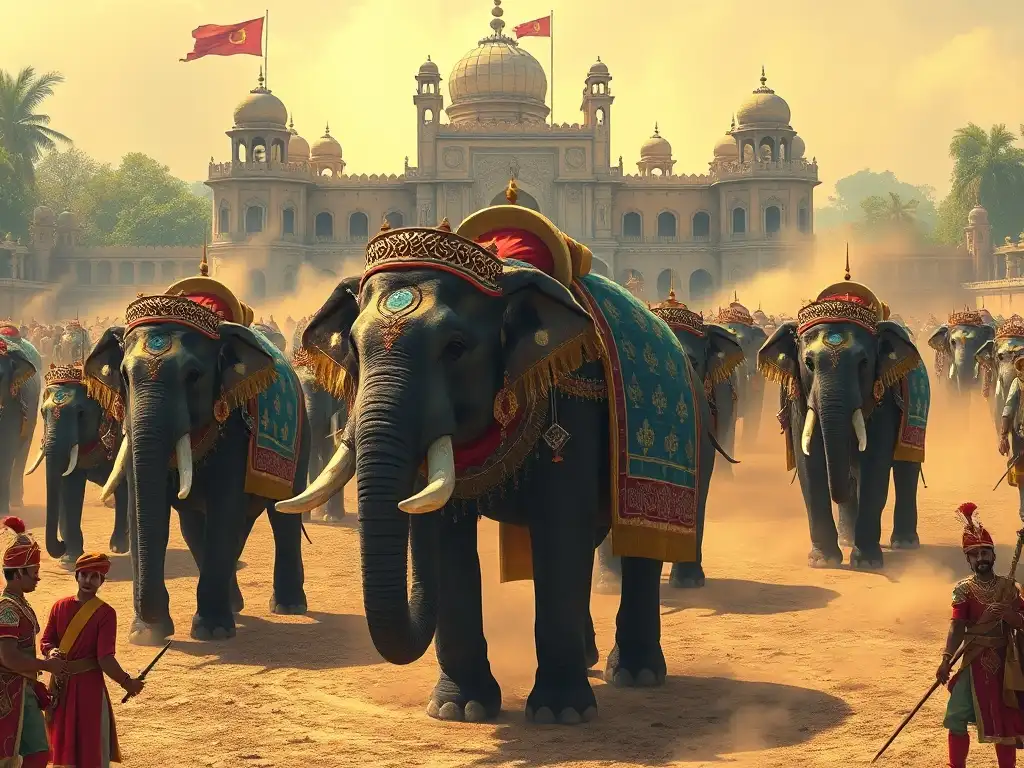
The success of war elephants in ancient Indian warfare depended heavily on their training and management. Specialized techniques were developed to ensure that these animals were not only combat-ready but also responsive to their handlers in the heat of battle.
Selection and Breeding of Elephants for Combat
The selection and breeding of elephants for combat roles were critical processes that determined the effectiveness of war elephants. Typically, elephants chosen for military use were selected from specific breeds known for their size, strength, and temperament. The Asian elephant, particularly the Indian variety, was preferred due to its manageable size and trainable nature.
Breeding programs focused on producing elephants with desirable traits, such as docility, intelligence, and aggression when needed. Young elephants were often raised in environments that mimicked battle conditions, allowing them to acclimatize to the sights and sounds of warfare. This selective breeding and careful raising ensured that the elephants possessed the physical and psychological attributes necessary for combat.
Training Techniques for War Elephants
Training techniques for war elephants involved a combination of conditioning and desensitization to various stimuli. Young elephants were taught to respond to commands from their mahouts (handlers) through positive reinforcement, establishing a bond of trust and obedience. Techniques included rewarding desired behaviors with food and praise, gradually introducing them to the sounds and chaos of battle.
Training sessions often included mock battles, where elephants would learn to navigate through formations and respond to the commands of their riders. This process also involved teaching them to charge, stop, and maneuver effectively on command. Over time, well-trained elephants became reliable partners in combat, capable of executing complex maneuvers under pressure.
The Role of Mahouts in Warfare
Mahouts played a crucial role in the effectiveness of war elephants, acting as their primary handlers and trainers. These skilled individuals were responsible for the daily care and training of the elephants, ensuring they were combat-ready and well-adjusted to the rigors of warfare.
In the heat of battle, the mahout's expertise became even more vital. They needed to maintain control over the elephant, directing its movements while ensuring it remained calm amidst the chaos. A skilled mahout could leverage the elephant's strengths, guiding it to charge at the enemy or maneuver in ways that maximized its impact on the battlefield.
The bond between a mahout and their elephant was often deep, built on years of training and mutual respect. This relationship was essential for the effectiveness of war elephants, as a well-managed elephant could be a formidable force, whereas a poorly handled one could become a liability. Thus, the role of mahouts was integral not only in training but also in the successful deployment of elephants in warfare.
Notable Battles Featuring Elephants
Throughout history, elephants have played a pivotal role in ancient Indian warfare, serving as both a powerful military asset and a psychological weapon. Their sheer size and strength made them formidable opponents on the battlefield, often swaying the outcome of critical engagements. Here, we delve into some of the most notable battles where elephants were instrumental.
The Battle of Gaugamela: A Strategic Overview
The famous Battle of Gaugamela in 331 BCE, fought between Alexander the Great and Darius III of Persia, showcased the strategic use of war elephants. Although not native to India, the influence of Indian warfare tactics can be seen in Darius's army, which included war elephants. The presence of these majestic creatures was intended to instill fear in the opposing troops.
Despite their impressive size, the elephants faced challenges against Alexander’s highly mobile phalanx formations. The elephants were initially effective in charging towards the enemy, causing chaos among the Greek ranks. However, their effectiveness diminished as Alexander utilized superior tactics and speed to outmaneuver them. This battle highlighted both the potential and limitations of elephants in warfare, emphasizing the need for strategic deployment.
The Role of Elephants in the Kalinga War
The Kalinga War, fought in 261 BCE, marked a significant chapter in Indian military history, particularly in the context of Emperor Ashoka's reign. Elephants were a crucial component of the Mauryan army, effectively used in sieges and open-field battles.
Ashoka’s forces utilized elephants to break enemy lines and create a path for infantry to advance. The psychological impact of elephants—massive beasts charging into battle—was instrumental in demoralizing the Kalinga troops. The war, however, left a profound impact on Ashoka himself, leading to his conversion to Buddhism and a commitment to non-violence. This historical event illustrates how elephants were not only tactical tools but also symbols of the evolving ethos of military leadership in ancient India.
Examples from the Gupta Empire
The Gupta Empire, flourishing from the 4th to the 6th centuries CE, is often considered a golden age of Indian history, and elephants played a significant role in its military campaigns. The Guptas effectively utilized elephants in their armies, both for warfare and ceremonial purposes.
During the reign of Chandragupta II, the use of elephants in battles against rival states like the Shaka and the Huna demonstrated their strategic importance. The elephants were deployed to charge at enemy formations, causing disruption and panic. Additionally, they were often equipped with armor and weaponry, enhancing their combat effectiveness. The Gupta period exemplified the sophisticated integration of elephants into military strategy, showcasing their ability to tilt the balance in favor of their operators.
Comparative Analysis: Elephants Versus Other Military Units
In the context of ancient Indian warfare, elephants were not the only military units deployed. A comparative analysis reveals the unique advantages and disadvantages they had in relation to other formations, particularly cavalry and chariots.
Elephants vs. Cavalry: Strengths and Weaknesses
When comparing elephants to cavalry, each unit showcased distinct strengths and weaknesses. Elephants, with their massive size and strength, could trample infantry and disrupt enemy formations effectively. Their presence on the battlefield often intimidated opposing forces, leading to psychological advantages.
However, cavalry units were typically more agile and could maneuver quickly in response to battlefield dynamics. While elephants could create chaos, they were slower and less maneuverable than cavalry forces. Additionally, cavalry could exploit gaps created by elephants, flanking the enemy or executing hit-and-run tactics that elephants could not match. This comparison underscores the need for a balanced approach in military strategy, as each unit type offered unique contributions to warfare.
The Role of Elephants Compared to Chariots
Chariots were another significant component of ancient Indian warfare, often used in tandem with elephants. The two units served complementary roles; while chariots provided speed and maneuverability, elephants offered brute force and intimidation.
In battle, chariots could deliver quick strikes and facilitate rapid movement across the battlefield. They were ideal for reconnaissance and flanking maneuvers, whereas elephants served as the main force to break enemy lines. The combination of both units created a formidable military presence, allowing armies to exploit the strengths of each. However, the logistical challenges of maintaining and deploying both elephants and chariots often influenced their usage in different contexts, demonstrating the complexity of military operations in ancient India.
Decline of Elephants in Warfare
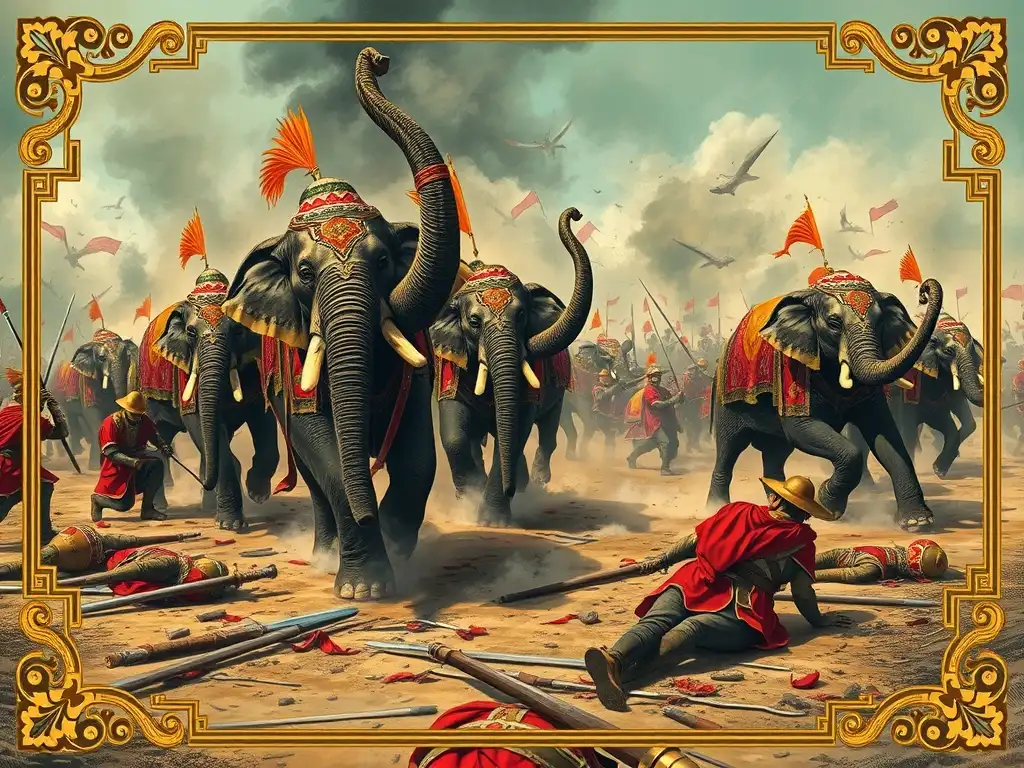
The use of elephants in warfare, once a hallmark of ancient Indian military strategy, experienced a significant decline over time. This shift was influenced by a variety of factors, including changes in military technology, tactics, and the evolving nature of warfare itself. As armies adapted to new challenges and the dynamics of conflict transformed, the once-dominant role of these mighty beasts began to wane.
Factors Leading to the Decrease in Use
Several key factors contributed to the reduced reliance on elephants in warfare:
- Advancements in Military Technology: The introduction of new weaponry, such as the crossbow and gunpowder, provided infantry and cavalry with more effective means of engaging larger and more powerful beasts. These innovations made it easier to neutralize the advantages elephants once provided.
- Changing Warfare Tactics: As military strategies evolved, particularly with the rise of more mobile and flexible formations, the massive size and slower movement of elephants became a liability rather than an asset. Armies began to favor units that could quickly adapt to shifting battle conditions.
- Economic Considerations: Elephants required extensive resources for training, maintenance, and care. As states faced economic pressures, the costs associated with sustaining elephant corps became less justifiable compared to investing in more efficient military units.
- Political and Social Changes: The decline of traditional monarchies and the rise of new political structures altered the nature of warfare. The emergence of professional armies diminished the need for elephants, which were often associated with royal power and prestige.
Transition to Modern Warfare Tactics
The transition to modern warfare tactics saw a further decline in the use of elephants. The increasing importance of logistics, speed, and precision in military operations led to the development of strategies that did not require the use of heavy and cumbersome animals. Armies began to focus on agility and firepower rather than the brute strength that elephants symbolized.
By the time of the Mughal Empire, although elephants still featured prominently in ceremonial roles and as symbols of power, their effectiveness on the battlefield had largely diminished. The era of rapid troop movements, combined with the advent of modern artillery, marked a significant turning point in military tactics, rendering the elephant's role obsolete in the face of changing warfare paradigms.
Conclusion: The Enduring Legacy of Elephants in Ancient Indian Warfare
While the use of elephants in warfare may have declined, their legacy within ancient Indian military history remains significant. The tactical advantages they provided have influenced not only the strategies of their time but also the broader narrative of military evolution.
Summary of Tactical Advantages
The tactical advantages of elephants in ancient Indian warfare were notable:
- Psychological Impact: The sheer size and power of elephants instilled fear in enemy ranks, often impacting morale before the battle even commenced.
- Mobility and Versatility: Elephants could break enemy lines, trample infantry, and serve as platforms for archers, showcasing their adaptability on the battlefield.
- Logistical Support: Beyond combat, elephants were used for transporting supplies and troops, making them valuable assets in extended campaigns.
Influence on Subsequent Military Strategies
The strategies developed around the use of elephants laid the groundwork for subsequent military innovations. The understanding of how to integrate large units into combat formations influenced later armies, including those in the regions beyond India. Additionally, the ceremonial use of elephants in military parades and royal processions highlighted their enduring symbolic significance, as they became enduring emblems of power and prestige in various cultures.
While the practical application of elephants in warfare may have faded, their historical significance and the tactical lessons derived from their use continue to resonate in military history and strategy.
References
Key Texts and Historical Accounts
The use of elephants in ancient Indian warfare is well documented in various historical texts and accounts. Among these, the Mahabharata and the Ramayana stand out as epic narratives that describe the strategic use of war elephants in battles. These texts illustrate how elephants were not only used as mounts for commanders but also as formidable combatants capable of trampling enemy troops and instilling fear.
Another important source is Arthashastra, attributed to Kautilya (Chanakya), which provides comprehensive insights into military tactics, including the role of elephants in warfare. Kautilya emphasizes the importance of elephants in establishing dominance on the battlefield, advocating for their use in both offense and defense, and detailing training techniques for mahouts (elephant handlers).
Additional historical accounts from travelers and scholars, such as Megasthenes, who visited India during the Mauryan Empire, describe the grandeur and effectiveness of war elephants in military parades and engagements. These texts collectively highlight the tactical advantages provided by elephants, including their psychological impact on enemy forces.
Further Reading on War Elephants in Ancient India
For those interested in delving deeper into the subject of elephants in ancient Indian warfare, several scholarly works and resources are available:
-
"War Elephants" by Richard A. Gabriel
This book provides an extensive overview of the history and use of war elephants across various cultures, with a significant focus on ancient India. Gabriel examines the tactical applications of these majestic animals and their impact on warfare.
-
"The Elephant: A Symbol of Power and a Weapon of War in Ancient India" by S. R. Rajagopalan
This text explores the cultural significance of elephants in ancient Indian society, alongside their military applications. Rajagopalan discusses how elephants were perceived as symbols of power and status.
-
"The History of Ancient India" by R. C. Majumdar
This comprehensive history book provides valuable context on military practices in ancient India, including the strategic deployment of elephants. Majumdar's work is foundational for understanding the broader historical landscape.
-
Journal Articles
Numerous academic journals contain articles focused on the military technologies of ancient India, including the role of elephants. Journals such as the Journal of Military History and Indian Historical Review often publish research on this topic.
-
Online Resources
Websites dedicated to ancient history and military studies may also provide articles and essays discussing the role of elephants in warfare, offering both primary sources and secondary analyses.
By exploring these references and further readings, one can gain a comprehensive understanding of the critical role that elephants played in shaping the outcomes of battles in ancient India.
- Introduction to Elephants in Ancient Indian Warfare
- Historical Context of Elephants in Warfare
- Tactical Advantages of Elephants in Warfare
- Training and Management of War Elephants
- Notable Battles Featuring Elephants
- Comparative Analysis: Elephants Versus Other Military Units
- Decline of Elephants in Warfare
- Conclusion: The Enduring Legacy of Elephants in Ancient Indian Warfare
- References
Frequently Asked Questions
What was the significance of elephants in ancient Indian warfare?
Elephants played a crucial role in ancient Indian warfare, serving as tanks on the battlefield. Their size and strength provided a tactical advantage, instilling fear in enemies and aiding in troop movement.
How were war elephants trained for battle?
War elephants were trained from a young age, focusing on obedience and combat skills. Handlers, known as mahouts, specialized in understanding elephant behavior to ensure they could be used effectively in warfare.
Which ancient Indian civilizations utilized elephants in their armies?
Both the Maurya and Gupta Empires prominently featured war elephants in their military strategies. These civilizations recognized the strategic importance of elephants in maintaining power and expanding their territories.
What were the advantages of using elephants in warfare?
Elephants offered various advantages, including psychological intimidation, the ability to charge through enemy lines, and serving as platforms for archers and commanders during battles, enhancing overall combat effectiveness.
Did the use of elephants in warfare decline over time?
Yes, the use of elephants in warfare began to decline with the advent of gunpowder and more advanced military technologies. By the late medieval period, their role shifted from front-line combat to more ceremonial uses.
Final Reflection: The Enduring Legacy of Elephants in Warfare
The significance of elephants in ancient Indian warfare transcends mere historical interest; it serves as a profound reminder of how animals have shaped human strategies and cultures. Today, as we navigate complex geopolitical landscapes, the lessons learned from the tactical advantages provided by elephants can inspire modern military and strategic thinking. The majestic presence of these creatures not only influenced battlefield tactics but also reflected the intricate relationship between humans and nature, emphasizing the importance of understanding and respecting our environment.
The role of elephants in warfare has left an indelible mark on the cultural and social fabric of India. Their use in battle was not just about brute strength; it represented a sophisticated understanding of psychology and morale in warfare.
As we reflect on this historical phenomenon, we recognize that the reverberations of this practice continue to influence how we perceive power and strategy today. > “The greatest victory is that which requires no battle.” This quote encapsulates the essence of using elephants not merely as instruments of war but as symbols of strength and unity in the face of adversity.
As we conclude our exploration of elephants in ancient Indian warfare, I invite you to reflect on the broader implications of this topic in your own life. Consider how the lessons of collaboration, respect for nature, and strategic thinking can be applied in your personal and professional endeavors. Let the legacy of these magnificent creatures inspire you to harness the strengths around you, fostering a deeper connection with both history and the world we inhabit today.
Embrace the Legacy: Dive Deeper into Ancient Warfare!
Thank you for exploring the pivotal role of elephants in ancient Indian warfare with us! We hope you found the intricate connections between these majestic animals and military strategy illuminating. Now, it's your turn to deepen your understanding and connect with this fascinating history.
Here are a few actionable suggestions to continue your journey:
- Explore further: Read more about key elements of ancient Indian warfare by visiting our related articles on weaponry and military tactics.
- Share your insights: Join the conversation! Share what you learned about elephants and warfare on social media, and tag us at Ancient India History.
- Engage with the community: Participate in our forum discussions where history enthusiasts delve into ancient tactics and share their insights.
As you reflect on the unique contributions of elephants in warfare, what do you think their presence reveals about strategy and strength in ancient cultures? We invite you to share your thoughts below!