
The Ancient Rituals of Bhai Dooj: Celebrating Sibling Bonds Through Time

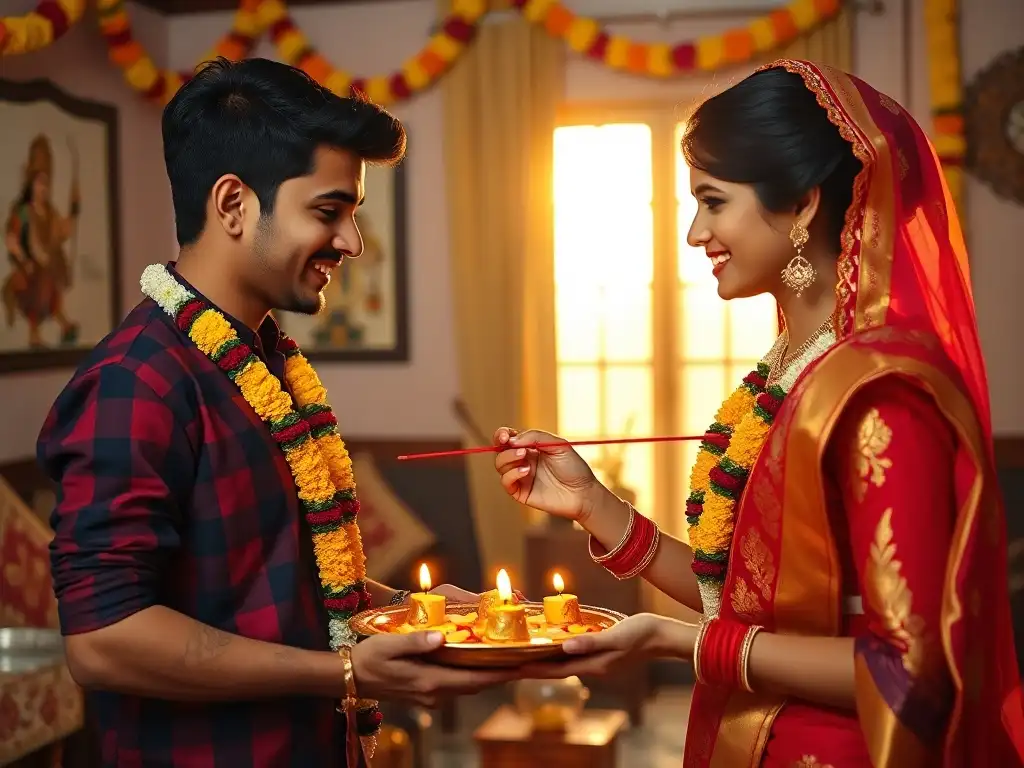
Welcome to Ancient India History, where we invite you to journey through the vibrant tapestry of India's past. As we delve into the fascinating world of Ancient Indian sibling rituals, you'll uncover the profound significance behind traditions that have shaped familial bonds for centuries. This week, we spotlight the enchanting festival of Bhai Dooj, a celebration that honors the unbreakable ties between siblings and offers a glimpse into the heart of Indian culture. Prepare to be captivated by stories that echo through time, and let your curiosity guide you as you explore the rich history that awaits!
The festival of Bhai Dooj holds a special place in the tapestry of Ancient Indian sibling rituals, symbolizing the unique bond between brothers and sisters. Celebrated on the second day after Diwali, this ancient tradition is not merely a day of festivity; it is a profound expression of love, respect, and commitment that transcends generations. As we explore the roots and significance of Bhai Dooj, we uncover its rich historical context, its evolution over the centuries, and its enduring relevance in contemporary society.
The origins of Bhai Dooj can be traced back to ancient scriptures and folklore that highlight the significance of sibling relationships in Indian culture. From the mythological tales of Lord Krishna and his sister Subhadra to the narratives that celebrate the protective nature of brothers and the nurturing spirit of sisters, Bhai Dooj encapsulates a myriad of emotions and cultural values. This festival is not only a testament to the familial bonds that define Indian society but also an embodiment of the principles of duty and love that have been cherished since antiquity.
As we delve deeper into the rituals and customs associated with Bhai Dooj, it becomes evident that they are steeped in symbolism and collective memory. The acts of applying a ceremonial tilak, exchanging gifts, and sharing festive meals are not merely traditions; they signify a sacred promise of support and protection among siblings. Through the lens of history, we can appreciate how these practices have evolved while remaining anchored to their ancient roots, reflecting the dynamic nature of cultural continuity in India.
In this article, we will explore the various dimensions of Bhai Dooj, examining its historical significance, the rituals involved, and how this ancient sibling celebration continues to thrive in modern times. By understanding the essence of Bhai Dooj, we gain insight into the broader spectrum of ancient Indian sibling rituals that have shaped familial ties throughout history.
- Introduction to Ancient Indian Sibling Rituals
- Historical Background of Bhai Dooj
- Rituals and Practices Associated with Bhai Dooj
- Symbolism in Bhai Dooj
- Comparisons with Other Ancient Indian Sibling Festivals
- Contemporary Observance of Bhai Dooj
- Conclusion: The Enduring Legacy of Ancient Indian Sibling Rituals
- References and Further Reading
- Frequently Asked Questions
- Final Reflection: Celebrating Timeless Bonds Through Ancient Indian Sibling Rituals
- Embrace the Spirit of Bhai Dooj: Connect and Celebrate!
Introduction to Ancient Indian Sibling Rituals
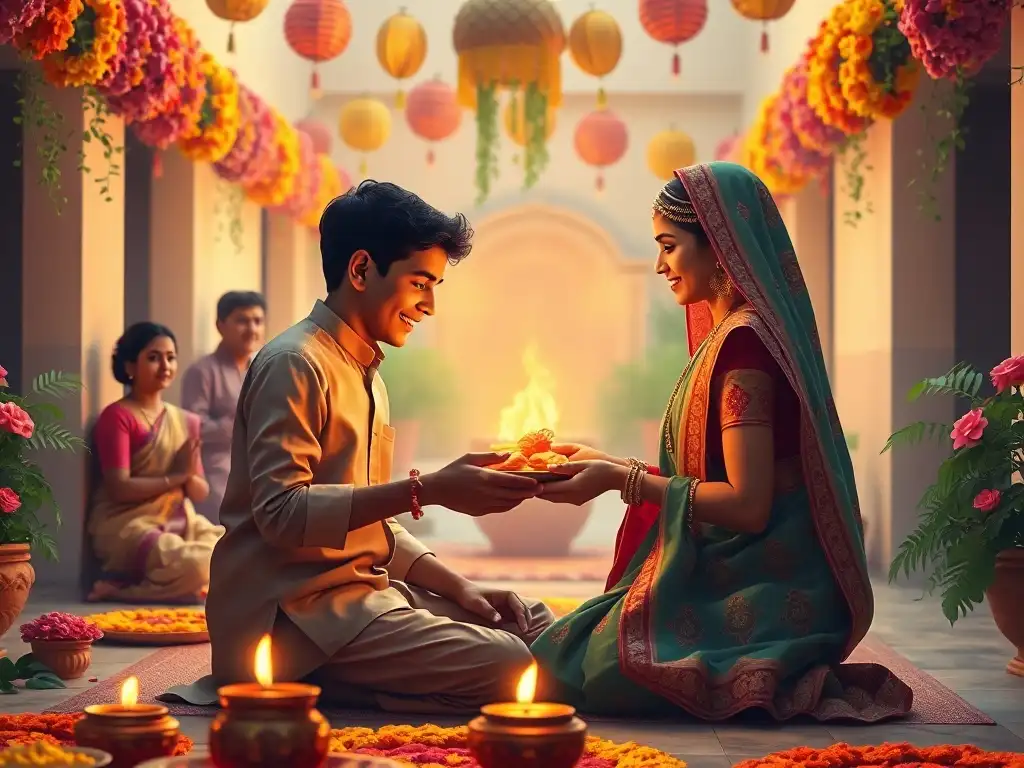
The rituals surrounding sibling relationships have been an integral part of ancient Indian culture, reflecting the values and traditions of the time. Among these rituals, Bhai Dooj stands out as a significant festival that celebrates the bond between brothers and sisters. This article delves into the historical context and cultural importance of Bhai Dooj, exploring how ancient Indian sibling rituals have evolved while retaining their essence across generations.
Overview of Bhai Dooj
Bhai Dooj, also known as Bhaiya Dooj, is celebrated on the second day after Diwali, symbolizing the enduring bond of love and protection between siblings. This festival has roots that trace back to ancient Indian mythology. According to one popular legend, after defeating the demon Narakasura, Lord Krishna visited his sister, Subhadra, who welcomed him with a ceremonial thali (platter) and performed aarti (a ritual of light). In return, Krishna blessed her with protection and prosperity, thereby establishing the custom of celebrating Bhai Dooj.
The rituals associated with Bhai Dooj vary across different regions of India, but certain elements remain constant:
- Ritual Preparation: Sisters prepare elaborate meals and sweets, symbolizing love and care.
- Tikka Ceremony: Sisters apply a ceremonial mark (tikka) on their brothers' foreheads, invoking blessings for their health and success.
- Gift Exchange: Brothers express their gratitude and affection by giving gifts, reaffirming their commitment to protecting their sisters.
Thus, Bhai Dooj serves not only as a day of celebration but also as a reminder of the sacred bond shared between siblings, echoing the values of duty and respect.
Significance of Sibling Bonds in Ancient India
In ancient Indian society, sibling relationships were viewed as a microcosm of familial and societal harmony. The bonds between brothers and sisters were celebrated not only in festivals but also in literature, art, and daily life. Some key aspects of the significance of sibling bonds include:
- Social Structure: The family unit was central to ancient Indian life, and siblings played a crucial role in maintaining familial ties. This connection was often viewed as a duty, with siblings expected to support each other throughout life.
- Cultural Narratives: Various epics, such as the Mahabharata and Ramayana, illustrate the importance of sibling relationships. The story of Lord Rama and his brother Lakshmana exemplifies loyalty and the willingness to sacrifice for one another, reinforcing the ideal of brotherhood.
- Ritualistic Expressions: Sibling bonds were celebrated through various rituals, such as Raksha Bandhan and Bhai Dooj, which served as a means to strengthen relationships and ensure mutual care and protection.
Through these cultural narratives and practices, ancient India emphasized the sacred nature of sibling relationships, highlighting their role in fostering unity and stability within families and society.
Importance of Festivals in Ancient Indian Culture
Festivals in ancient India were not merely occasions for celebration; they served several vital functions within society. The importance of festivals can be understood through the following lenses:
- Cultural Preservation: Festivals like Bhai Dooj played a crucial role in preserving ancient traditions and customs. They provided a platform for passing down stories, legends, and rituals from one generation to the next.
- Social Cohesion: Festivals fostered a sense of community, bringing families and neighbors together. This collective celebration reinforced social bonds and allowed for the sharing of resources, food, and joy.
- Spiritual Connection: Many festivals had religious significance, offering devotees an opportunity to connect with deities and express gratitude. Bhai Dooj, for instance, is not only a celebration of sibling love but also a day for invoking blessings from divine powers.
- Cycle of Life: Festivals marked important seasonal changes and agricultural cycles, aligning human life with nature’s rhythms. This connection to the agricultural calendar was essential in agrarian societies.
Festivals were a vital aspect of ancient Indian culture, embodying spiritual, social, and cultural dimensions that enriched the lives of individuals and communities. Bhai Dooj, as an ancient Indian sibling ritual, exemplifies the profound significance of these celebrations in honoring familial bonds.
Historical Background of Bhai Dooj
Origins of Bhai Dooj in Ancient Indian Traditions
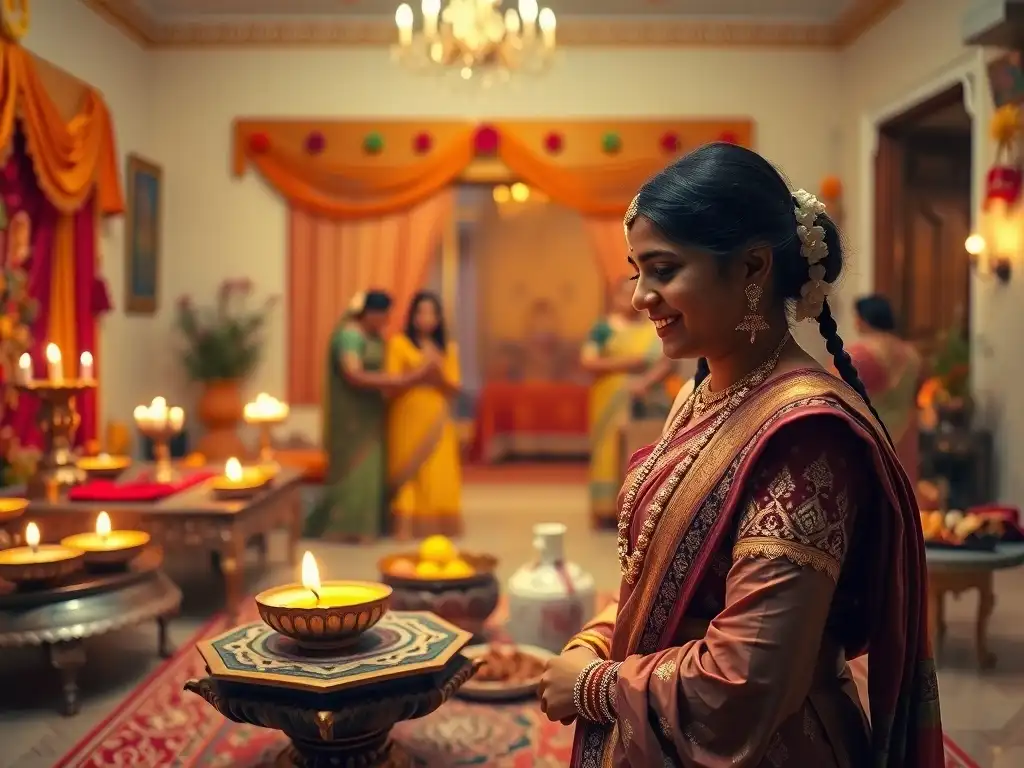
Bhai Dooj, celebrated two days after Diwali, is rooted in the ancient Indian sibling rituals that emphasize the bond between brothers and sisters. The origins of this festival can be traced back to various mythological tales that highlight the importance of sibling relationships in ancient Indian culture. One popular legend is that of Yama, the god of death, and his sister Yamuna.
According to the myth, Yamuna invited Yama to her home on this day. To honor her, he granted her a boon that any brother who visits his sister on Bhai Dooj would be blessed with prosperity and long life.
This festival not only celebrates the bond of love and duty between siblings but also aligns with the Dharma (moral duty) that is deeply ingrained in ancient Indian philosophy. The rituals practiced during Bhai Dooj, such as the application of tilak (a mark made on the forehead) and the sharing of sweets, signify the nurturing of familial ties and the responsibility siblings have toward one another.
Evolution of the Festival Through Different Eras
Bhai Dooj has evolved significantly over the centuries, reflecting the socio-cultural changes within various Indian civilizations. Initially rooted in Vedic traditions, the festival has absorbed influences from different dynasties that ruled India.
- Vedic Period: During this time, the significance of sibling relationships was emphasized in various Vedic texts. The rituals performed were simple yet meaningful, focusing on prayers for each other's well-being.
- Mauryan Empire: With the rise of the Mauryan Empire, the festival gained prominence among royal families. Rulers would often send gifts to their sisters as a token of respect and acknowledgment of their familial ties.
- Gupta Period: The Gupta Empire, often referred to as the Golden Age of India, saw Bhai Dooj being celebrated with more elaborate rituals. The introduction of new customs, such as feasting and the inclusion of regional delicacies, showcased the rich diversity of Indian culture.
- Medieval Era: As India entered the medieval period, the festival began to take on more regional flavors, influenced by local customs and traditions. This era also saw the emergence of various folk tales that celebrated sibling relationships, further enriching the festival's narrative.
Cultural Significance in Various Ancient Indian Civilizations
Bhai Dooj holds immense cultural significance across different ancient Indian civilizations, each contributing unique aspects to the festival.
- Indus Valley Civilization: While direct evidence of sibling rituals is scarce, archaeological findings suggest that familial bonds were highly valued. The practice of creating intricate seals and pottery, often depicting scenes of family life, points to a society that cherished relationships.
- Mauryan and Gupta Civilizations: These periods highlighted the importance of dharma and familial duties within society. Bhai Dooj became a means of reinforcing these values, with the rituals performed serving as a reminder of the moral obligations siblings had towards one another.
- Regional Variations: In different regions, Bhai Dooj is celebrated with localized customs. For example, in Southern India, the festival is known as Bhaiya Dooj, where sisters pray for their brothers' health and prosperity, showcasing the unified cultural ethos of sibling relationships across the subcontinent.
The enduring legacy of Bhai Dooj as an ancient Indian sibling ritual illustrates how the festival has not only survived but thrived through time, adapting to and reflecting the changing dynamics of Indian society while maintaining its core essence of love and duty among siblings.
Rituals and Practices Associated with Bhai Dooj
Traditional Customs of Bhai Dooj Celebrations
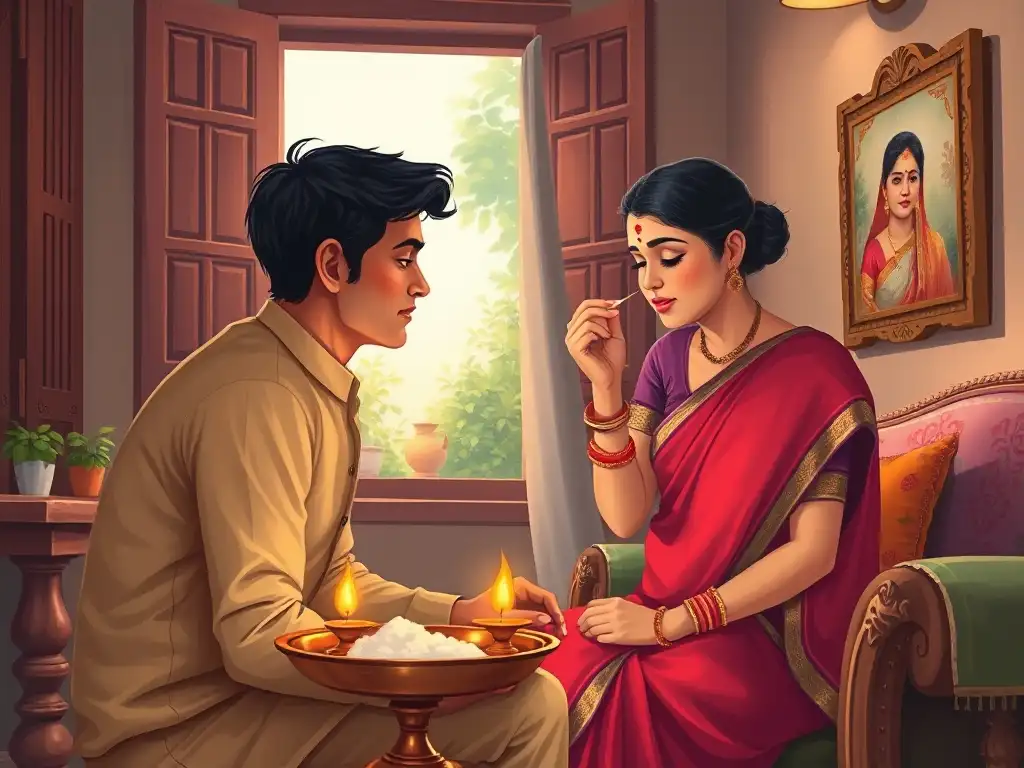
Bhai Dooj is a significant festival in India, celebrated two days after Diwali, specifically honoring the bond between brothers and sisters. This festival showcases various traditional customs that vary from region to region but share a common theme of love, respect, and protection.
- Tika Ceremony:
- The day begins with the sister performing the Tika ceremony, where she applies a ceremonial mark (Tika) on her brother's forehead. This symbolizes her prayers for his well-being and success.
- Rituals of Nourishment:
- Sisters often prepare a special meal for their brothers, which includes sweets and savory dishes. This act of nourishment signifies the sister's care and love.
- Gift Exchange:
- It is customary for brothers to give gifts to their sisters as a token of appreciation and love. This exchange solidifies the bond and reinforces familial ties.
- Ritualistic Offerings:
- In many households, sisters offer a plate of sweets and fruits to their brothers, accompanied by a prayer for their health and prosperity. This offering is often followed by a shared meal, symbolizing unity.
The Role of Puja (Worship) in Sibling Rituals
Puja, or worship, is integral to the Bhai Dooj celebrations, infusing the rituals with spiritual significance. This aspect highlights the importance of divine blessings in strengthening sibling relationships.
- Invocation of Deities: During Bhai Dooj, siblings often invoke deities for protection and prosperity. The sister performs the puja with great devotion, lighting diyas (lamps) and offering prayers to deities like Yama (the God of Death) and his sister, Yami, who symbolize the eternal bond between siblings.
- Personalized Prayers: Many families have their unique prayers that they recite, asking for the well-being and success of their brothers. This personal touch in the puja highlights the emotional connection that siblings share.
- Ceremonial Music and Chanting: The ambiance during the puja is often enriched with traditional music and chanting of mantras, which elevates the spiritual experience and strengthens the emotional bond.
Unique Practices Across Different Regions of India
The celebration of Bhai Dooj varies widely across India's diverse cultural landscape, with each region adding its unique flavor to the rituals. Here are a few notable variations:
- Punjab: In Punjab, this festival is known as Bhaiya Dooj. Sisters prepare special delicacies like Kheer (rice pudding) and perform the Tika ceremony, followed by a traditional meal.
- Maharashtra: Known as Bhau Beej, sisters apply Tika and perform aarti (a prayer ritual involving light) while brothers give gifts. A unique tradition here includes the brother promising to protect his sister.
- Bihar: In Bihar, the festival is marked by a ritual known as Bhai Dooj Ka Ghar, where sisters visit their brothers' homes and perform the traditional customs there, reinforcing the familial bond.
- West Bengal: Celebrated as Bhai Phonta, sisters apply a special paste made from turmeric and sandalwood to their brothers’ foreheads, accompanied by prayers for their well-being.
Each of these regional practices reflects the underlying theme of Bhai Dooj: a celebration of sibling love and commitment, enriching the cultural tapestry of ancient Indian sibling rituals.
The blending of these rituals and practices showcases how Bhai Dooj has evolved while retaining its core essence, emphasizing the significance of sibling relationships throughout ancient Indian history.
Symbolism in Bhai Dooj
Meaning Behind the Rituals and Offerings
The rituals and offerings during Bhai Dooj are steeped in rich symbolism that reflects the deep-rooted values of love, protection, and mutual respect between siblings. The essence of this festival lies in the belief that the bond between brothers and sisters is not merely familial but transcends into a spiritual connection that is celebrated through specific customs.
- Tikka Ceremony: The sister applies a ceremonial mark, or 'tikka', on her brother's forehead, which signifies a protective shield against negative energies. This act symbolizes the sister's wish for her brother's prosperity and well-being. The ritual is a poignant reminder of the nurturing role a sister plays in her brother's life.
- Offerings of Sweets: The exchange of sweets during Bhai Dooj is another significant aspect. Sweets represent the joy of togetherness and the sweetness of the sibling bond. Traditionally, sisters prepare a platter with various sweets, symbolizing abundance and the blessings of prosperity that they wish to bestow upon their brothers.
- Prayers and Blessings: Sisters pray for their brothers' long life and health, while brothers express gratitude and promise to protect their sisters. This reciprocal exchange reinforces the idea that while siblings may have different roles, their relationship is mutually supportive and grounded in love.
The Spiritual Significance of Sibling Relationships
In ancient Indian culture, sibling relationships are revered for their spiritual significance. Bhai Dooj serves as a reminder of the sacred duties siblings owe to one another. It reflects the following spiritual dimensions:
- Karmic Connections: Many believe that the bond between siblings is a result of karmic ties formed in previous lifetimes. The rituals of Bhai Dooj emphasize the importance of nurturing these connections, as they are seen as a way to rectify past wrongs and strengthen familial bonds.
- Divine Protection: The rituals symbolize a plea to the divine for the protection of siblings. By performing these rites, families invoke divine blessings, reinforcing the belief that such bonds are sacred and divinely ordained.
- Unity and Harmony: The festival embodies the principles of unity and harmony within the family structure. It serves as a reminder to uphold familial responsibilities, fostering an environment where love and respect flourish.
Cultural Symbols Associated with Bhai Dooj
Bhai Dooj is rich in cultural symbols that enhance its significance within ancient Indian traditions. These symbols not only add layers of meaning to the rituals but also connect the festival to the broader tapestry of Indian culture.
- The 'Rangoli' Designs: The colorful patterns made at the entrance of homes are not merely decorative; they symbolize welcoming guests and auspicious beginnings. These designs are an invitation to prosperity and happiness, setting a joyful tone for the celebrations.
- The Thali: The thali, or platter, used during the rituals is an essential symbol of the festival. It embodies the essence of giving and sharing, laden with offerings that represent the siblings' love and commitment to each other.
- The Light of Diyas: Lighting diyas (oil lamps) during Bhai Dooj symbolizes the dispelling of darkness and ignorance. It is a representation of guidance, wisdom, and the illuminating power of sibling relationships, which are believed to bring clarity and direction in life.
Bhai Dooj transcends mere celebration; it encapsulates the rich tapestry of ancient Indian sibling rituals that emphasize spiritual connections, familial harmony, and cultural symbolism. Through these practices, the festival serves as a reminder of the timeless bonds that siblings share, encouraging love and respect across generations.
Comparisons with Other Ancient Indian Sibling Festivals
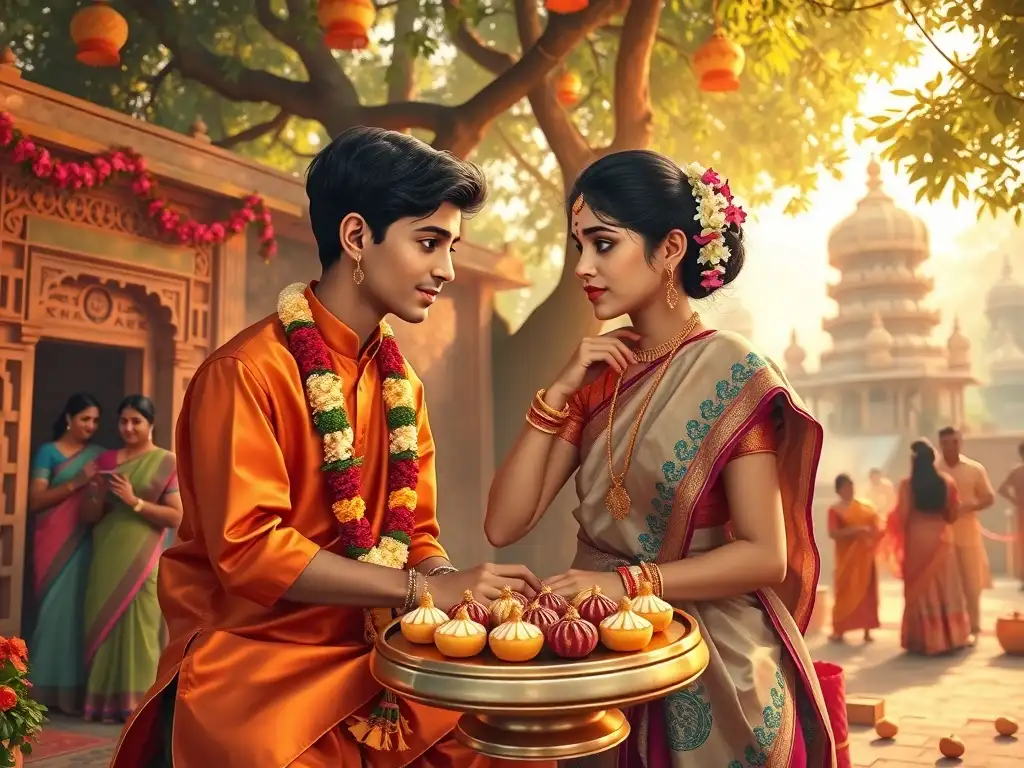
The rituals celebrating sibling bonds have been an integral part of ancient Indian culture, with various festivals embodying the essence of these relationships. Among these, Bhai Dooj stands out as a significant occasion that emphasizes the love and commitment between brothers and sisters. However, it exists alongside other ancient sibling festivals, each with unique traditions and cultural nuances. This section delves into the comparisons among these celebrations, particularly focusing on Bhai Dooj and its counterparts.
Bhai Dooj vs. Raksha Bandhan: A Comparative Analysis
Bhai Dooj and Raksha Bandhan are two prominent festivals that celebrate the bond between siblings in India. While both rituals share a common theme of sibling love, they differ significantly in their practices and historical contexts.
- Purpose and Significance:
- Bhai Dooj is observed on the second day after Diwali, and it symbolizes the bond of protection that brothers offer their sisters. Sisters pray for their brothers’ well-being and prosperity, while brothers vow to safeguard their sisters.
- Raksha Bandhan, which translates to "the bond of protection," is celebrated on the full moon day of the month of Shravana. During this festival, sisters tie a sacred thread (rakhi) around their brothers' wrists, signifying their love and the brothers’ promise to protect them.
- Rituals and Celebrations:
- On Bhai Dooj, sisters typically perform aarti (a ceremonial worship) and apply a tilak (a mark) on their brothers' foreheads, accompanied by the sharing of sweets. The day is marked by familial gatherings and the expression of affection.
- Raksha Bandhan involves more elaborate rituals, where sisters prepare special meals and sweets for their brothers, who, in turn, offer gifts as a gesture of love and gratitude.
| Feature | Bhai Dooj | Raksha Bandhan |
|---|---|---|
| Date | Second day after Diwali | Full moon day in Shravana |
| Main Ritual | Tilak and aarti | Tying of rakhi |
| Gifts | Primarily sweets and blessings | Varied gifts and sweets |
| Cultural Impact | Strengthens family ties | Emphasizes the protective bond |
Similarities and Differences with Other Sibling Rituals
Beyond Bhai Dooj and Raksha Bandhan, ancient Indian sibling rituals exhibit both similarities and differences that reflect regional and cultural variations.
Similarities:
- Core Theme: All sibling rituals emphasize love, protection, and mutual respect. They serve as a reminder of the siblings' lifelong commitment to each other.
- Ritualistic Offerings: Most festivals involve the exchange of sweets or gifts, signifying the joy of the occasion and the importance of familial relationships.
Differences:
- Regional Variations: For instance, in some regions, siblings celebrate Bhaiya Dooj with distinct local customs and dishes, while in others, the focus may differ slightly, highlighting local deities or traditions.
- Cultural Practices: The way siblings express their affection can vary greatly. In southern India, Narak Chaturdashi is observed, where sisters pray for their brothers' prosperity, similar to Bhai Dooj, but with different rituals and mythological significance.
Influence of Regional Cultures on Sibling Celebrations
India's diverse cultural landscape has profoundly influenced the rituals associated with sibling celebrations. Each region brings its unique flavor to the festivals, shaping the way they are observed.
- North India: In states like Punjab and Haryana, Bhai Dooj is celebrated with vibrant communal gatherings, where families come together to share meals and sweets, reinforcing social bonds.
- West India: In Maharashtra, the festival involves traditional dishes that vary from household to household, showcasing the culinary diversity and the significance of the occasion in local culture.
- South India: Festivals such as Bhaiya Dooj in Tamil Nadu may incorporate local deities and regional beliefs, adding layers of meaning and practice that reflect the community’s heritage.
- East India: In Bengal, the celebration may include rituals dedicated to the goddess Durga, intertwining sibling love with spiritual homage.
The coexistence of these sibling rituals highlights the rich tapestry of Ancient Indian sibling rituals, showcasing both the universal themes of love and protection and the distinct cultural expressions that vary across regions. Each celebration not only reinforces familial bonds but also serves as a window into the historical and cultural narratives of ancient Indian civilizations.
Contemporary Observance of Bhai Dooj
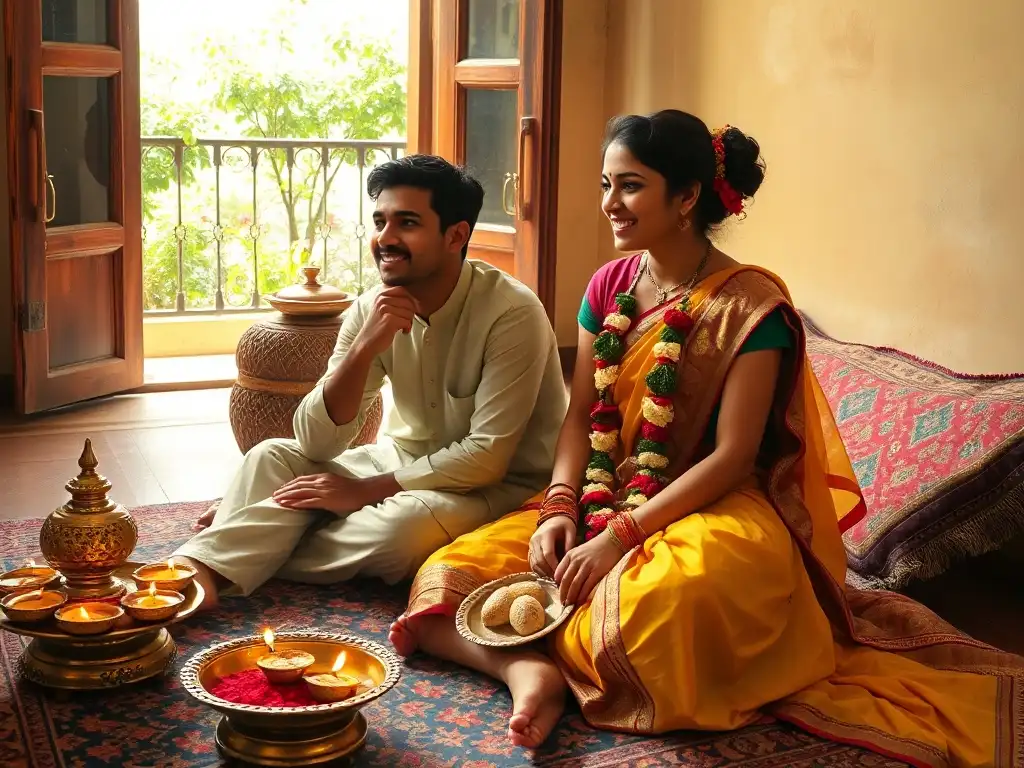
How Bhai Dooj is Celebrated Today
Bhai Dooj, also known as Bhaiya Dooj, is celebrated across India with great enthusiasm and joy, symbolizing the enduring bond between brothers and sisters. The festival occurs on the second day after Diwali, typically in the Hindu month of Kartika. In contemporary observance, the rituals and customs surrounding Bhai Dooj have evolved, but the core essence of sibling love remains intact.
Celebration Rituals:
- Tika Ceremony: The day begins with the sister performing a tika ceremony, where she applies a ceremonial red mark on her brother's forehead, symbolizing protection and prosperity. This ritual is often accompanied by the recitation of blessings for the brother's well-being.
- Feasting and Gifts: After the tika, brothers and sisters share a special meal together. Traditional sweets and dishes are prepared, highlighting the importance of food in reinforcing familial bonds. Brothers often give gifts to their sisters, which can range from money to jewelry, signifying appreciation and love.
- Cultural Variations: Different regions of India have unique customs associated with Bhai Dooj. For instance, in some parts, sisters may perform aarti or light lamps to ward off evil spirits, while in others, they may sing traditional songs or engage in playful banter.
Preservation of Ancient Rituals in Modern Times
Despite the rapid changes in lifestyle and societal structures, many ancient rituals associated with Bhai Dooj have been preserved in modern observances. The essence of sibling love and protection transcends generational gaps, ensuring that these traditions continue to thrive.
- Ritual Significance: The ancient significance of Bhai Dooj lies in the raksha or protection that sisters bestow upon their brothers. This protective aspect is echoed in contemporary practices, where the tika ritual serves as a reminder of this age-old bond.
- Community Celebrations: In urban settings, community gatherings have become popular, where families come together to celebrate Bhai Dooj collectively. These events often include cultural performances, workshops on traditional crafts, and sharing of regional delicacies, fostering a sense of togetherness and cultural heritage.
- Digital Influence: The rise of social media has also played a role in preserving these rituals. Many families share their celebrations online, showcasing their adherence to traditions and inspiring others to engage in these practices, thus perpetuating the customs associated with Bhai Dooj.
The Impact of Urbanization on Traditional Practices
Urbanization has inevitably influenced the ways in which Bhai Dooj is celebrated. While some aspects of the festival have adapted to modern life, the impact on traditional practices is both positive and negative.
- Changing Family Dynamics: In urban areas, the nuclear family structure often limits the participation of extended family members in rituals. As a result, celebrations may become more intimate, focusing primarily on the immediate family rather than larger gatherings that were common in rural settings.
- Time Constraints: Busy lifestyles in urban environments often lead to time constraints during festivals. This can result in abbreviated rituals or the omission of certain traditional practices, such as elaborate meals or community gatherings.
- Innovation in Celebration: Conversely, urbanization has also spurred innovation in how Bhai Dooj is celebrated. Many families now embrace modern elements, such as virtual celebrations through video calls, allowing siblings who are geographically separated to participate in the festivities. This adaptation reflects a dynamic interplay between tradition and contemporary life.
Bhai Dooj is a vibrant festival that continues to evolve while preserving its ancient roots. The celebration of sibling bonds, whether through traditional rituals or modern adaptations, remains a testament to the enduring significance of familial relationships in ancient Indian culture.
Conclusion: The Enduring Legacy of Ancient Indian Sibling Rituals
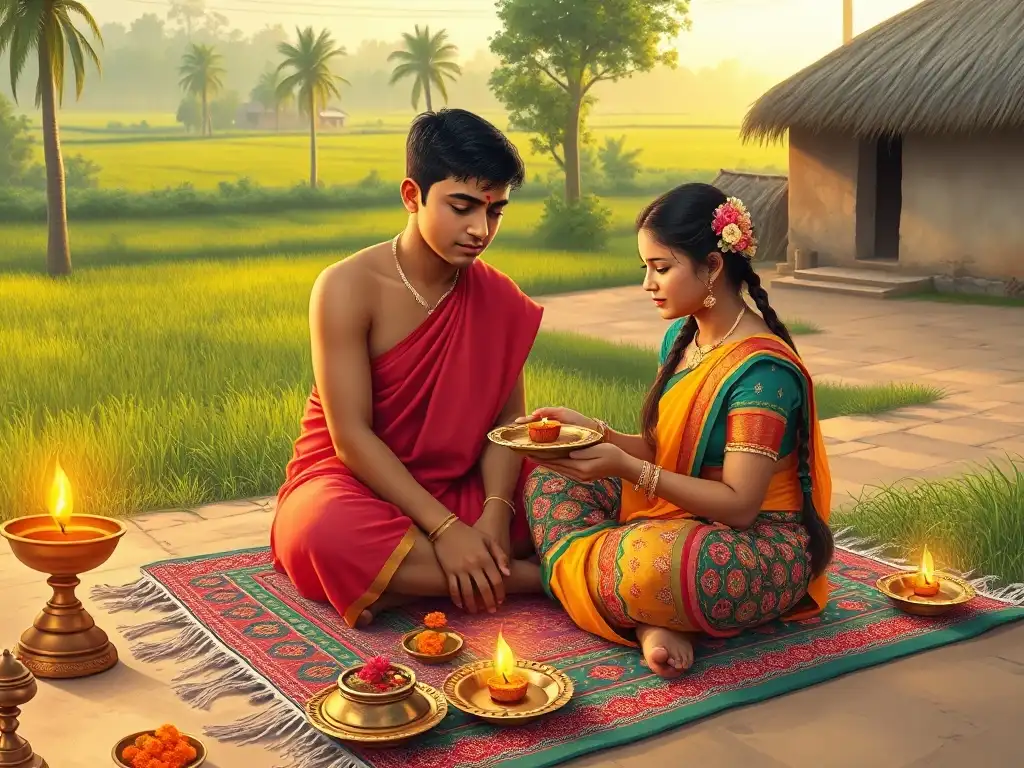
The ancient Indian sibling rituals, particularly Bhai Dooj, have left an indelible mark on the social fabric of India. These traditions not only celebrate the bonds between brothers and sisters but also serve as a reminder of the values of love, protection, and mutual respect that are integral to familial relationships. As we reflect on the enduring legacy of these rituals, it becomes evident that they transcend mere ceremonial practices; they encapsulate the essence of sibling camaraderie that has persisted through the ages.
Reflection on the Importance of Sibling Bonds
The significance of sibling relationships in ancient India is deeply rooted in cultural narratives and historical texts. Siblings are often portrayed as protectors, confidants, and companions, forming the backbone of familial support systems.
- Cultural Narratives: Epics like the Mahabharata and Ramayana highlight the vital roles siblings play within their families. The bond between Lord Rama and his brothers, as well as the loyalty between the Pandavas and their siblings, exemplifies the ideal sibling relationship in ancient Indian culture.
- Social Structure: In traditional Indian society, siblings often shared responsibilities, from household duties to economic support. The concept of Bhai Dooj, where sisters pray for their brothers' well-being, and brothers in return promise protection, illustrates the mutual reinforcement of these roles.
- Emotional Support: Siblings have historically provided emotional sustenance, acting as mediators in family disputes and offering counsel during challenging times. The rituals surrounding Bhai Dooj reinforce these bonds, allowing siblings to express their love and commitment to each other.
The Role of Festivals in Cultural Continuity
Festivals like Bhai Dooj play a pivotal role in preserving cultural traditions and ensuring their transmission across generations.
- Cultural Identity: By celebrating ancient Indian sibling rituals, communities strengthen their cultural identity and heritage. Bhai Dooj, with its specific customs and practices, fosters a sense of belonging and continuity among participants.
- Ritual Practices: The rituals associated with Bhai Dooj, such as the application of tilak (a ceremonial mark) and the exchange of gifts, serve as tangible representations of affection and duty. These practices not only reinforce familial ties but also integrate cultural values into everyday life.
- Intergenerational Transmission: With each passing year, the celebration of Bhai Dooj offers an opportunity for older generations to educate younger members about the significance of these traditions. This intergenerational dialogue is crucial for maintaining the relevance of ancient Indian sibling rituals in contemporary society.
Future of Bhai Dooj and Its Rituals in Indian Society
As Indian society continues to evolve, the future of Bhai Dooj and its rituals may face both challenges and opportunities.
- Modern Adaptations: While the essence of Bhai Dooj remains intact, modern interpretations may emerge, influenced by contemporary lifestyles. For instance, urbanization and migration may lead to virtual celebrations, where siblings connect through technology to uphold the festival's spirit.
- Cultural Resilience: Despite these changes, the fundamental values of love, protection, and respect inherent in sibling relationships are likely to endure. The adaptability of Bhai Dooj rituals ensures their survival, as families find innovative ways to celebrate across distances.
- Continued Relevance: As awareness of ancient Indian sibling rituals grows, there is potential for Bhai Dooj to gain prominence in cultural discussions, fostering a greater appreciation for sibling bonds. This revival may lead to increased participation and a renewed focus on the emotional and social significance of these traditions.
Ancient Indian sibling rituals, epitomized by Bhai Dooj, hold a cherished place in the cultural landscape of India. As society evolves, these rituals will continue to adapt, ensuring that the spirit of sibling bonds remains vibrant and relevant for future generations.
References and Further Reading
Suggested Literature on Ancient Indian Festivals
-
"Festivals of India" by V. S. Bhat
This comprehensive book delves into the diverse festivals celebrated across India, including Bhai Dooj. It explores the historical significance, rituals, and cultural practices associated with various celebrations.
Key Points:
- Detailed descriptions of each festival's origins.
- Insights into regional variations and practices.
- Illustrations and photographs enhancing the cultural context.
-
"The Cultural Heritage of India" by R. C. Dhere
This multi-volume series offers an in-depth look at the cultural practices of ancient India, highlighting the importance of festivals like Bhai Dooj in fostering sibling bonds and familial connections.
-
"The Importance of Festivals in Ancient Indian Society" by M. K. Raghunathan
This academic treatise examines the role of festivals in shaping social structures and community ties in ancient India, with specific references to sibling rituals and their significance.
Academic Studies on Sibling Relationships in Ancient Cultures
-
"Sibling Bonds in Ancient Societies" by P. J. Smith
This paper investigates the dynamics of sibling relationships in various ancient cultures, including India. It provides a comparative analysis of rituals that celebrate these bonds, highlighting similarities and differences across civilizations.
-
"Family Dynamics in Ancient India" by A. S. Rao
A detailed study focusing on how familial relationships, particularly sibling ties, were perceived and celebrated in ancient Indian society. This research includes an exploration of texts and inscriptions that reference rituals like Bhai Dooj.
-
"Rituals and Relationships: The Role of Festivals in Family Bonds" by L. K. Verma
This study emphasizes the importance of festivals in reinforcing sibling relationships, providing a thorough analysis of various cultural practices throughout history, with a focus on ancient India.
Online Resources for Exploring Ancient Indian Traditions
-
Digital Library of India
A vast repository of texts, manuscripts, and artifacts related to Indian culture and history. It includes resources on ancient festivals, sibling rituals, and cultural practices.
-
The Indian Culture Portal
This website offers a wealth of information on India's cultural history, including articles on festivals, rituals, and traditions that celebrate sibling bonds.
-
Ancient Indian Traditions Blog
A dedicated blog that explores various aspects of ancient Indian culture, with posts focusing on sibling rituals like Bhai Dooj and the historical context behind them.
-
YouTube Channels on Indian History
Channels like "Heritage India" and "Ancient India Unplugged" feature video content that discusses ancient traditions, festivals, and sibling relationships, making historical insights accessible and engaging.
These resources collectively enhance the understanding of ancient Indian sibling rituals, offering a mixture of literature, academic studies, and online tools to explore the rich tapestry of cultural practices throughout India's history.
Frequently Asked Questions
What is Bhai Dooj?
Bhai Dooj is a traditional festival in India that celebrates the bond between siblings. It occurs two days after Diwali and involves rituals that symbolize love and protection.
What are the key rituals involved in Bhai Dooj?
During Bhai Dooj, sisters perform puja for their brothers, applying a tilak on their foreheads and offering sweets. In return, brothers give gifts and promise to protect their sisters.
How does Bhai Dooj reflect ancient Indian sibling rituals?
Bhai Dooj is rooted in ancient Indian sibling rituals that emphasize family ties and mutual respect. It showcases the cultural significance of sibling relationships throughout history.
Are there any regional variations of Bhai Dooj?
Yes, different regions in India have unique customs for Bhai Dooj, but the central theme of celebrating sibling bonds remains consistent. Variations may include specific food offerings or local festivities.
How has Bhai Dooj evolved over time?
Over the years, Bhai Dooj has incorporated modern elements while retaining its traditional essence. The festival continues to strengthen sibling relationships in contemporary society, adapting to new cultural contexts.
Final Reflection: Celebrating Timeless Bonds Through Ancient Indian Sibling Rituals
The essence of sibling relationships is beautifully encapsulated in the ancient rituals of Bhai Dooj, which continue to resonate in today's world. As we navigate the complexities of modern life, the significance of these traditions serves as a reminder of the enduring love and support that siblings provide. The celebration of Bhai Dooj not only honors the bond between brothers and sisters but also reinforces the values of protection, respect, and familial unity that are crucial in our fast-paced society.
The rituals associated with Bhai Dooj are more than mere customs; they are a reflection of our cultural heritage that shapes our social fabric. These ancient practices have influenced how we perceive and nurture sibling relationships, fostering a sense of belonging and emotional security. As we partake in these rituals, we are reminded of the words of Mahatma Gandhi: The best way to find yourself is to lose yourself in the service of others.
This sentiment encapsulates the spirit of Bhai Dooj, where the act of caring for one another transcends generations, creating a legacy of love and support that continues to thrive.
As you reflect on the significance of Bhai Dooj and the ancient Indian sibling rituals, I invite you to consider how these traditions can inspire your own relationships. Take a moment to appreciate the bonds you share with your siblings, and think about how you can nurture those connections in your daily life. Whether through small acts of kindness or grand gestures of love, let the spirit of Bhai Dooj guide you in celebrating and strengthening the invaluable ties that bind us together as family.
Embrace the Spirit of Bhai Dooj: Connect and Celebrate!
Thank you for diving into the rich traditions of Bhai Dooj with us! You've explored the significance of this mesmerizing festival and the timeless bond it celebrates. Now, it's time to put that inspiration into action!
Here are a few meaningful ways to honor the spirit of Bhai Dooj:
- Reconnect with your siblings: Reach out to them this Bhai Dooj and plan a special celebration, whether it's through a heartfelt call or a gathering.
- Explore traditional rituals: Research and incorporate unique customs from different regions to make your celebration even more special and meaningful.
- Share the joy: Spread the word about Bhai Dooj by sharing this article with friends and family, encouraging them to cherish their sibling bonds too.
What unique traditions or memories do you cherish during Bhai Dooj that strengthen your connection with your siblings?