
The Enigma of Maha Shivaratri: A Night Dedicated to Lord Shiva

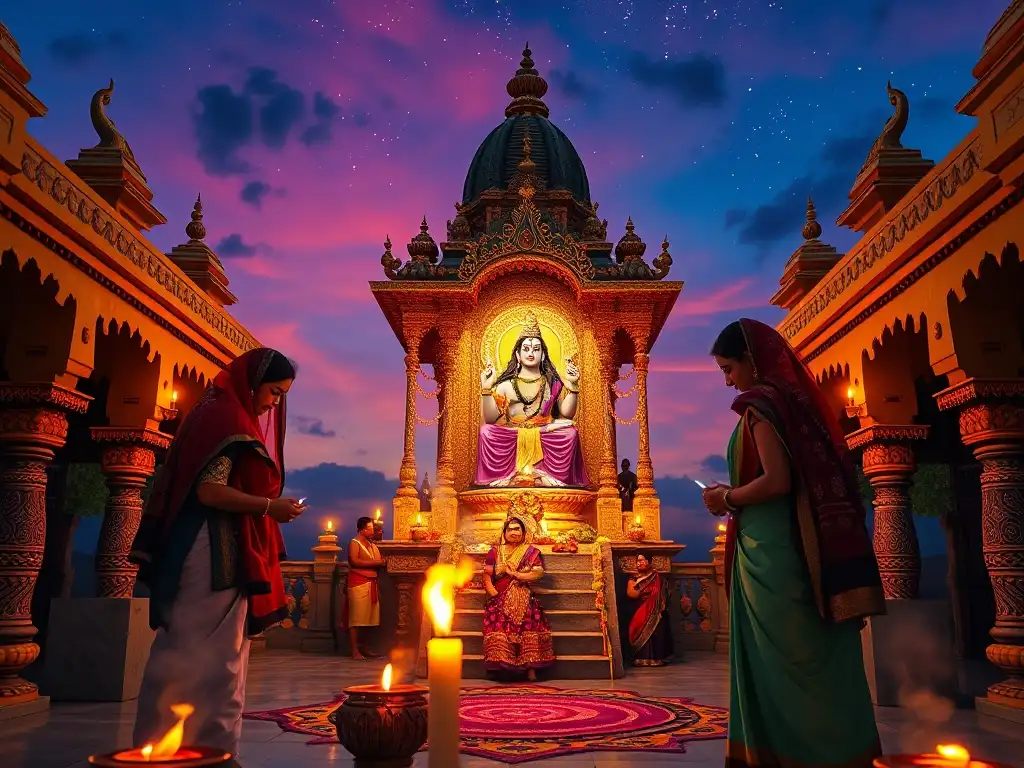
Welcome to Ancient India History, where we invite you to embark on a captivating journey through the rich tapestry of India's past. In this exploration, we delve into the enchanting Maha Shivaratri celebration traditions, a fascinating festival that honors Lord Shiva and embodies the spiritual essence of ancient Indian culture. As you immerse yourself in the rituals, stories, and historical significance surrounding this night of devotion, prepare to uncover the secrets and mysteries that make this celebration truly unique. Join us as we unveil the layers of tradition and belief that have shaped this extraordinary event throughout the ages.
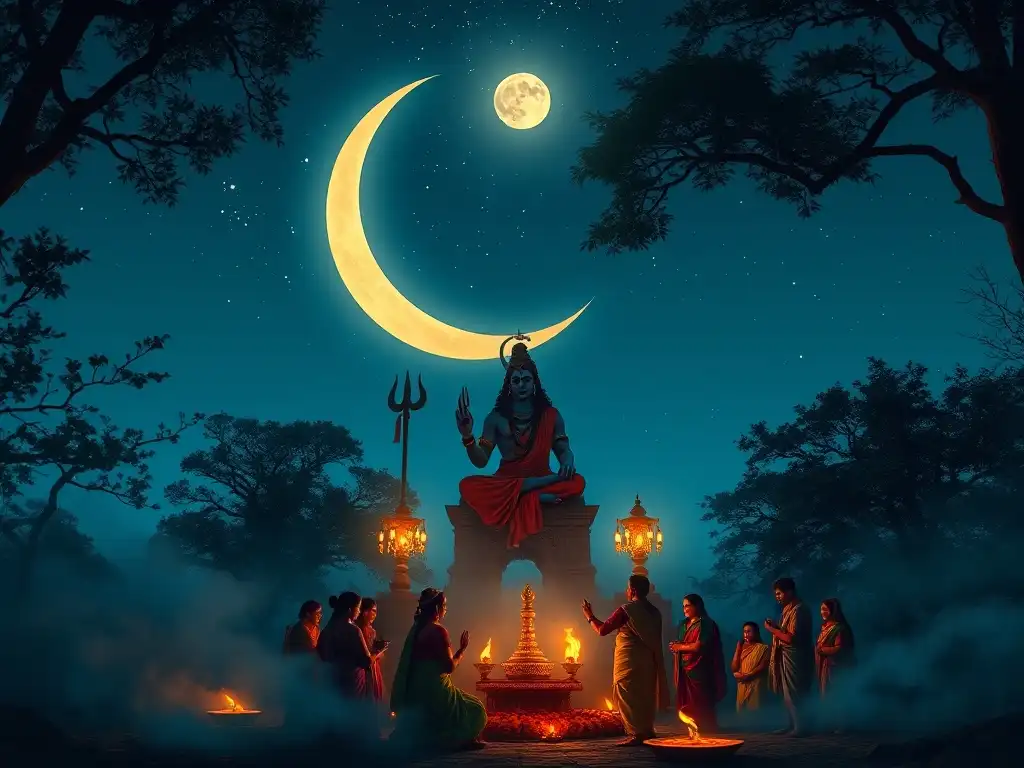
Introduction to Maha Shivaratri
Maha Shivaratri, often referred to as the "Great Night of Shiva," is a significant festival in Hinduism that celebrates the divine dance of creation, preservation, and destruction embodied by Lord Shiva. This night is not just a time for festive gatherings but a profound spiritual observance that resonates deeply with the principles of devotion, meditation, and introspection.
As devotees engage in various traditions and rituals, they seek to deepen their connection with the divine and reflect on their spiritual journeys. The Maha Shivaratri celebration traditions offer a rich tapestry of practices that vary across regions, yet all emphasize the importance of Lord Shiva in Hindu cosmology and personal spirituality.
The Significance of Maha Shivaratri in Hinduism
Maha Shivaratri holds immense significance within the Hindu faith, symbolizing the convergence of various spiritual dimensions. It represents:
- Transformation: The festival marks the transition from darkness to light, symbolizing the overcoming of ignorance through knowledge and devotion.
- Spiritual Rebirth: Many consider Maha Shivaratri as an opportunity for spiritual rebirth, where devotees seek forgiveness for past deeds and renew their commitment to virtuous living.
- Divine Union: The night is believed to be when Lord Shiva performed the cosmic dance of creation, and devotees aspire to unite with this divine energy through their prayers and rituals.
As one of the major festivals in Hinduism, Maha Shivaratri invites millions to partake in its observances, reinforcing communal bonds and individual faith.
Overview of the Maha Shivaratri Celebration Traditions
The traditions surrounding Maha Shivaratri are diverse, reflecting the rich cultural fabric of India. Here are some prominent celebration practices:
- Fasting: Many devotees observe a strict fast, consuming only fruits and milk, which is believed to purify the body and mind.
- Night Vigil: Devotees often engage in night-long vigils, chanting mantras and singing bhajans dedicated to Lord Shiva.
- Abhishekam: Ritual bathing of the Shiva Lingam with milk, honey, and other sacred substances symbolizes the cleansing of sins and the offering of devotion.
- Meditation and Prayer: Silent reflection and meditation are integral, allowing devotees to connect with their inner selves and with Shiva.
These traditions not only enhance spiritual awareness but also foster a sense of community among participants.
Historical Background of Maha Shivaratri
The roots of Maha Shivaratri can be traced back through ancient texts and archaeological findings, revealing its transformation over centuries into the festival celebrated today. Understanding its historical context enhances appreciation for its modern practices.
Ancient Origins of Maha Shivaratri
The origins of Maha Shivaratri are steeped in antiquity, with references found in ancient scriptures like the Shiva Purana and Linga Purana. Although the exact date of inception remains uncertain, it is widely believed that the festival has been celebrated for thousands of years. Key points of interest include:
- Indus Valley Civilization: Artifacts suggest a possible early veneration of Shiva-like figures, indicating the deity's significance in pre-Hindu cultures.
- Vedic Texts: References to Shiva and his attributes can be found in the Vedas, showing his evolution as a central figure in Hindu worship.
- Regional Variations: Over time, different regions have integrated local customs into the celebration, enhancing its cultural richness.
Mythological Tales Associated with Lord Shiva and Maha Shivaratri
The mythological narratives surrounding Maha Shivaratri are both captivating and instructive. These tales not only narrate the divine exploits of Lord Shiva but also impart moral and spiritual lessons. Notable stories include:
- The Marriage of Shiva and Parvati: The festival is believed to commemorate the union of Lord Shiva and Goddess Parvati, symbolizing the balance of energy and the importance of devotion in relationships.
- The Churning of the Ocean: Another tale involves the cosmic event of Samudra Manthan, where it is said that Lord Shiva consumed the poison that emerged, safeguarding the universe. This act of sacrifice highlights his role as the protector.
These mythological accounts enhance the festival's significance, reminding devotees of the profound teachings encapsulated in Shiva's stories.
Maha Shivaratri is much more than a night of celebration; it is a profound exploration of faith, spirituality, and cultural heritage, making it a pivotal observance in the Hindu calendar.
Maha Shivaratri Celebration Traditions
Maha Shivaratri, often referred to as the "Great Night of Shiva," is one of the most significant festivals in Hinduism, particularly for devotees of Lord Shiva. This festival is marked by various rituals, celebrations, and cultural expressions that reflect the deep reverence held for the deity. Maha Shivaratri celebration traditions vary widely across regions, yet they consistently emphasize devotion, fasting, and night-long vigils.
During this festival, many devotees engage in special pujas (prayers) and offerings to seek blessings for prosperity, health, and spiritual growth. The night is often filled with chanting of mantras, particularly the "Maha Mrityunjaya Mantra," which is believed to invoke protection and healing.
In essence, the traditions surrounding Maha Shivaratri not only honor Lord Shiva but also serve as a medium for devotees to deepen their spiritual practice and connection with the divine.
Rituals and Practices Observed During Maha Shivaratri
The rituals performed during Maha Shivaratri are rich in symbolism and purpose. Key practices include:
- Fasting: Many devotees observe a strict fast, abstaining from food and water, to purify the body and mind. Some may consume only fruits and milk.
- Night Vigil: Devotees stay awake throughout the night, engaging in prayers and meditation. This vigil symbolizes the conquering of ignorance and darkness.
- Shiv Lingam Worship: The Shiv Lingam, representing Lord Shiva, is bathed with milk, honey, water, and various offerings. This ritual is believed to please the deity.
- Chanting Mantras: Reciting sacred texts and mantras dedicated to Lord Shiva, such as the "Shiv Tandav Stotra," is common during this night.
- Community Gatherings: Many devotees participate in congregational prayers and celebrations at temples, fostering a sense of community and collective devotion.
These practices highlight the importance of individual and communal spirituality, reinforcing the connection between devotees and Lord Shiva.
Cultural Variations in Maha Shivaratri Celebrations
Maha Shivaratri celebrations exhibit remarkable diversity across different regions of India and among various cultural communities. Here are a few notable variations:
- North India: In states like Uttar Pradesh and Maharashtra, large gatherings occur at temples where all-night prayers and bhajans (devotional songs) are sung. The Kashi Vishwanath Temple in Varanasi sees a significant influx of devotees.
- South India: In Tamil Nadu, devotees might participate in elaborate processions and rituals, including the performance of traditional dances. Special emphasis is placed on the worship of the Shiva Lingam.
- West India: In Gujarat, Maha Shivaratri celebrations include vibrant cultural programs, and many devotees perform Garba dances in honor of Lord Shiva.
- East India: In West Bengal, the festival is marked by community feasts and the immersion of the Shiv Lingam in rivers or ponds.
These cultural variations enrich the festival, showcasing the diverse expressions of devotion to Lord Shiva throughout India.
The Spiritual Essence of Maha Shivaratri
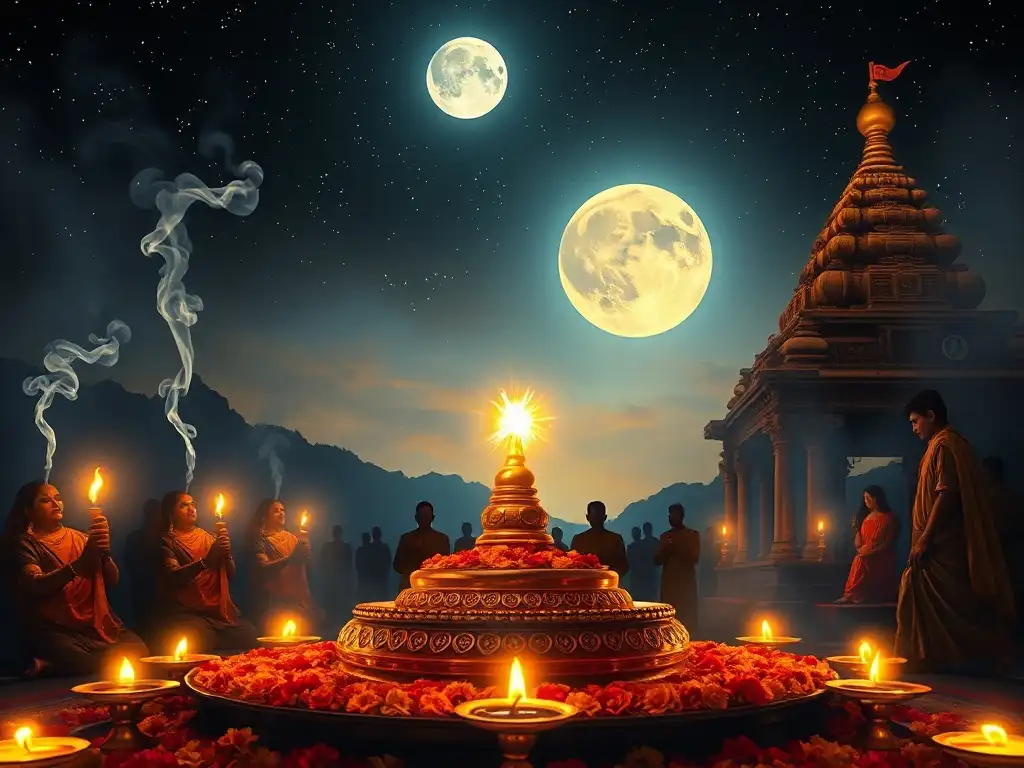
The spiritual essence of Maha Shivaratri transcends mere rituals; it embodies the path to enlightenment and inner peace. This night is believed to be a time when the energies of the universe align, making it an opportune moment for spiritual practices.
Devotees often reflect on the significance of Shiva as both the destroyer of evil and the guardian of virtue. The festival encourages individuals to introspect, renounce negativity, and cultivate a deeper understanding of their spiritual selves.
The Role of Meditation and Prayer During Maha Shivaratri
Meditation and prayer are central components of Maha Shivaratri, aiding devotees in achieving a state of tranquility and focus. Many choose to meditate on the attributes of Lord Shiva, seeking inner peace and clarity.
- Meditation Practices: Simple breathing techniques and visualization of the Shiv Lingam can help deepen one's meditative experience. Chanting "Om Namah Shivaya" is also a common practice that enhances concentration and connection with the divine.
- Prayer and Intention Setting: Devotees often dedicate specific prayers during this night, asking for guidance, strength, and spiritual insight. The act of prayer reinforces the bond between the devotee and Lord Shiva, promoting a sense of belonging and purpose.
This combination of meditation and prayer not only enriches the spiritual experience of Maha Shivaratri but also fosters a sense of community among participants.
Understanding the Symbolism of the Shiv Lingam
The Shiv Lingam is a profound symbol in Hinduism, representing the formless aspect of Lord Shiva. It embodies the concepts of creation, preservation, and destruction — the cyclical nature of the universe.
Several interpretations of the Shiv Lingam's symbolism include:
- Unity of Opposites: The Lingam is often viewed as a union of male and female energies, representing the balance of Shakti (divine feminine) and Shiva (divine masculine).
- Eternal Nature: The shape of the Lingam, often cylindrical, symbolizes the eternal nature of the universe, indicating that creation and destruction are constant processes.
- Path to Enlightenment: Worshipping the Shiv Lingam during Maha Shivaratri is seen as a means to attain spiritual enlightenment and liberation (moksha).
Understanding these layers of symbolism enriches the celebration of Maha Shivaratri, allowing devotees to connect with the deeper meanings behind their rituals and practices.
The Modern-Day Maha Shivaratri
Maha Shivaratri, which translates to "the Great Night of Shiva," has evolved over the centuries while maintaining its core significance within Hindu culture. Today, this festival is celebrated with a blend of ancient rituals and modern practices, reflecting the ongoing relevance of Lord Shiva in contemporary society. The night is dedicated to worshiping Shiva, seeking blessings for health, prosperity, and spiritual growth. As the festival approaches, temples across India and even in the diaspora prepare for the influx of devotees, creating an atmosphere filled with devotion, celebration, and cultural expression.
Contemporary Practices in Maha Shivaratri Celebrations
In modern times, Maha Shivaratri celebrations have taken on various forms, influenced by regional customs and contemporary lifestyles. Key practices include:
- Night Vigil (Jagaran): Devotees often stay awake throughout the night, engaging in prayers, chanting, and meditation. This vigil symbolizes the overcoming of ignorance and darkness through spiritual enlightenment.
- Fasting: Many followers observe a fast, which may vary from complete abstinence from food to consuming only fruits and milk. This act of devotion is believed to purify the body and mind.
- Visiting Temples: People flock to Shiva temples, where elaborate decorations and special rituals are conducted. Large crowds gather to offer flowers, fruits, and milk to Shiva Lingams, signifying reverence and devotion.
- Cultural Programs: In urban areas, cultural events such as dance performances, music concerts, and plays depicting the life of Lord Shiva are organized, drawing in younger audiences and fostering a sense of community.
These contemporary practices showcase how Maha Shivaratri remains relevant, adapting to modern contexts while honoring ancient traditions.
The Impact of Technology on Maha Shivaratri Traditions
Technology has significantly transformed how Maha Shivaratri is celebrated today. Social media platforms allow devotees to share their experiences, rituals, and wishes, thus fostering a sense of global community. Live streaming of temple events and rituals has made it possible for people to participate virtually, especially those unable to attend in person due to distance or health constraints.
Furthermore, mobile applications now provide information about local events, schedules of rituals, and even virtual darshan opportunities. This blend of tradition and technology enables a more inclusive celebration, allowing devotees worldwide to connect with the essence of Maha Shivaratri. However, it also raises questions about the authenticity of experiences and the potential for commercialization of sacred traditions.
Conclusion
Reflecting on the Importance of Maha Shivaratri Celebration Traditions
The Maha Shivaratri celebration traditions serve as a vital link between the past and the present. They not only honor Lord Shiva but also reinforce values such as discipline, devotion, and community. The practices associated with this festival encourage spiritual growth, self-reflection, and unity among devotees. As people come together to celebrate, they participate in a tradition that has been passed down through generations, ensuring that the essence of Maha Shivaratri continues to thrive in modern society.
The Enduring Legacy of Maha Shivaratri in Ancient Indian Culture
The legacy of Maha Shivaratri in ancient Indian culture is profound. Rooted in mythology and ancient texts, the festival encapsulates the philosophical teachings associated with Lord Shiva, including the concepts of creation, destruction, and regeneration. The narratives surrounding Shiva's cosmic dance, his role as a mediator between good and evil, and his deep connection with nature resonate through the ages, influencing not just religious practices but also art, literature, and social values.
As a celebration that transcends time, Maha Shivaratri reflects the rich tapestry of ancient Indian civilization and its contributions to spiritual thought. Its enduring presence in contemporary culture underscores the timeless relevance of its teachings, reminding us of the importance of introspection, devotion, and the pursuit of higher truths.
- Introduction to Maha Shivaratri
- Historical Background of Maha Shivaratri
- Maha Shivaratri Celebration Traditions
- The Spiritual Essence of Maha Shivaratri
- The Modern-Day Maha Shivaratri
- Conclusion
Frequently Asked Questions
What is Maha Shivaratri?
Maha Shivaratri is a Hindu festival celebrated annually in honor of Lord Shiva, marked by night-long vigils, fasting, and prayers.
When is Maha Shivaratri celebrated?
Maha Shivaratri occurs on the 14th night of the dark fortnight in the month of Phalguna, usually falling between February and March.
What are the main traditions associated with Maha Shivaratri?
Key traditions include nightlong prayers, chanting mantras, and performing pujas at Shiva temples, along with fasting and meditation.
Why is Maha Shivaratri significant for devotees?
The festival symbolizes the overcoming of darkness and ignorance, allowing devotees to seek spiritual growth and the blessings of Lord Shiva.
How do different regions in India celebrate Maha Shivaratri?
Celebrations vary, featuring local customs like music, dance, and unique rituals that highlight the diversity of traditions across India.
Final Reflection: Embracing the Mystique of Maha Shivaratri
The celebration of Maha Shivaratri is not just a ritual; it is a profound journey into the depths of spirituality and self-discovery. In today's fast-paced world, where distractions abound and the essence of tradition often fades, the observance of Maha Shivaratri serves as a powerful reminder of the importance of connection—both to our inner selves and to the divine. This night dedicated to Lord Shiva invites us to pause, reflect, and engage in practices that elevate our consciousness and foster a sense of community.
Maha Shivaratri has transcended mere religious observance to become a cultural phenomenon that resonates deeply within our society. The traditions surrounding this sacred night, from fasting and night vigils to the chanting of mantras, have woven themselves into the fabric of our collective identity. As we participate in these rituals, we not only honor Lord Shiva but also acknowledge the timeless wisdom that these practices impart. In the stillness of the night, we find the echoes of eternity.
This quote encapsulates the essence of Maha Shivaratri, reminding us that even in silence, we can discover profound truths about ourselves and our place in the universe.
As we move forward, let us carry the spirit of Maha Shivaratri into our daily lives. I invite you to reflect on the lessons of this sacred night and consider how you can integrate its teachings into your own journey. Whether through acts of kindness, moments of introspection, or the pursuit of knowledge, each of us has the power to embody the transformative energy of Lord Shiva. Embrace this opportunity to deepen your connection with yourself and the world around you, and let the mystique of Maha Shivaratri inspire you to seek the divine in every moment.
Embrace the Mystique of Maha Shivaratri Tonight!
Thank you for exploring the enigma of Maha Shivaratri. Your interest in this sacred festival reflects a desire to connect with profound traditions and spiritual meanings. Now it's time to transform that inspiration into action!
Here are some meaningful ways you can honor this auspicious night:
- Participate in a Night Vigil (Jaagran): Dedicate a few hours tonight to offer prayers, meditate, or simply reflect on the teachings of Lord Shiva. This immersive experience will deepen your connection to the divine.
- Spread the Word: Share what you’ve learned about Maha Shivaratri with friends and family. Consider hosting a small gathering to discuss its significance and the rituals associated with it.
- Explore Local Celebrations: Seek out nearby temples or communities celebrating Maha Shivaratri. Engaging with others who cherish this festival can enhance your understanding and appreciation.
As you enter this night of devotion and introspection, think about what personal ritual you can create to honor the significance of Maha Shivaratri.