
The Ethereal Beauty of Basant Panchami: Honoring Knowledge and Art

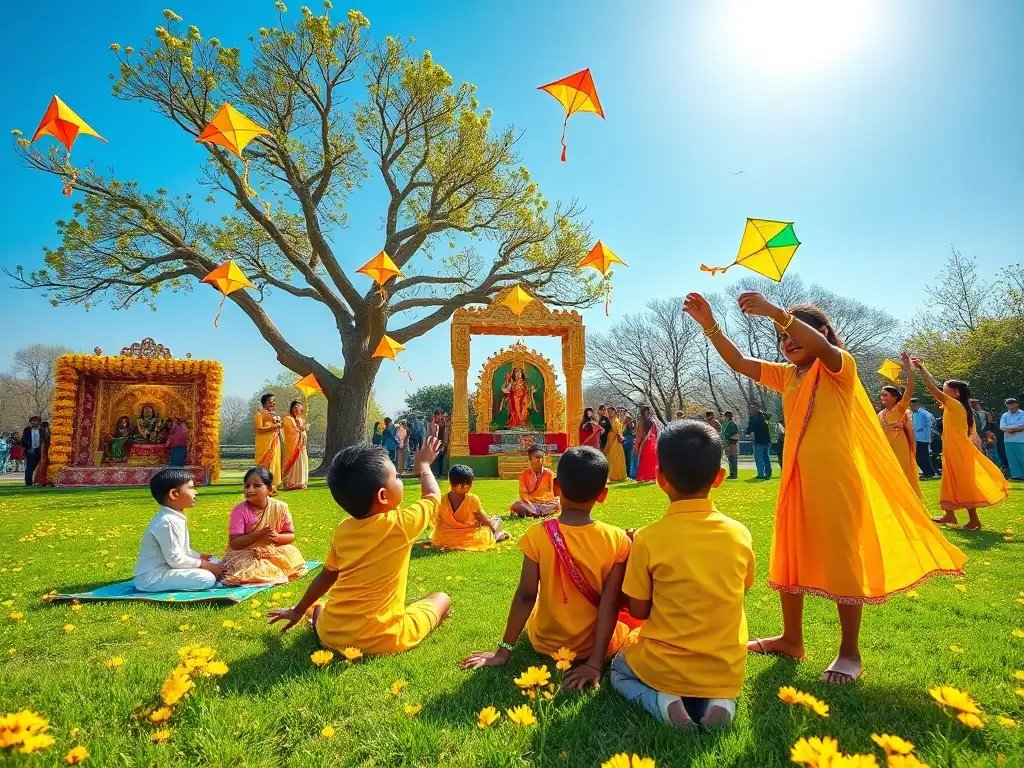
Welcome to Ancient India History, where we delve into the rich tapestry of India's past. Today, we invite you to explore the cultural significance of Basant Panchami, a festival that beautifully intertwines the celebration of knowledge and the arts. Discover how this vibrant occasion reflects the values and traditions of ancient Indian civilizations, from the colorful festivities to the profound reverence for learning. Join us on this enlightening journey as we uncover the layers of meaning behind Basant Panchami and its enduring impact on our cultural heritage. Ready to dive deeper into this enchanting celebration? Let's begin!
Introduction to Basant Panchami
Basant Panchami, also known as Vasant Panchami, is a vibrant festival celebrated in various parts of India, marking the onset of spring and honoring Goddess Saraswati, the deity of wisdom, knowledge, music, and art. This festival, which typically falls in January or February, resonates deeply within the cultural fabric of ancient Indian civilizations, as it celebrates the intrinsic connection between knowledge and creativity.
The rich traditions and rituals associated with Basant Panchami not only reflect the agricultural cycle but also emphasize the reverence for learning and artistic pursuits that have been pivotal in shaping Indian culture throughout history. As we explore the cultural significance of Basant Panchami, we delve into its historical roots, its celebration of Saraswati, and the vibrant symbolism that permeates this beautiful festival.
Overview of the Festival and Its Importance
Basant Panchami is celebrated on the fifth day of the Hindu month of Magh, symbolizing the arrival of spring and the end of the winter season. This festival is marked by a variety of customs, including wearing yellow attire, preparing special dishes, and worshiping Goddess Saraswati. The significance of this day extends beyond mere celebration; it serves as a reminder of the importance of knowledge in human life and the pursuit of artistic expression. Communities come together to participate in rituals, educational events, and cultural programs that highlight the festival's core values.
Historical Background of Basant Panchami
The origins of Basant Panchami can be traced back to ancient texts and scriptures that extol the virtues of knowledge and creativity. Historical references indicate that this festival has been observed for centuries, with its roots intertwined in the agricultural practices of ancient India. The festival not only heralds the arrival of spring but also symbolizes the awakening of nature and the fecundity of the earth, which have always been celebrated in Indian culture. Over the years, Basant Panchami has evolved, yet its essence remains deeply connected to the themes of knowledge and artistic expression.
Significance of the Festival in Ancient Indian Culture
In ancient Indian culture, Basant Panchami held profound significance as it represented the balance between intellect and creativity. The festival provided an opportunity for scholars, artists, and musicians to come together and celebrate their crafts. Schools and educational institutions often held special ceremonies on this day to invoke blessings from Goddess Saraswati, emphasizing the festival's role in promoting learning and the arts. It was a time when communities embraced the spirit of collaboration and collective celebration, reinforcing the cultural values that continue to resonate in modern India.
The Cultural Significance of Basant Panchami
As we delve deeper into the cultural significance of Basant Panchami, we uncover layers of meaning associated with its observance, rituals, and symbols. The festival not only serves as a marker of seasonal change but also as a celebration of the rich intellectual and artistic heritage of India.
Exploring the Spiritual Essence of Basant Panchami
Basant Panchami is imbued with spiritual significance, as it is believed that worshiping Goddess Saraswati on this day enhances one's wisdom and creativity. Devotees engage in prayer and rituals, seeking the goddess's blessings for knowledge and artistic inspiration. The festival encourages a deeper connection with the divine, fostering an environment where learning and creativity flourish. This spiritual essence is reflected in the vibrant celebrations that occur across India, from elaborate pujas to community gatherings that emphasize collective learning and artistic expression.
The Role of Saraswati in Basant Panchami Celebrations
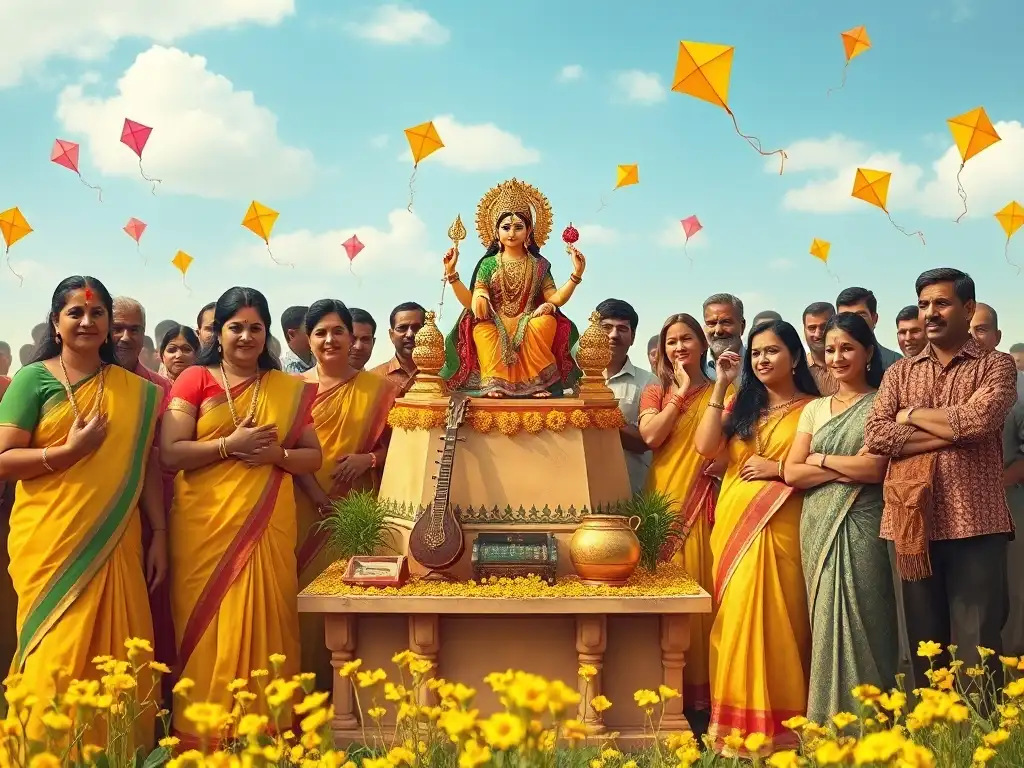
Goddess Saraswati plays a central role in the festivities of Basant Panchami. She is depicted as a graceful figure adorned in white, often seated on a swan or a peacock, holding a veena, which symbolizes the arts. During the festival, devotees perform rituals to invoke her blessings, offering fruits, flowers, and sweets at her altar. Schools and educational institutions often conduct special prayers, known as "Saraswati Puja," where students seek her guidance in their studies. This celebration of Saraswati underscores the festival's dedication to knowledge and art, making it a pivotal occasion in the cultural calendar of India.
Symbolism of Yellow in Basant Panchami Traditions
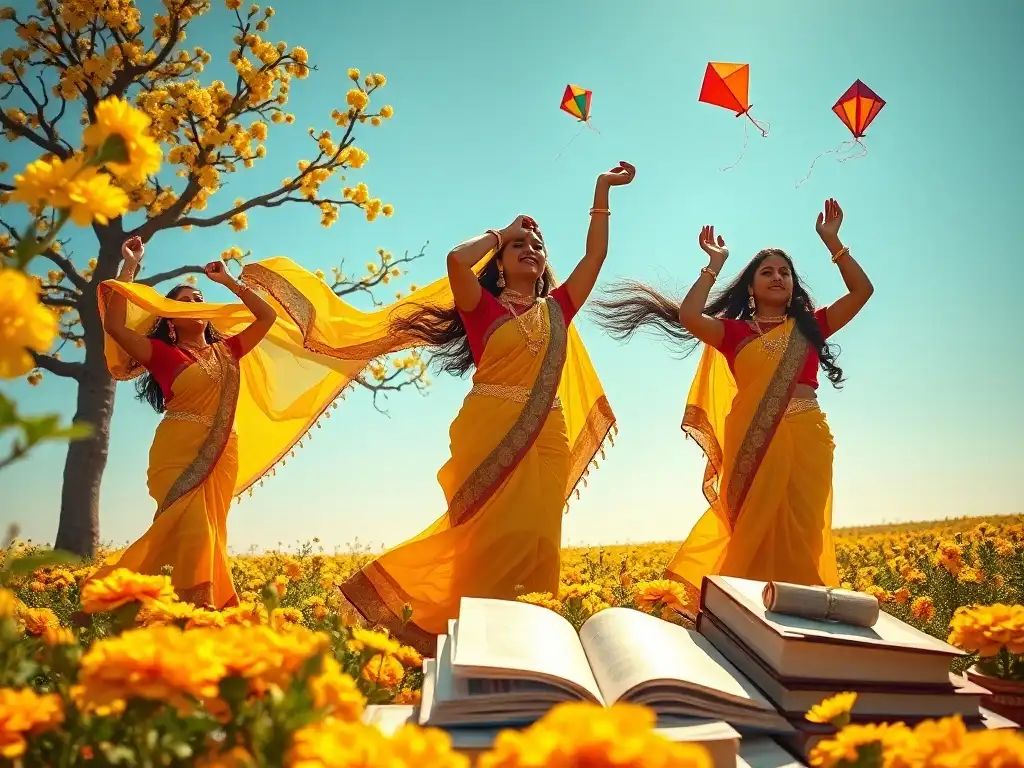
One of the most striking features of Basant Panchami is the color yellow, which symbolizes prosperity, energy, and the arrival of spring. On this day, participants often wear yellow garments and decorate their homes with yellow flowers, particularly mustard blooms, which are abundant during this season. This vibrant color not only enhances the festive atmosphere but also serves as a reminder of the optimism and joy associated with new beginnings. The use of yellow in various rituals and celebrations reflects the festival's core themes of renewal, creativity, and the celebration of life.
Basant Panchami is a festival that encapsulates the rich tapestry of ancient Indian culture, celebrating the intertwined themes of knowledge, creativity, and nature. Its historical significance and cultural practices continue to resonate, making it a cherished occasion for millions across the nation.
Rituals and Practices of Basant Panchami
Basant Panchami, celebrated in the month of Magha, marks the transition from winter to spring and is dedicated to Goddess Saraswati, the deity of knowledge, music, art, and wisdom. This vibrant festival is characterized by a plethora of rituals and practices that reflect its cultural significance.
On this auspicious day, devotees dress in shades of yellow, symbolizing the mustard flowers that bloom during this season. The morning typically begins with a ritual bath, followed by prayers and offerings to Goddess Saraswati. Homes are often decorated with yellow flowers and fresh grains, creating a festive atmosphere.
Families set up an altar adorned with books, musical instruments, and images of Saraswati, inviting her blessings for wisdom and knowledge. In educational institutions, students perform rituals to seek the goddess's grace for their studies, often writing their first letters or words in front of her idol, a practice known as "Vidhya Arambham."
Traditional Customs Observed During Basant Panchami
The customs associated with Basant Panchami are deeply rooted in tradition. One of the most cherished customs is the preparation and consumption of saffron-infused dishes, such as halwa and kheer, which are offered to the goddess and shared among family members.
In many regions, especially in North India, kite flying has become an integral part of the celebrations. This playful activity symbolizes the arrival of spring and fosters a spirit of joy and camaraderie within the community.
Another notable custom is the organization of fairs and cultural gatherings, where people come together to celebrate through music, dance, and theatrical performances. These events often feature traditional folk songs and dances, showcasing the rich heritage of the region.
Offerings and Prayers to Goddess Saraswati
The offerings made to Goddess Saraswati during Basant Panchami are significant expressions of devotion. Common offerings include:
- Books and Pens: Symbolizing the pursuit of knowledge.
- White Flowers: Representing purity and enlightenment.
- Fruits and Sweets: A gesture of gratitude for the goddess's blessings.
Devotees recite specific prayers and mantras, such as the Saraswati Vandana and Saraswati Ashtakshara Mantra, seeking her divine intervention for intellectual growth and artistic inspiration. The chanting of these hymns creates a serene atmosphere, enhancing the spiritual experience of the festival.
The Influence of Basant Panchami on Ancient Indian Art and Literature
Basant Panchami has significantly influenced various forms of art and literature throughout ancient India, serving as a source of inspiration for creative expression.
Artistic Depictions of Basant Panchami in Ancient Texts
In ancient texts and scriptures, Basant Panchami is often depicted as a celebration of nature's beauty and the awakening of the earth. Various classical paintings and sculptures illustrate scenes of devotees worshiping Goddess Saraswati, surrounded by blooming flowers and vibrant spring landscapes.
Literature from the period frequently references the festival, emphasizing the connection between the change in seasons and the pursuit of knowledge. Texts describe the joyous celebrations, capturing the essence of the festival and its significance in promoting cultural values.
Influence on Classical Music and Dance Forms
Basant Panchami has played a pivotal role in the evolution of classical music and dance forms in India. Many compositions in classical music, particularly in Hindustani and Carnatic traditions, are inspired by the themes of spring and the reverence for knowledge.
Dance forms such as Kathak and Odissi have also incorporated elements of Basant Panchami into their performances, often portraying the goddess's grace and the beauty of nature through intricate movements and expressions. The festival serves as a backdrop for numerous performances that celebrate the arrival of spring and the arts.
Basant Panchami's Impact on Poetry and Literature in Ancient India
The festival of Basant Panchami has left an indelible mark on ancient Indian poetry and literature. Poets have long celebrated the season of spring as a metaphor for renewal and inspiration.
Works by renowned poets often highlight the themes of knowledge, beauty, and the divine connection to Goddess Saraswati. The vibrant imagery associated with the festival is reflected in various literary forms, from lyrical poetry to epic narratives, encapsulating the essence of the season and its cultural significance.
Basant Panchami is not just a festival; it is a celebration of knowledge, art, and the beauty of nature that continues to resonate through ancient Indian traditions, influencing art and literature to this day.
Regional Variations of Basant Panchami Celebrations
Basant Panchami, a vibrant festival marking the arrival of spring, is celebrated across India with great enthusiasm and distinct regional flavors. Each state infuses its local customs and traditions into the festivities, showcasing the rich tapestry of Indian culture. The way Basant Panchami is observed can vary significantly, reflecting the diverse beliefs, rituals, and historical influences of various regions.
Differences in Celebratory Practices Across India
In different states, the essence of Basant Panchami transforms, though the core theme of honoring knowledge and the goddess Saraswati remains constant.
- Punjab: The festival is celebrated with much grandeur, particularly in schools and educational institutions, where students worship Saraswati for wisdom. People don yellow attire, symbolizing mustard flowers in bloom, and partake in community gatherings filled with music and dance.
- West Bengal: Here, the day is marked by elaborate rituals at temples and homes, where devotees offer fruits and sweets to the goddess. The festival is also associated with the famous cultural event of 'Vasant Utsav,' where students perform cultural programs, showcasing their artistic talents.
- Uttar Pradesh: The celebration in Varanasi involves processions and fairs. The city comes alive with vibrant decorations, and people flock to the ghats to offer prayers. Traditional music and dance are integral to the festivities, emphasizing the spiritual significance of the day.
These variations illustrate how cultural significance is interpreted uniquely in different regions, while still upholding the overarching themes of knowledge and artistic expression.
Unique Traditions and Customs in Various States
Each state adds its unique touch to the Basant Panchami celebrations, enriching the festival's cultural significance further:
- Madhya Pradesh: The festival is a time for educational institutions to organize special prayers and rituals. Students dress in yellow and engage in reciting hymns dedicated to Saraswati, emphasizing the importance of education.
- Bihar: Here, people perform rituals at the banks of rivers and offer prayers to the goddess. The day is also marked by kite flying, symbolizing the joyous arrival of spring.
- Gujarat: The festival is associated with the new harvest. Folk dances and songs fill the air as communities come together. The custom of preparing special dishes, like 'kheer,' signifies the sweetness of knowledge and prosperity.
These unique practices not only highlight the regional diversity of celebrations but also illustrate the shared reverence for learning and the arts that unites these celebrations across the nation.
The Modern-day Relevance of Basant Panchami
As the world evolves, so do the ways in which festivals like Basant Panchami are celebrated. In contemporary society, the festival continues to play a vital role, resonating with the values of knowledge, creativity, and community.
Celebrating Basant Panchami in Contemporary Society
In modern times, Basant Panchami transcends its traditional roots and is embraced by younger generations in innovative ways. Educational institutions often host art and cultural programs that blend contemporary art forms with traditional practices. Social media platforms buzz with posts celebrating the festival, showcasing vibrant yellow attire, and sharing rituals and recipes.
Additionally, community events that focus on music, dance, and art have emerged, where people from diverse backgrounds come together to celebrate their shared cultural heritage. These modern interpretations ensure that the essence of Basant Panchami remains alive and relevant, fostering a sense of unity and belonging.
Preservation of Cultural Heritage Through Festivals
Basant Panchami serves as a crucial mechanism for preserving and promoting cultural heritage. It offers a platform for transmitting traditional knowledge and artistic practices to younger generations. Workshops and community gatherings encourage participation in traditional music, dance, and art forms, ensuring that these skills are not lost over time.
Festivals like Basant Panchami also act as a reminder of the importance of education and the arts in society. As families come together to celebrate, they reinforce the values of scholarship, creativity, and respect for knowledge. This collective experience strengthens cultural identity and encourages the continuation of traditions that have shaped local communities for generations.
The Role of Basant Panchami in Promoting National Unity
Basant Panchami transcends regional boundaries, promoting a sense of national unity amidst India's diverse cultural landscape. The festival brings together people from various backgrounds, fostering dialogue, understanding, and respect.
In contemporary celebrations, multi-cultural events often feature performances from different states, showcasing the rich diversity of Indian culture. This inclusivity not only strengthens communal ties but also highlights the shared values of reverence for knowledge and creativity that underpin Basant Panchami.
Furthermore, as educational institutions increasingly recognize the significance of this festival, they create opportunities for students from different backgrounds to collaborate, learn, and celebrate together. Such interactions cultivate a spirit of harmony and solidarity, reinforcing the notion that despite regional differences, the pursuit of knowledge and art is a collective journey shared by all.
Conclusion
Basant Panchami stands as a vibrant celebration that encapsulates the essence of ancient Indian traditions and the reverence for knowledge and art. As the festival heralds the arrival of spring, it symbolizes new beginnings and the awakening of nature, aligning beautifully with the ethos of learning and creativity. The day is not only significant for its agricultural implications but also serves as a reminder of the rich tapestry of Indian culture, where education and arts are deeply intertwined.
The festivities associated with Basant Panchami reflect the profound respect that ancient Indian civilizations had for Saraswati, the goddess of wisdom, music, and arts. This veneration continues to resonate in contemporary practices, demonstrating how cultural traditions transcend time. The vibrant yellow attire, the offerings of sweets, and the joyful gatherings all contribute to a festive atmosphere that celebrates life in its myriad forms.
Reflecting on the Cultural Significance of Basant Panchami
The cultural significance of Basant Panchami is rooted in its multi-faceted celebrations that encompass various aspects of life. Traditionally, this festival is observed by students and scholars who seek blessings from Goddess Saraswati for wisdom and enlightenment. The rituals performed on this day, such as placing books and musical instruments near her idol, signify the importance of knowledge in achieving personal and collective growth.
Moreover, the festival serves as a reminder of the agricultural cycles, marking the onset of the harvest season. Farmers pray for a bountiful yield, highlighting the festival's connection to agrarian practices and the appreciation of nature's gifts. The collective participation in these rituals fosters a sense of community, reinforcing social bonds and cultural identity among the people.
In essence, Basant Panchami is a celebration of life, knowledge, and harmony with nature, reflecting the core values of ancient Indian society that continue to influence modern cultural practices.
The Enduring Legacy of Basant Panchami in Ancient Indian History
The legacy of Basant Panchami is deeply embedded in the annals of ancient Indian history, showcasing how festivals can serve as vessels for cultural transmission. Historical texts and archaeological findings depict the significance of Saraswati as a goddess of learning, revered since the Vedic period. This reverence has evolved, yet the core values associated with Basant Panchami remain steadfast.
Throughout history, the festival has inspired numerous art forms, including classical music, dance, and poetry. The association with artistic expression is evident in the vibrant performances that often accompany the celebrations, reflecting the rich heritage of Indian artistry. These cultural expressions not only celebrate Saraswati but also preserve the intricate history of artistic traditions that have flourished over centuries.
Basant Panchami’s enduring legacy is also evident in its adaptation and relevance across various regions of India, where local customs and practices enrich the festival's celebration. This adaptability speaks to the resilience of cultural traditions in the face of changing times, ensuring that the essence of Basant Panchami continues to thrive in contemporary Indian society.
Basant Panchami is more than a festival; it is a celebration of knowledge, creativity, and the agricultural roots of Indian civilization. Its rich historical significance ensures that it remains a cherished tradition, illuminating the path for future generations to honor their cultural heritage.
- Introduction to Basant Panchami
- The Cultural Significance of Basant Panchami
- Rituals and Practices of Basant Panchami
- The Influence of Basant Panchami on Ancient Indian Art and Literature
- Regional Variations of Basant Panchami Celebrations
- The Modern-day Relevance of Basant Panchami
- Conclusion
- What is the significance of Basant Panchami in Indian culture?
- How is Basant Panchami celebrated across India?
- What are the traditional foods associated with Basant Panchami?
- Why is the color yellow important on Basant Panchami?
- How does Basant Panchami reflect the contributions of ancient Indian civilizations?
Frequently Asked Questions
What is the significance of Basant Panchami in Indian culture?
Basant Panchami marks the arrival of spring and is celebrated to honor Saraswati, the goddess of knowledge, music, and arts, emphasizing the importance of education and creativity in society.
How is Basant Panchami celebrated across India?
Celebrations include wearing yellow attire, performing rituals, and organizing cultural events that showcase music, dance, and art, highlighting the festival's deep-rooted cultural significance.
What are the traditional foods associated with Basant Panchami?
During Basant Panchami, people prepare yellow rice (khichdi) and sweet treats such as boondi laddoos, symbolizing prosperity and the arrival of spring.
Why is the color yellow important on Basant Panchami?
The color yellow is associated with knowledge, purity, and spring, representing the blooming of mustard flowers, which is celebrated during this vibrant festival.
How does Basant Panchami reflect the contributions of ancient Indian civilizations?
Basant Panchami showcases the rich artistic and cultural heritage of ancient India, reflecting the philosophical and artistic advancements made by civilizations like the Gupta Empire in honoring knowledge and creativity.
Final Reflection: Embracing the Cultural Significance of Basant Panchami
The celebration of Basant Panchami serves as a vibrant reminder of the profound connection between knowledge, art, and nature in our lives. In today's fast-paced world, where technology often overshadows tradition, the essence of this festival resonates more than ever, urging us to pause and appreciate the beauty of learning and creativity that it embodies. The bright yellow hues of mustard fields and the melodies of Saraswati Vandana remind us that wisdom and artistic expression are timeless treasures that deserve our reverence and celebration.
Culturally, Basant Panchami continues to influence our social fabric, fostering a sense of community and shared values. The festival not only honors the goddess of knowledge, Saraswati, but also emphasizes the importance of education and the arts in shaping our identities. As we gather to celebrate, we reinforce our collective commitment to nurturing creativity and intellectual growth. Education is the most powerful weapon which you can use to change the world.
– Nelson Mandela. This quote encapsulates the spirit of Basant Panchami, as it inspires us to harness the power of knowledge for the betterment of society.
As we reflect on the lessons of Basant Panchami, let us embrace the opportunity to cultivate our own passions for learning and creativity. I invite you to explore the arts, seek knowledge, and celebrate the beauty that surrounds you. By doing so, we honor not only the festival's rich cultural significance but also our personal journeys toward enlightenment and self-expression. Together, let us weave the threads of tradition into the fabric of our modern lives, ensuring that the spirit of Basant Panchami continues to flourish for generations to come.
Celebrate Knowledge and Art This Basant Panchami!
Thank you for taking the time to explore the enchanting traditions of Basant Panchami with us. We hope you’ve gained not just insights into this vibrant festival, but also inspiration to celebrate and honor the beauty of knowledge and art in your own life.
Now, let’s take action and embrace the spirit of Basant Panchami:
- Organize a small gathering with friends or family to celebrate Basant Panchami—share stories, poems, or art that resonates with the festival’s theme of wisdom and creativity.
- Join a local community event or workshop that focuses on traditional art forms or knowledge-sharing activities inspired by Goddess Saraswati.
- Create and share your own art piece or poem dedicated to Saraswati, encouraging others to reflect on the significance of knowledge in their lives!
As you embark on this journey of celebration and creativity, we invite you to reflect deeper: What does knowledge mean to you, and how can you share this understanding with others during your Basant Panchami festivities?