
The Maurya Empire: A Case Study in Political Resilience and Transformation

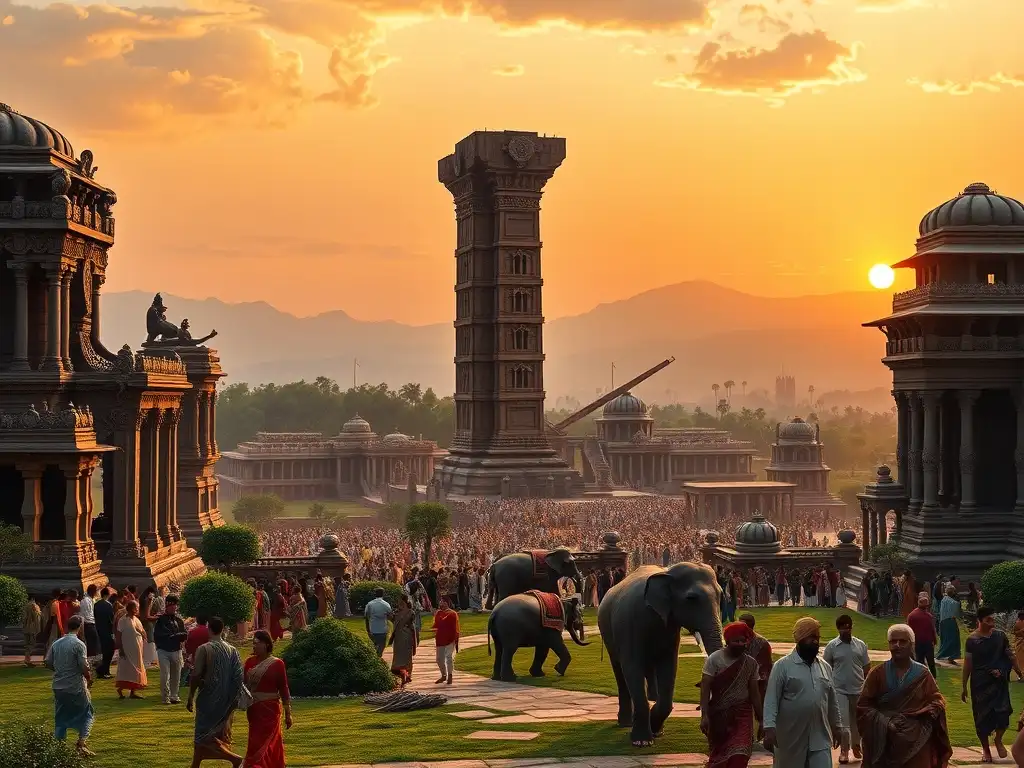
Welcome to Ancient India History, where we embark on a captivating journey through the intricate tapestry of India's past. Dive deep into the Maurya Empire, a monumental chapter that exemplifies political resilience and transformation. What led to its rise, and how did it redefine governance in ancient times? Unravel these questions as you explore the profound impact of this empire on the fabric of Indian civilization. Prepare to be intrigued, as the story of the Maurya Empire awaits, filled with lessons that resonate even today.
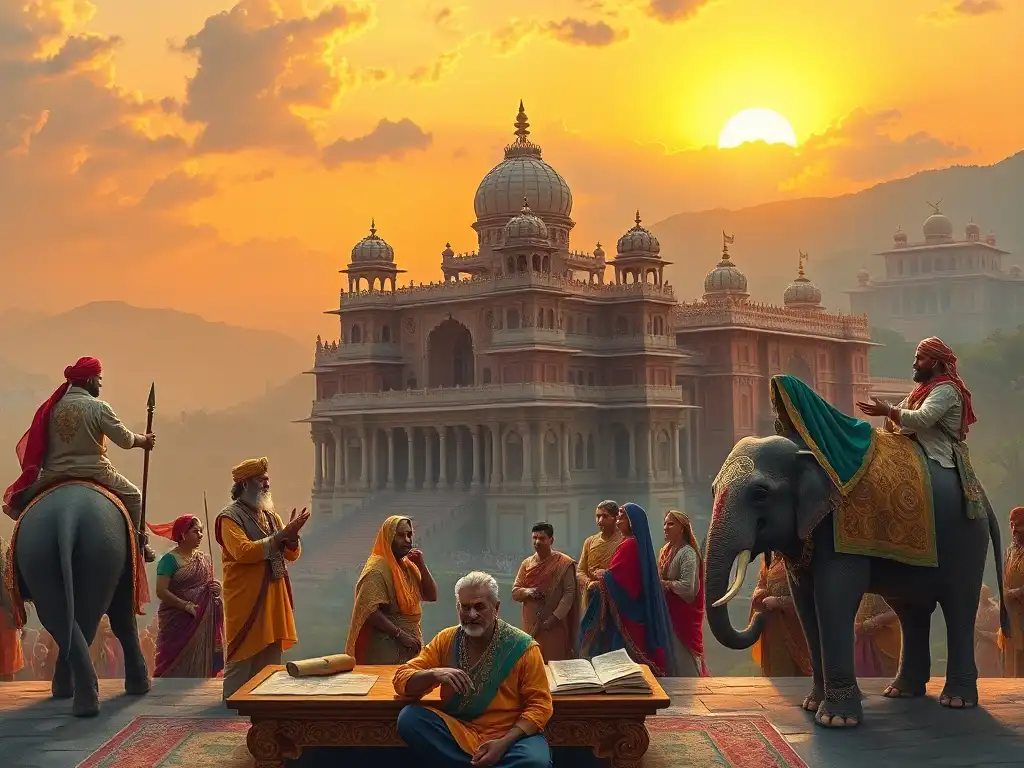
Introduction to the Maurya Empire
The Maurya Empire, which flourished from approximately 322 to 185 BCE, stands as one of the most significant and influential empires in ancient Indian history. Renowned for its remarkable political transformation and resilience, the Maurya Empire succeeded in unifying a vast and diverse territory under a centralized governance system.
This article aims to delve deeply into the political structure of the Maurya Empire, exploring how its political strategies and administrative innovations laid the foundation for governance in ancient India and influenced future dynasties. By examining the Maurya Empire's political transformation, we can gain insights into the complexities and dynamics of ancient Indian civilizations.
Overview of the Maurya Empire's Historical Context
The Maurya Empire emerged in a period marked by fragmentation and regionalism following the decline of the Indus Valley Civilization. It was founded by Chandragupta Maurya, who, with the guidance of his mentor Chanakya (Kautilya), successfully overthrew the Nanda dynasty. The empire expanded rapidly under Chandragupta and reached its zenith under his grandson, Ashoka the Great.
Ashoka's reign is particularly notable for his conversion to Buddhism and the promotion of non-violence, which greatly influenced the political and cultural landscape of India. The Maurya Empire represents a turning point in Indian history, where the principles of governance, statecraft, and public administration were significantly advanced.
Importance of Political Transformation in Ancient India
Political transformation during the Maurya Empire was not merely a change in leadership but represented a profound evolution in governance and administrative efficiency. The concepts of centralized authority, legal codification, and bureaucratic organization set precedents that would resonate throughout subsequent Indian empires. Understanding these transformations is crucial for comprehending how ancient Indian states navigated challenges such as regional diversity, economic management, and social cohesion. The Maurya Empire's ability to adapt politically allowed it to maintain stability and promote cultural unity, making it a vital case study in the history of ancient civilizations.
The Political Structure of the Maurya Empire
The political structure of the Maurya Empire was characterized by a strong central authority, which facilitated effective governance across its expansive territory. This structure not only enabled the empire to manage its diverse populations but also played a crucial role in its lasting legacy in Indian history.
The Centralized Governance Model
At the heart of the Maurya Empire's political resilience was its centralized governance model. This approach allowed the emperor to maintain control over vast regions through a well-organized administrative framework. The empire was divided into provinces, each governed by appointed officials who reported directly to the emperor. This hierarchy ensured that policies were implemented uniformly and that the emperor's directives were enforced throughout the empire. The centralized governance model also facilitated the collection of taxes, maintenance of law and order, and communication networks that connected distant territories.
Role of the Emperor in Political Decision-Making
The emperor held supreme authority in the Maurya Empire, with the power to make crucial political decisions that affected the entire realm. Chandragupta and Ashoka exemplified this leadership style, utilizing their authority to enact reforms, wage wars, and establish diplomatic relations. The emperor's role was not only administrative but also symbolic, representing the unity and identity of the empire. Ashoka's embrace of Buddhist principles during his reign further highlighted the interplay between governance and ethical leadership, showcasing how political decision-making could be influenced by moral considerations.
Administrative Divisions and Local Governance
To effectively manage its diverse territories, the Maurya Empire implemented a system of administrative divisions known as "Janapadas." Each Janapada was further subdivided into villages, which served as the basic units of local governance. Local officials, often chosen from the local populace, were tasked with managing day-to-day affairs, collecting taxes, and ensuring compliance with imperial laws.
This structure not only empowered local leaders but also fostered a sense of community and loyalty among the subjects. The administrative divisions of the Maurya Empire exemplified an early form of regional governance that balanced central authority with local autonomy, contributing to the empire's political stability.
By understanding the intricate political structure of the Maurya Empire, we can appreciate the sophistication of its governance and the lasting impact it had on the trajectory of ancient Indian civilization.
Political Resilience of the Maurya Empire
The Maurya Empire, which flourished from the 4th to the 2nd century BCE, is often lauded for its remarkable political resilience, which enabled it to sustain a vast and diverse territory across the Indian subcontinent. This resilience was characterized by a sophisticated administrative structure, strategic military capabilities, and an ability to adapt to changing circumstances. The empire's political framework allowed it to maintain control over a multitude of cultures, languages, and religions, fostering a sense of unity while respecting regional identities.
Political resilience in the Maurya Empire was not merely a product of military power; it was also a reflection of innovative governance practices. By establishing a centralized authority with a well-defined hierarchy, the Mauryan rulers could efficiently manage resources and respond to challenges. This allowed the empire to withstand internal dissent and external threats, thereby ensuring its longevity and influence in ancient India.
Strategies for Maintaining Political Stability
To maintain political stability, the Maurya Empire implemented several key strategies. Central to these was the establishment of a bureaucratic system that ensured effective governance across its vast territories. Local governors, or "amatyas," were appointed to oversee various regions, allowing for localized administration while maintaining loyalty to the central authority.
Additionally, the Mauryan emperors employed a system of surveillance and intelligence gathering to monitor their subjects and potential threats. This proactive approach helped to preempt insurrections and maintain order. The use of spies and informants was widespread, contributing to a culture of vigilance and responsiveness within the empire.
Furthermore, the Maurya Empire cultivated a strong military presence, which served both as a deterrent to external aggression and as a means to suppress internal revolts. The well-trained army, alongside strategic fortifications, played a crucial role in asserting the empire's dominance and ensuring the safety of its borders.
The Role of Diplomacy and Alliances
Diplomacy and strategic alliances were vital components of the Maurya Empire's political resilience. The empire's rulers engaged in diplomatic negotiations with neighboring states and tribes, often employing marriage alliances to solidify relationships and reduce hostilities. This approach not only enhanced the empire's geopolitical standing but also facilitated trade and cultural exchanges.
The Mauryan diplomacy extended to fostering ties with regional powers, which helped in maintaining peace and stability. Treaties and agreements were frequently used to resolve conflicts amicably, demonstrating a preference for dialogue over warfare when possible. This diplomatic acumen allowed the Maurya Empire to focus on internal development rather than being perpetually embroiled in external conflicts.
Moreover, Ashoka the Great's promotion of Dhamma, or moral law, further exemplified the empire's commitment to peaceful coexistence and mutual respect among different cultures and religions. His efforts to promote ethical governance and international diplomacy significantly contributed to the empire's political stability.
Economic Policies Supporting Political Resilience
The economic policies of the Maurya Empire were intricately linked to its political resilience. A well-organized taxation system was established, ensuring a steady revenue stream that funded the military and administrative apparatus. The empire implemented various taxes on agriculture, trade, and crafts, which were managed by local officials to optimize collection efficiency.
Trade routes were developed and protected, facilitating commerce across the empire and beyond. The Mauryan rulers invested in infrastructure, including roads and irrigation systems, which not only improved agricultural productivity but also enhanced trade. This economic prosperity bolstered the empire's political stability by ensuring that the populace's basic needs were met, thereby reducing discontent and rebellion.
Additionally, state control over key industries, such as textiles and metallurgy, ensured that the Mauryan government could influence economic activities to its advantage. By regulating trade and production, the empire maintained a degree of economic independence that contributed to its resilience against external economic pressures.
Key Figures in the Political Transformation of the Maurya Empire
The political transformation of the Maurya Empire can be attributed to several key figures whose leadership and vision shaped the course of its history. These leaders were instrumental in establishing and maintaining the empire's power, adapting its governance to meet the challenges of their times.
Chandragupta Maurya: The Founder and His Vision
Chandragupta Maurya, the founder of the Maurya Empire, played a pivotal role in its political transformation. He united various smaller kingdoms under a centralized authority, establishing a vast empire that laid the foundation for future governance. His vision included a strong military and a bureaucratic structure that could support efficient administration across diverse regions.
Chandragupta's strategic prowess was evident in his ability to confront and overthrow the Nanda Dynasty, marking the beginning of a new political era in ancient India. His alliance with Chanakya, a renowned philosopher and strategist, further solidified his rule and provided the intellectual framework for the empire's governance. Together, they developed policies that promoted economic growth and stability, ensuring the sustainability of the empire.
Ashoka the Great: Innovations in Governance and Ethics
Ashoka the Great, Chandragupta's grandson, is perhaps the most celebrated ruler of the Maurya Empire, known for his innovative governance and ethical principles. After witnessing the devastation of the Kalinga War, Ashoka embraced Buddhism and adopted a more compassionate approach to leadership. His reign marked a significant shift in governance, emphasizing Dhamma as a guiding principle for political conduct.
Ashoka's innovations included the establishment of a vast network of officials tasked with promoting ethical behavior and welfare across the empire. He also advocated for religious tolerance and the protection of all living beings, which helped maintain social harmony. His inscriptions, promoting moral values and administrative reforms, stand as a testament to his commitment to ethical governance and political transformation.
Other Influential Leaders and Their Contributions
In addition to Chandragupta and Ashoka, several other leaders contributed to the political resilience of the Maurya Empire. Figures such as Bindusara, Ashoka's father, played a crucial role in expanding the empire's territories and consolidating its power. His diplomatic efforts and military campaigns laid the groundwork for Ashoka's later successes.
Moreover, the empire's administrators and military generals, including notable figures like Radhagupta and Dasaratha, were instrumental in maintaining internal order and external security. Their strategic military campaigns and administrative reforms strengthened the empire's governance and ensured its resilience against both internal dissent and external threats.
These leaders collectively shaped the political landscape of the Maurya Empire, leaving a legacy that would influence governance and political thought in India for centuries to come.
Major Political Transformations During the Maurya Empire
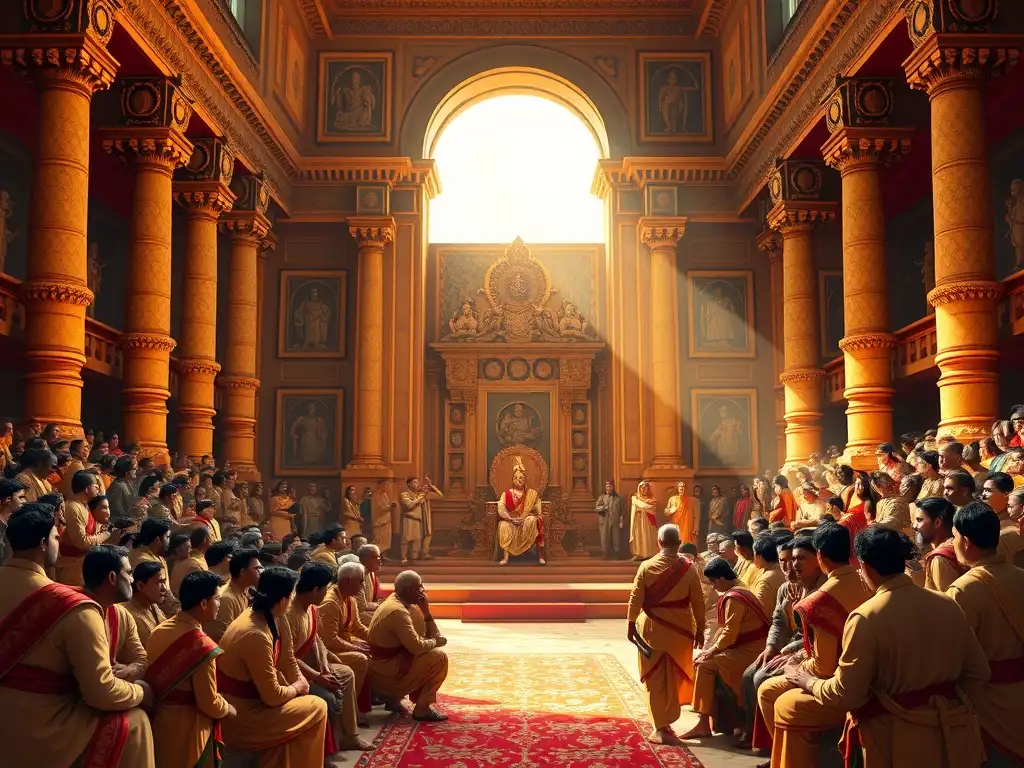
The Maurya Empire, which thrived from approximately 322 to 185 BCE, is renowned for its significant political transformations that laid the groundwork for a centralized and efficient governance structure. These transformations were pivotal in establishing the Maurya Empire as one of the most powerful and influential empires in ancient Indian history. The political landscape during this period was marked by innovative administrative practices, religious influences, military reforms, and strategic diplomatic relations, all of which contributed to the resilience and sustainability of the empire.
Shifts in Administrative Practices
One of the most notable shifts in administrative practices during the Maurya Empire was the move towards a centralized bureaucracy. Under the reign of Chandragupta Maurya, the empire adopted a systematic approach to governance, which involved the delegation of authority to appointed officials who managed various administrative functions. This included the establishment of provinces, each governed by a viceroy, allowing for more localized control while maintaining overarching imperial authority.
The Mauryan administration also implemented a series of revenue systems that enhanced fiscal responsibility and efficiency. The introduction of land revenue assessments, along with a structured taxation system, ensured a steady flow of resources into the imperial treasury. This financial stability enabled the Mauryan rulers to fund extensive public works, military campaigns, and administrative expenses, further solidifying their power and influence across the subcontinent.
The Influence of Religion on Political Policies
Religion played a crucial role in shaping the political policies of the Maurya Empire. The reign of Ashoka, Chandragupta's grandson, marked a significant transformation in the relationship between governance and religion. After the Kalinga War, Ashoka embraced Buddhism and began to promote its principles throughout the empire. This shift not only influenced his personal governance style but also impacted the overall political climate of the Maurya Empire.
Ashoka's commitment to non-violence and moral governance led to the establishment of Dhamma, a set of ethical guidelines derived from Buddhist teachings. These principles emphasized compassion, tolerance, and social welfare, which, in turn, fostered loyalty and stability among his subjects. The propagation of Dhamma through edicts inscribed on pillars and rocks across the empire served as a tool for political communication, reinforcing the legitimacy of Ashoka's rule while promoting a cohesive societal framework.
Military Reforms and Their Impact on Governance
The military reforms initiated during the Maurya Empire were instrumental in transforming the empire's governance. Chandragupta Maurya, with the strategic counsel of Chanakya, focused on enhancing the military's organizational structure and efficiency. The creation of a standing army, complemented by a well-defined hierarchy of command, allowed for more effective military campaigns and territorial expansion.
These military reforms not only strengthened the empire's defense capabilities but also facilitated political control over newly acquired territories. The Mauryan military was equipped with diverse forces, including infantry, cavalry, and war elephants, which enabled swift and decisive responses to internal rebellions and external threats. The ability to project military power effectively reinforced the authority of the central government and deterred potential challengers to the throne.
Case Studies: Examples of Political Resilience in the Maurya Empire
The Maurya Empire's political resilience is exemplified through various case studies that highlight its adaptive strategies in governance, military engagement, and diplomatic relations. These examples illustrate how the empire navigated challenges and maintained stability in a diverse and often tumultuous landscape.
The Kalinga War and Its Aftermath
The Kalinga War (circa 261 BCE) stands as a defining moment in the history of the Maurya Empire. Ashoka's decision to engage in this conflict stemmed from the desire to expand his territory but resulted in a profound transformation in his approach to governance. The war's devastating consequences led Ashoka to reconsider the role of military aggression in securing political power.
In the aftermath, Ashoka's commitment to Buddhism and the principles of Dhamma became central to his rule. His efforts to promote peace, welfare, and ethical governance not only helped heal the wounds of war but also strengthened the loyalty of his subjects. The transition from a militaristic approach to one rooted in moral authority exemplifies the political resilience of the Maurya Empire during a time of significant transformation.
Diplomatic Relations with Neighboring Kingdoms
The Maurya Empire's diplomatic relations with neighboring kingdoms played a crucial role in maintaining political stability and preventing conflicts. Through strategic alliances and negotiations, the Mauryan rulers managed to secure their borders against potential invasions and foster trade relations that benefitted the empire economically.
Ashoka, in particular, emphasized diplomacy alongside military might. His missions to spread Buddhism beyond India exemplified this approach, as he sought to create a network of friendly states and cultural exchanges. By prioritizing diplomatic ties, the Maurya Empire was able to navigate regional complexities and maintain a balance of power, further enhancing its resilience.
The Role of Trade in Political Stability
Trade was a vital component of the Maurya Empire's political stability. The extensive road networks and trade routes established during this period facilitated economic growth and integration across the empire. The Mauryan administration recognized the importance of commerce in sustaining the empire's prosperity and actively promoted trade through policies that encouraged market participation.
The economic stability derived from trade not only enriched the imperial treasury but also fostered social cohesion. As merchants and traders prospered, they contributed to the empire's wealth and stability, creating a symbiotic relationship between economic prosperity and political resilience. This interplay of commerce and governance was instrumental in ensuring the longevity of the Maurya Empire and its ability to adapt to changing circumstances.
Conclusion: Lessons from the Maurya Empire's Political Transformation
The Maurya Empire stands as a remarkable example of political resilience and transformation in ancient India. Its ability to adapt and innovate in governance offers valuable insights for contemporary political structures. The lessons drawn from the Maurya Empire's political strategies highlight the importance of centralized authority, efficient administration, and inclusive governance.
These principles not only facilitated the empire's vast expansion but also fostered unity and stability across diverse populations. As we reflect on this era, it becomes clear that the Maurya Empire's legacy continues to resonate in modern political thought, emphasizing the necessity for adaptable and visionary leadership in navigating the complexities of governance.
Summary of Key Political Strategies and Their Impact
The political strategies employed by the Maurya Empire were instrumental in its success and resilience. Key strategies included:
- Centralized Administration: The establishment of a strong central authority under Emperor Chandragupta Maurya allowed for the efficient governance of a vast territory. This centralization minimized local power struggles and ensured that policies were uniformly implemented.
- Bureaucratic Efficiency: The creation of a sophisticated bureaucracy, with appointed officials overseeing various administrative functions, facilitated effective governance. This included the use of spies and informants, which helped maintain order and provide the emperor with critical information.
- Diplomatic Alliances: The Mauryan rulers engaged in strategic alliances and diplomacy, particularly under Ashoka. This approach not only expanded the empire’s influence but also promoted peace and trade with neighboring kingdoms.
- Cultural Integration: The Maurya Empire embraced a policy of cultural pluralism, recognizing and respecting the diverse beliefs and practices of its subjects. This inclusivity fostered loyalty and cohesion among various ethnic and religious groups.
These strategies collectively contributed to the Maurya Empire's political transformation, allowing it to thrive and adapt to changing circumstances throughout its reign.
The Legacy of the Maurya Empire in Ancient Indian Political Thought
The Maurya Empire's political transformation left an indelible mark on ancient Indian political thought. Its emphasis on strong centralized governance influenced subsequent dynasties, shaping the political landscape of India for centuries. Key aspects of this legacy include:
- Concept of Dharma: The Mauryan rulers, particularly Ashoka, promoted the concept of Dharma as a guiding principle for governance. This idea of moral duty and ethical leadership became a cornerstone of Indian political philosophy, influencing rulers and philosophers alike.
- Administrative Models: The administrative frameworks established during the Maurya Empire served as blueprints for later empires. The use of a professional bureaucracy and local governance systems was emulated by future rulers, ensuring continuity in effective governance.
- Political Treatises: Works like Kautilya's "Arthashastra," which emerged during this period, provided a detailed analysis of statecraft, economics, and military strategy. These texts have continued to be studied and referenced in discussions of governance and political strategy.
In essence, the Maurya Empire's contributions to political thought underscore the significance of adaptive governance and ethical leadership, principles that remain relevant in contemporary discussions of political theory and practice.
References and Further Reading on the Maurya Empire Political Transformation
Suggested Books and Articles
-
"The Maurya Empire and its Times" by R. S. Sharma
A comprehensive exploration of the political, economic, and cultural aspects of the Maurya Empire.
-
"Kautilya’s Arthashastra: The Original Manual of Statecraft" by Kautilya
An essential text for understanding the political strategies and governance methods employed during the Maurya period.
-
"The History of India: From the Earliest Times to the Present" by James Talboys Wheeler
This book offers a detailed overview of Indian history, including a focused examination of the Maurya Empire.
-
"The Mauryan Empire" by Romila Thapar
A critical analysis of the Mauryan Empire's rise and its enduring impact on Indian civilization.
Online Resources for Deeper Understanding of Maurya Empire Politics
- Digital South Asia Library: Offers a wealth of resources, including texts and maps related to the Maurya Empire.
- Internet Archive: A repository of historical texts and books that include significant works on the Maurya Empire and its political structures.
- The British Museum: Features online exhibitions and articles detailing the artifacts and history of the Maurya Empire.
These resources provide avenues for further exploration and understanding of the political transformation and legacy of the Maurya Empire, enriching our knowledge of ancient Indian history.
- Introduction to the Maurya Empire
- The Political Structure of the Maurya Empire
- Political Resilience of the Maurya Empire
- Key Figures in the Political Transformation of the Maurya Empire
- Major Political Transformations During the Maurya Empire
- Case Studies: Examples of Political Resilience in the Maurya Empire
- Conclusion: Lessons from the Maurya Empire's Political Transformation
- References and Further Reading on the Maurya Empire Political Transformation
Frequently Asked Questions
What was the Maurya Empire known for?
The Maurya Empire is renowned for its political transformation and administrative innovations, particularly under the leadership of Chandragupta Maurya and his grandson Ashoka the Great.
How did the Maurya Empire influence Indian politics?
The Maurya Empire established a centralized governance system that set a precedent for future Indian dynasties, promoting the idea of a unified state under a powerful ruler.
What role did Ashoka play in the political transformation?
Ashoka is credited with significant political transformation through his promotion of Buddhism, which emphasized non-violence and moral governance, influencing the empire’s policies and administration.
How did trade impact the Maurya Empire's political structure?
Trade facilitated the economic prosperity of the Maurya Empire, allowing for a strong taxation system that funded military and infrastructure, thus enhancing its political resilience.
What were the key factors behind the political resilience of the Maurya Empire?
Key factors included a well-organized administrative system, a strong military, and effective diplomacy, all contributing to the empire's ability to maintain control and stability over vast territories.
Final Reflection: The Enduring Legacy of the Maurya Empire's Political Transformation
The Maurya Empire's political transformation serves as a powerful reminder of how adaptive governance can shape societies and withstand the test of time. In today's rapidly changing political landscape, the lessons drawn from the Maurya Empire's resilience resonate more than ever. The ability to navigate challenges and embrace change is not just a historical lesson; it is a vital strategy for contemporary leaders and citizens alike. The Maurya Empire exemplifies how visionary leadership and strategic reforms can lead to a thriving civilization, inspiring us to seek similar pathways in our own governance and societal structures.
Cultural and social dynamics are often influenced by historical precedents, and the Maurya Empire stands as a testament to this truth. Its legacy continues to inform modern political discourse, reminding us that transformation is not merely a reaction to crisis but can be a proactive approach to fostering stability and growth. As we reflect on the Maurya Empire's achievements, we are reminded of the words of Mahatma Gandhi: A 'No' uttered from the deepest conviction is better than a 'Yes' merely uttered to please, or worse, to avoid trouble.
This sentiment echoes the importance of principled leadership and the courage to embrace change, a lesson that remains relevant in our current political climate.
As we conclude our exploration of the Maurya Empire's political transformation, I invite you to reflect on your own role in the ongoing narrative of governance and societal change. Consider how you can embody the principles of resilience and adaptability in your personal and professional life. Whether through civic engagement, community leadership, or simply fostering open dialogues, each of us has the power to contribute to a more dynamic and responsive society. Let the story of the Maurya Empire inspire you to embrace transformation, champion resilience, and actively participate in shaping a better future for all.
Unleash the Legacy of the Maurya Empire!
Thank you for diving into the rich saga of the Maurya Empire! We hope you gained inspiring insights into its political resilience and transformative journey. Now, let's turn that knowledge into action and delve deeper into the legacy of this remarkable civilization.
- Explore further: Read about the significant leaders of the Maurya Empire and their strategies. Discover how their tactics can inspire modern leadership!
- Join the conversation: Engage with others about the Maurya Empire on our social media channels. Which aspect of its legacy resonates with you the most?
- Engage with history: Participate in our upcoming webinar focused on ancient political strategies and their relevance today. Secure your spot now!
As you reflect on the greatness of the Maurya Empire, what lessons can we apply in our lives today? We invite you to share your insights below!