
The Use of Forts in Ancient India: Defensive Structures and Their Importance


Welcome to Ancient India History, where we invite you to embark on a fascinating journey through the rich tapestry of ancient Indian civilizations. In this article, we delve into the history of ancient Indian forts—not just as mere stone structures, but as pivotal defensive bastions that shaped the very fabric of military strategy and societal development. What secrets do these forts hold about the empires they once protected?
Join us as we uncover their significance and explore how these monumental edifices played a crucial role in the tumultuous yet vibrant history of India. Ready to unlock the past? Let's dive in!
Introduction to Ancient Indian Forts History
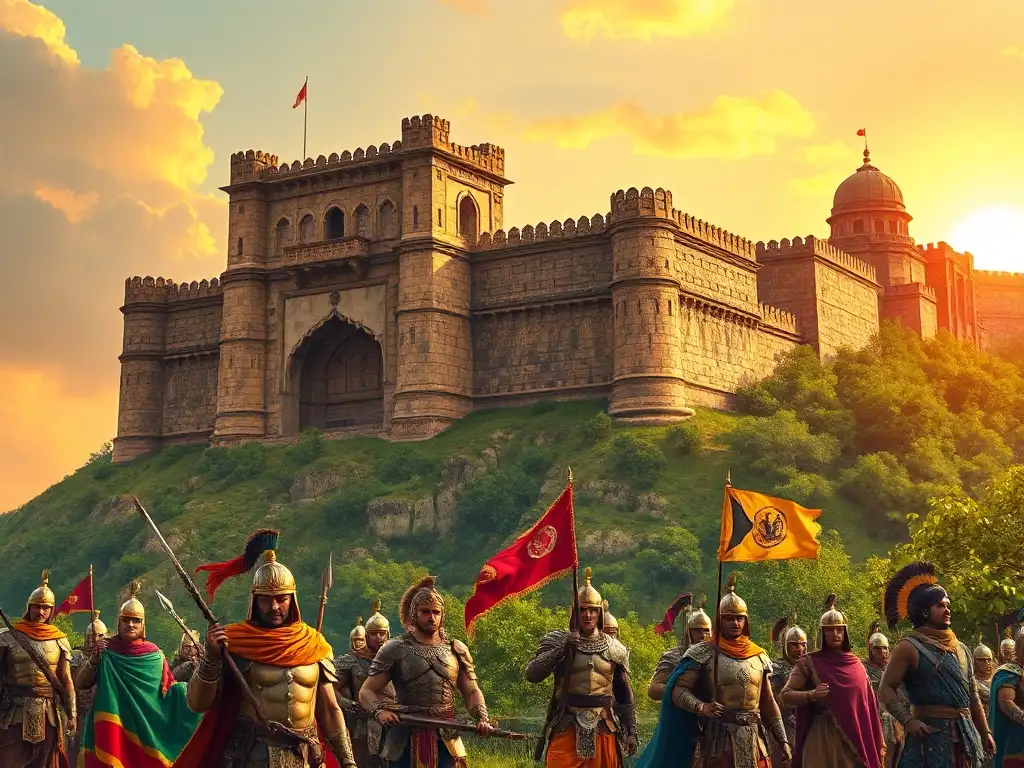
The history of ancient Indian forts is a testament to the ingenuity, resilience, and strategic foresight of Indian civilizations. These formidable defensive structures played a crucial role in safeguarding territories, controlling trade routes, and asserting political power across vast regions.
From the monumental forts of the Indus Valley Civilization to the intricate designs of those built during the Gupta Empire, ancient Indian forts reflect not only military needs but also the cultural and architectural advancements of their time. In this exploration, we will delve into the various aspects of ancient Indian forts, examining their significance in warfare, their architectural evolution, and the vital role they played in the socio-political landscape of ancient India.
Overview of Ancient Indian Forts
Ancient Indian forts were more than mere military installations; they were complex ecosystems that encompassed residential areas, temples, and marketplaces. These structures were strategically positioned on elevated terrains, riverbanks, or critical trade routes to maximize defensive capabilities. Notable forts like Chittorgarh, Gwalior, and Jaigarh showcase the diversity in design and purpose across different periods.
- Types of Forts:
- Hill Forts: Built on elevated terrain for strategic advantage.
- Plain Forts: Constructed in flatlands, often surrounded by moats.
- Coastal Forts: Designed to defend against naval attacks.
The construction techniques and materials varied, influenced by local resources, climate, and the prevailing architectural styles. While some were built with stone and mortar, others utilized mud and wood, showcasing the adaptability of ancient builders.
Significance of Forts in Ancient Indian Warfare
Forts were pivotal in ancient Indian warfare, serving as bastions of defense and command centers during conflicts. They provided refuge for soldiers and civilians alike and facilitated the storage of weapons and supplies. The significance of forts can be summarized as follows:
- Strategic Control: Forts helped control regional trade routes and manage resources.
- Military Training Grounds: Many forts served as training centers for warriors, preparing them for battle.
- Psychological Warfare: The imposing presence of a fort could deter potential invaders and assert dominance over surrounding territories.
The strategic use of forts often determined the outcomes of battles and the fate of kingdoms. Their construction and maintenance became a reflection of the political stability and military prowess of the ruling dynasties.
The Evolution of Fortifications in Ancient India
As ancient Indian civilizations evolved, so too did the architectural sophistication and strategic complexity of their forts. This evolution can be traced through various historical periods, each contributing unique innovations to fort design and construction.
Early Fortifications: From Simple Structures to Complex Designs
In the earliest phases, fortifications were rudimentary, often comprising simple walls made of mud or wood. However, as societies advanced, the need for more durable and complex structures became apparent.
- Indus Valley Civilization: Features some of the earliest known fortifications, with walls built from baked bricks.
- Mauryan Empire: Marked a shift towards larger, more fortified cities with stone walls and sophisticated planning.
The transition from basic enclosures to intricate designs with multi-layered defenses illustrates the increasing threat of invasions and the need for enhanced military architecture.
Key Architectural Features of Ancient Indian Forts
The architectural brilliance of ancient Indian forts is evident in their design, which often incorporated various defensive and aesthetic elements. Some key features include:
- Thick Walls: Constructed to withstand sieges and attacks, often several meters thick.
- Gates and Bastions: Strategically placed to control access and provide vantage points for archers.
- Water Management Systems: Moats and cisterns were often integrated, ensuring water supply during sieges.
- Temples and Palaces: Many forts housed temples and royal residences, highlighting their dual purpose as both military and cultural centers.
These architectural elements not only served practical purposes but also symbolized the power and cultural identity of the rulers who constructed them. As we delve deeper into the history of ancient Indian forts, we will uncover the stories of the civilizations that built these monumental structures, their military strategies, and their enduring legacy in modern India.
Types of Forts in Ancient India
Ancient India featured a diverse array of forts, each designed to serve specific purposes based on geographical and strategic considerations. The forts can be broadly categorized into three main types: hill forts, plain forts, and coastal forts. Each type reflects the ingenuity of ancient Indian architects and military strategists in adapting to their environment while fulfilling the needs of defense and power projection.
Hill Forts: Natural Defenses and Strategic Locations
Hill forts are one of the most prominent types of forts in ancient India, strategically built on elevated terrain. Their natural defenses provided a significant advantage in warfare, making it difficult for enemies to launch successful assaults. Prominent examples include the forts of Chittorgarh and Kumbhalgarh in Rajasthan, which were constructed on steep hills and surrounded by rugged terrain.
These forts often utilized the natural landscape to enhance their defensive capabilities. Key features of hill forts include:
- Vertical Elevation: The height of these forts allowed defenders to spot incoming threats from a distance and prepare for defense.
- Thick Walls and Gates: Stone walls were constructed to withstand siege weapons, while narrow gateways made it challenging for attackers to breach the fort.
- Water Storage and Supply: Many hill forts incorporated cisterns and reservoirs to ensure a sustainable water supply during prolonged sieges.
The strategic location of hill forts often made them centers of political power, serving as strongholds for local rulers and contributing to their territorial control.
Plain Forts: Design and Defensive Mechanisms
Plain forts were typically built in lowland areas, characterized by open fields and plains. Unlike hill forts, these structures relied more on man-made defenses, including walls, moats, and bastions. Examples of notable plain forts include the Agra Fort and the Red Fort in Delhi.
Key aspects of plain forts include:
- Moat Systems: Many plain forts were surrounded by moats, which impeded the movement of enemy troops and provided an additional layer of protection.
- Complex Layouts: The design of plain forts often included multiple layers of walls, inner courtyards, and watchtowers to enhance surveillance and defense.
- Architectural Innovations: Advances in military architecture, such as the use of bastions and angled walls, were prominent in plain forts, allowing for better crossfire against approaching enemies.
Plain forts were crucial not only for defense but also for facilitating administration and trade, as they often served as hubs for economic activities.
Coastal Forts: Protecting Trade Routes and Maritime Interests
Coastal forts were essential for safeguarding maritime trade routes and protecting coastal settlements from naval threats. Positioned along the shores of the Indian subcontinent, these forts played a vital role in the trade networks that connected India with other civilizations, including those in Africa and the Middle East. Notable examples include the coastal forts of Diu and Goa.
Significant features of coastal forts include:
- Watchtowers and Lighthouses: To monitor sea traffic and potential threats, many coastal forts incorporated watchtowers and lighthouses, enhancing maritime security.
- Harbor Facilities: Some coastal forts were equipped with docks and moorings to facilitate trade and naval operations.
- Defensive Walls Against Naval Attacks: Thick walls and fortified gates were built to withstand attacks from enemy ships, ensuring the safety of both the fort and the surrounding settlements.
Coastal forts not only served defensive purposes but also became centers of commerce and cultural exchange, fostering relationships with distant lands.
The Importance of Forts in Ancient Indian Military Strategy
Forts played a crucial role in ancient Indian military strategy, serving as defensive strongholds, centers of governance, and symbols of power. Their significance transcended mere military applications, influencing the political landscape and social structure of the time.
Role of Forts in Warfare and Defense
The primary function of forts in ancient India was to provide a secure refuge for troops and civilians during conflicts. They served as bases for military operations and strategic points for launching counterattacks against invaders. The layout and design of forts were meticulously planned to maximize defensive capabilities, often incorporating features like:
- Strategic Positioning: Forts were built in locations that provided a tactical advantage, such as elevated ground or near vital trade routes.
- Stockpiling Resources: Forts acted as storage facilities for weapons, food, and other supplies, allowing armies to sustain themselves during prolonged engagements.
- Command Centers: They often served as headquarters for military leaders, facilitating coordination and planning during warfare.
The presence of a fortified structure could deter potential invaders, as the effort and resources required to breach a well-defended fort were substantial.
Forts as Centers of Power: Political and Military Significance
Beyond their military applications, forts held immense political significance in ancient India. They were symbols of authority and control, often serving as the seat of local rulers or dynasties. The relationship between forts and governance can be seen in various ways:
- Administrative Hubs: Many forts were equipped with administrative offices, allowing rulers to manage their territories effectively from a centralized location.
- Cultural and Religious Centers: Forts often housed temples and cultural institutions, making them focal points for religious activities and community gatherings.
- Status Symbols: The grandeur and architectural brilliance of a fort could reflect the power and wealth of its ruler, enhancing their legitimacy and influence.
The forts of ancient India were not just military installations but multifaceted structures that shaped the political, economic, and cultural landscape of the time. Their strategic importance continues to resonate in the study of ancient Indian military history.
Famous Ancient Indian Forts and Their Historical Context

Forts in ancient India are not just military structures; they are testaments to the ingenuity and resilience of Indian civilization. Each fort reflects the unique historical context in which it was built, showcasing the architectural styles, strategic needs, and political dynamics of its era. These forts served as bastions of defense against invasions, centers of administration, and symbols of power and prestige.
They played a crucial role in shaping the socio-political landscape of ancient India, influencing governance, trade, and cultural exchanges. Notable forts like Kumbhalgarh, Mehrangarh, and Chittorgarh stand out as exemplars of these multifaceted roles, each with its own rich narrative woven into the fabric of Indian history.
The Great Wall of India: Kumbhalgarh Fort
Kumbhalgarh Fort, often referred to as the "Great Wall of India," is a remarkable example of defensive architecture built during the 15th century by Rana Kumbha of the Mewar Kingdom. Nestled in the Aravalli Range of Rajasthan, this fort is renowned for its massive walls, which extend over 36 kilometers, making it one of the longest fort walls in the world. The fort's strategic location allowed it to serve as a refuge during times of turmoil, providing a safe haven for the rulers of Mewar.
The fort's architecture is a blend of Rajput and Islamic styles, characterized by intricate carvings, temples, and palatial structures within its premises. Kumbhalgarh not only showcases the military prowess of the Rajputs but also reflects the cultural ethos of the time, as it housed numerous temples and gardens. The fort's historical significance is further highlighted by its role in various battles and its status as a UNESCO World Heritage Site, symbolizing the rich heritage of Rajasthan and the resilience of its people.
The Architectural Marvel: Mehrangarh Fort
Mehrangarh Fort, located in Jodhpur, is one of the largest and most impressive forts in India. Built in the mid-15th century by Rao Jodha, the fort stands atop a 150-meter high hill, offering a panoramic view of the surrounding landscape. Its imposing structure is a testament to the architectural brilliance of the Rajput era, featuring massive walls, intricately designed palaces, and an array of courtyards.
The fort's architectural marvel lies in its stunning facades and detailed carvings, which showcase the artistic skills of the craftsmen of that time. Mehrangarh served not only as a military fortress but also as a residence for the royal family, reflecting the lifestyle and culture of the Rajputs. The fort houses an impressive museum that displays artifacts, weaponry, and art, providing insights into the rich history and heritage of Jodhpur and its rulers. Its historical context is marked by significant events and battles, making it a vital part of the narrative of ancient Indian warfare.
The Strategic Importance of Chittorgarh Fort
Chittorgarh Fort, one of the largest forts in India, holds a significant place in the annals of ancient Indian history. Founded in the 7th century by the Maurya dynasty, this fort symbolizes the valor and sacrifice of the Rajput clans. Chittorgarh is often associated with the legendary tales of Rani Padmini and the siege by Alauddin Khilji, which underscored the strategic importance of the fort in the defense of Rajputana.
The fort's vast expanse, comprising numerous palaces, temples, and reservoirs, exemplifies the architectural sophistication of its time. Its strategic location on the trade routes made it a focal point for commerce and military activity, further enhancing its importance. The fort's defenses, including towering walls and watchtowers, were designed to withstand prolonged sieges, reflecting the military tactics employed by the Rajputs. Today, Chittorgarh Fort is recognized as a UNESCO World Heritage Site, highlighting its historical significance and enduring legacy in ancient Indian warfare.
Forts in ancient India were not merely military structures; they functioned as centers of culture, governance, and social interaction. Their presence influenced the social dynamics of the regions they inhabited, contributing to the development of local economies and cultural practices. The architectural styles and construction techniques of these forts resonated throughout Indian society, leaving a lasting impact on art, culture, and community identity.
Forts as Centers of Administration and Governance
Forts served as crucial centers for administration and governance in ancient India. They were often the seat of power for local rulers and played a pivotal role in the consolidation of authority. The strategic locations of these forts allowed rulers to maintain control over their territories, manage resources, and oversee the administration of justice.
Within the fortifications, royal courts and administrative offices facilitated governance, allowing for effective communication between the rulers and their subjects. The presence of bureaucracies within these forts enabled efficient tax collection, law enforcement, and resource management, contributing to the overall stability and prosperity of the region. The forts thus became vital hubs of political activity, shaping the governance structures of ancient Indian kingdoms.
The Influence of Fort Architecture on Indian Culture
The architectural styles of ancient Indian forts have had a profound influence on Indian culture and art. The intricate designs, decorative elements, and fortification techniques employed in these structures reflect the cultural values and artistic expressions of the time. The fusion of local and regional architectural styles, as seen in forts like Kumbhalgarh and Mehrangarh, contributed to a unique aesthetic that has influenced subsequent generations.
These forts not only served defensive purposes but also became symbols of pride and identity for local communities. Festivals, rituals, and cultural events often took place within their walls, reinforcing communal bonds and cultural heritage. The architectural marvels of these forts continue to inspire contemporary artists, architects, and historians, ensuring that the legacy of ancient Indian forts remains a vital part of India's cultural narrative.
Decline and Transformation of Forts in Later Periods
As the political landscape of India evolved through the medieval and early modern periods, the significance and functionality of forts began to change. The rise of new empires, shifts in warfare tactics, and advancements in military technology contributed to the decline of traditional fortifications. By the time of the Mughal Empire and into the colonial era, many ancient forts either fell into disrepair or were repurposed to serve different roles. This transformation marked a significant departure from their original defensive purposes, reflecting the broader changes within Indian society and its military strategies.
Factors Leading to the Decline of Forts
Several key factors contributed to the decline of ancient Indian forts:
- Changing Warfare Tactics: The introduction of gunpowder and artillery in the late medieval period drastically altered the nature of warfare. Traditional walls of stone and mud, which had previously offered robust defense, became vulnerable to cannon fire, necessitating new designs for military architecture.
- Political Fragmentation: The rise and fall of various regional powers led to fragmentation in the control of territory. As new rulers emerged, many forts became obsolete or were abandoned as the focus of military strategy shifted towards more mobile warfare.
- Economic Shifts: The declining economic power of certain kingdoms resulted in reduced resources available for maintaining forts. With limited funding, many ancient structures suffered neglect, leading to their deterioration over time.
- Cultural Changes: The evolution of governance and societal structures also played a role. As central authorities established more effective administrative systems, the need for numerous fortified structures diminished, leading to their decline.
Transition to Modern Military Structures
As the dynamics of warfare evolved, so did military architecture. The transition to modern military structures involved several innovations:
- Construction of Modern Fortifications: New designs, often influenced by European military architecture, included bastions and star forts that were better suited to withstand modern artillery. These structures emphasized angled walls and lower profiles to deflect cannon shots.
- Integration of Technology: The use of advanced materials and construction techniques enabled the building of more resilient fortifications. This transition illustrated the interplay between military needs and technological advancements.
- Strategic Military Locations: Rather than relying solely on traditional forts, military strategy increasingly favored the establishment of bases and camps that could be easily moved or adapted according to the needs of the army.
Conclusion: The Legacy of Ancient Indian Forts
The legacy of ancient Indian forts extends far beyond their original defensive purposes. These structures have become emblematic of the rich military history and cultural heritage of India. Their architectural styles, strategic locations, and historical significance continue to captivate scholars and tourists alike.
Reflections on the Importance of Fortifications in Ancient India
Forts in ancient India were not merely military structures; they served as centers of administration, trade, and cultural exchange. They represented the power and authority of various kingdoms, acting as symbols of resilience against invasions. Analyzing ancient Indian forts provides insights into the socio-political dynamics of the time, illustrating how these structures shaped the course of Indian history.
The Lasting Impact of Forts on Indian Heritage and Identity
The remnants of ancient forts are a testament to India's storied past and continue to influence contemporary Indian identity. Many forts have been preserved as heritage sites, drawing attention to the architectural prowess of ancient civilizations. They serve as educational resources that help modern generations understand the complexities of their history and the importance of preserving cultural heritage. As such, ancient Indian forts are not just relics of the past; they are integral to the ongoing narrative of India's rich and diverse heritage.
- Introduction to Ancient Indian Forts History
- The Evolution of Fortifications in Ancient India
- Types of Forts in Ancient India
- The Importance of Forts in Ancient Indian Military Strategy
- Famous Ancient Indian Forts and Their Historical Context
- The Cultural and Social Impact of Forts in Ancient India
- Decline and Transformation of Forts in Later Periods
- Conclusion: The Legacy of Ancient Indian Forts
- What were the primary functions of forts in ancient India?
- How did the design of ancient Indian forts reflect the culture of the civilization?
- What materials were commonly used in the construction of ancient Indian forts?
- What role did forts play in the governance of ancient Indian kingdoms?
- How did the decline of ancient Indian forts correlate with historical events?
Frequently Asked Questions
What were the primary functions of forts in ancient India?
Forts in ancient India served as defensive structures to protect territories, act as military bases, and provide refuge during invasions. They played a crucial role in the political and social dynamics of the time.
How did the design of ancient Indian forts reflect the culture of the civilization?
The architecture and layout of forts often showcased the artistic styles and cultural values of specific regions. Features like intricate carvings and strategic placements reflected the technological and aesthetic advancements of ancient civilizations.
What materials were commonly used in the construction of ancient Indian forts?
Ancient Indian forts were primarily built using local materials such as stone, mud, and bricks. The choice of materials often depended on the geography and resources available in the region.
What role did forts play in the governance of ancient Indian kingdoms?
Forts acted as administrative centers where rulers could oversee their territories. They facilitated tax collection, law enforcement, and served as a base for military campaigns, reinforcing a kingdom's control and influence.
How did the decline of ancient Indian forts correlate with historical events?
The decline of forts often coincided with significant invasions or shifts in power dynamics, such as the arrival of foreign invaders or the rise of new empires. As the military strategies evolved, the need for traditional forts diminished, marking a transition in defensive architecture.
Final Reflection: The Enduring Legacy of Ancient Indian Forts
The history of ancient Indian forts is not just a tale of stone and mortar; it is a testament to the resilience and ingenuity of a civilization that thrived amidst challenges. These defensive structures, built to protect against invasions and assert territorial claims, continue to resonate with us today as symbols of cultural heritage and national pride. As we explore the significance of these forts, we uncover a narrative that speaks to the very essence of human perseverance and strategic brilliance.
The architectural marvels of ancient Indian forts have left an indelible mark on our cultural landscape, influencing everything from modern architecture to tourism. Their stories are woven into the fabric of our history, reminding us of the battles fought and the lives shaped within their walls. As historian John Keay aptly stated, Forts are not merely relics of the past; they are the silent witnesses to the evolution of our society.
This ongoing influence invites us to reflect on how these structures have shaped our identity and continue to inspire awe and admiration in contemporary society.
As we conclude our exploration of ancient Indian forts, I encourage you to take a moment to reflect on the lessons they impart. Consider how the principles of resilience, strategic thinking, and cultural pride embodied by these forts can be applied in your own life. Let the stories of these magnificent structures inspire you to build your own fortresses of strength and creativity, ensuring that the legacy of our ancestors lives on in our actions and aspirations. Embrace the past, learn from it, and let it guide you toward a future filled with purpose and determination.
Unveil the Legacy of India's Forts Today!
Thank you for diving into the fascinating world of ancient Indian forts with us! You've learned about their pivotal role in defense and cultural heritage, showcasing the remarkable ingenuity of our ancestors. Now, it’s time to take action and further explore this captivating topic!
- Visit a local museum or historical site that features artifacts or displays related to ancient forts. Immerse yourself in the stories they tell!
- Share your insights with friends or on social media – inspire others with what you’ve learned about these incredible structures.
- Consider joining or starting a community group dedicated to historical preservation and exploration, fostering a love for ancient architecture.
What fort or historical site are you most eager to explore, and what draws you to it? Let’s spark a discussion in the comments below!