
The Significance of Military Training in Ancient Indian Society

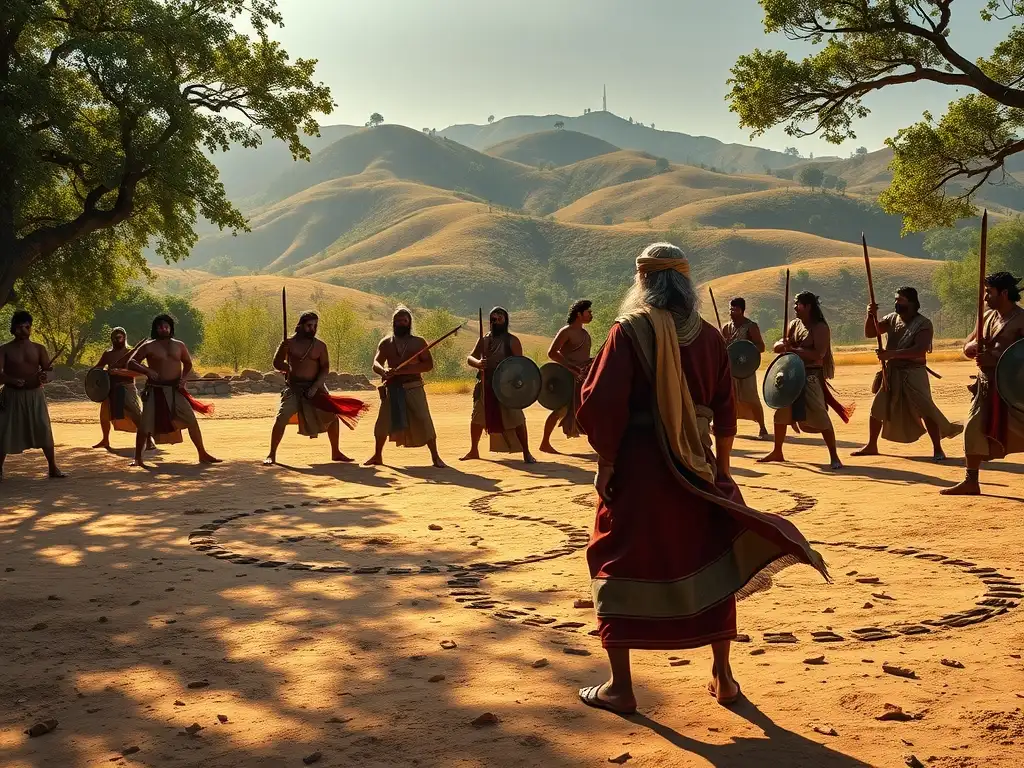
Welcome to Ancient India History, where we embark on a fascinating journey through the rich tapestry of ancient Indian civilizations. In this exploration, we uncover the profound significance of military training in ancient Indian society, a topic that reveals not just strategies of warfare but also the values, culture, and innovations that shaped a civilization. As you delve deeper, prepare to discover how these practices laid the foundation for a society that thrived on discipline and skill. Join us in uncovering the stories that have shaped history and continue to resonate today!
Introduction to Military Training in Ancient India
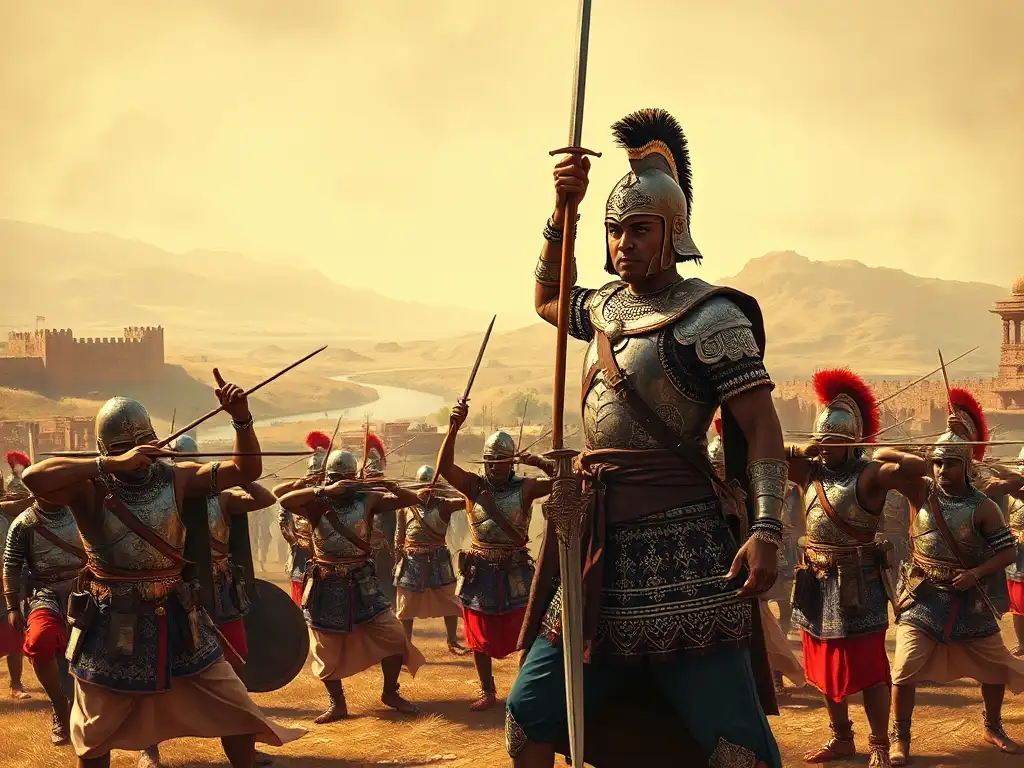
Military training in ancient India played a pivotal role in shaping the society, politics, and culture of the time. The focus on rigorous military education not only prepared warriors for battle but also instilled values of discipline, strategy, and leadership among the youth.
From the highly organized forces of the Indus Valley Civilization to the formidable armies of the Maurya and Gupta Empires, military training was integral to the socio-political fabric of ancient Indian civilization. Understanding the methods, significance, and evolution of these training practices provides insight into how ancient Indian societies valued martial prowess and its implications for governance and societal structure.
Overview of Military Training Practices
Military training in ancient India encompassed a broad spectrum of activities and methodologies.
- Physical Training: This included rigorous physical exercises, weapon handling, and combat techniques.
- Strategic Education: Warriors were taught the art of warfare, including strategies and tactics, often based on historical battles and texts.
- Cultural Integration: Training was not only physical but also deeply intertwined with cultural values, promoting virtues such as honor and bravery.
The training was often conducted in specialized schools known as "Gurukuls," where seasoned warriors or Gurus imparted their knowledge to young recruits.
Importance of Military Training in Ancient Indian Warfare
The significance of military training in ancient Indian warfare cannot be overstated. It served several crucial functions:
- Defense and Expansion: Trained soldiers were essential for the defense of territories and the expansion of influence through conquests.
- Social Structure: Military prowess often determined social status, with successful warriors gaining respect and political power.
- Cultural Preservation: Through military training, traditions and skills were passed down generations, ensuring the continuity of martial culture.
In essence, military training was a cornerstone of ancient Indian society, influencing everything from governance to social hierarchies.
Historical Context of Military Training in Ancient India
To appreciate the significance of military training, it is vital to explore its historical context within ancient Indian civilizations.
Evolution of Military Training from the Indus Valley Civilization
The Indus Valley Civilization (circa 3300–1300 BCE) is one of the earliest examples of advanced urban culture in ancient India. Evidence of organized defense systems, fortified cities, and possibly even early military training practices suggests that military readiness was important for maintaining stability and security. Archaeological findings indicate that while the focus was primarily on trade and agriculture, the need for protection against invaders led to the development of rudimentary military training methods.
Military Training during the Vedic Period
With the arrival of the Vedic Period (circa 1500–500 BCE), military training became more systematic. The Vedas, particularly the Rigveda, contain references to warfare and the valor of warriors. Training during this time emphasized:
- Skill Development: Focus on archery, chariot riding, and hand-to-hand combat.
- Ritualistic Elements: Warfare was often linked to religious rituals, with warriors praying for victory and protection.
- Caste System Influence: Training was often reserved for specific castes, particularly Kshatriyas, who were tasked with warfare and governance.
Influence of the Maurya and Gupta Empires on Military Training
The Maurya Empire (322–185 BCE) and Gupta Empire (c. 320–550 CE) marked significant advancements in military training.
- Mauryan Innovations: Chandragupta Maurya established a well-organized military system that emphasized rigorous training and strategic warfare, heavily influenced by the teachings of Kautilya’s Arthashastra, which outlined comprehensive military strategies.
- Gupta Developments: The Gupta Empire continued this tradition, with a focus on cavalry and elephants in warfare, reflecting an evolved understanding of military tactics. Training became more formalized, with dedicated military academies emerging.
These empires laid the groundwork for sophisticated military training that would influence subsequent generations and establish a legacy of martial excellence in ancient India.
Key Components of Military Training in Ancient India
Military training in ancient India was a multifaceted process that prepared warriors not only for battle but also for leadership and societal roles. The training comprised various key components that were essential for developing effective soldiers and military leaders. These components included physical training, martial arts, strategic planning, psychological conditioning, and leadership development. Each aspect played a crucial role in ensuring that the military personnel were well-equipped to face the challenges of warfare and contribute to their communities.
Physical Training and Martial Arts
Physical training was foundational in the military education of ancient Indian warriors. This training included rigorous exercises designed to build strength, endurance, and agility. Techniques from various martial arts, such as Kalaripayattu and Gatka, were integrated into the training regimen, allowing soldiers to master hand-to-hand combat, weapon skills, and tactical maneuvers.
Warriors practiced with a wide variety of weapons, including swords, bows, and spears, honing their skills through drills and combat simulations. The emphasis on physical prowess ensured that soldiers could withstand the rigors of battle and perform effectively in various combat scenarios. Notably, the emphasis on martial arts also fostered discipline and a sense of honor among warriors, which were intrinsic to their identities.
Strategies and Tactics in Military Training
Ancient Indian military training placed significant importance on strategies and tactics. Military leaders were educated in the art of warfare, including the development of battle formations, scouting techniques, and the use of terrain to their advantage. Texts such as the Arthashastra by Kautilya detailed various strategies for offense and defense, emphasizing the importance of intelligence and espionage in warfare.
Training often involved mock battles where commanders practiced deploying troops, coordinating strategies, and adapting to dynamic battlefield conditions. The ability to think critically and make swift decisions during combat was cultivated through these practical exercises. This strategic orientation not only enhanced military effectiveness but also prepared leaders to navigate complex political landscapes.
Psychological Training and Leadership Development
Psychological training was another vital aspect of military education in ancient India. This training focused on building mental resilience, emotional intelligence, and leadership skills. Warriors were taught the importance of maintaining composure in the face of adversity and managing stress during combat situations.
Leadership development was integral to military training, as leaders were expected to inspire and guide their troops. The principles of dharma (duty) and karma (action) were often instilled in warriors, emphasizing ethical conduct and responsibility. This focus on psychological preparedness ensured that military leaders could command respect and loyalty from their subordinates, fostering a cohesive and motivated fighting force.
Role of Military Training in Ancient Indian Society
Military training served a crucial role in the fabric of ancient Indian society, influencing social dynamics, political structures, and cultural values. The implications of military training extended beyond the battlefield, shaping the lives and identities of individuals within various communities.
Military Training as a Means of Social Mobility
In ancient India, military training provided a pathway for social mobility, especially for individuals from lower castes or marginalized groups. Proficiency in warfare could elevate one's status, as military success often translated into political power and respect within the community.
Warriors from diverse backgrounds were able to rise through the ranks based on their skills and achievements rather than solely on their caste. This phenomenon fostered a sense of meritocracy within the military, allowing for greater inclusivity and opportunities for personal advancement.
Connection between Military Training and Caste System
While military training offered opportunities for social mobility, it also intertwined with the existing caste system. Traditionally, certain castes were associated with specific occupations, including that of warriors (Kshatriyas). This system dictated who could receive military training and serve in the armed forces.
However, over time, the necessity of skilled warriors led to a more flexible approach in some regions, where individuals from lower castes could be trained and recognized for their martial capabilities. This duality highlights the complex relationship between military training and the caste system, where social structures could both restrict and empower individuals.
Impact of Military Training on Political Power
The impact of military training on political power in ancient India was profound. Well-trained armies were essential for the expansion and defense of kingdoms, making military prowess a key determinant of political stability. Rulers invested in military training to ensure the loyalty and effectiveness of their forces, understanding that a strong military could secure their reign and territorial integrity.
Additionally, successful military leaders often transitioned into political roles, leveraging their military achievements to gain influence and power. This connection between military capability and political authority underscored the significance of military training in shaping the governance and societal structures of ancient Indian civilizations.
Comparison of Military Training in Ancient India with Other Civilizations
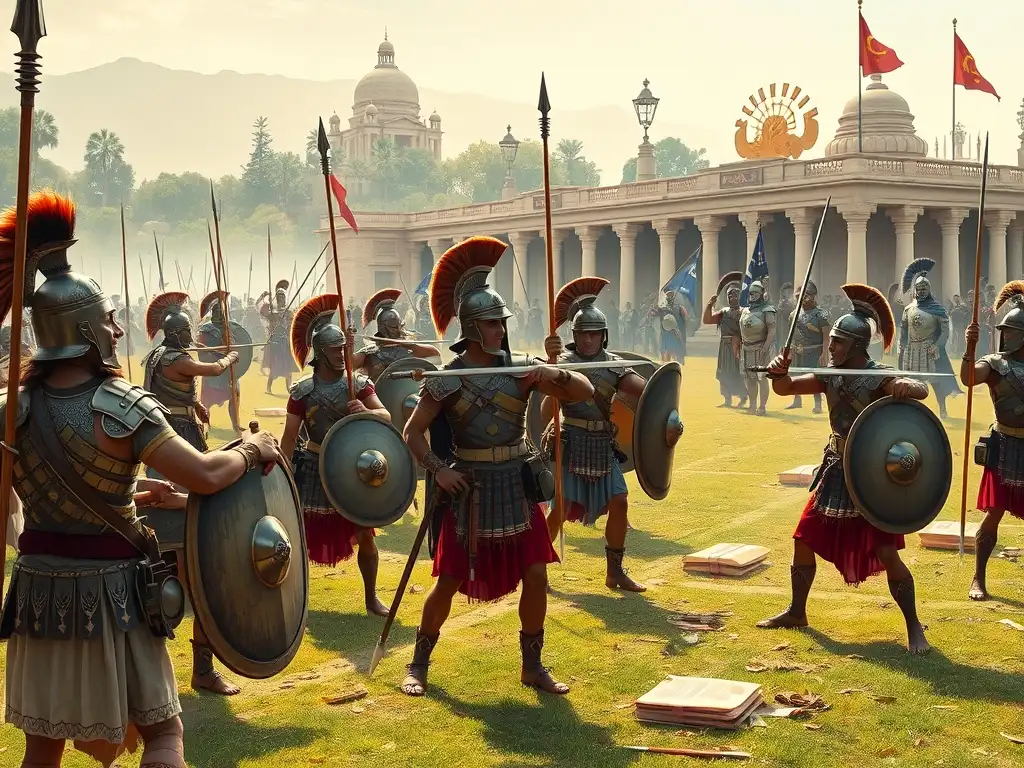
The military training in ancient India presents unique characteristics that distinguish it from the practices of other civilizations. While many ancient societies prioritized military prowess, the approach to training, the underlying philosophies, and the cultural contexts varied significantly. This section explores how military training in ancient India compared with that of ancient China and Greece, highlighting both similarities and differences in warfare training across cultures.
Military Training in Ancient China vs. Ancient India
In ancient China, military training was deeply influenced by Confucianism, which emphasized discipline, moral integrity, and the importance of military strategy. Chinese military training involved rigorous physical conditioning, mastery of weaponry, and adherence to strict hierarchical structures. The famous military treatise, The Art of War by Sun Tzu, underscored the importance of strategy and psychological warfare, shaping the training methodologies of Chinese soldiers.
In contrast, ancient Indian military training was often conducted in a more holistic environment, integrating physical training with spiritual and philosophical education. The concept of Kshatriya, the warrior class, included not only martial skills but also the duty to protect and uphold dharma (righteousness). Training would take place in Gurukuls, where warriors learned combat techniques alongside philosophy, ethics, and governance. This dual focus fostered leaders who were not just skilled warriors but also wise and just rulers.
Greek Military Training and Its Influence on Indian Practices
The ancient Greeks, particularly during the Classical period, had a well-structured military training system epitomized by the Spartan model. Spartan training, known as agoge, was a rigorous program that instilled discipline, endurance, and combat skills from a young age. The emphasis on physical prowess, teamwork, and tactical innovation significantly influenced military thought across various cultures, including India.
While there are indications of Greek military influence on Indian warfare, especially during the Hellenistic period following Alexander the Great's invasion, the integration was not direct. Indian military training retained its distinct characteristics, focusing on the Dhanurveda (the science of archery and warfare) and a more individualized approach to training. However, the exposure to Greek techniques and strategies did inspire some Indian kings, leading to the adaptation of new tactics and formations in their armies.
Similarities and Differences in Warfare Training Across Cultures
Across ancient civilizations, military training served similar purposes: preparing soldiers for battle, instilling discipline, and ensuring loyalty to the state. However, the methods and philosophies behind these practices varied.
- Similarities:
- Emphasis on physical conditioning and weapon mastery.
- Training often began at a young age.
- Integration of strategy and tactics into military education.
- Differences:
- Ancient India emphasized a philosophical approach, intertwining martial training with ethics and duty.
- Chinese training focused heavily on moral and strategic dimensions, influenced by Confucian ideals.
- Greek training prioritized physical endurance and teamwork, especially in the context of city-state warfare.
These contrasts highlight the diverse cultural values that shaped military training practices, reflecting the societies from which they emerged.
Case Studies of Prominent Military Training Centers in Ancient India
Ancient India boasted several renowned military training centers, each contributing to the development of skilled warriors and strategic leaders. These centers not only provided physical training but also served as hubs for intellectual and philosophical education, fostering a well-rounded approach to military preparedness.
The Role of the 'Gurukul' in Military Education
The Gurukul was a traditional school where students, including aspiring warriors, received education under the guidance of a guru (teacher). Military training in the Gurukul involved both physical and mental disciplines. Students practiced archery, swordsmanship, and horseback riding while also studying ancient texts on strategy and ethics.
The Gurukul system emphasized the principles of dharma (duty) and karma (action), instilling a sense of responsibility in the warriors. This holistic approach created not only skilled fighters but also leaders who understood the moral implications of their actions in warfare.
Military Academies during the Mauryan Empire
During the Mauryan Empire (c. 322–185 BCE), military academies became more structured and formalized. Under the rule of Chandragupta Maurya and later Ashoka, these academies focused on comprehensive military training, including the use of elephants in warfare, which was a distinctive feature of Mauryan military strategy.
These academies provided rigorous training in various combat techniques, tactics, and the art of war, drawing on the rich traditions of Indian martial arts. Additionally, they incorporated lessons on governance, ethics, and diplomacy, preparing warriors to serve not just on the battlefield but also as administrators and statesmen.
Notable Warriors and Their Training Regimens
Several notable warriors from ancient India exemplified the effectiveness of the military training they received. One such figure is Arjuna, a key character in the Mahabharata, renowned for his exceptional skills in archery. His training under the guidance of Guru Drona exemplified the rigorous physical and mental preparation that defined warrior education.
Another exemplary warrior is Chandragupta Maurya, whose training involved learning various combat skills alongside strategic warfare techniques. His success in unifying India highlights the effectiveness of the military training he underwent, which combined practical skills with strategic thinking.
These case studies illustrate how military training in ancient India was not merely about physical prowess but also about cultivating leaders equipped with the wisdom to govern and protect their realms.
The Legacy of Military Training in Ancient Indian Society
Military training in ancient India was not just a means of preparing for war; it was a comprehensive system that shaped individuals into skilled warriors and responsible citizens. This training encompassed physical conditioning, weapon mastery, strategy development, and ethical instruction, all of which were crucial for maintaining order and governance in ancient times. The significance of military training is evidenced in various texts, such as the Mahabharata and Arthashastra, where military prowess is equated with virtuous leadership.
The different schools of thought regarding military training were heavily influenced by regional cultures and the prevailing socio-political conditions of the time. For instance, the Kshatriyas, or warrior class, underwent rigorous training that emphasized bravery, loyalty, and discipline. This training was not only physical but also included lessons in statecraft, ensuring that military leaders were well-versed in both warfare and governance. The emphasis on military training also contributed to the rise of several prominent dynasties, such as the Maurya and Gupta empires, which relied on well-trained armies to expand their territories and secure their reigns.
Influence on Modern Military Practices in India
The military training practices of ancient India have left an indelible mark on modern military methodologies in the country. The structured approach to training, which included a blend of physical exercise, strategic simulations, and ethical considerations, can be seen in contemporary Indian armed forces. The focus on discipline, teamwork, and leadership continues to be paramount in military academies today, reflecting the legacy of ancient training regimens.
Additionally, the ancient emphasis on regional martial arts, such as Kalaripayattu and Gatka, has been revived in modern times, fostering a sense of cultural identity and heritage within the armed forces. These practices not only prepare soldiers physically but also instill a sense of pride in the rich martial traditions of India. As modern military operations become increasingly complex, the foundational principles laid down by ancient military training remain relevant, emphasizing adaptability, tactical thinking, and moral integrity.
Cultural Representations of Ancient Military Training in Literature and Art
Ancient Indian literature and art serve as vital sources for understanding the significance of military training in society. Epic texts like the Ramayana and Mahabharata not only depict the valor of warriors but also illustrate the rigorous training they underwent. These narratives highlight the heroic ideals of bravery, honor, and sacrifice, encapsulating the values that were instilled in warriors through their training.
Artistic representations from ancient India, including sculptures and frescoes, often portray scenes of battle and military training, showcasing the weapons, armor, and techniques used by ancient warriors. These artistic expressions reflect the societal reverence for military prowess and the role of trained soldiers in protecting and sustaining the civilization. Through these cultural lenses, we can glean insights into the social norms and expectations surrounding military training, reinforcing its importance in the fabric of ancient Indian life.
Preservation of Military Traditions in Contemporary India
In contemporary India, the preservation of military traditions continues to be a point of pride and identity. Institutions like the National Defence Academy (NDA) and the Indian Military Academy (IMA) uphold the ancient practices of rigorous training, instilling values that echo the teachings of their historical predecessors. These academies blend modern techniques with traditional military philosophies, ensuring that the essence of ancient martial training remains alive.
Moreover, events such as military parades and cultural festivals often feature displays of traditional martial arts and reenactments of historical battles, celebrating the rich heritage of military training. This ongoing connection to the past helps to foster national pride and a sense of duty among the armed forces, reinforcing the critical role that military training has played in shaping Indian identity over the centuries.
Conclusion: The Lasting Impact of Military Training on Ancient Indian Civilization
The legacy of military training in ancient India is profound, influencing not only the military systems of the time but also the broader societal structure. It forged a class of disciplined warriors who were crucial in establishing and maintaining political stability. Furthermore, the ethical dimensions of this training contributed to the overall moral framework of ancient Indian society.
Summary of Key Points
- Military training in ancient India was comprehensive, combining physical conditioning, ethical training, and strategic development.
- The influence of ancient military practices is evident in modern Indian military training methodologies.
- Literature and art from ancient India provide insights into the cultural significance of military training.
- Contemporary India actively preserves and celebrates its military traditions, ensuring the legacy of ancient practices continues.
Reflection on the Importance of Military Training in Understanding Ancient Indian History
Understanding military training in ancient India is essential for a holistic view of its history. It reveals how warfare, governance, and culture were intertwined, shaping not only the course of dynasties but also the daily lives of individuals. The principles learned through military training fostered a sense of responsibility and civic duty, making it a cornerstone of ancient Indian civilization. By studying these traditions, we gain deeper insights into the values, challenges, and achievements of an extraordinary era in history.
- Introduction to Military Training in Ancient India
- Historical Context of Military Training in Ancient India
- Key Components of Military Training in Ancient India
- Role of Military Training in Ancient Indian Society
- Comparison of Military Training in Ancient India with Other Civilizations
- Case Studies of Prominent Military Training Centers in Ancient India
- The Legacy of Military Training in Ancient Indian Society
- Conclusion: The Lasting Impact of Military Training on Ancient Indian Civilization
Frequently Asked Questions
What was the purpose of military training in ancient India?
Military training in ancient India was essential for preparing warriors to defend their kingdoms and uphold dharma. It also fostered discipline and leadership skills among the youth.
How was military training structured in ancient Indian society?
Military training was often conducted in gurukuls and specialized military academies. It included physical training, weaponry skills, and strategic warfare techniques.
What types of weapons were taught during military training?
Warriors were trained in the use of various weapons, including bows, swords, and spears. Instruction also covered chariot warfare and cavalry tactics to enhance combat effectiveness.
Who were the primary instructors of military training?
Training was typically conducted by experienced warriors or gurus who had extensive knowledge of combat and strategy. They played a crucial role in shaping the skills and values of their students.
How did military training impact ancient Indian society?
Military training contributed to the social structure by promoting values like bravery, honor, and loyalty. It also prepared youth to take on roles as defenders of their communities and helped maintain order and stability.
Final Reflection: The Enduring Legacy of Military Training in Ancient India
The significance of military training in ancient India resonates profoundly in today's world, illustrating how foundational practices shape societal values and national identity. As we explore the intricate relationship between military training and the development of ancient Indian society, it becomes evident that these practices were not merely about warfare but were integral to the cultivation of discipline, leadership, and community cohesion. The lessons learned from this historical context continue to influence modern military and educational frameworks, reminding us that the past is a vital part of our present.
The influence of military training in ancient India extends beyond the battlefield, permeating cultural narratives and social structures. The rigorous training instilled values of bravery and honor, shaping individuals who would go on to become leaders and protectors of their communities. As we reflect on this legacy, we recognize that the principles of resilience and teamwork fostered through military training are as relevant today as they were centuries ago. The greatest victory is that which requires no battle,
a quote that encapsulates the essence of strategic preparation and the importance of readiness in all aspects of life.
As we move forward, I invite you to reflect on the lessons of military training in ancient India and consider how they can be applied in your own life. What values of discipline, leadership, and community can you cultivate in your daily actions?
Embrace the spirit of learning and growth that characterized ancient warriors, and let it inspire you to forge a path of resilience and purpose in your own journey. The past holds valuable insights that can guide us toward a brighter future, reminding us that the strength of a society lies in its commitment to nurture and empower its individuals.
Unlock the Secrets of Ancient Military Mastery!
Thank you for diving into the fascinating world of military training in ancient Indian society! Your interest has not only expanded your knowledge but also connected you to the remarkable legacy of strategic excellence. Now, let’s transform that inspiration into action!
Here are some practical steps you can take to deepen your understanding of this rich history:
- Explore further: Dive into ancient texts or resources detailing the military strategies employed during significant battles—start with the **Arthashastra** by Kautilya, a pivotal work on warfare and statecraft.
- Engage with the community: Join discussions on online forums or social media groups dedicated to ancient history. Share your insights and hear from fellow enthusiasts about their perspectives on military training and its impact on society.
- Visit a historical site: Plan a trip to an ancient fort or battlefield to experience the remnants of martial prowess firsthand. Many sites offer guided tours that delve into the military culture of that era.
What aspect of ancient military training do you find most intriguing, and how do you think it shaped the society of its time?